-
-
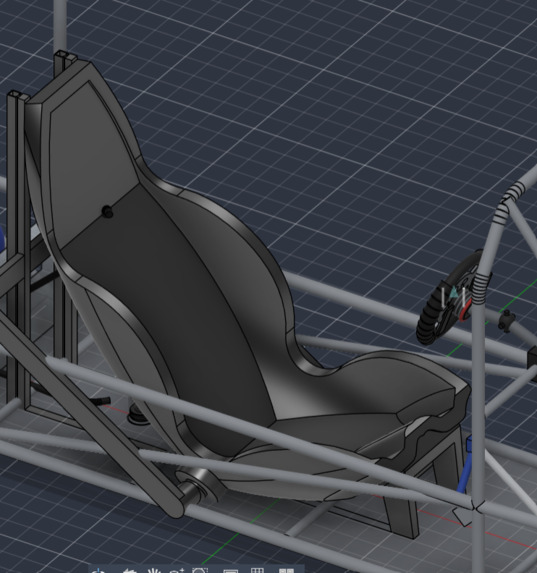
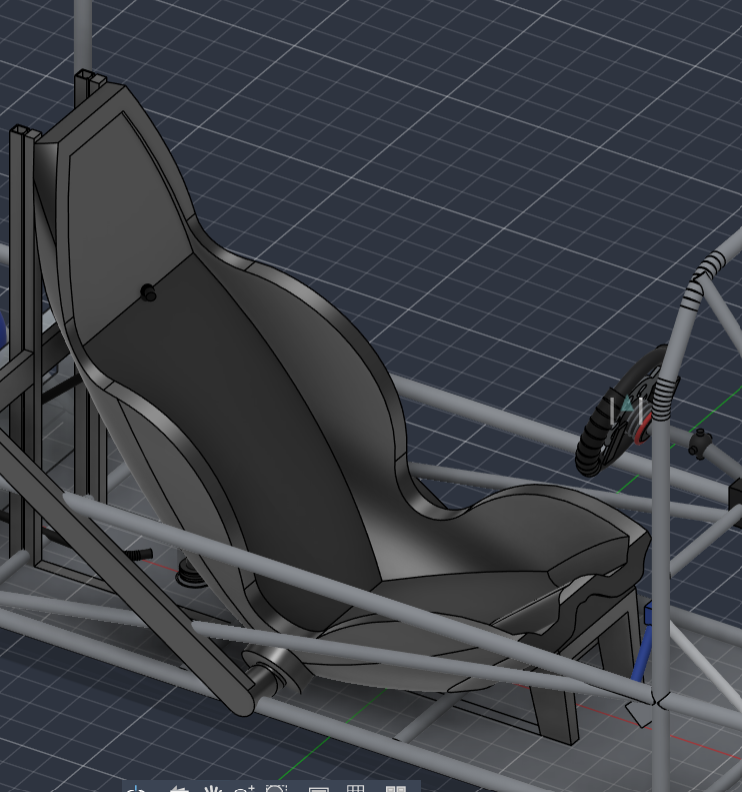
FSAE Car Seat 1
-
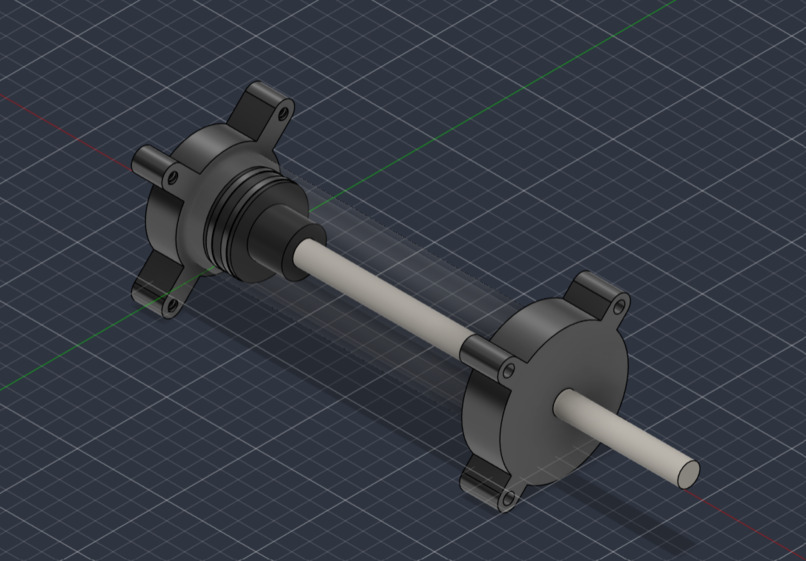
Pneumatic Cylinder
-
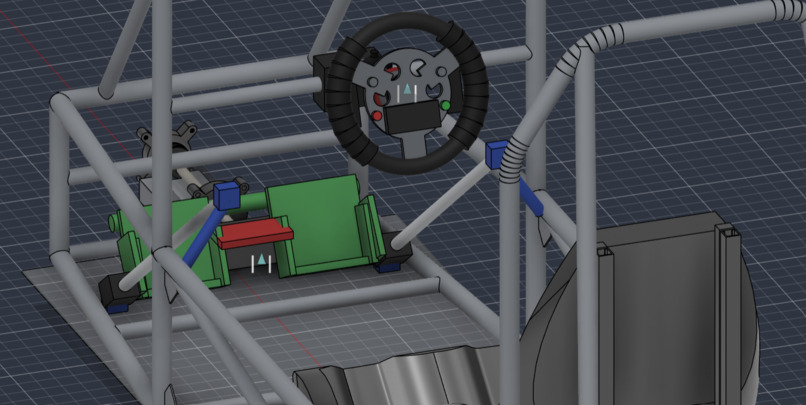
FSAE Car Seat 2
-
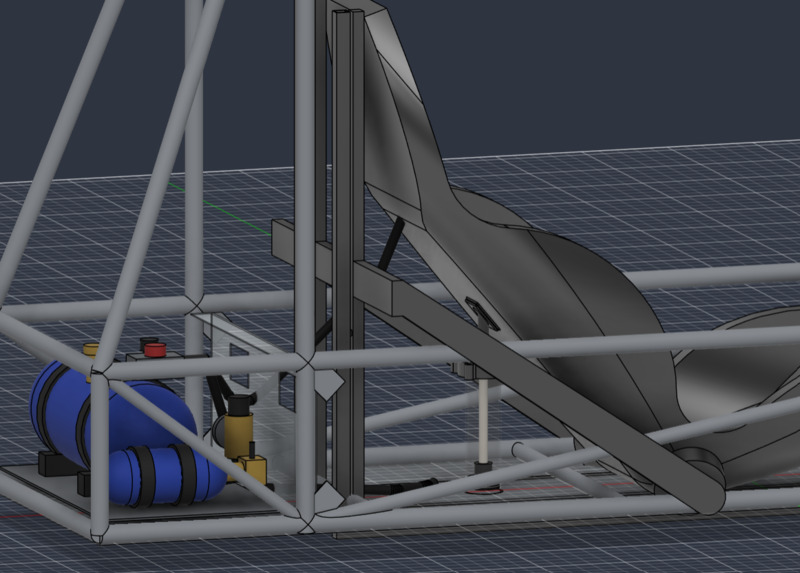
FSAE Car Seat 3
-
FSAE Car Seat 4
-
FSAE Car Seat Render
-
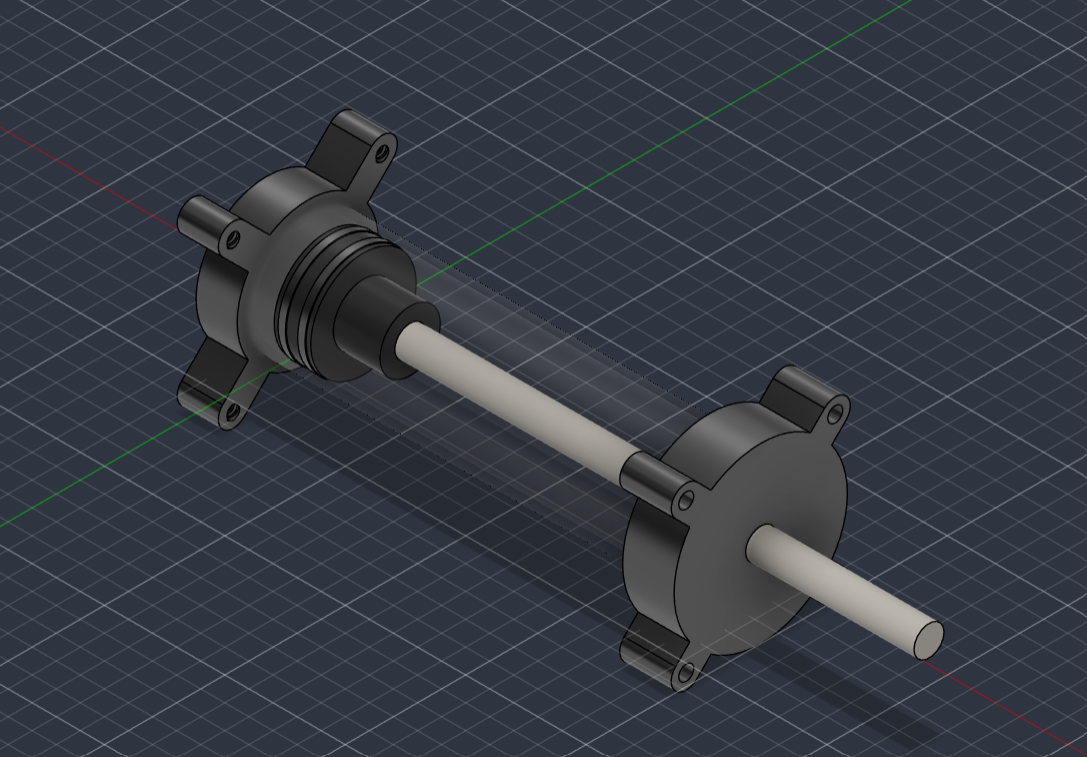
Pneumatic Cylinder 3
-
Pneumatic Cylinder 4
-
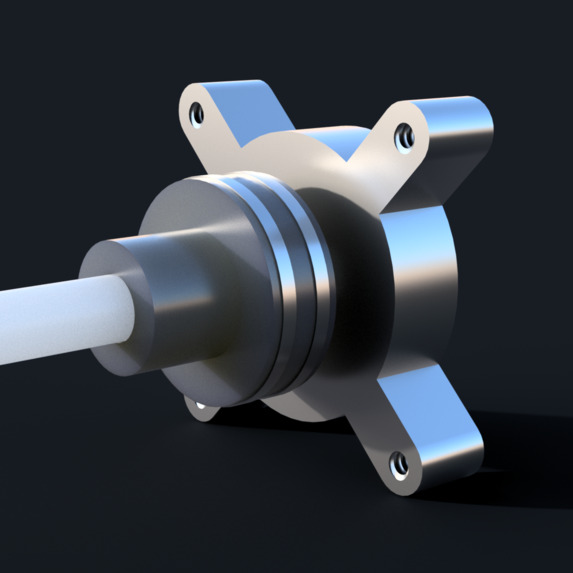
Pneumatic Cylinder 2
Inspiration
Motorsports has always been about pushing the boundaries of engineering, but accessibility remains an overlooked challenge. Formula SAE race cars are designed to be compact, lightweight, and efficient, often leaving very little room for drivers to enter or exit the vehicle.
For drivers with limited or no mobility in their legs, these constraints present an even greater challenge. Traditional Formula SAE cockpits require drivers to maneuver their legs through a narrow footbox and lift themselves over the side-impact structure, movements that may not be possible without assistance.
We wanted to explore a different approach: What if the race car itself could help the driver get in and out?
That question inspired DriveAble, a pneumatically powered seat and leg-retraction system designed to make Formula SAE vehicles more accessible to drivers with lower-body mobility limitations.
What it does
DriveAble is a two-stage pneumatic system that assists drivers with entering and exiting a Formula SAE race car.
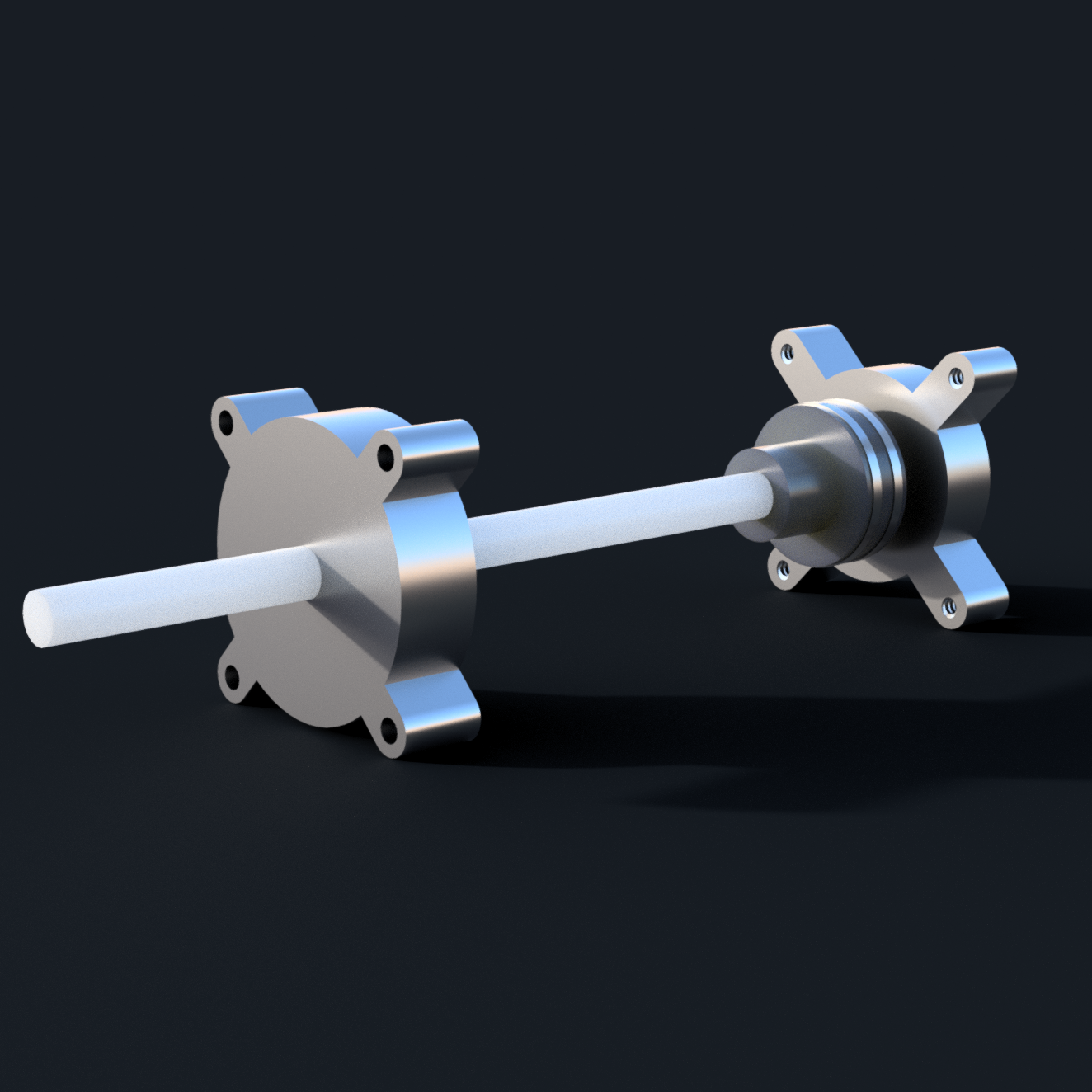
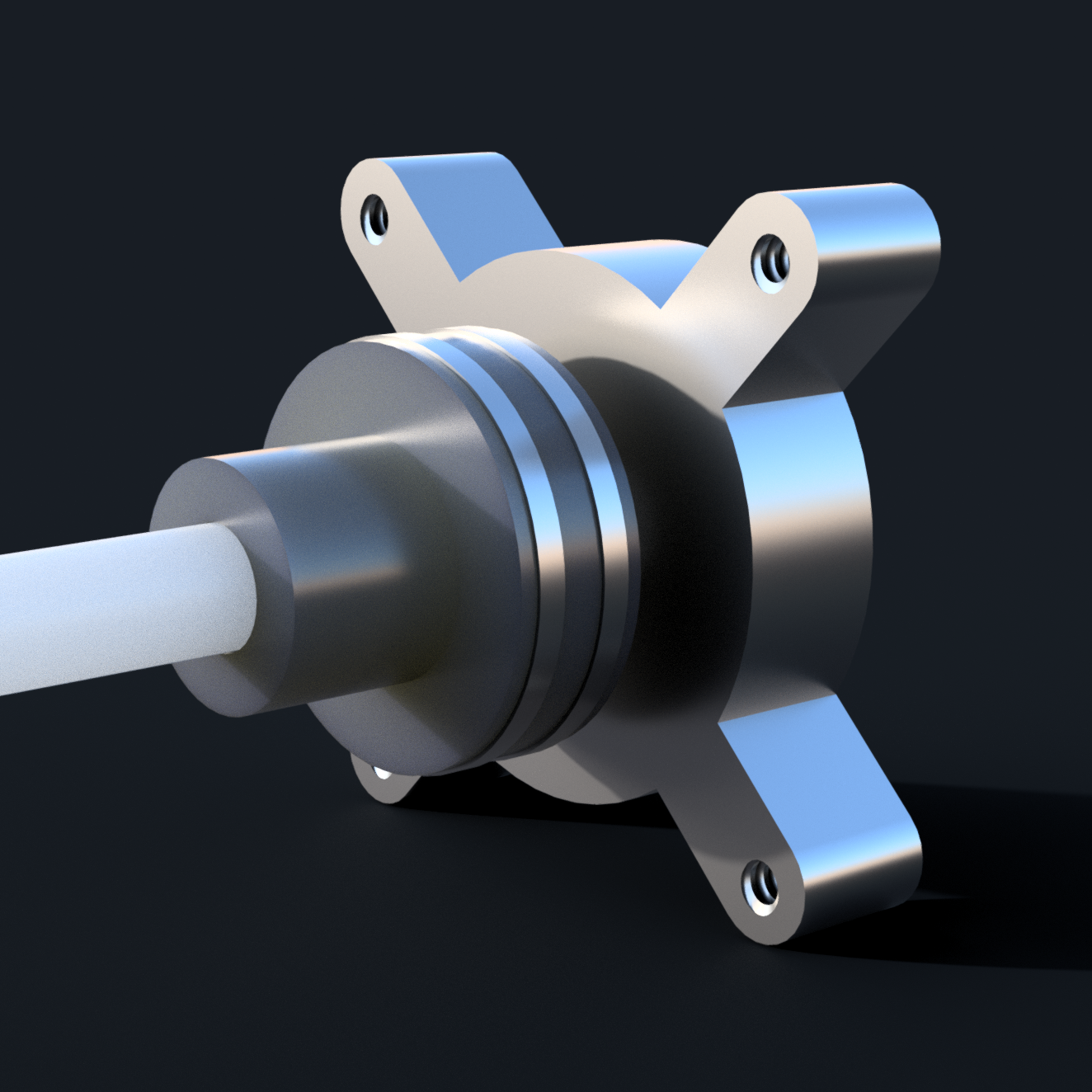
The system uses two pneumatic cylinders to perform separate movements:
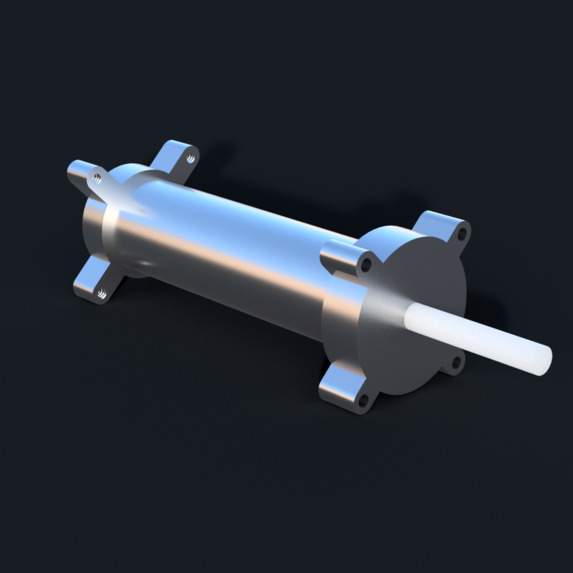
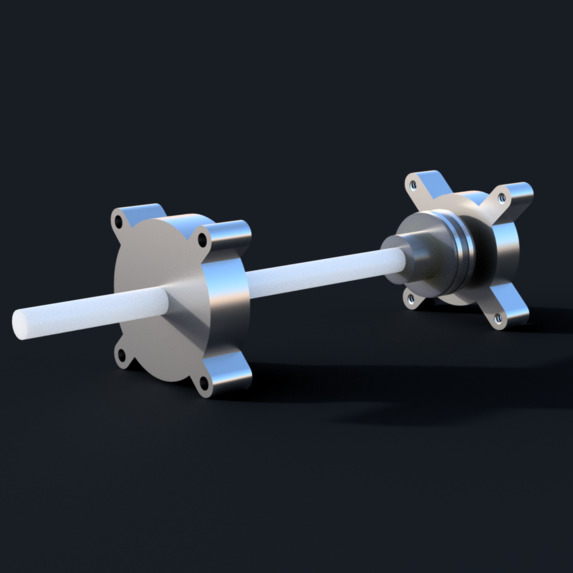
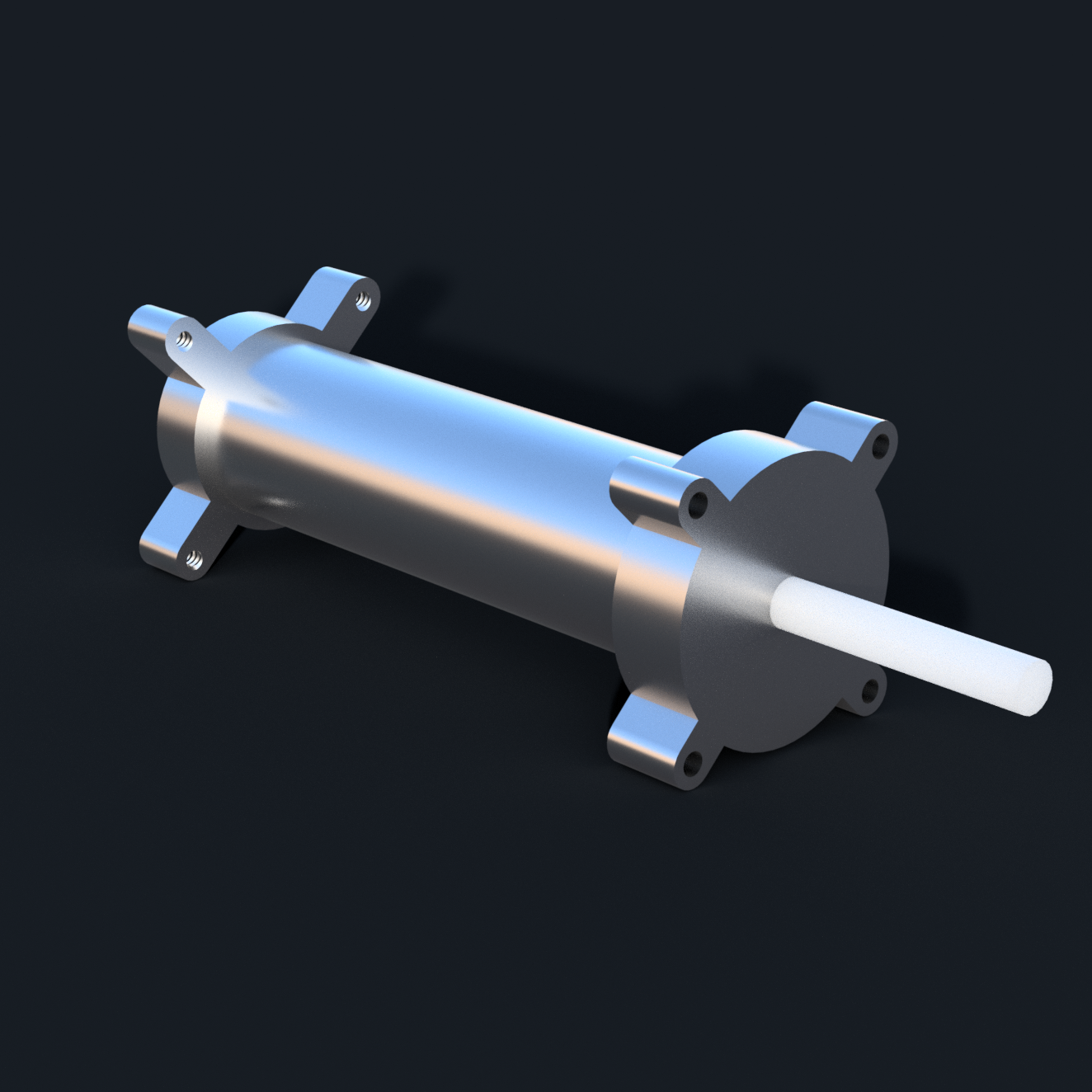
Leg retraction: A horizontal pneumatic cylinder pulls a sliding footplate backward, allowing the driver's knees to bend into a padded cradle while keeping the legs below the chassis bracing.
Seat elevation: Once the legs are retracted, a vertical pneumatic cylinder raises the seat to help position the driver for a sideways exit over the chassis.
For everyday entry, the seat can rise up to assist with wheelchair transfers.
By separating leg retraction and seat elevation, DriveAble addresses two major accessibility challenges without requiring the driver to independently reposition their legs.
How we built it
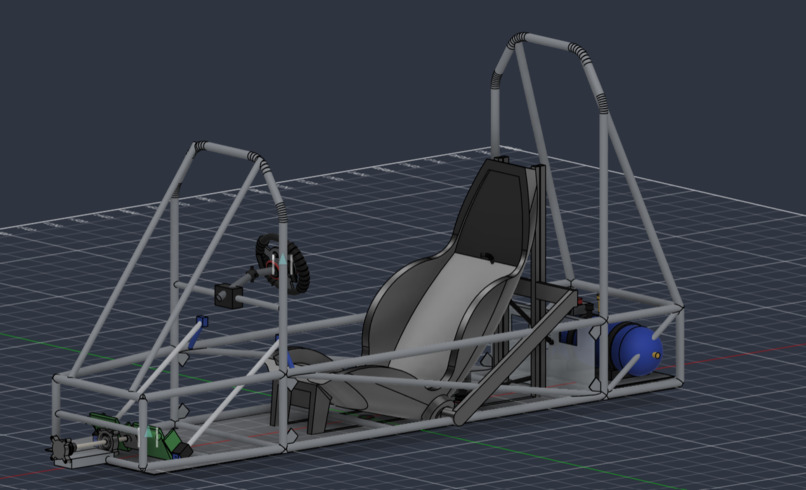
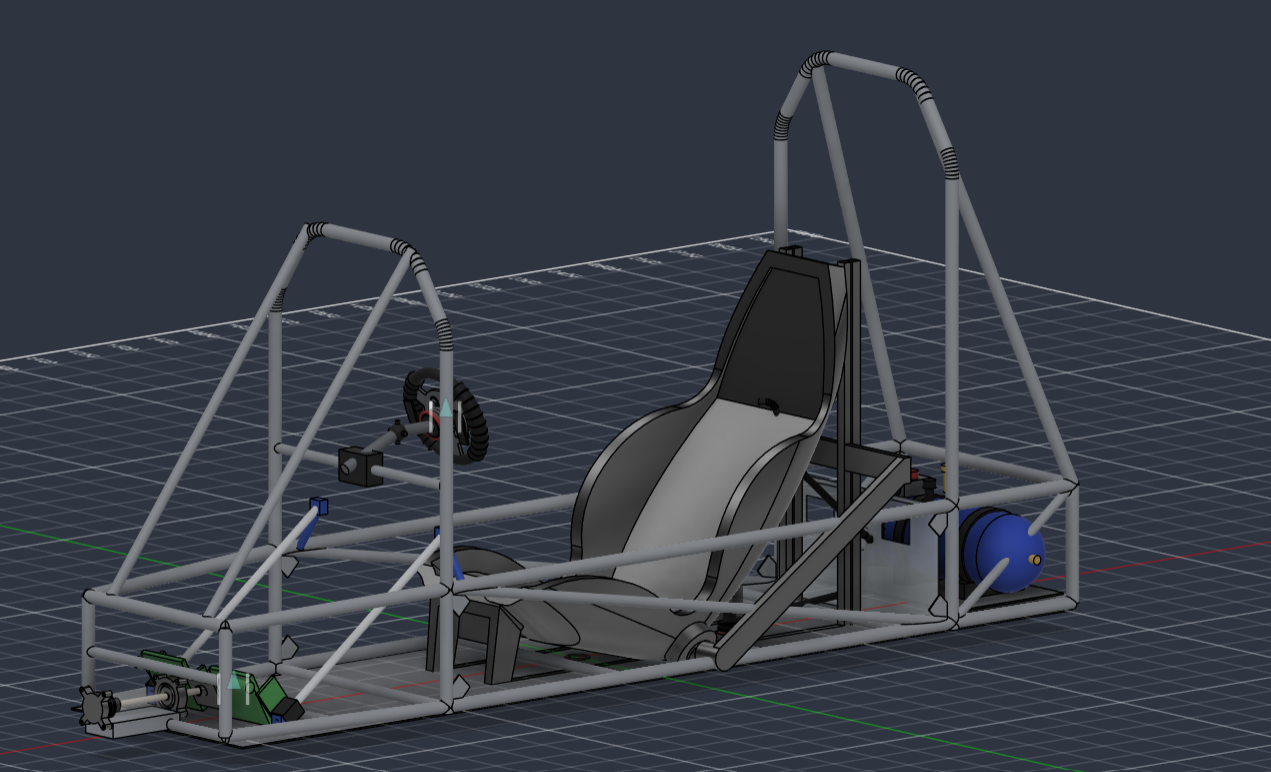
We began by studying the dimensions and structural limitations of a Formula SAE chassis. Using these measurements, we developed a 3D CAD concept that incorporated the vehicle's roll hoops, side-impact tubes, front bracing, and driver seating position.
Our design process focused on three main components.
- Pneumatic seat-lifting system
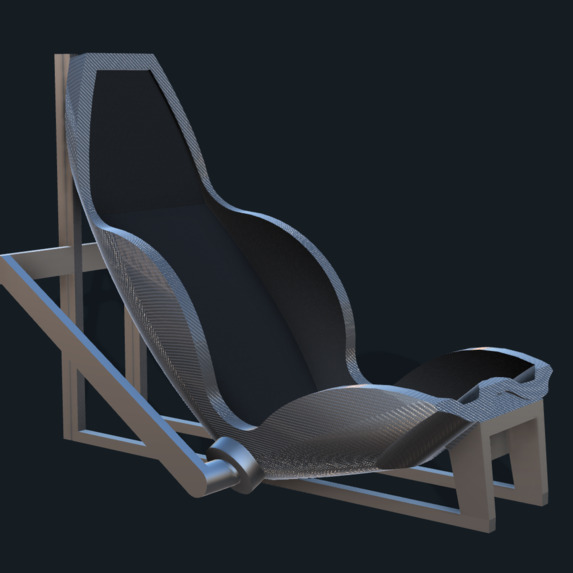
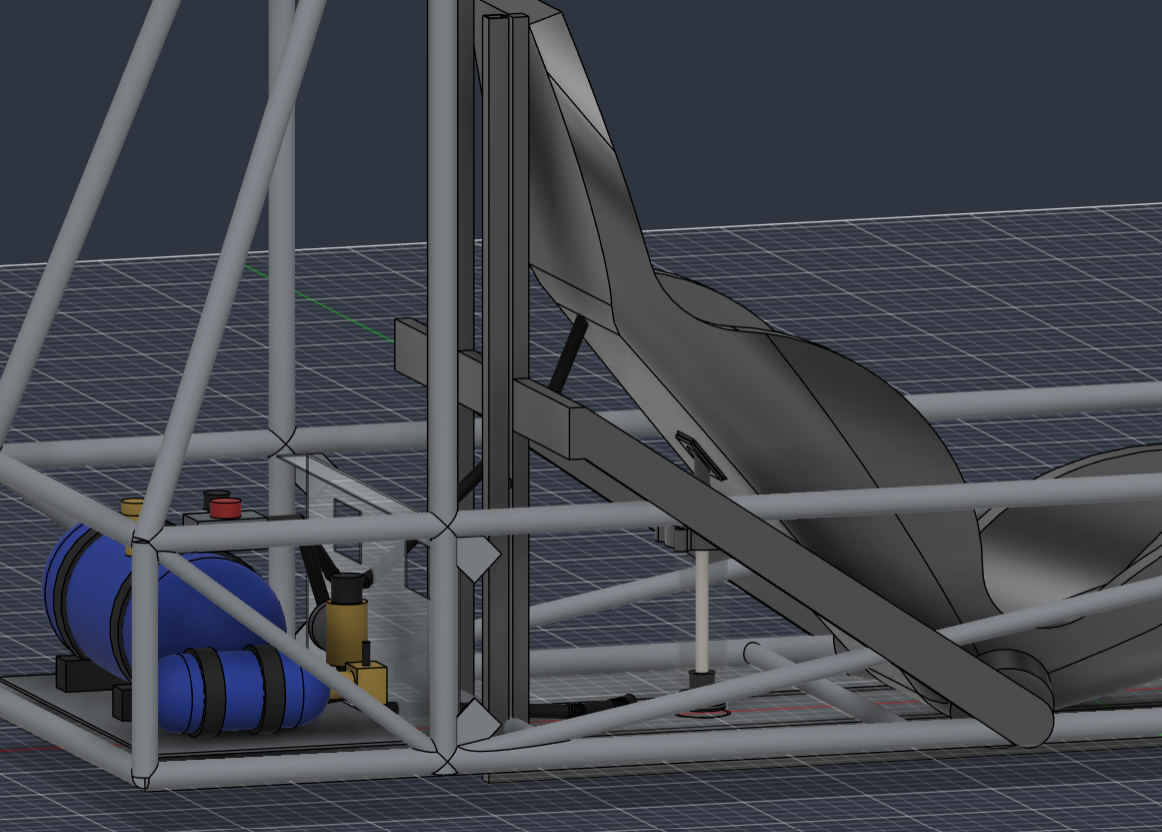
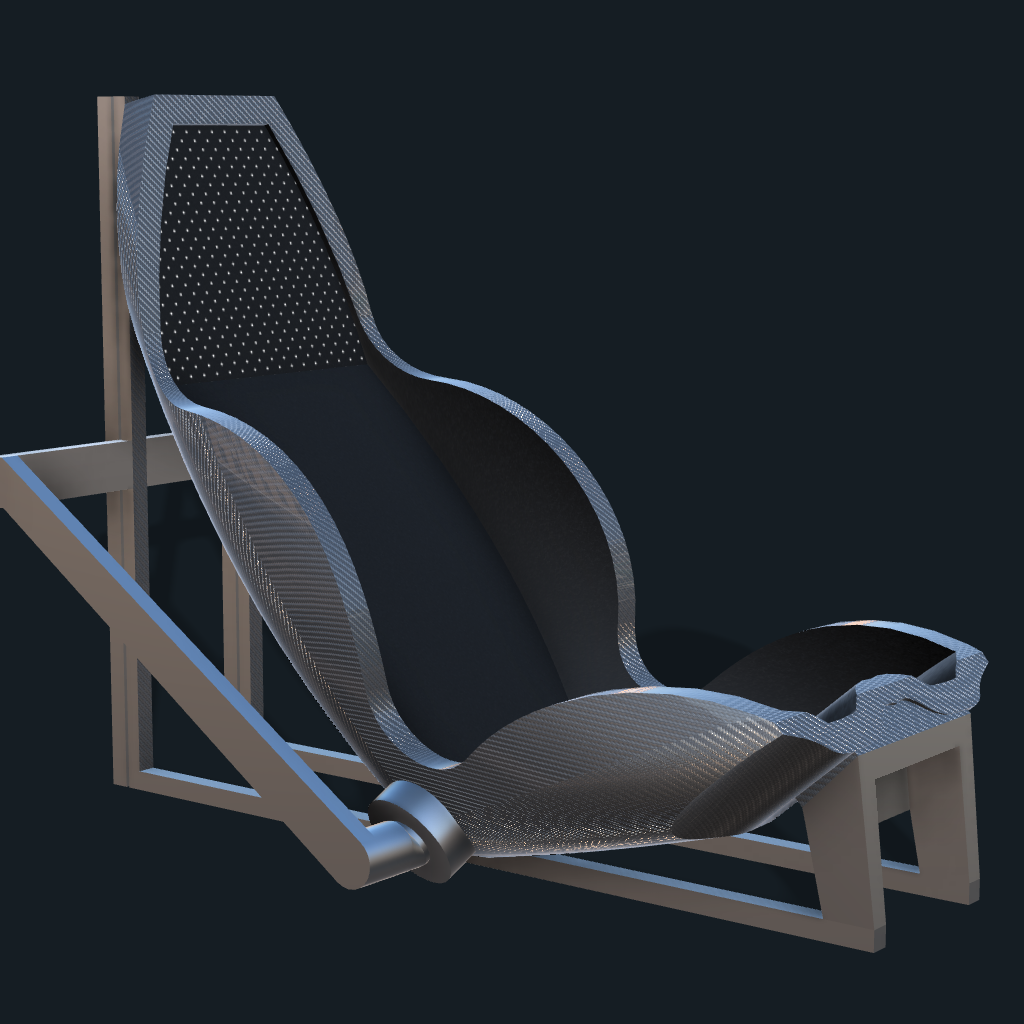
We designed a reclined seat supported by two vertical guide rails. A pneumatic cylinder provides the lifting force, while the guide rails constrain the seat to vertical movement. Mechanical locking features are included in the concept to prevent unintended movement.
- Leg-retraction mechanism
We initially explored using cables, pulleys, and pivoting linkages to retract the driver's feet as the seat rose. However, these mechanisms introduced challenges when attempting to coordinate the movements within the limited cockpit space.
We ultimately developed a two-cylinder concept featuring a sliding footplate and hinged calf cradle. The horizontal cylinder retracts the feet before the vertical cylinder raises the seat.
- Integration with the chassis
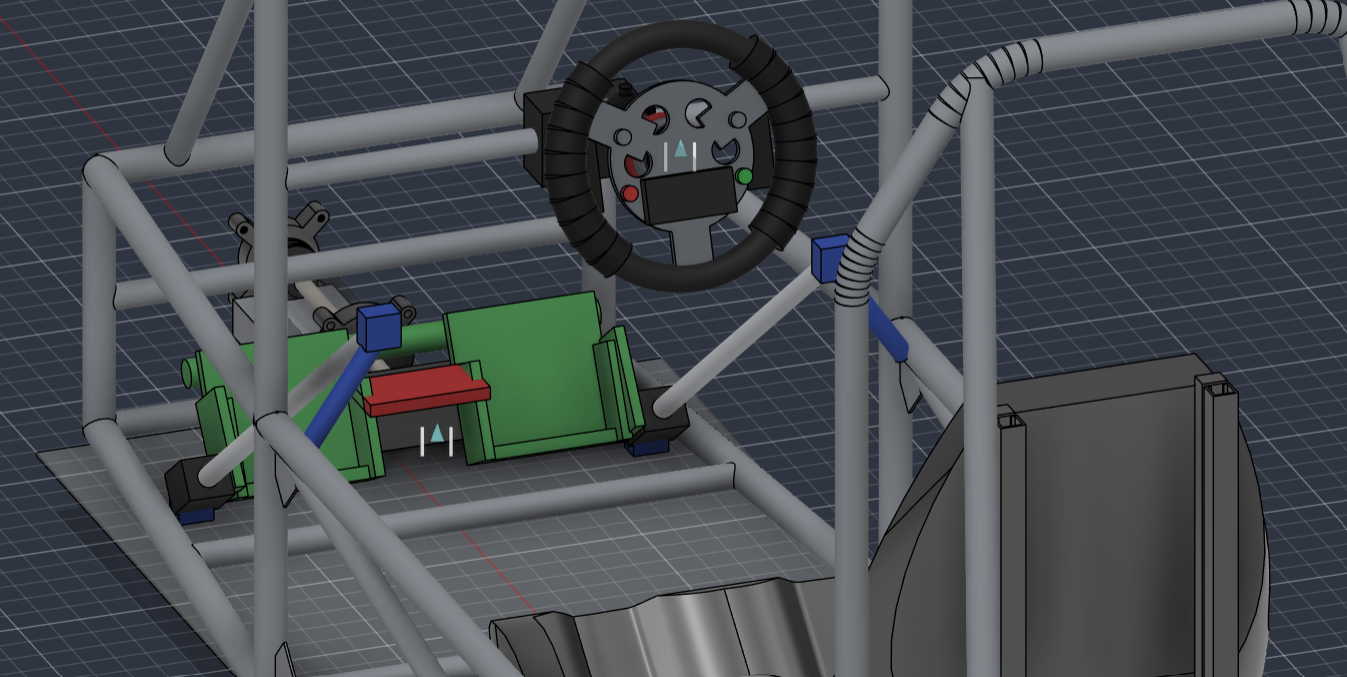
We positioned the components around the existing Formula SAE frame to minimize interference with structural members. We also incorporated a harness interlock concept, a steering-wheel quick-release, and an optional landing mat.
The resulting CAD concept illustrates how the mechanisms could work together, although further motion simulation and physical testing are needed to validate the design.
Challenges we ran into
Our greatest challenge was the extremely limited space available inside a Formula SAE cockpit.
Initially, we designed a mechanism that would lift the driver's legs upward while raising the seat. However, we discovered that the front hoop and its diagonal bracing create a ceiling above the footbox, preventing the legs from moving freely upward.
This forced us to reconsider the entire movement sequence.
Instead of raising the seat and legs simultaneously, we redesigned the concept to retract the feet backward first, then elevate the seat.
Another challenge involved achieving sufficient foot retraction. Our design targeted approximately 492 mm of backward movement, which proved difficult to generate using a simple pivot or cable mechanism driven by the seat's vertical movement.
Separating the system into two pneumatic actuators gave us greater control over the sequence, although fitting the required actuator travel and maintaining safe leg positioning remain important design challenges.
Accomplishments that we're proud of
We're particularly proud of developing a concept that addresses both emergency evacuation and everyday accessibility.
Rather than designing a seat that simply rises, we considered the entire process of getting into and out of a race car, including the position of the driver's legs, the height of the chassis side tubes, and the limited clearance above the footbox.
We're also proud of how much the concept evolved throughout the design process. Each iteration revealed new mechanical challenges, pushing us to rethink our assumptions and develop a more practical approach.
What we learned
DriveAble helped us understand how closely accessibility and mechanical engineering are connected.
We learned that designing an accessible system requires considering the complete movement of the user, not just the motion of an individual component. Even a mechanism that appears functional in isolation may become impractical when integrated into a constrained environment.
We also gained experience exploring pneumatic actuation, linear motion systems, mechanical linkages, and the importance of sequencing multiple movements.
Most importantly, we learned that good engineering isn't always about making a mechanism more complicated. Sometimes, it's about recognizing when a simpler approach can better solve the problem.
What's next for DriveAble
Our next step is to refine the CAD model and verify the complete movement sequence through motion simulations.
We plan to evaluate leg positioning, collision clearances, pneumatic force requirements, structural loading, and the reliability of the locking and interlock mechanisms.
We also hope to develop a scaled physical prototype to demonstrate the two-stage retraction and lifting system.
Ultimately, our goal is to continue improving DriveAble into a practical accessibility concept that could help make motorsports more inclusive.


Log in or sign up for Devpost to join the conversation.