-
-
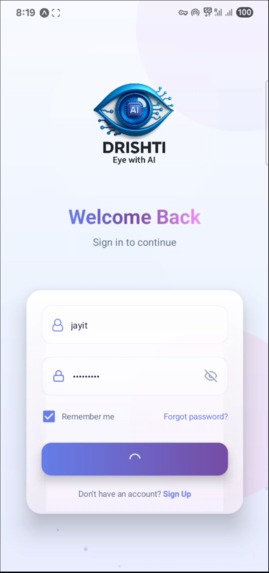
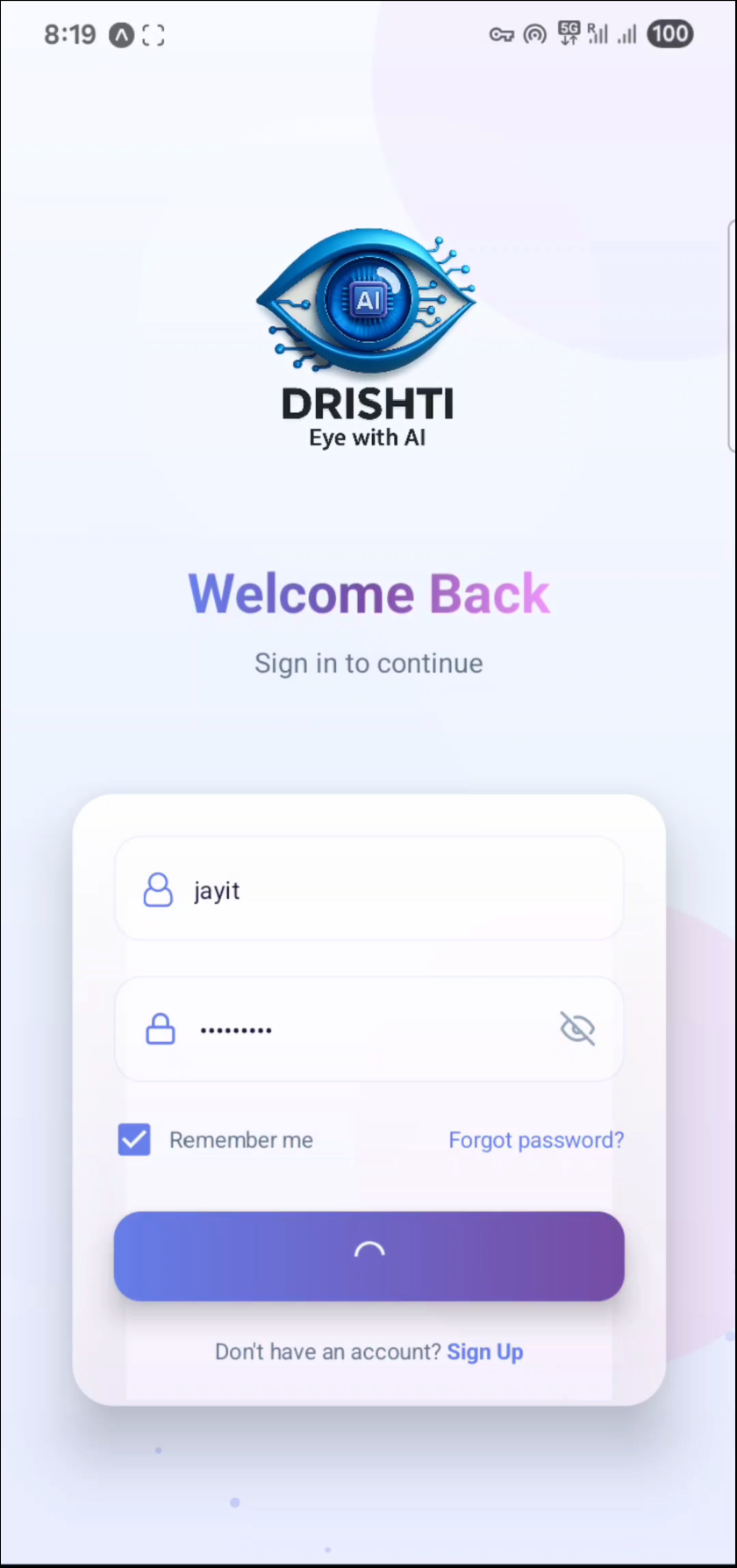
Login Screen
-
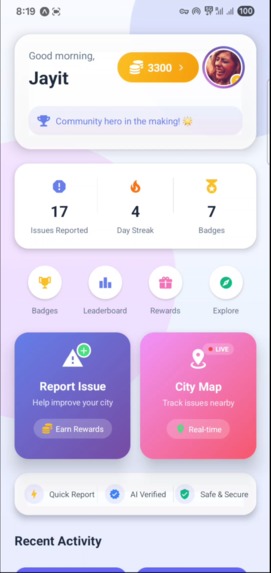
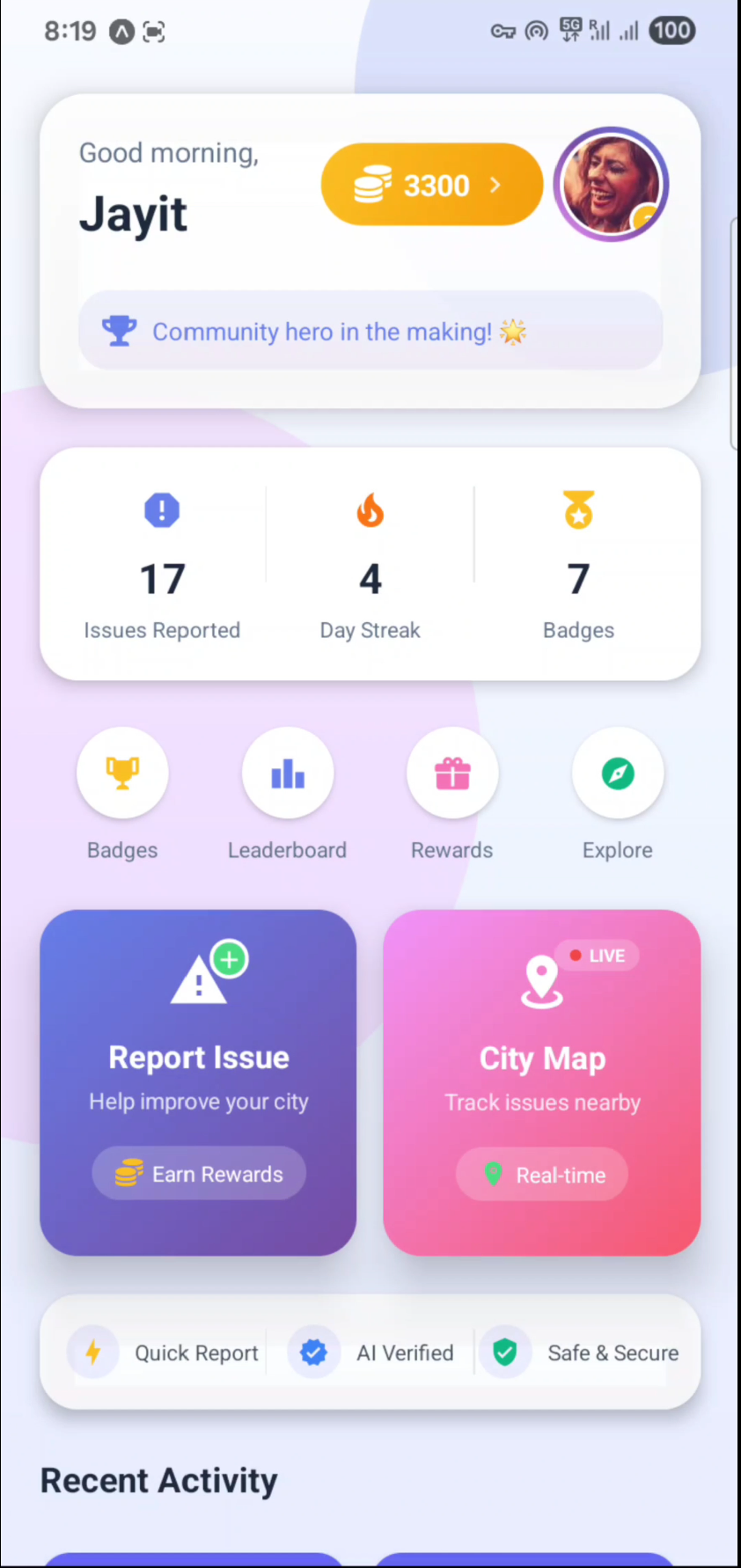
Citizen Profile Page
-
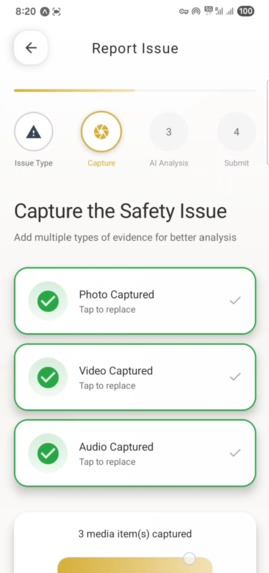
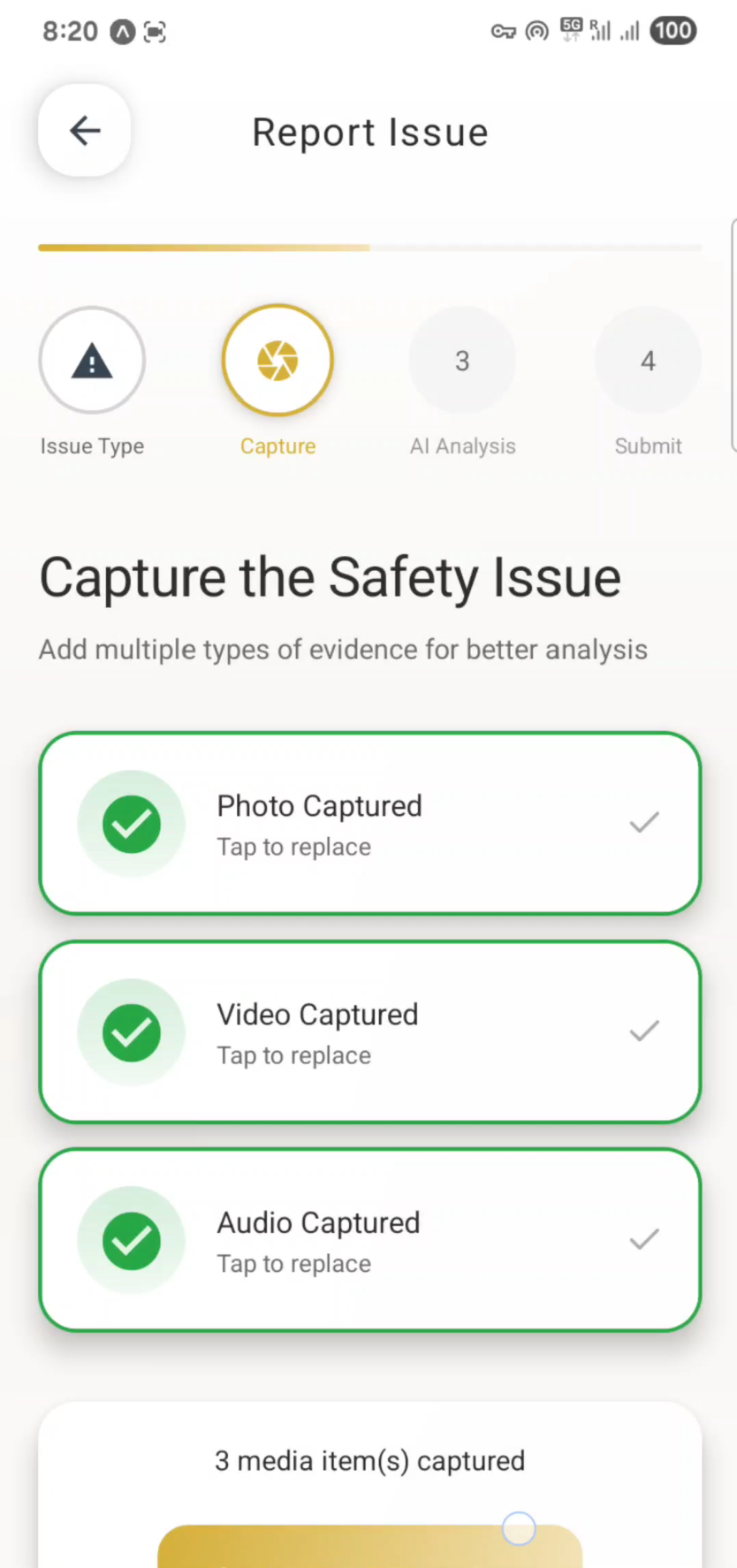
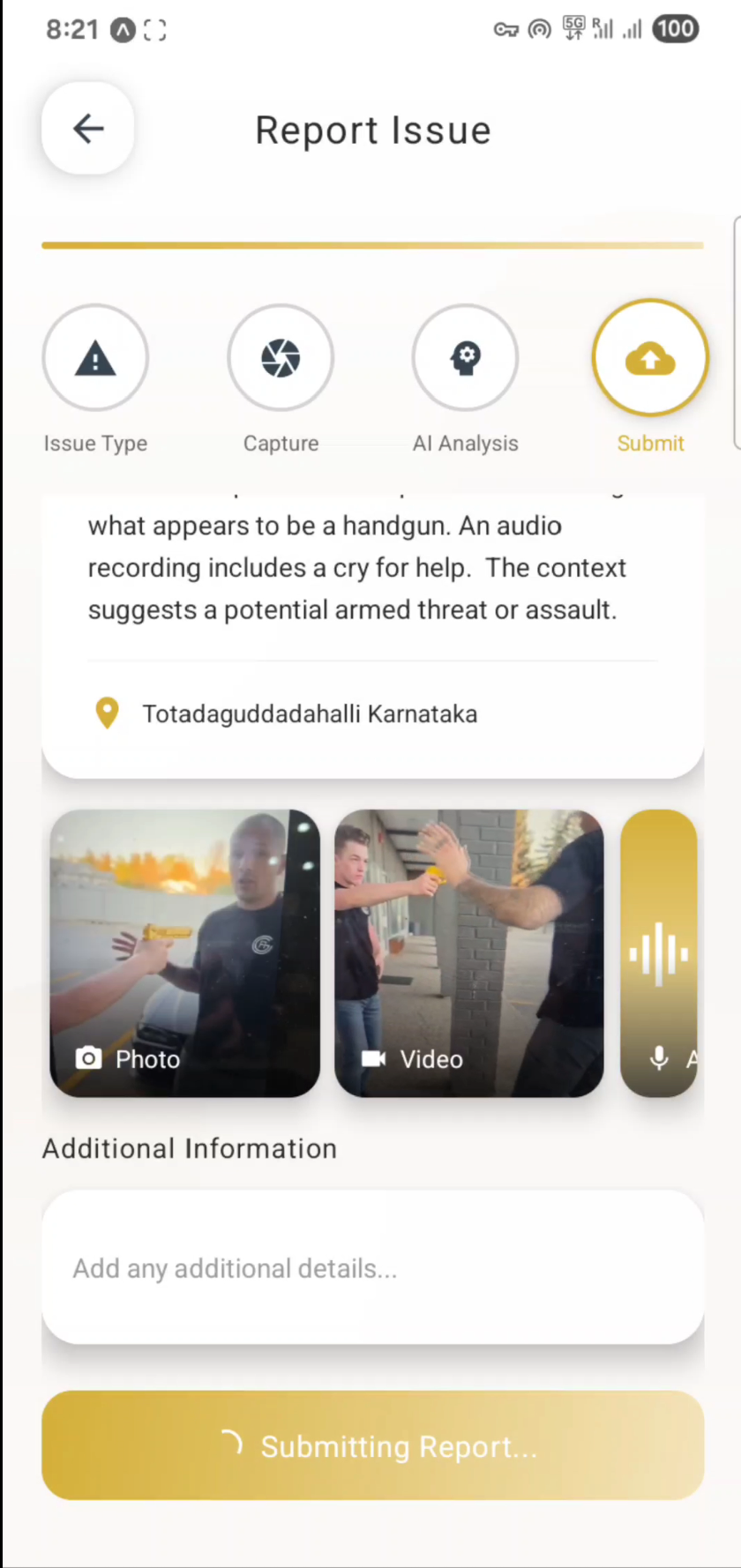
Report an Issue with multiple modalities
-
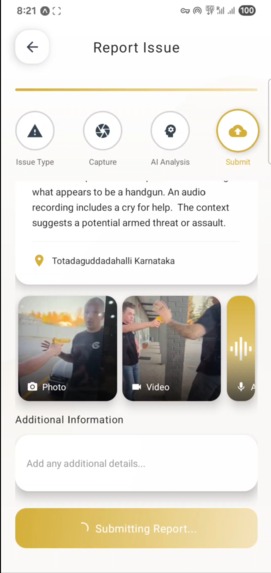
Issue Analysis Screen with Gemini
-
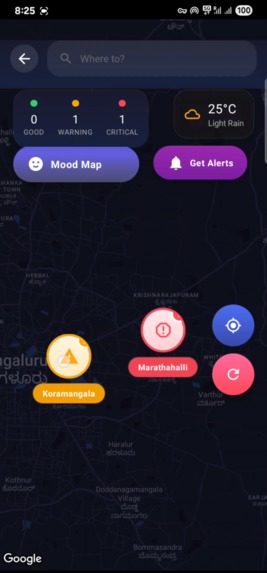
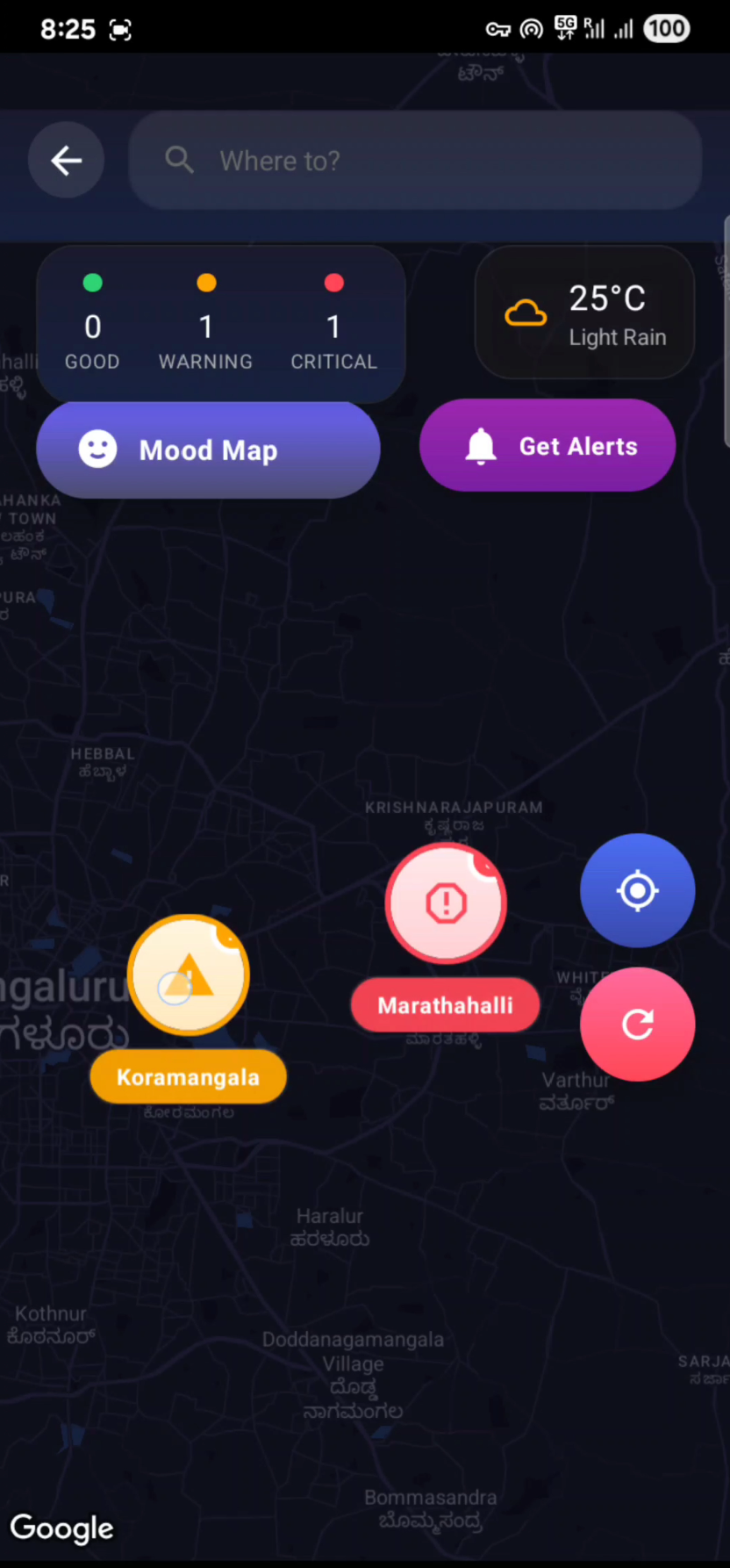
Map View with Hotspots
-
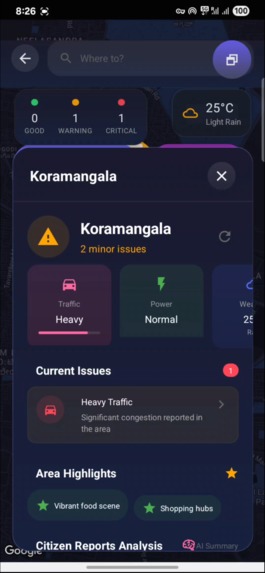
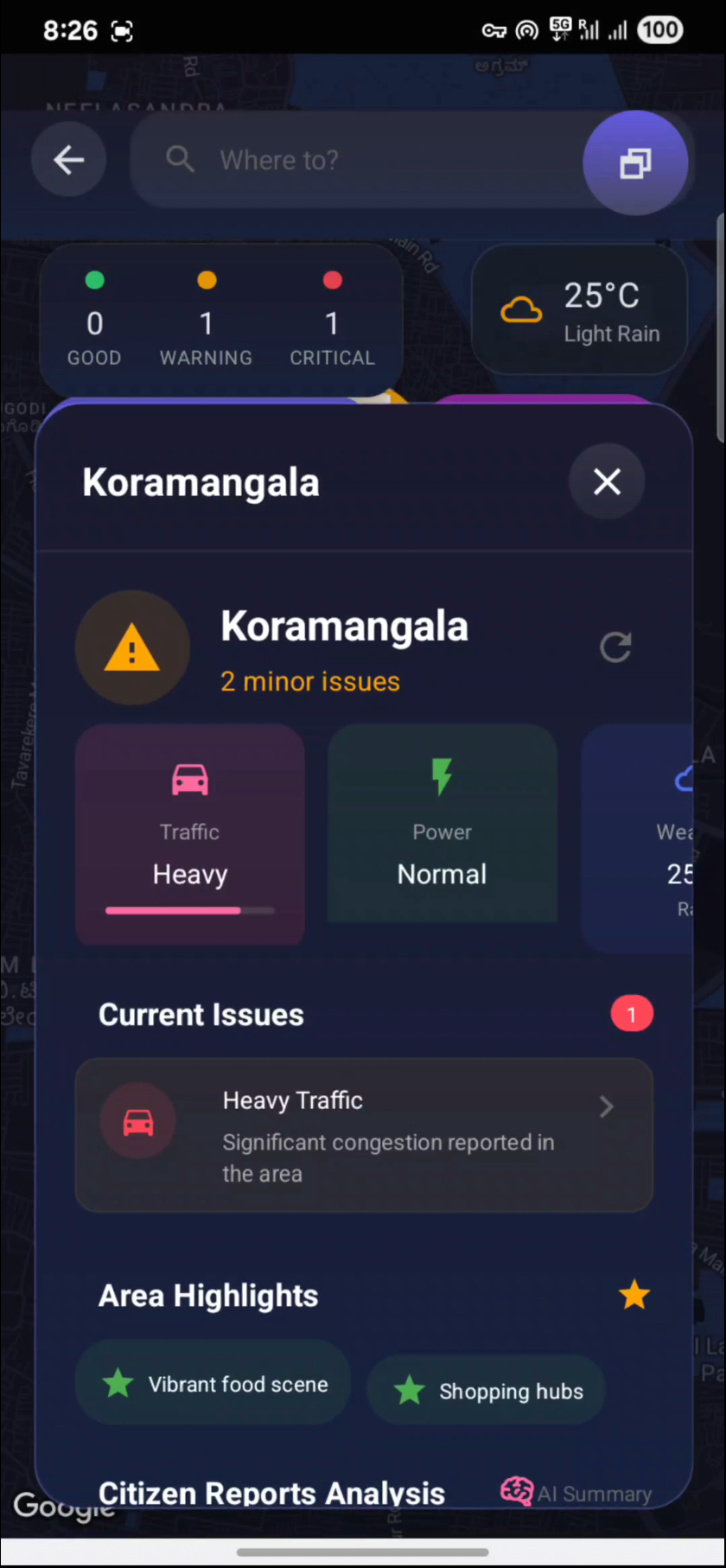
Hotspot Summary
-
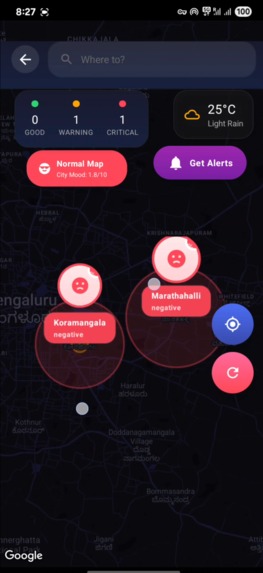
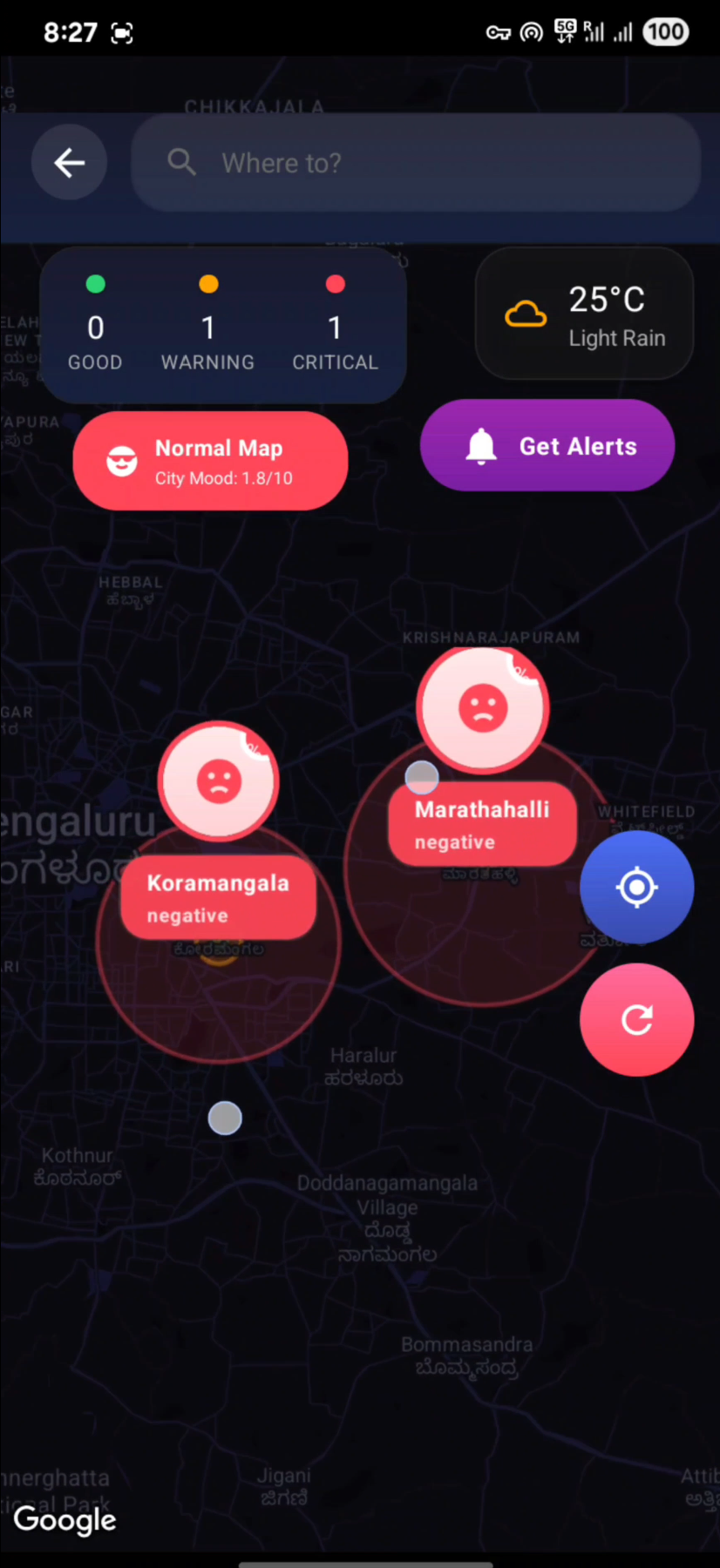
Mood Map
-
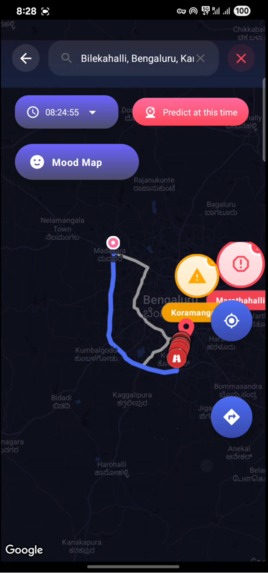
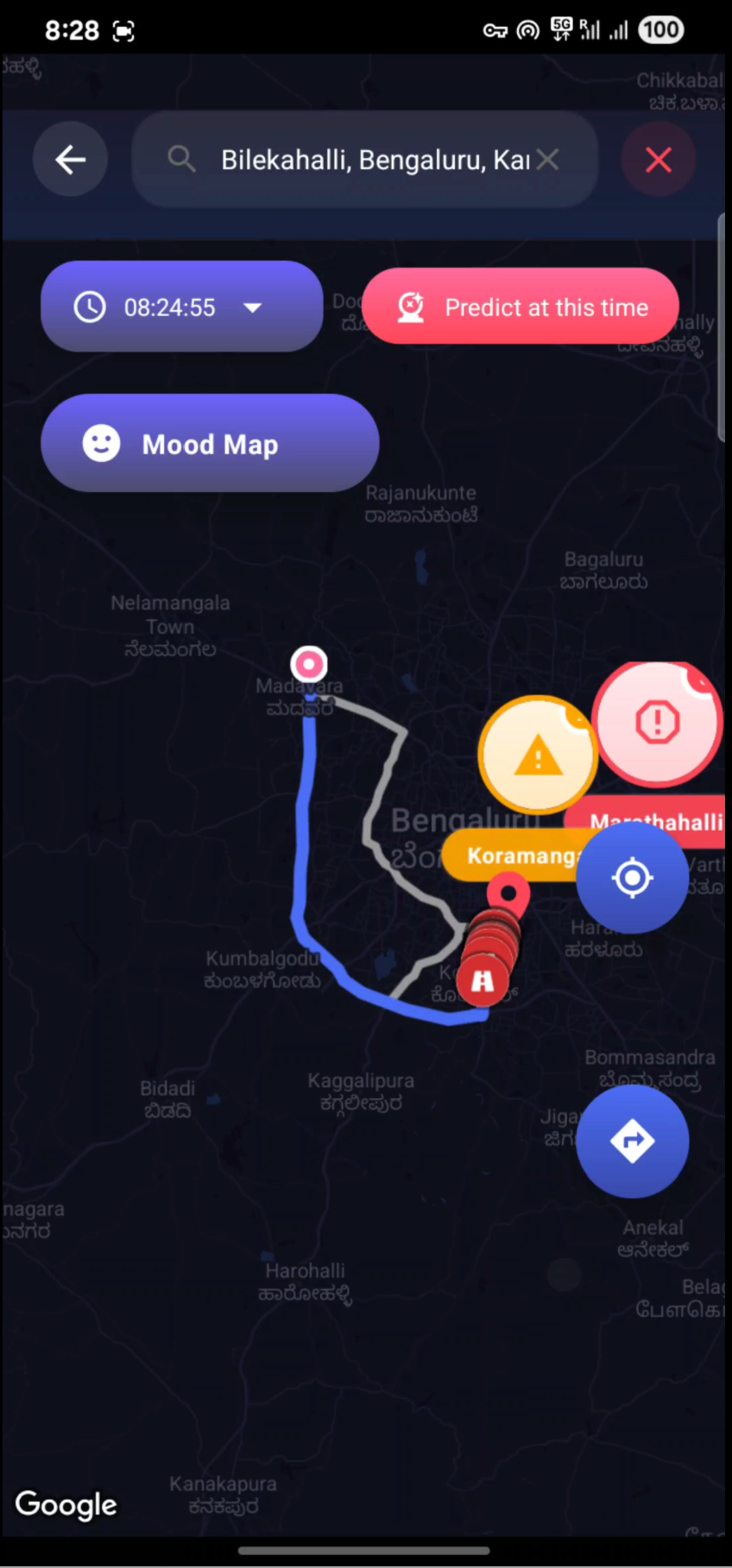
Routes for a particular destination with various sources and data like pothole data on the route
-
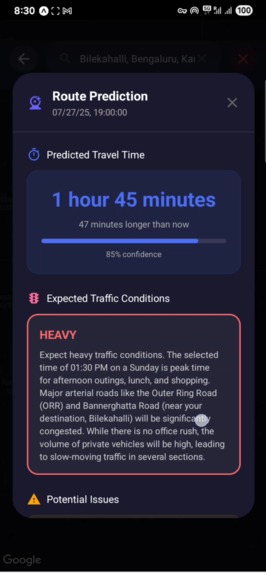
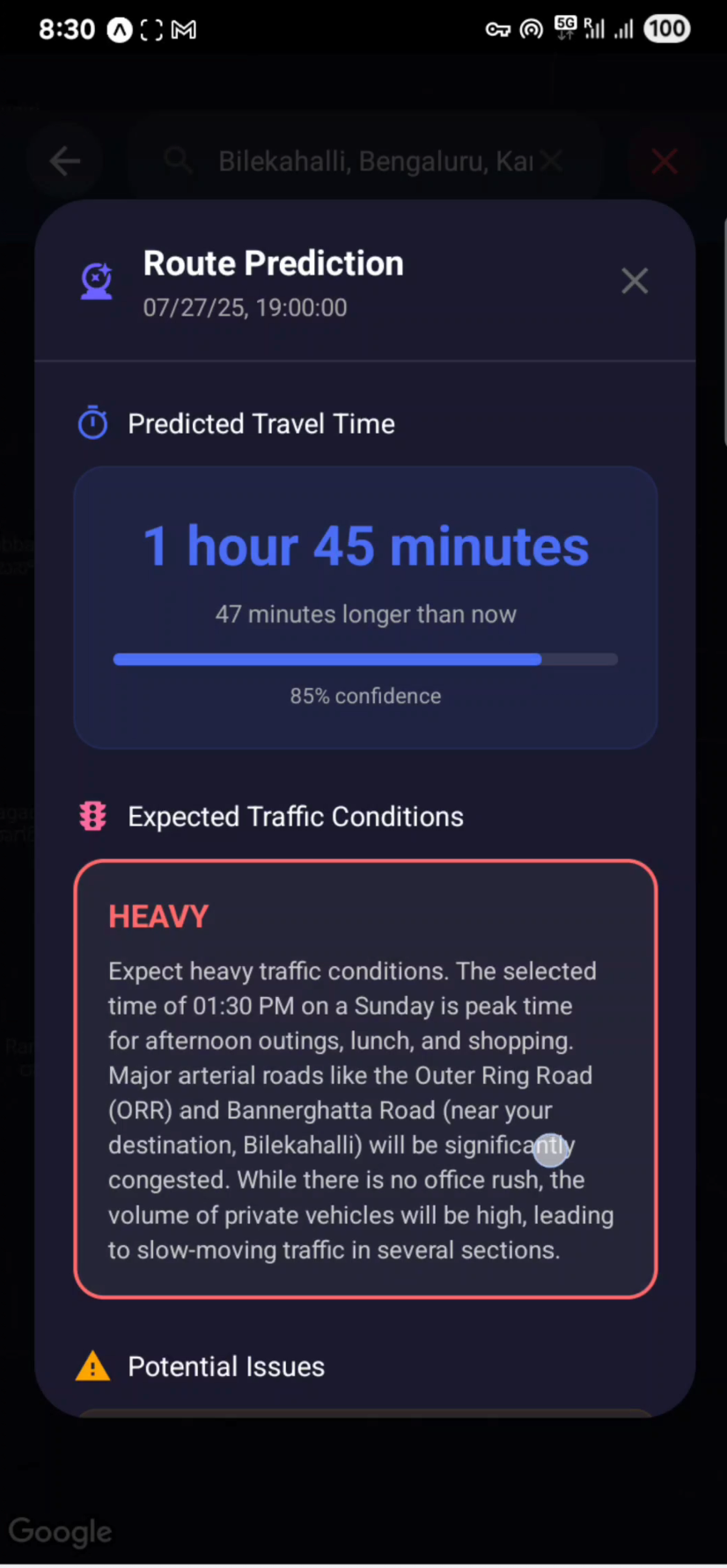
Route prediction
-
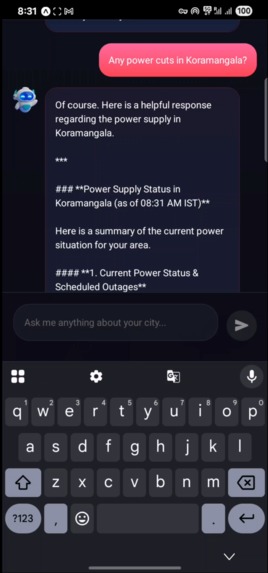
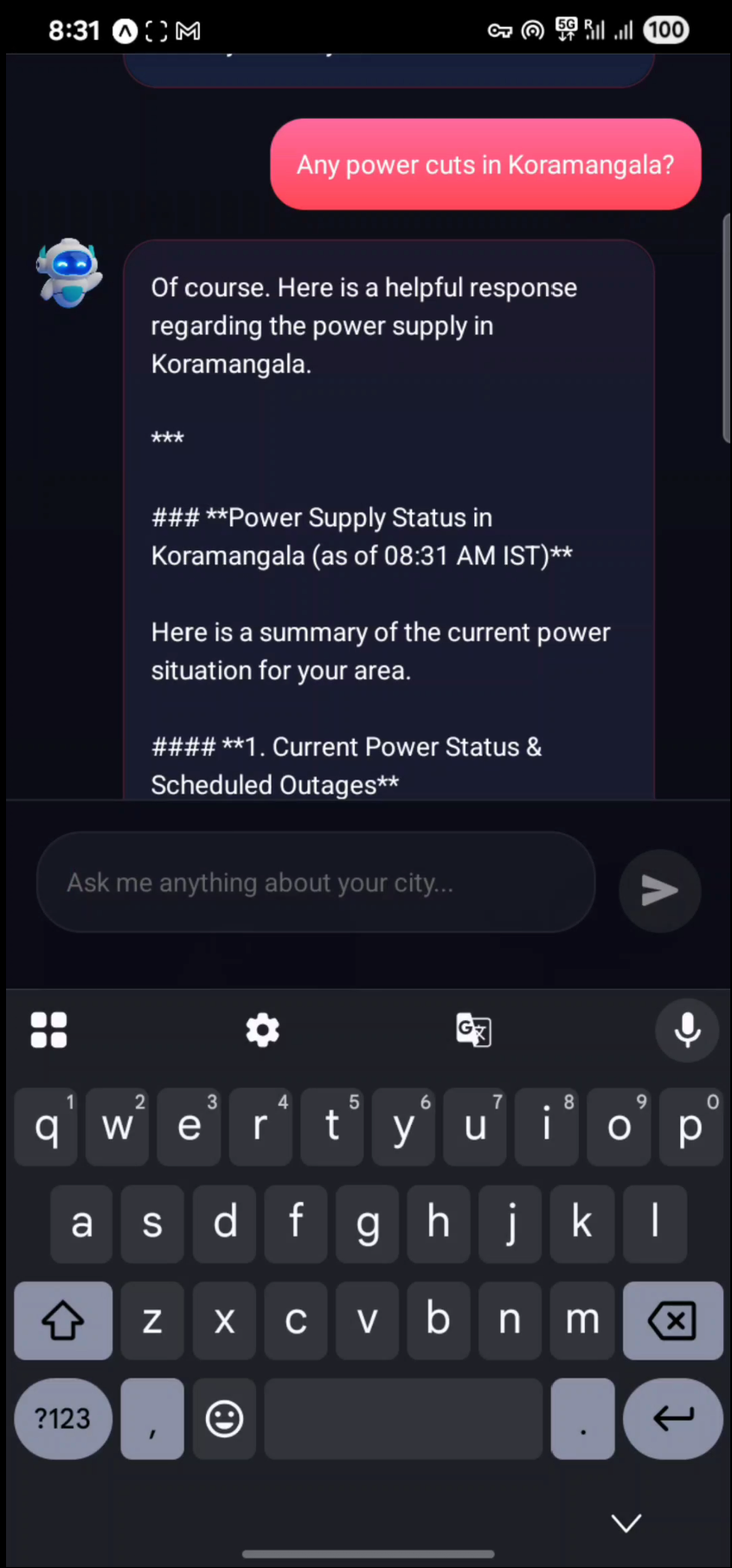
Chatbot Screen
-
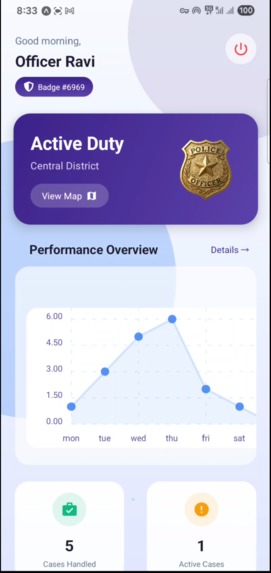
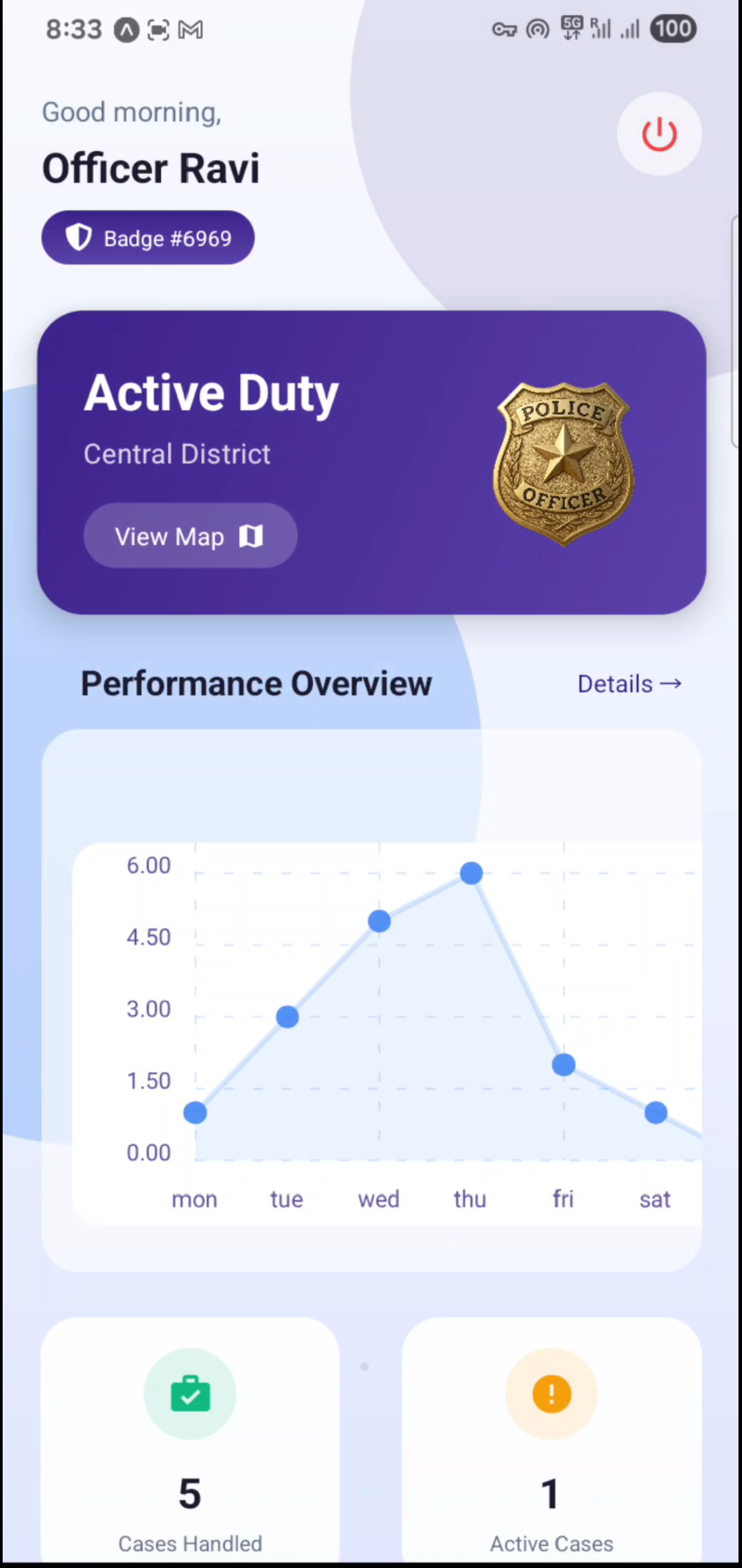
Authority Dashboard - Police
-
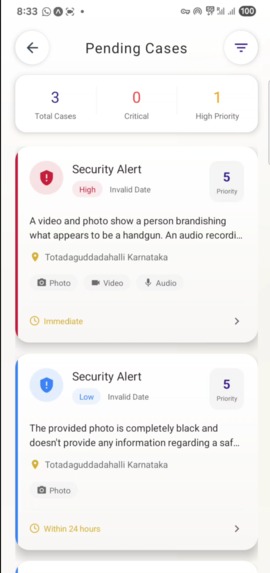
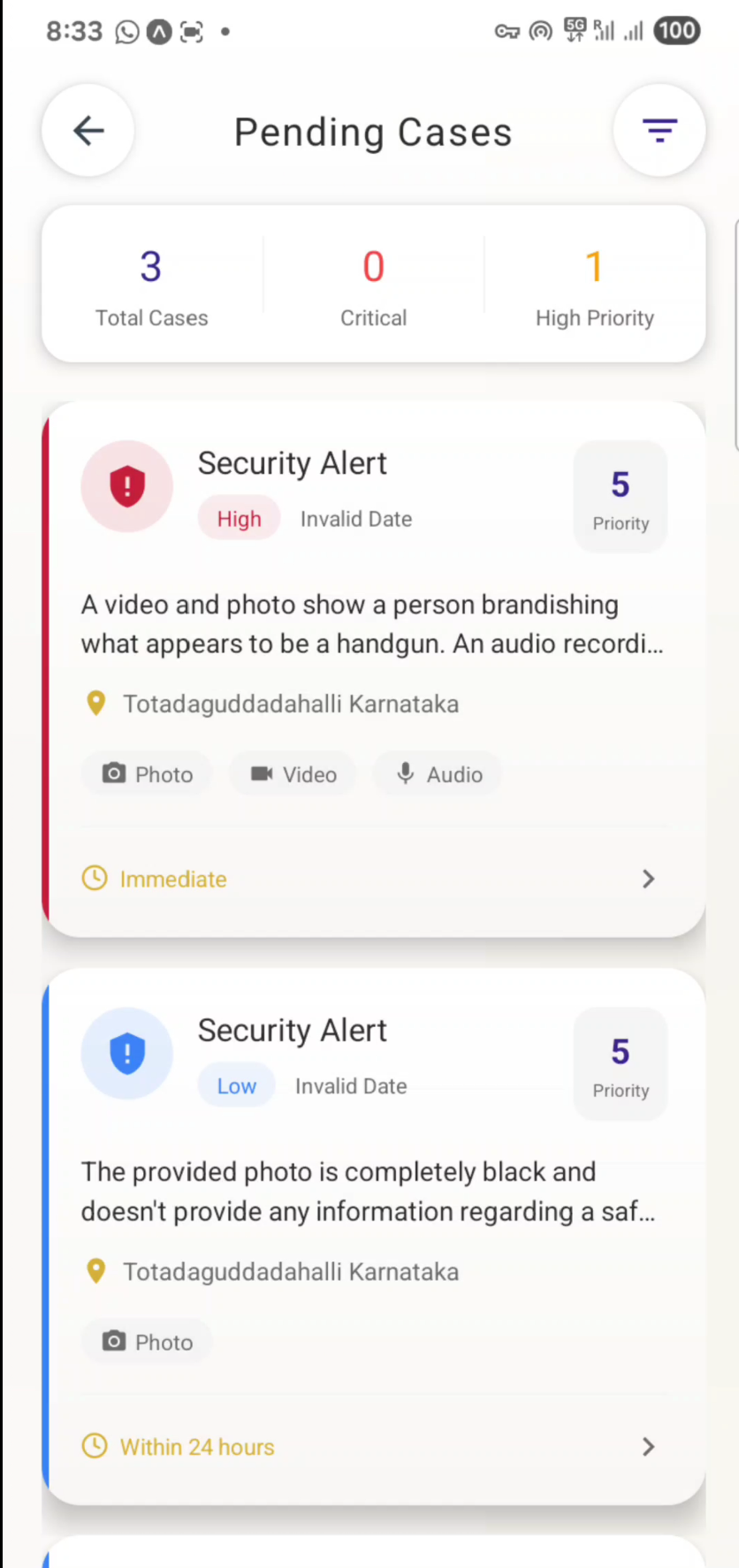
Issues pending Page
-
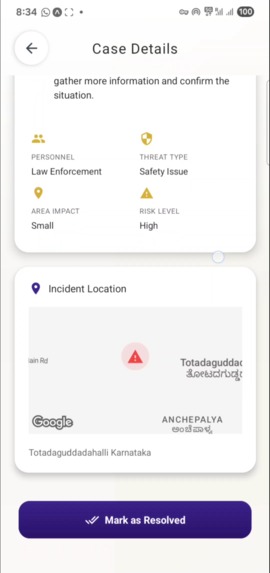
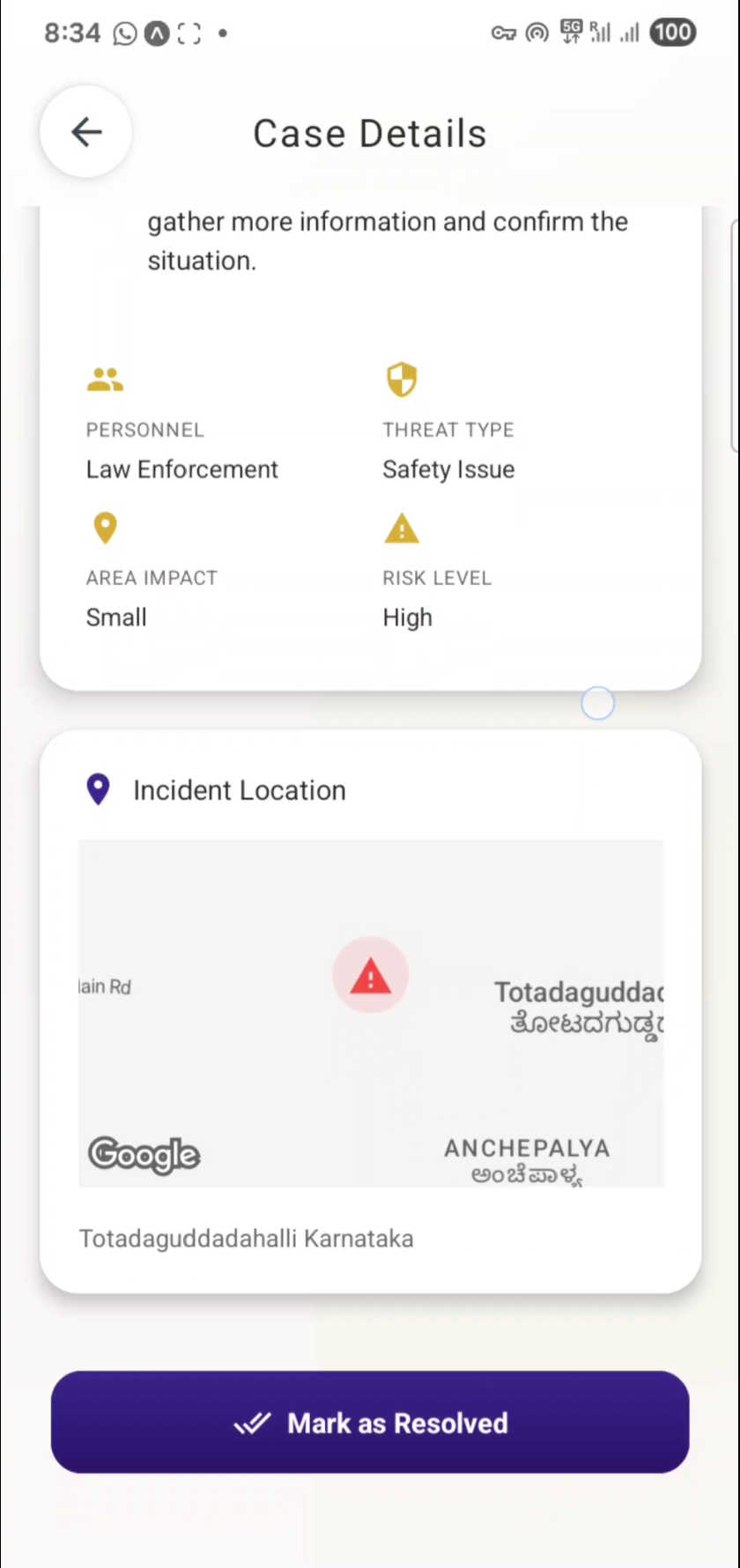
Issue reported summary of a selected issue
DRISHTI - Eye with AI
Inspiration
The inspiration behind DRISHTI appears to be the need for a more efficient and responsive urban management system. The platform is designed to tackle a wide array of civic issues, from traffic management and infrastructure maintenance to public safety and citizen engagement. The integration of diverse data sources, including multimodal reports, social media, and IoT sensors, points to a vision of a "smart city" where data-driven insights lead to proactive problem-solving. The emphasis on "reasoning, summarisation, dynamic response generation" by the Gemini Models suggests an ambition to create a system that not only monitors but also intelligently interacts with and improves the urban environment.
What it Does
DRISHTI functions as a centralized intelligence platform for urban governance. At its core, it ingests a vast amount of data from various sources through its DRISHTI DATA WAREHOUSE. This data includes everything from traffic and weather APIs to public transport feeds and citizen reports. The system then processes and analyzes this information using a sophisticated framework of AI agents.
Key Functionalities
Reporting and Analysis: The Reporting Agent analyzes incoming reports, converting audio to text, analyzing images and videos, summarizing reports, and detecting duplicate or fake information.
Mapping and Visualization: The Map Agent provides geospatial plotting of incidents, identifies hotspots for issues like potholes or crime, generates "mood maps" based on social media sentiment, and determines the best routes for emergency services.
Predictive Analytics: The Predictive Agent forecasts future events and patterns, such as traffic congestion, potential hazards, and anomalies in city services.
Logistics and Resource Management: The Logistics Agent triages and prioritizes issues, allocates resources, and integrates with CRM and GIS systems for efficient dispatch and management.
Citizen Engagement: A User Engagement & Chatbot agent manages interactions with the public, providing a conversational history, a gamification engine to encourage reporting, and a notification dispatch system.
The outputs of this complex processing are intelligent maps, comprehensive dashboards and analytics, and actionable alerts and external actions, including chat-based interactions.
How We Built It
The architecture of DRISHTI, as detailed in the provided diagram, is modular and built around a central MCP (Master Context Protocol) Server. This server acts as the hub for state management, context, and the coordination of the "agentic workforce."
Key Technological Components
Data Ingestion: The DRISHTI DATA WAREHOUSE aggregates data from a multitude of sources.
AI and Machine Learning: The system heavily relies on Gemini Models for advanced reasoning and response generation, as well as Fine-Tuned Models for specific civic tasks like pothole detection.
Agent-Based Architecture: The core of the system is the LLM Orchestrator Agent which decomposes tasks and delegates them to specialized "Primary Agents" (Reporting, Map, Predictive, Logistics, and User Engagement). These primary agents are further broken down into specific sub-agents that perform granular tasks.
Memory and Context: A Vector DB (RAG) and a State DB provide the system with both long-term memory and real-time context, enabling it to learn and adapt.
Development Framework: The entire system is built upon an Agent Development Kit (ADK) Framework, suggesting a structured and scalable approach to building and managing the AI agents.
Integration with Android and Firebase: The inclusion of Android and Firebase logos suggests that the citizen-facing component of the platform is likely a mobile application.
Challenges We Ran Into
While the provided document doesn't explicitly list challenges, the complexity of the system itself points to several potential hurdles that the development team likely faced:
Data Integration and Standardization: Integrating a wide variety of data sources with different formats and levels of quality is a significant technical challenge.
Real-time Processing: The need to process and act upon real-time data from sources like traffic feeds and IoT sensors requires a robust and highly available infrastructure.
Model Accuracy and Bias: Ensuring the accuracy and fairness of the AI models, especially those used for predictive and logistical tasks, is crucial to avoid negative societal impacts.
Scalability: Building a system that can scale to handle the data volume and processing demands of a large urban area is a major engineering feat.
User Adoption and Trust: Encouraging citizens to actively use the platform and trust the information and actions generated by an AI system would be a key challenge.
Accomplishments That We're Proud Of
Based on the detailed architecture and the breadth of functionalities, the key accomplishments of the DRISHTI project likely include:
A Comprehensive, End-to-End System: The creation of a holistic platform that covers the entire lifecycle of a civic issue, from reporting to resolution and analysis.
Advanced AI Integration: The successful integration of large language models (Gemini) and specialized, fine-tuned models for complex urban tasks.
A Scalable and Modular Architecture: The agent-based framework allows for flexibility and the potential to easily add new functionalities and data sources in the future.
A Focus on Actionable Intelligence: The system is designed not just to present data, but to provide clear outputs in the form of intelligent maps, alerts, and automated actions.
What We Learned
The development of DRISHTI likely provided numerous learnings, including:
- The importance of a robust data pipeline for any large-scale AI project.
- The power of an agent-based architecture for breaking down complex problems into manageable components.
- The critical role of both general-purpose AI models (like Gemini) and specialized models for achieving high performance on specific tasks.
- The necessity of a human-in-the-loop design to ensure the ethical and effective application of AI in a civic context.
What's Next for DRISHTI - EYE WITH AI
The future of DRISHTI will likely focus on expanding its capabilities and reach. Potential next steps could include:
Integration of More Data Sources: Incorporating data from additional public and private sector partners to create an even more comprehensive view of the city.
Enhanced Predictive Capabilities: Improving the accuracy and scope of the predictive models to anticipate and prevent a wider range of urban issues.
Greater Automation: Increasing the level of automation in resource allocation and incident response to improve efficiency.
Deployment in More Cities: Scaling the platform to be deployed in other urban centers, potentially with customizations for local needs.
Open Data Initiatives: Making anonymized data available to researchers and the public to foster further innovation and transparency.
Log in or sign up for Devpost to join the conversation.