-
-
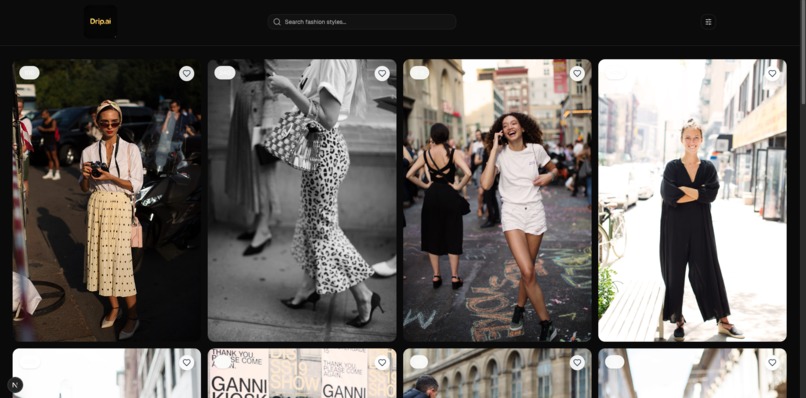
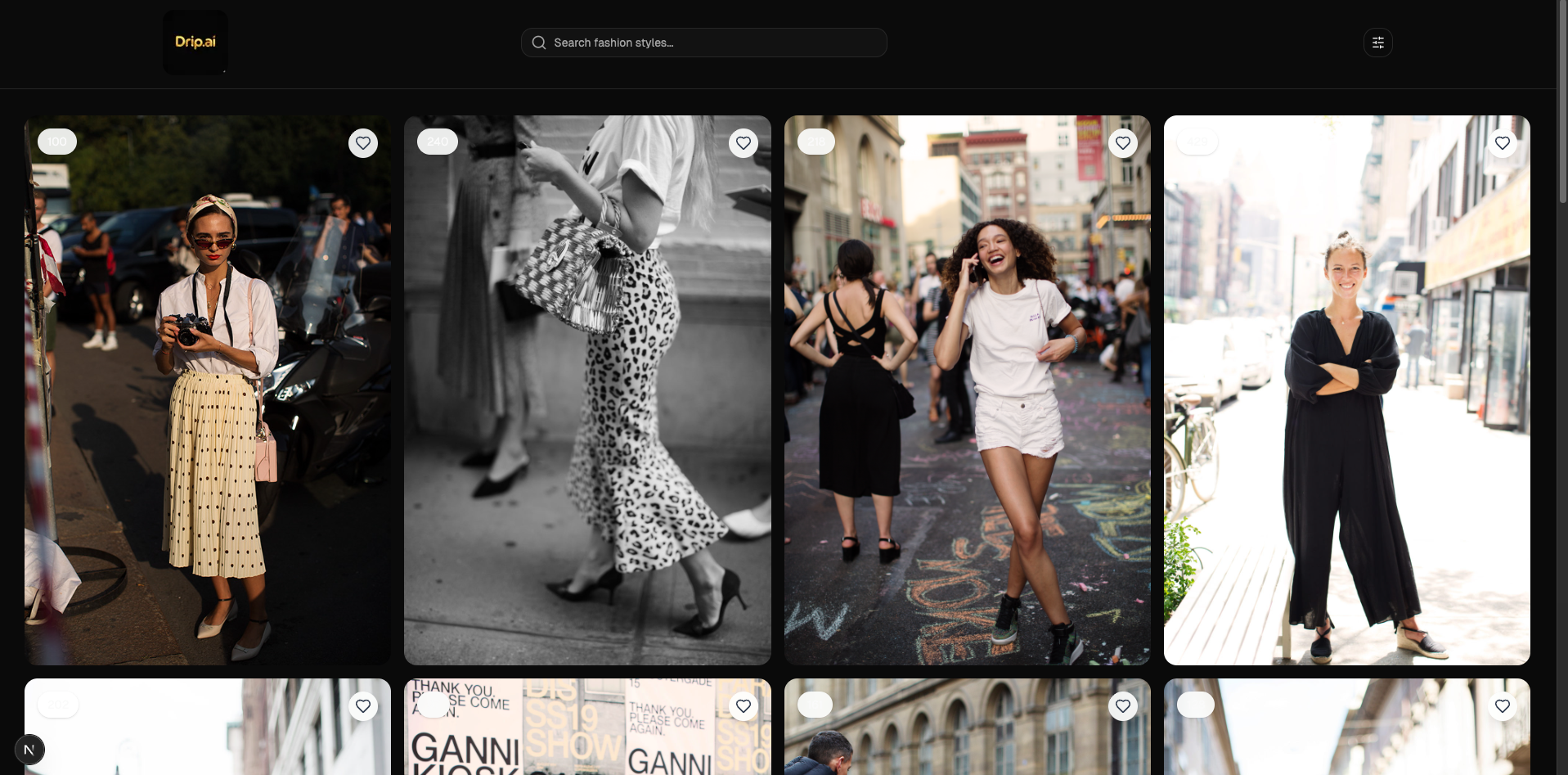
Landing Page with female fashion styles
-
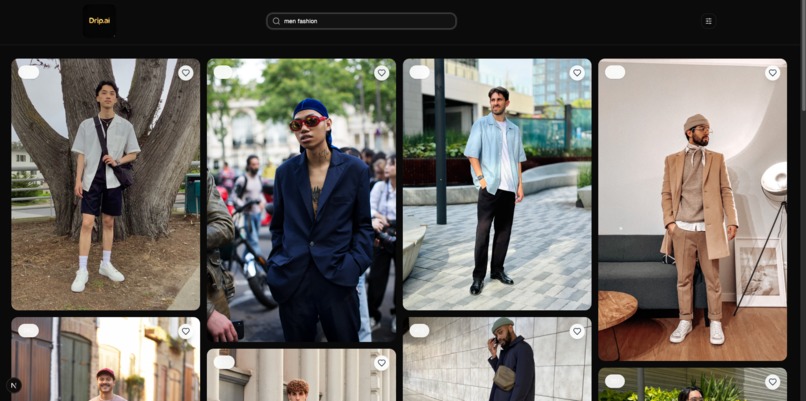
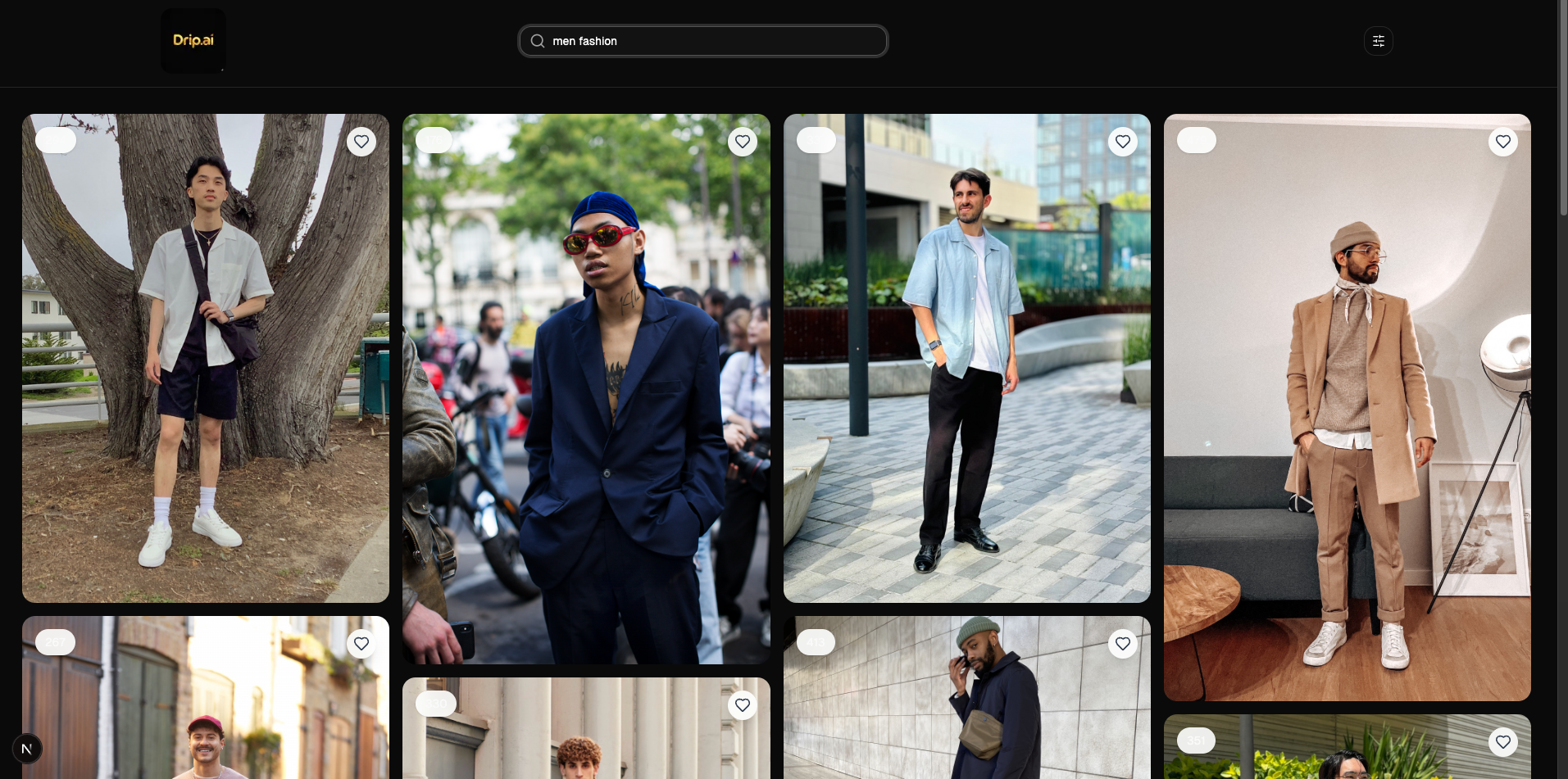
Landing Page with male fashion styles
-
-
-
-
-
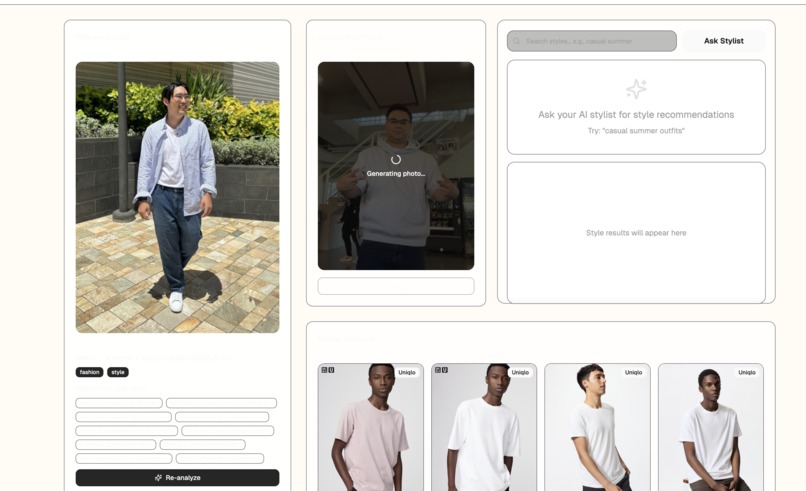
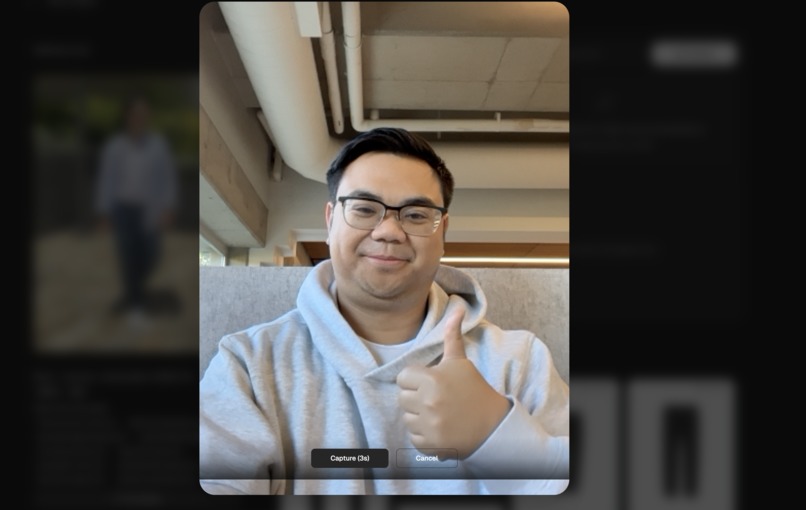
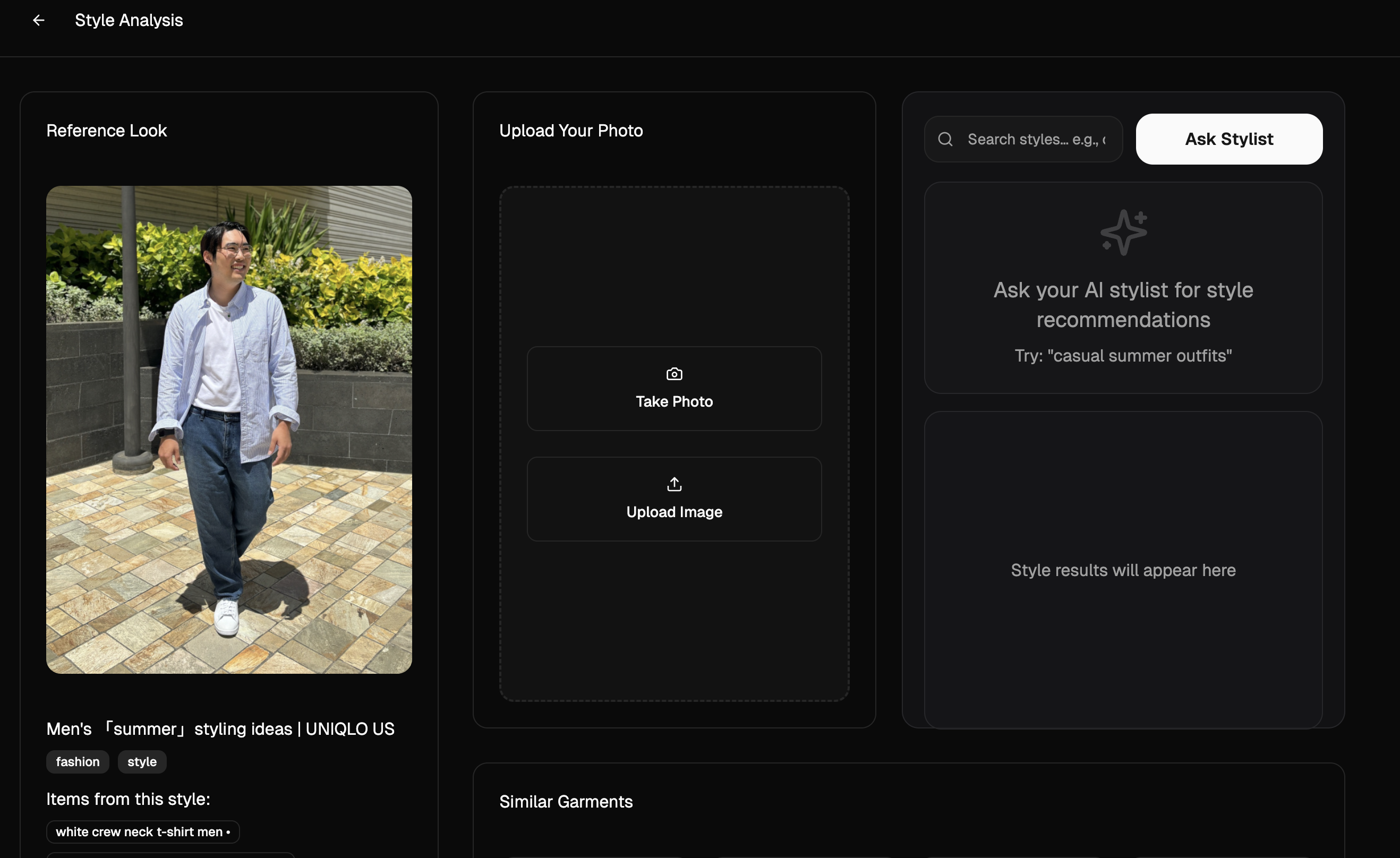
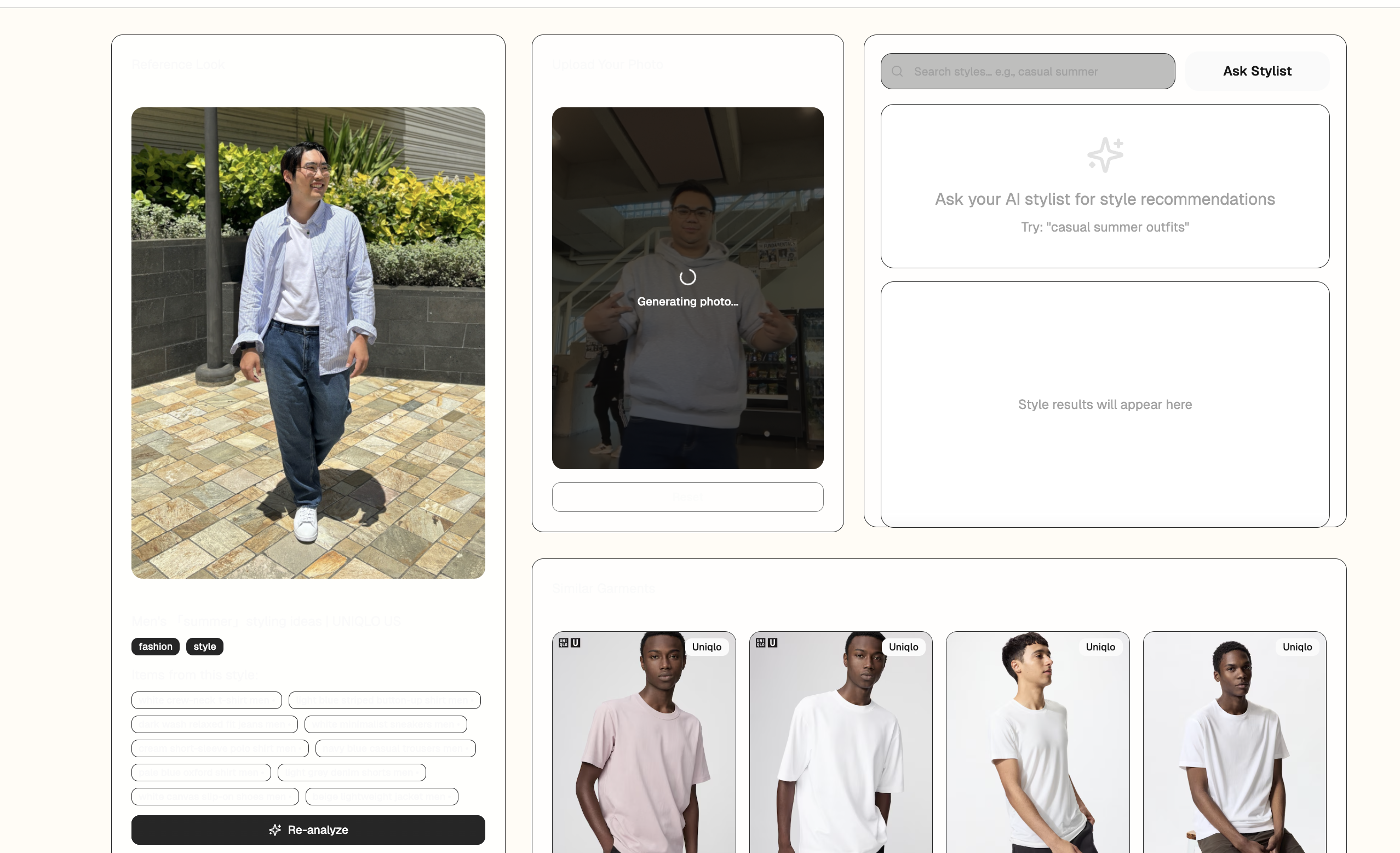
Taking a photo and choosing a garment to put on
-
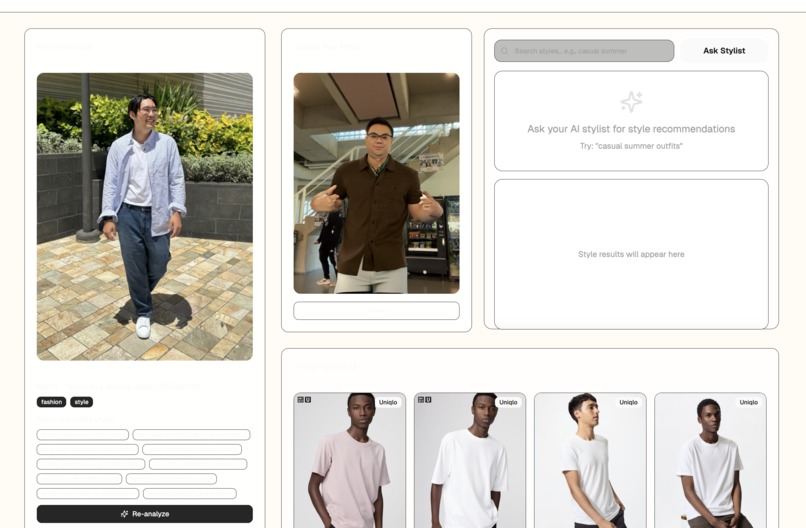
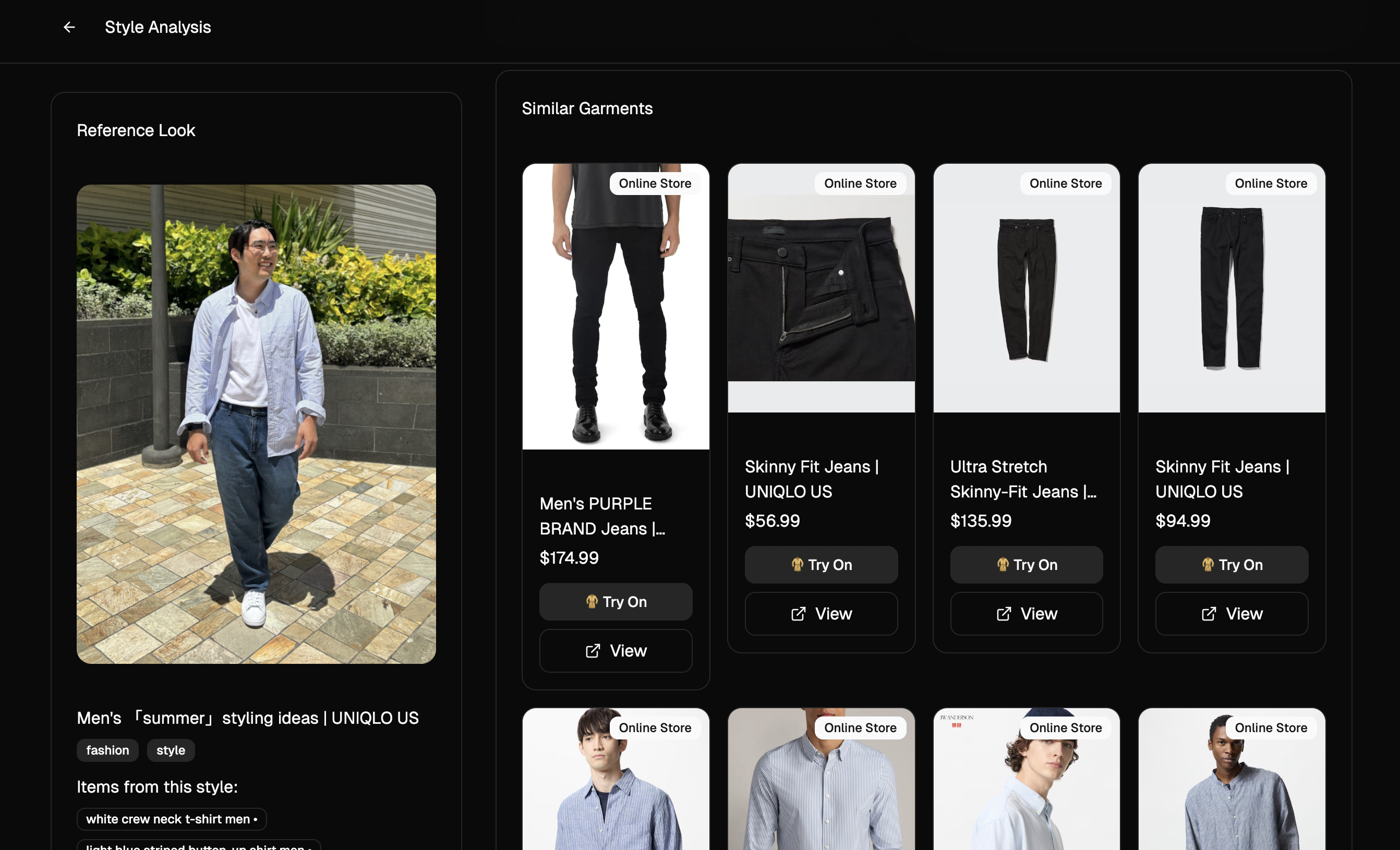
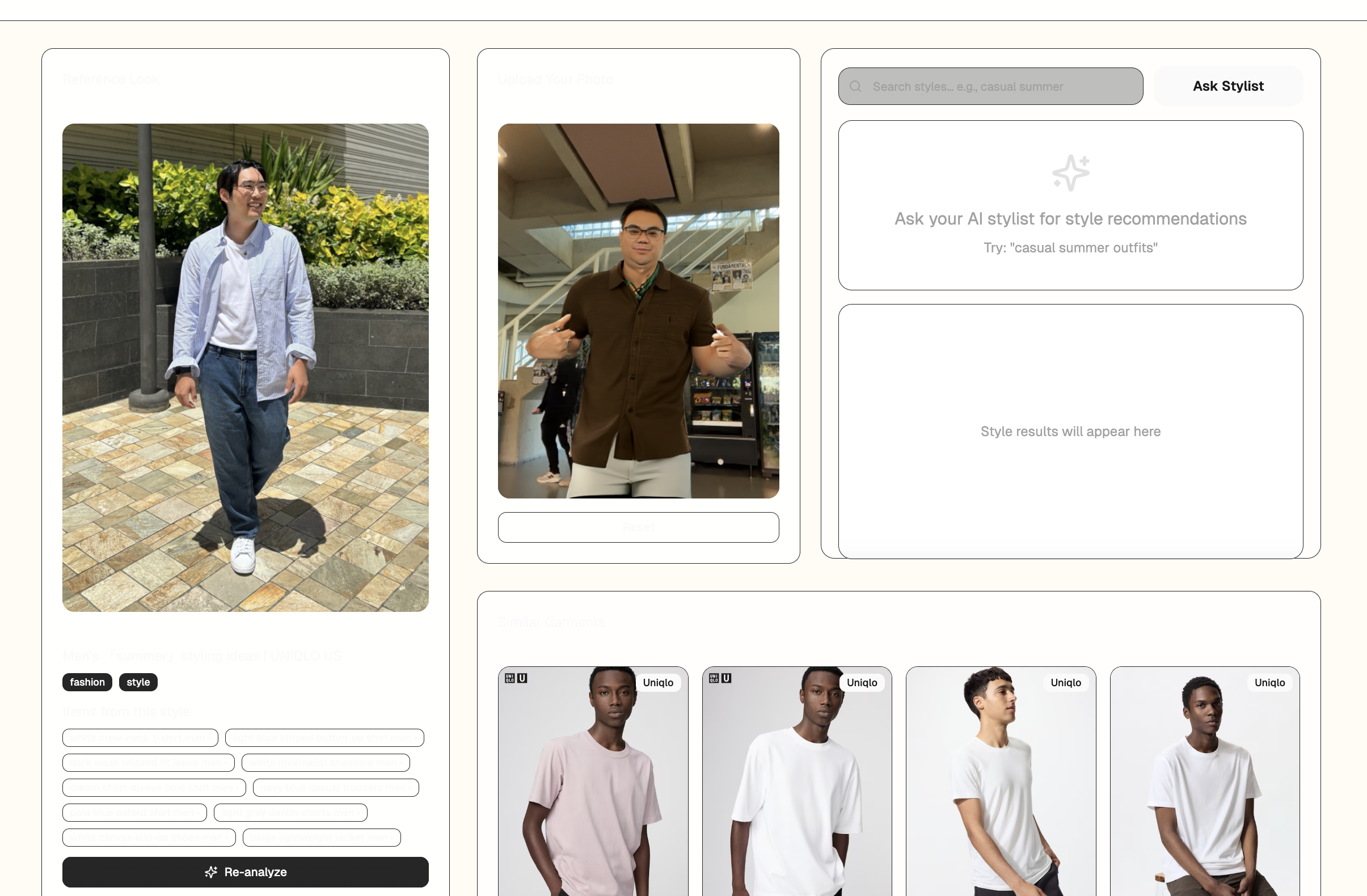
the new garment put on me

Inspiration
As someone who doesn’t know much about fashion, I’ve always wished there was a platform where I could just scroll through a bunch of outfit ideas or style inspirations, something simple and visual that I could easily copy or draw ideas from. I wanted a faster, easier way to explore fashion without having to spend hours researching or relying solely on friends for advice. That idea sparked Drip.ai.
We were all inspired by that common need: to discover good fashion choices quickly, get smart suggestions for complementary pieces, and even try those looks on virtually, without any hassle. Being able to see an outfit, get similar recommendations, and immediately know where to buy it from (via direct store links) was something we knew had to be part of the experience. Drip.ai is our solution to that everyday struggle of “what should I wear?”... especially when your friends just aren’t enough help :)
What it does
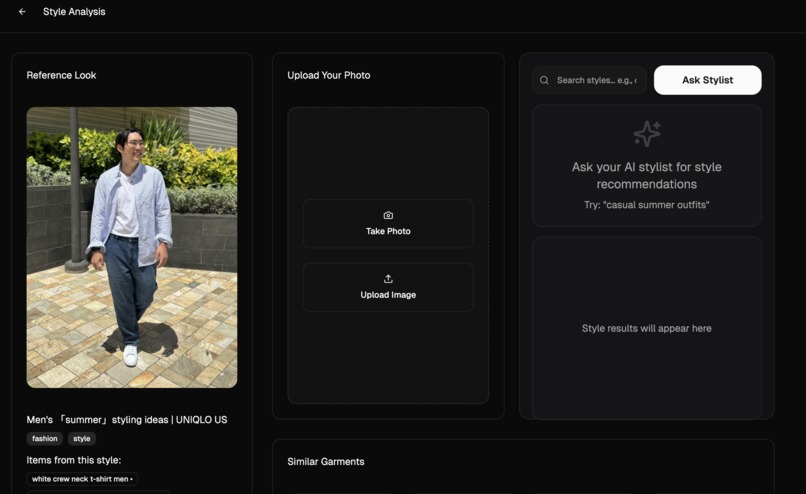
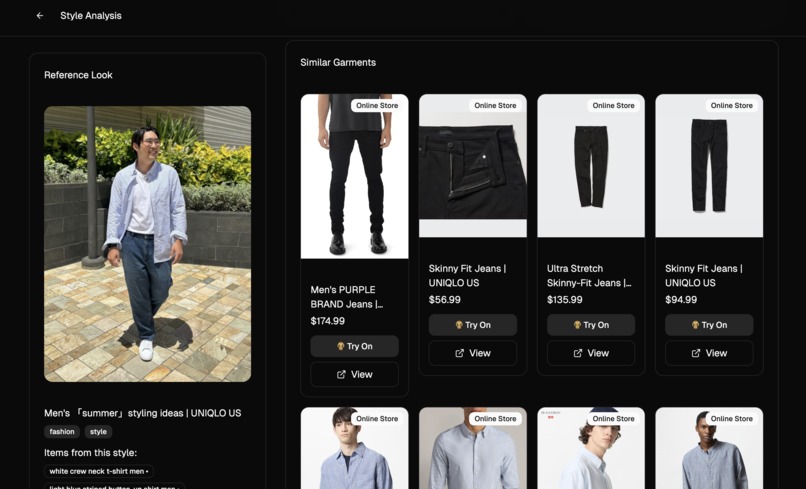
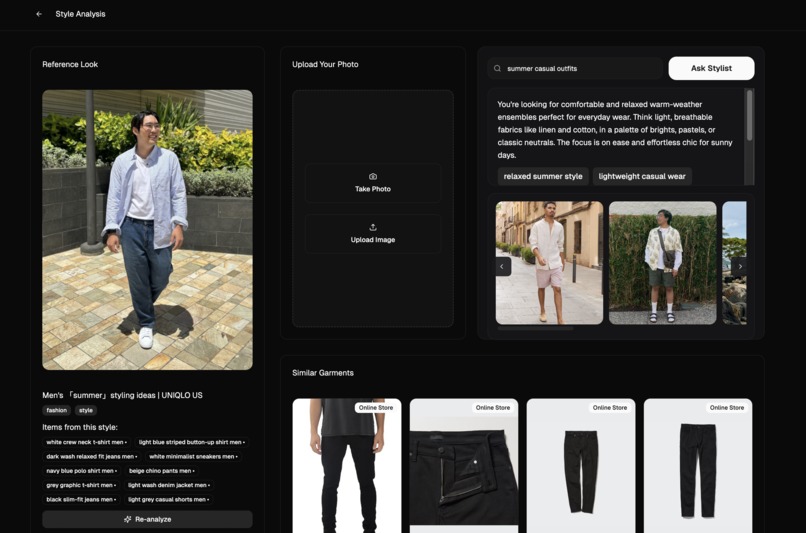
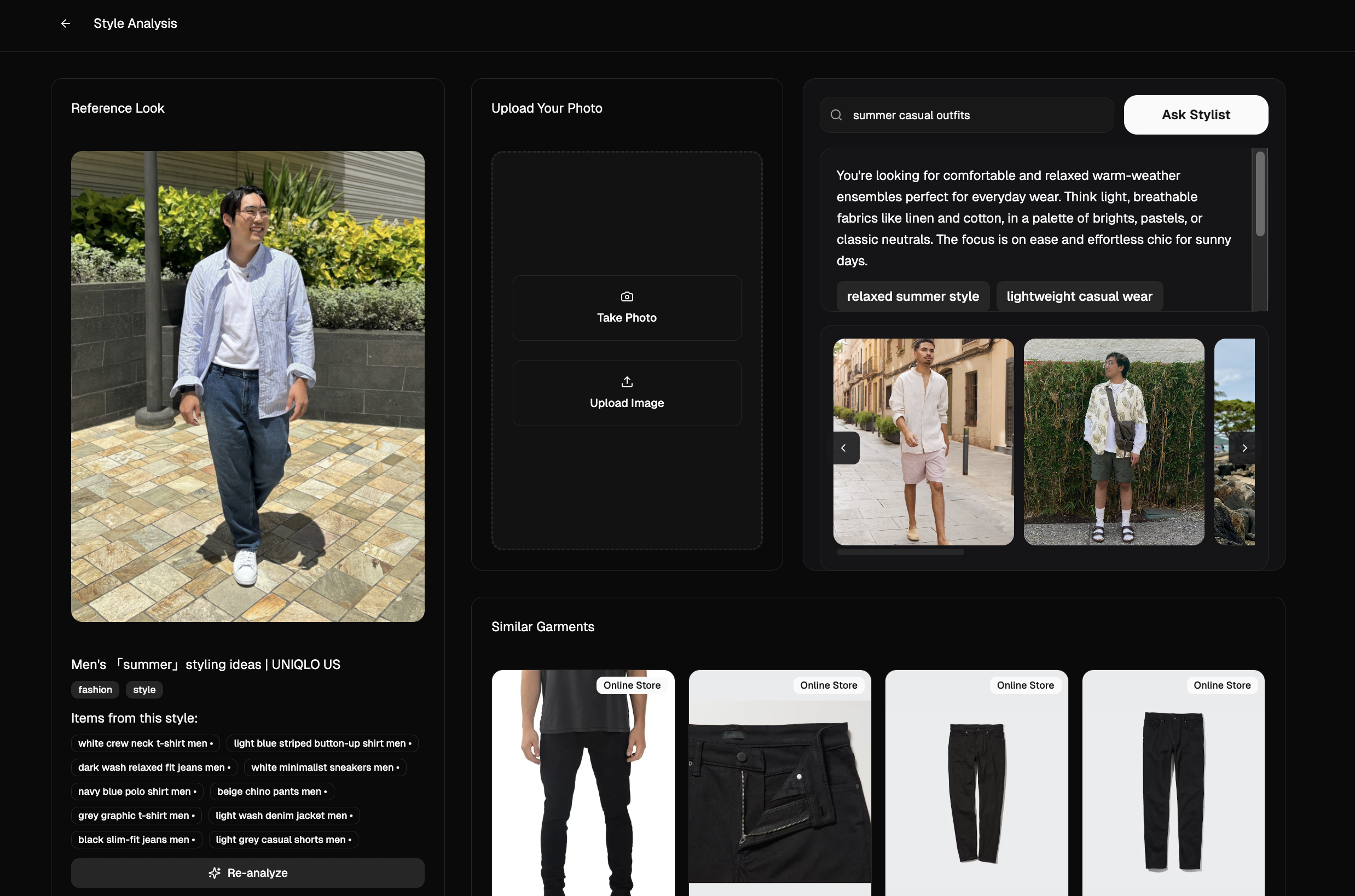
drip.ai is an AI-powered fashion platform that helps users explore a scrollable gallery of fashion styles. Users can click on a style they like, and the system will recommend similar clothing pieces, color palettes, or style categories based on that reference.
We also offer a virtual try-on feature: users can upload or take a photo, click on a specific garment they like, and see that piece realistically applied to their image using AI. If they love a recommended piece, they can click “View” to be directed to the official store to purchase it. We also integrated a Gemini chatbot that helps guide users by suggesting looks and styles based on prompts or questions.
How we built it
We built drip.ai using: • React for the front-end UI • Next.js for routing and backend logic • Tailwind CSS for fast and responsive styling • External APIs from various fashion and AI platforms (for image generation, garment recognition, and style suggestions) • Gemini Generative AI API to provide conversational style guidance
Challenges we ran into
Integrating Next.js with React while handling both server-side rendering and client-side interactions. Fine-tuning the style recommendation algorithm to give relevant results based on image content and user preferences. Handling rate-limited or restricted API keys from major fashion platforms. Making the virtual try-on generation fast and realistic, while maintaining backend stability.
Accomplishments that we're proud of
One of our proudest achievements is the scrollable homepage gallery, which is clean, intuitive, and visually engaging. It allows users to effortlessly explore a wide range of fashion styles. We’re also very happy with the way our recommendation system works—it accurately matches clothing types and aesthetics based on the user’s selected reference image. Another major accomplishment is the functional virtual try-on experience, which allows users to realistically visualize clothing on themselves through AI-generated imagery. Lastly, we successfully integrated live store links, so users can directly visit online retailers and purchase the outfits they like.
What we learned
Throughout development, we discovered that working with API keys, especially from major fashion platforms, comes with challenges, as access is often limited or costly. We also learned that creating a seamless and intuitive user experience takes far more time and iterative testing than we initially expected. On the technical side, handling image uploads and generation introduced backend latency issues we needed to solve for better performance. Additionally, we found that integrating conversational AI meaningfully improves the personalization of fashion recommendations, making the experience more engaging and useful for users.
What's next for drip.ai
Moving forward, we aim to improve the speed and performance of our virtual try-on generation to make the experience smoother and more responsive. We’re also working on onboarding more clothing brands and retailers to expand the variety and diversity of fashion choices available to users. Enhancing our AI’s ability to analyze style and deliver precise, personalized recommendations remains a core focus. We plan to introduce user profiles so individuals can save their favorite looks, track their try-on history, and build style preferences over time.
Another exciting direction for Drip.ai is forging collaborations with fashion and clothing companies. We envision the platform as not only a place for users to discover and try on styles but also a space where brands can advertise their products in a more immersive, interactive way. Our goal is to create a platform that celebrates personal expression and encourages users to explore fashion in an open and welcoming environment. In the future, we also see potential in aggregating user data (with privacy and consent at the forefront) to understand trends and provide valuable fashion insights to companies. This type of data could drive smarter design, marketing, and inventory decisions, making Drip.ai a mutually beneficial hub for both consumers and brands.


Log in or sign up for Devpost to join the conversation.