-
-
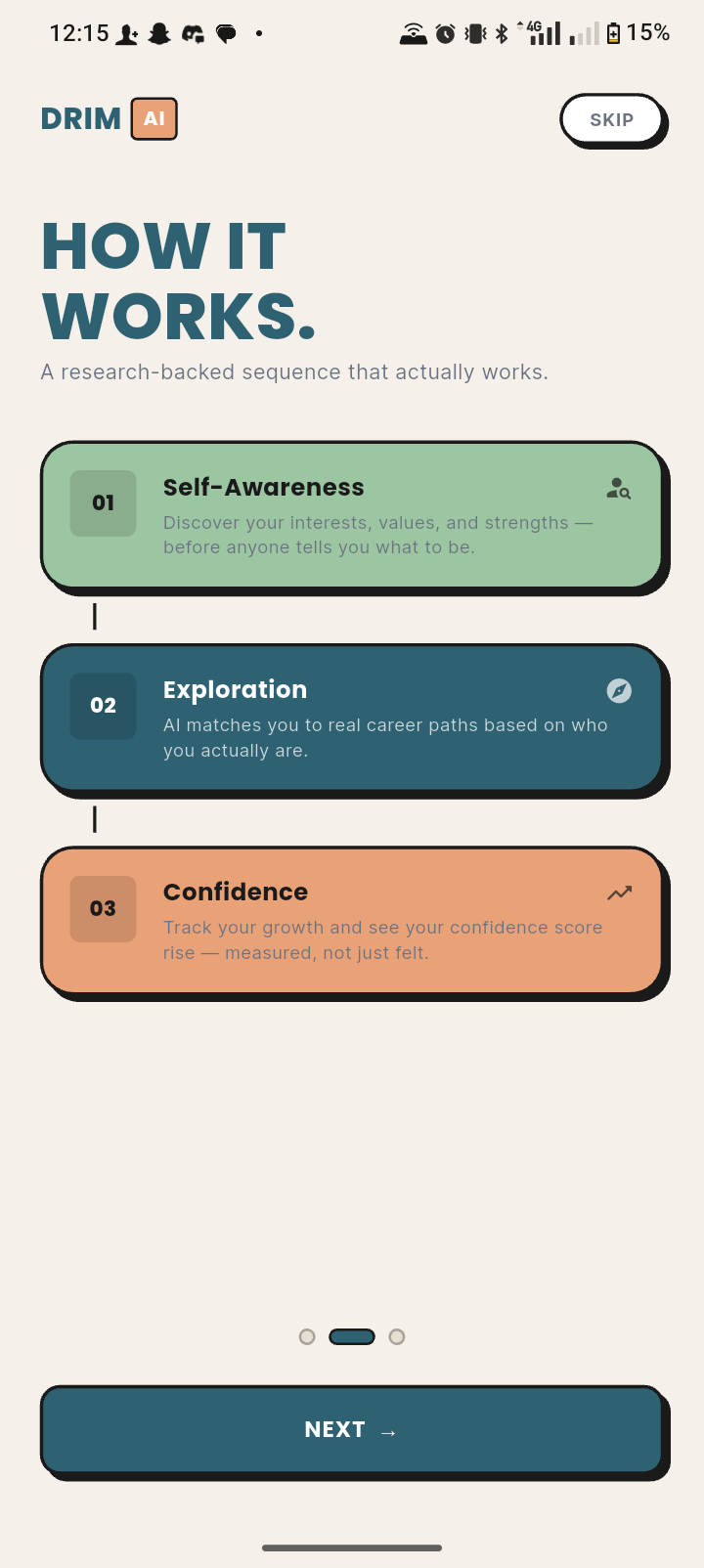
onboarding screen
-
onboarding screen
-
onboarding screen
-
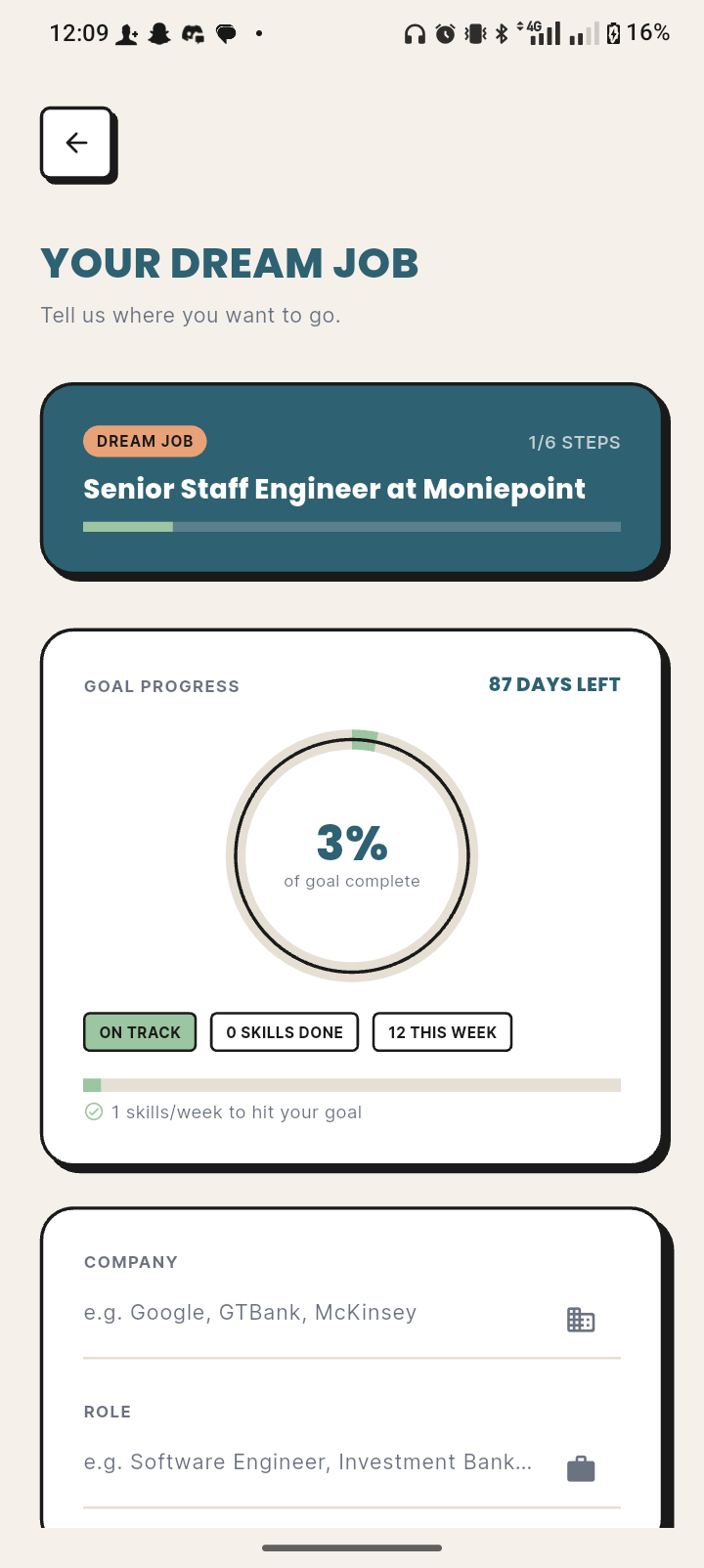
dream job screen
-
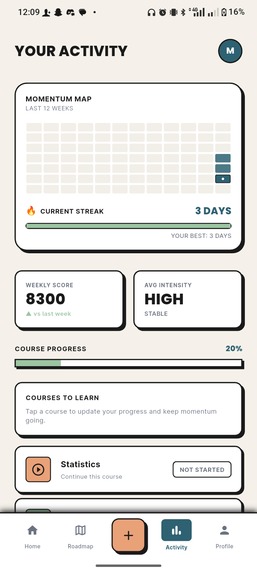
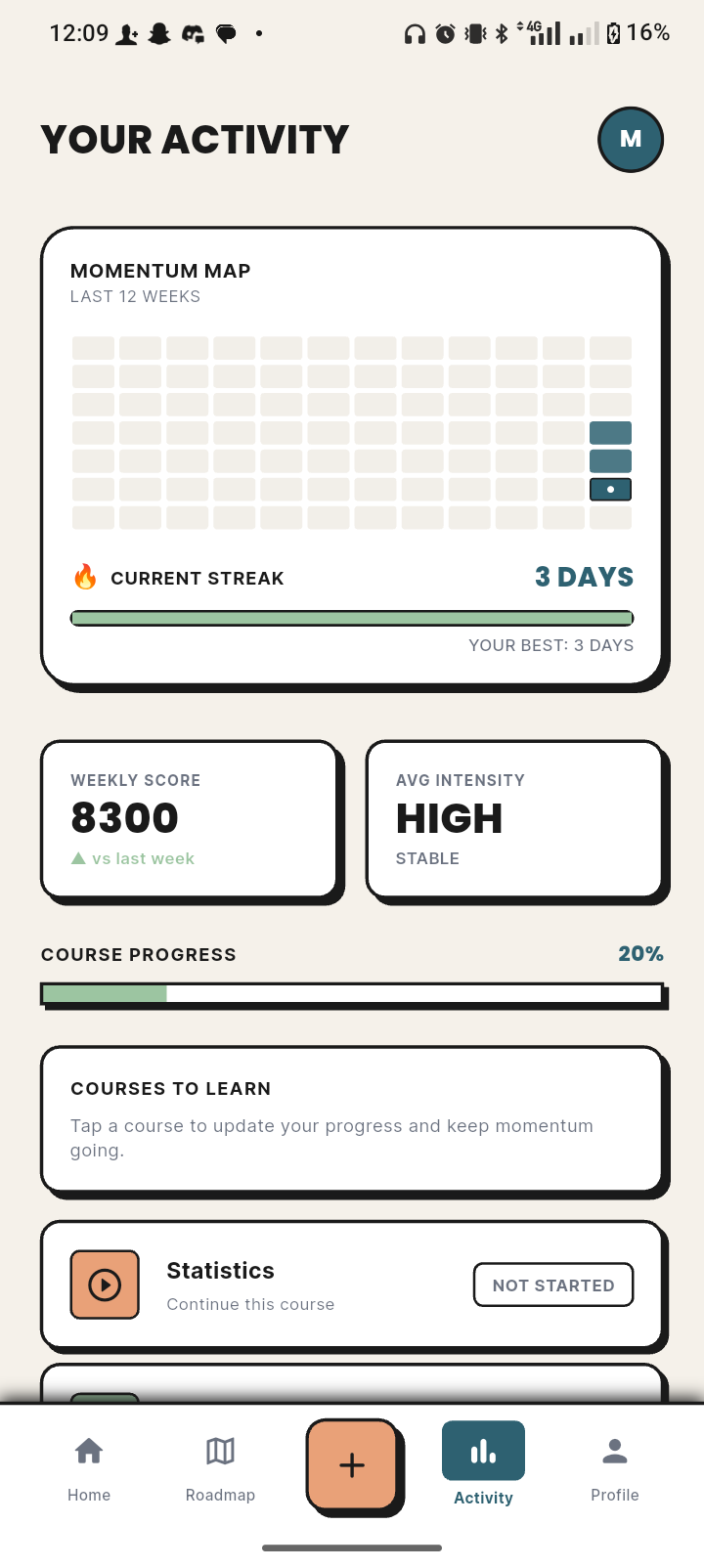
Activity screen
-
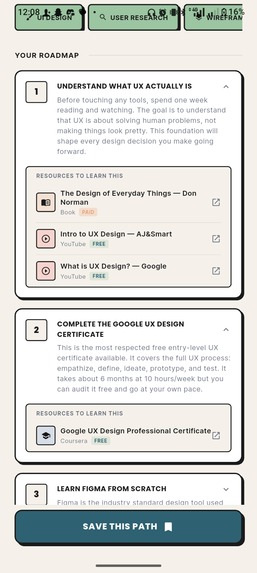
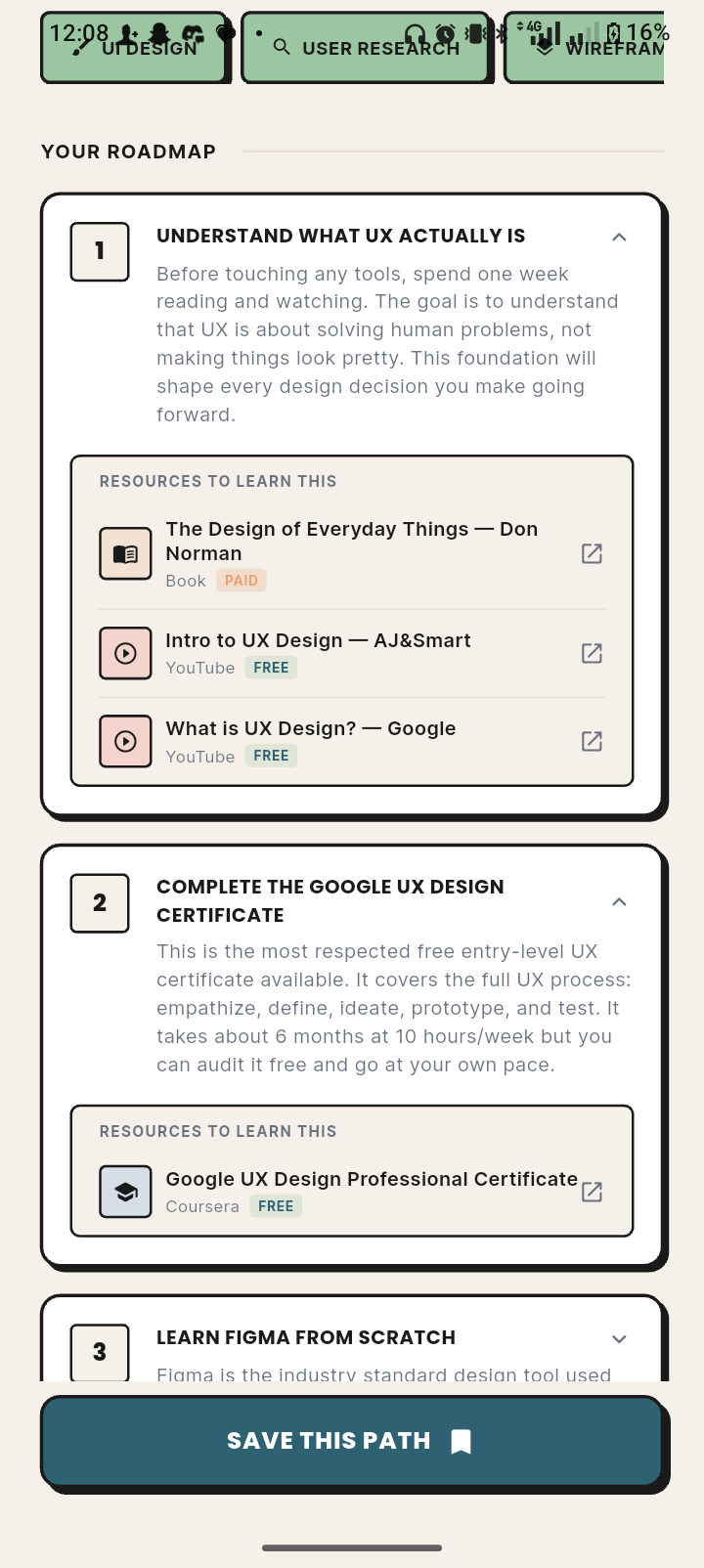
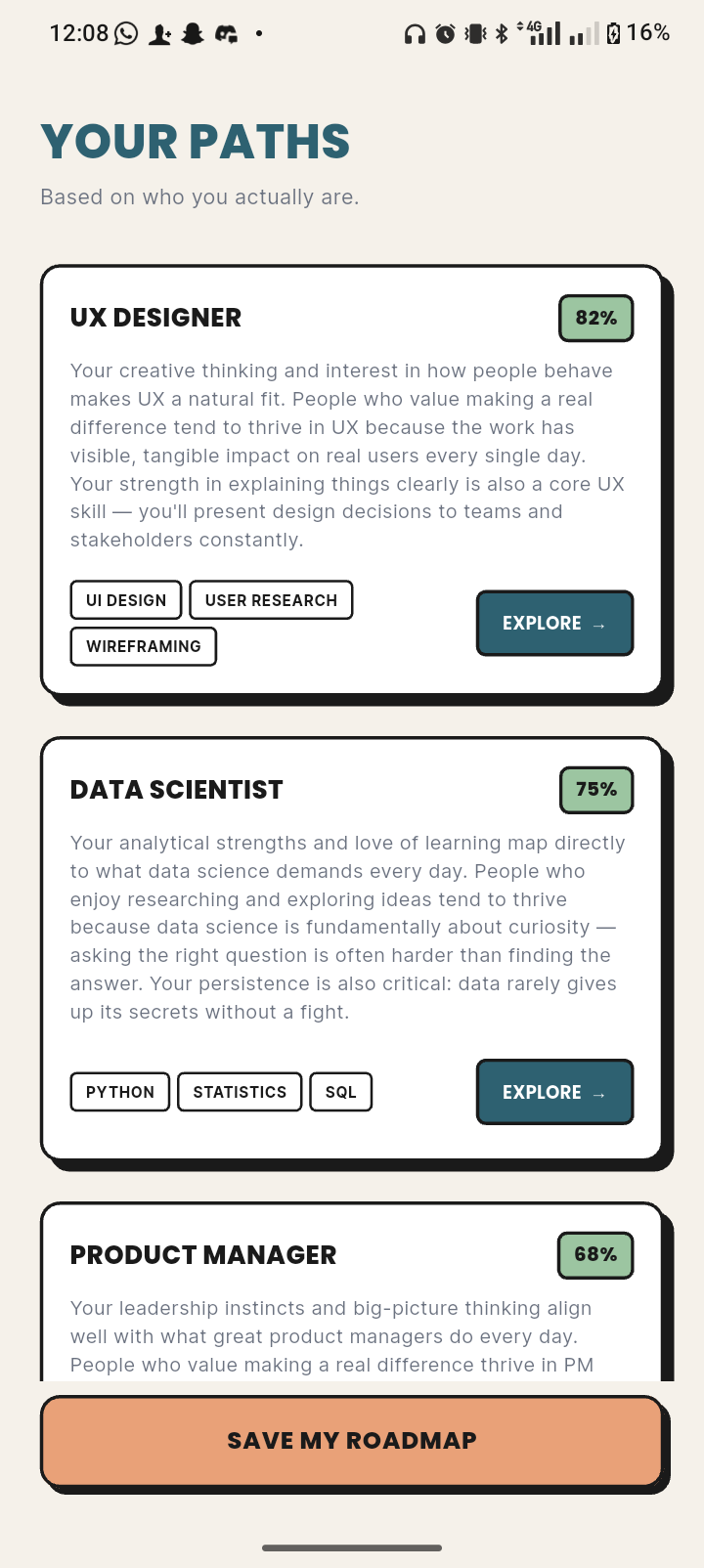
Path description screen
-
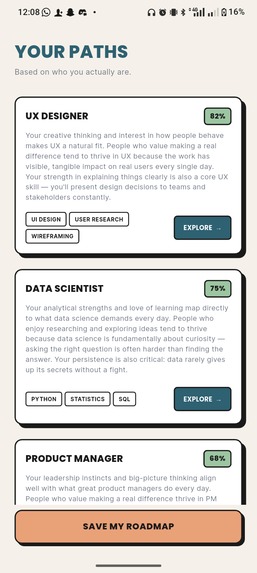
Skill screen
-
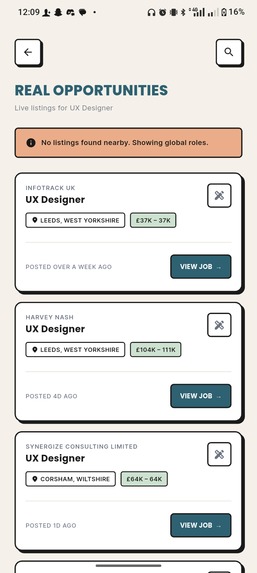
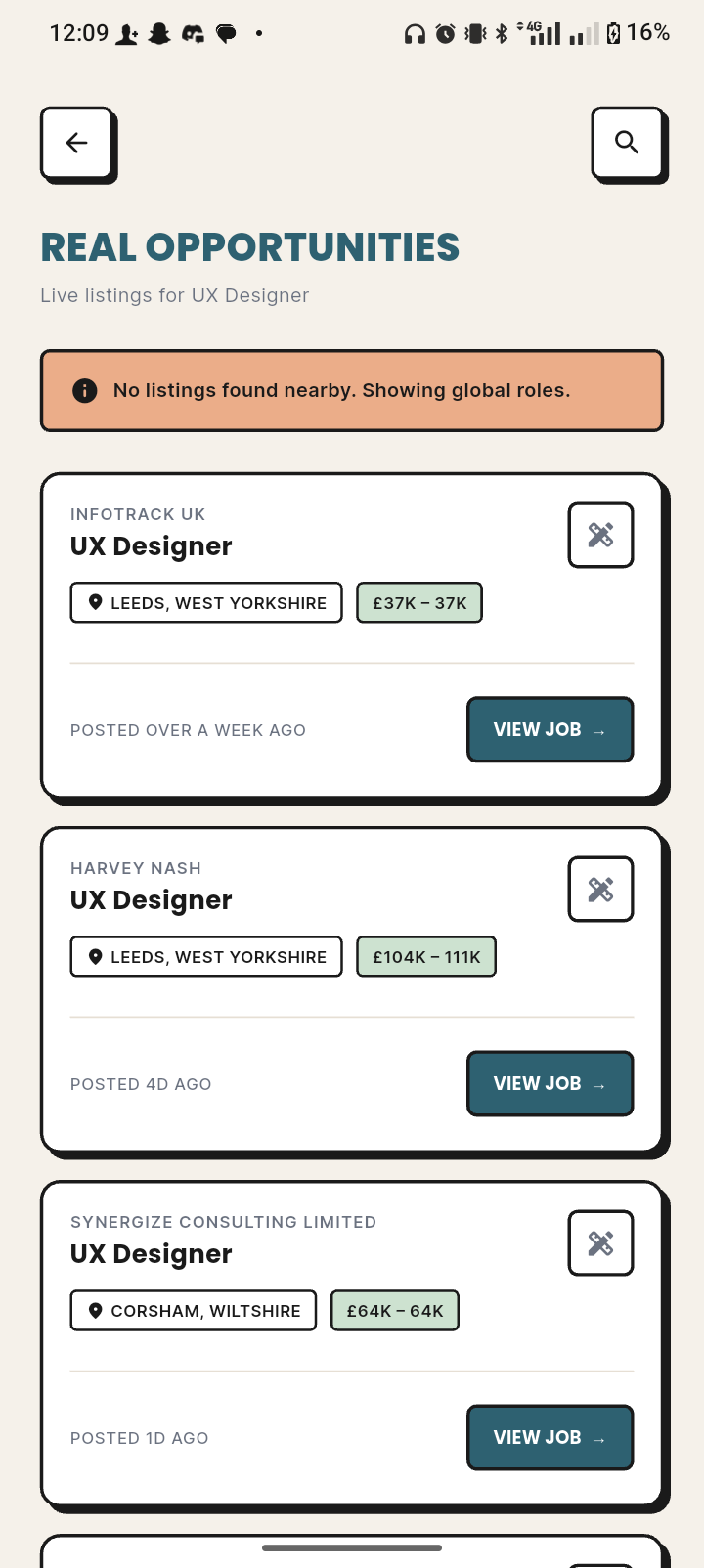
Job listing screen
-
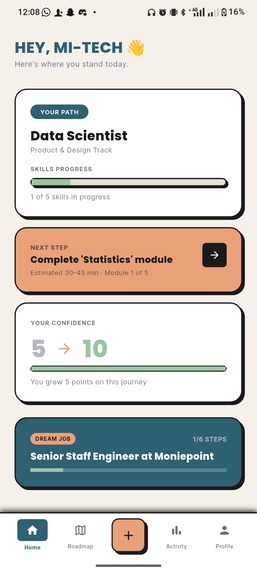
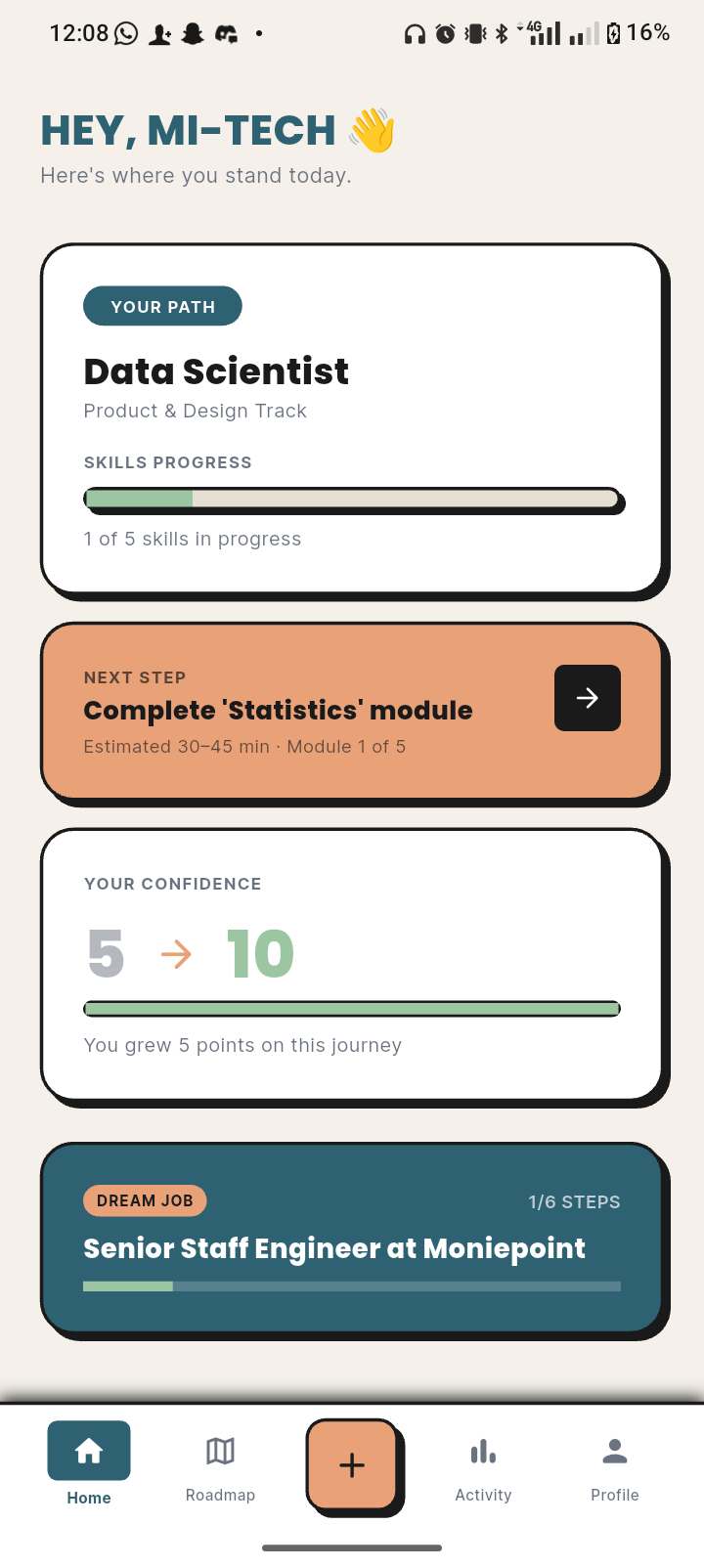
Home screen
-
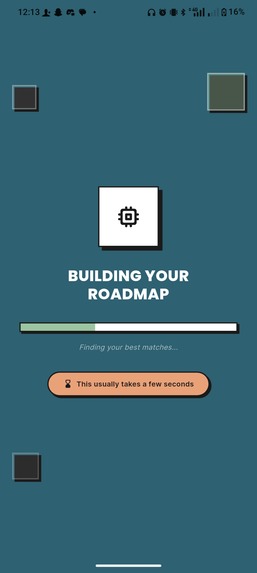
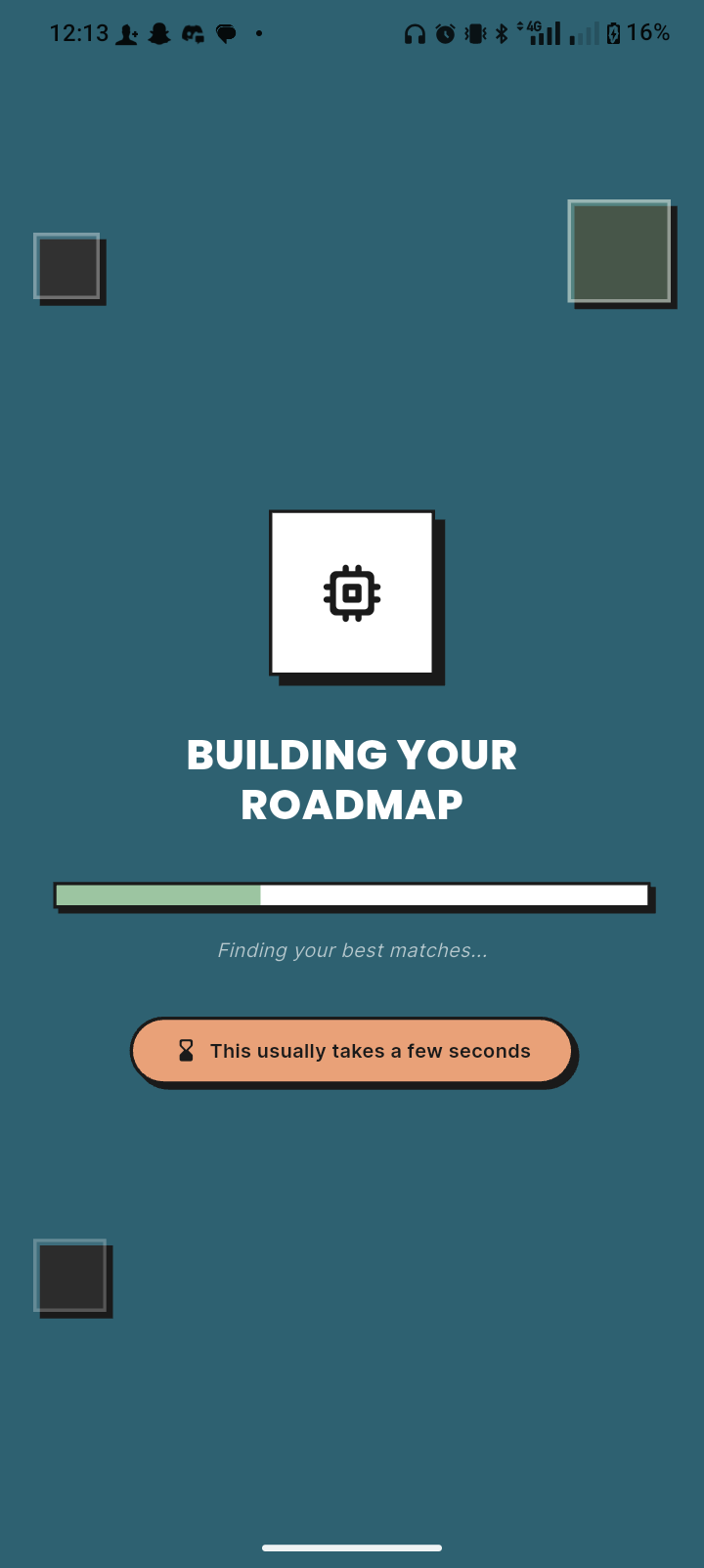
Loading screen
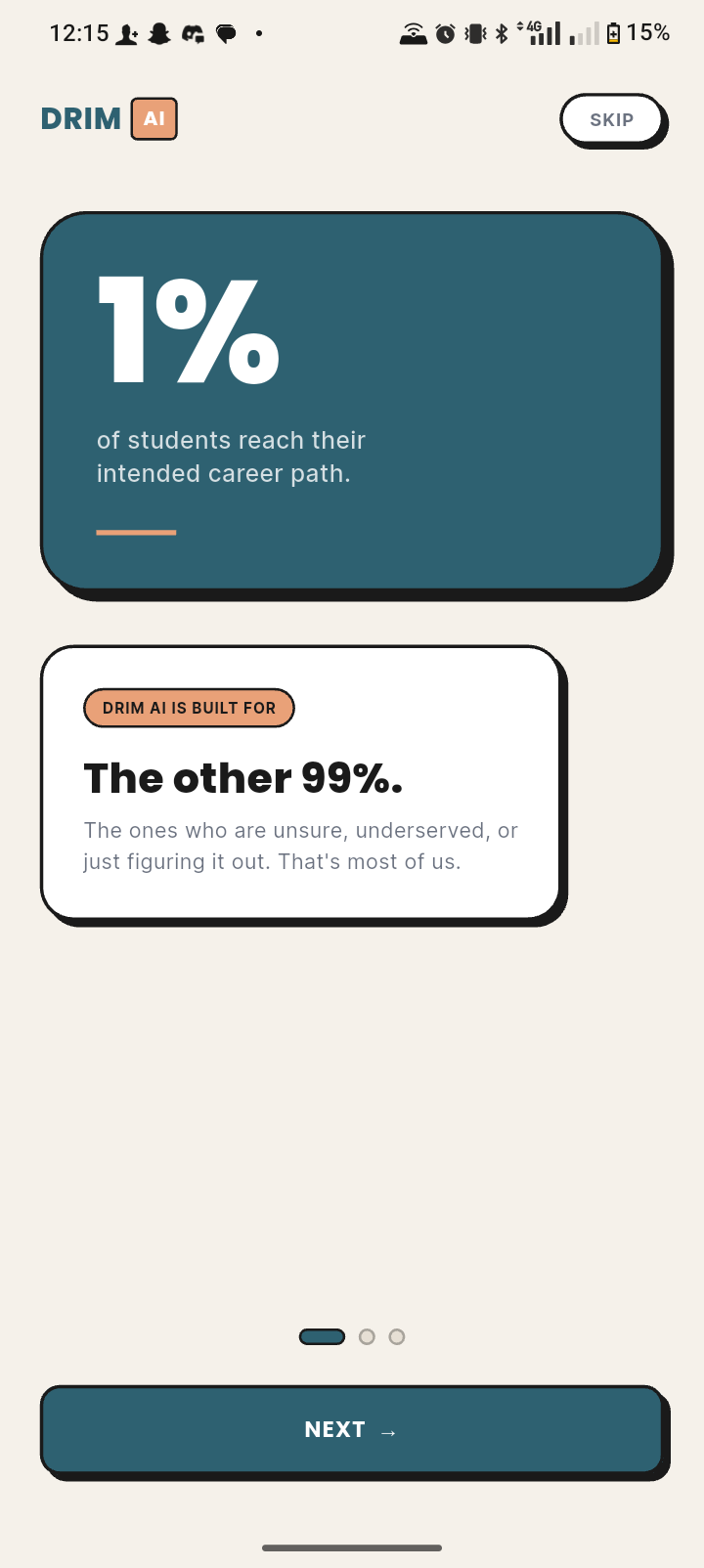
Inspiration
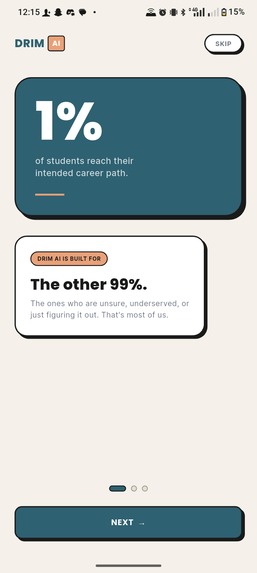
Research shows fewer than 1% of students end up in the career they originally intended. I built Drim AI for the other 99%.
This my first year student studying Software Engineering in my state university. I am Smart, driven, and ready to build something great.
Based on my experience before entering university, I have always wanted to be a great Software Engineer, but I don't actually know what path to choose, I had a one year delay to enter university because of that, so i built Drim ai to solve that issue, not everyone is actually good when it comes to decision and planning so Drim Ai is a career operating system that helps you to plan you Carrer, skill or opportunities from day 1, if I had something like this I wouldn’t have passed through this,
What it does
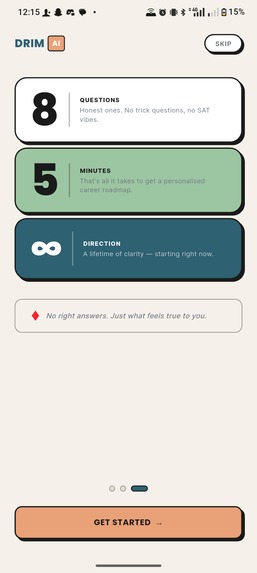
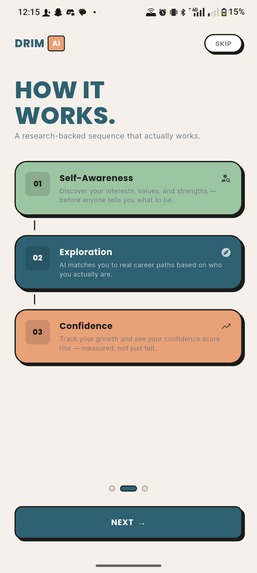
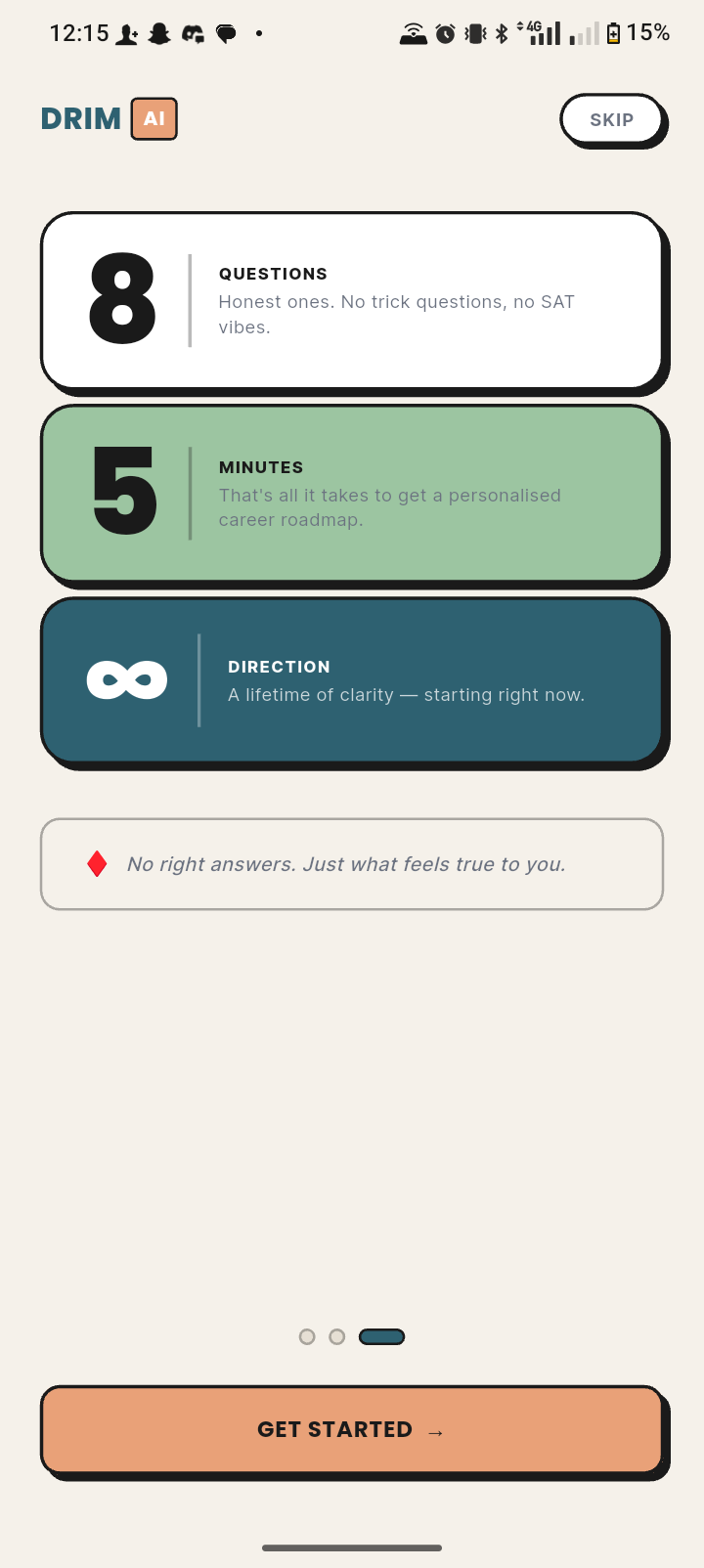
Drim AI is an AI-powered operating system mobile app for students who have never had access to a real career counsellor. It guides you through a research-backed three-stage journey self-awareness, exploration, and confidence — in about five minutes.
You start by rating your confidence 1–10. Then you answer 8 honest questions about what makes you lose track of time, what you value, what people notice about you. Those answers go to an AI that generates personalized career matches not generic advice, but specific matches that reference your actual answers, with fit scores, required skills, honest job market outlook, and a detailed 10–15 step roadmap with real course links (Coursera, YouTube, Kaggle, freeCodeCamp) attached to each step.
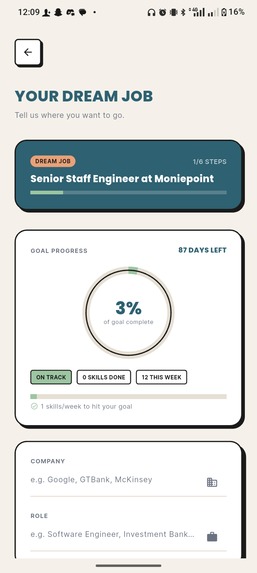
You can explore a career in depth, track your skills, see real live job listings, and then rate your confidence again at the end. It's based on the CDMSE (Career Decision-Making Self-Efficacy) construct from peer-reviewed research. Beyond the core journey, there's a Dream Company Pathfinder where you can type any company Google, Microsoft, Meta, a local startup and get an AI gap analysis against your profile with a company-specific roadmap. There's a real activity heatmap that tracks your daily consistency inspired by Github Streak board, a goal timeline, streak tracking, and a celebration system that rewards you every time you complete a skill or hit a milestone.
How we built it
This app was supposed to be built with two of my friends but they are currently participating in a competition i had always thought of this idea so i decided to give it a try I built the entire app solo 9 phases, 22 screens, across roughly four to six days of intense building.
The frontend is Flutter, which gave me true iOS and Android output from a single codebase. State management is Riverpod, navigation is go_router, and the design system is a custom neo-brutalism language
The backend is Supabase authentication, PostgreSQL database with row-level security on every table, and Deno-based Edge Functions that act as a secure proxy between the app and the AI. API keys never touch the Flutter client. The app only holds the Supabase anonymous key, which RLS makes safe.
For AI I initially used OpenAI but hit quota limits quickly. I switched to Groq's free tier running Llama 3.3-70B which is actually faster and produces great results for career guidance content. I built two Edge Functions: generate-roadmap for career matches and analyze-gap for the Dream Company feature.
Job listings come from the Adzuna API, also called server-side. Every screen has skeleton loading, error states, empty states, and a hardcoded fallback — so the demo never crashes regardless of what the AI does.
Challenges we ran into
The biggest technical challenge was a race condition in go_router. The router's redirect was firing the moment Supabase confirmed the session before my manual navigation in the auth screen could run. Two things were competing to navigate the user at the same time and it was completely unpredictable.
The fix was to stop the router from proactively redirecting authenticated users and let the submit handler own all post-login navigation entirely.
The AI reliability was another real challenge. At first the roadmap was always falling back to the hardcoded data. The issue turned out to be max_tokens set to 2000 way too low for three careers with 15 detailed steps and course resources each. The JSON was getting cut off mid-response and the parse was failing silently. Raising it to 8000 and lowering temperature to 0.5 fixed it completely.
OpenAI quota exhaustion mid-build was honestly a blessing in disguise because it pushed me to Groq, which is free and faster.
And then there was the iOS situation. I don't own a MacBook. I had to borrow a friend's to compile for iOS and run the app on the simulator. Building an actual IPA file wasn't possible because we don't have an Apple Developer license that's $99/year and not something I could justify during a hackathon.
So while the Flutter code is fully cross-platform and iOS-compatible, the distributable build is Android only. The iOS experience works perfectly in the simulator it just can't be installed on a physical iPhone without the developer account
Accomplishments that we're proud of
Honestly, the fact that this exists at all. One enginner, the urge and consitency to build, sleepless night, nine phases, twenty-two screens, two AI Edge Functions, a real-time heatmap built from actual database activity, a gap analysis feature that works for any company in the world, and a celebration system that rewards students at the right psychological moment. All of it built and confirmed working.
I'm also proud that every screen has a fallback. The app does not crash. Whatever goes wrong = AI timeout, Adzuna returning nothing, Supabase being slow — the student always sees something useful and keeps moving forward.
What we learned
Every idea you discover it worth trying out , you don't who and who might benefit from what you built, i was so happy i was able to tailor this idea from ideation to production, i learnt a lot technically and socially,
i do build my project without a research backing it up, this project has enlighten me more on making research about a problem before jumping into code.
i was able optimize my Ui for a good user experience to prevent a runtime bug and crashes with all possibilities
I learned that building with real constraints no free tier APIs, solo forces better architecture decisions than building with unlimited resources. Every component I built had to degrade gracefully because I knew I might not have time to fix it if it broke.
And I learned what the product actually is. I started thinking I was building a career operating system. , looking at the github sytled streak board on screen for the first time, I realized I was building the first some realistic
What's next for drim ai
The immediate next step is a proper iOS release. As soon as an Apple Developer license is in place, the app is ready the Flutter code is already fully cross-platform and tested in simulator.
Beyond that, the roadmap is clear. Validated psychometric assessments using actual RIASEC and Holland codes to replace the quiz. Longitudinal tracking so a student can return three months later and see how their confidence and clarity have evolved. A counsellor and mentor marketplace — connecting students to real humans at the moment they're ready for one.
Multi-language support is critical for the target demographic across Africa and other continents. A home screen widget showing the daily streak. School and university institutional dashboards with aggregate CDMSE tracking so educators can see, for the first time, whether their students are gaining career clarity.
And a freemium model where the core journey stays permanently free because the whole point is to reach the students who can't pay. The business is the premium layer. The mission is the free tier.
Drim AI is built for the 99%. That number gets bigger every year we don't fix career guidance. We're just getting started.


Log in or sign up for Devpost to join the conversation.