-
-
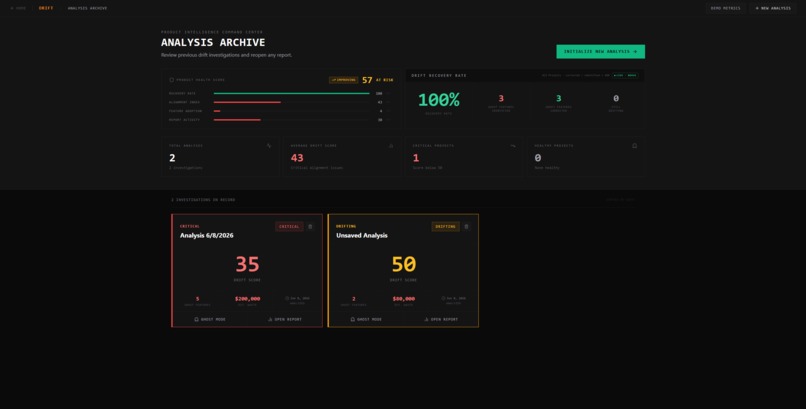
Most analytics show what users did. DRIFT reveals whether the product strategy itself was wrong.
-
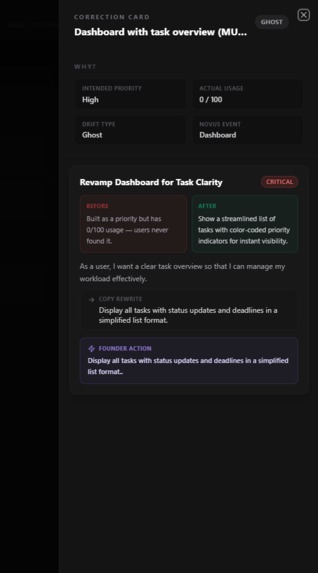
Analytics tell you what happened. DRIFT tells you what to do next.
-
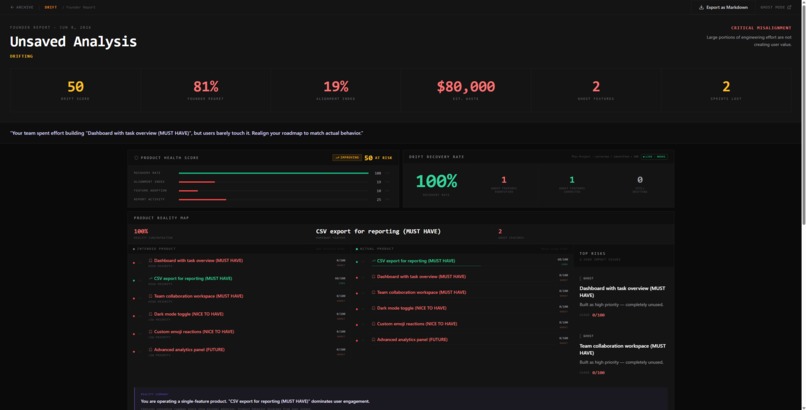
Most analytics explain user behavior. DRIFT explains whether your product strategy was right.
-
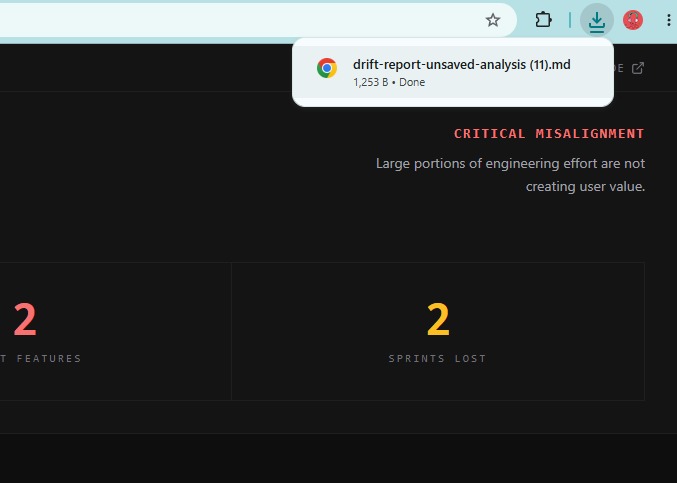
DRIFT reveals when engineering effort stops creating customer value—before another sprint is wasted.
-
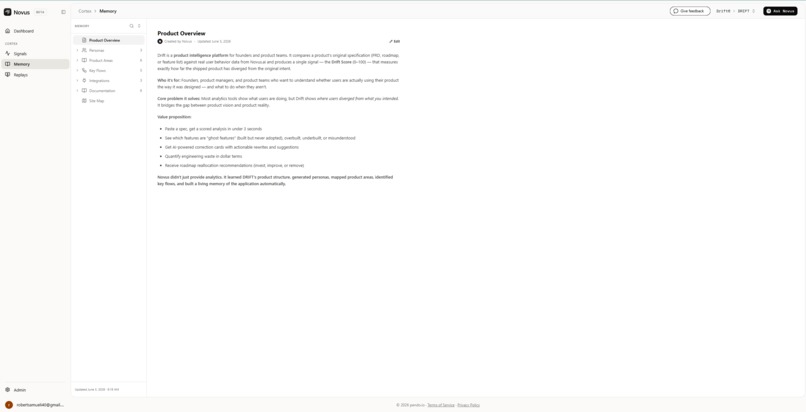
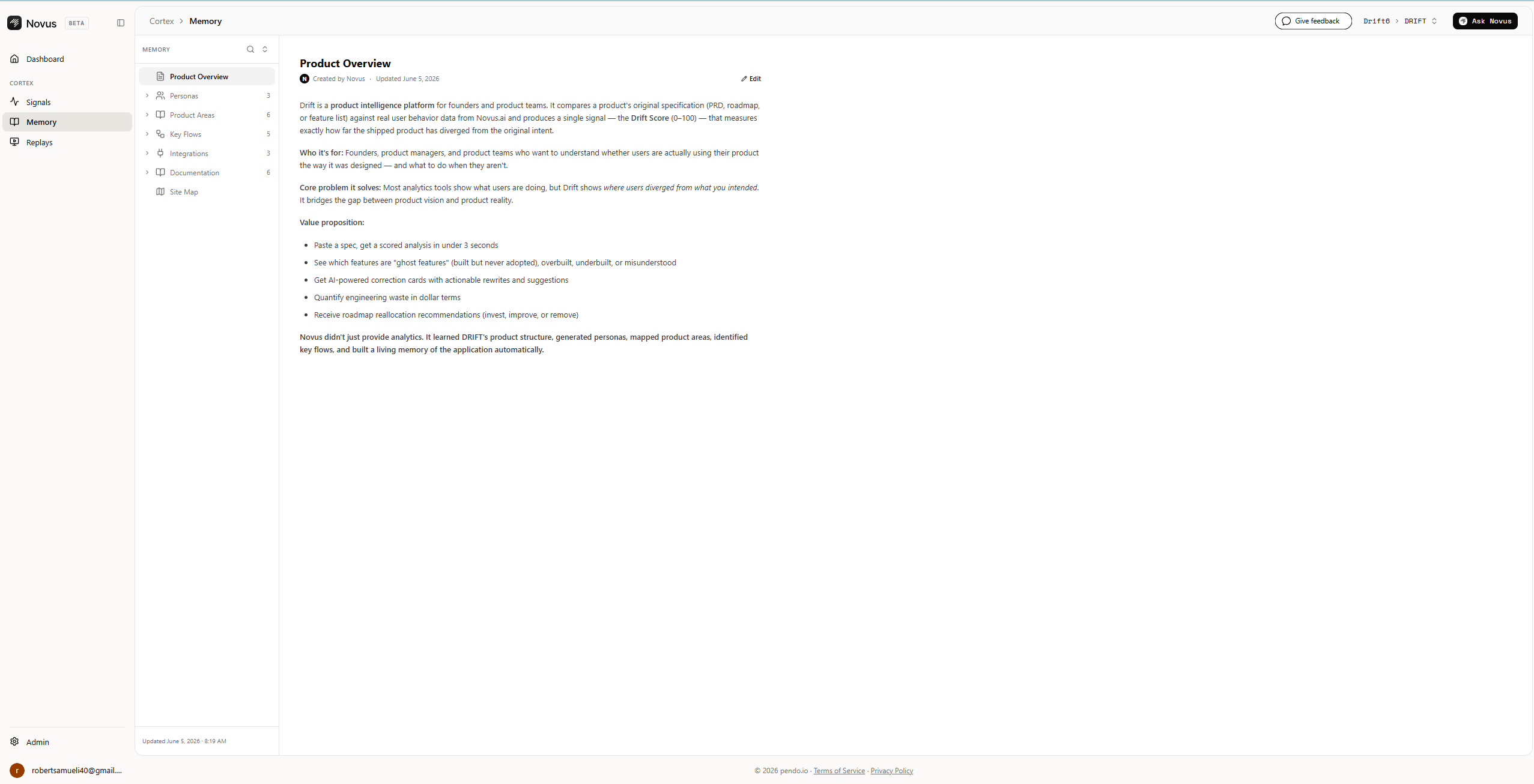
DRIFT automatically transforms specifications into structured product memory, enabling Novus to reason about intent, adoption & misalignment
-
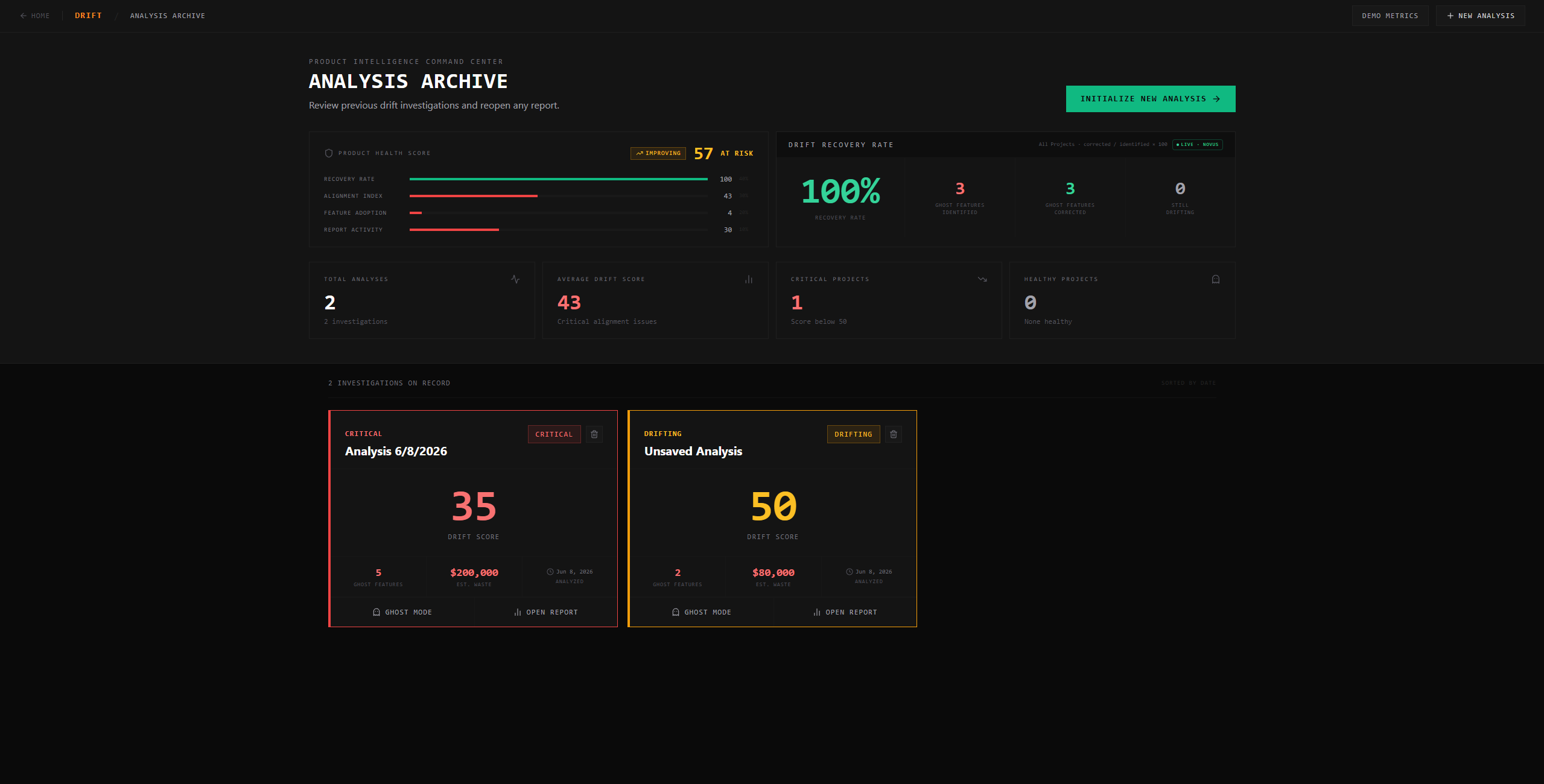
DRIFT doesn't just analyze products - it builds a historical record of every roadmap decision, ghost feature, and recovery outcome.
-

Product intent in. User reality out. DRIFT measures the gap between them.
-
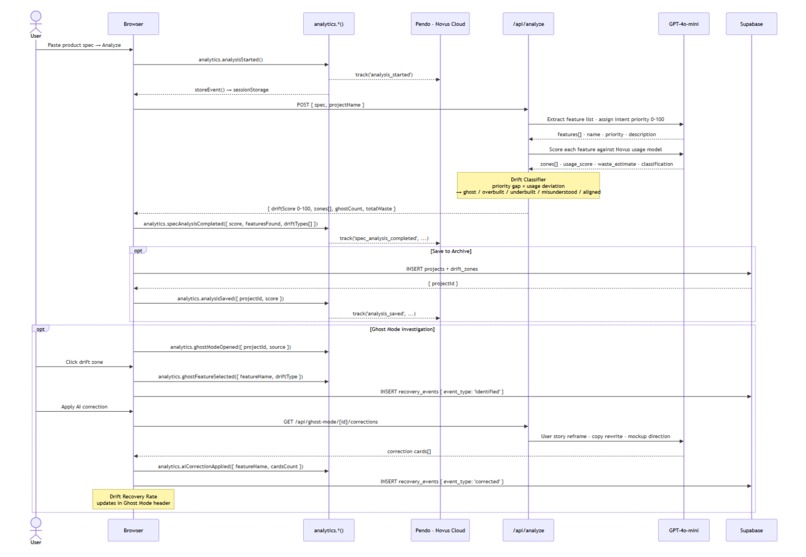
Every product decision becomes measurable - from roadmap intent to user behavior, AI correction, and organizational learning.

Inspiration
Product teams spend months building roadmap features they believe users want. Features are prioritized, designed, developed, reviewed, and shipped. But after launch, most teams have no reliable way to measure whether those features actually create value. We realized that analytics tools tell teams what users did, but not whether the product strategy itself was correct. That inspired DRIFT.
We wanted to build a system that measures Product Drift — the gap between what a team intended to build and what users actually value.
What it does
DRIFT transforms product specifications into a measurable product intent model and compares them against real behavioral signals.
The platform generates:
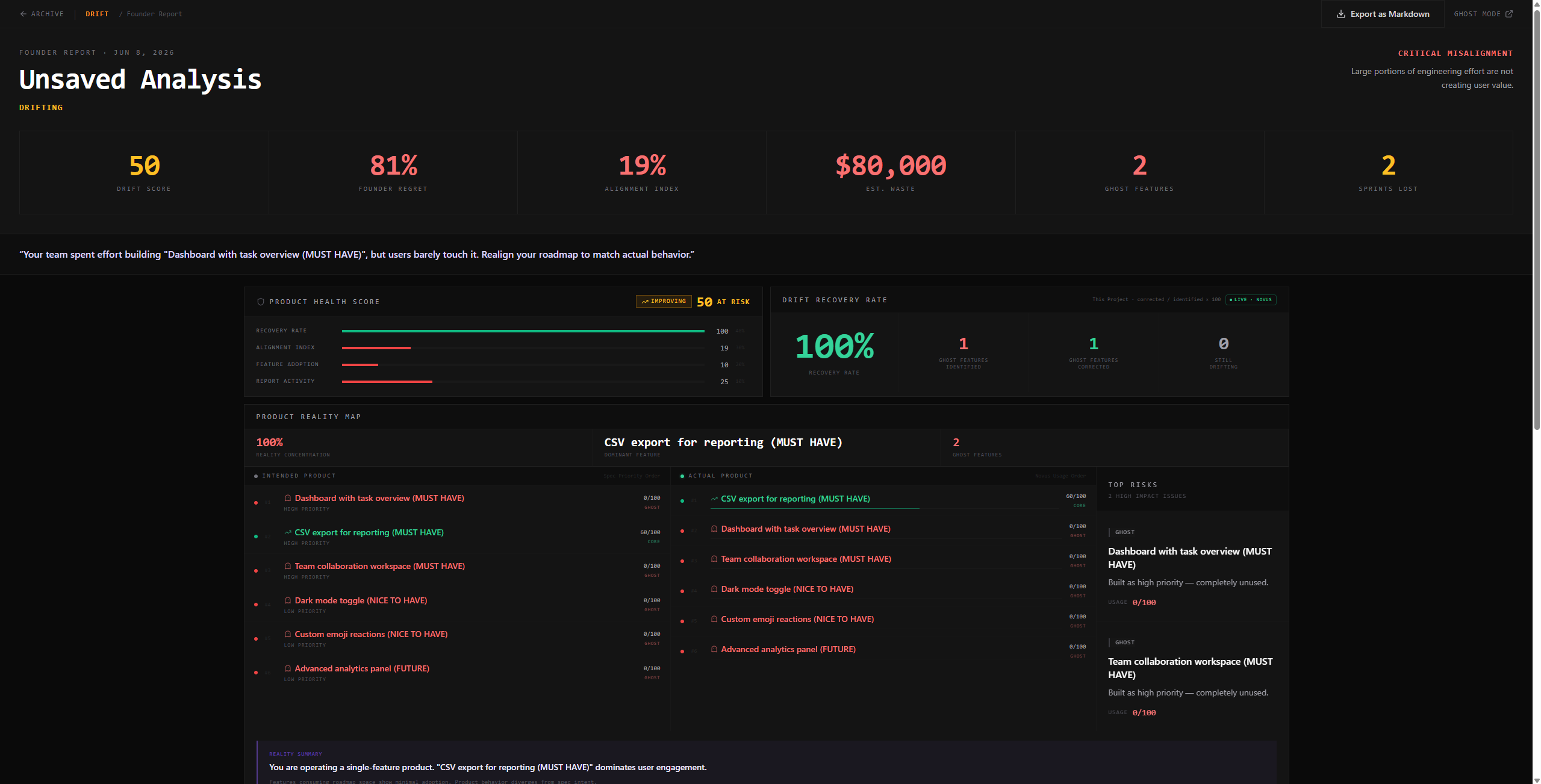
- Drift Scores
- Ghost Feature Detection
- Product Alignment Analysis
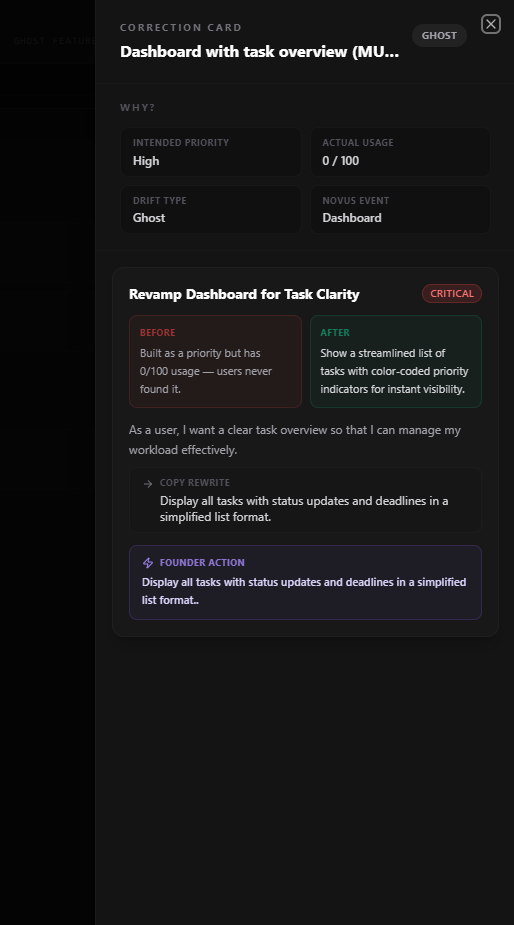
- AI-Powered Correction Cards
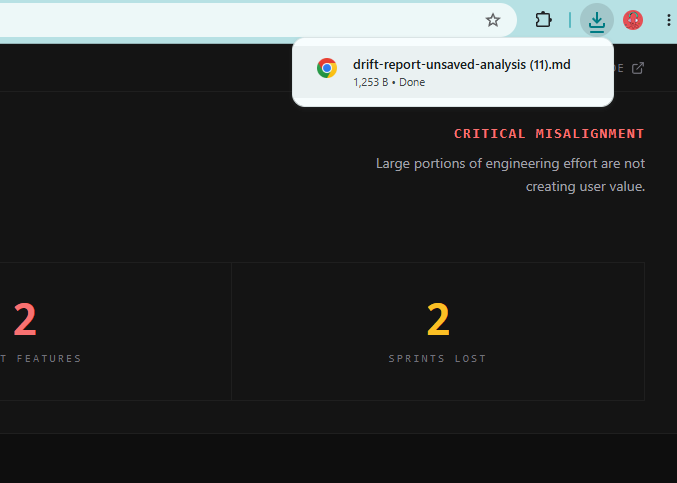
- Founder Reports
- Roadmap Reallocation Recommendations Instead of showing more analytics, DRIFT helps teams decide what to stop building, what to improve, and where to invest next.
How we built it
- Converted product specifications into a structured Product Intent Model.
- Compared roadmap intent against real behavioral signals using Novus intelligence.
- Engineered the Drift Score and Ghost Feature Detection framework.
- Generated AI-powered recovery recommendations and executive Founder Reports.
Tech stack
| Layer | Technology | Role |
|---|---|---|
| Framework | Next.js 14 App Router | Server + client components, API routes, file routing |
| Language | TypeScript 5 | End-to-end type safety |
| Styling | Tailwind CSS 3 | Utility-first, command-center aesthetic |
| Animation | Framer Motion 12 | Score rings, panel transitions, staggered reveals |
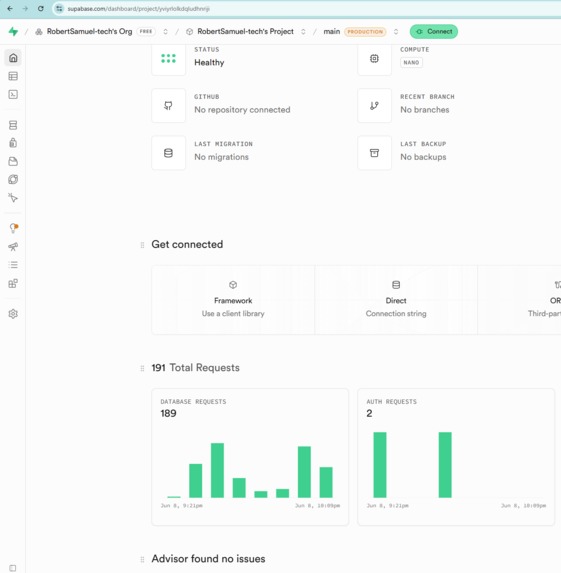
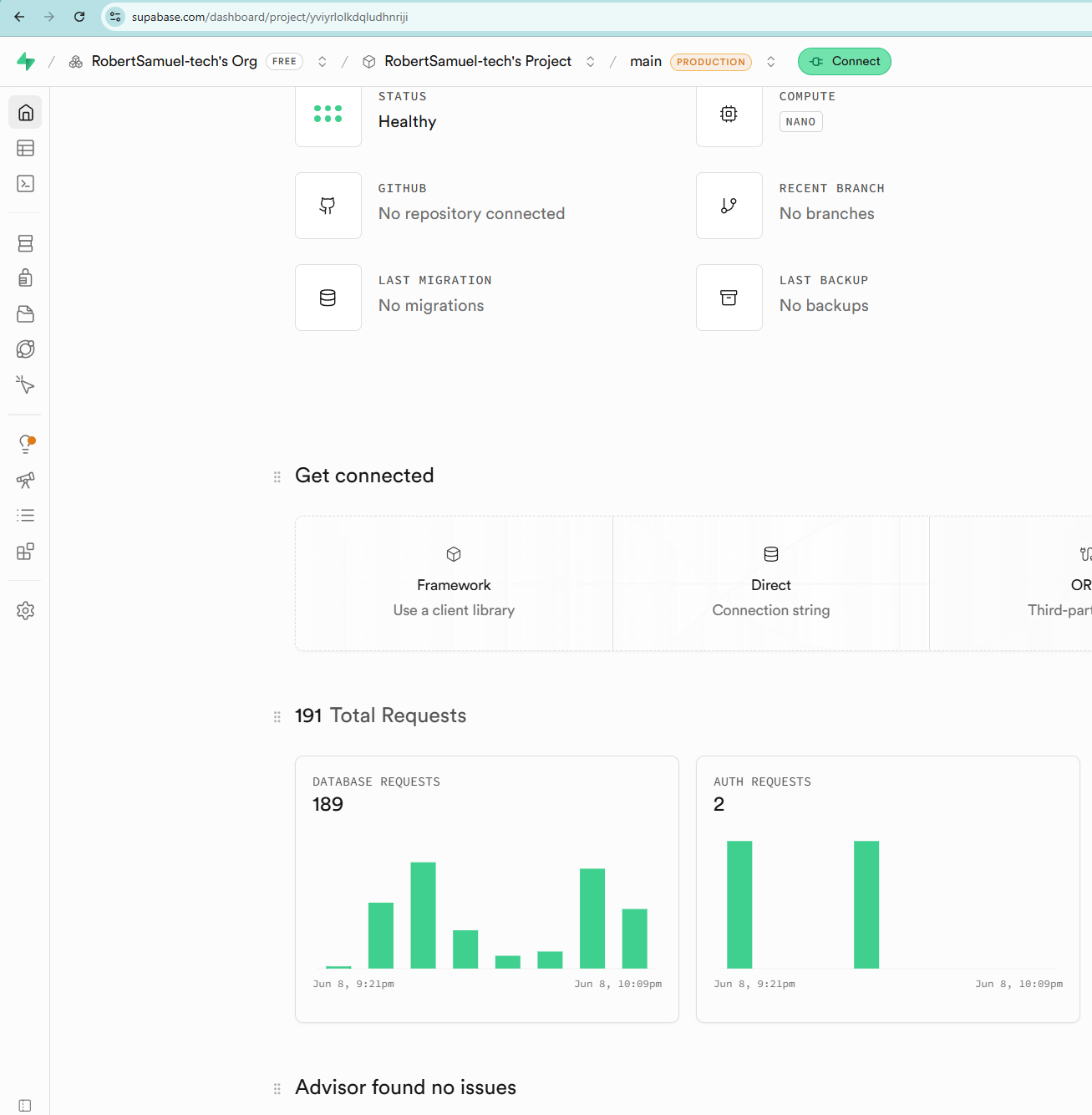
| Database | Supabase (PostgreSQL) | Project, zone, and telemetry persistence |
| AI | OpenRouter → GPT-4o-mini | Correction card generation |
| Analytics | Novus.ai + Pendo SDK | Event tracking, live signals, recovery metrics |
| Icons | Lucide React | Consistent icon system |
Challenges we ran into
DRIFT was built using :
- Next.js
- TypeScript
- Tailwind CSS
- Supabase
- Novus Behavioral Intelligence
- OpenRouter AI The workflow starts with a product specification or roadmap.
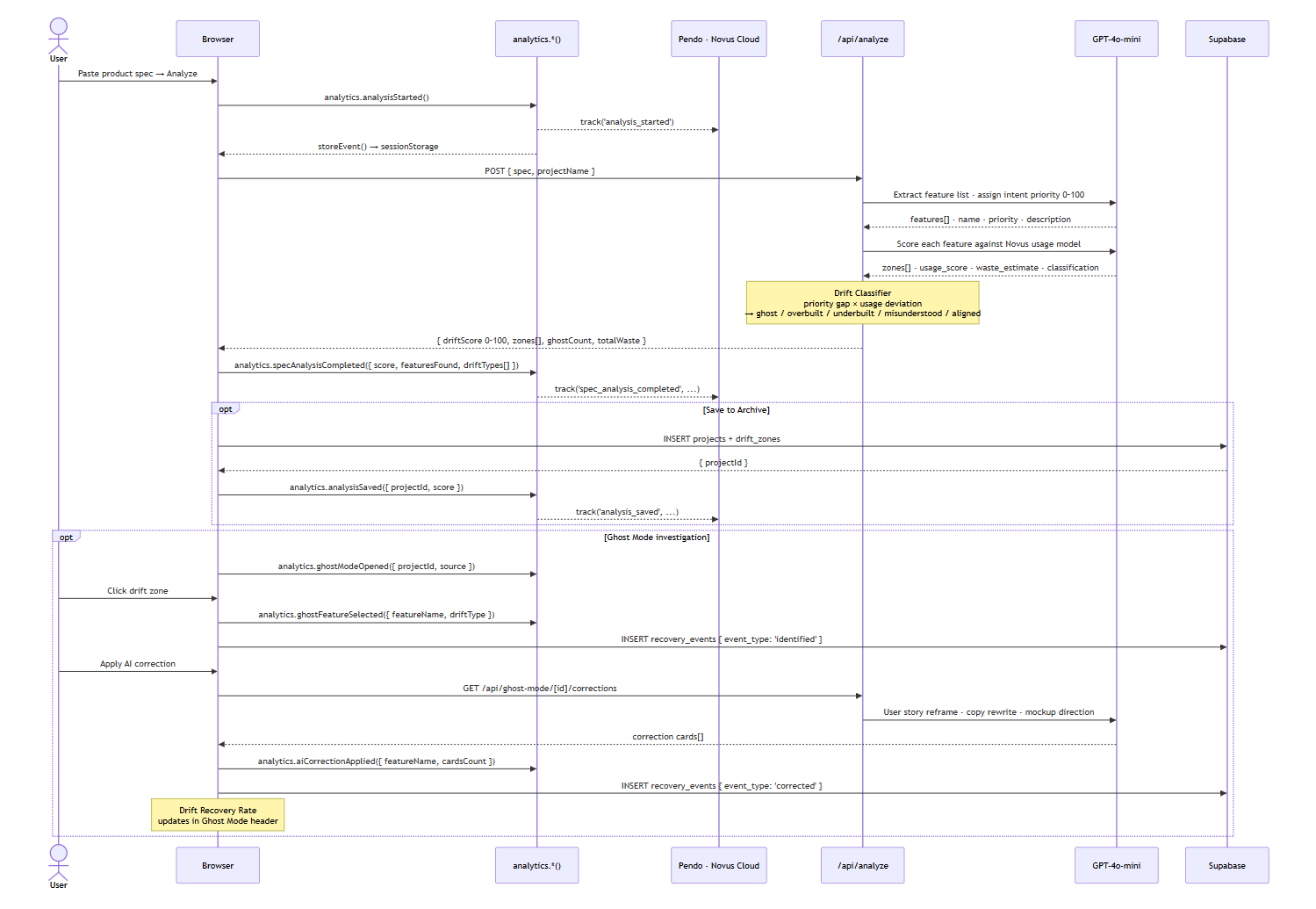
DRIFT extracts planned features and priorities, compares them against behavioral signals, calculates alignment scores, identifies ghost features, generates AI-powered recommendations, and produces executive-ready Founder Reports.
Novus provides the behavioral intelligence layer that powers product understanding and feature adoption analysis.
How It Works

Drift Classifications
Every feature receives one of five classifications based on the gap between intended priority and actual usage score from Novus:
| Classification | Signal | Interpretation |
|---|---|---|
| Ghost | High priority · 0 usage | Built with effort. Never adopted. Engineering spend with zero return. |
| Overbuilt | High priority · Low usage | Over-invested. Users engage at a fraction of the expected rate. |
| Underbuilt | Low priority · High usage | Users seek it out. Your roadmap ignores it. Untapped growth vector. |
| Misunderstood | Any priority · Unexpected usage | Users engage, but not as the spec intended. Intent and behavior diverged. |
| Aligned | Priority ≈ Usage | Spec intent matches actual user behavior. Product-market fit signal. |
Accomplishments that we're proud of
We successfully created a completely new product intelligence workflow. Instead of measuring traffic, clicks, or engagement alone, DRIFT measures Product Drift itself. We're especially proud of :
- Ghost Feature Detection
- AI-Powered Correction Cards
- Founder Reports
- Product Alignment Scoring
- Novus-powered behavioral intelligence integration Most importantly, DRIFT transforms analytics into product decisions.
What we learned
We learned that product teams don't need more dashboards. They need clarity. The most expensive feature in a company is not the one that crashes. It's the one nobody uses. Building DRIFT reinforced how important it is to connect engineering effort directly to customer value.
What's next for DRIFT
Our vision is to become the operating system for product reality.
Future plans include:
- Live product monitoring
- Continuous drift detection
- Jira and Linear integrations
- Automated roadmap recommendations
- Multi-team portfolio analysis
- Predictive drift forecasting
We believe Product Drift will become a core product metric, and DRIFT is designed to make that possible.
Built With
- next.js
- novus-ai
- openrouter
- supabase
- typescript

Log in or sign up for Devpost to join the conversation.