-
-
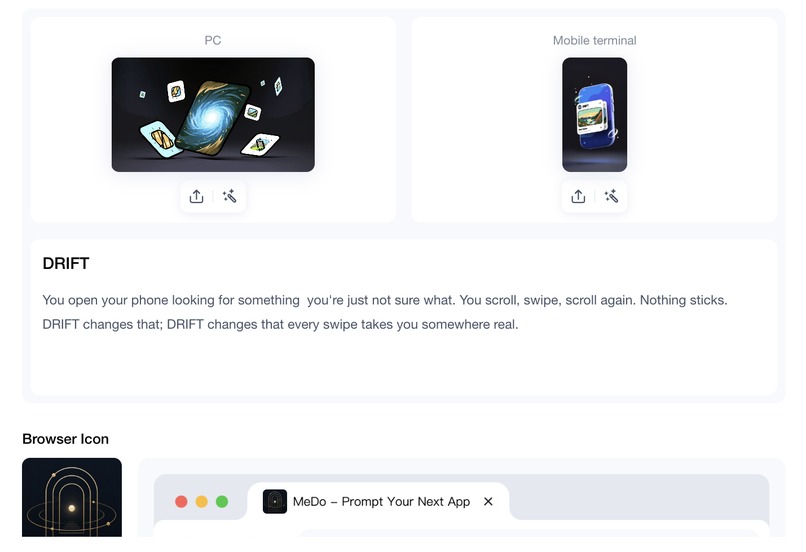
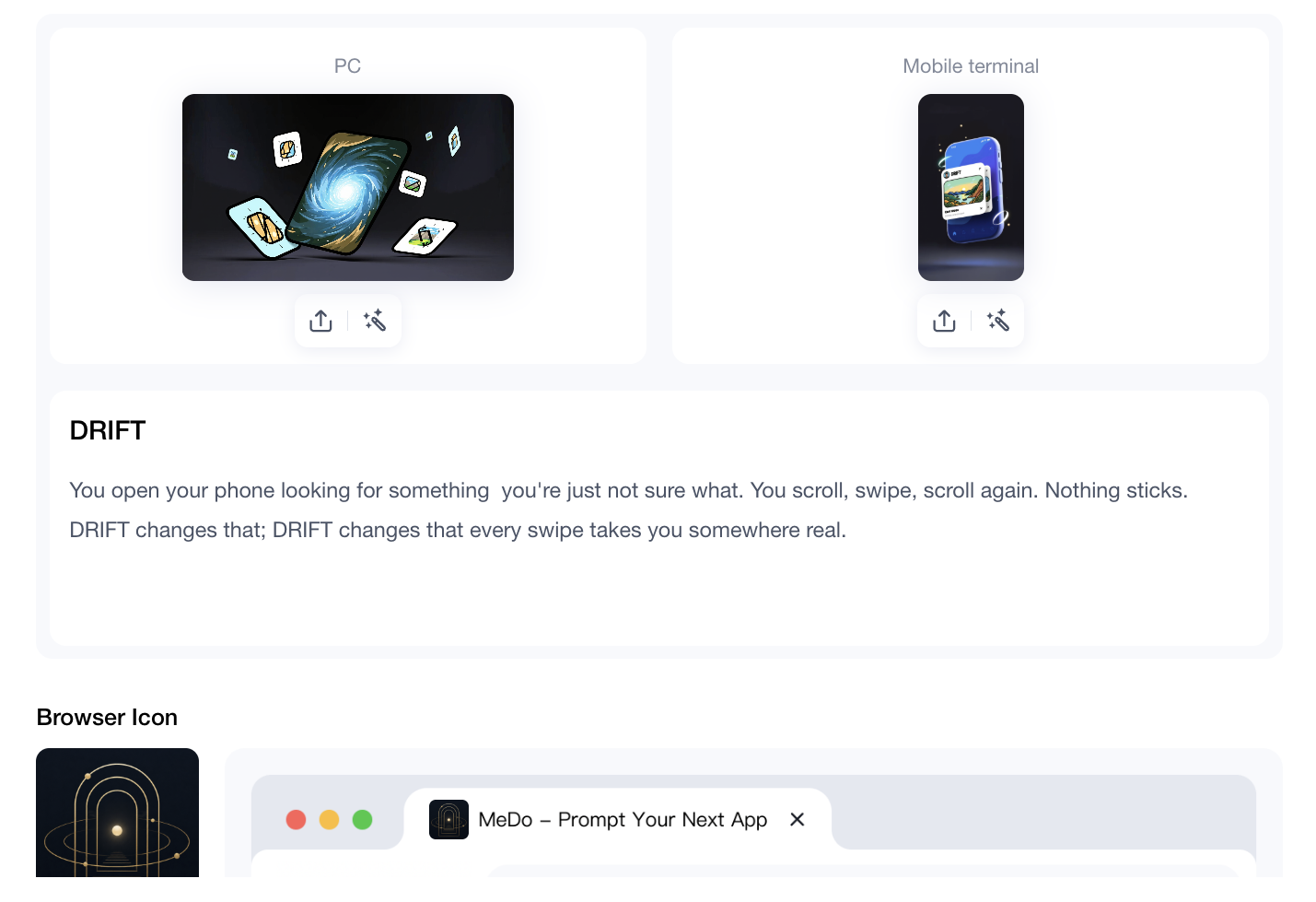
Curiosity has a direction now. Just try!
-
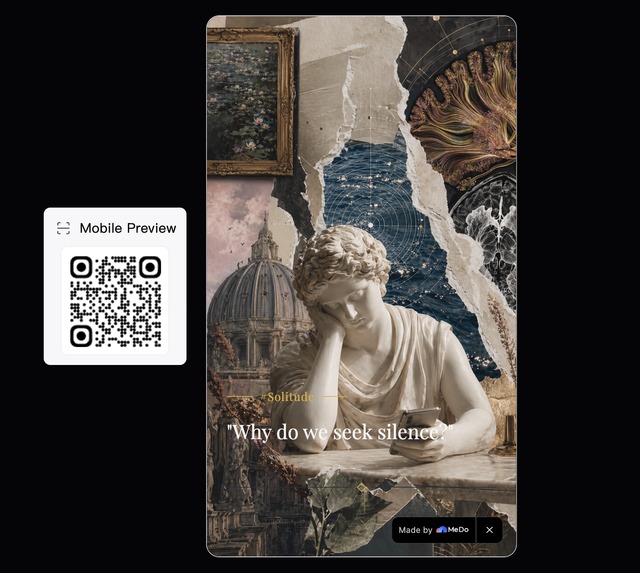
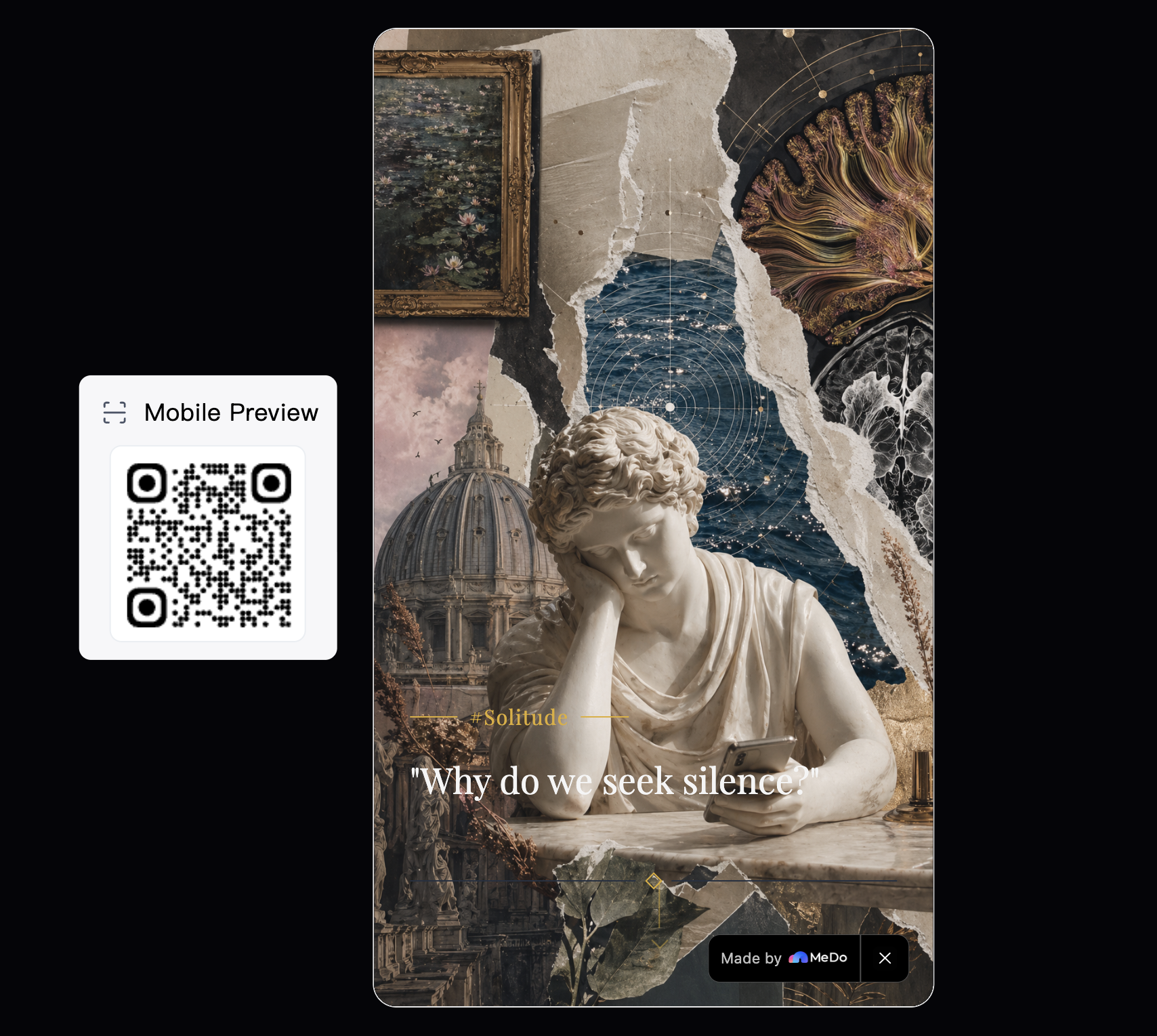
Stop scrolling for nothing, start drifting towards depth.
Inspiration
I kept noticing the same pattern in myself.
Open the phone. Scroll. Close it. Feel nothing.
Not because I wasn't curious I was. I wanted to learn things, think about things, understand more. But every app I opened pulled me in seventeen directions at once.
So I started thinking about what the opposite would look like. An app that takes one thing and goes deep on it. That uses the same mechanics as TikTok but aims them somewhere real.
That became DRIFT.
What it does
DRIFT opens like TikTok. Full screen, dark, one piece of content at a time.
You swipe. If something catches you, you stay. If not, you move on. The app watches not intrusively, just quietly. And the longer you stay on a topic, the deeper it takes you.
A short clip. Then a longer one. Then a conversation. The AI asks one question. You answer. It actually responds to what you said, not a script, not a menu. If you say no, it moves on. If you're curious, it goes further.
At the end, you get a learning plan built around whatever stopped you mid-scroll.
Simple idea. Surprisingly hard to get right.
How we built it
I'm a developer but DRIFT isn't the kind of project you build alone in a code editor.
It needed something that understood not just the architecture, but the feeling behind it. What it should feel like to use, not just how it should work. That's where MeDo came in.
I described what I was building in plain language, not technical terms. The psychology behind why we scroll. Why it leaves us empty. What the opposite would feel like.
MeDo understood. We built it together. I directed, MeDo wrote clean TypeScript and React. Every swipe transition, every engagement tracker, every AI response that knows when to push and when to let go.
The part that took longest wasn't the code. It was the writing. Getting the AI to feel genuinely present, not like a chatbot but like someone who actually pays attention. That took more iteration than any component.
Challenges we ran into
MeDo occasionally touched files it shouldn't. I learned to be precise. State exactly what to freeze, exactly what to fix, nothing more.
Mobile fullscreen was harder than expected. Every device had its own opinion. We worked through all of them.
The AI conversation was the real challenge. When someone says no, the AI can't just repeat the question. It has to move with the person. Building that felt less like engineering and more like writing a character.
Accomplishments that we're proud of
The moment a user says no for the second time and the AI responds: "fair enough. what's been on your mind lately?"
And it feels human.
That's when I knew this was working.
What we learned
Building something that respects attention is completely different from building something that captures it.
The best features in DRIFT are the invisible ones. The ones that notice you without interrupting, that go deeper only when you're ready, that never push harder than you want to go.
The most important design decisions weren't visual. They were emotional.
What's next for DRIFT
Memory, so DRIFT remembers what moved you last time. More topics, art, ancient history, behavioral economics, space. A creator mode so others can build DRIFT experiences around what they know.
And eventually a native app. Something that lives on your home screen. Something you actually want to open.
But first I just want someone to swipe twice, pause on something unexpected, and feel that quiet shift.
oh. this is actually going somewhere.
DRIFT — get lost. go deep. grow.
Built With
- claude
- medo
- react
- tailwind-css
- typescript
- unplash
- vite
- web-share-api
- youtube-embed-api


Log in or sign up for Devpost to join the conversation.