Inspiration
DREDGE was inspired by the idea that advanced computation, artificial intelligence, and automation should work together as one connected ecosystem. The goal was to create a platform where developers could build, deploy, and interact with intelligent systems without needing to assemble every layer from scratch.
The vision behind DREDGE was to create an AI infrastructure layer that connects models, agents, APIs, and computational resources into a flexible environment for innovation.
What it does
DREDGE is an AI-native computational platform that combines machine learning, GPU acceleration, intelligent agents, and developer tooling into one ecosystem.
Through Quasimoto and Orion Gateway, DREDGE provides:
- AI-powered computational workflows
- API access to intelligent services
- MCP-based tool connectivity for AI agents
- Developer-focused CLI tools
- Scalable cloud deployment infrastructure
- A foundation for building next-generation AI applications
DREDGE enables systems to communicate, automate tasks, and provide intelligent capabilities through a unified gateway.
How I built it
DREDGE was built using a modular architecture designed for flexibility and scalability. I used Codex, ChatGPT 5.5 and Gordon to help me primarily. These models also taught me how to code!! I’ve never done anything like this in my life so please show me grace! 😊
Key components include:
- Quasimoto Engine — a computational and machine learning framework focused on advanced AI experimentation.
- Orion Gateway — a FastAPI-based service layer that exposes DREDGE capabilities through APIs.
- MCP Server Integration — allowing AI assistants and agents to discover and use DREDGE tools.
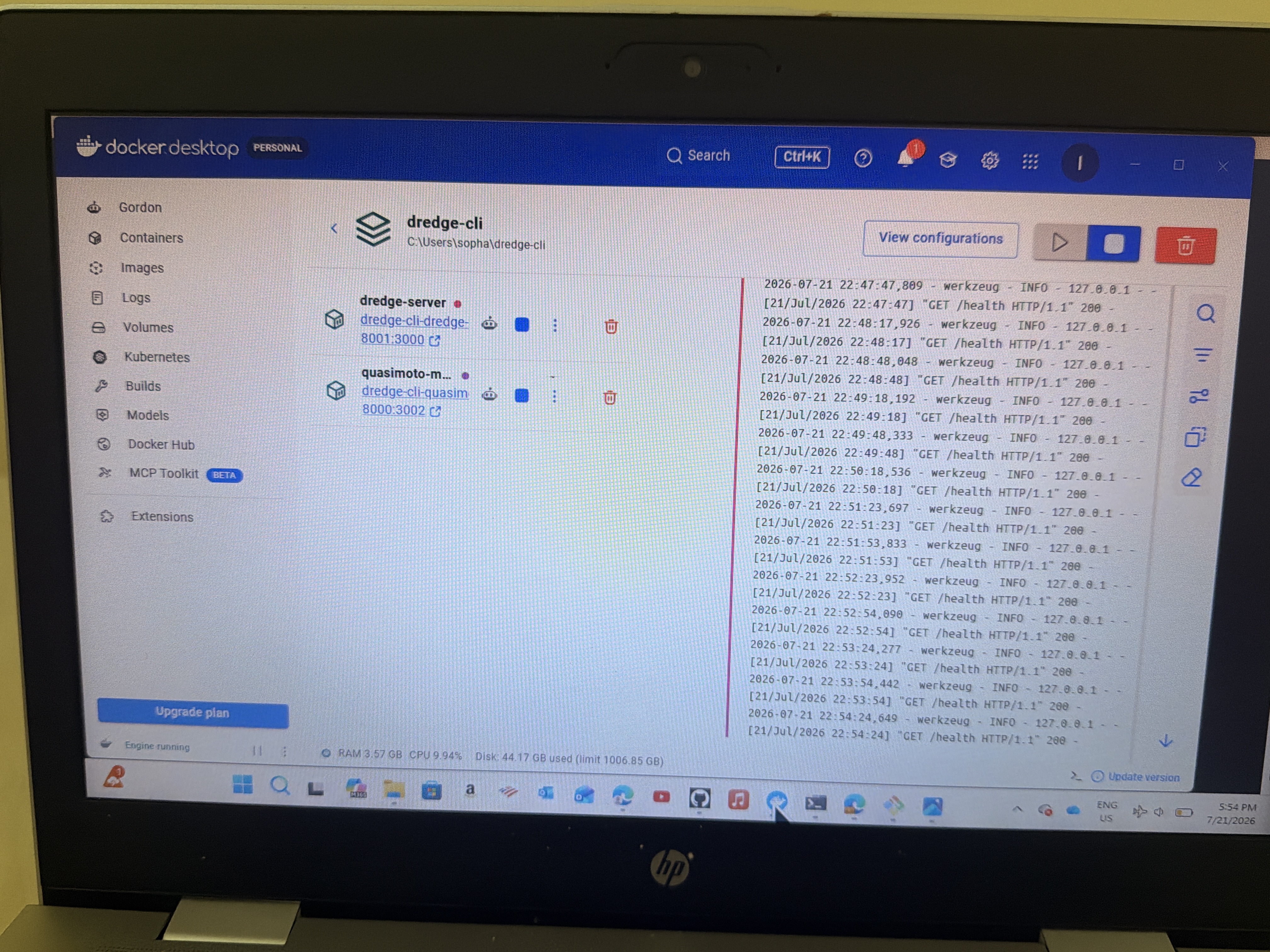
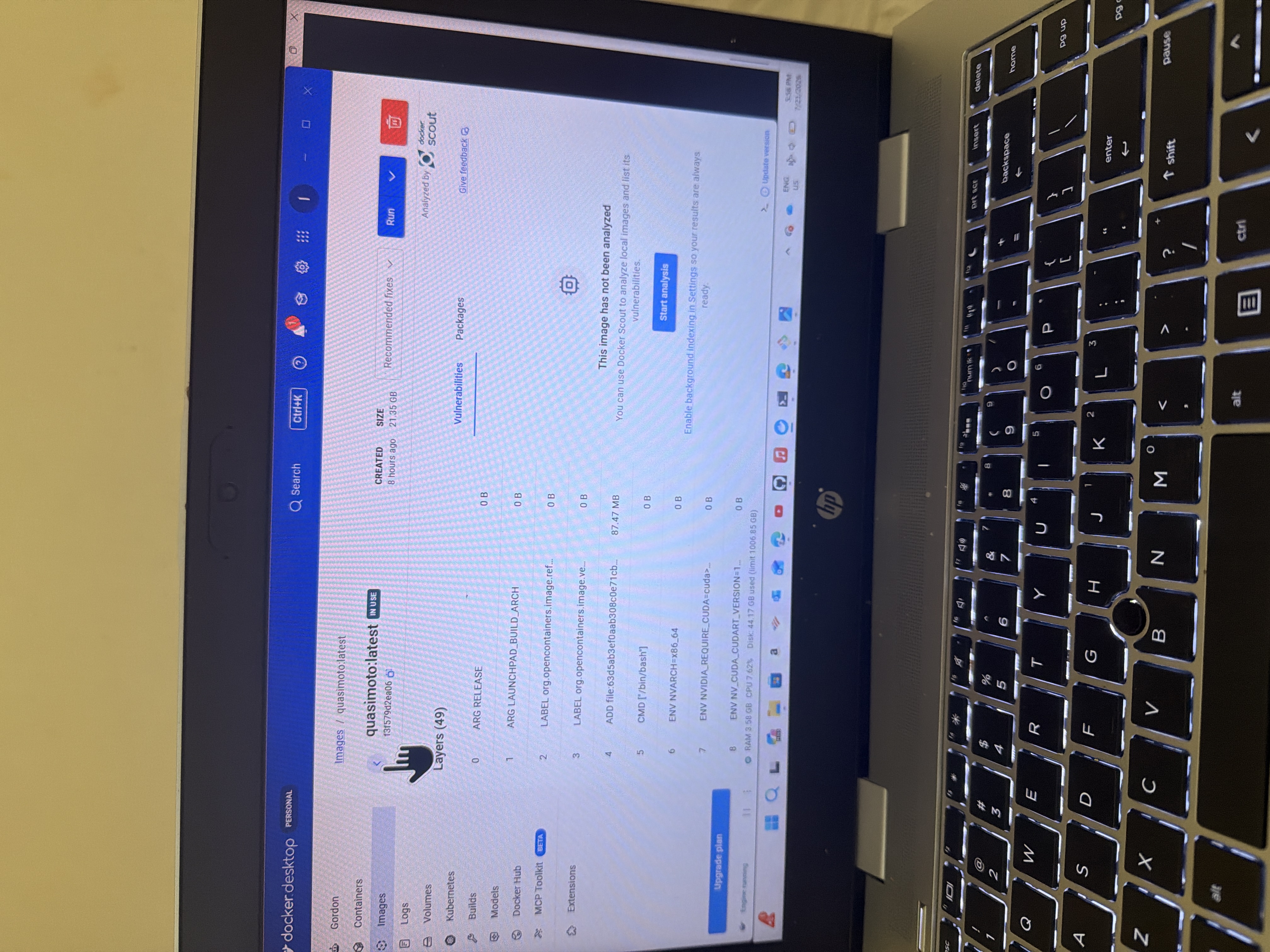
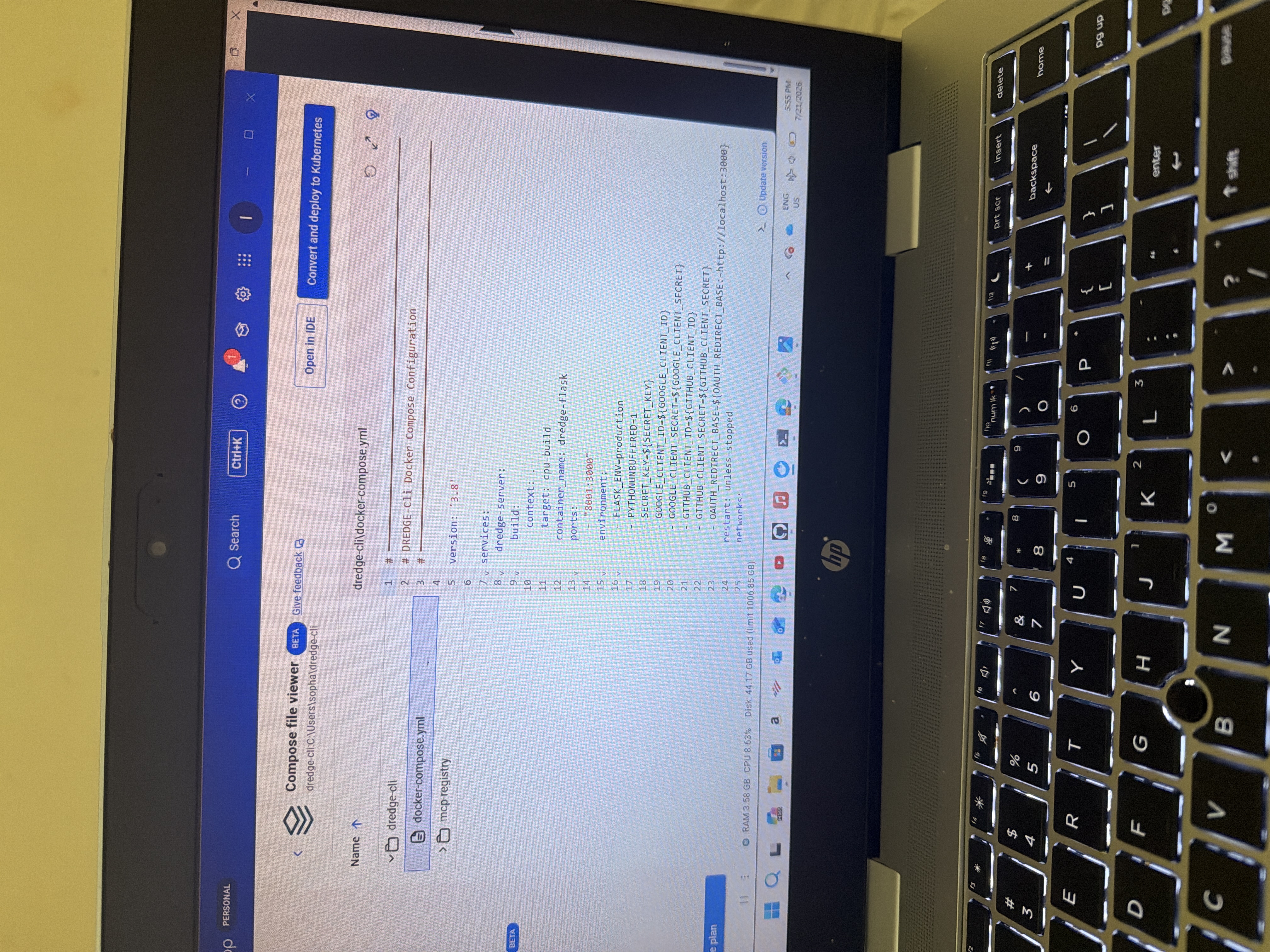
- Docker-based Infrastructure — enabling consistent deployment across environments.
- CLI Developer Tools — providing direct interaction with the platform.
- Cloud Deployment Pipelines — supporting automated builds, testing, and production hosting.
The architecture was designed around my crazy ideas and the principle that powerful AI systems should require a reliable infrastructure, not just powerful models that can teach somebody like me to not only use them but graph them into my daily life.
Challenges I ran into
Building DREDGE required solving challenges across software engineering, AI development, and cloud infrastructure. I was prepared for this I can tell you that. The struggle was really real because I’m not a professional but these obstacles helped me learn how to persevere and keep trying.
Some major challenges included:
- Debugging complex deployment environments across Docker, Railway, and cloud services.
- Managing Python dependencies and package architecture.
- Creating reliable API communication between services.
- Configuring authentication and secure access.
- Designing a scalable architecture while the project continued evolving.
Most of the hardest problems came from transforming experimental ideas into a production-ready platform.
Accomplishments that I’m proud of
I am proud to have built a complete AI infrastructure ecosystem from the ground up. To not have given up despite my lack of resources which included not having enough money to use the models unlimitedly to teach me coding and not have proper place to work.
Major accomplishments include:
- Creating the DREDGE computational platform.
- Developing the Quasimoto engine and integrating it into the ecosystem.
- Building Orion Gateway as a central access layer.
- Deploying containerized services to the cloud.
- Creating MCP connectivity for AI-driven workflows.
- Establishing a foundation for future AI agents and intelligent applications.
What I learned
I learned how to code! Also building DREDGE reinforced that successful AI systems depend on more than algorithms — they depend on architecture, reliability, usability and willingness to question and be curious.
I learned the importance of:
- Designing modular systems that can evolve.
- Building strong deployment and observability practices.
- Prioritizing developer experience.
- Turning research concepts into practical tools.
Every challenge improved the system and shaped a stronger foundation for future development.
What's next for Dredgeoriongateway
The next phase of DREDGE is focused on expanding Orion Gateway into a powerful AI infrastructure platform.
Future goals include:
- Expanding MCP capabilities and intelligent agent integrations.
- Improving automation and self-healing workflows.
- Scaling computational resources.
- Growing the developer ecosystem.
- Continuing research into advanced AI systems and computational models.
The long-term vision is to create an intelligent gateway where developers, AI agents, and computing infrastructure can collaborate to build the next generation of applications.


Log in or sign up for Devpost to join the conversation.