Inspiration
DreamWeaver began as an ORIGINAL idea: a dress-up experience set in a fantasy world instead of the usual everyday setting. I wanted fashion to actually control gameplay, not sit on top of it. I wanted every accessory to affect combat and world progression. I used games like fantasy RPGs as base ideas but rebuilt them around the logic tools in Horizon Worlds. The concept is simple: fashion equals power. Every outfit you wear changes your stats, dialogue, and even the castle itself.
What it does
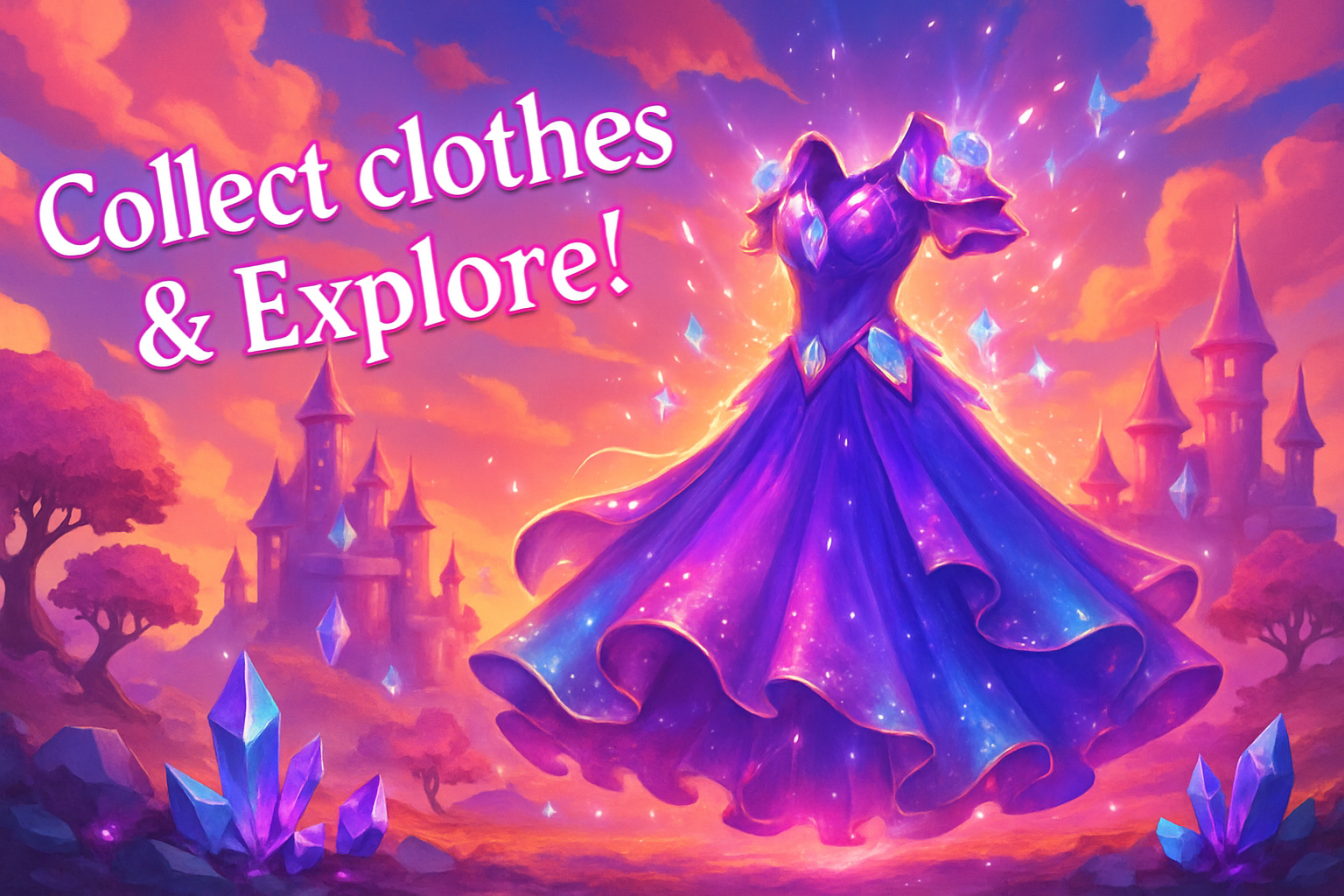
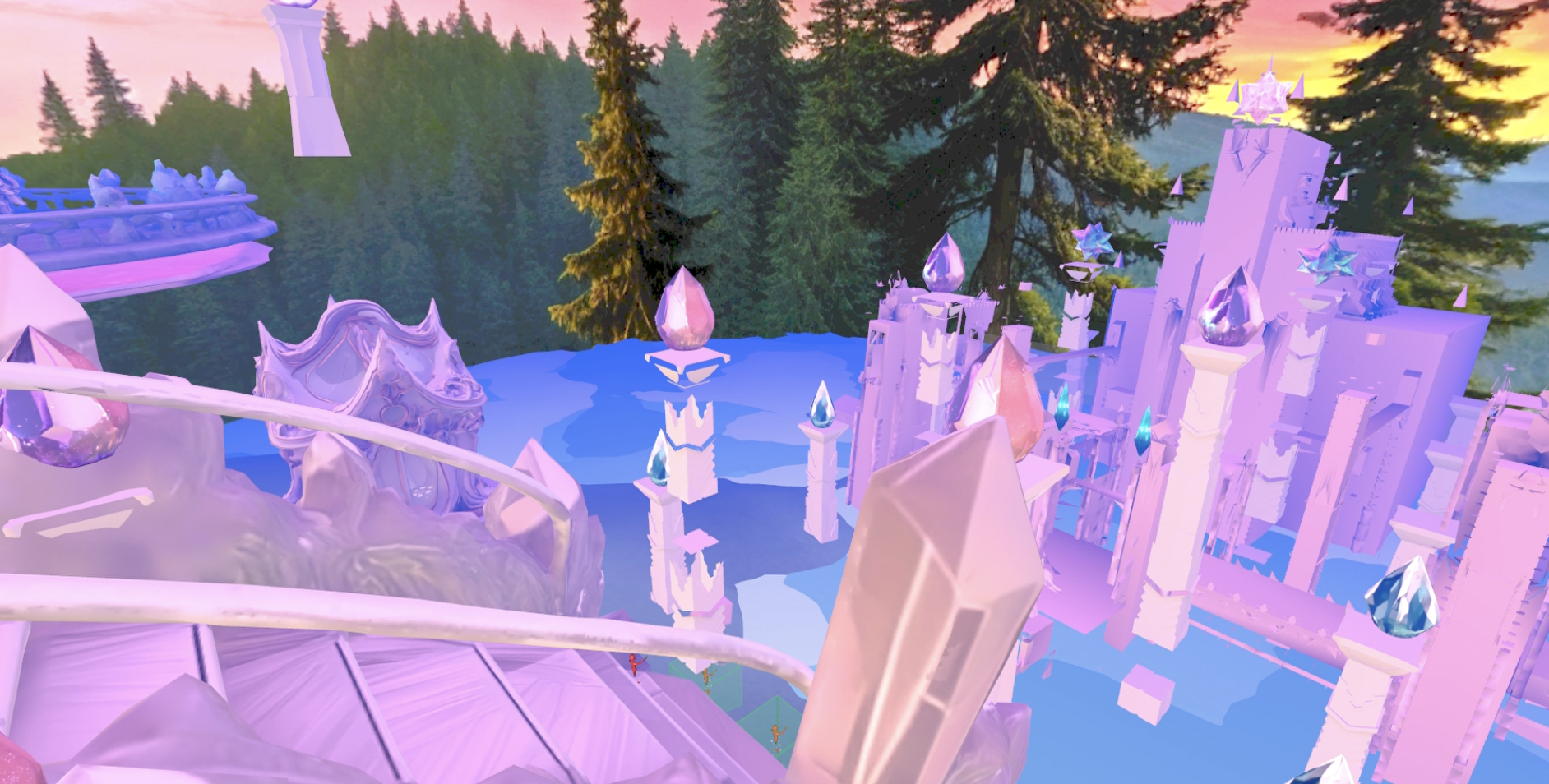
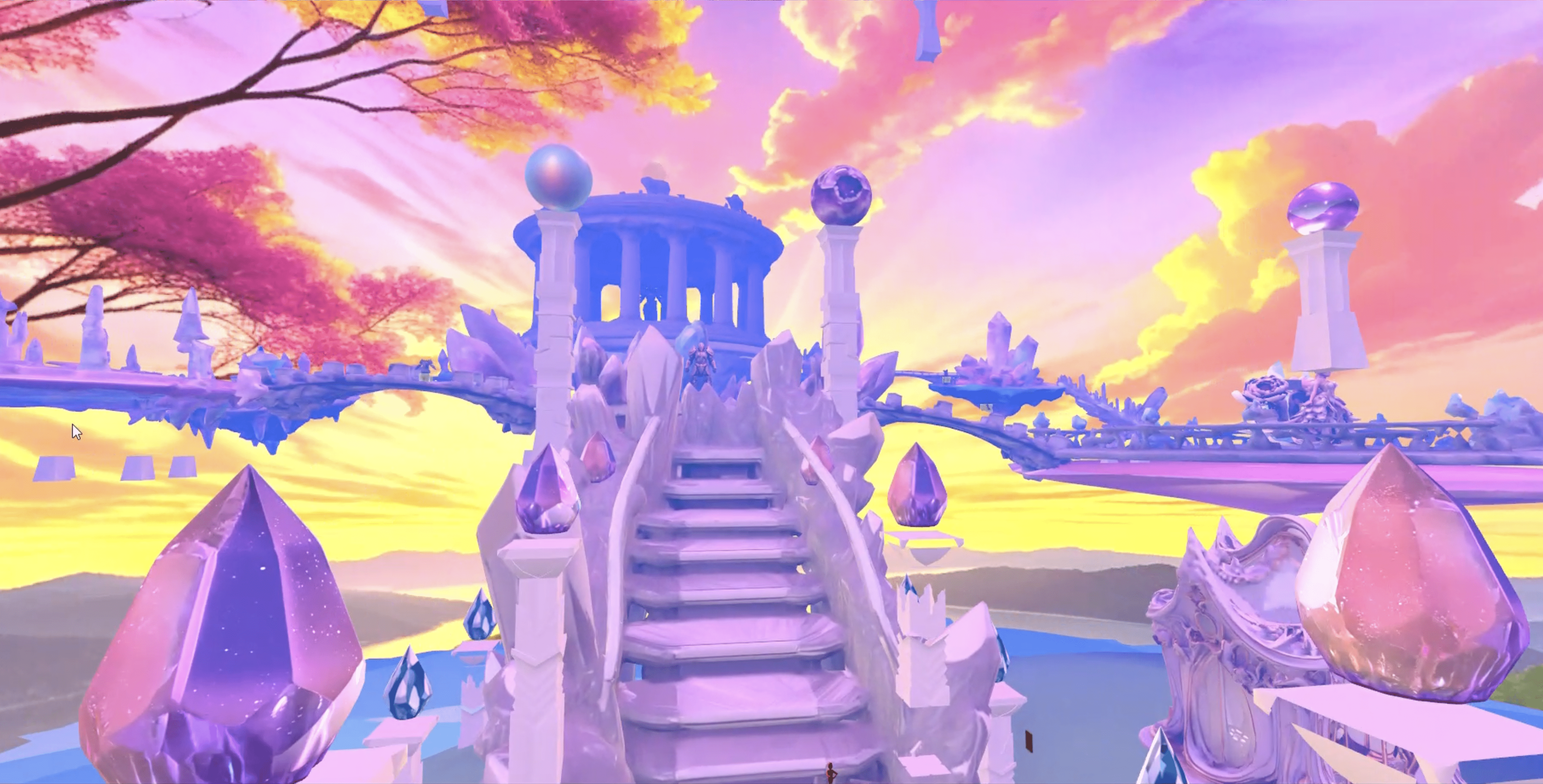
DreamWeaver is a playable fantasy FASHION RPG set in a color-drained castle floating in the sky. Players explore the map, collect sequins, dyes, and gems from glowing rocks and trees, and craft magical CLOTHES that boost stats like Speed, Power etc. You fight themed bosses on sky platforms, each tied to fashion archetype, and every victory restores a part of the castle’s color and unlocks new rooms. There are NPCs that give hints about the bosses, in-world purchasable avatar items, and a working wardrobe system where crafted outfits can be previewed in mirrors. Rhinestones act as currency for crafting and trading clothes. The castle slowly rebuilds visually as you play, piece by piece, showing your progress.
How we built it
I modeled the entire castle and environment inside Blender, and the sky islands, boss arenas, and terrain were GEN AI. I imported everything into Horizon Worlds and connected the logic systems for collectibles, dialogue triggers, and restoration progress. Every piece of music, from boss battle themes to calm castle ambiance, was made in Logic Pro by me. I handled sound design, mixing, and looping so it fits in-world timing. NPCs were built using the Meta. AI was used to help generate dialogue tone, fashion item descriptions, and outfit names, but all were rewritten to sound cohesive in-world. UI counters for sequins and crafting materials were built using overlay inside Horizon.
Challenges we ran into
Balancing visual quality with performance was hard. Horizon Worlds has limits on object count and logic chains, so optimizing mesh detail and reusing scripts mattered. Getting collectibles to count across the world without lag was tricky. I had to link logic across multiple zones for tracking progress and syncing boss defeats with color restoration. Another issue was dialogue timing between NPC speech bubbles and UI prompts, which I fixed with custom logic pacing.
Accomplishments that we're proud of
The game runs as a complete loop: collect, craft, battle, restore, repeat. The castle and outfits are all original 3D assets. The sequins sparkle system works and responds to distance. Boss music syncs with intro animations. The wardrobe area works as a display room where players can admire crafted sets. Fashion traits actually change battle outcomes. I’m proud that it feels like a real fashion RPG instead of a basic dress-up system.
What we learned
I learned that Horizon’s logic can handle multi-system gameplay if you build in layers. I learned how to make visual feedback motivate players through color and light changes. I also learned how to use AI generation properly: to expand creativity instead of replacing it and learning prompting. It helped me write item descriptions and lore entries faster. I also learned full game audio workflow from scratch inside Logic, which now feels natural to design for each boss.
What's next for DreamWeaver
The next version will add more castle rooms, new crafting recipes, and NPC quests tied to outfit themes. I plan to include multiplayer castle visits, so players can compare their collections, trade Rhinestones, and help each other restore shared worlds. Future updates will add AI-generated dialogue trees that respond to your outfit traits, fashion duels between players, and new boss types that react dynamically to your clothing. The ultimate goal is to make a living fashion world where what you wear directly changes how the story unfolds, how people treat you, and how beautiful your world becomes again.



Log in or sign up for Devpost to join the conversation.