Inspiration
As a software developer who cared as much about design as code, discovering technical art opened up a new world for me, a space where both sides finally made sense together. Then VR arrived, and everything changed. The idea that you could step into the worlds you create felt magical.
Mixed reality pushed that feeling even further. It showed me that immersion doesn’t need to pull you away from your surroundings you can stay in your own room while experiencing something completely new.
That became the core idea behind DreamSpace: bringing immersive worlds into the room you already live in.
What it does
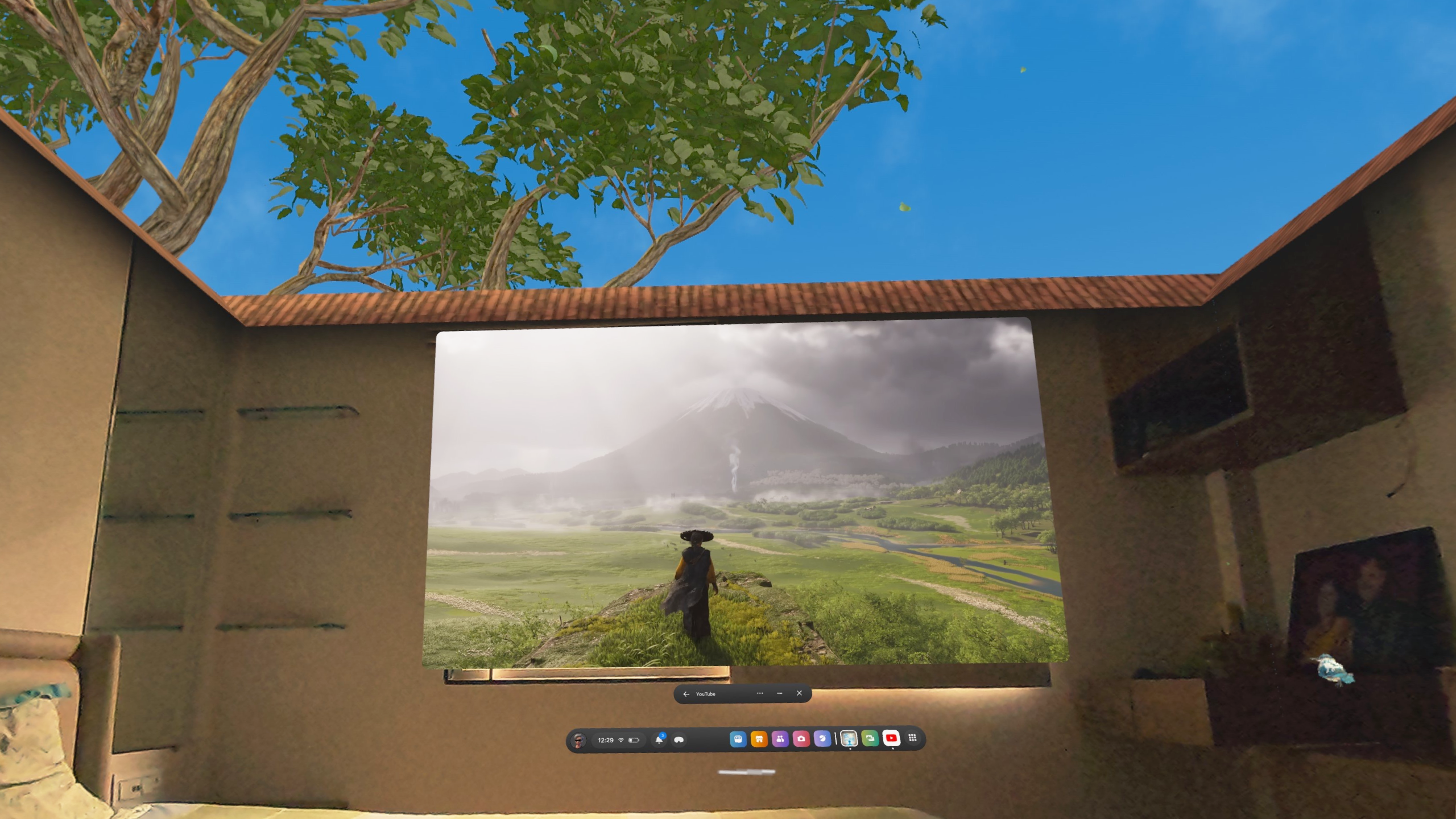
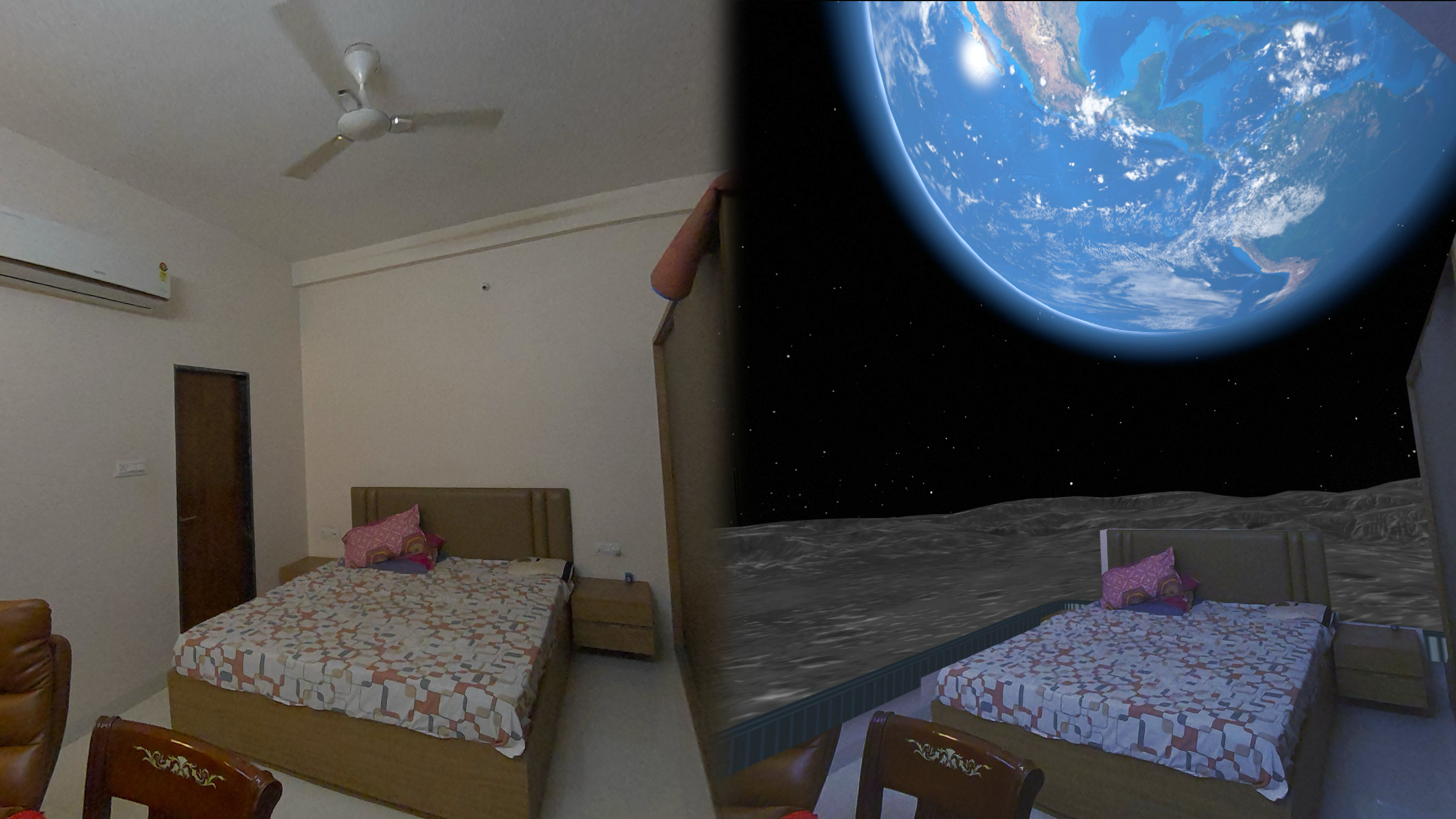
DreamSpace transforms real rooms into immersive mixed-reality environments.
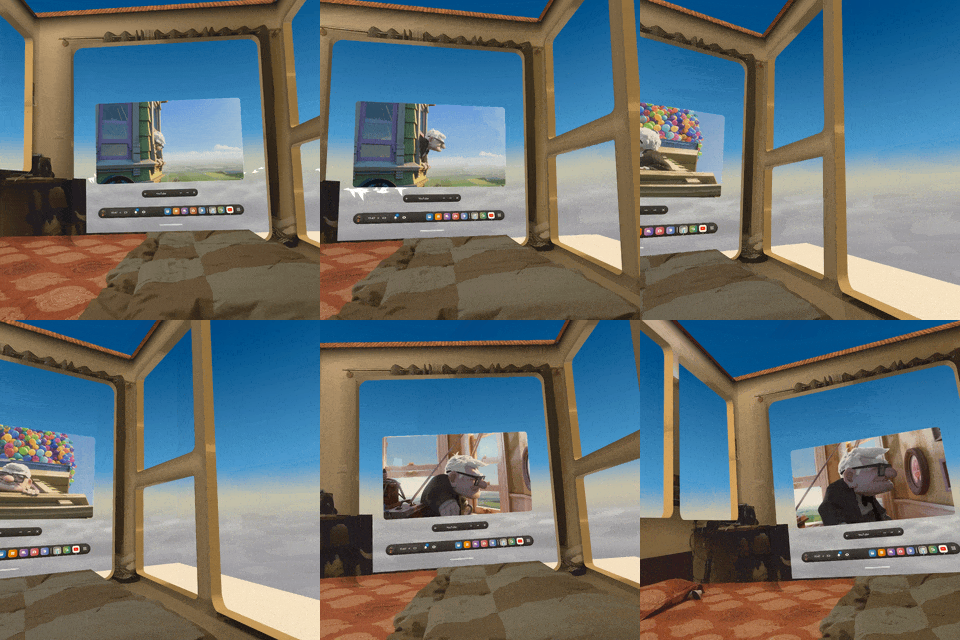
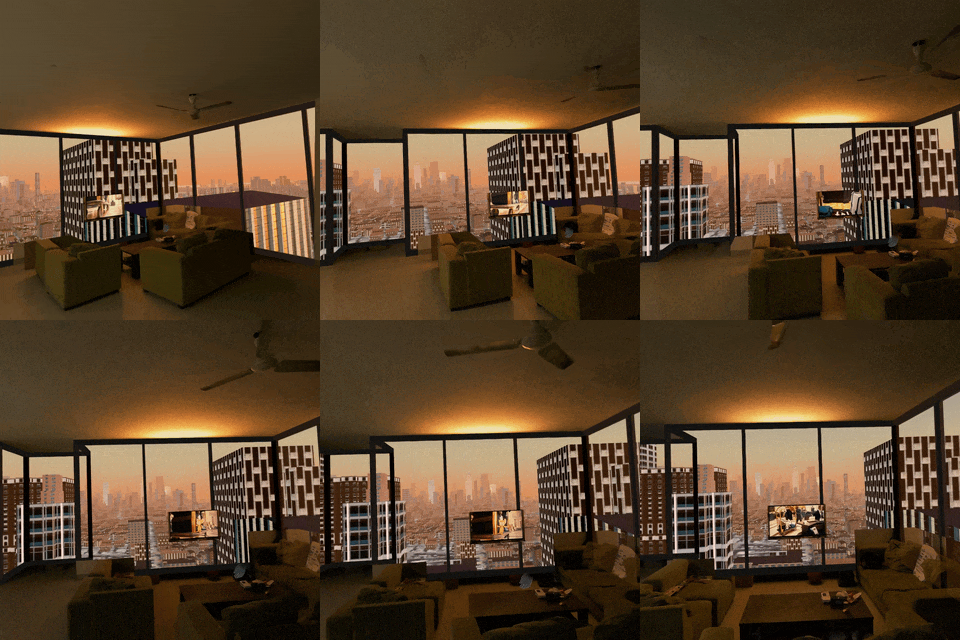
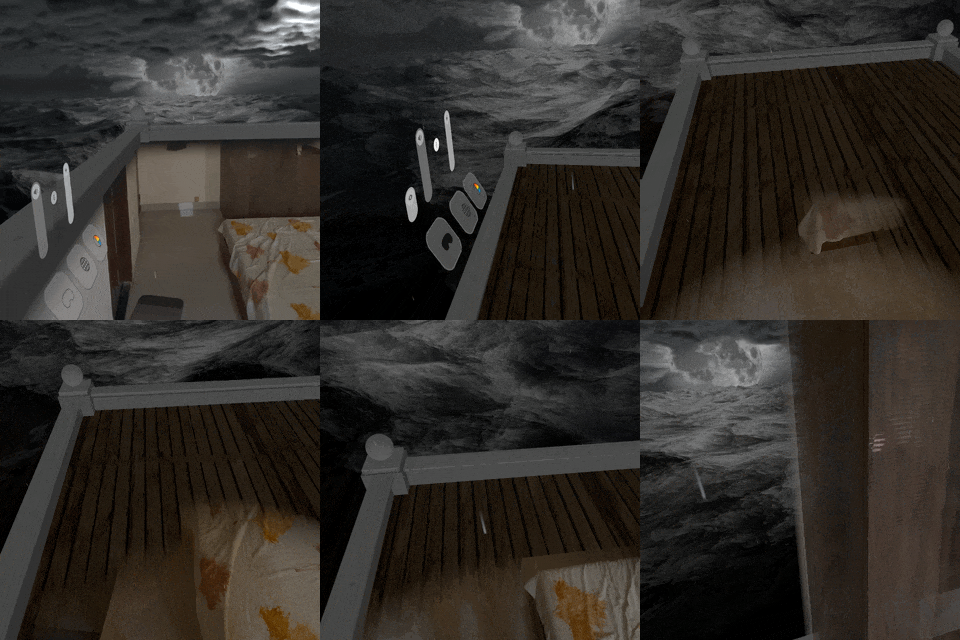
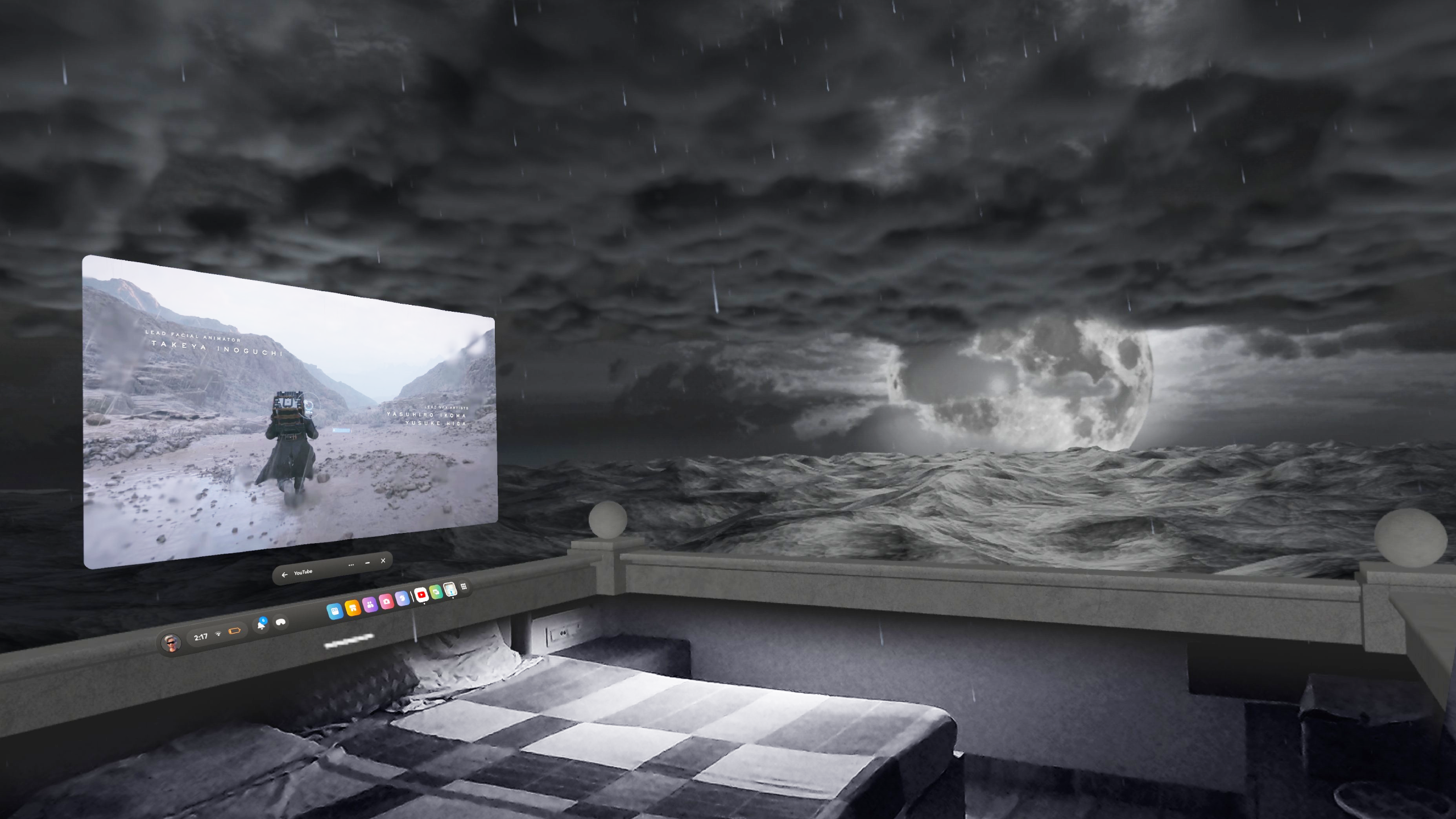
Users can create virtual windows on their walls, shift between proximity-based passthrough and VR, and explore dynamic environments such as storms, skylines, and floating cloudscapes all designed to feel comfortable for everyday VR use.
These mixed-reality environments serve as comfortable everyday VR backgrounds, ideal for watching movies, browsing the web, or simply spending time in a space that feels more calming and atmospheric.
How we built it
DreamSpace is built in Unity using Meta MRUK library and custom mixed-reality components:
- Proximity-based passthrough blending
- Mixed-reality window creation tools
- Custom shaders for sky, fog, rain, and environmental lighting
- Real-time day/night cycles
- Optimized standalone-VR rendering techniques
- Modular environment system from ground up
Each environment is handcrafted with its own mood, lighting setup, and ambient effects.
Challenges we ran into
- Achieving believable blending between virtual windows and real walls
- Optimizing heavy visuals like rain, fog, and skyline scenes for standalone VR
- Ensuring that MR passthrough transitions felt natural and comfortable
- Making environments feel immersive without overwhelming the user’s space
- Building UI that works intuitively inside mixed reality
Accomplishments that we're proud of
- Users appreciate the kind of detailing we are adding to the environments
- Creating a proximity-based passthrough system that blends MR and VR seamlessly
- Designing mixed-reality windows that feel naturally integrated with real walls
- Building two new environments during the competition: Above the Clouds and Home in New York
- Implementing dynamic weather, day/night cycles, and user-controlled time adjustments
- Crafting environments that people enjoy spending real time in
What we learned
- How small visual details dramatically affect immersion in mixed reality
- The importance of comfort, clarity, and subtle transitions in MR design
- How to balance performance and visual fidelity on standalone VR hardware
- How users perceive mixed spaces differently from pure VR environments
What's next for DreamSpace
- Adding new environments with deeper interactivity and storytelling
- Expanding customization for window styles, ambience, and environmental moods
- Introducing shared/social MR experiences where multiple users can look out the same virtual window
- Continuing to refine blending, lighting, and comfort systems for everyday use
Built With
- csharp
- mixedreality
- passthrough
- unity


Log in or sign up for Devpost to join the conversation.