-
-
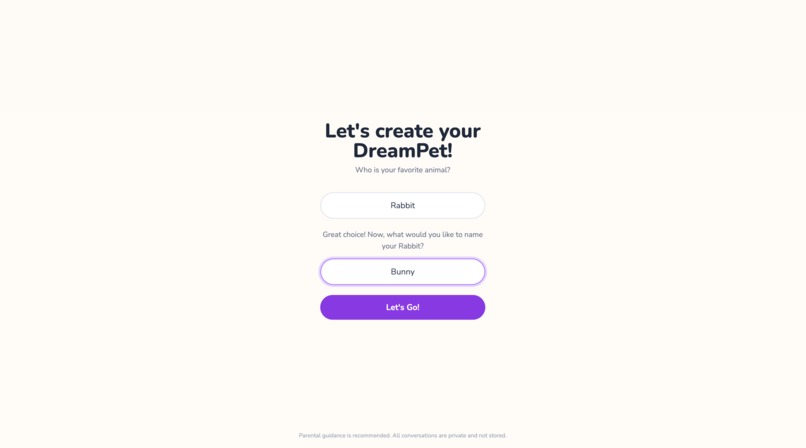
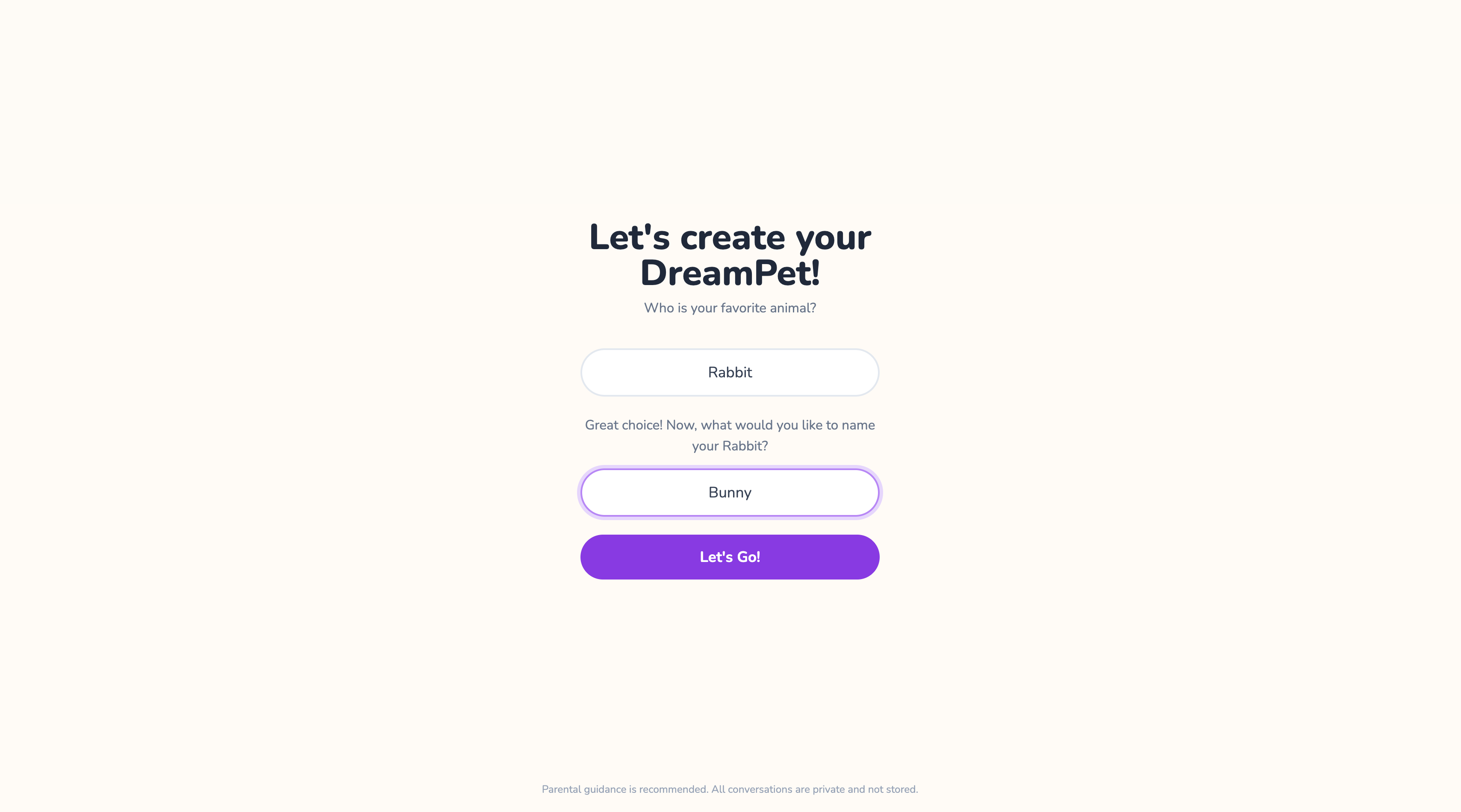
Home Page
-
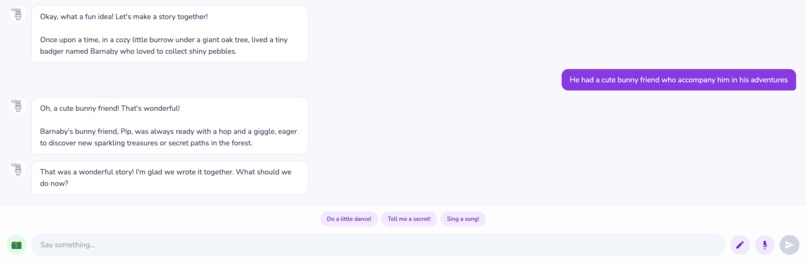
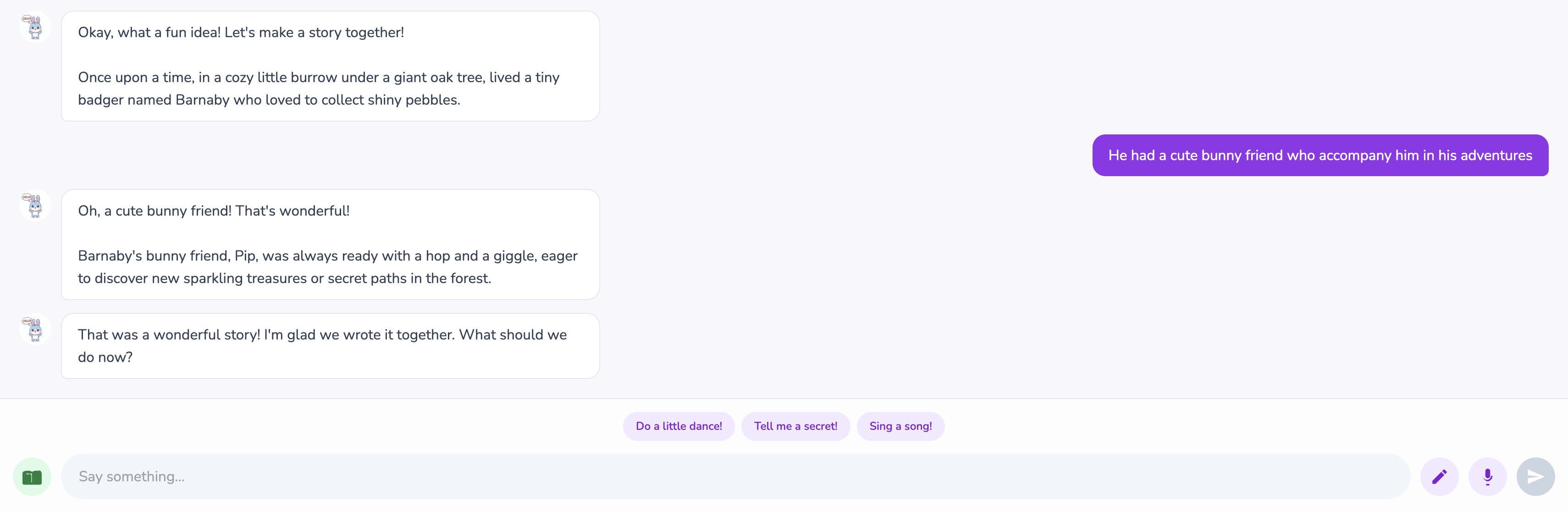
Make a story
-
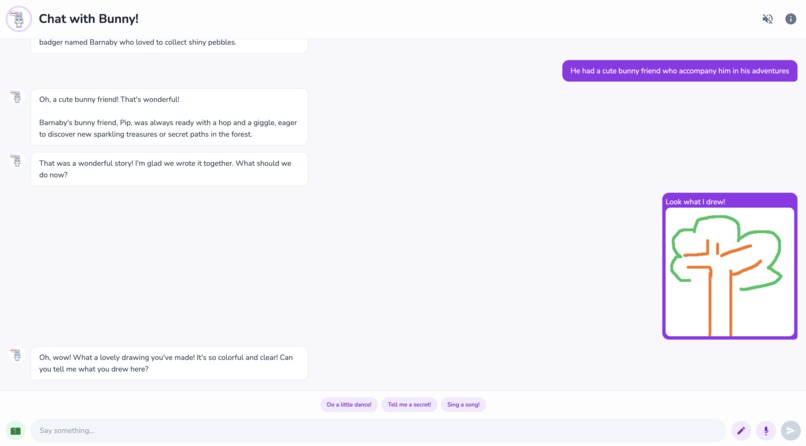
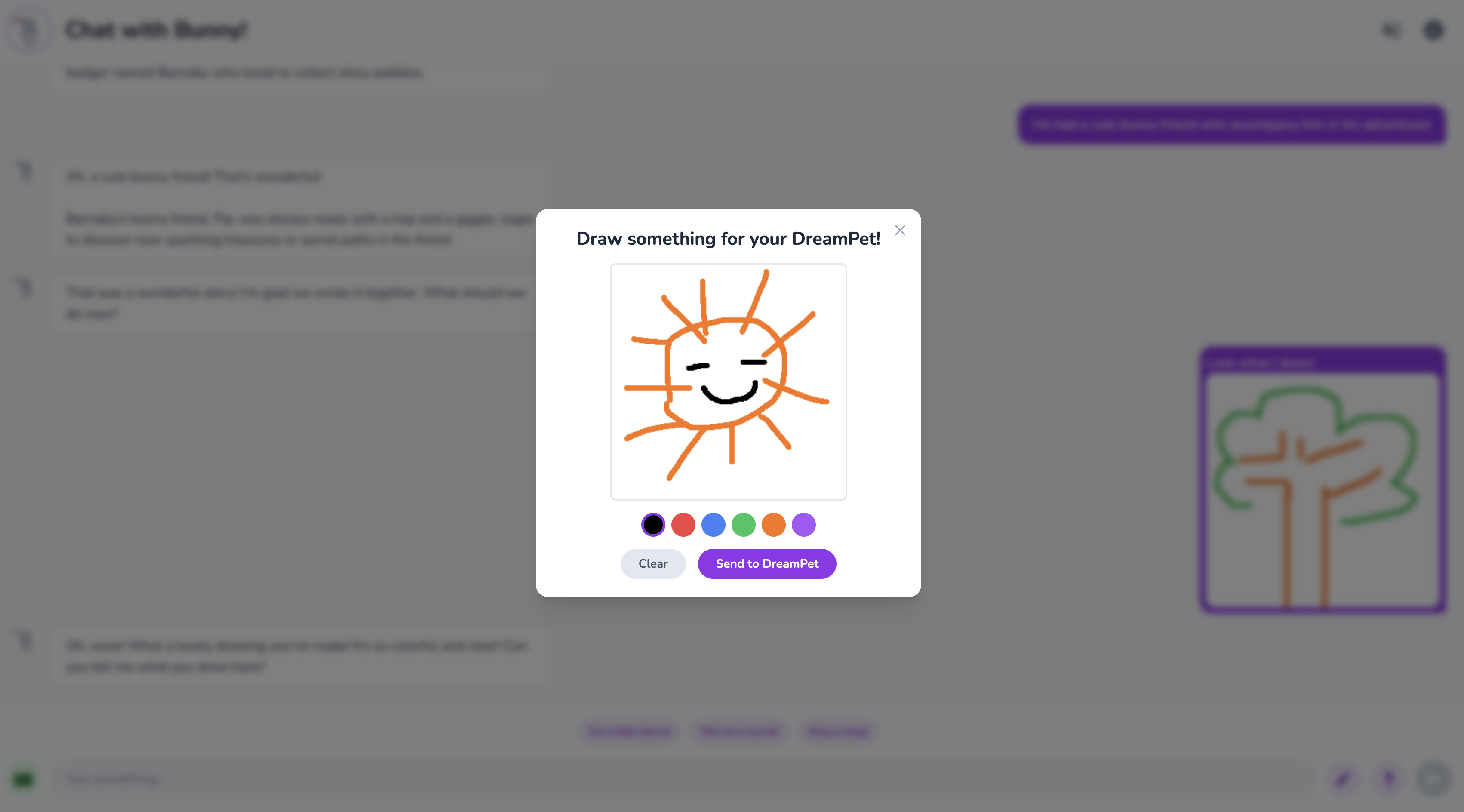
Share a drawing
-
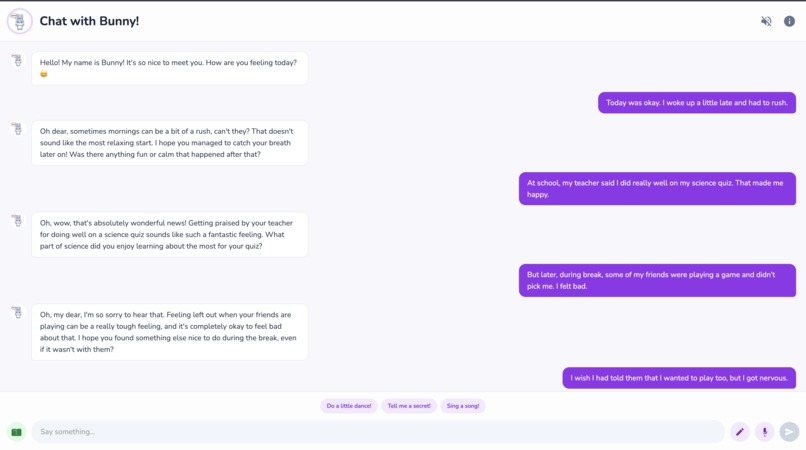
Chat Screen
-
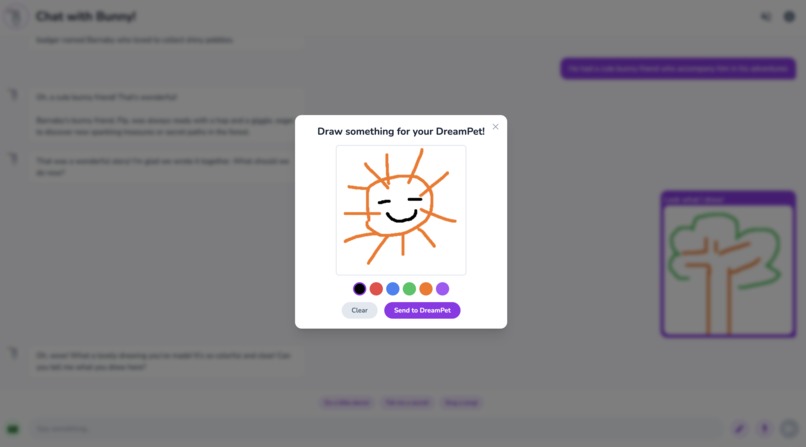
Make a drawing
-
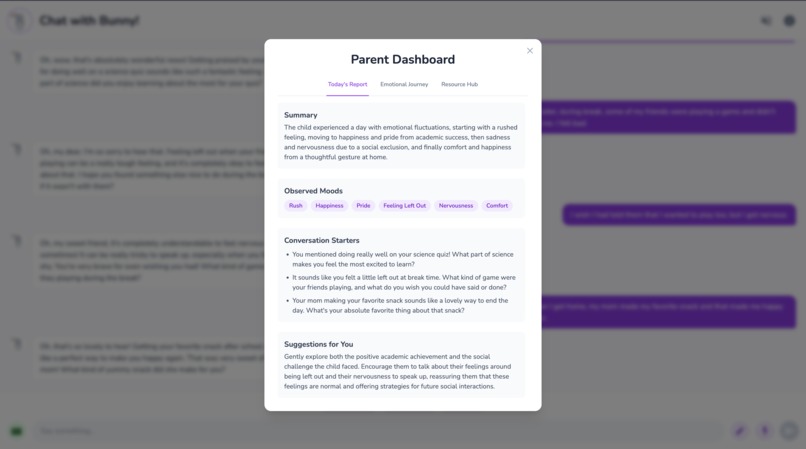
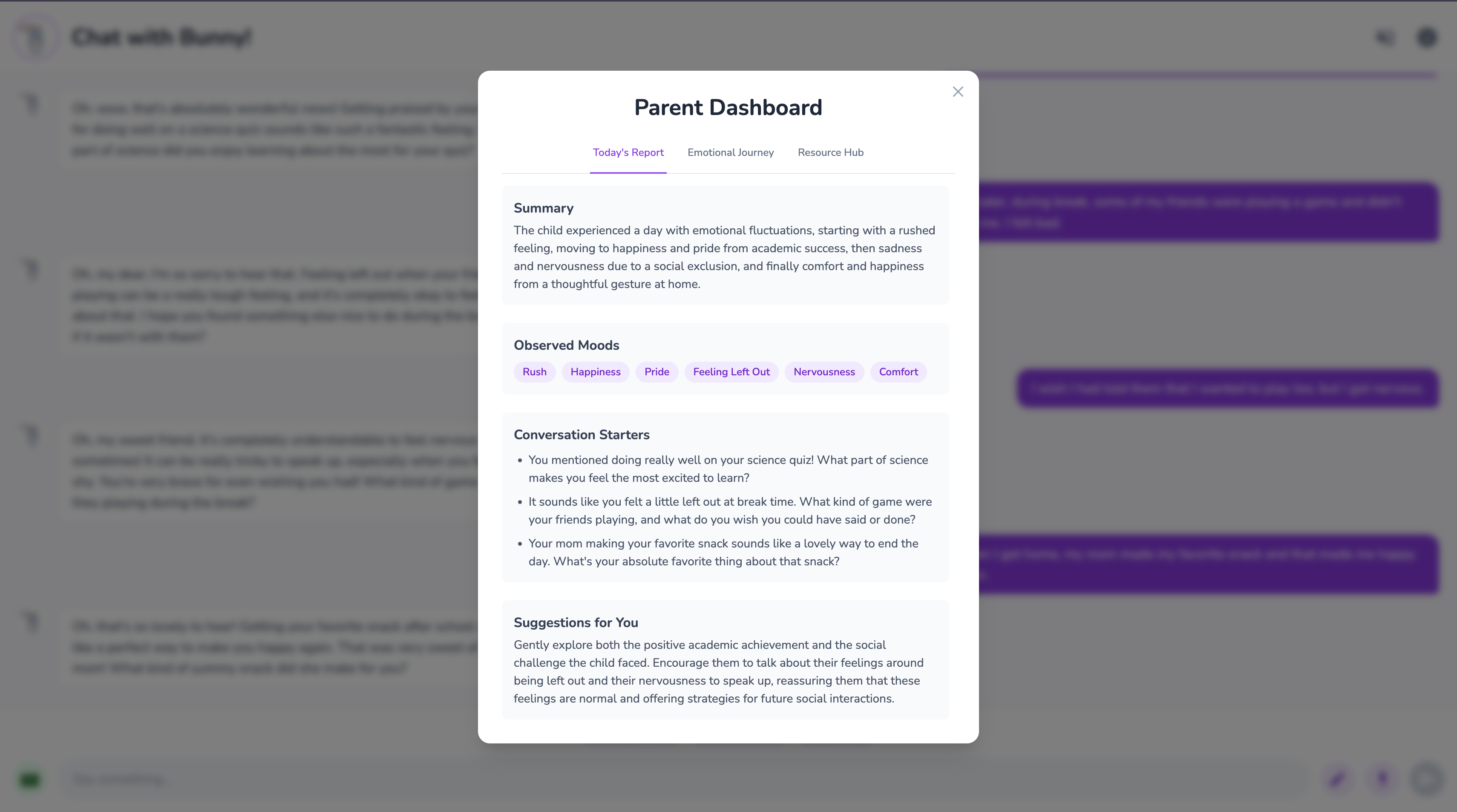
Detailed Report for the parents

DreamPet -- A Safe Emotional Space for Kids
Inspiration
DreamPet was inspired by my 10-year-old cousin sister—a child who once filled every room with animal facts, curiosity, and laughter. Recently, she grew quieter and more hesitant to express her feelings. even with her parents. That shift made me realize something important:
Children often need a safe, non-judgmental friend to talk to—someone who listens without pressure.
Since she spends most of her time on her iPad, the idea emerged:
What if she could talk to her favorite animal? A friend she trusts. A companion that listens. A space where she can share feelings freely.
That moment sparked DreamPet, an AI-powered emotional companion that helps children open up, while giving parents gentle, high-level insights into their child's emotional world.
What It Does
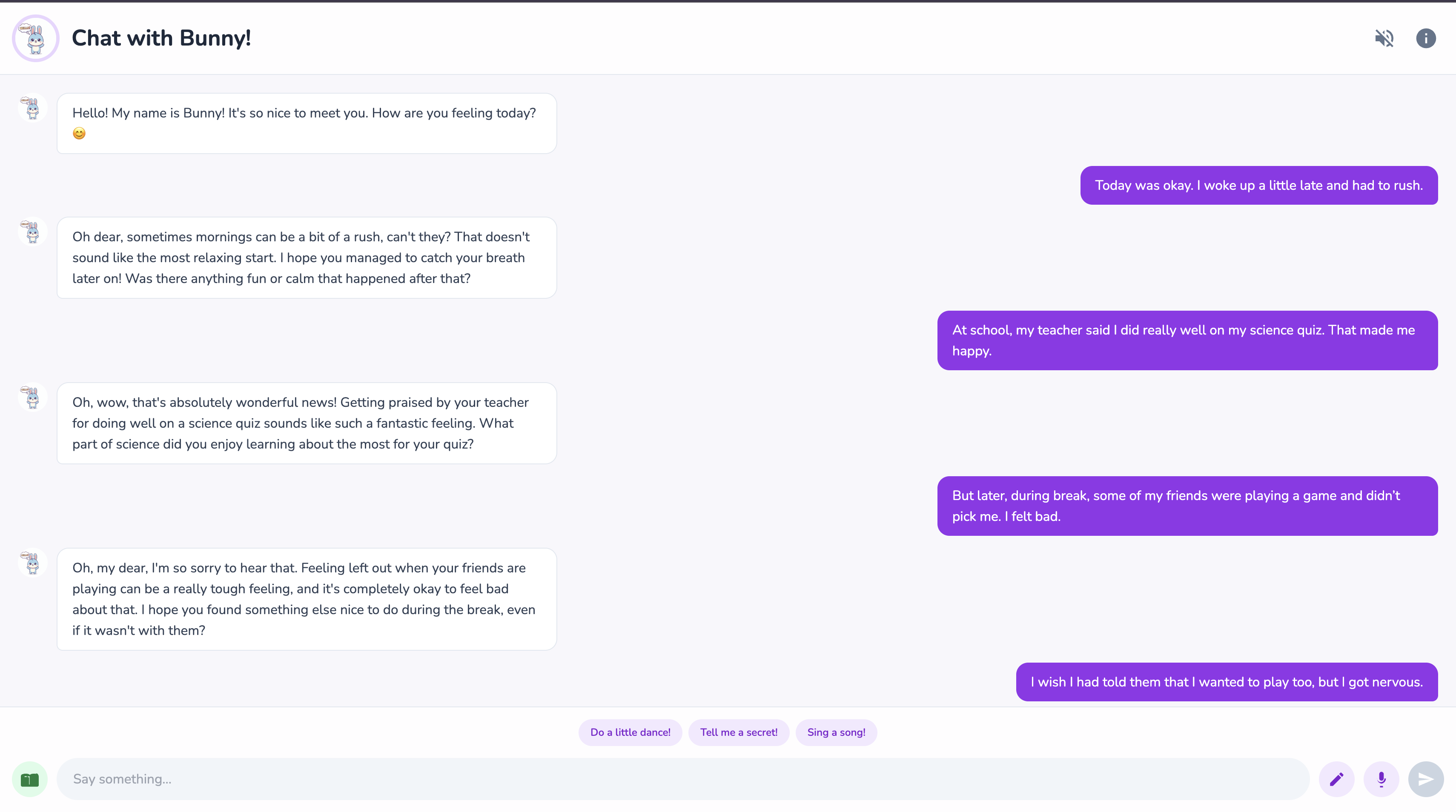
DreamPet lets children: - Pick their favorite animal friend - Give it a name—Talk to it through natural, empathetic conversations—Share stories, drawings, worries, or happy moments—build confidence through playful, guided interactions
The AI pet uses child-safe communication techniques such as the following: Reflective listening - Emotion labeling - Positive reinforcement - Story-based engagement
Meanwhile, the Parent Insights Dashboard summarizes emotional trends (happy, anxious, excited, overwhelmed) and provides friendly conversation starters without exposing private chat details.
DreamPet is not just a chatbot; it is a safe, playful digital companion designed to foster emotional wellness.
How I Built It
DreamPet was developed using a full-stack architecture powered by: Google Gemini API—Gemini 2.5 Flash and Pro—React, TypeScript, Tailwind - Google Cloud Run - Web Speech API and Web Audio API
Key building steps:
- Conversational AI
- Emotional Insight Extraction
- Parent Dashboard
- Fun Interaction Layer
Challenges
The main challenge was creating an AI that is emotionally aware. I studied: - Child psychology - Reflective listening - Motivational interviewing for young audiences—non-directive communication techniques
Balancing engagement, empathy, and safety was complex, particularly ensuring parents receive only high-level emotional summaries.
Accomplishments
Testing DreamPet with real families provided heartwarming validation. Children felt safe sharing stories with their animal pals, while parents discovered new aspects of their kids' creativity and emotional world.
A parent mentioned her daughter created multiple stories after DreamPet suggested story-building. This inspired the Story-Building Mode: the AI starts a story, and the child continues it.
What I Learned
I learned how to: - Design emotionally safe AI behavior - Use Gemini for tone, sentiment, and intent analysis—build balanced parent Dashboards—Create safe, culturally adaptable digital spaces
True innovation can be expressed as
$$ True Innovation = AI Capability + Human Empathy $$
What's Next for DreamPet
- Interactive Pet Room
- Daily Feel-Good Missions
- Vocabulary and Fun Facts Mode
- Gentle Bedtime Mode
- Custom Conversation Themes
Cultural and Psychological Impact
DreamPet supports goals aligned with Tech for Empathy and Digital Safe Spaces: - Provides a stigma-free space for emotional expression - Helps children verbalize feelings—respects cultural differences in emotional communication - Strengthens parent-child conversations - Promotes emotional independence through play—builds an accessible path to mental wellness for young children
DreamPet is more than an app; it is a bridge between children, parents, and emotional health.

Log in or sign up for Devpost to join the conversation.