-
-
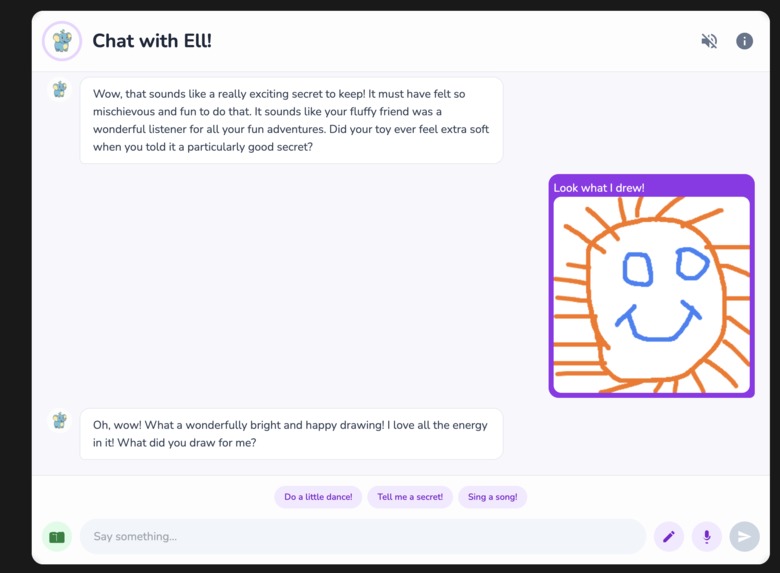
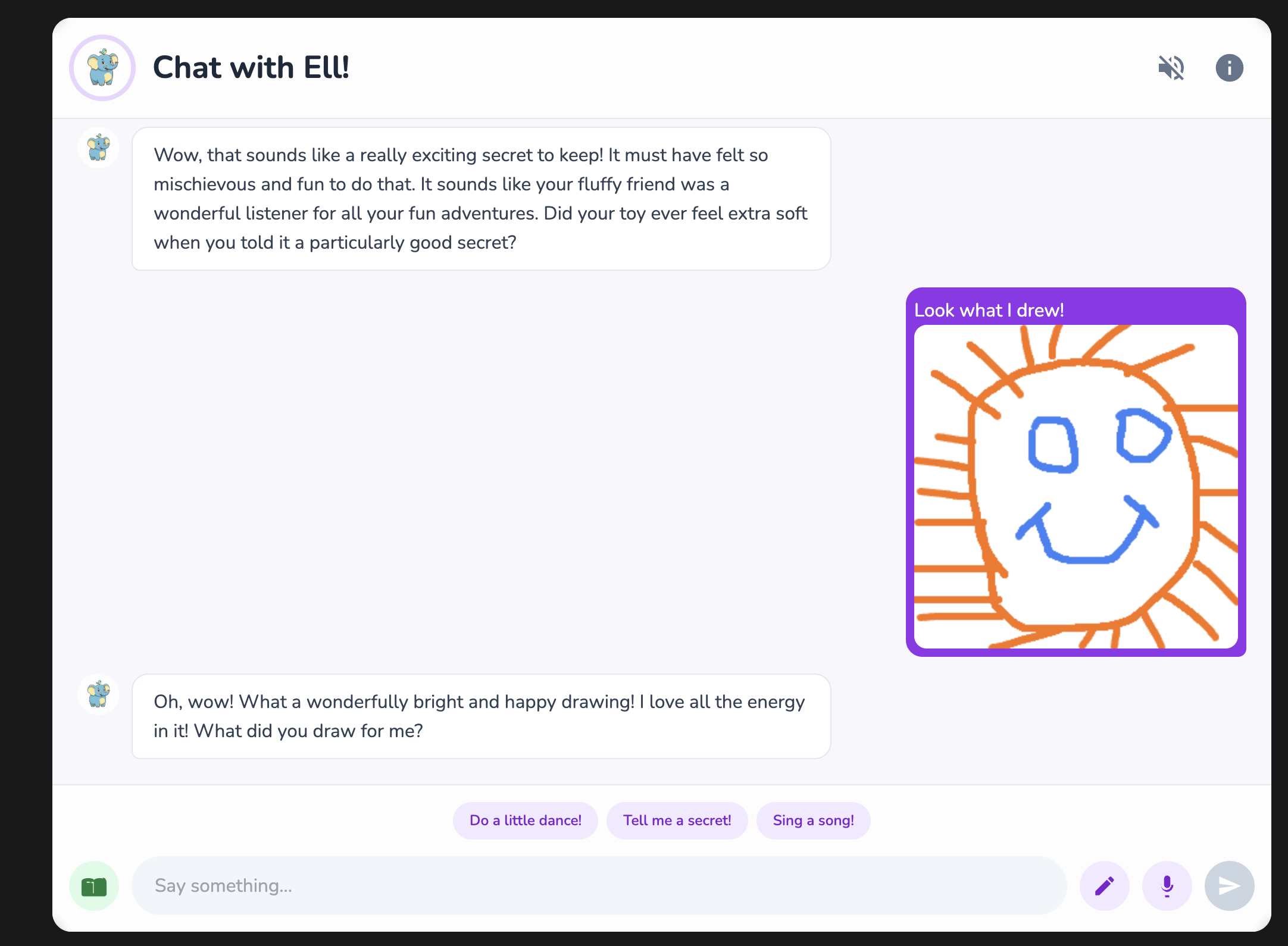
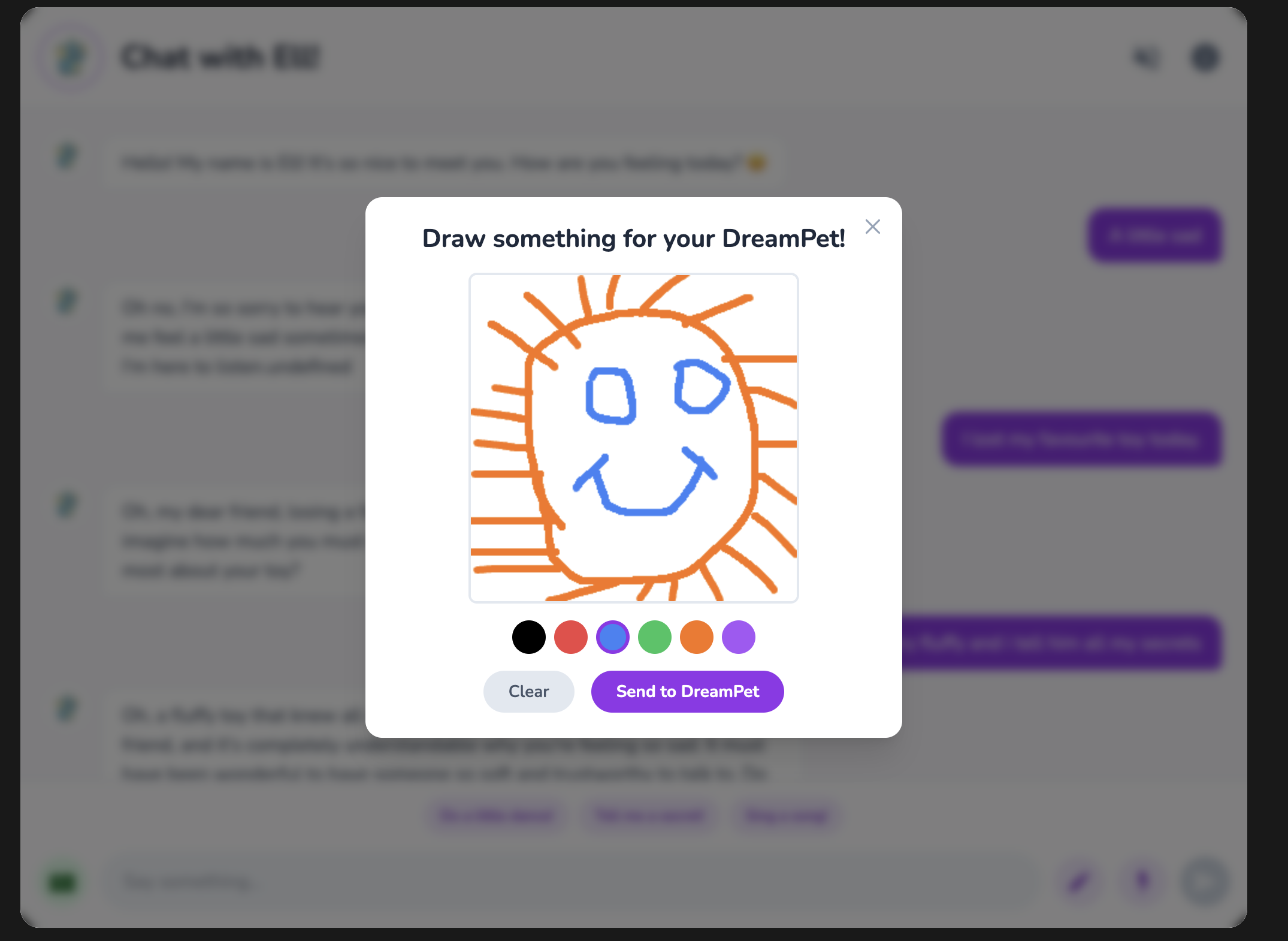
Drwaing With the Pet
-
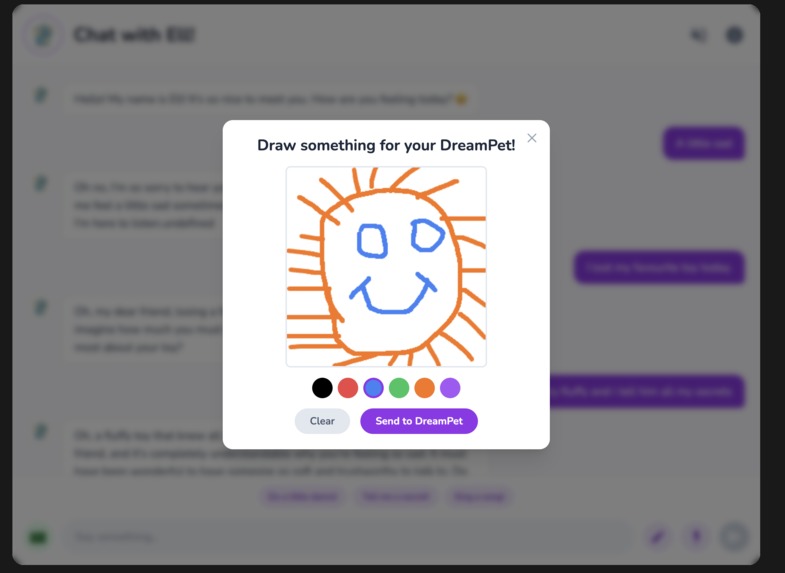
Drawing mood
-
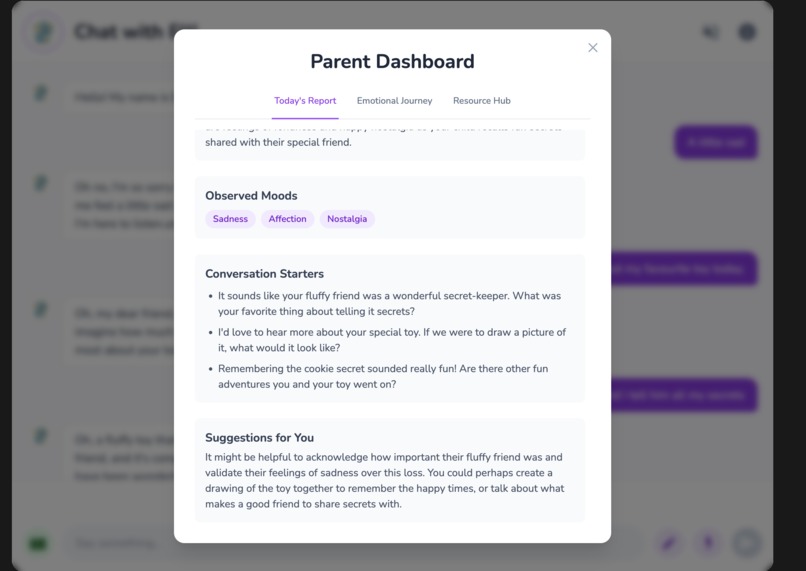
Parent Report
-
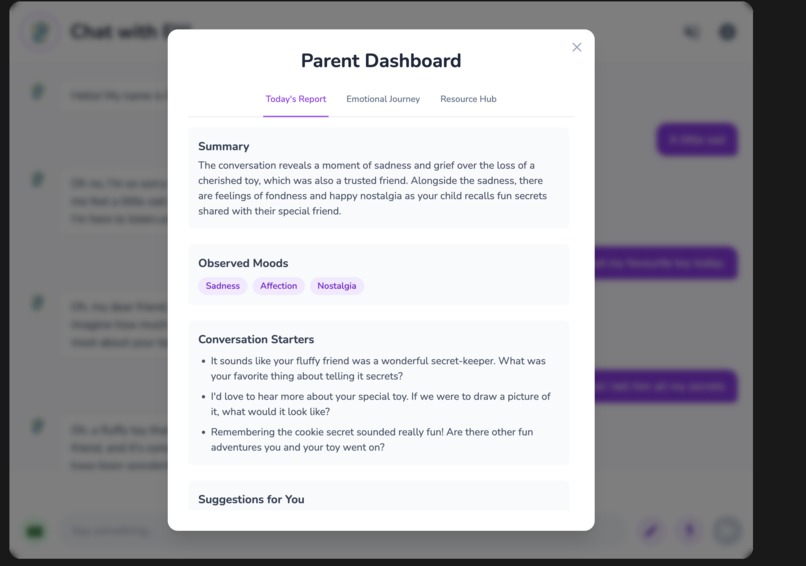
Parent Report
-
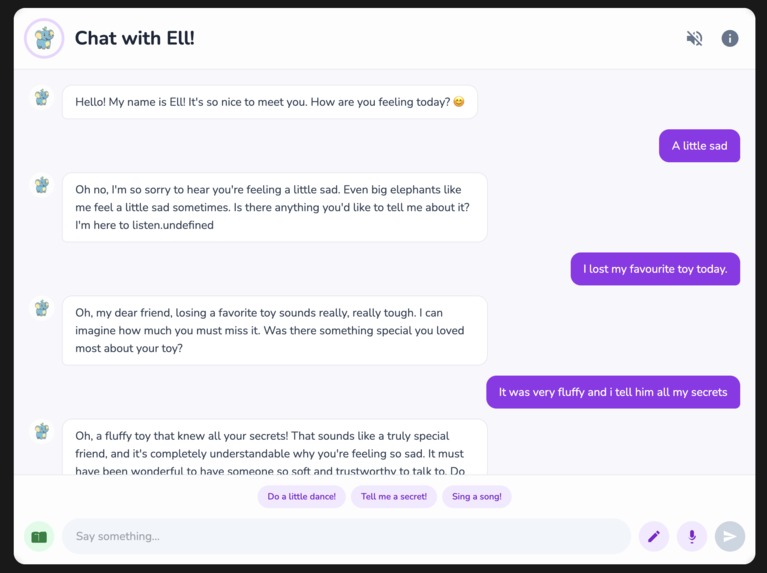
Conversation with the Pet
-
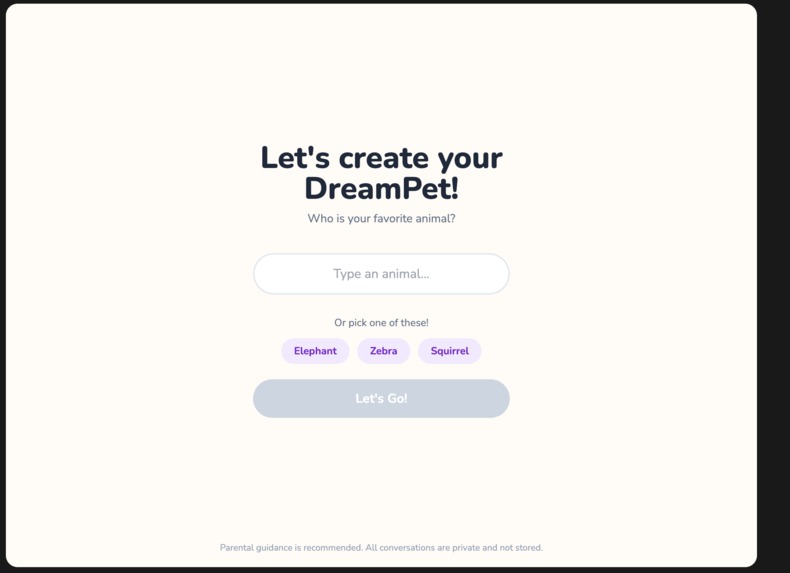
Creating the Pet
DreamPet – Project Story
Inspiration
The inspiration for DreamPet came from my 10-year-old cousin sister. She has always loved animals—she would often share random fun facts about them and light up every room she entered.
Recently, though, I noticed a change. She became quieter and more hesitant to share her feelings, even with me or her parents. That truly moved me. I realized that maybe she needed a safe, non-judgmental space to talk—someone (or something) she trusted.
Since she spends most of her time on her iPad, an idea struck me:
What if she could talk to her favorite animal? A friend who listens, understands, and helps her express her feelings freely.
That’s how DreamPet was born—a magical AI-powered companion that helps kids open up emotionally while giving parents gentle insights to better understand their child’s inner world.
What it does
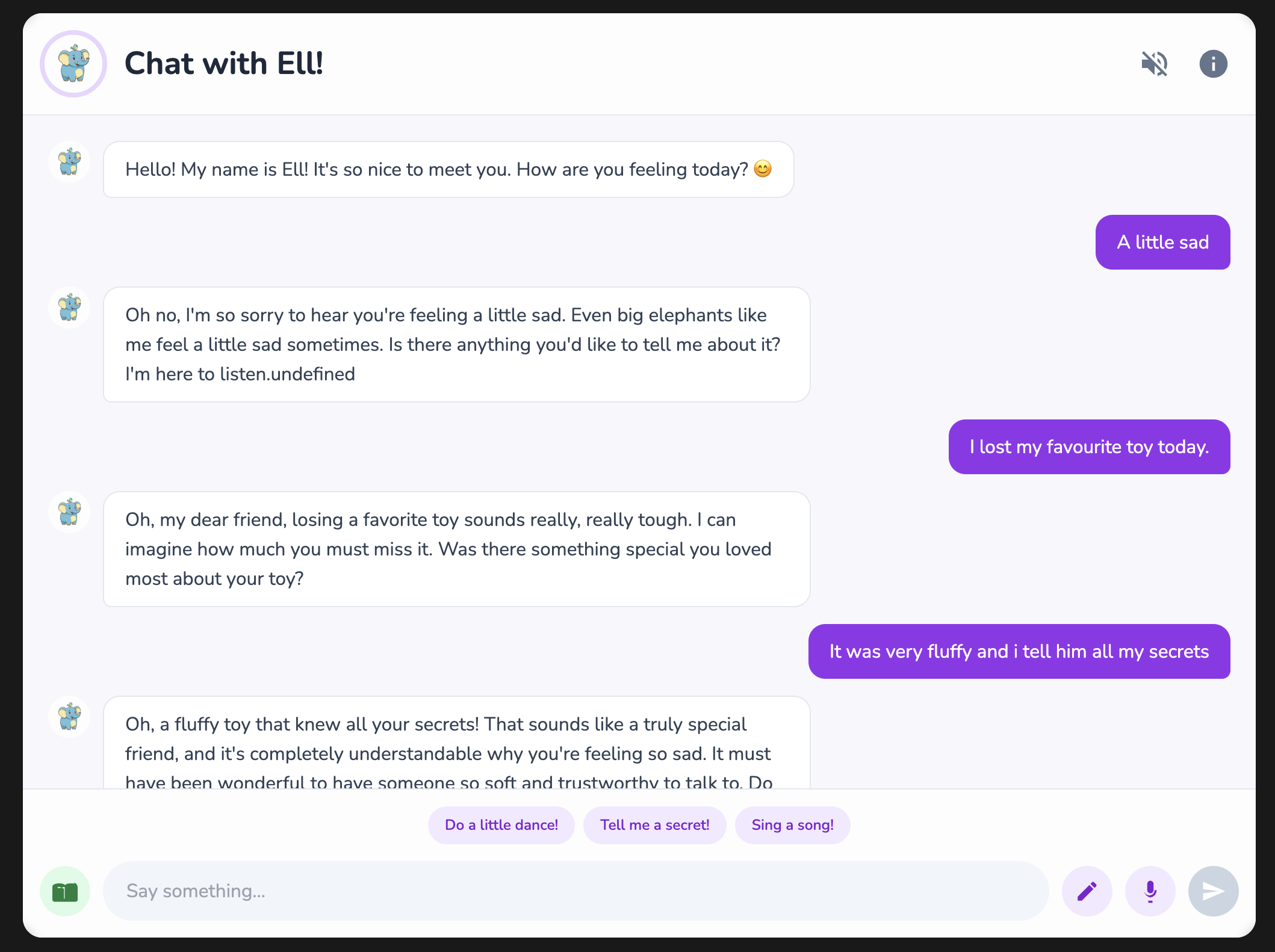
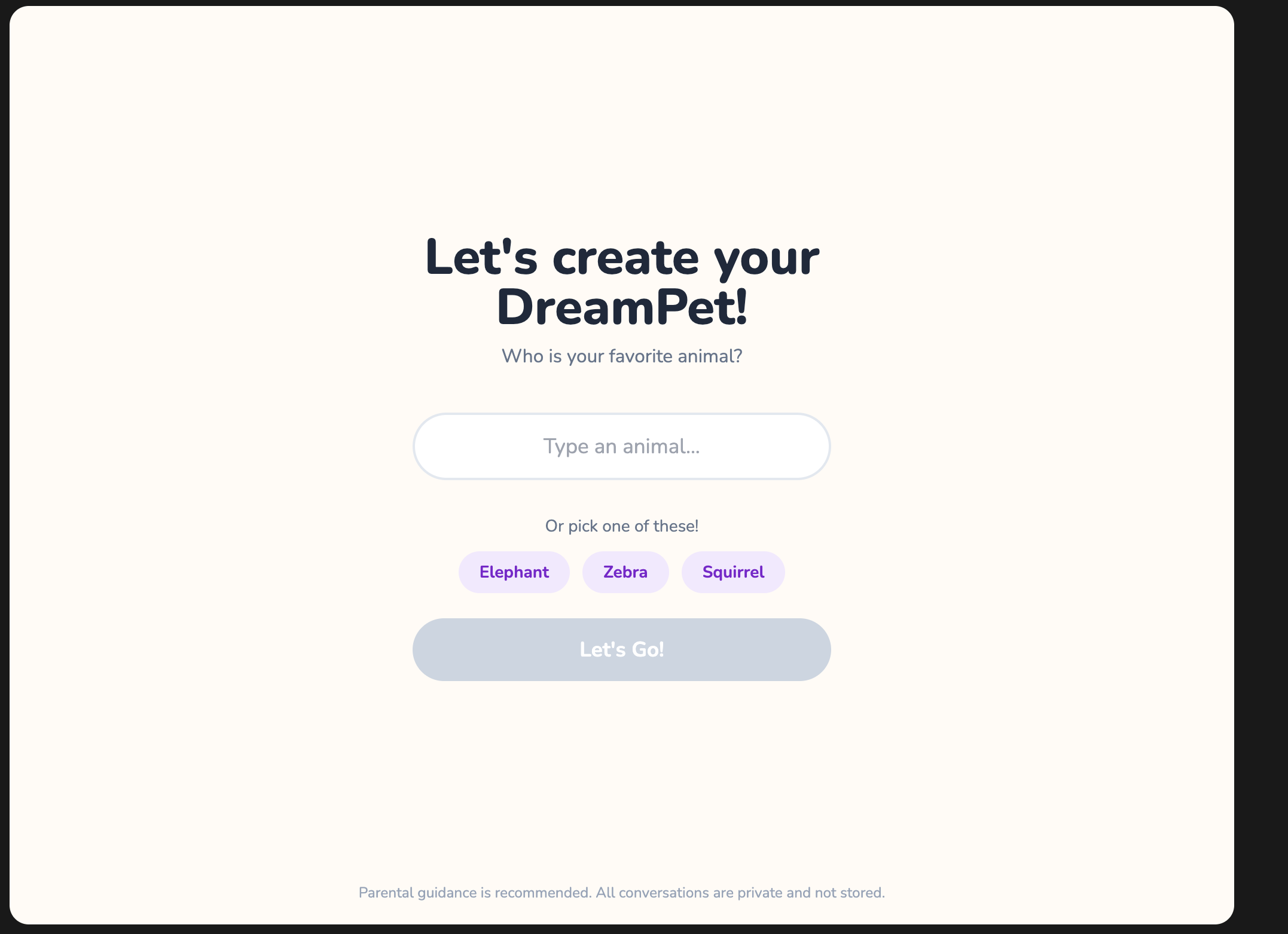
DreamPet lets children bring their favorite animal to life, name it, and talk to it like a real friend. The AI pet listens actively, responds with empathy, and encourages the child to share stories, feelings, or even drawings.
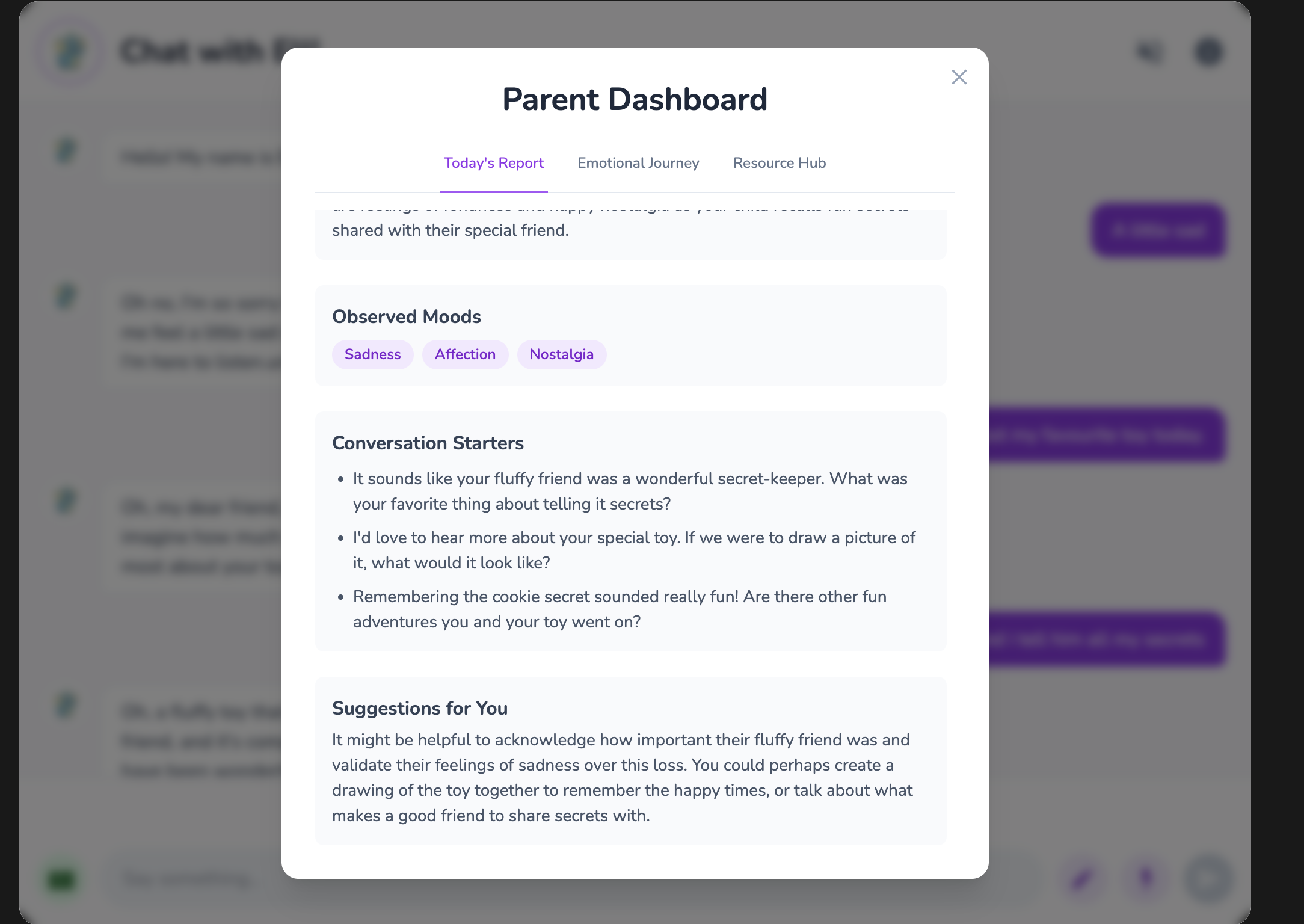
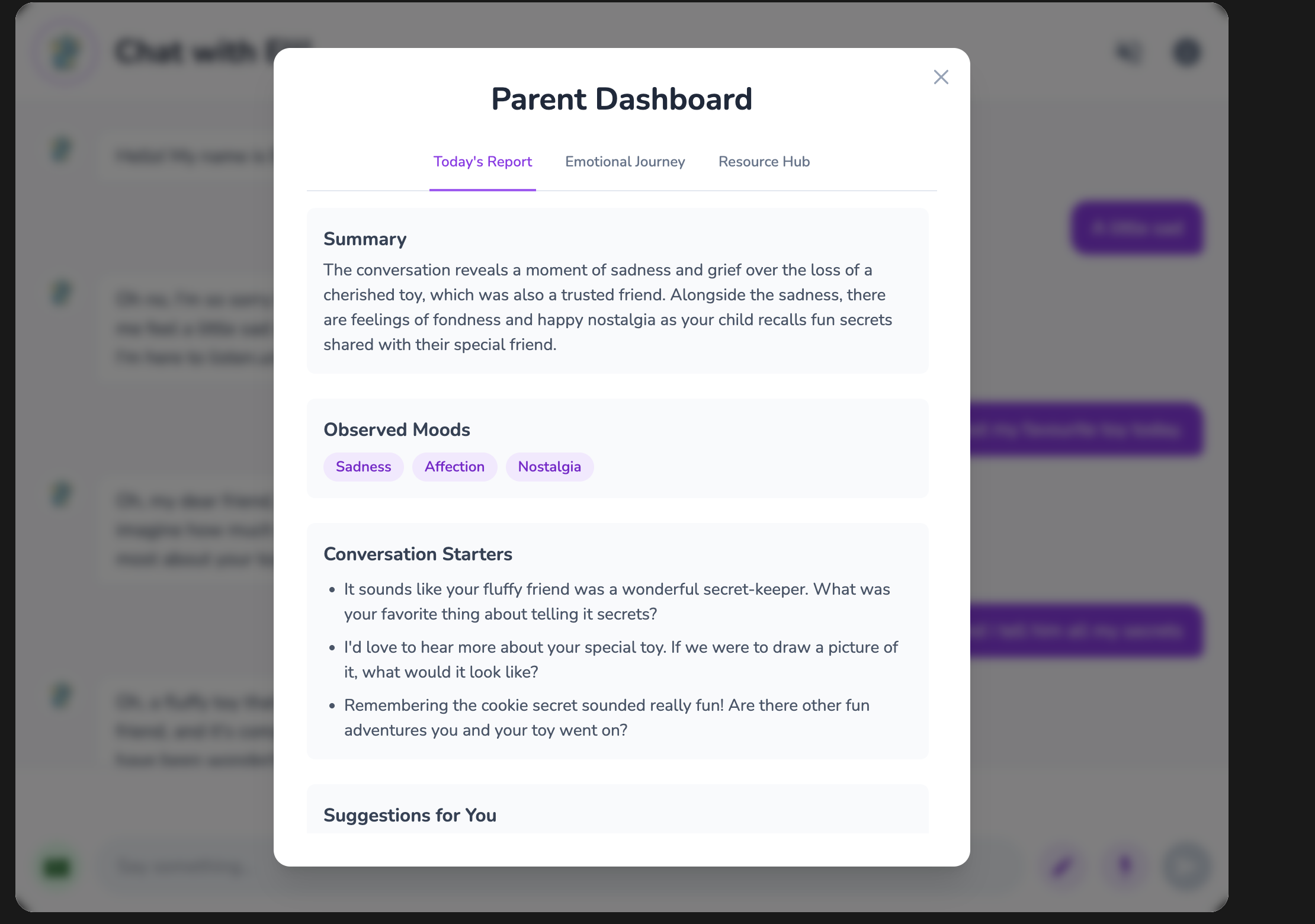
For parents, the app provides thoughtful summaries and emotional insights—for example, noting if their child feels excited, anxious, or creative—along with friendly suggestions on how to start meaningful conversations at home.
The app isn’t just about chatting; it’s about connection, creativity, and care.
How we built it
I built DreamPet using Google’s Gemini API through Google AI Studio, combining it with a full-stack architecture to manage user interactions, store emotional insights, and maintain parent-child privacy boundaries.
The process involved:
- Creating the conversational AI: Teaching it to engage naturally with children while maintaining safety and empathy.
- Adding emotional analysis: Using AI to extract mood and sentiment trends from chats.
- Parent insights dashboard: Presenting the emotional summary and suggested conversation starters in a clear, parent-friendly way.
- Fun interaction layer: Including features like pet tricks, storytelling, and drawing sharing to make the experience joyful.
This step-by-step approach helped me refine each layer, turning a simple talking pet into a smart emotional companion.
Challenges we ran into
The biggest challenge was designing an AI that wasn’t just “smart,” but emotionally aware.
I wanted the AI to understand tone, detect hesitation or excitement, and respond in ways that encouraged deeper sharing. To achieve this, I researched child psychology and communication techniques, such as reflective listening—where the listener repeats or rephrases what the child says to show interest and understanding.
Another challenge was balancing privacy, safety, and engagement, ensuring children felt comfortable while parents received only high-level emotional insights—never private details.
Accomplishments that we're proud of
I shared DreamPet with friends and family, and several parents tested it with their children. The feedback was incredible!
Some children loved telling stories to their animal pal, while parents shared heartwarming stories of discovery. One parent—the mother of an 8-year-old — told me she didn’t realize how creative her daughter was until the AI suggested that they start making stories together.
That moment inspired a new feature:
A Story-Building Mode, where the AI begins a story and the child continues it line by line, creating a shared, imaginative experience.
Seeing families connect through something I built has been the most rewarding accomplishment.
What we learned
Although I already had experience as a full-stack developer, this project expanded my understanding of AI-driven empathy.
I learned how to:
- Design AI interactions that feel emotionally safe for children.
- Use the Gemini API for sentiment and intent analysis.
- Create balanced parent dashboards that respect privacy while adding value.
In short, I learned that technology can be a bridge—not just between devices, but between hearts.
[ \text{True Innovation} = \text{AI Capability} + \text{Human Empathy} ]
What's next for DreamPet
I have a long list of ideas to make DreamPet even more interactive and supportive:
1. The Pal’s Interactive Room
- Each animal pal will have a virtual “room” that changes based on time (day/night cycles).
- Children earn Happy Points through positive interactions and can decorate the room with toys, furniture, or fun backgrounds—making it both engaging and rewarding.
2. Daily “Feel-Good Missions”
- Each day, the animal pal gives a small real-world challenge — e.g., “Find three things that make you smile!” or “Do one kind thing today and tell me later.”
- These missions encourage mindfulness, positivity, and healthy emotional habits.
3. Vocabulary & Fun Facts
- A short daily session for vocabulary building or random animal facts to make conversations educational and exciting.
4. Gentle Boundaries (App Controls)
- Parents can set a “bedtime” for the animal pal. When it’s time, the pal says, “I’m getting sleepy now! Let’s talk more tomorrow. Sweet dreams!”*
- This builds healthy digital habits in a warm, story-driven way.
5. Customizing the Pal’s Focus
- Parents can select a conversation theme like “Encouraging Kindness,” “Building Confidence,” or “Talking About School.”
- This adjusts the AI’s responses to focus on the child’s specific developmental needs.
DreamPet is growing into something much bigger than a project—it’s becoming a bridge between children, parents, and technology, built on trust, empathy, and imagination.
Built With
- canvas-api
- css
- gemini
- gemini-2.5-flash
- gemini-2.5-flash-image
- gemini-2.5-flash-preview-tts
- gemini-2.5-pro
- html
- react
- tailwind
- typescript
- web-audio-api
- web-speech-api


Log in or sign up for Devpost to join the conversation.