-

-
Landing Page
-
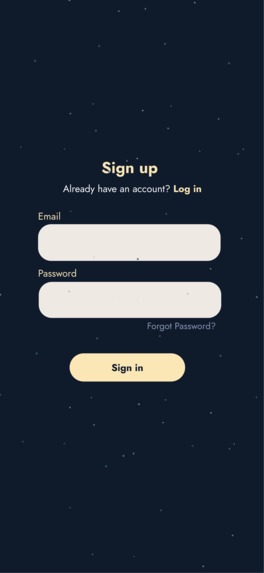
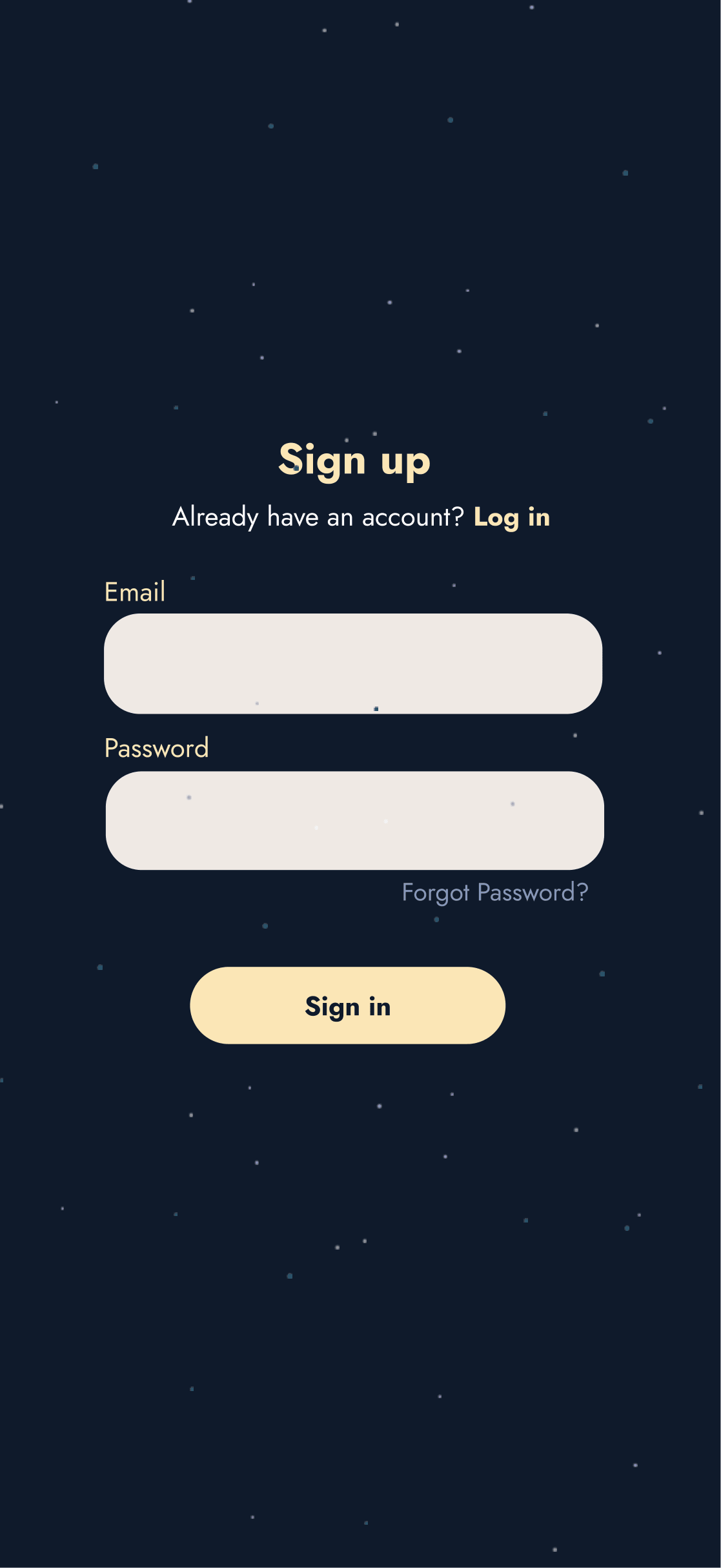
Sign In
-
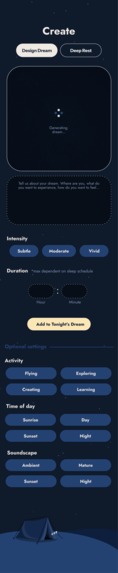
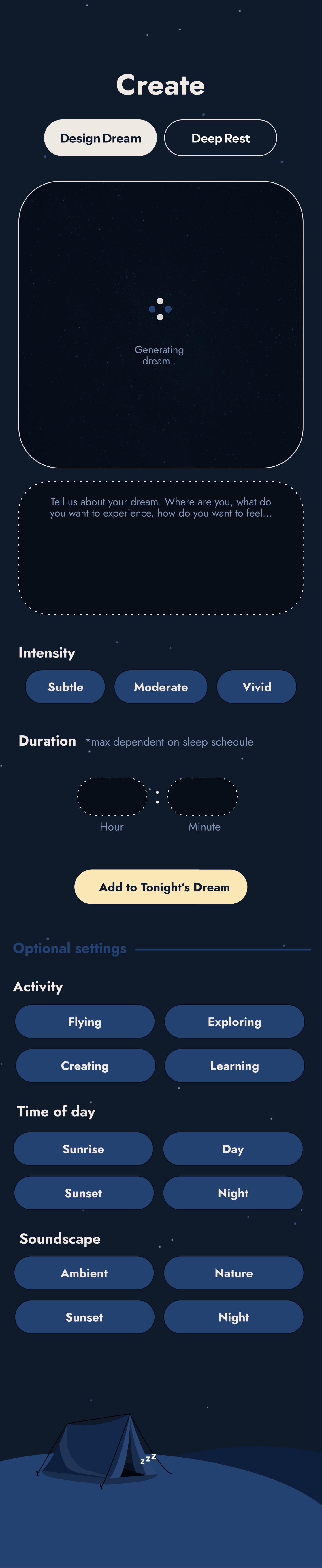
Create - 01
-
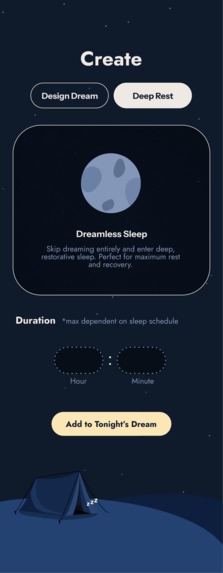
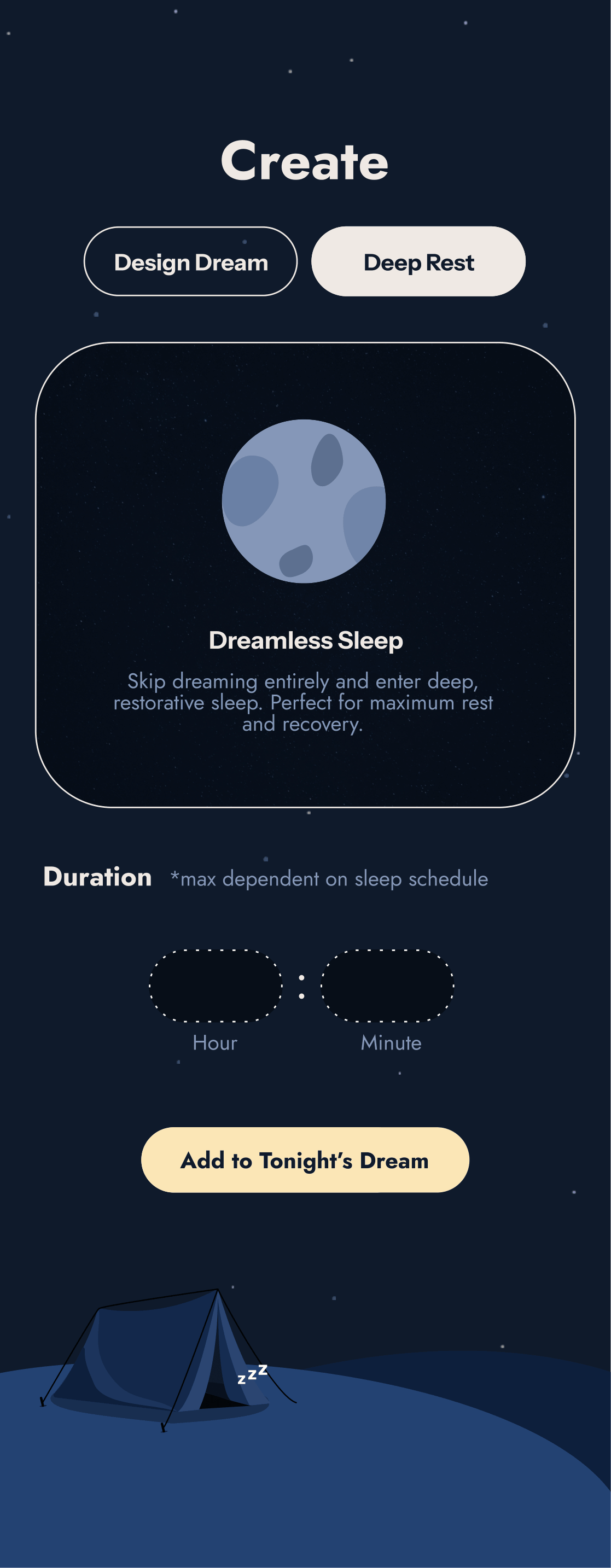
Create - 02
-
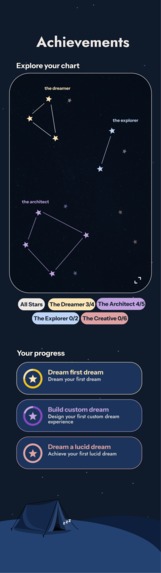
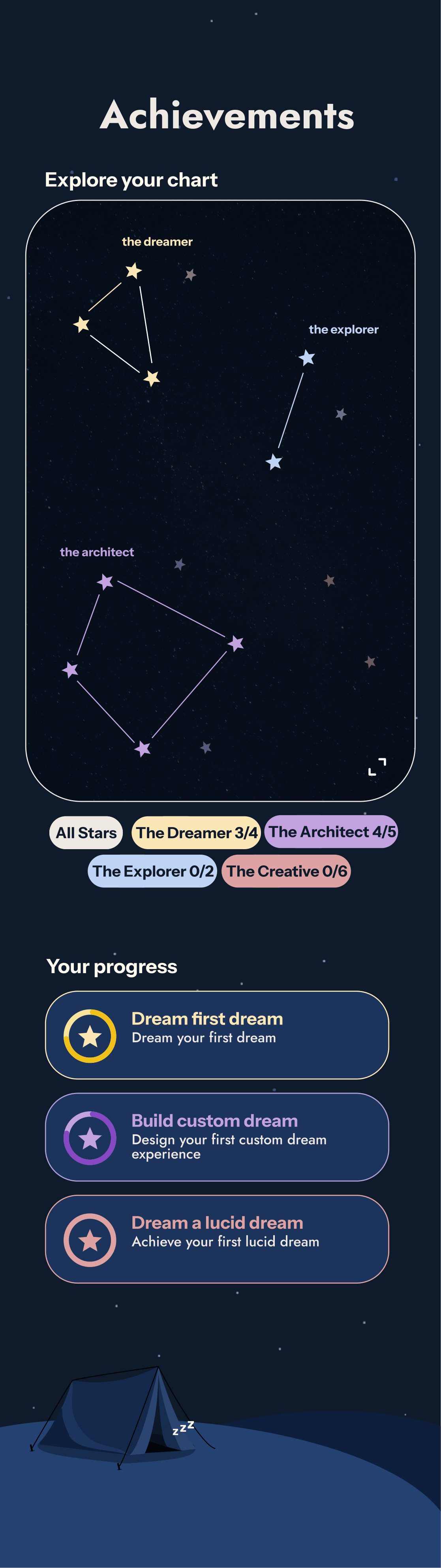
Achievements
-

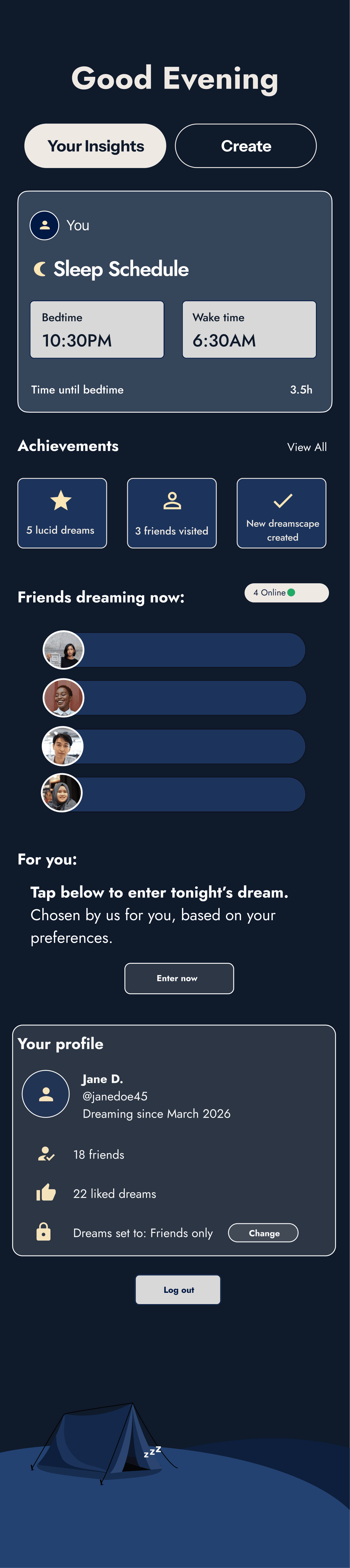
Homepage
-
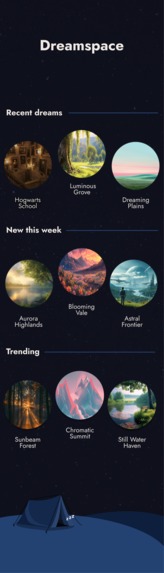
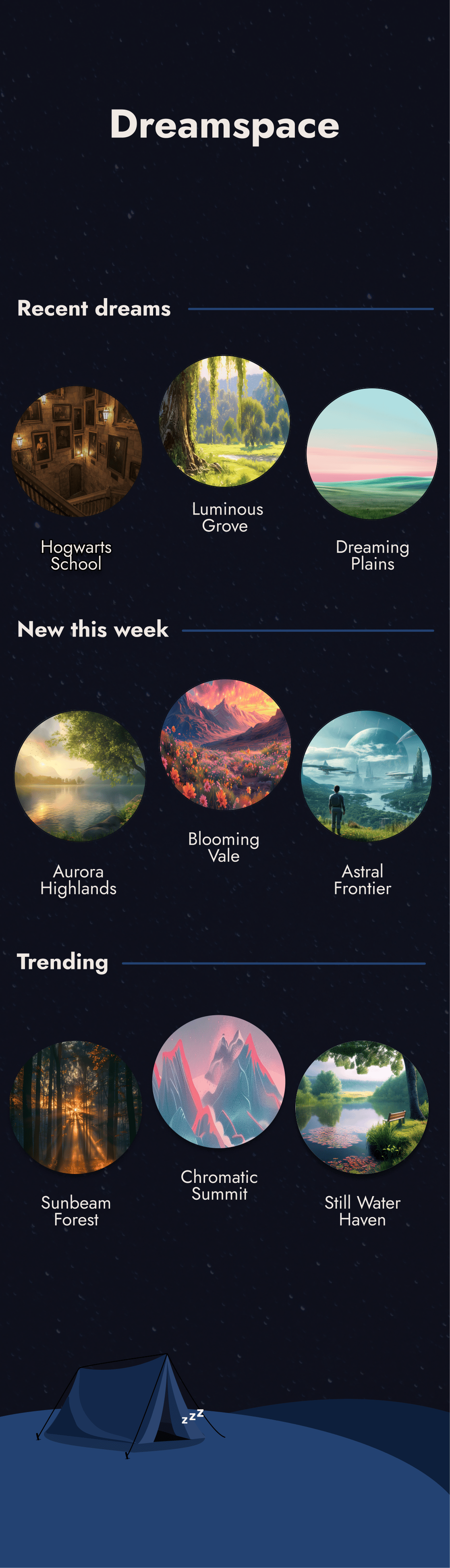
Dreamspace - Browse Dreams
-
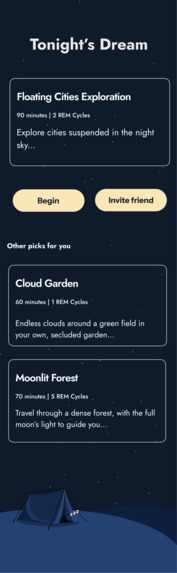
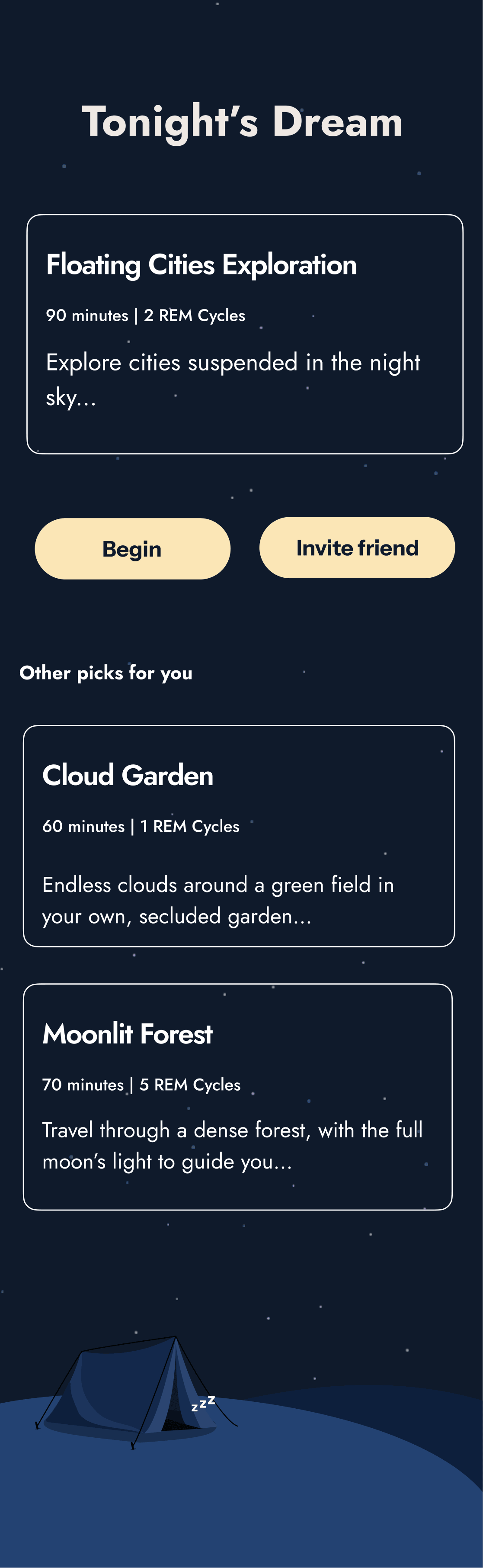
Tonight's Dream
-

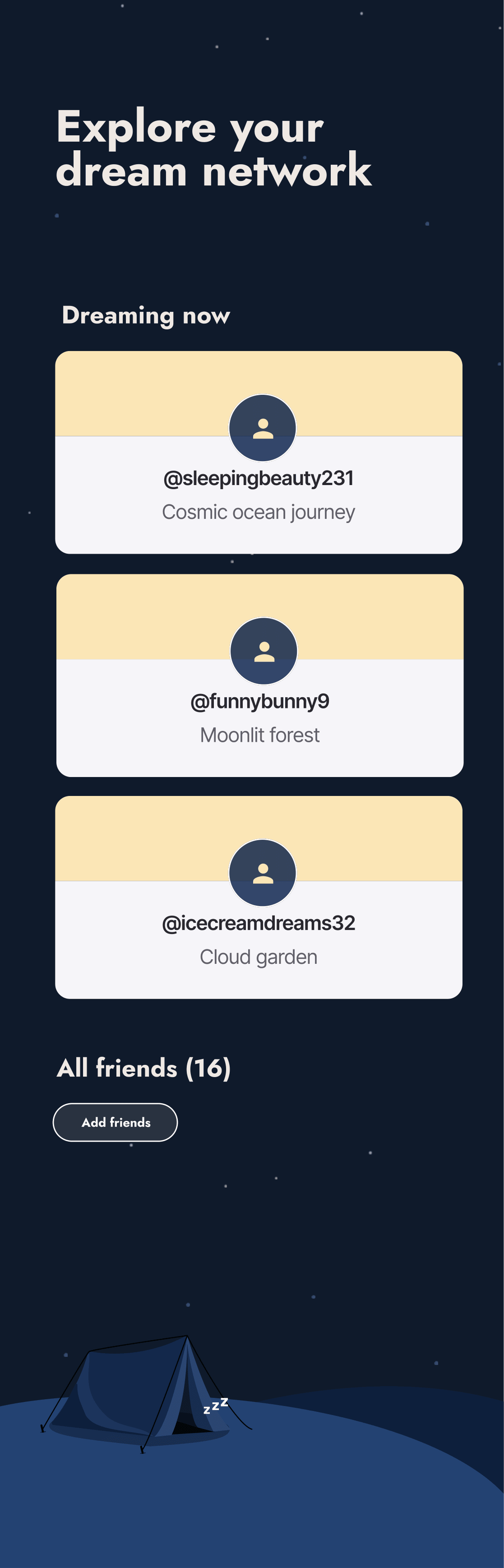
Explore Dream Network

Inspiration
Sleep is one of the most immersive sensory experiences humans are able to have, however our dreams still remain invisible, uncontrollable, and forgettable. While fitness trackers are able to quantify our sleep cycles, they still fail to capture the entire emotional richness of dreams themselves. So we were left with the question: what if dreams could be tracked, visualized, and intentionally shaped? DreamCatcher explores this idea by reimagining sleep as the next frontier of human exploration. Where users are able to gain awareness and control over their dream experiences.
What it does
DreamCatcher is a platform that is able to detect, visualize, and influence dream experiences. Through the use of future sleep sensing technology, DreamCatcher helps users understand and intentionally shape their dreams
DreamTracker tracks dream patterns and emotional states during sleep, visualizes them through interactive dream maps and constellations, and allows users to design dream environments they want to experience.
Users can explore dream worlds made by others, describe their own dream experiences, and still discover patterns in how their mind processes emotions and imagination during sleep cycles. By making dreams visible, yet interactive, DreamCatcher transforms sleep into a new sensory space for exploration, creativity, and emotional reflection.
How we built it
We designed DreamCatcher as a mobile-first interface prototype in Figma that demonstrates how future dream sensing technology might work. This interface visualizes previously invisible aspects of dreaming through: Dream exploration pages where users find different dream environments Dream creation tools that allows users to describe & design intentional dream experiences Constellation based achievements that visualize dream exploration over time Personal insight dashboards that track patterns in dream activity and emotional states. The visual design uses night sky and cosmic metaphors to represent the subconscious landscape of dreaming.
Challenges we ran into
One of the biggest challenges was making a user experience for something as abstract and personal as dreaming. Dreams do not follow a clear structure so we had to carefully design interactions that made exploring and making dream worlds feel intuitive. We also spent time wondering how to visualize dream activity and insight without overloading users with information. Because the goal of DreamCatcher is to surface an invisible sensory experience, we had to balance that creativity with clarity so that users would be able to understand what they were seeing. Another UX challenge was ensuring the platform felt immersive and imaginative while still being easy to use. We experimented with different layouts, interaction patterns, and visual metaphors to make the whole experience feel like going through dream worlds rather than browsing an app.
Accomplishments that we're proud of
We are most proud of translating an abstract and intimate experience like dreaming into a clear and engaging user interface. Designing for something as intangible as dreams needed us to create interactions that felt personal and intuitive while capturing the imaginative nature of dreaming. Some elements we’re especially proud of include: • The constellation-based achievements system, which visualizes dream exploration as stars forming in a night sky. • The dream discovery interface, designed to make browsing dream worlds feel like exploring a universe. • The dream creation flow, which guides users through describing and shaping their dream experiences in a journal-like way Together, these elements helped us turn an invisible sensory experience into something users can explore, understand, and intentionally influence.
What we learned
Through this project we learned how challenging it can be to design interfaces for experiences that are normally abstract. Dreams do not have clear patterns, so translating them into something users can explore, create, and understand requires thoughtful and interactive design. We also learned the importance of guiding users through unfamiliar concepts. Because intentional dreaming is not something people are used to seeing, the UX needed to provide subtle prompts, examples, and structure so users could easily describe and explore dream experiences. This project reinforced how strong design decisions, such as visual storytelling, clear interaction flows, and intuitive prompts, can help make complex thoughts feel approachable.
What's next for DreamCatcher
Our next step would be refining the user experience to make the platform more approachable. Because DreamCatcher introduces a new way of interacting with dreams, improving onboarding, prompts, and navigation will be key to helping users understand how to design and explore dream experiences.
Future iterations would focus on simplifying the dream creation flow, improving how dream insights are visualized, and making exploration feel natural. By refining these UX elements, DreamCatcher could become a platform where interacting with dream experiences feels effortless and engaging.
Built With
- figma


Log in or sign up for Devpost to join the conversation.