-
-
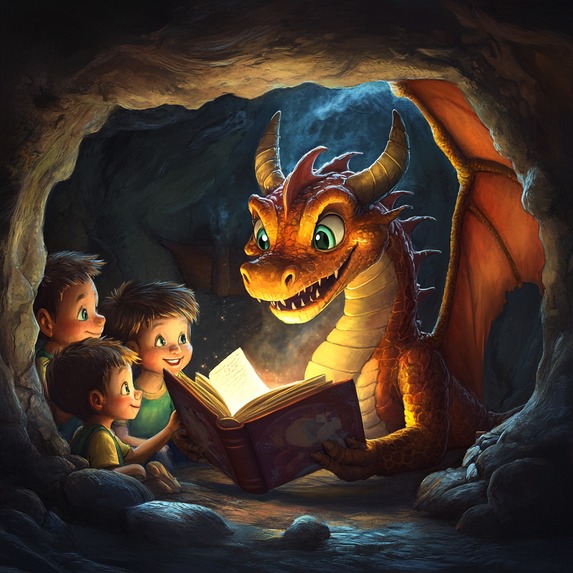
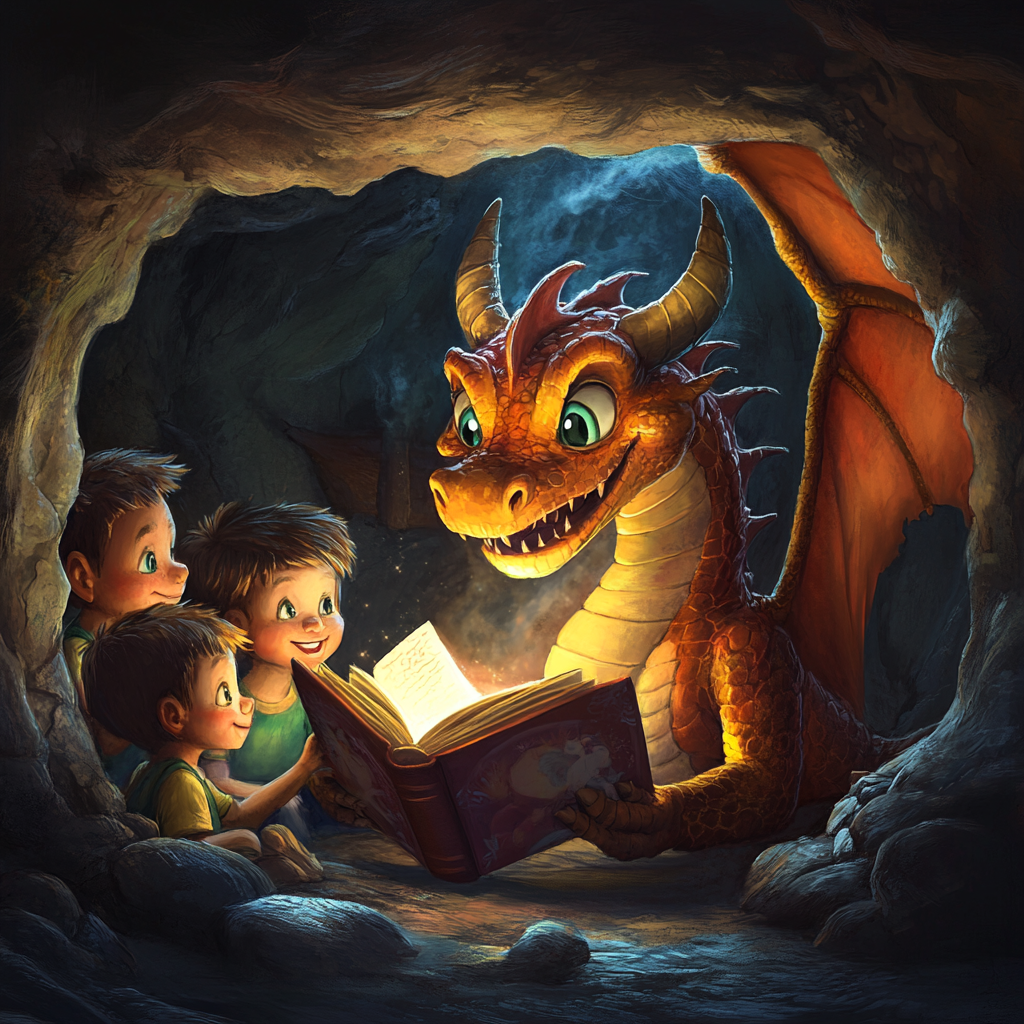
Bedtime Story
-
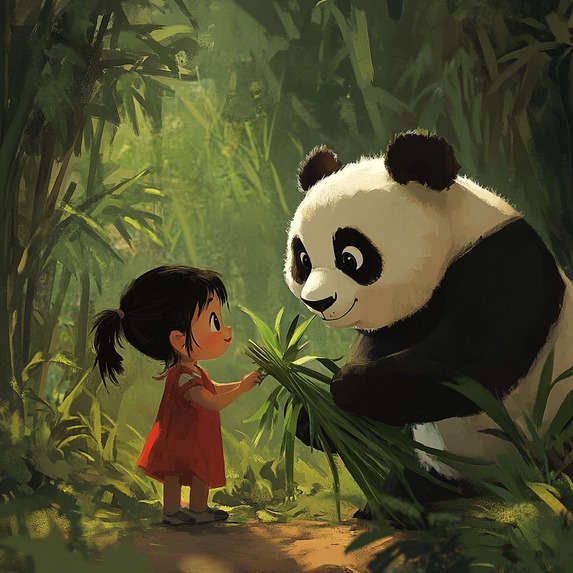
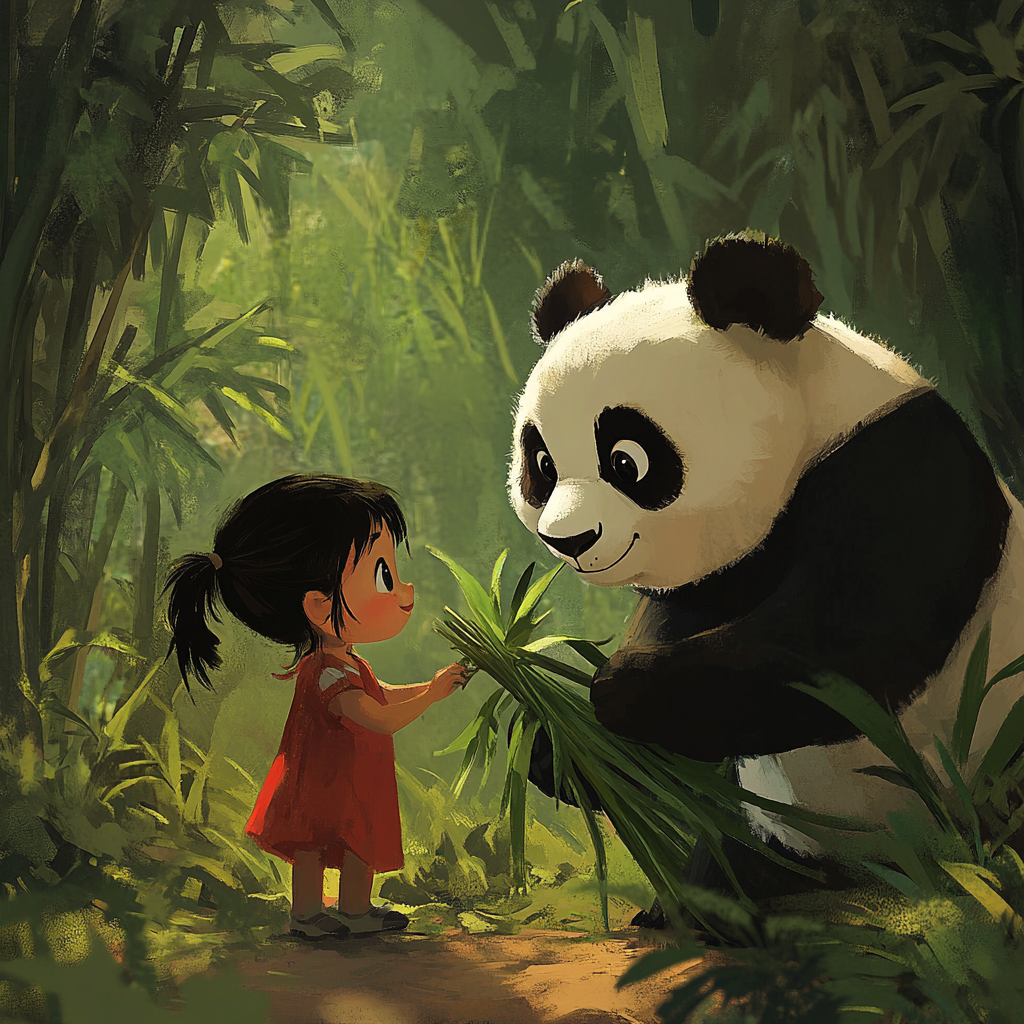
Memory Making: Meet Panda at San Diego Zoo
-

Number Counting
-

Name Spelling


Inspiration
The phrase "因材施教" (yīn cái shī jiào) is a Chinese term originally from Confucius that can be translated as "teach students according to their aptitude" or "tailor education to individual needs." It is a principle in education that emphasizes adapting teaching methods, content, and approaches to suit the unique learning abilities, interests, and strengths of each student. However, our current education system lacks individualized learning in catering to different backgrounds, learning styles, and various interests. Many educational materials are one-size-fits-all and do not cater to a child’s individual learning style, interests, or pace. This can lead to disengagement or frustration, as children may not receive content that matches their developmental level or areas of interest. AI-driven customization tailors learning materials (e.g., picture books, audio, posters, and videos) based on the child's age, interests (e.g., animals, space, princess), and learning style (visual, auditory, kinesthetic). This ensures that each child receives engaging and appropriate content, boosting engagement and retention.
What it does
Dream Whale AI offers a scalable and affordable solution to provide tailored materials that engage children based on their preferences and developmental levels. It integrates multiple AI tools to deliver personalized educational content.
After receiving the information about the child (name, age, interests, learning style) from parents, our AI tools generate picture books, posters, audio stories, and videos in formats like PDF, MP3, and MP4. Parents can download these digital copies.
How we built it
Challenges we ran into
AI tools integration and efficiency Depending on the complexity of the customization and the capabilities of the AI, creating a truly personalized book can be a time-consuming process. If the AI requires significant input or oversight from the user, it may not provide the time savings that people expect from automation. We are trying hard to handle the tradeoff between customization and automation.
AI Quality Control: A key part of this process involves ensuring that the outputs from different AI tools are consistent in terms of theme and style. This requires automated checks and adjustments to harmonize the content across various mediums.
Scalability and Efficiency: Scalable Architecture: We have not built the system to be highly scalable, so as the user base grows, the backend can efficiently handle large volumes of data and AI-generated content requests. Continuous Learning: The AI system learns from user feedback, allowing for ongoing improvement in content relevance, accuracy, and engagement.
Accomplishments that we're proud of
We’ve developed a website where parents can easily input their child’s information to create personalized educational materials. By integrating multiple AI tools, we can generate customized stories, pictures, and videos focused on key learning areas such as name spelling, number counting, and memory-building.
One of our proudest achievements is having our AI successfully generate an animal-themed picture and video for number counting and a personalized poster for name spelling, bringing learning to life in a fun, engaging way by leveraging AI.
What we learned
- Data Collection and Storage: User Input: With the assistance of the Kindo AI, we built a website where parents can input key information about their child, such as name, age, interests, and learning preferences. Data Storage: We temporarily store this test input data in the browser for immediate use. However, in the long term, we will implement secure cloud-based storage solutions to ensure the data is readily accessible for future content generation while maintaining strict privacy and compliance with data protection standards.
- AI Integration and API Management: Handling Multiple APIs: Each AI tool has different input and output formats, so we designed a central orchestration system that normalizes the input (JSON or XML format) before sending it to the specific AI service.
- Reconciling AI Outputs: Combining Outputs: Once the AI tools return their outputs (e.g., text for a story, images for illustrations, and audio narration), our system reconciles them into cohesive educational materials.
What's next for Dream Whale AI: Customized Early Education
Diversifying Content: Expand the range of materials generated, incorporating more complex subjects and learning experiences as the platform grows. For example, primary and secondary education could introduce more challenging topics like science experiments, history lessons, or math problems, tailored to each learner's pace.
Multiple Mediums: Leverage different formats, such as interactive videos, detailed audio lessons, and animated infographics, to cater to varied learning styles. This will keep content engaging as the complexity of topics increases.
Notes and Case Studies for Higher Education: For advanced stages, the platform could generate notes, case studies, and in-depth analysis for subjects in primary and higher education, moving toward more sophisticated topics like economics, engineering, or literature.
Tailored Education for All Ages: Expand beyond early education to create personalized learning paths for lifelong learners, offering a dynamic, adaptable experience for users at every educational stage, from foundational learning to professional skill-building.
Built With
- brackets
- css
- html5
- javascript
- json
- kindo
- midjourney
- openai


Log in or sign up for Devpost to join the conversation.