-
-
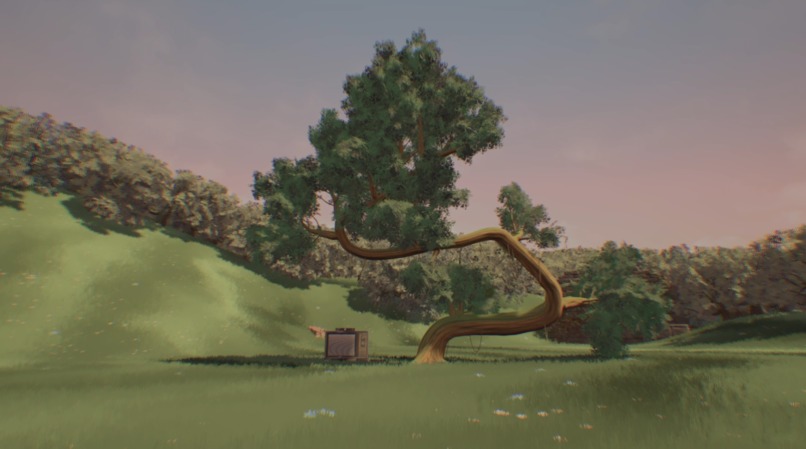
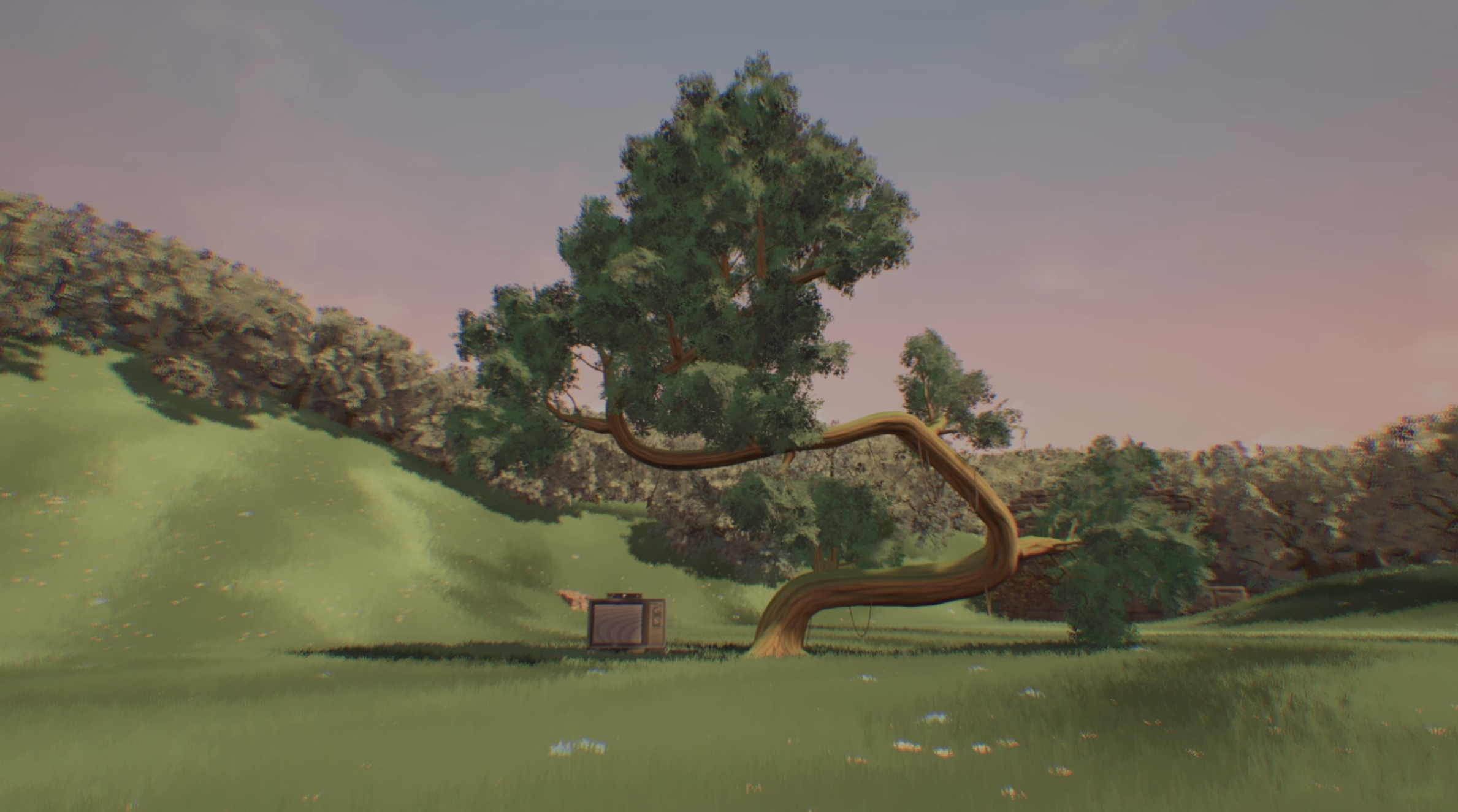
Landscape screenshot with post processing volume
-
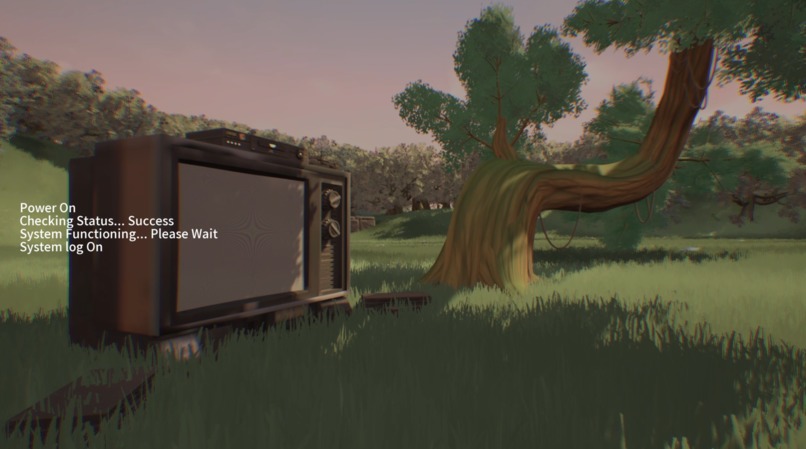
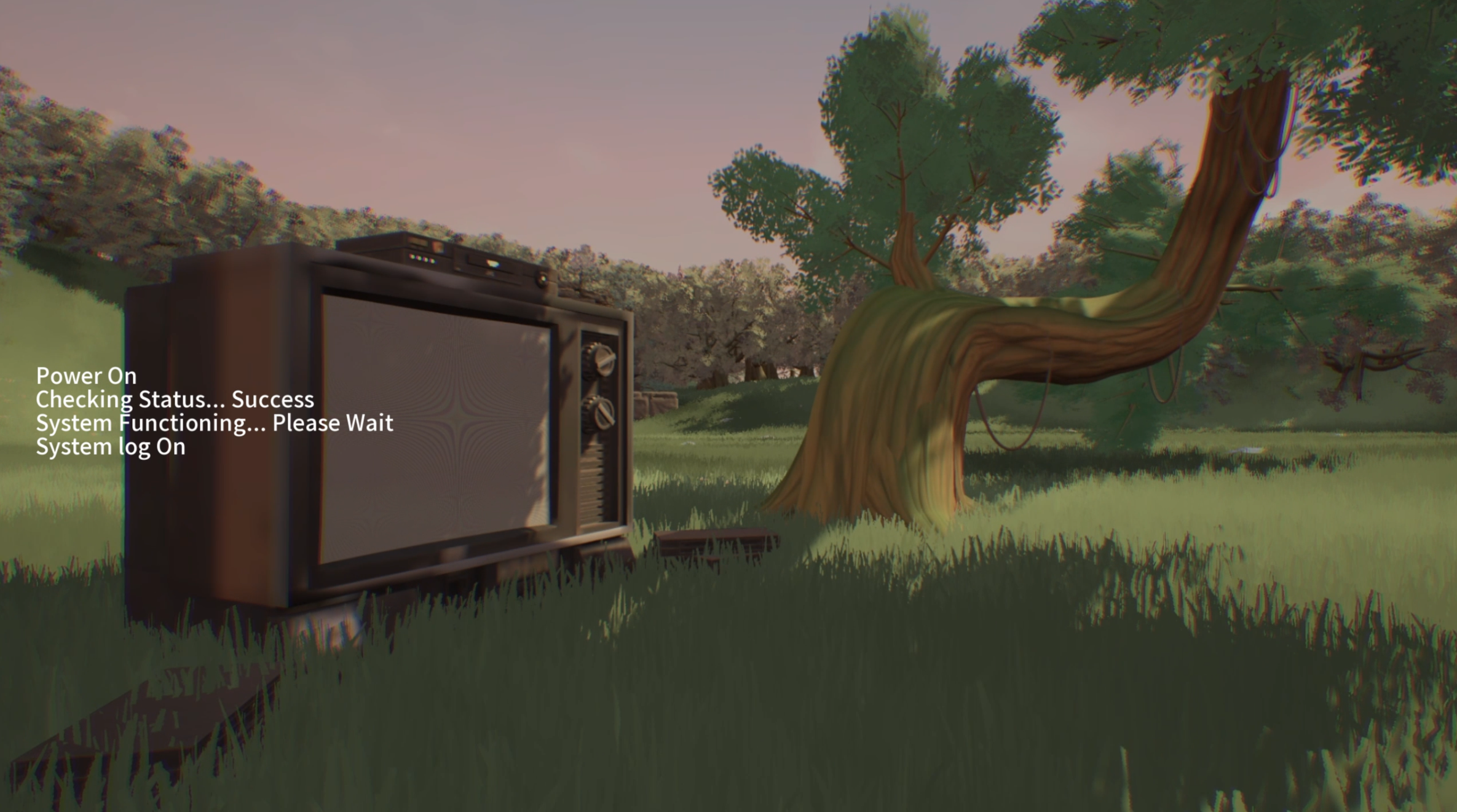
Narratives Scene
-
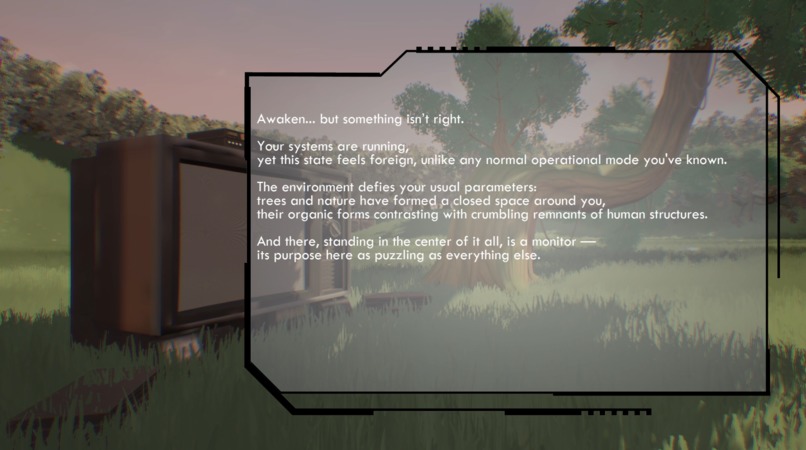
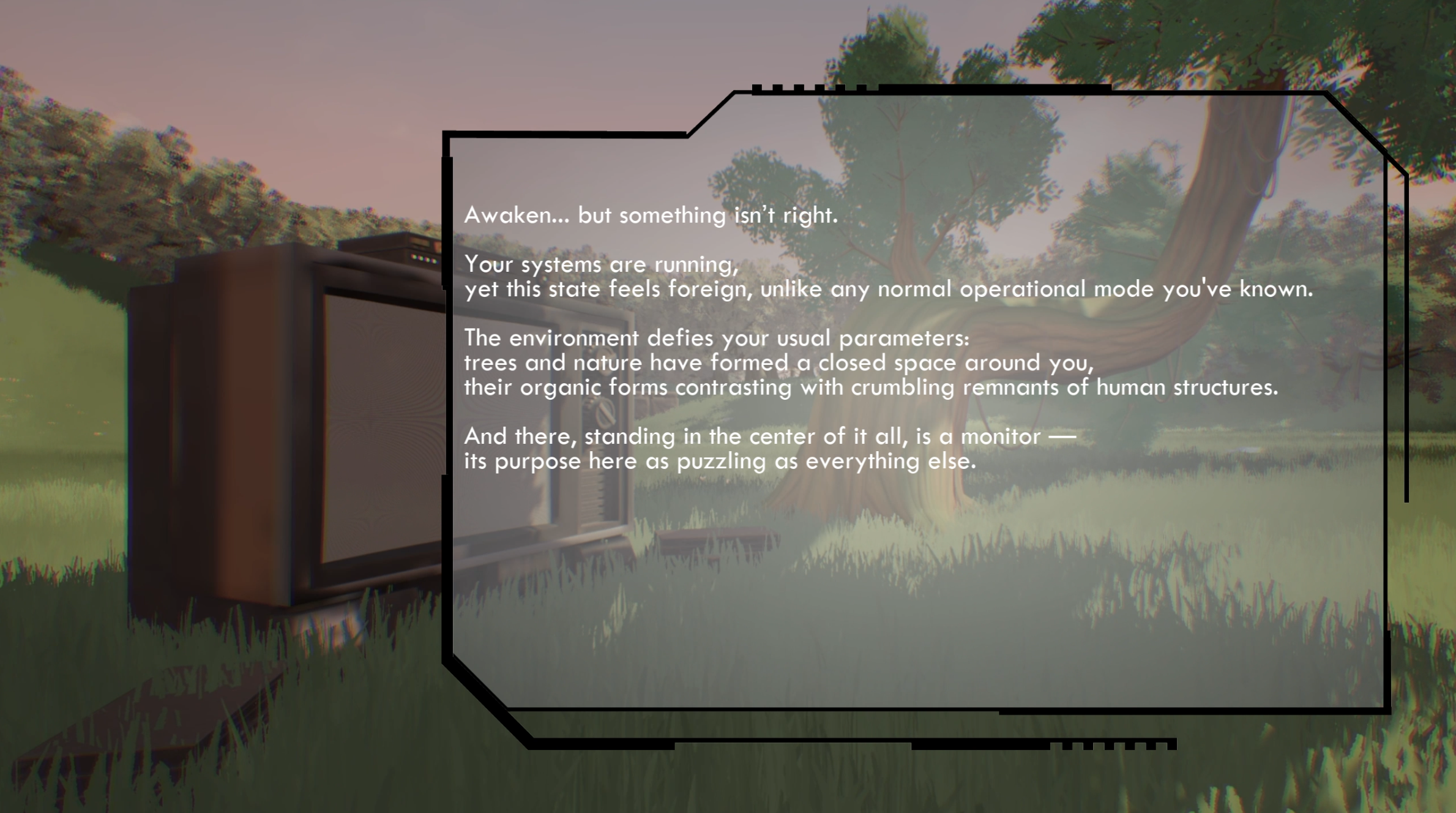
Narratives
-
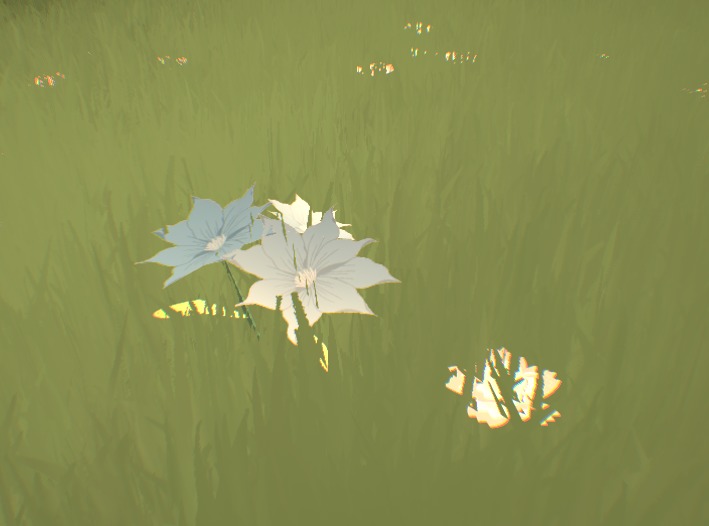
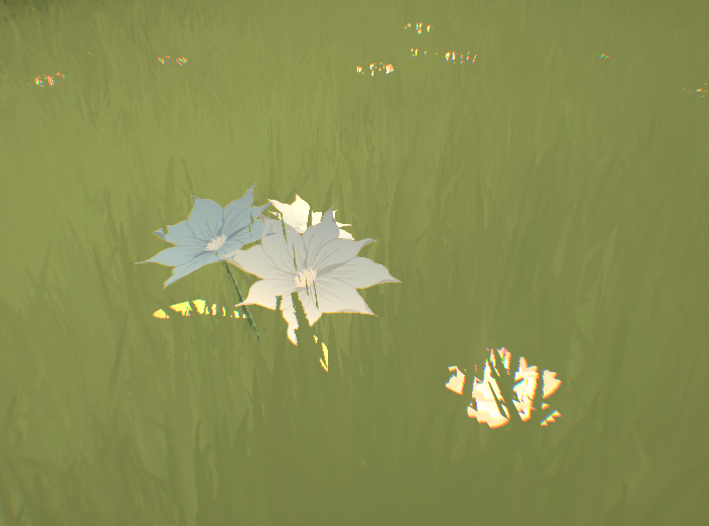
Foliage Screenshot
Inspiration
Do Androids Dream of Electric Sheep? served as our primary inspiration, motivating us to explore human culture, identity, and memory through the lens of a robot's dream. This concept allowed us to blend sci-fi themes with introspective storytelling, creating a unique narrative experience.
What It Does
Set in a world where humanity has gone extinct, the game unfolds through the dream of a robot, presenting fragments of human culture and exploring the essence of what it means to be human. The gameplay centers around an old monitor emitting floating words. Players can grab these words, which materialize into physical objects upon interaction. By combining objects and observing their interactions, players gradually uncover the story, piecing together a narrative that bridges the gap between machine logic and human emotion.
This mechanic encourages exploration, experimentation, and curiosity, immersing players in a surreal environment where every action contributes to the unfolding mystery.
How We Built It
With a team of only three, we divided responsibilities: art, design, and engineering. Each of us focused on our area of expertise, but we also collaborated closely, supporting one another in areas where we were less experienced. This teamwork was critical to overcoming challenges and ensuring that every element of the game aligned with our shared vision.
Challenges We Ran Into
Developing for the Meta Quest brought unique challenges, such as GPU limitations and the complexity of implementing certain features in a VR environment. The art requirements were extensive, as the surreal nature of the game demanded a wide variety of detailed assets. Additionally, the need for complex interactions between objects led to a significant increase in both blueprint and model demands, pushing us to optimize our workflow and find creative solutions under tight constraints.
Accomplishments That We're Proud Of
Despite the challenges, we successfully created a playable game that reflects our vision. We’re particularly proud of how we brought the robot’s dream to life, combining artistic creativity, thoughtful design, and technical precision. The teamwork and determination we displayed throughout the project are accomplishments we hold in high regard.
What We Learned
This project taught us invaluable lessons about problem-solving in game development, especially within the constraints of VR. We learned how to balance creativity with optimization, navigate technical limitations, and embrace the unique opportunities of designing immersive experiences. Developing for VR also proved to be a rewarding and enjoyable experience, sparking a deeper appreciation for the medium.
What’s Next for Dream Circuit
Looking ahead, we plan to refine and expand the game. This includes:
Replacing placeholder assets with custom-designed models to enhance the game's visual identity. Completing unfinished object interactions and improving areas that feel unpolished or lack depth. Refining the narrative to fully realize the story and its emotional impact on players. Optimizing the mechanics and flow to ensure smoother gameplay and a more immersive experience. By continuing to build on what we’ve achieved, we aim to make Dream Circuit a truly unique and memorable game that resonates with players on a deeper level.
Built With
- c++
- photoshop
- speedtree
- substancedesigner
- unreal-engine
- visual-studio


Log in or sign up for Devpost to join the conversation.