-
-

Logo
-

-
-
-

-
-
-
-
-
-


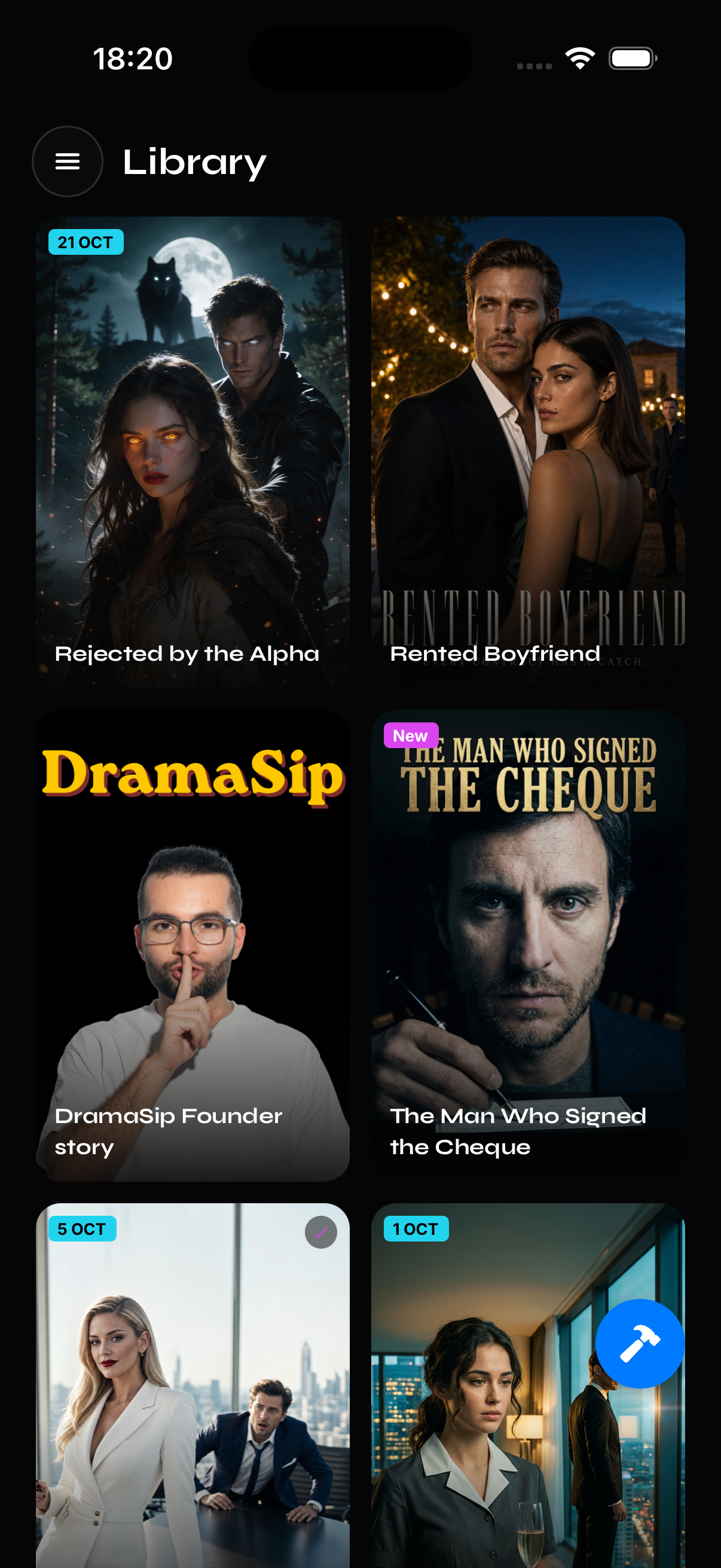
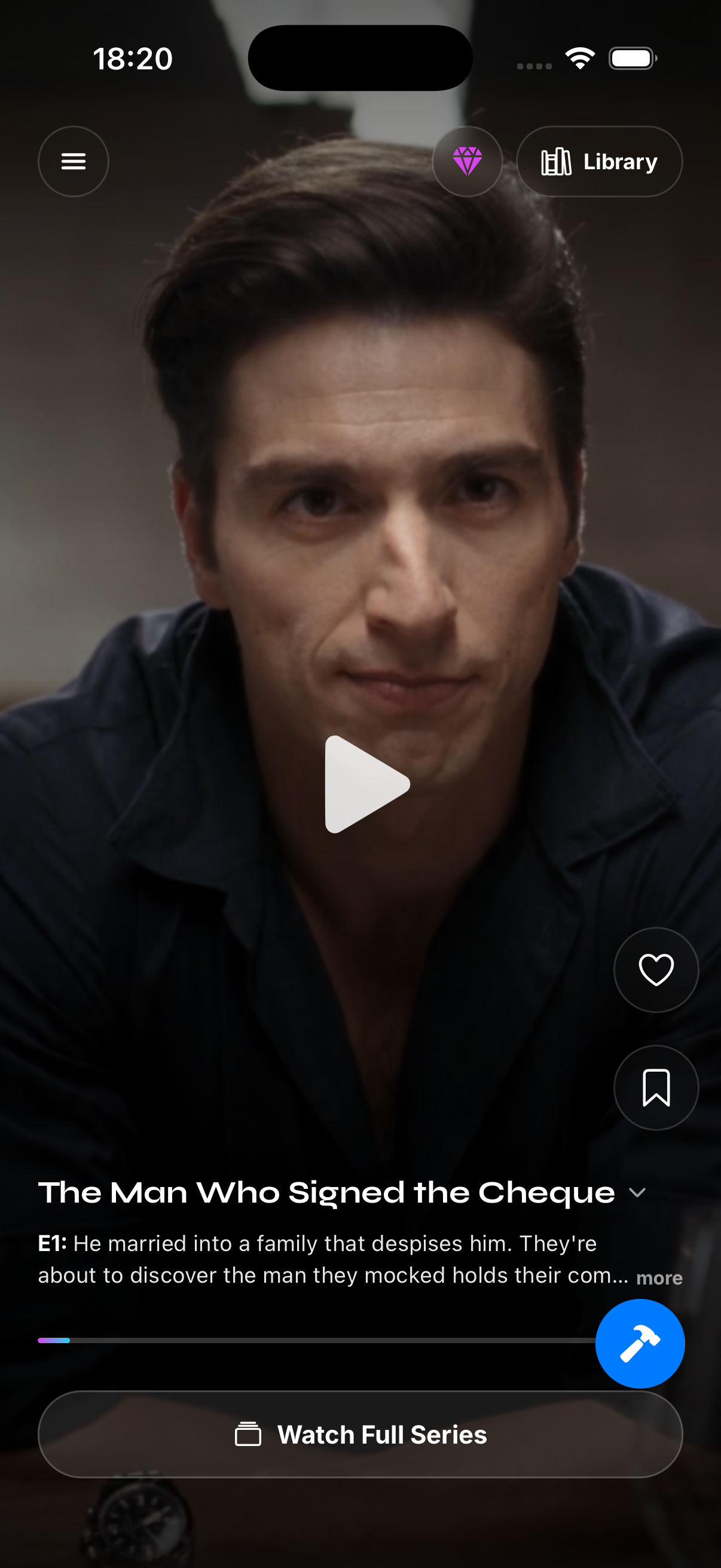
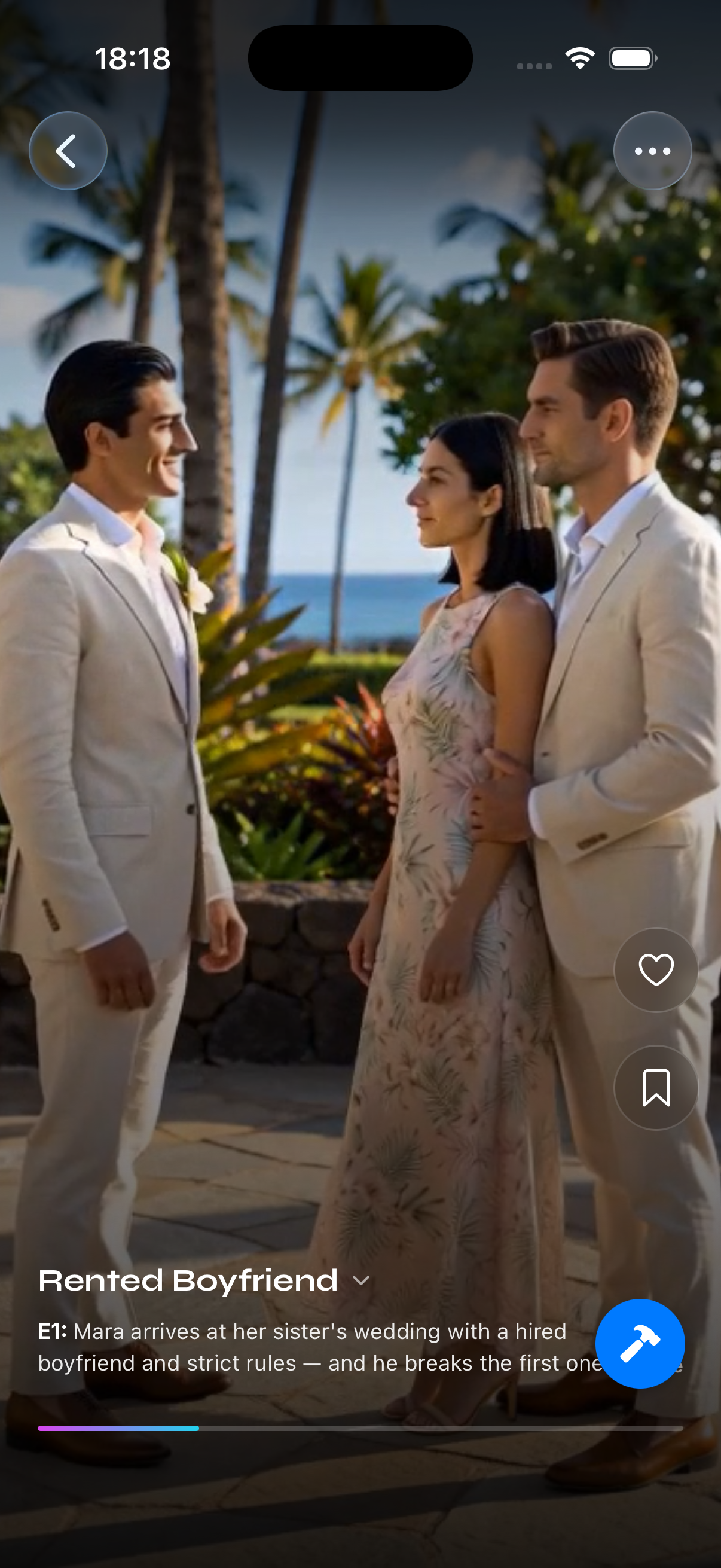
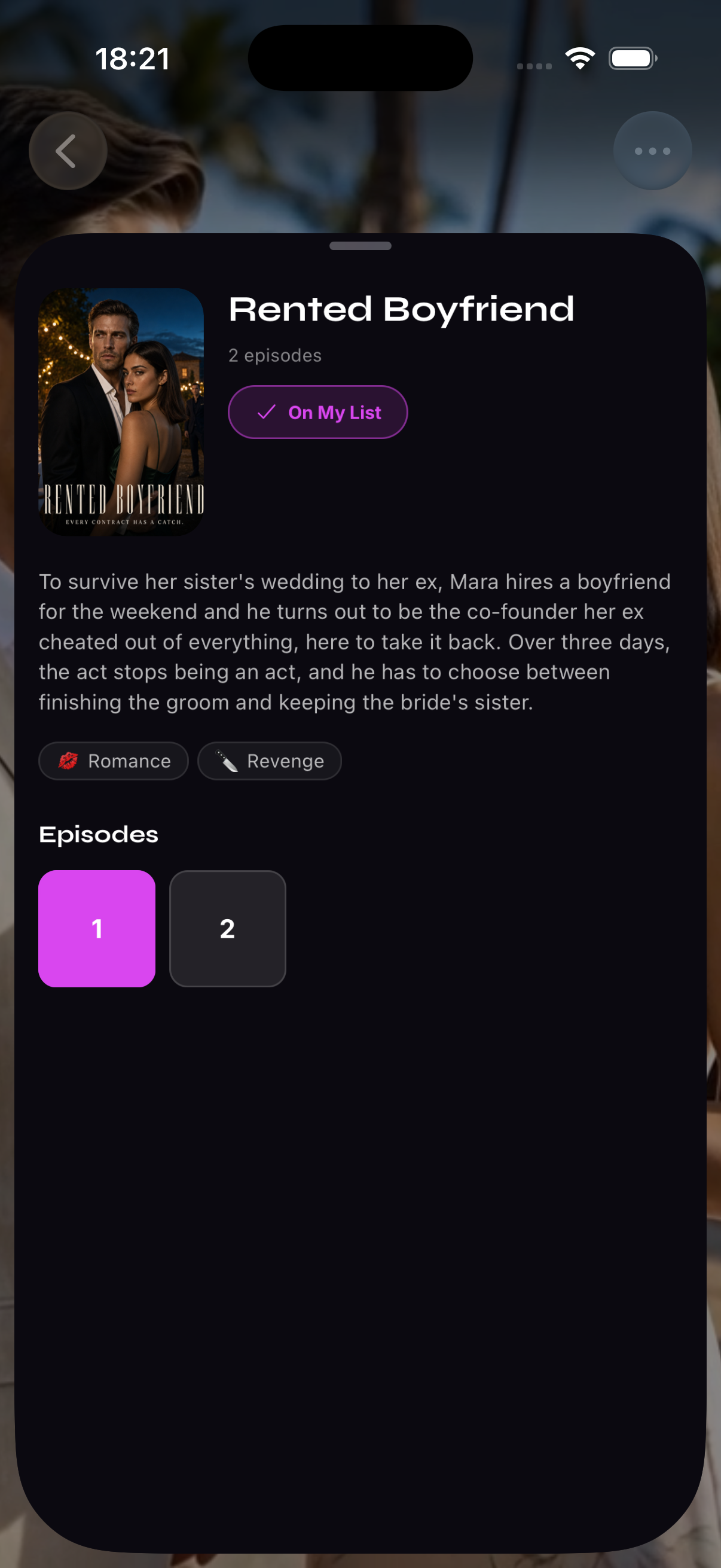
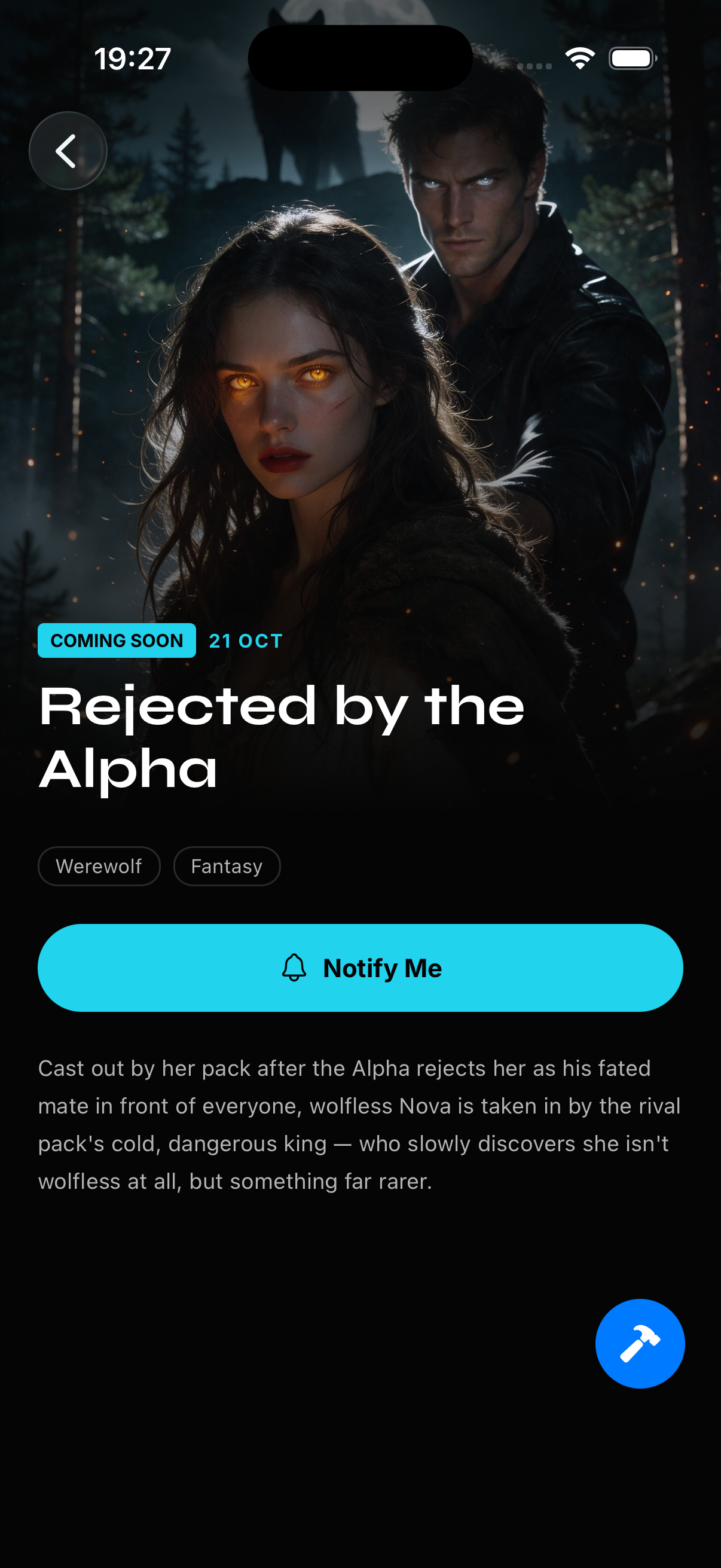
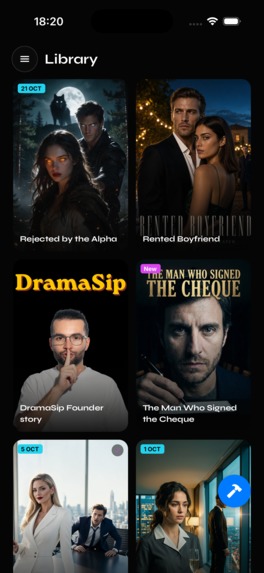
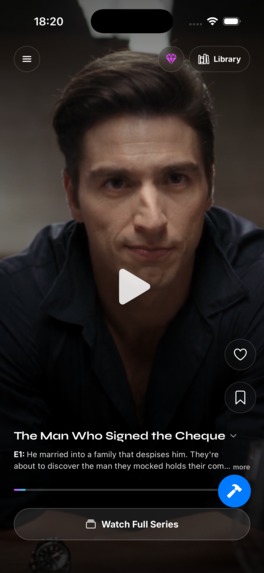
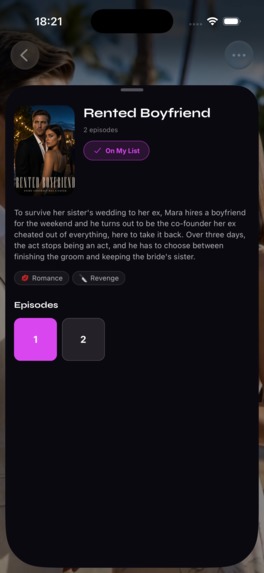
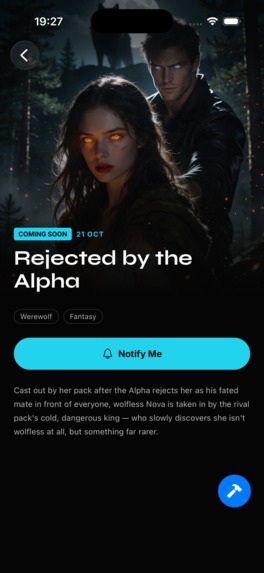
DramaSip is a short drama streaming app. Binge-worthy series told in 1–2 minute vertical episodes, each one ending on a cliffhanger. Swipe up and the next episode is already playing.
Romance, billionaires, revenge: the kind of stories you tell yourself "just one more episode". Every series is produced with AI video, which lets a solo developer build a catalog that would normally take a studio.
Hate it or not, microdramas are here to stay. On mobile, they've already overtaken traditional streaming: US users spend more time per day in ReelShort (35.7 min) than in Netflix (24.8 min), Prime Video or Disney+ (Omdia, 2026).
DramaSip is my take on the format, built by an indie developer during Shipaton.
What inspired me
The idea came from my wife. She showed me the apps that had started filling her feed: vertical drama series, one or two minutes per episode, a cliffhanger at the end of every single one. She was hooked. I did what I always do and looked up how much they make.
The top one does about $22M a month. All of the top 15 do more than $1M a month.
What surprised me more was how they make it. Quibi tried short-form series with $1.75B and a Netflix-style hard paywall, and shut down six months after launch. The successful microdrama apps copied games instead: every episode is a level that ends on a cliffhanger, and you can reach the next one for free, by watching an ad, with coins, or with a subscription.
Every leading app runs this same hybrid stack. Most of us in the indie world ship one or two subscription products and stop there. I wanted to find out what happens when you build the whole ladder, and whether a solo developer can do it with RevenueCat alone.
That's DramaSip: short drama series in a vertical feed, where every viewer, at every moment, has a way to keep watching.
How I built it
DramaSip is a React Native app built with Expo and Expo Router, with Supabase for auth, data and edge functions.
The feed. A full-screen vertical pager where one swipe is one episode. The next episode is preloaded in a second player, so every swipe lands on a video that's already playing. Picture-in-picture keeps the story going when you leave the app.
Accounts. Guest-first. You can watch without signing up. Apple, Google or email sign-in only links the account, so purchases and coins survive a reinstall.
The monetization stack, all through RevenueCat:
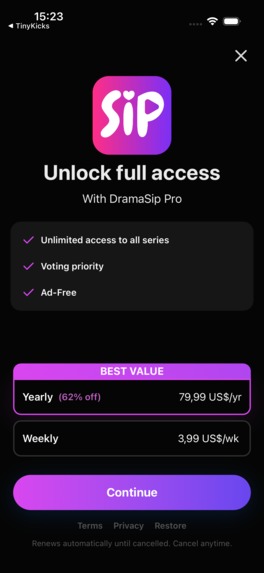
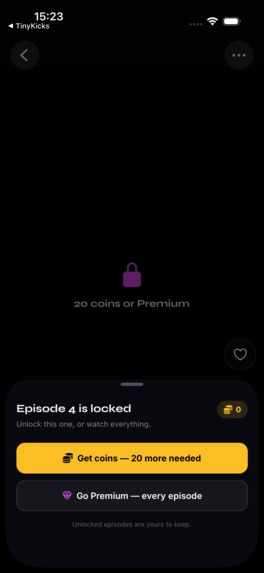
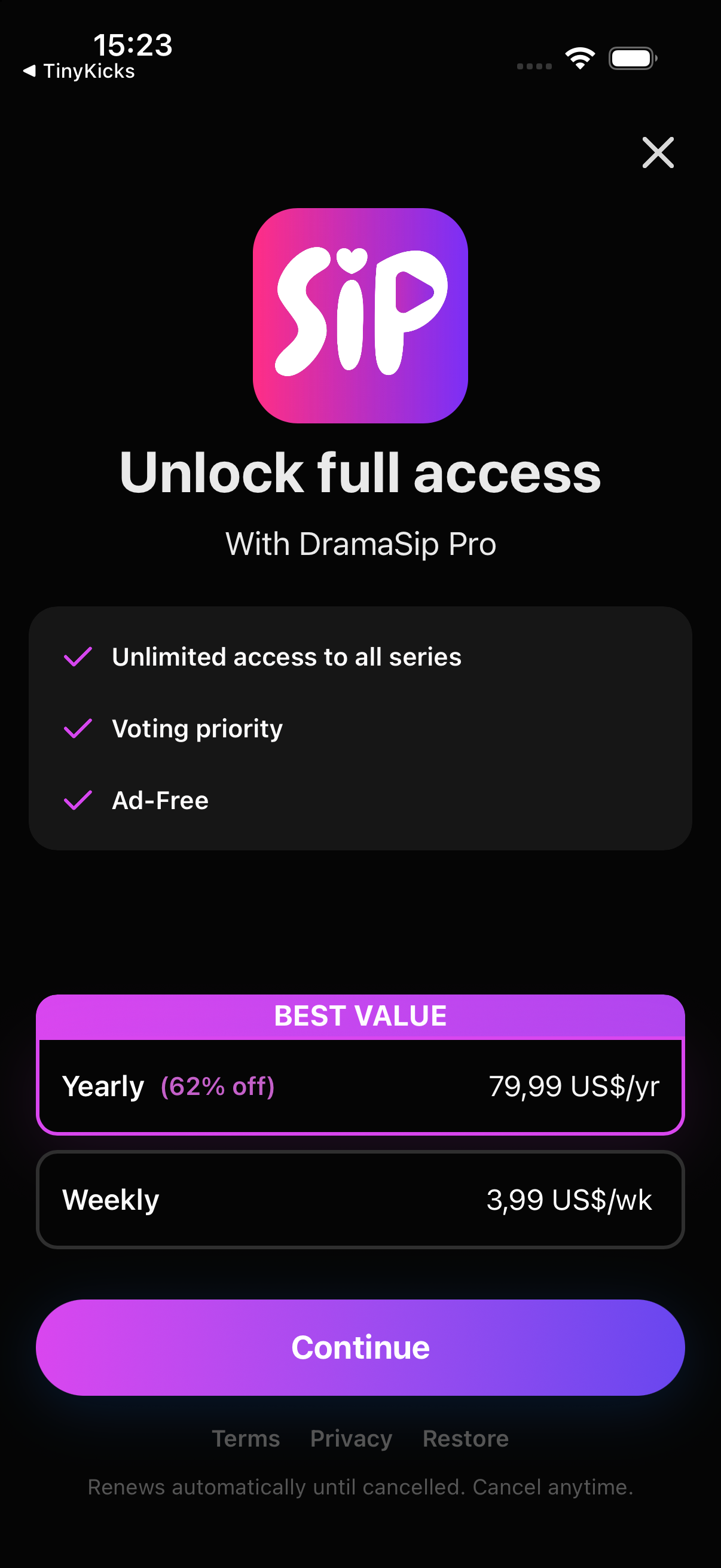
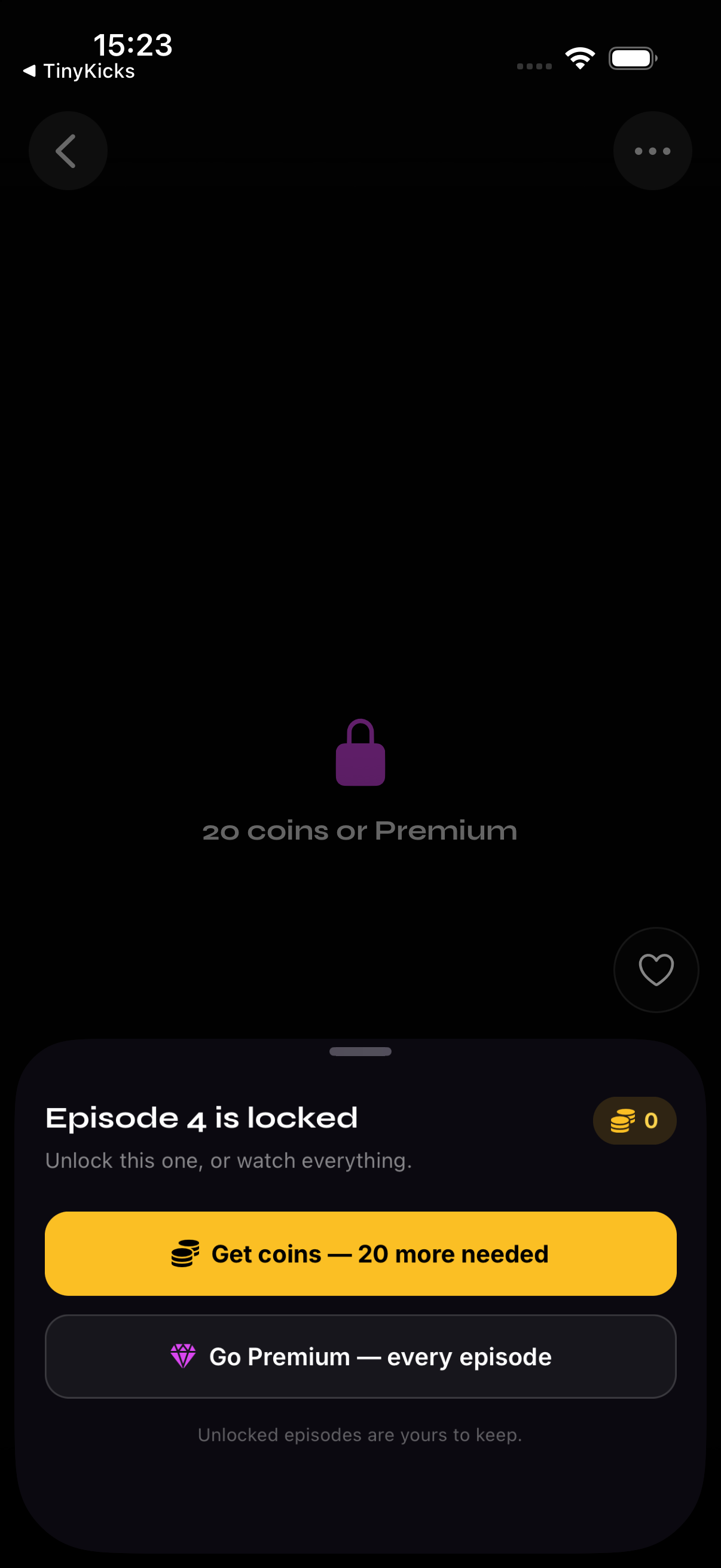
- Subscription (Premium): weekly and annual plans, with a paywall built in RevenueCat Paywalls. It's shown at the end of onboarding and whenever you hit a locked episode.
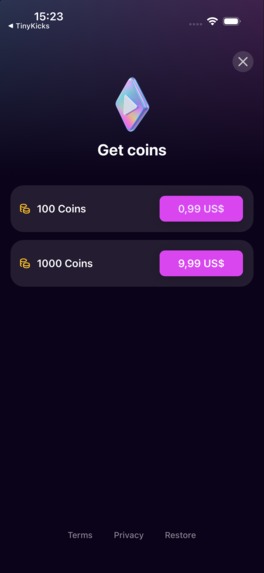
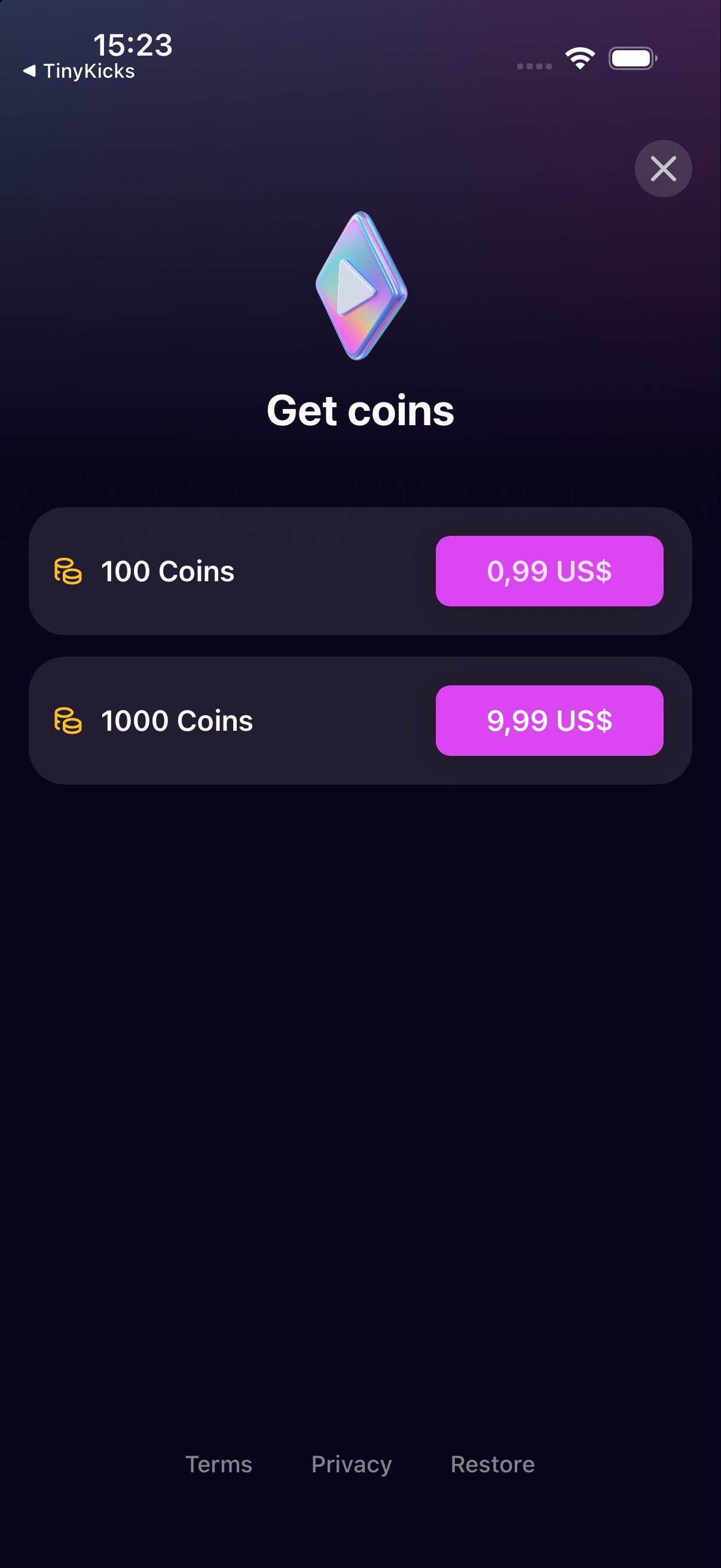
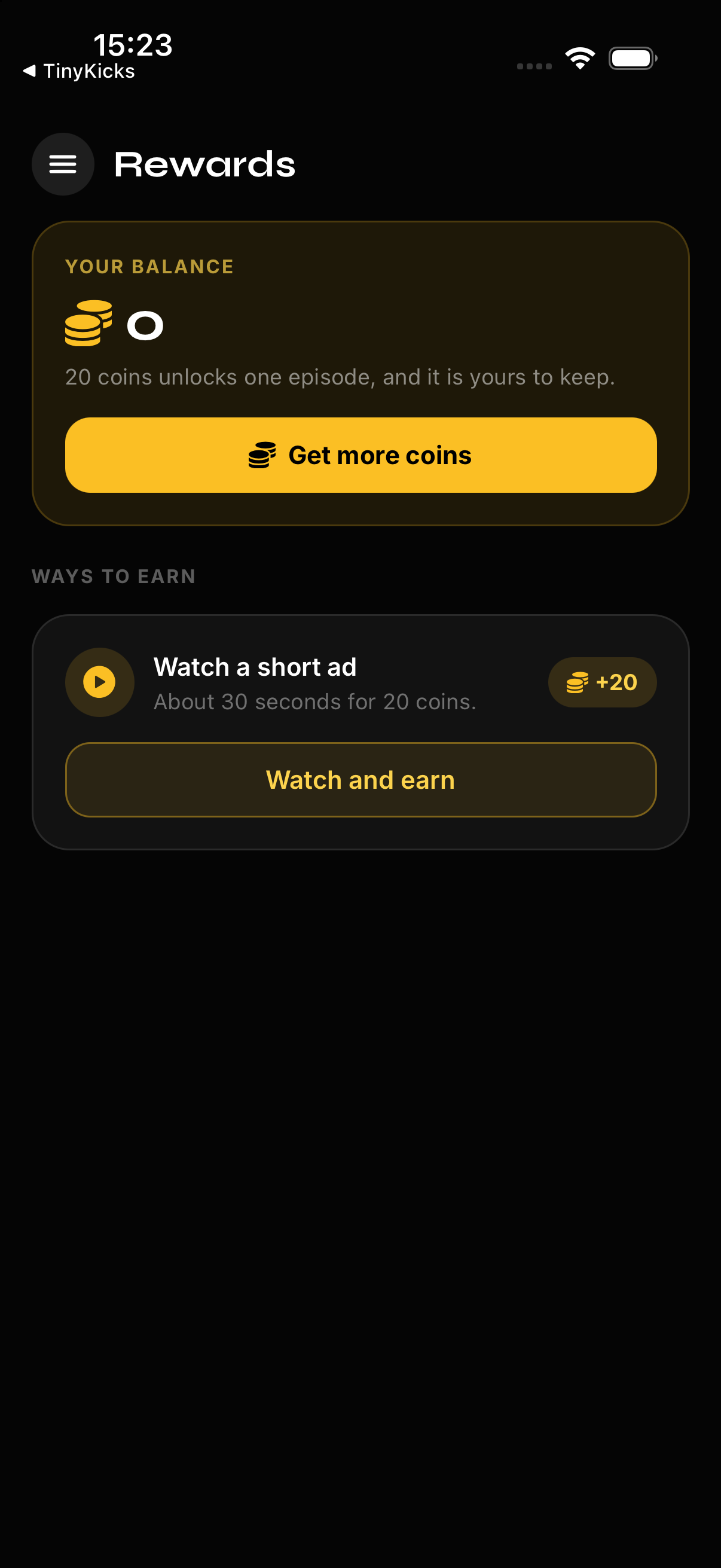
- Coins: built on RevenueCat Virtual Currency, sold in packs of 100 and 1,000. An episode costs 20 coins and stays unlocked forever. The balance lives in RevenueCat, and the deduction happens server-side in a Supabase edge function, so the client never decides the price.
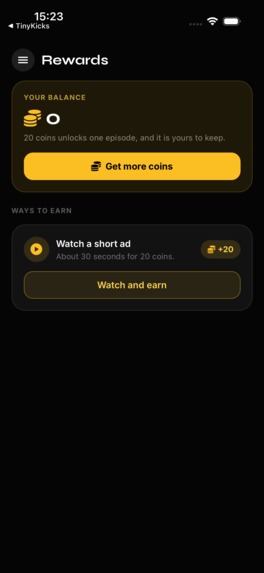
- Rewarded ads: AdMob rewarded video, tracked through the RevenueCat SDK. When an ad finishes, AdMob's server-to-server callback goes to RevenueCat, which credits the coins. Ad revenue shows up in the same dashboard as subscriptions and coin sales.
Together, they mean revenue doesn't depend on a single "yes" at the paywall. People who won't subscribe can still buy a few episodes with coins, and people who won't pay at all still bring in ad revenue while they watch. A hard paywall earns only from the first group, and that was Quibi's whole bet.
Engagement. OneSignal handles push notifications, and each device is linked to the same user ID as RevenueCat. PostHog tracks the funnel, and Sentry catches crashes.
Challenges I faced
Producing the content. This was the hardest part by far. An app like this is only as good as its series, and every episode is AI-generated video, so I spent a lot of time benchmarking models. Seedance gives great results, but one 60-second episode cost me about $60. Then I tried H3 Max on fal.ai. It's much cheaper, but the quality isn't as good. Finding a balance between cost and quality that works at scale, across dozens of episodes per series, is still an open problem. The writing is just as hard. Even with the best AI models, it takes a lot of iteration to get a story that holds attention for two minutes and ends on a cliffhanger that makes you swipe.
Seamless playback. Preloading the next episode in a second player was the single biggest improvement to how the app feels, and the hardest code to get right: two players, one visible, with ownership swapping on every swipe.
Store review. The first time you ship one-time purchases, two subscriptions and ads together, there's a lot of paperwork. DramaSip is live on Google Play. The App Store version is still in review.
Accomplishments that we're proud of
- A website that brings in users on its own. dramasip.com has started ranking on Google, with 7,000 impressions and 50 clicks so far and no paid ads.
- A waitlist before the app was out. 15 people signed up to hear about launch, from the website alone.
- 50 users from Google Play. They found DramaSip through store search, with no marketing push. It's a small number, but it shows people look for this kind of app and install it.
- A talk at the Shipaton event in Barcelona. I presented everything I learned building DramaSip's hybrid monetization stack of subscriptions, virtual currency and rewarded ads, and showed other builders how to set it up with RevenueCat. Building the app and teaching what I learned at the same time made both better.
What I learned
- Hybrid monetization isn't about more paywalls. It's about never leaving a user with no way forward. Each tier catches the people the tier above lost.
- Ads are the cherry on top, not the cake. Rewarded ads rarely pay the bills at indie scale. Their value is that they keep a non-paying viewer in the story until they're ready to pay.
- Games solved this decades ago. An in-app economy needs sources and sinks. Coins are a sink that paying users fill. They can also be earned for things that help retention, which is where I'm taking it next.
- RevenueCat covers the whole stack now. Subscriptions, virtual currency and ad revenue in one SDK and one dashboard. A year ago this setup would have needed three vendors and a lot of glue code.
What's next
- More stories. The catalog is the product. Viewers stay for the next series as much as the next episode.
- Working with scriptwriters. AI can produce the video, but a cliffhanger that makes you swipe still needs a writer. I want to bring in people who know how to write for this format.
- Producing content at scale. A pipeline that turns a script into a finished series at a cost that makes sense, choosing the video model per scene instead of using one for everything.
- Launching on the App Store. It's live on Google Play, and iOS comes next.
Built With
- expo.io
- fal.ai
- google-admob
- next.js
- onesignal
- posthog
- react-native
- revenuecat
- seedance
- sentry
- supabase

Log in or sign up for Devpost to join the conversation.