-
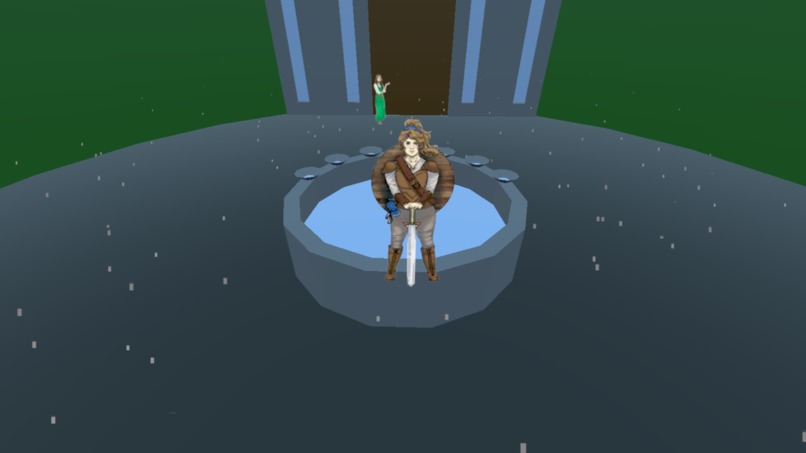
With our final art assets in place, Julia really pops!
-
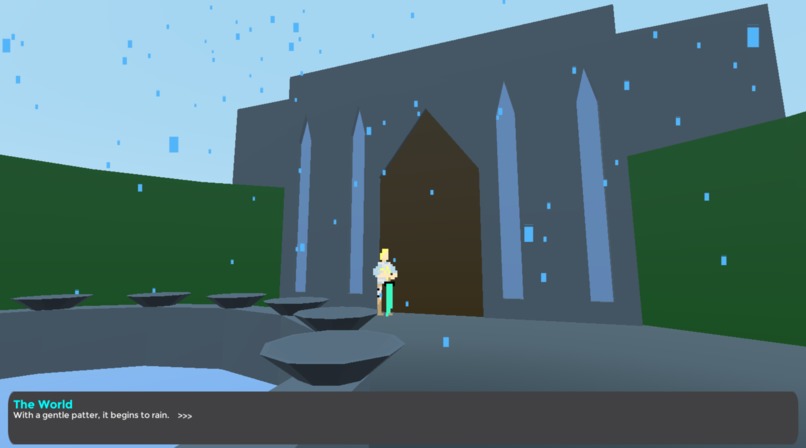
It begins to rain through the power of the Director
-
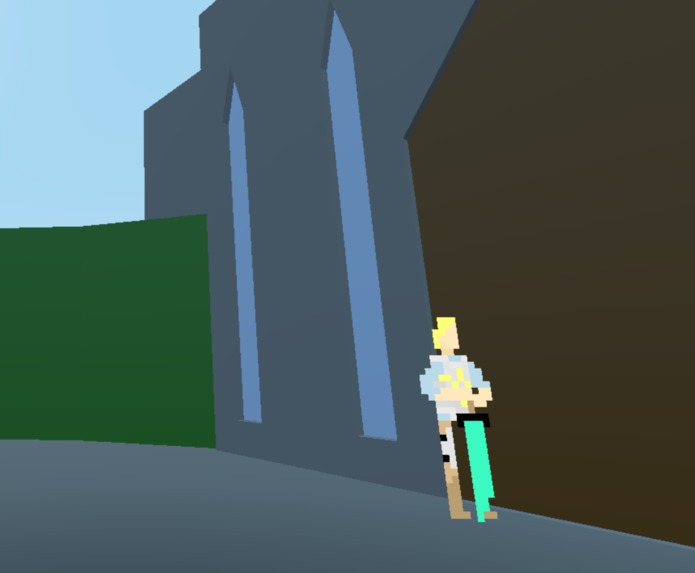
An NPC in the world
-
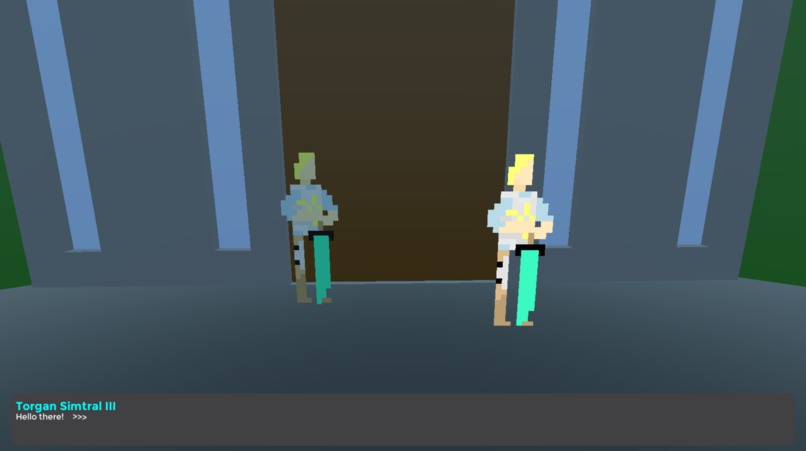
Dialog System highlights the speaker
-
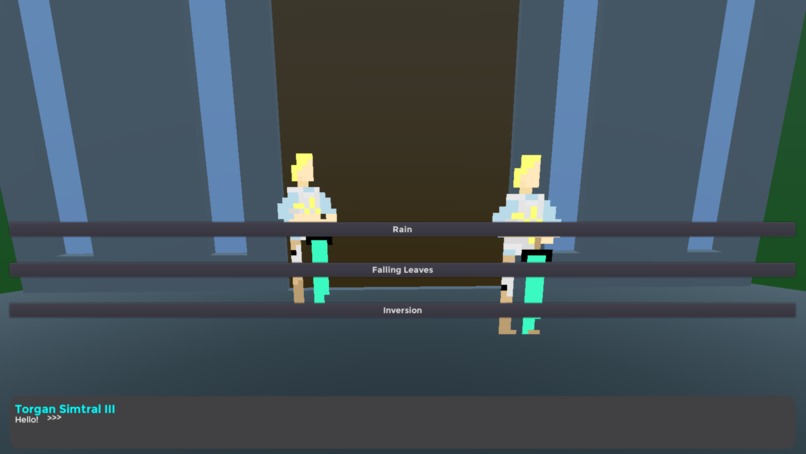
A menu for selecting environmental effects
-
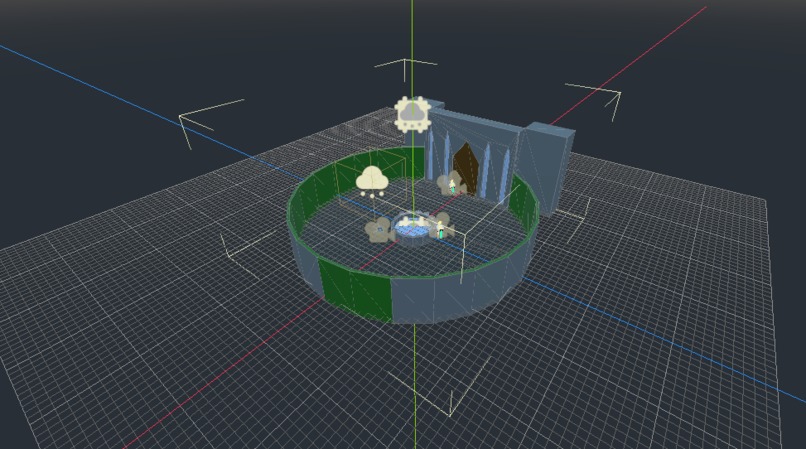
The Courtyard in all of its glory
-
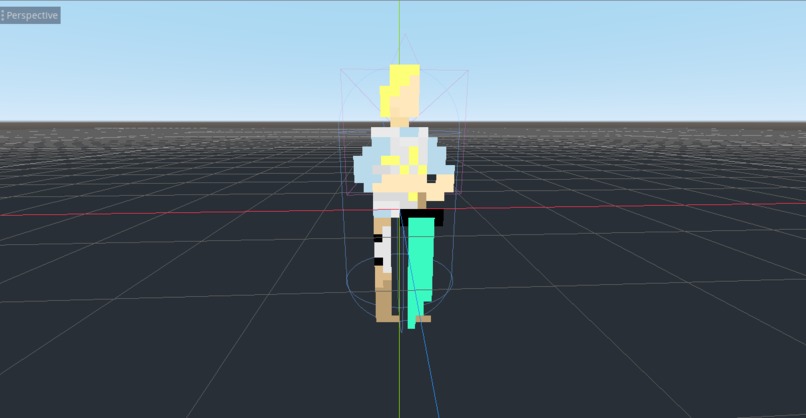
The Player Character (and the NPC)!


Inspiration
For this project we wanted to connect people and help them communicate in shared spaces. There are many party games and role playing games that involve acting. People who may not feel comfortable doing these things in person or prefer to have more visual stimulation than just typing often turn to websites such as Roll20. We wanted to help improve the completely 2D interface and make it more immersive by making a tool that allows people to have a shared 3D world with their friends. To do this, we decided to draw inspiration from the design of dating simulators and visual novels, as well as games like Octopath Traveler, which is a recent RPG with a very notable 2.5D style that we tried to emulate.
What it does
This game connects people and allows them to control avatars to explore a 3D space that the Director has chosen and controls. Everyone can send messages and create dialog, but for special interactions, the Director can pull everyone into a framed scene which highlights people as they talk.
How we built it
First, we started by building a basic skeleton in Godot, making sure that there was a controllable avatar and that it would collide with environments correctly. Then, we moved onto modelling the environment in Sketchup and texturing it in Blender. From there, we imported it and made sure that the player could interact and navigate it properly. Once that was complete, it was time to build the UI and add in the additional features that the Director has access to.
Challenges we ran into
Managing the different states that the game can be in was very challenging. The Director is able to interact in several unique ways that sets them apart from the standard player, particularly in being able to initiate a framed scene. The game started as a 3D game and changing from that into an effectively 2D setup while still being able to go backwards had many unique requirements. Furthermore, while we had experience at creating 2D art, none of us had experience with detailed modeling with programs such as Blender, much less doing textures in Blender which unfortunately left our environments a little plain.
Accomplishments that we're proud of
The Director has very unique powers to control the environment and control how the players can interact, which was a difficult balance to reach, but also makes this a powerful tool for people to use.
What we learned
We learned about the full workflow of creating models and how to insert them into Godot and make them useful for the players. We also learned a lot about how Godot handles its 3D particle systems, which we were able to apply in several ways to create unique and interesting effects for the DreamSpace.
What's next for Dragons in DreamSpace
Continuing on, we want to create packs of different maps for games such as Dungeons and Dragons or Fiasco. We would also like to add additional assets that can be dropped into worlds. Furthermore we want to increase character customization and allow people to upload their own avatars as well as allow for avatars to have more than a single state that never changes. We would also like to increase the effects that the Director has access to, such as the ability to create more localized effects or create objects that only certain players are able to see.
Built With
- blender
- godot


Log in or sign up for Devpost to join the conversation.