-
-
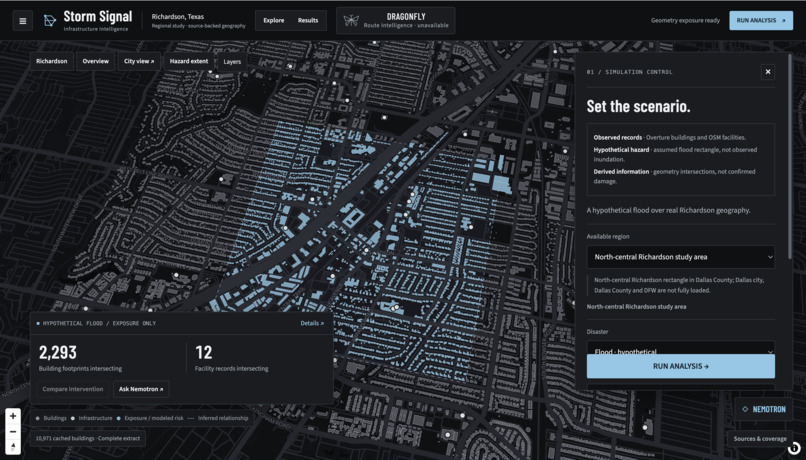
Flood map projection view on Storm Signal's prediction page
-
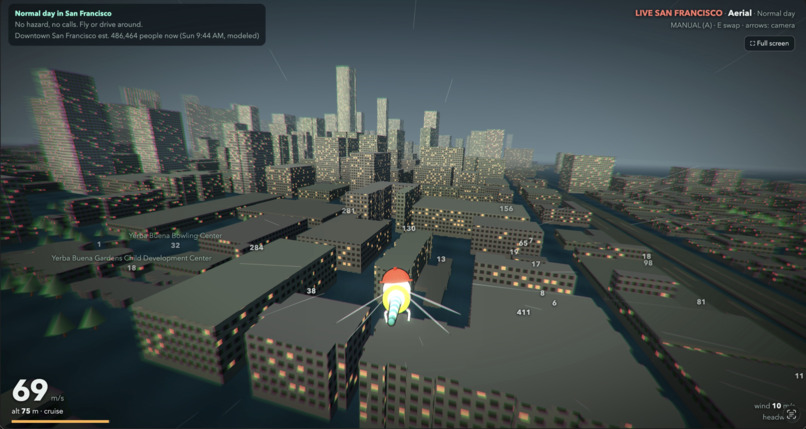
Airborne emergency rescue route optimization on Storm Signal's Dragon FLYGHT simulator
-
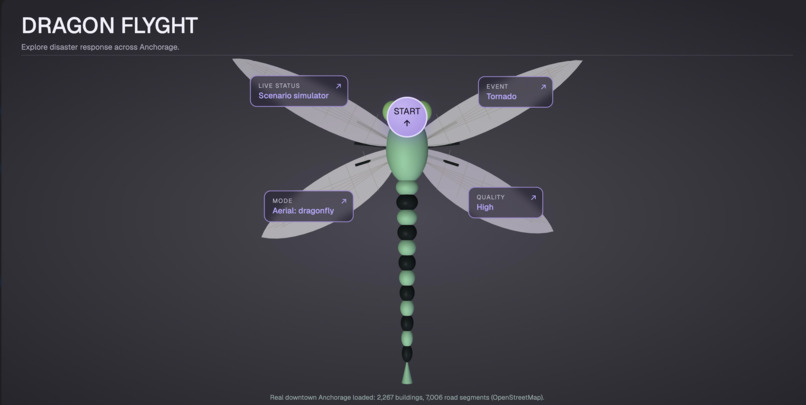
Dragon FLYGHT simulator control's menu
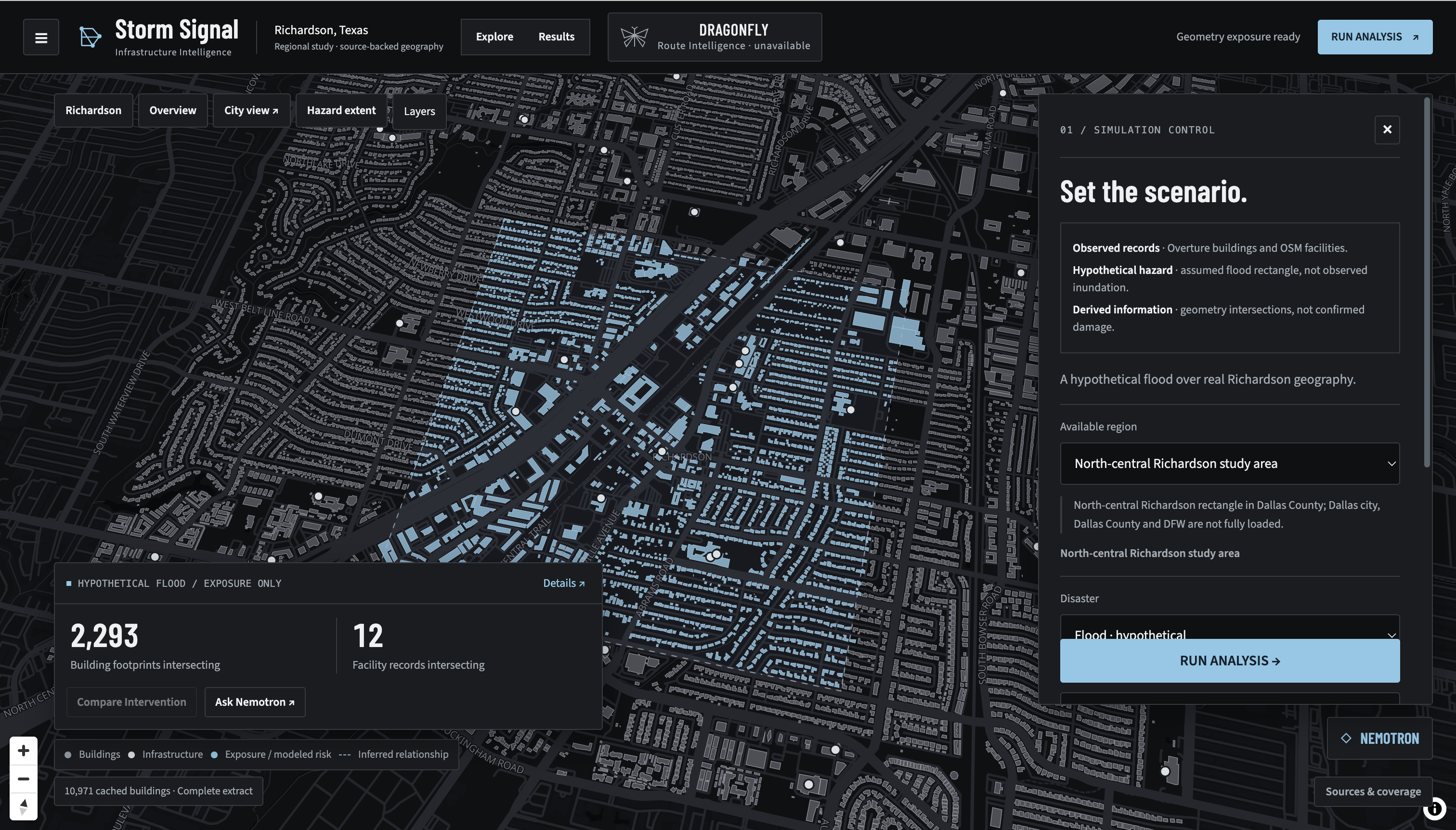
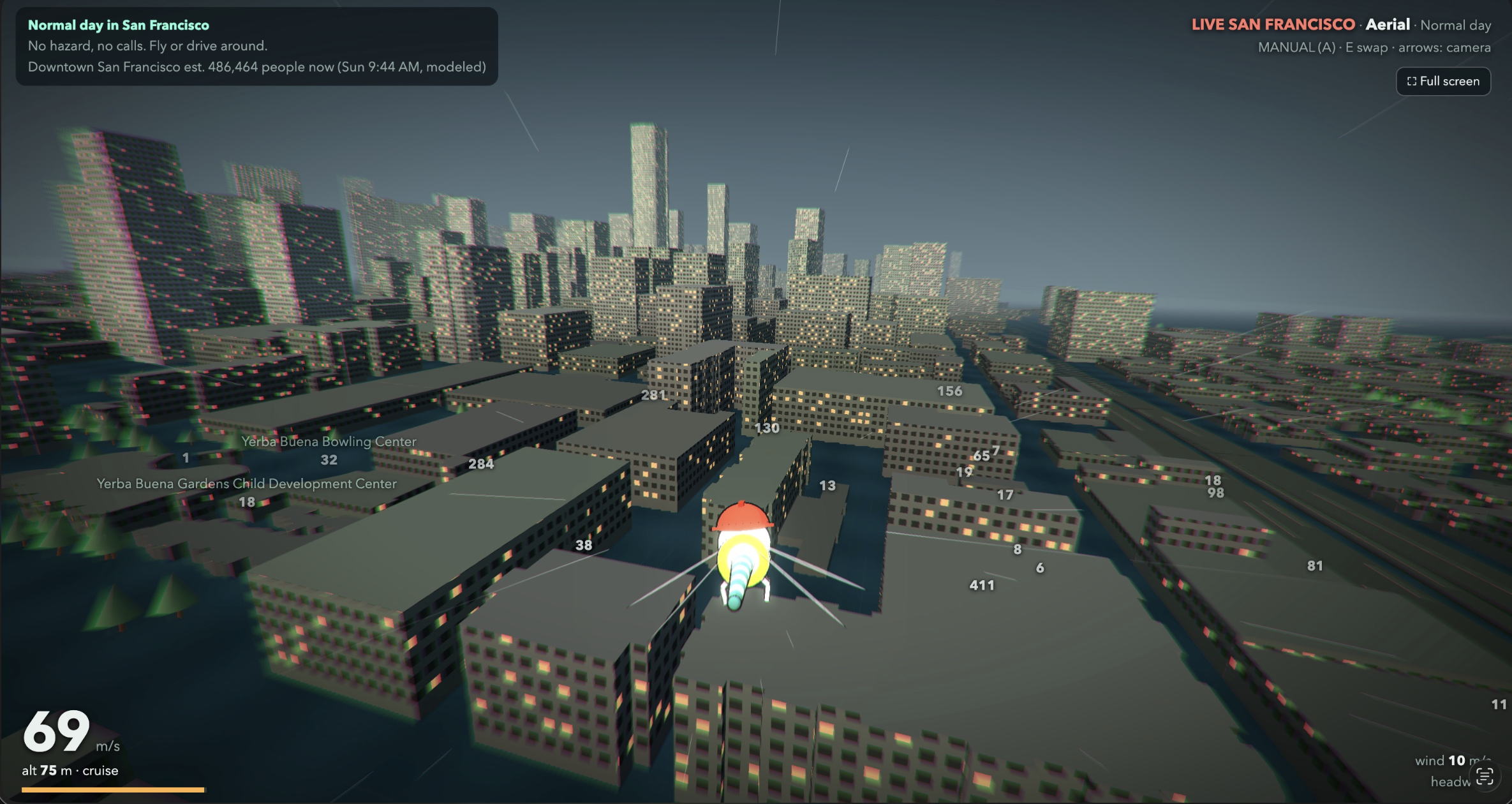
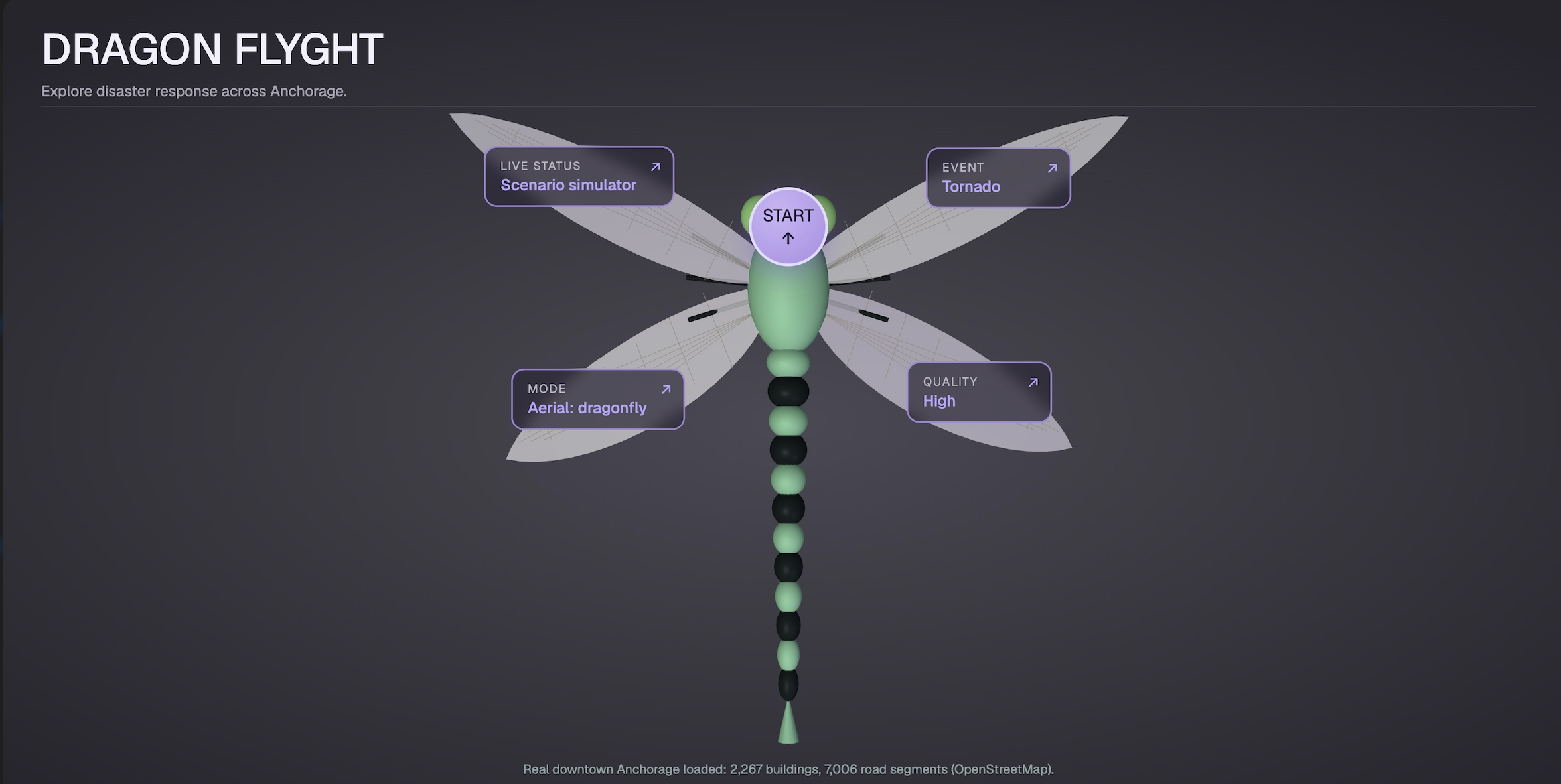
Disasters affect more than buildings—they disrupt businesses, essential services, and entire communities. We built Storm Signal to explore these connections and Dragon Flyght to simulate the response. Inspired by the dragonfly’s watchful awareness of its surroundings, our project brings together disaster analysis and interactive decision-making.
Storm Signal maps Dallas infrastructure and uses dependency graphs to explore cascading disaster impacts. It examines business interruption for CBRE’s track and population vulnerability and essential-service access for State Farm’s track. Dragon Flyght brings the response into focus, letting users pilot a rescue dragonfly or drive a fire truck across seven cities, with geographic data, weather alerts, disaster scenarios, adaptive routing, and a Nemotron-powered dispatcher.
We built the game with Three.js and a Python server for geographic data, caching, alerts, and dispatcher requests. Storm Signal combines geographic mapping, dependency graphs, rule-based analysis, and machine learning where validated models support it. NVIDIA Nemotron helps users investigate results and provides mission briefings. All simulation results are modeled estimates.
Our biggest challenges were turning geographic data into an interactive experience, adapting routes to different hazards, and communicating uncertainty. Even the dragonfly interface required balancing animated wing-mounted controls with readability and usability. Bringing these pieces together gave us a connected approach to infrastructure analysis and hands-on rescue simulation.
Next, we want to link Storm Signal’s impact analysis directly to rescue missions, validate estimates against historical disasters, and improve routing, business-loss analysis, and essential-service accessibility modeling.
Built With
- css3
- html5
- javascript
- react.js
- typescript
