-
-
-
-
-
-
Stretcha use
-
-
-
-
-
-
-
-
-

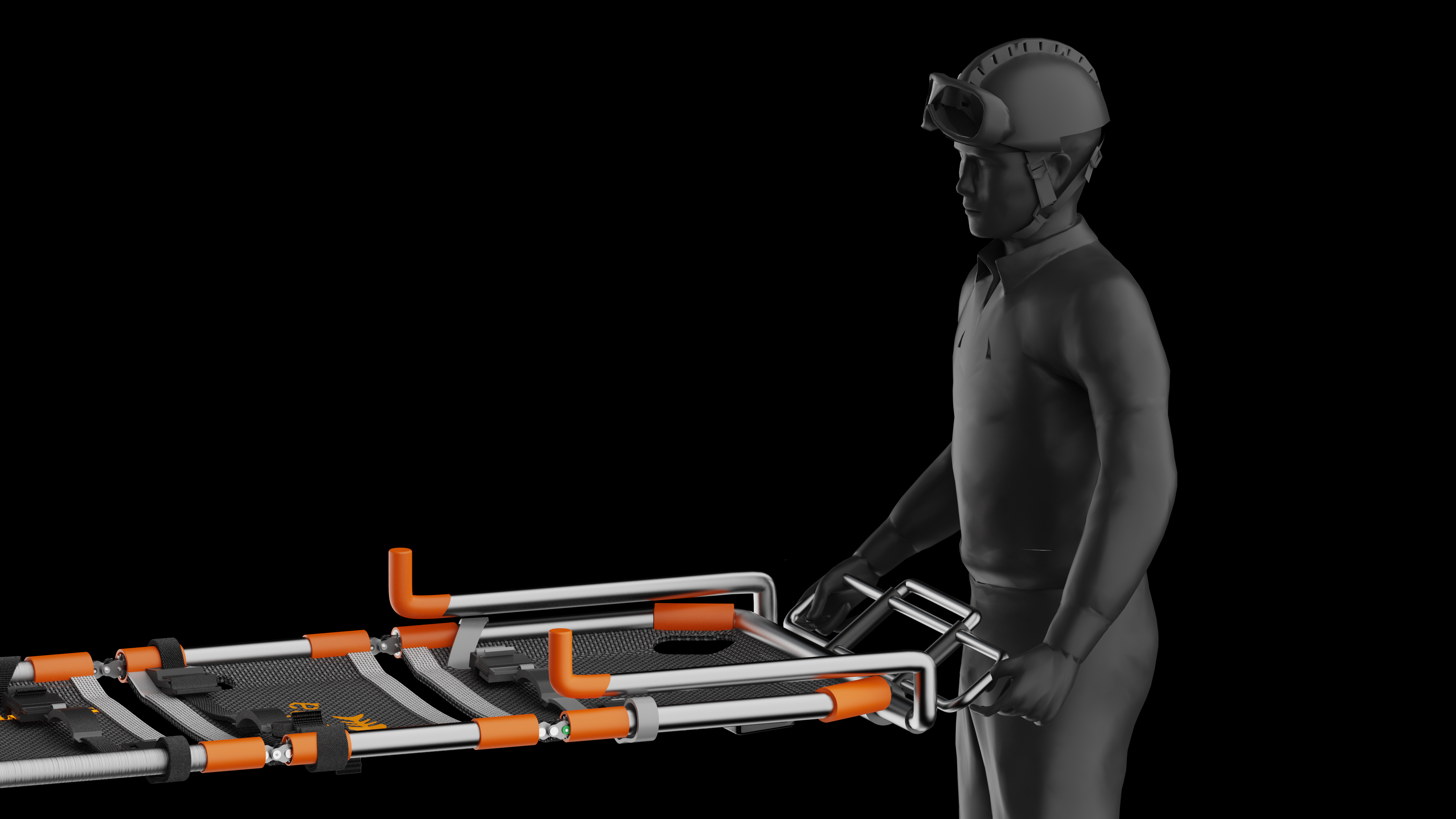
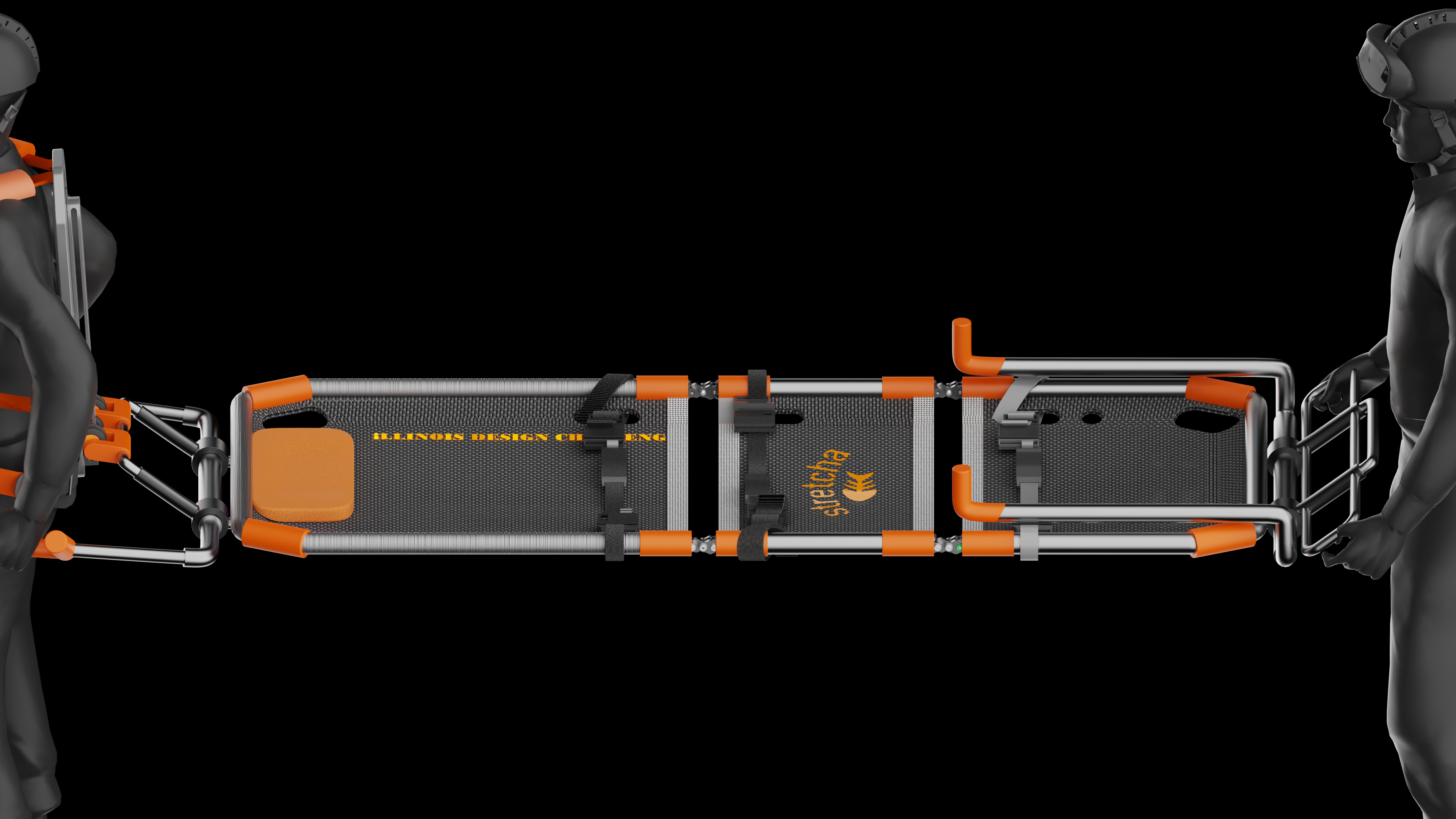
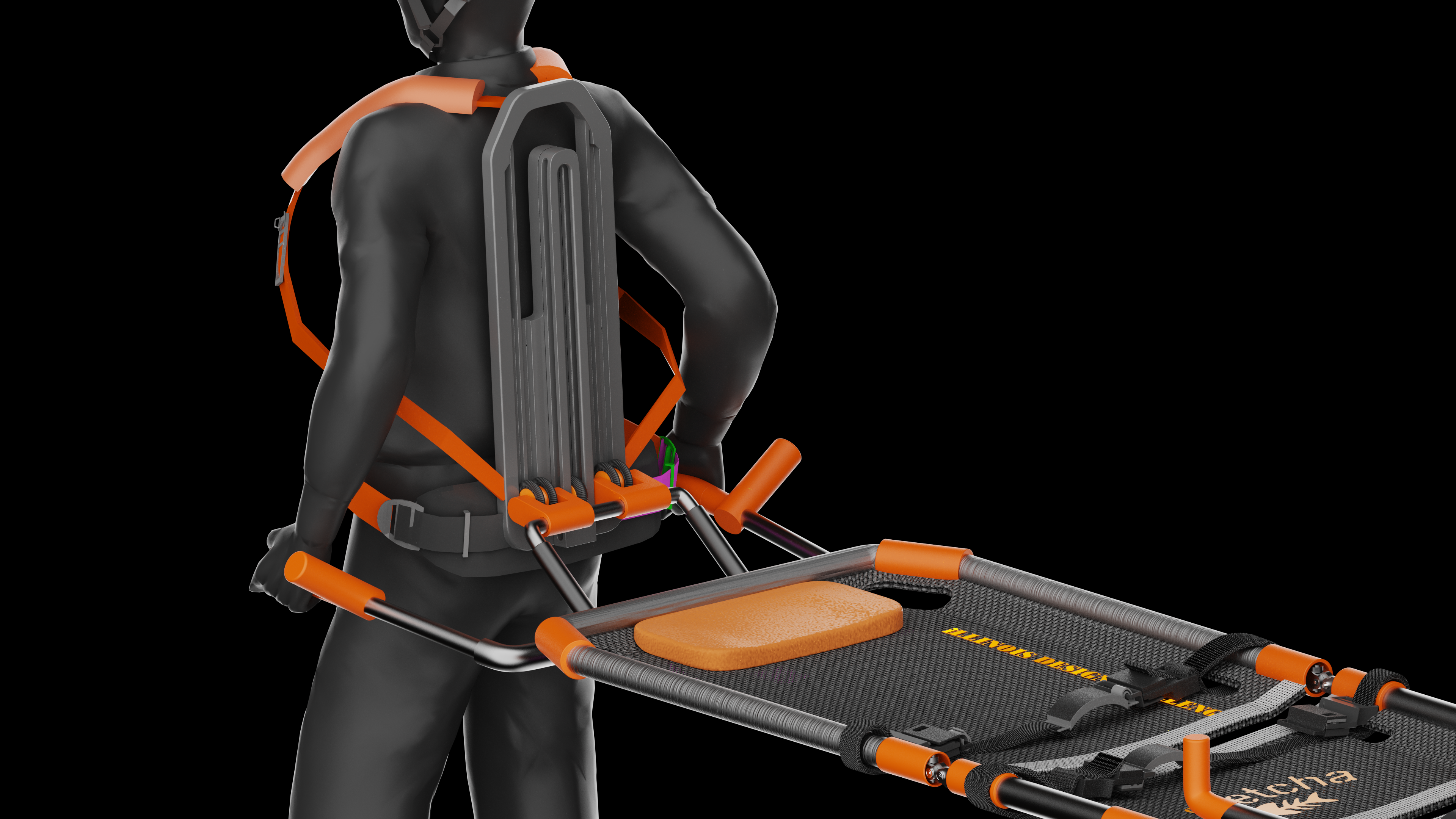
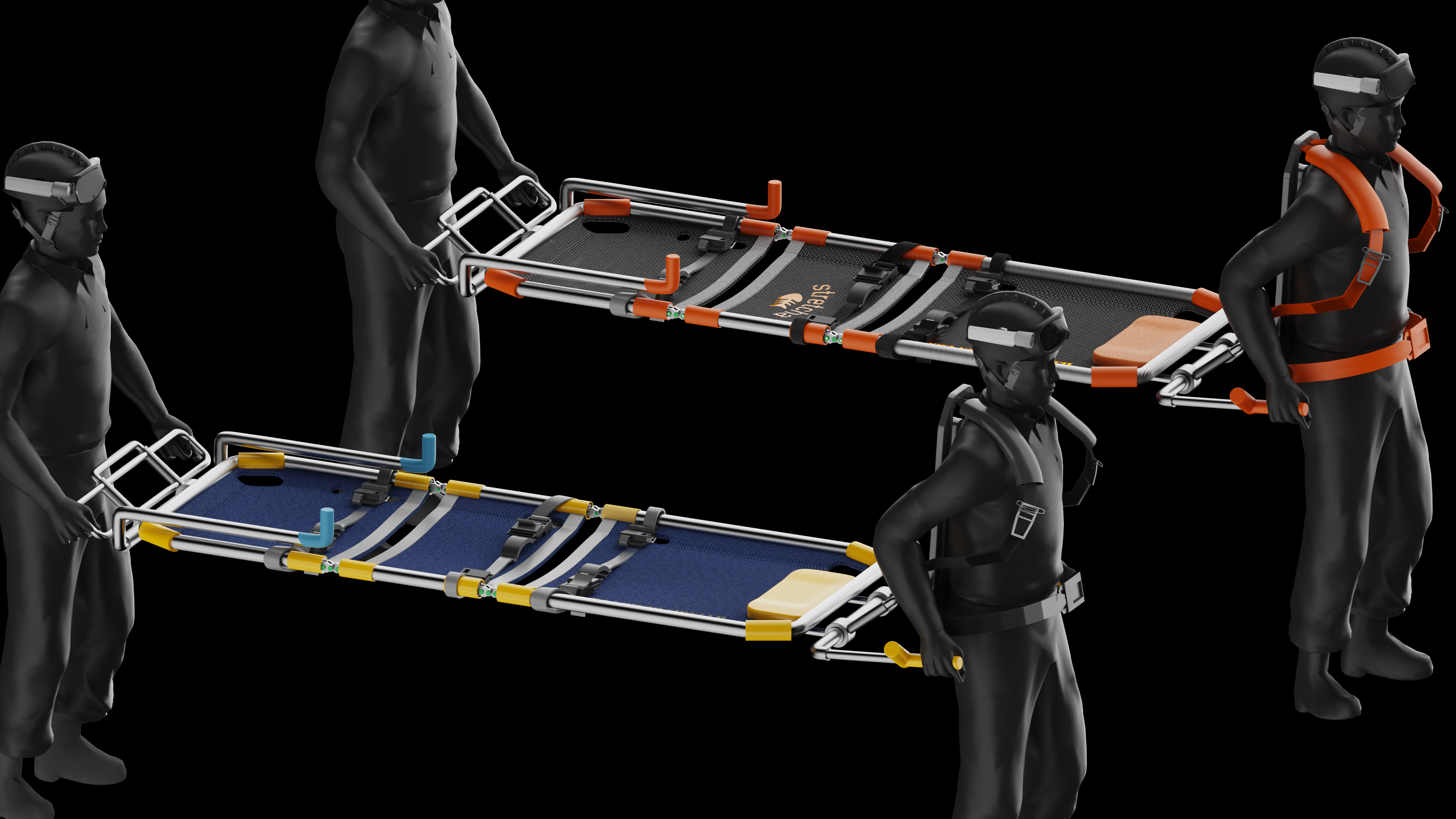
Design Motto: Help the Helpers Move Better.
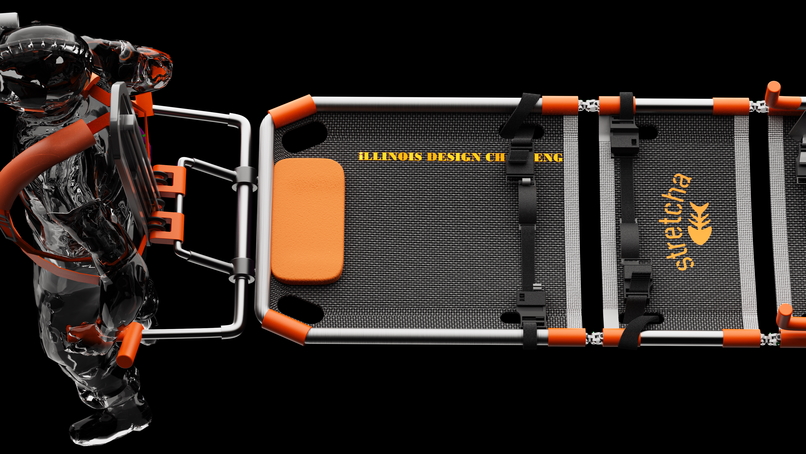
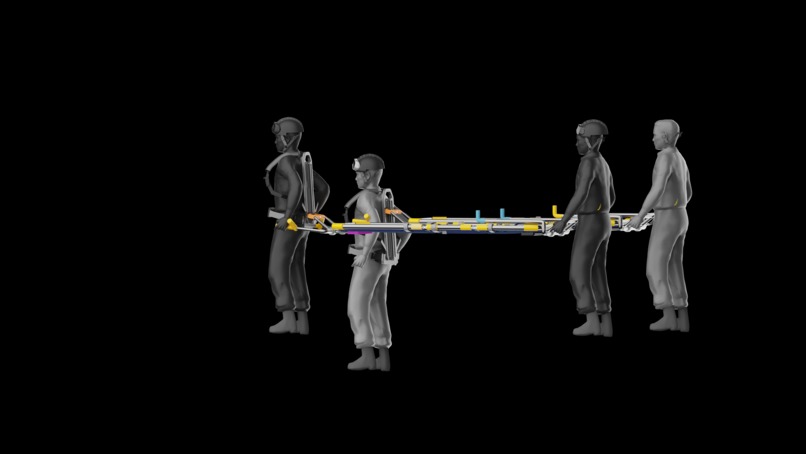
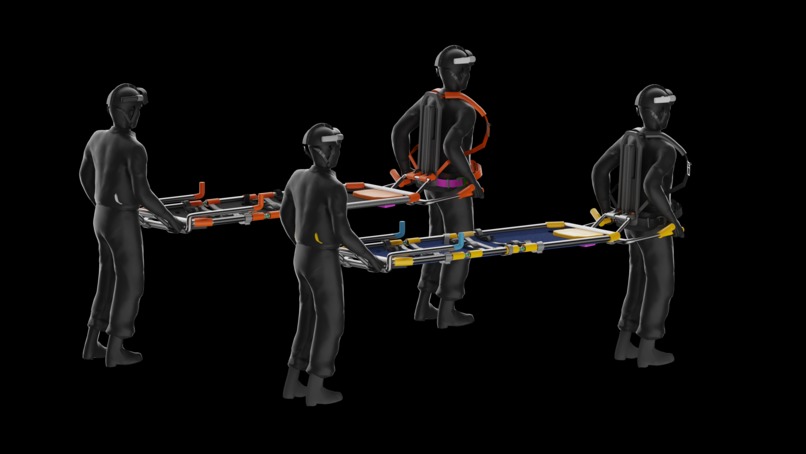
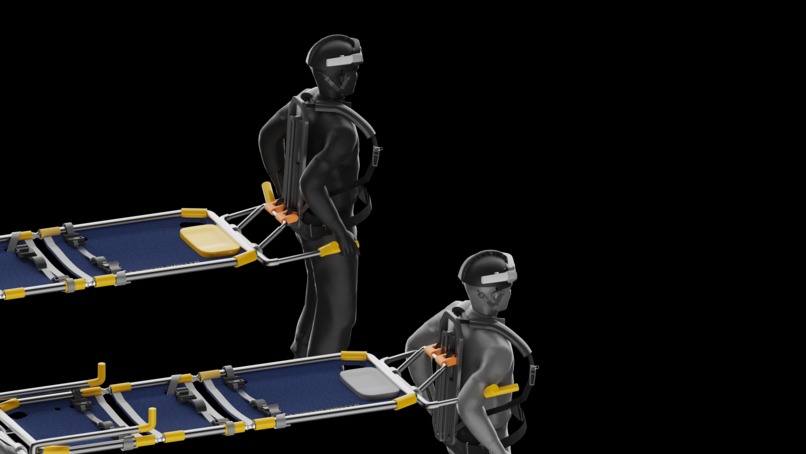
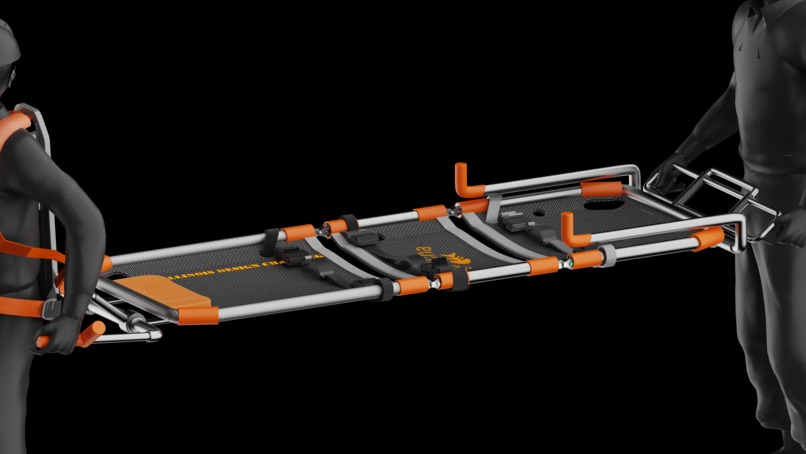
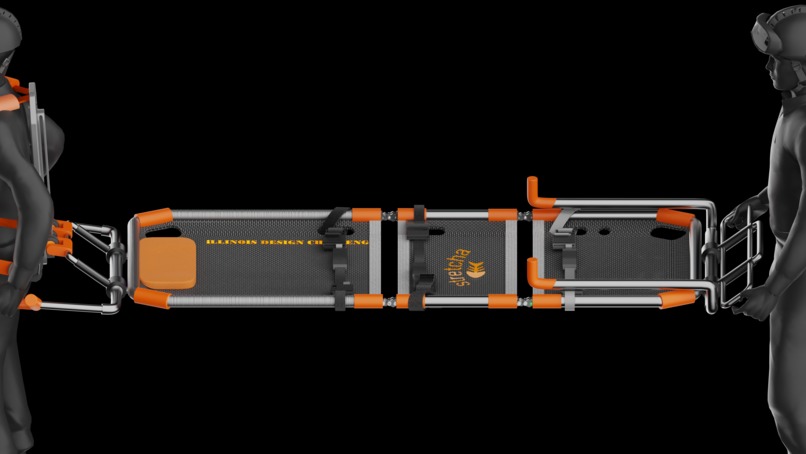
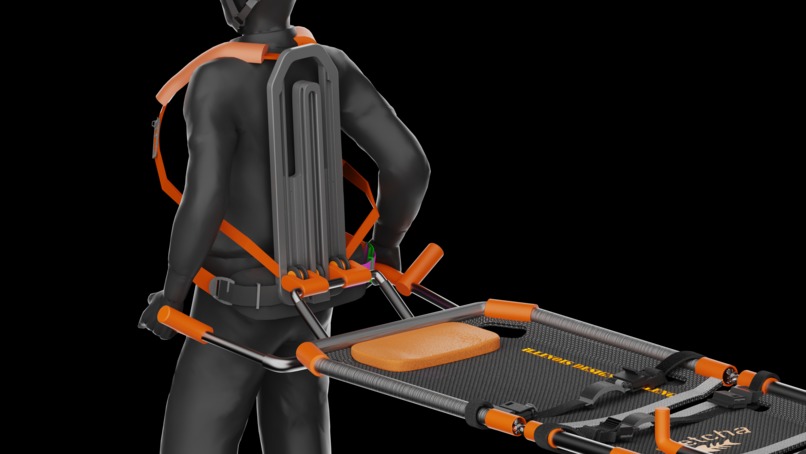
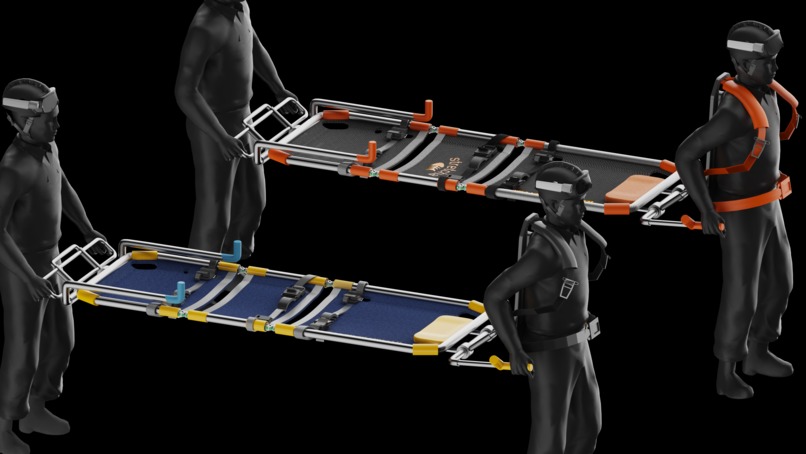
In emergency rescue, safely and swiftly transporting injured individuals through narrow staircases and building corners has long been an unresolved challenge, especially for elders who lives alone in their house Therefore, we designed Stretcha, a modular fishbone stretcher system that flexibly bends to navigate stairway turns, paired with a rescuer’s carrier system to maintain the stretcher level, enhancing both efficiency and safety during transport.
The Problem Addressed & How the Solution Improves First-Responder Safety
Navigating stairwells and narrow spaces with traditional stretchers often forces responders to tilt or twist the patient, increasing the risk of secondary injury and rescuer fatigue. This issue becomes more severe when transporting individuals with fragile bones, limited mobility, or spinal injuries. Stretcha directly addresses these pain points by introducing a bendable, modular frame that conforms to architectural constraints without compromising patient orientation. The integrated level-maintenance system minimizes awkward angles and load imbalances, significantly reducing musculoskeletal strain on responders and ensuring a safer, smoother transport experience.
Target Users and Their Needs
- Firefighters & EMS Crews Maneuverable and sturdy equipment for cramped stairwells
- Volunteer Rescue Teams & Rural Responders Simple assembly and minimal training requirements
- Assisted Living & Nursing Home Staff Equipment design that prioritizes patient comfort and stability
- Hospital & Clinic Transport Teams Compact storage with extendable or bendable functionality for tight corners
Technical Design Features and How They Meet User Requirements
Feature List
- Bio-Inspired Flexibility
- Multiple Usage Modes
- Ergonomic Design
- Usability & Accessibility
1. Bio-Inspired Flexibility
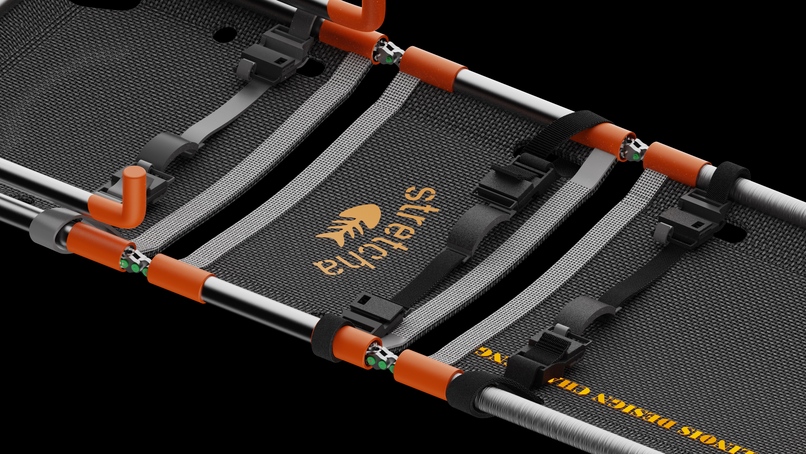
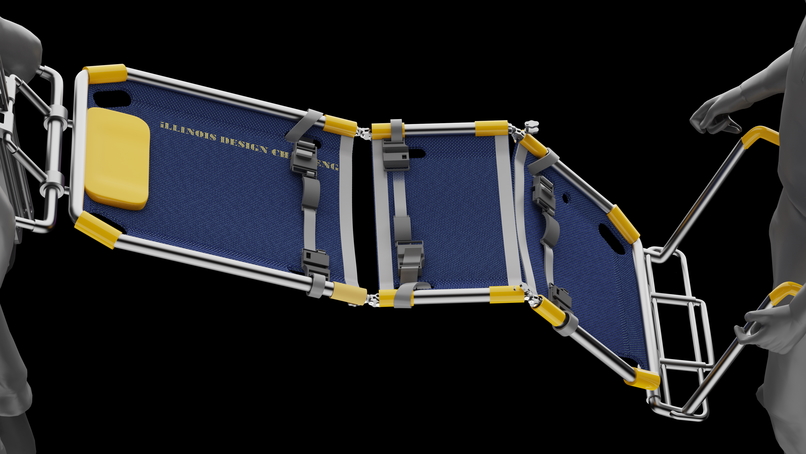
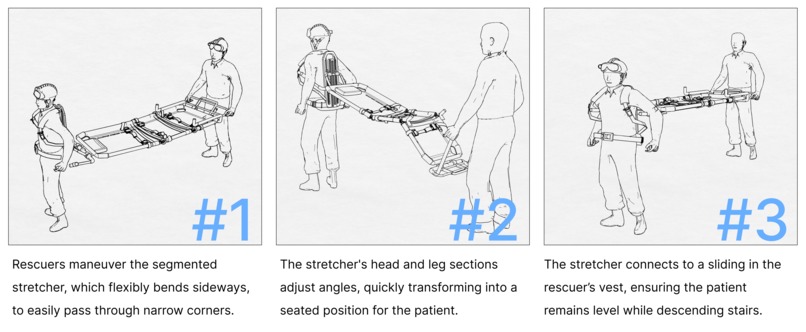
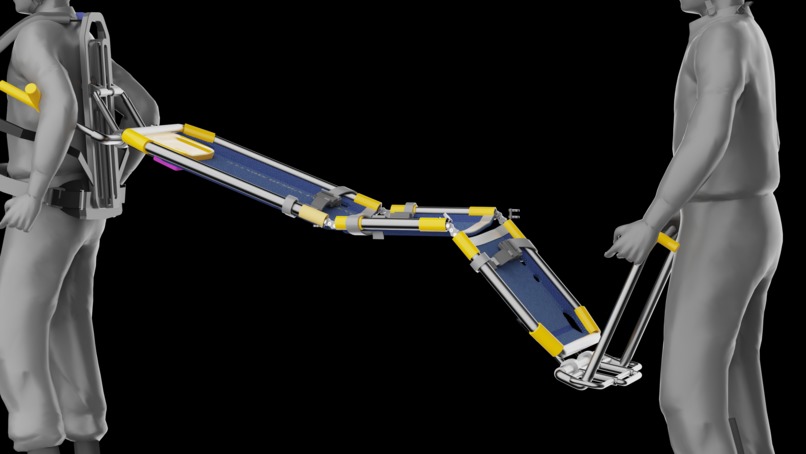
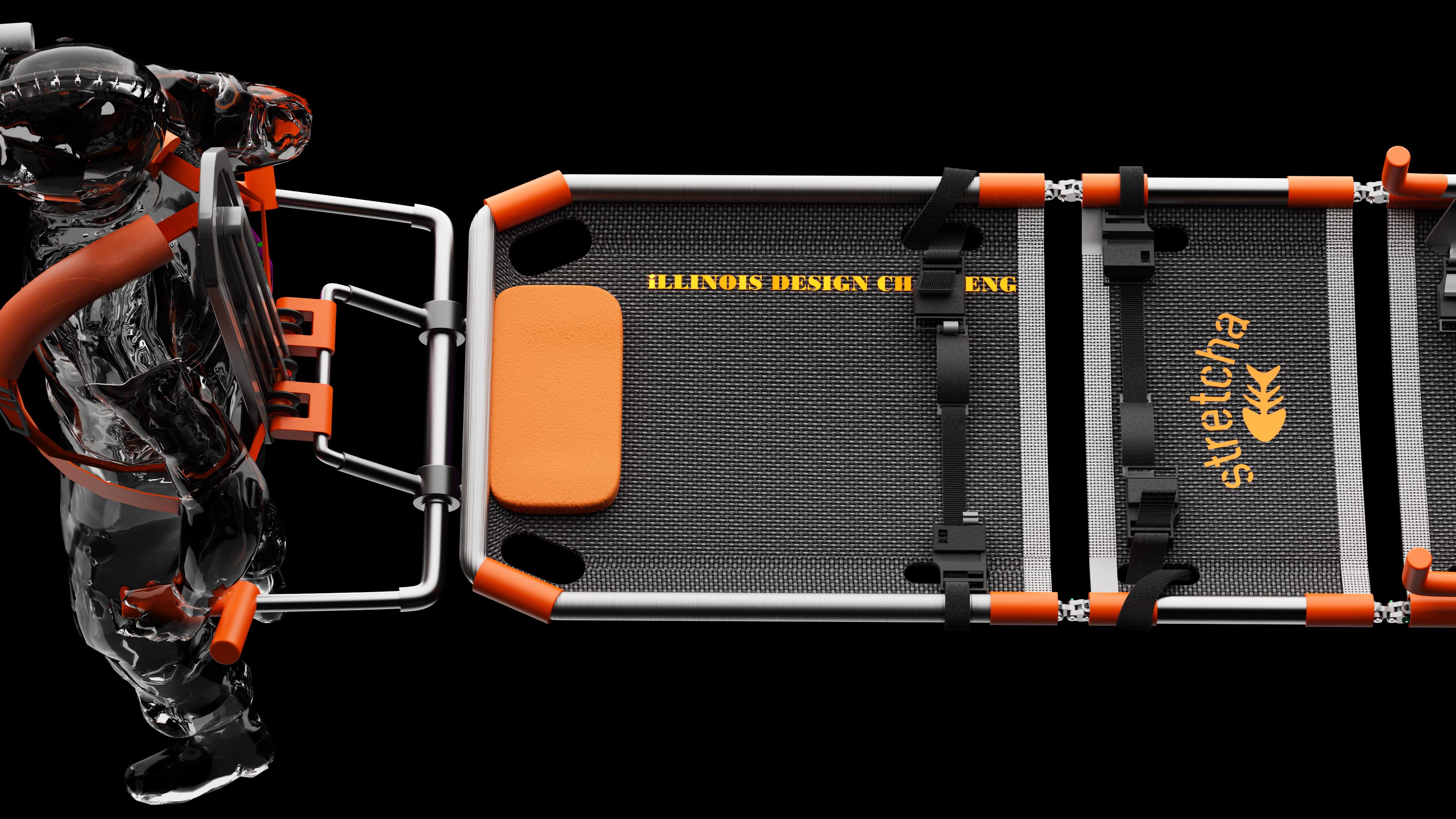
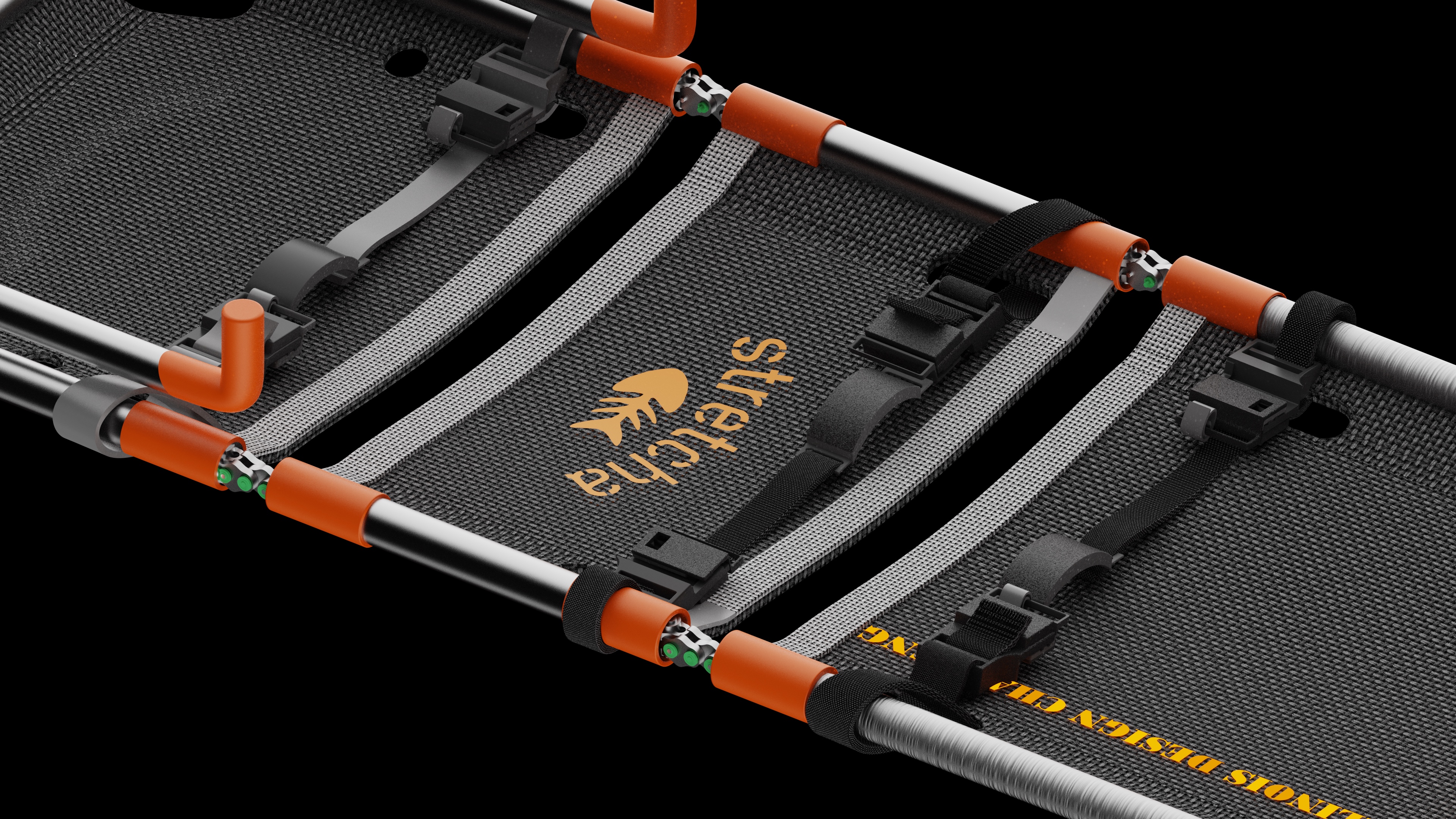
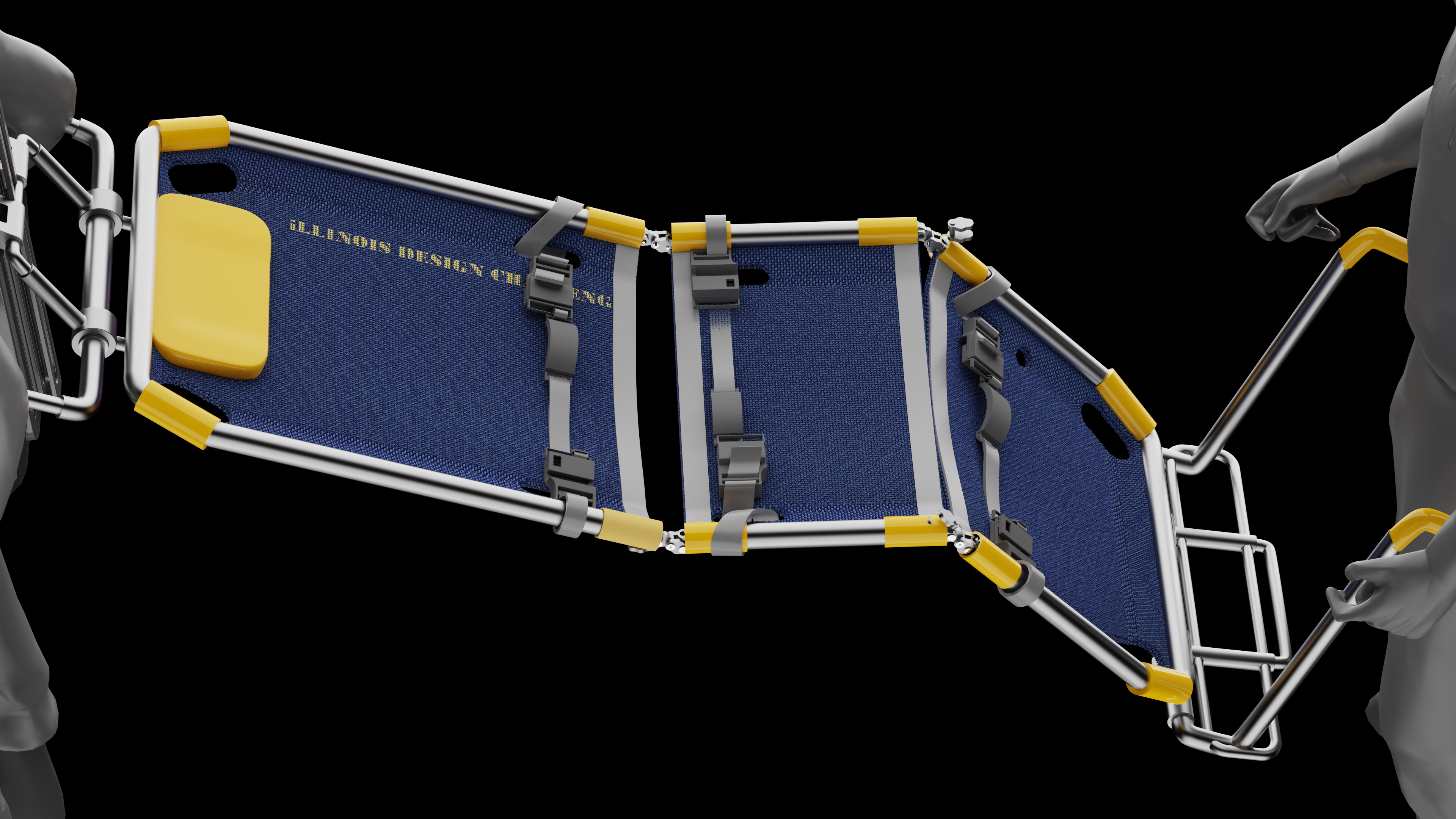
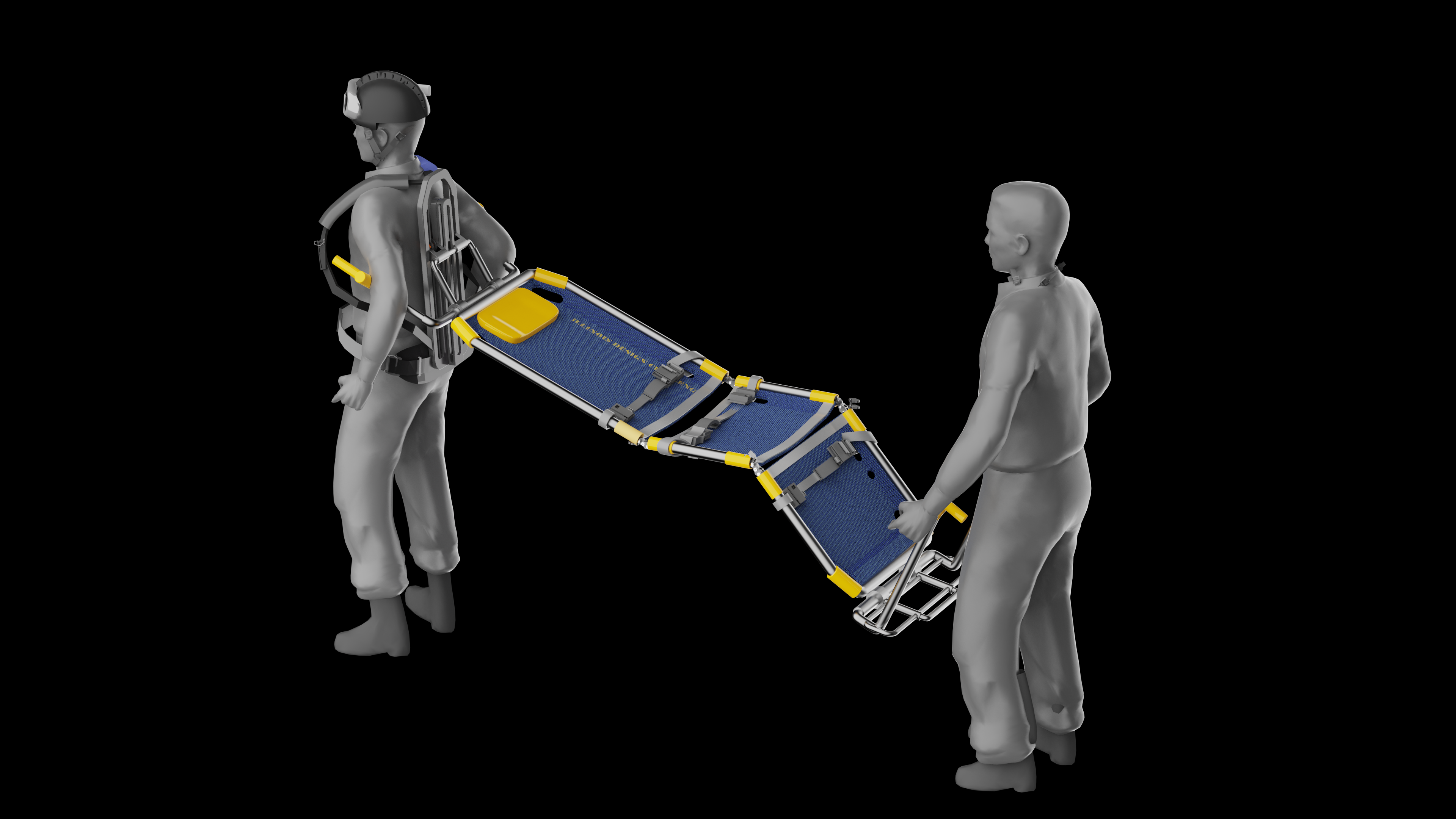
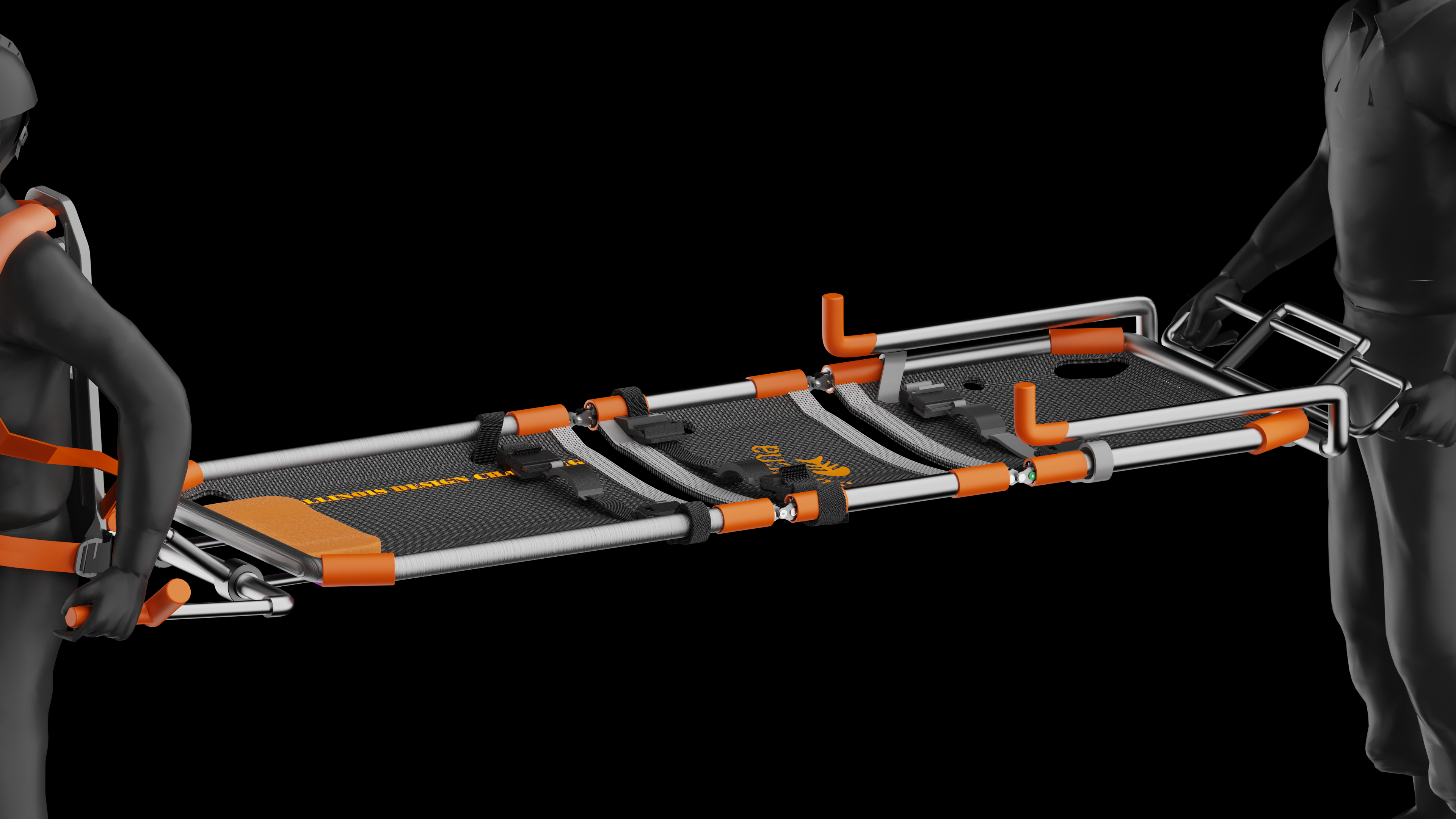
Inspired by fishbone structures, the segmented frame can subtly pivot or “wiggle.” Allows responders to maneuver the stretcher around tight corners, narrow hallways, or winding staircases without tilting the patient, enhancing mobility and reducing risk of collisions or jams in confined spaces.
2. Multiple Usage Modes
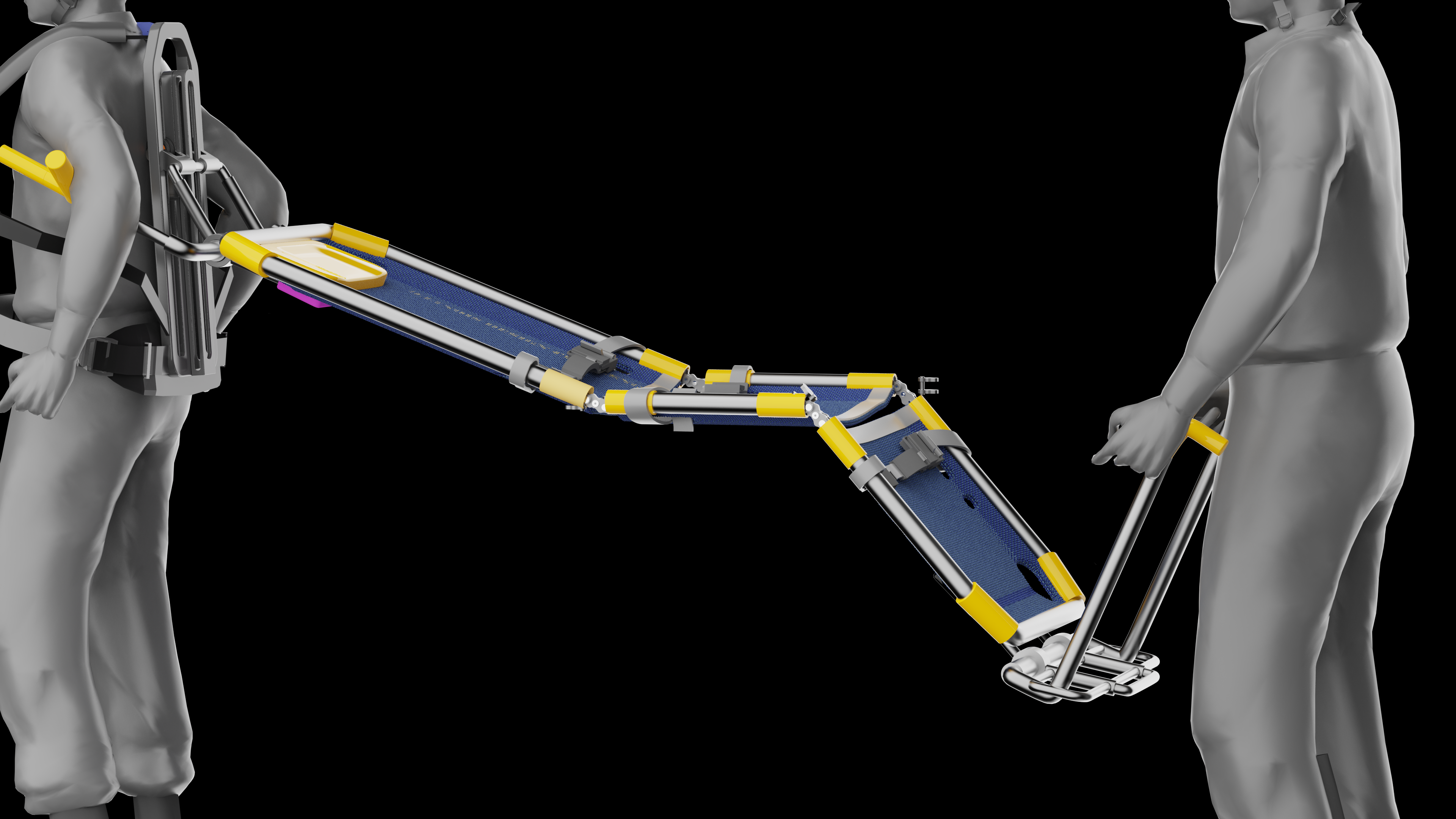
The stretcher can be reconfigured based on the patient’s condition (e.g., spinal precaution, critical injuries) and the environment (e.g., narrow staircase vs. open terrain). Therefore, the stretcher can adapts quickly from a flat-lay carry to partial seated positions or other specialized modes for different rescue scenarios, reducing the chance of secondary injury by always keeping the patient in the safest possible orientation.
3. Ergonomic Design
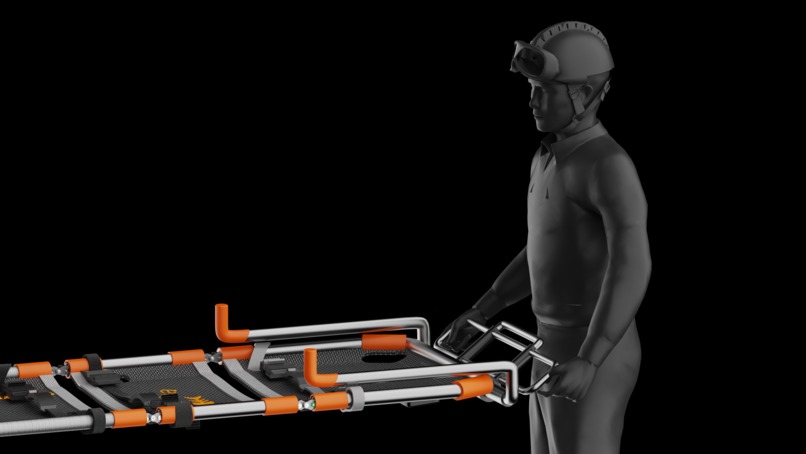
The stretcher features body-contoured padding to support the patient’s natural curves and an ergonomically shaped back-carry/hand-carry system for rescuers. Comfortable padding stabilizes the patient, while properly aligned handle placements minimize back strain for responders. As a result, both patient and responders experience less fatigue and stress, improving overall safety and efficiency during transport.
4. Usability & Accessibility
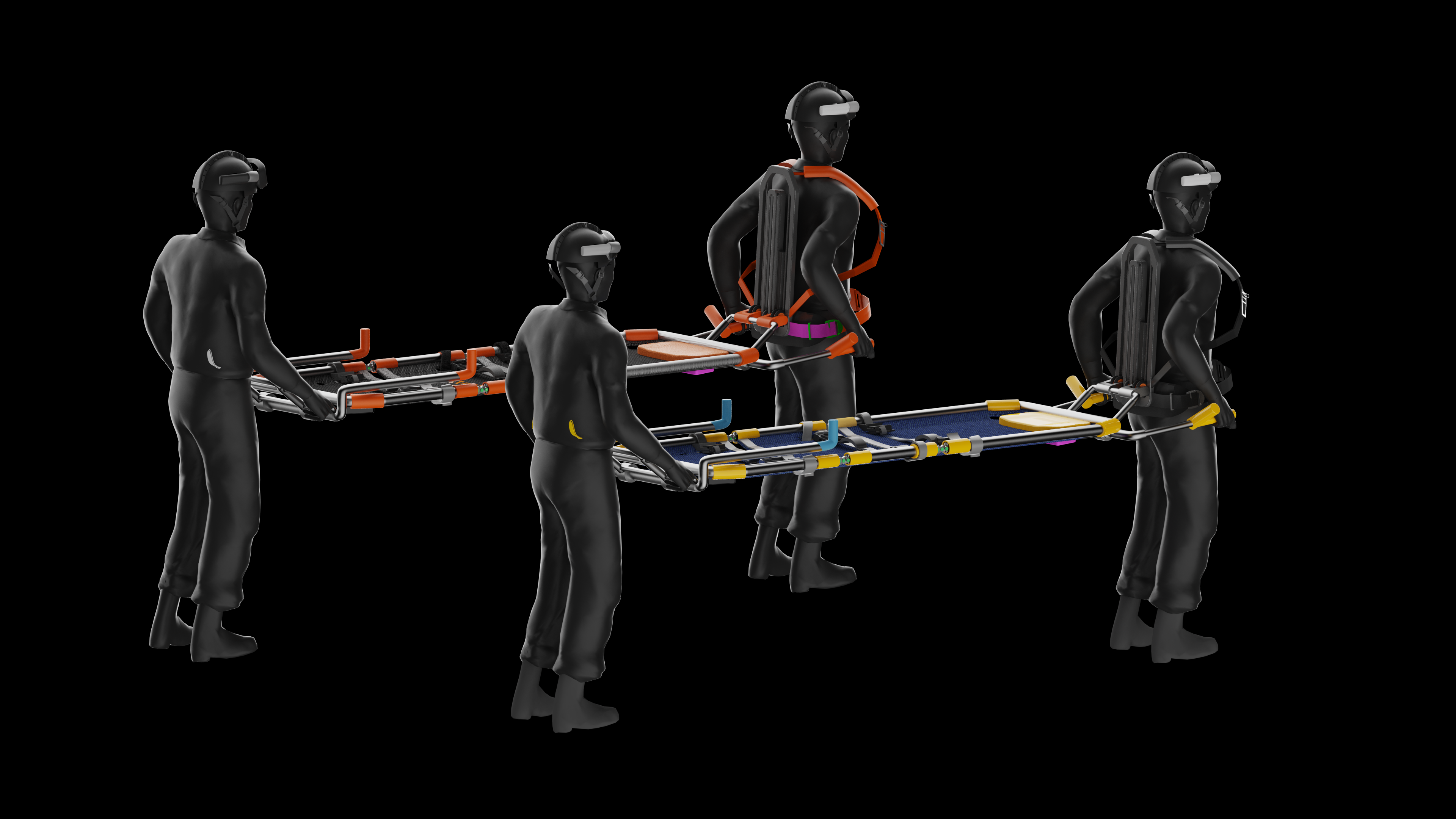
Through careful CMF choices and streamlined structural design, the stretcher remains cost-effective and lightweight. Low weight reduces the physical burden, while intuitive visual cues (color coding or simple locking mechanisms) help responders learn and operate the system quickly. A user-friendly device that can be deployed in a matter of seconds, even under stressful emergency conditions, ultimately improving rescue outcomes and resource allocation.
Major Iterations and Design Inspirations.
Identifying the Cornering Challenge We began by observing how conventional stretchers struggle to maneuver around tight corners or narrow stairwells. This insight highlighted the need for a design that can adapt to confined or winding architectural layouts often found in older buildings.
Bio-Inspiration: The Fish Bone Concept Inspired by the segmented yet flexible structure of fish bones, we devised an approach that allows the stretcher to pivot at multiple points. Just as fish move smoothly through varying aquatic environments, a flexible framework can “snake” around obstacles without compromising patient stability.
Initial Single-Axis Flexibility Our first prototype focused solely on bending along one axis—enough to navigate around corners. This was effective for turning in small spaces but did not address the varying postural needs of different patient injuries.
Persona-Driven Insights By creating user personas, we realized that lying a patient flat can sometimes cause secondary harm—for instance, certain leg injuries require keeping the leg elevated. This discovery prompted us to move beyond single-axis movement and explore a more versatile stretcher capable of accommodating multiple transport modes and postural adjustments.
Expanding to Three-Dimensional Flexibility We enhanced our design to flex in three dimensions. This feature allows rescuers to configure the stretcher for seated, partially reclined, or elevated-leg positions, meeting a broader range of medical scenarios (e.g., lower-limb trauma, spinal concerns).
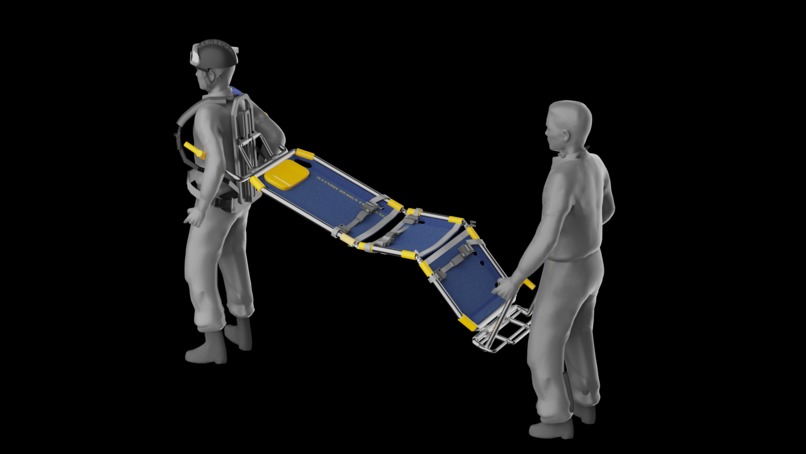
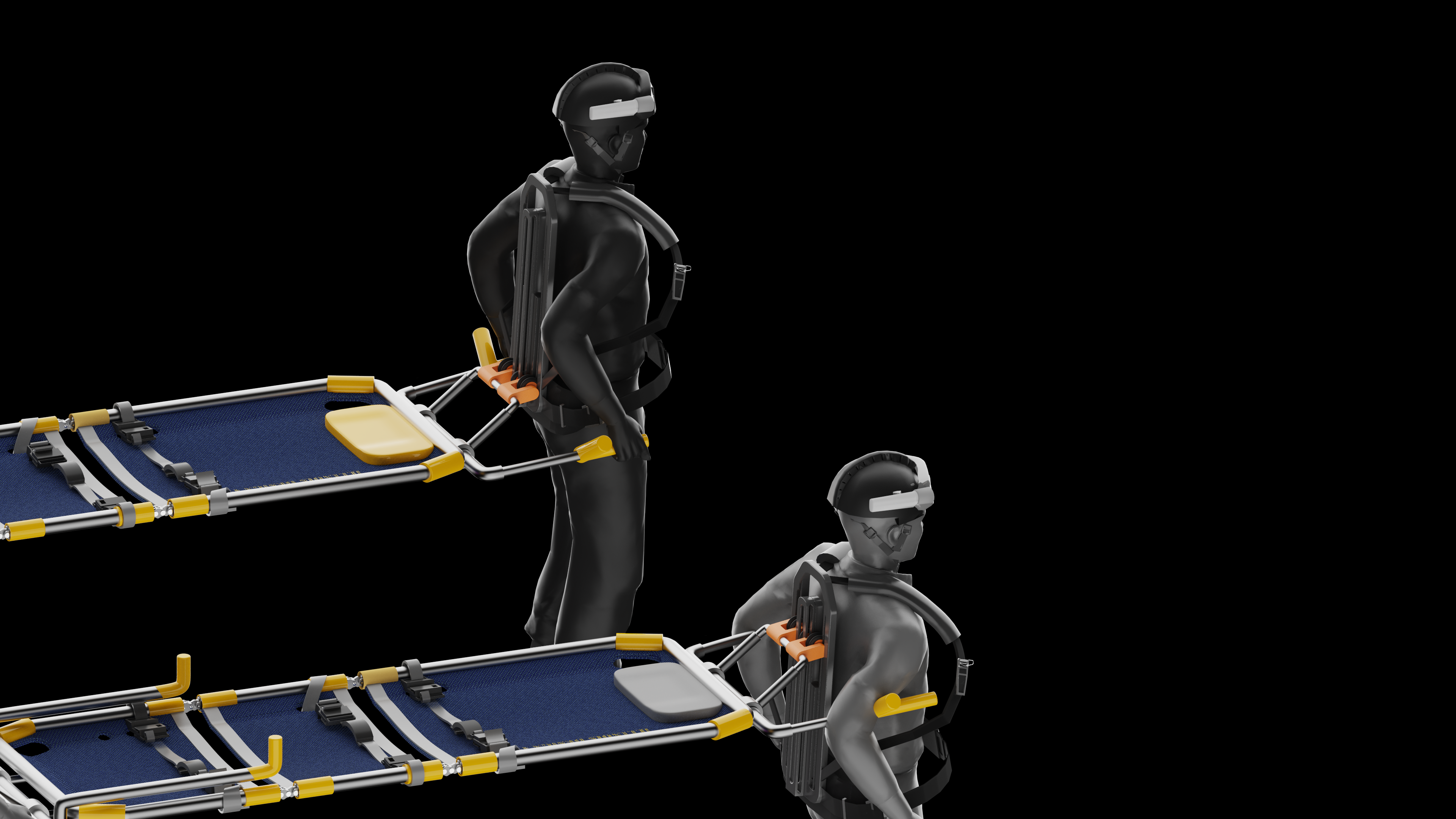
Addressing Horizontal Stability Through field simulations, we found that maintaining a strictly horizontal orientation is challenging when descending stairs—especially for the rescuer at the lower end. To resolve this, we integrated a pulley system that keeps the stretcher level, minimizing jarring or tilting that could exacerbate a patient’s injuries.
Adjustable Ergonomic Handles Finally, to accommodate rescuers of different heights and lifting preferences, we added adjustable handles. This ergonomic detail eases strain on responders, increasing comfort and control while navigating unpredictable rescue environments.
Accomplishments That We're Proud Of
Accelerated Research & Iteration We leveraged online resources and academic papers to quickly gather relevant user insights and design considerations. By refining our ideas based on these continuous findings, we were able to develop a more comprehensive and user-centered solution in a relatively short timeframe.
Ergonomics-Driven Design Through analyzing anthropometric data and human-body ratios, we ensured that every dimension and pivot point of the stretcher would support both patient comfort and rescuer safety. This human-centered approach allows the stretcher to conform to tight spaces without sacrificing stability or patient well-being.
Three-Dimensional Linkage Structure Our proudest achievement is the creation of a unique linkage mechanism that flexes in three dimensions. This innovation allows the stretcher to bend around corners and navigate staircases while maintaining structural stability—combining agility with reliability in challenging rescue scenarios.
User Story / Walkthrough on How the Solution Is Used in Real Scenarios
The following is a short walkthrough of everyday usage of Stratcha:
1. Emergency Call & Arrival
Late in the evening, a medical emergency is reported in a loft apartment with a notoriously tight staircase and cramped corridors. Two first responders arrive on scene to find an older adult with a suspected hip injury, lying on the floor.
2. Assessment & Preparation
After a quick examination, the responders decide to use their segmented, flexible stretcher. Recognizing the limited space and the patient’s pain, they configure the stretcher’s sections to allow for minimal movement of the hip area. They also prepare the sliding mount system, which attaches to one responder’s harness to keep the stretcher level when descending steps.
3. Securing the Patient
Carefully, they slip the stretcher beneath the patient, adjusting the ergonomic padding to support her injured hip and elevate her legs slightly for circulation. The patient is then strapped in place, ensuring no further shifting or twisting of her lower body.
4. Navigating the Tight Corridor
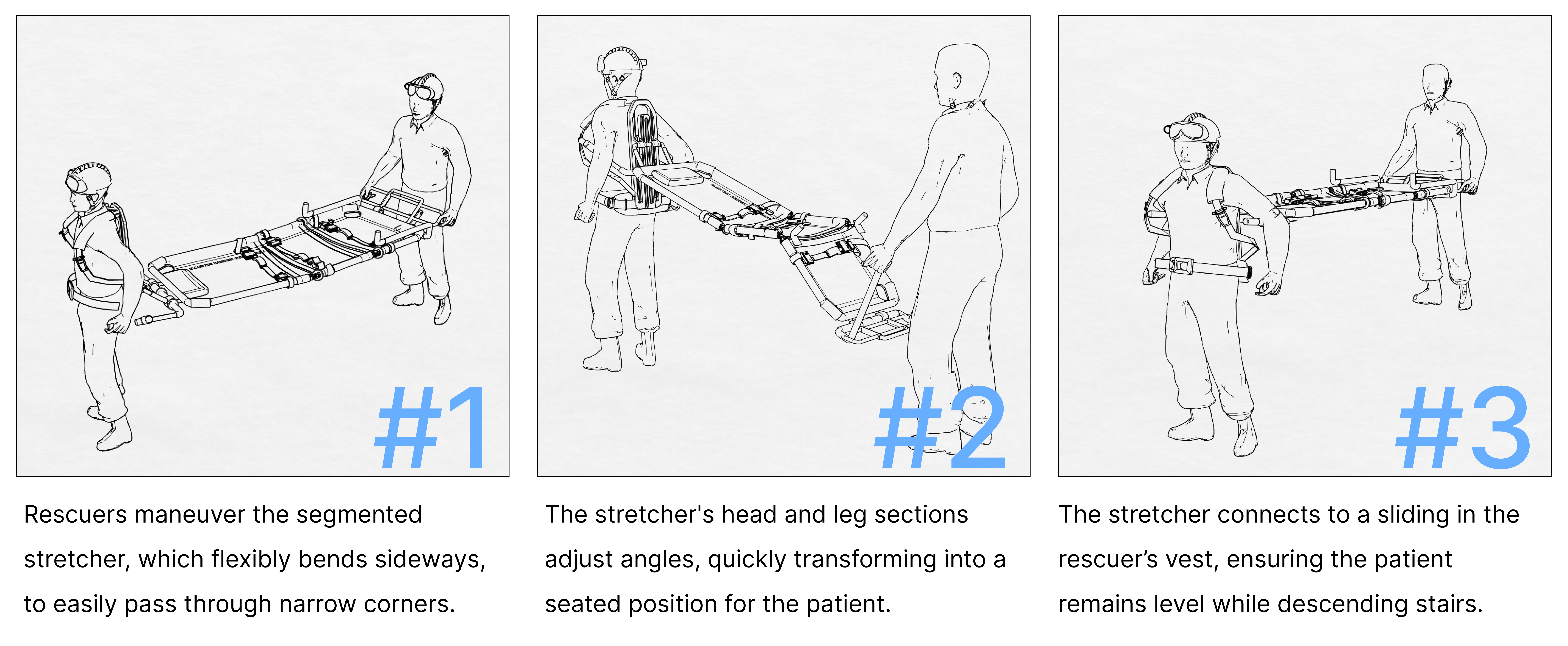
As shown in the picture, the responders guide the stretcher around a sharp corner using its fishbone-inspired pivot points—one at the head section and another near the middle. These pivot points allow the stretcher to bend side-to-side, avoiding direct collisions with the hallway walls and making the turn in one smooth motion.
5. Descending the Stairs
At the stairwell, the first responder locks the front end of the stretcher into the pulley-like mount on their vest. This mechanism keeps the patient in a horizontal position, even as the rescuer moves down step by step. Meanwhile, the second responder at the rear end provides balance and secures the patient’s head and shoulders.
6. Safe Exit & Transfer
Once they reach the ground floor, the stretcher quickly reverts to a more standard, rigid form for easier movement across flat surfaces. The responders load the patient into the waiting ambulance, knowing they minimized the risk of secondary injury thanks to the stretcher’s flexible design.
Real-World Feasibility, Including Manufacturability and Materials Used CMF
Stretcha is designed with real-world production and field durability in mind, using materials chosen for their strength, weight, and affordability in emergency settings.
- The main structural frame is built from Aluminum Alloy 6061 (~$50–$80), known for its excellent strength-to-weight ratio and corrosion resistance—ideal for both indoor and outdoor rescue scenarios.
- Segmented connectors and hinges, made from stainless steel or high-strength engineering plastic (~$10–$15 per set), allow the fishbone-inspired structure to flex smoothly while enduring repeated stress without deformation.
- For patient comfort, the padding system uses high-density foam encased in tear-resistant nylon or faux leather (~$20 per segment), offering both support and easy sanitation in high-turnover environments.
- The back support system, made from Kevlar or high-performance polyester fibers (~$15), distributes weight effectively across the rescuer’s body, reducing physical strain during stair descent.
- The wheel system, with industrial-grade rubber tires and metal bearings (~$25 per set), ensures stable, level rolling performance—especially critical when navigating stairs with fragile patients.
- Quick-release stainless steel buckles (~$5 each) enable fast, secure strapping and rapid disassembly, which is vital under time-sensitive conditions.
- Lastly, auxiliary fasteners such as stainless steel screws and connectors (~$10 total) maintain structural integrity under dynamic loading, enhancing both safety and product longevity.
Together, these materials support a cost-effective, manufacturable, and highly functional design tailored for diverse rescue environments—from urban apartments to rural clinics.
Future Improvements and Next Steps
Comprehensive User Guide While our current design already demonstrates high feasibility, a thorough step-by-step guide is essential for real-world implementation. Because the stretcher offers multiple degrees of freedom, proper training is necessary to prevent misuse that could inadvertently harm patients. Developing a concise but detailed manual and corresponding quick-reference materials would reduce errors and increase confidence for first-time users.
Expanded User Research To avoid design blind spots or false assumptions, we plan to gather more user interviews and field observations. These interactions will help validate existing features, uncover additional user requirements, and reveal opportunities for further enhancements. By ensuring our solution aligns with real needs—both stated and unstated—we can optimize the stretcher’s performance in a wide variety of emergency scenarios.
References
National Institute for Occupational Safety and Health. (2021). Emergency Medical Services Workers: Injuries and Fatalities. https://www.cdc.gov/niosh/topics/ems/
Smith, R. & Patel, J. (2019). "Ergonomic Challenges in Emergency Patient Transport." Journal of Prehospital Emergency Care, 23(2), 145–153. https://doi.org/10.1080/10903127.2018.1542470
Lee, A., Huang, M., & Torres, N. (2020). "Biomimicry in Product Design: Flexible Structures for Medical Applications." Design Science & Technology Review, 12(4), 78–89.
American Red Cross. (2022). Guidelines for Safe Patient Handling and Transport. https://www.redcross.org
Johnson, L., & Mehta, K. (2018). "Human-Centered Design for Low-Resource Healthcare Settings." Design for Health, 2(1), 34–50. https://doi.org/10.1080/24735132.2018.1428034
World Health Organization. (2020). Injury Prevention and Control in Aging Populations. https://www.who.int/ageing/publications
Built With
- 3ds-max
- keyshot
- rhinoceros


Log in or sign up for Devpost to join the conversation.