-
-
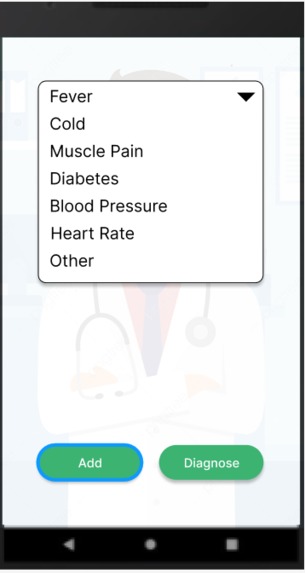
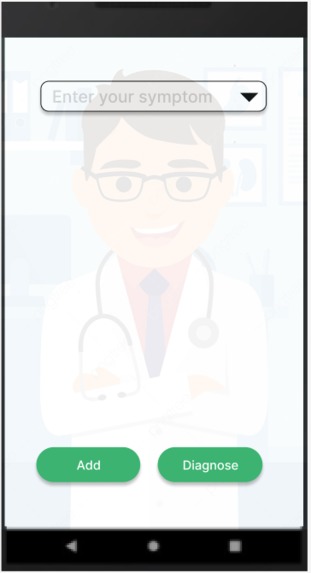
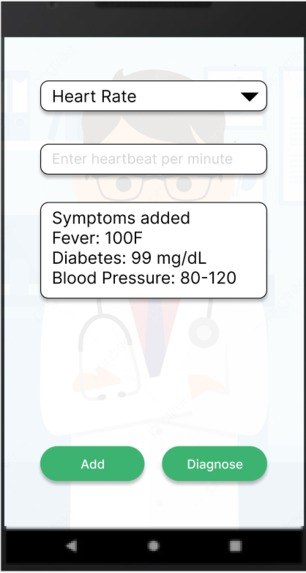
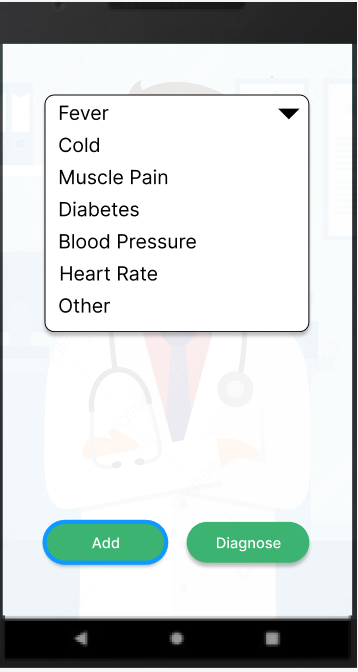
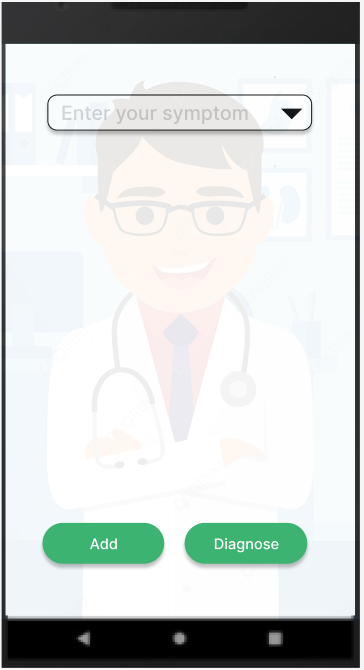
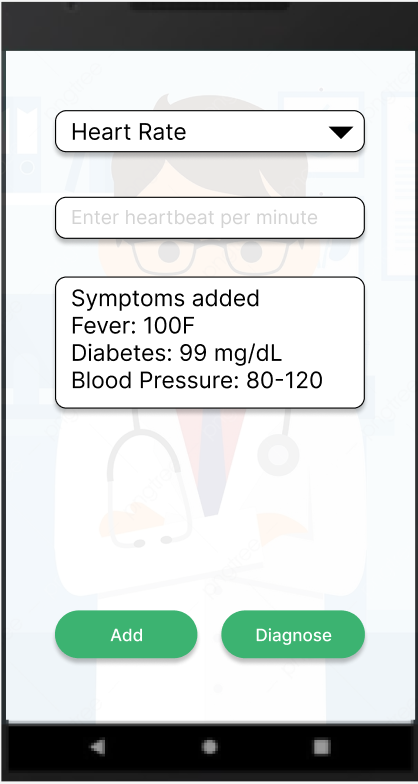
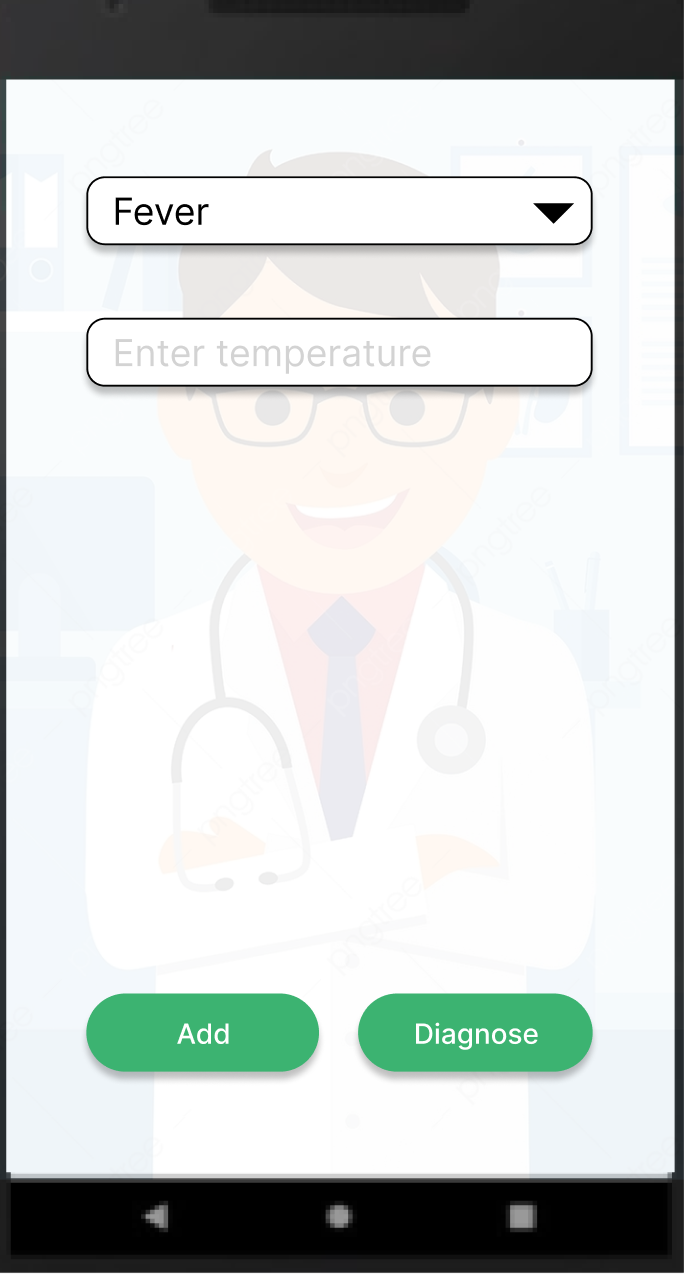
Entering symptoms page
-
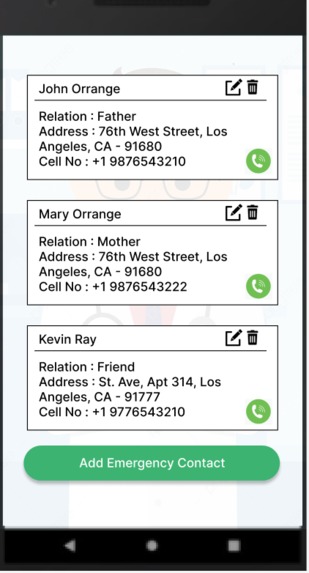
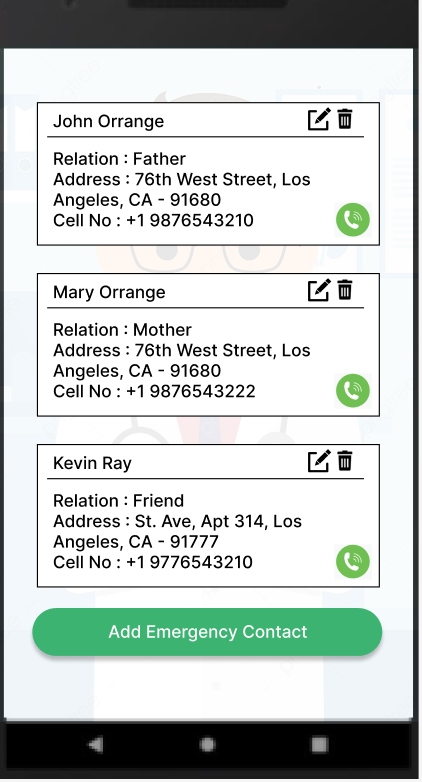
Emergency Contacts list page - User can modify or delete the emergency contacts here
-
-
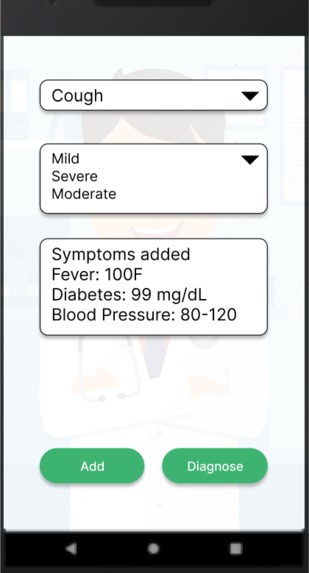
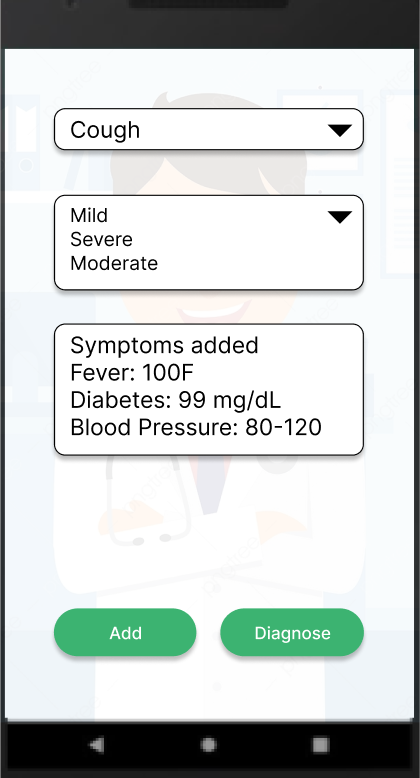
Adding cough symptom
-
-
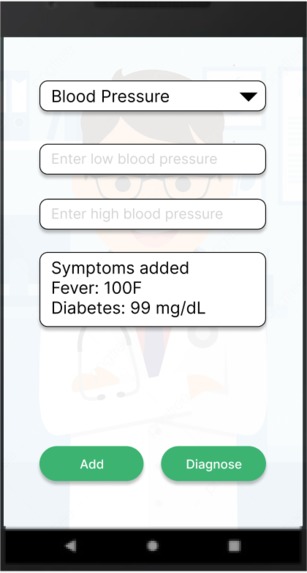
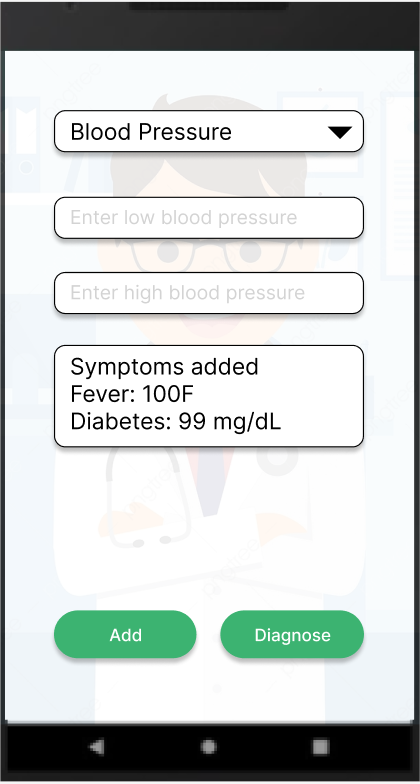
Screen for user to adding blood pressure symptom
-
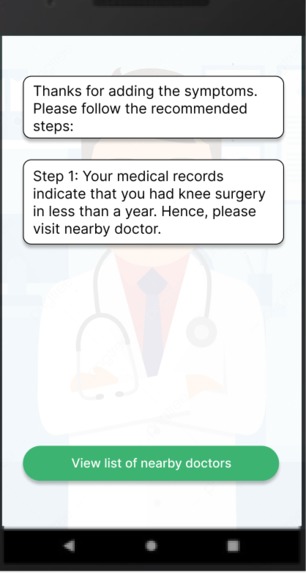
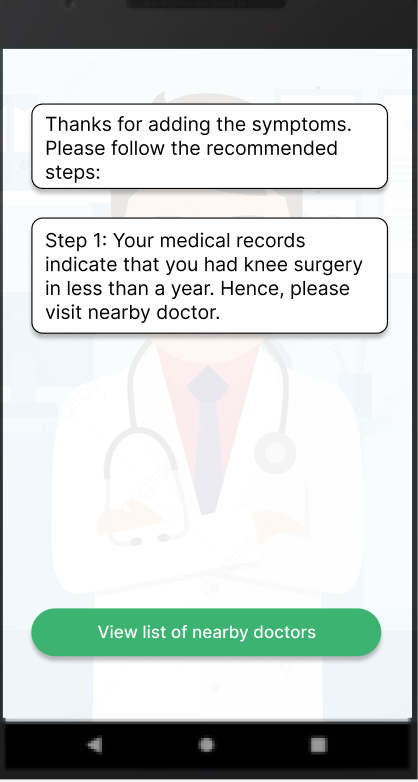
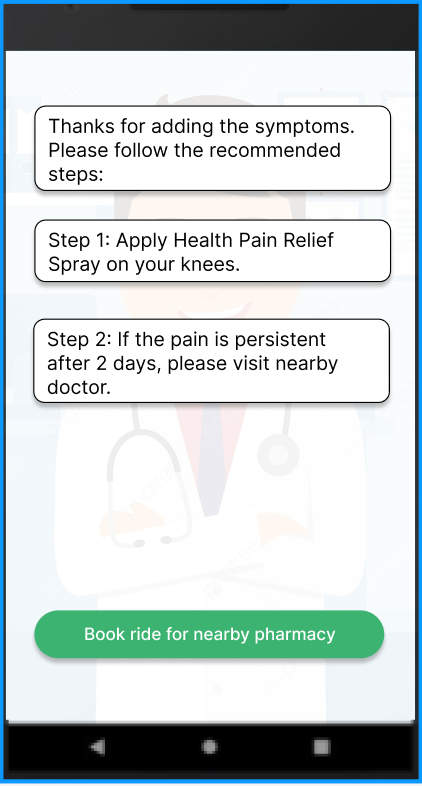
Recommended diagnosis for a user having knee pain and history of knee surgery in less than a year.
-
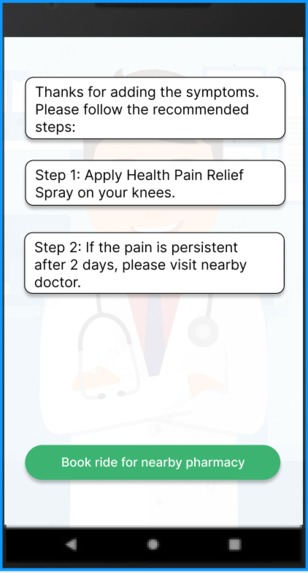
Recommended diagnosis for a user having knee pain with no history.
-
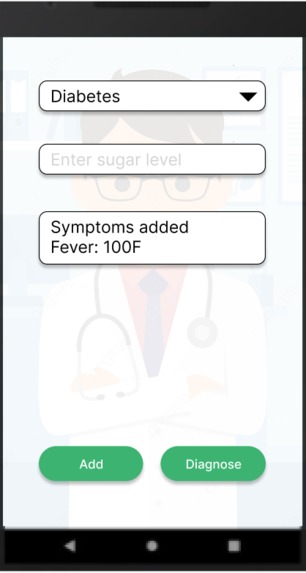
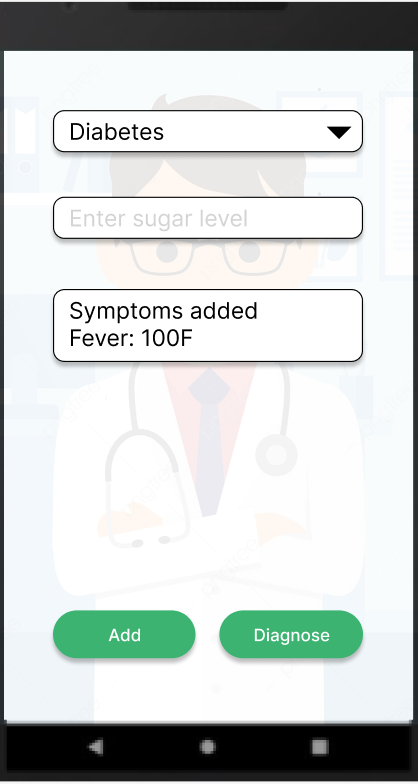
Adding diabetes symptom
-
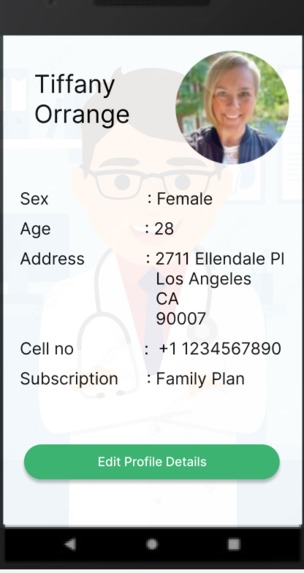
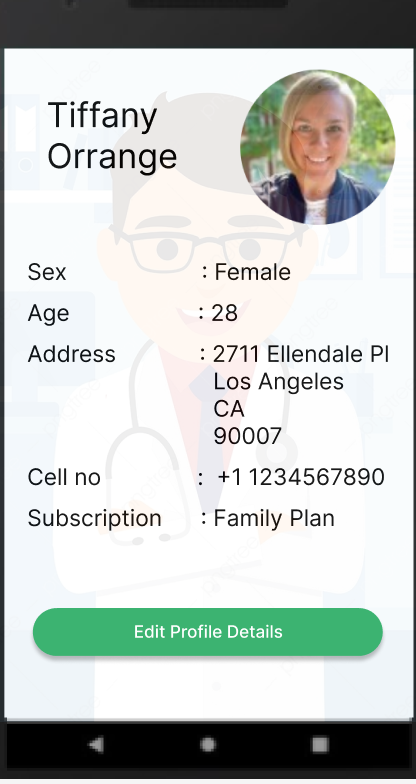
Profile page for user
-
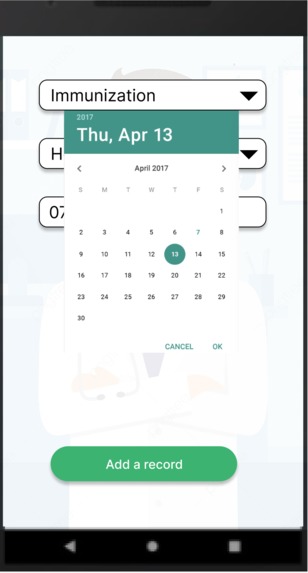
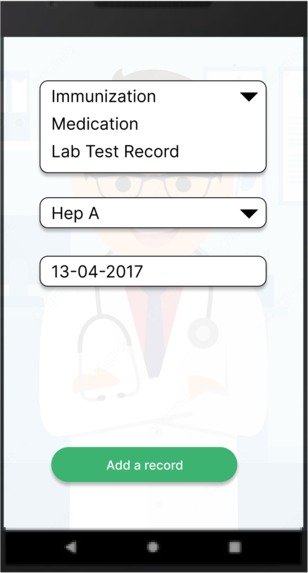
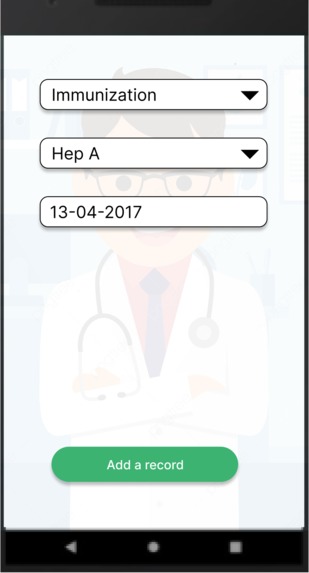
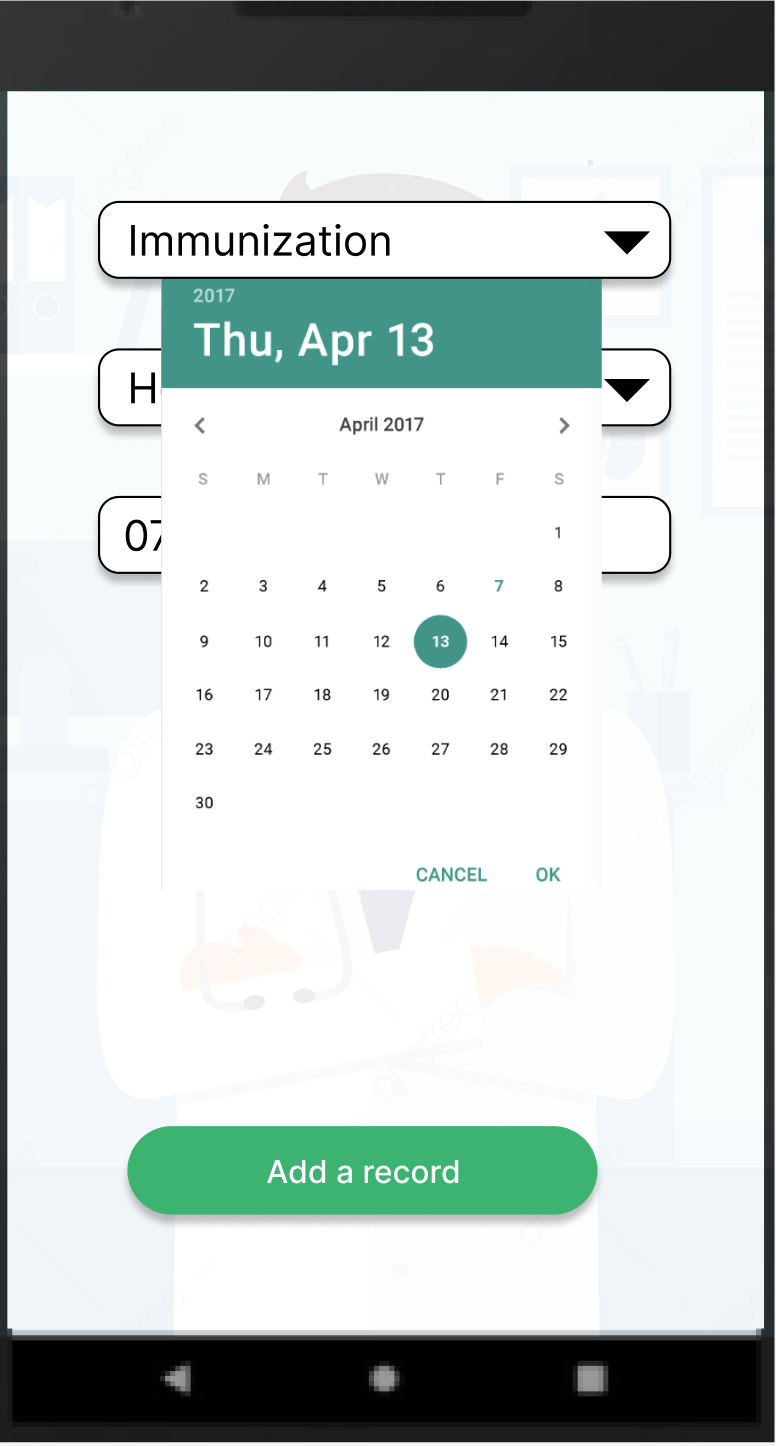
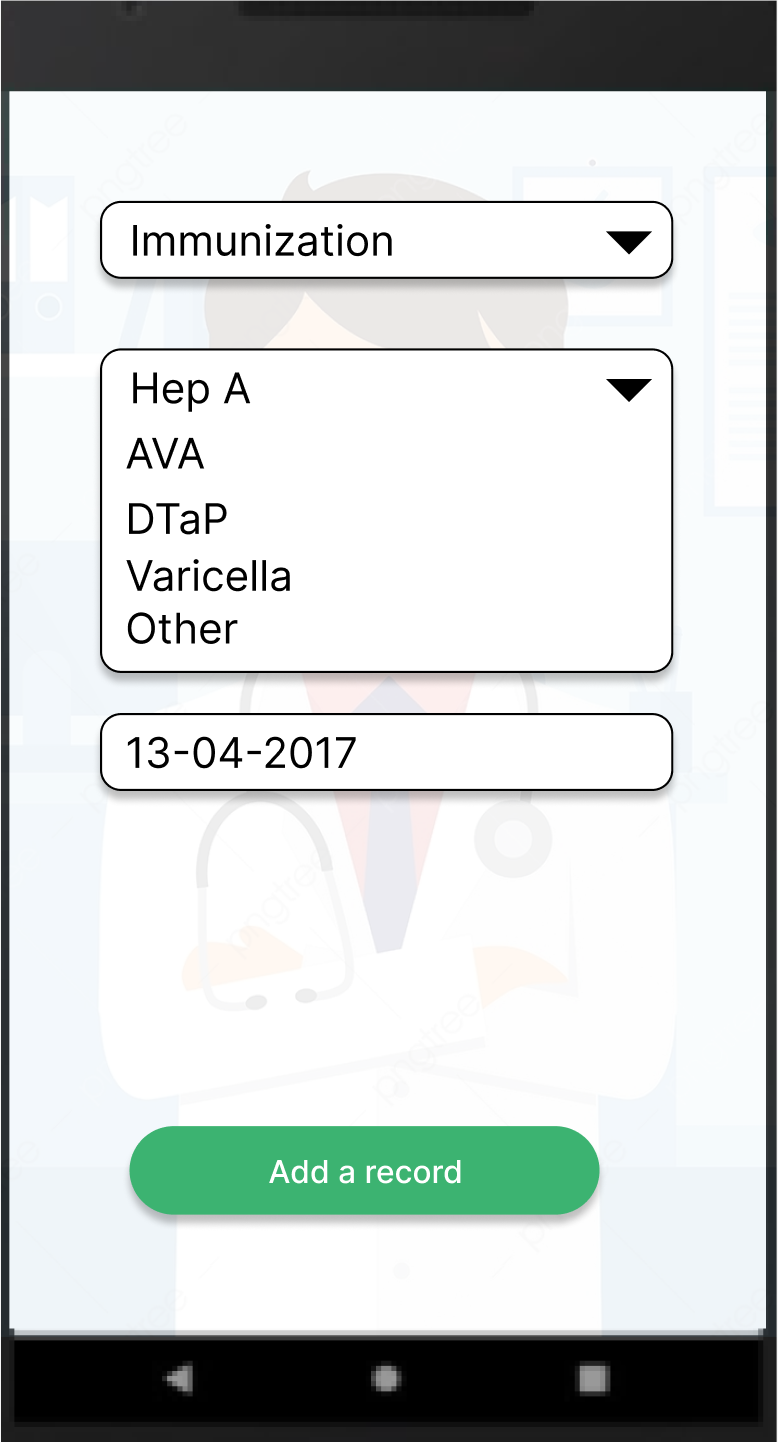
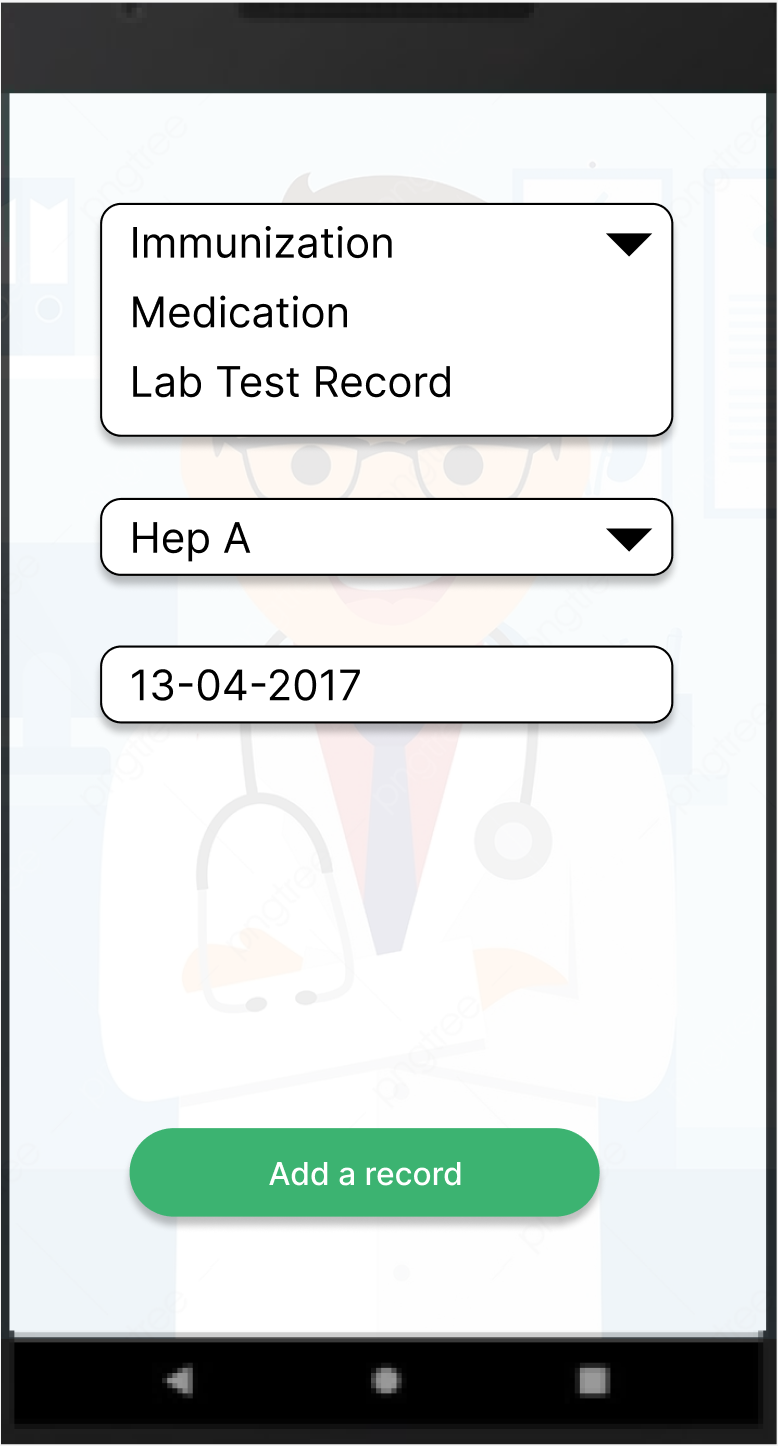
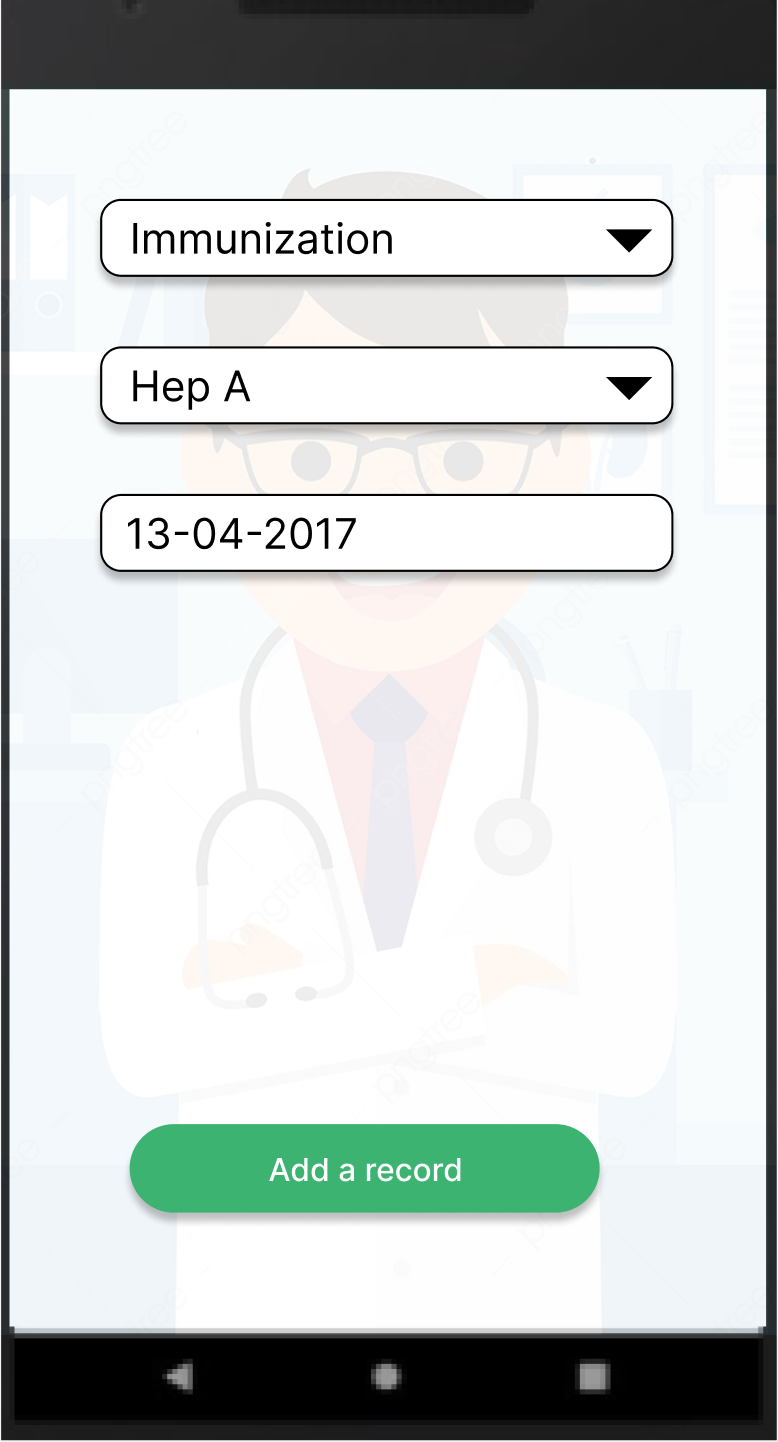
Selecting date on which immunization was received
-
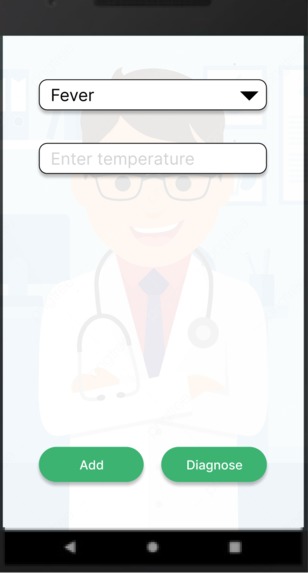
-
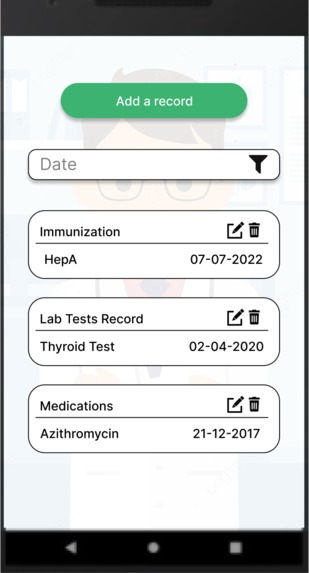
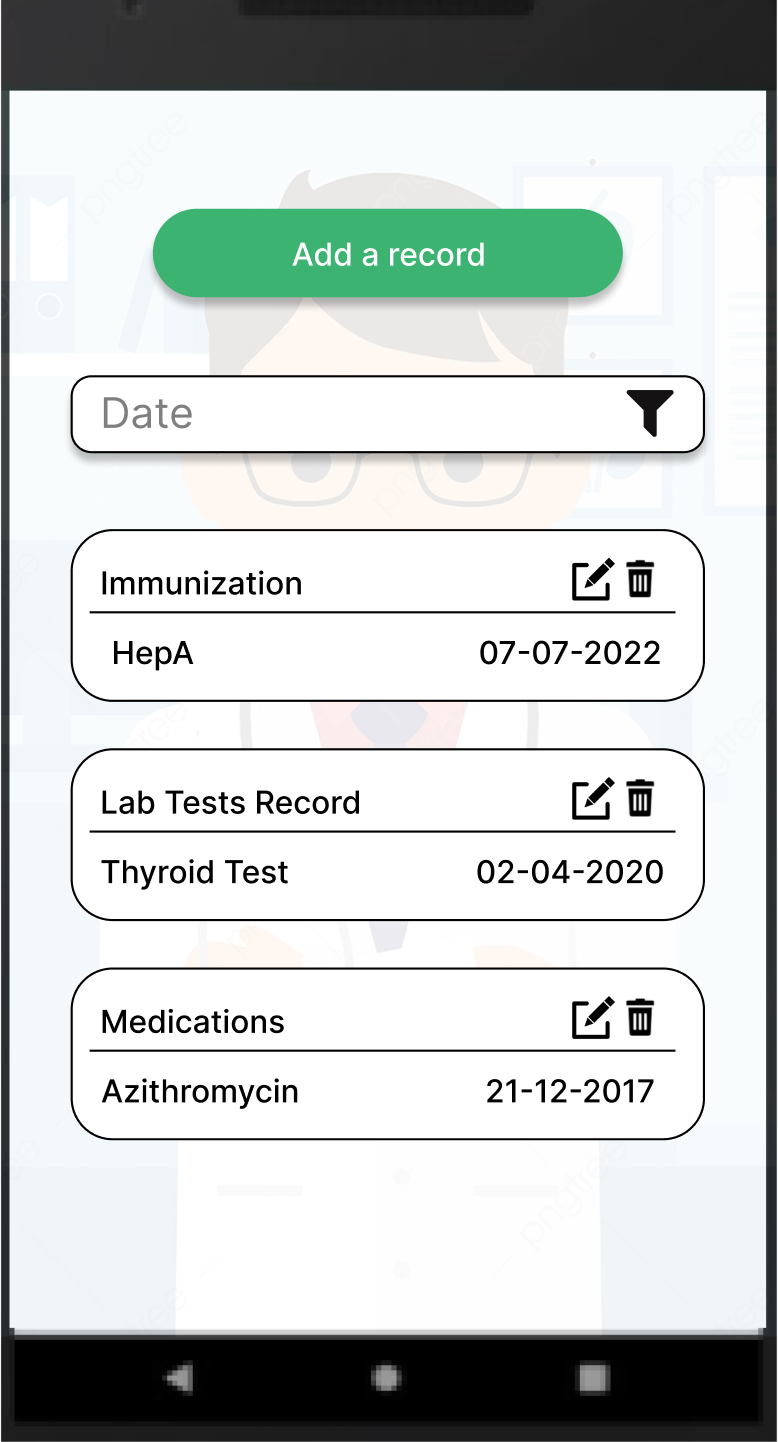
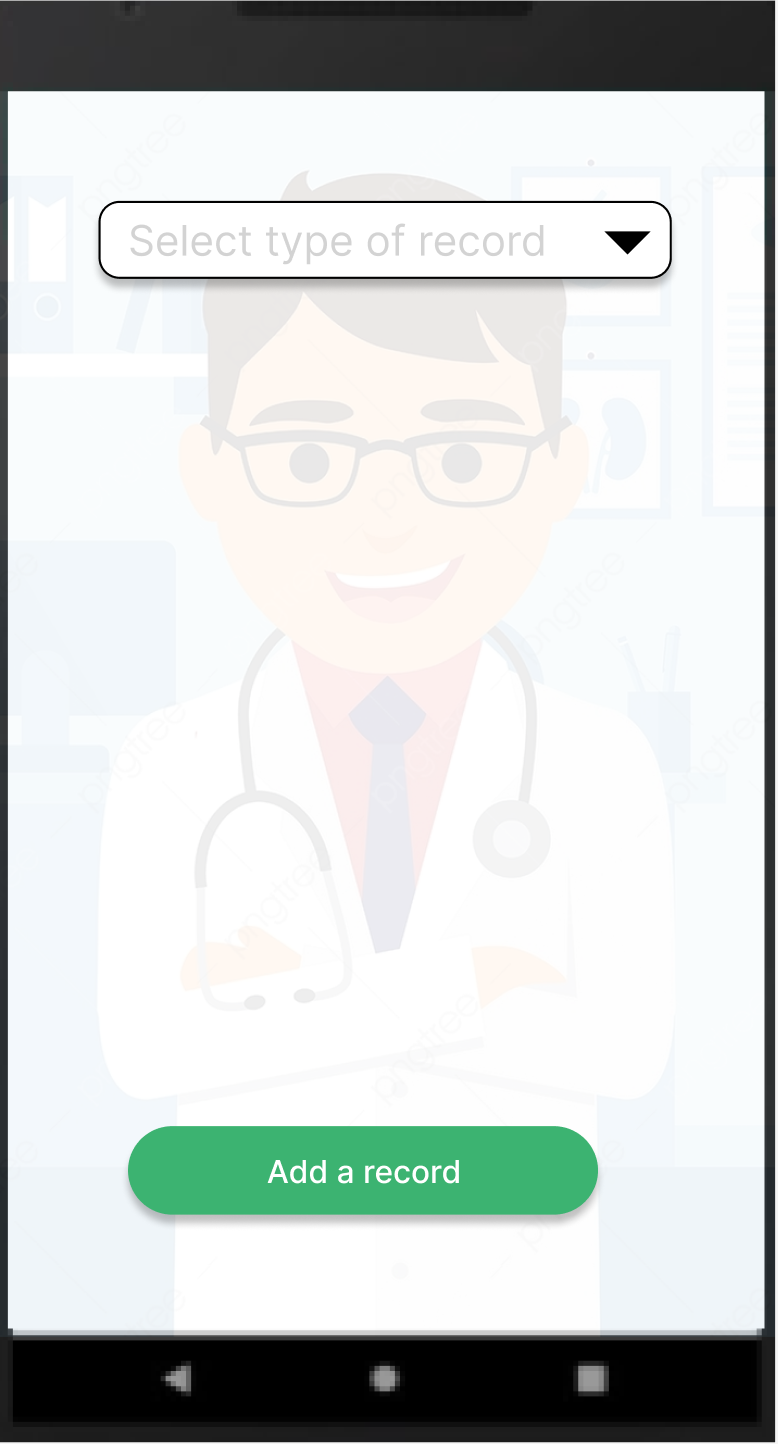
View, Modify or Add Medical Records
-
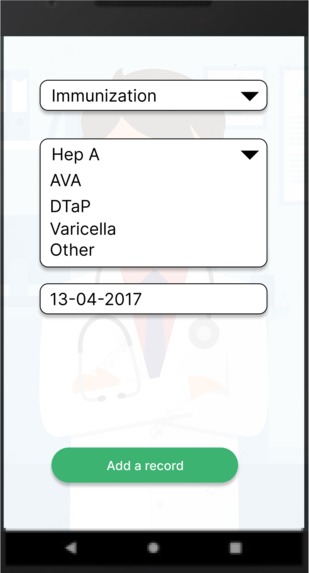
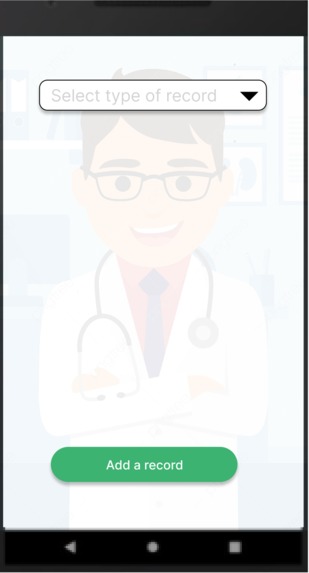
Selecting type of
-
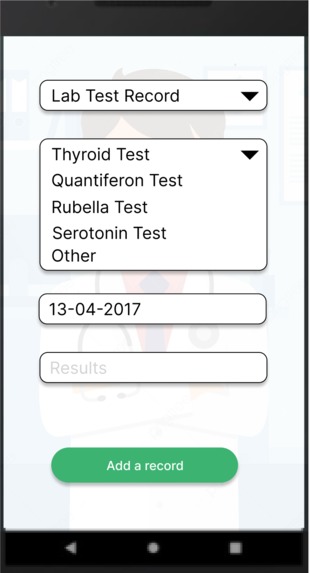
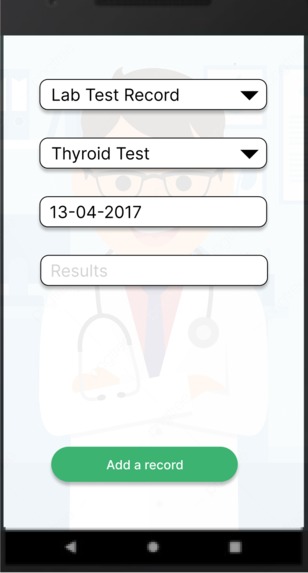
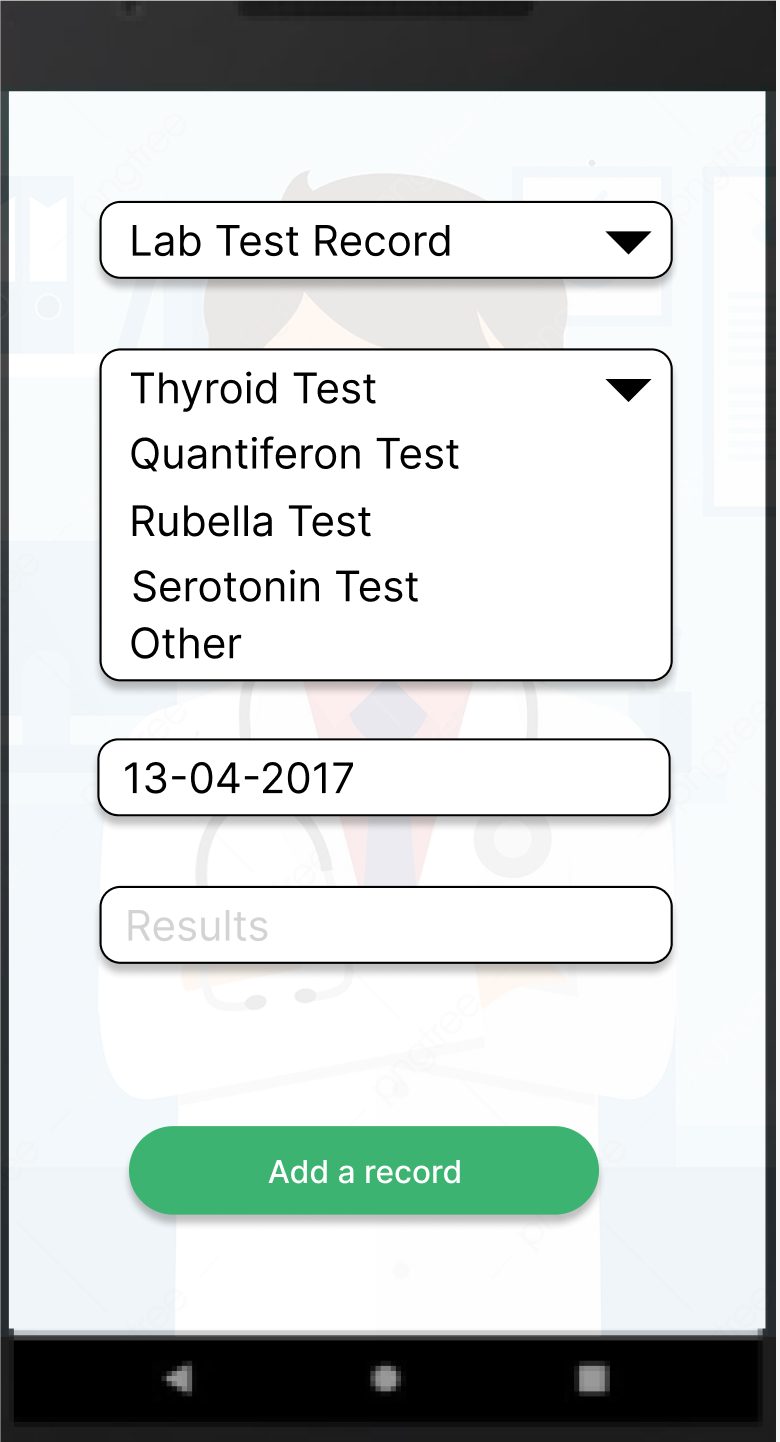
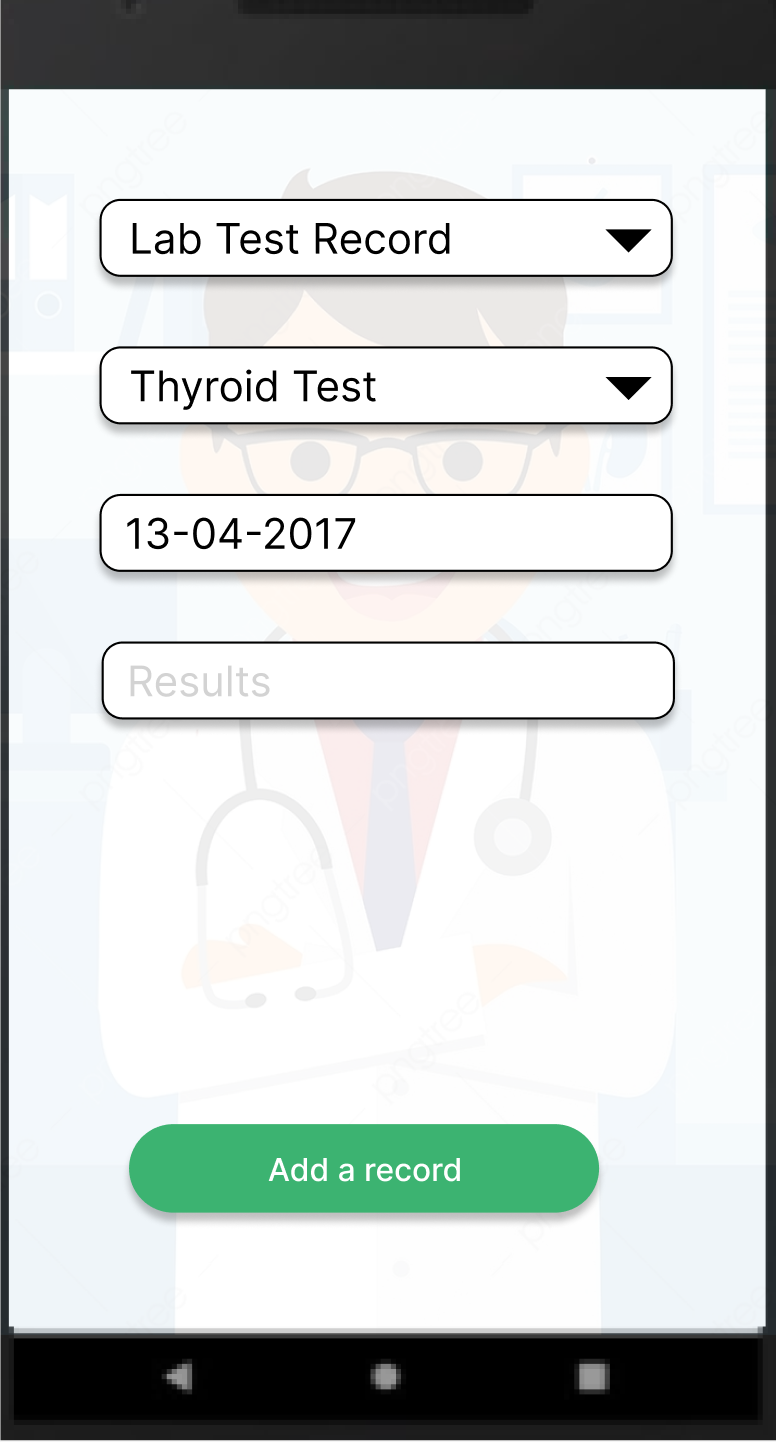
Select type of lab test to be added as medical record
-
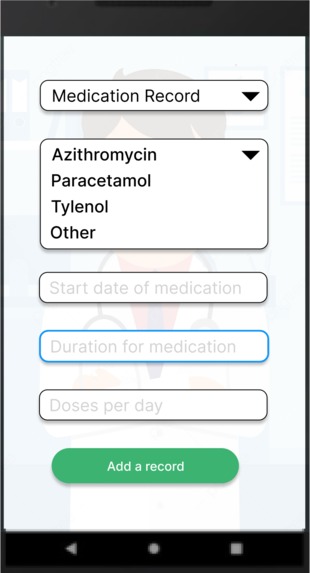
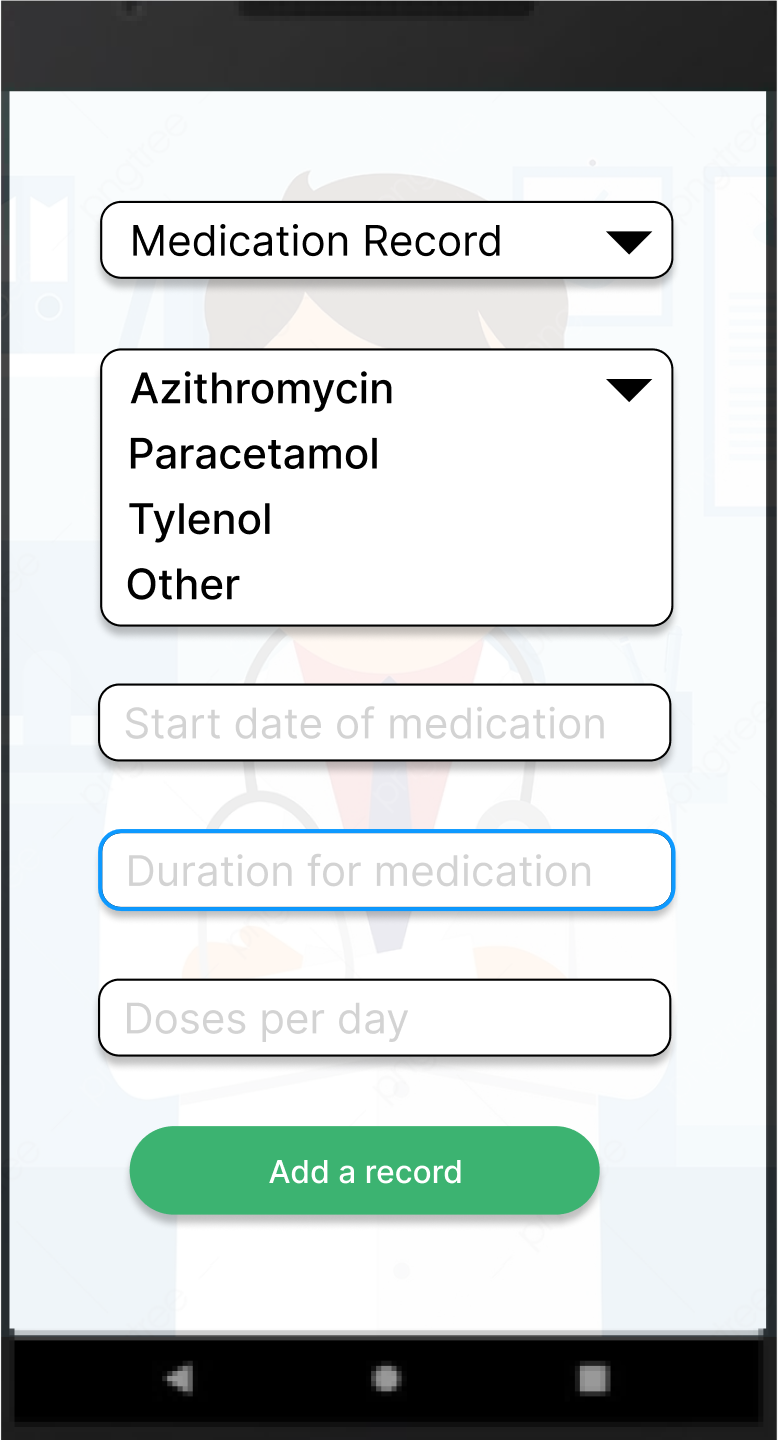
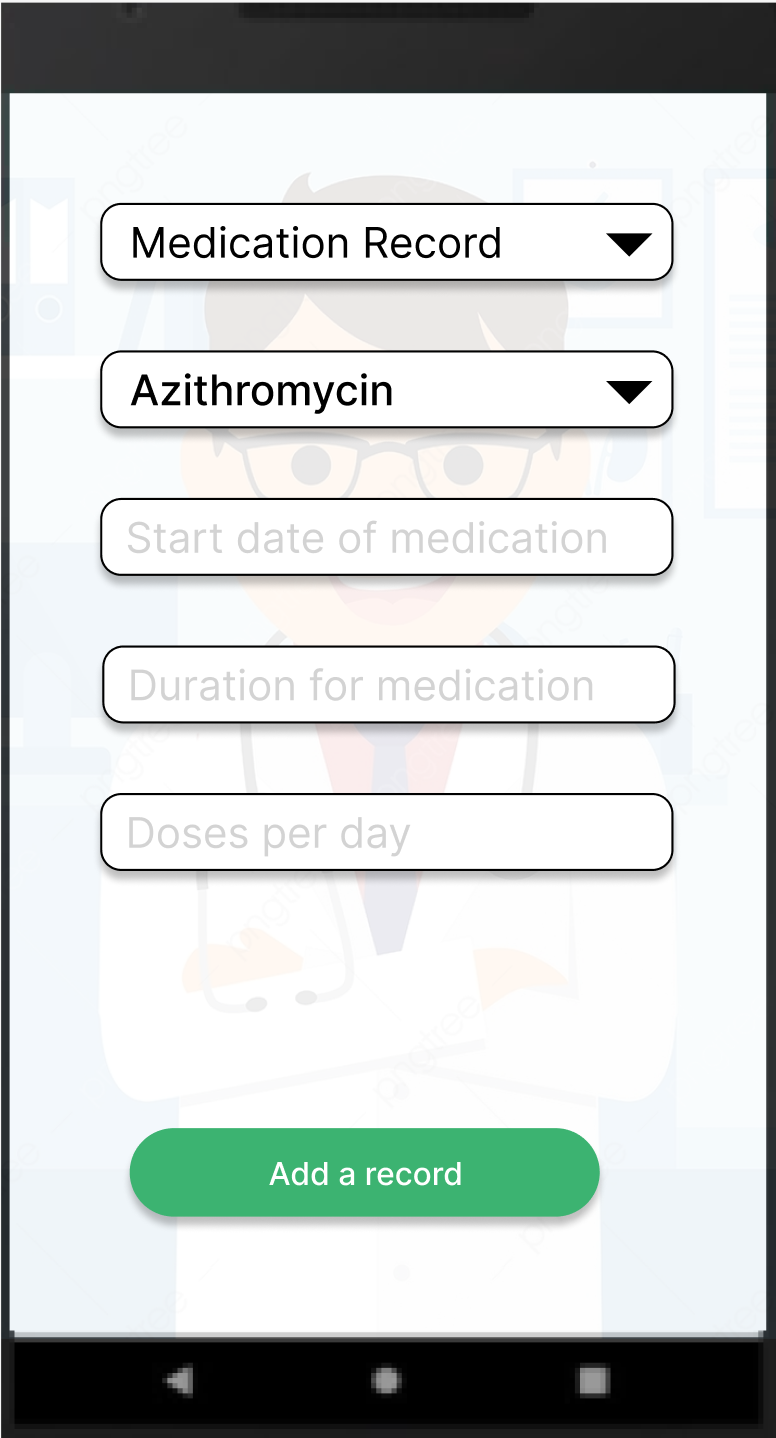
Select medication to be added as medical record
-
-
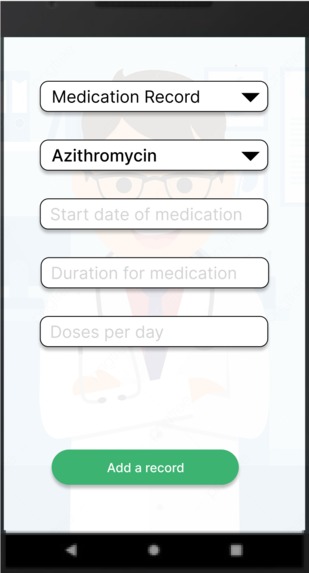
Adding medication page
-
-
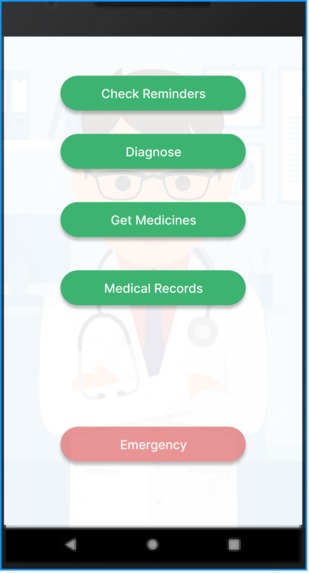
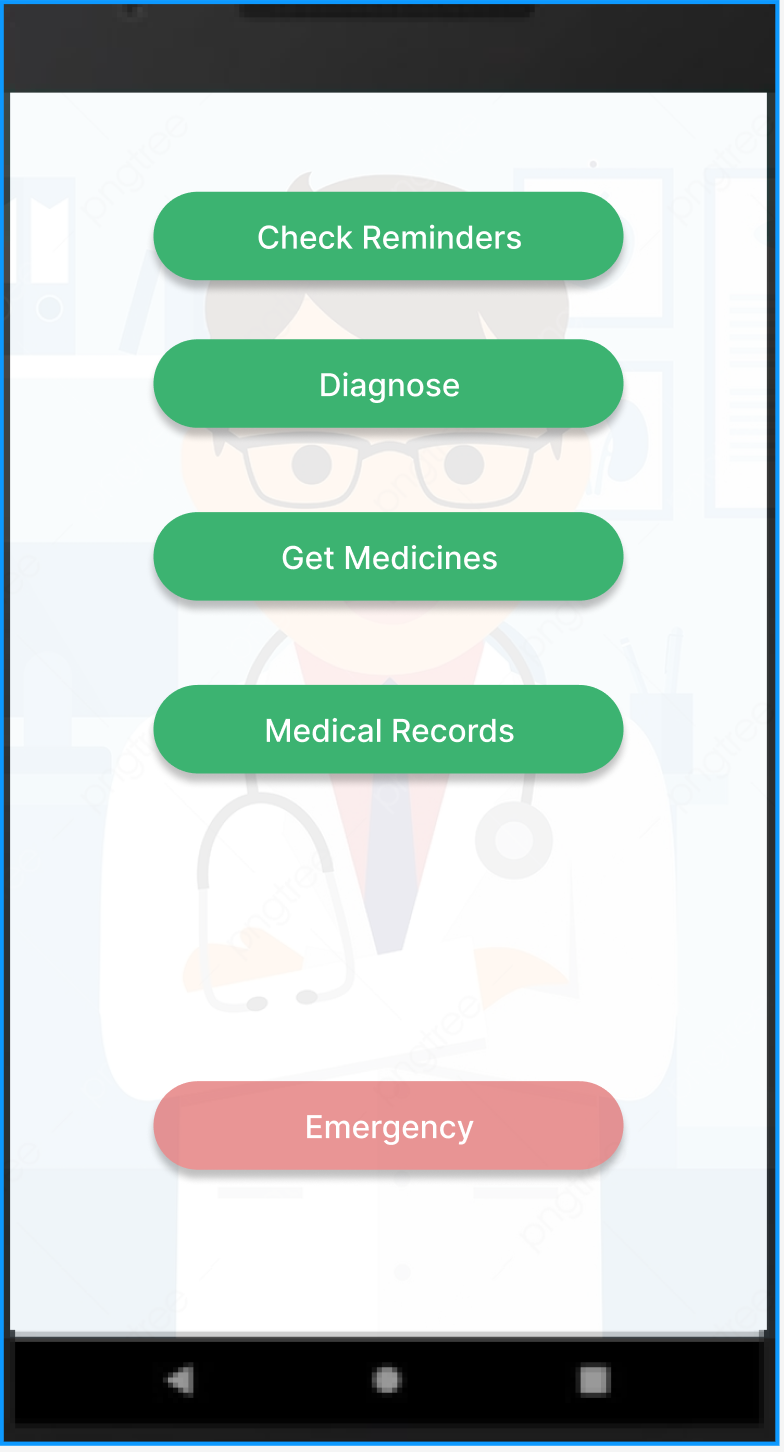
Main screen to view features
-
-
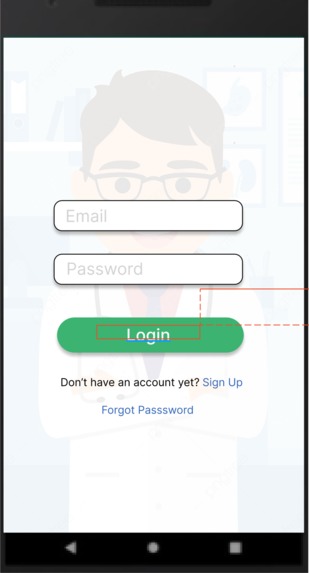
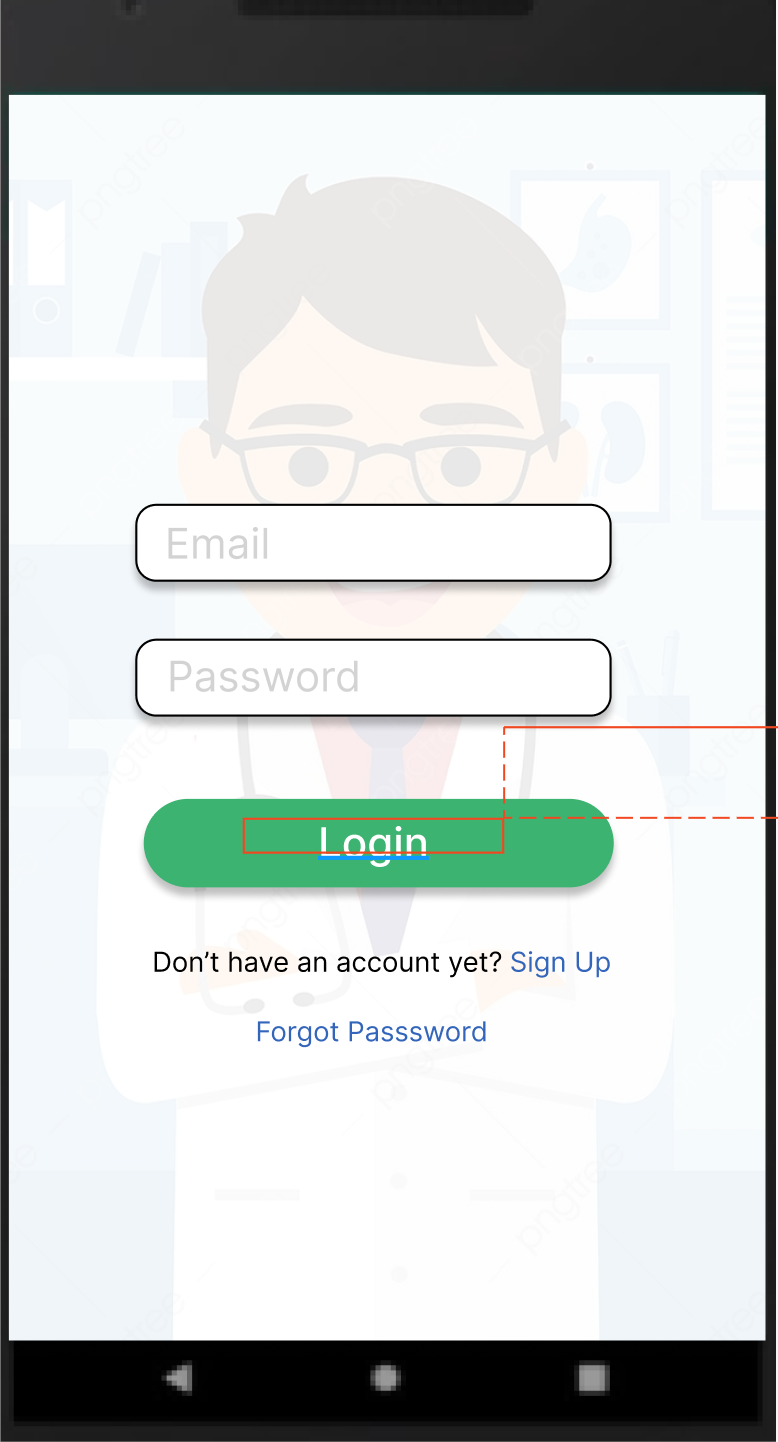
Login Signup Screen
-
-
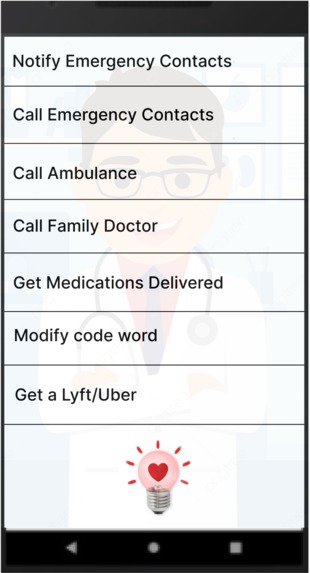
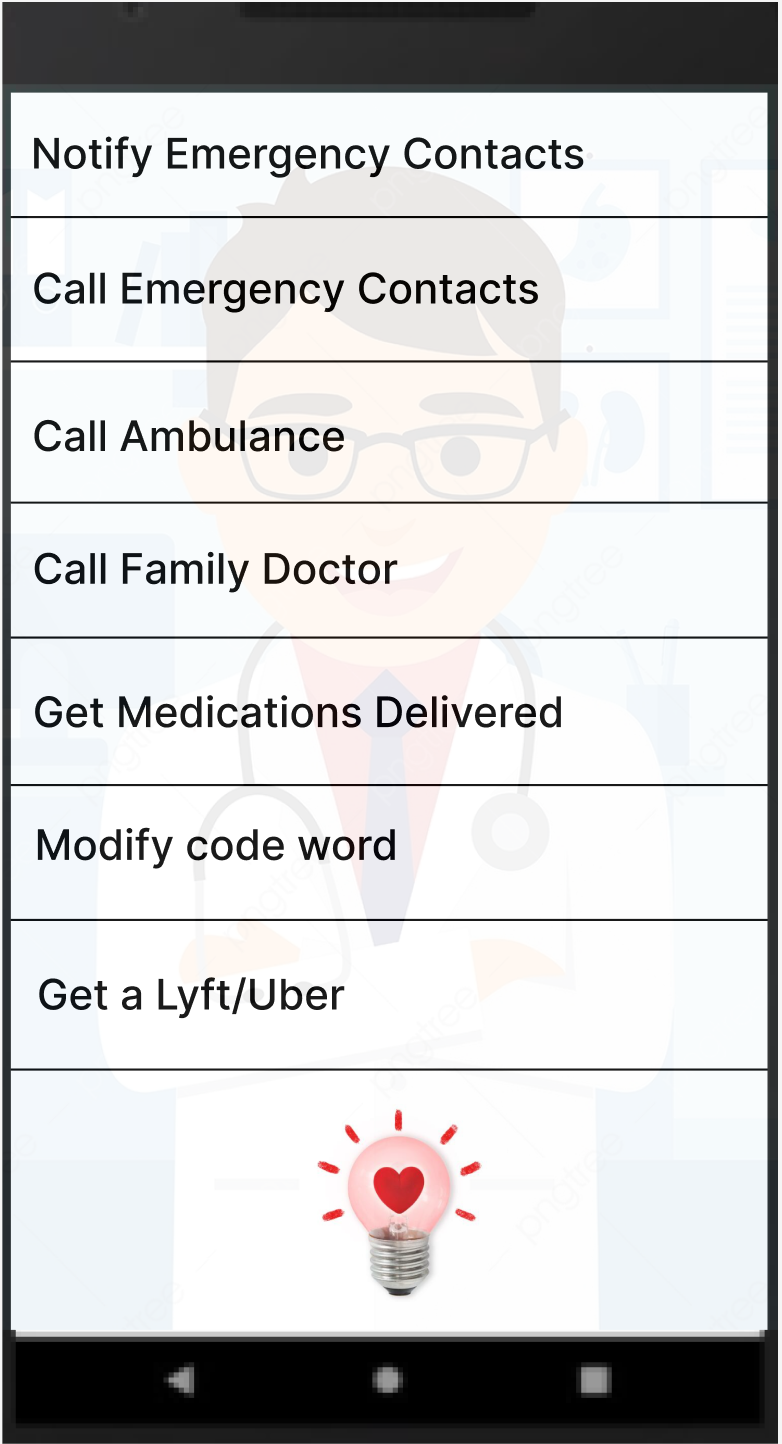
Emergency page for user to select emergency action
-
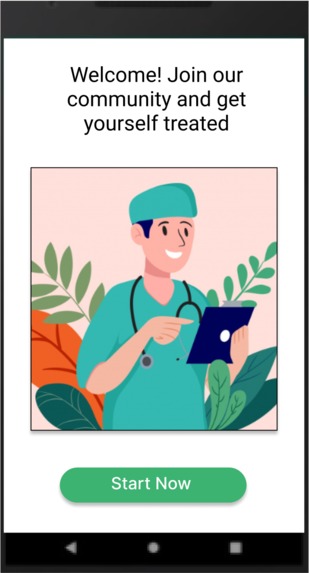
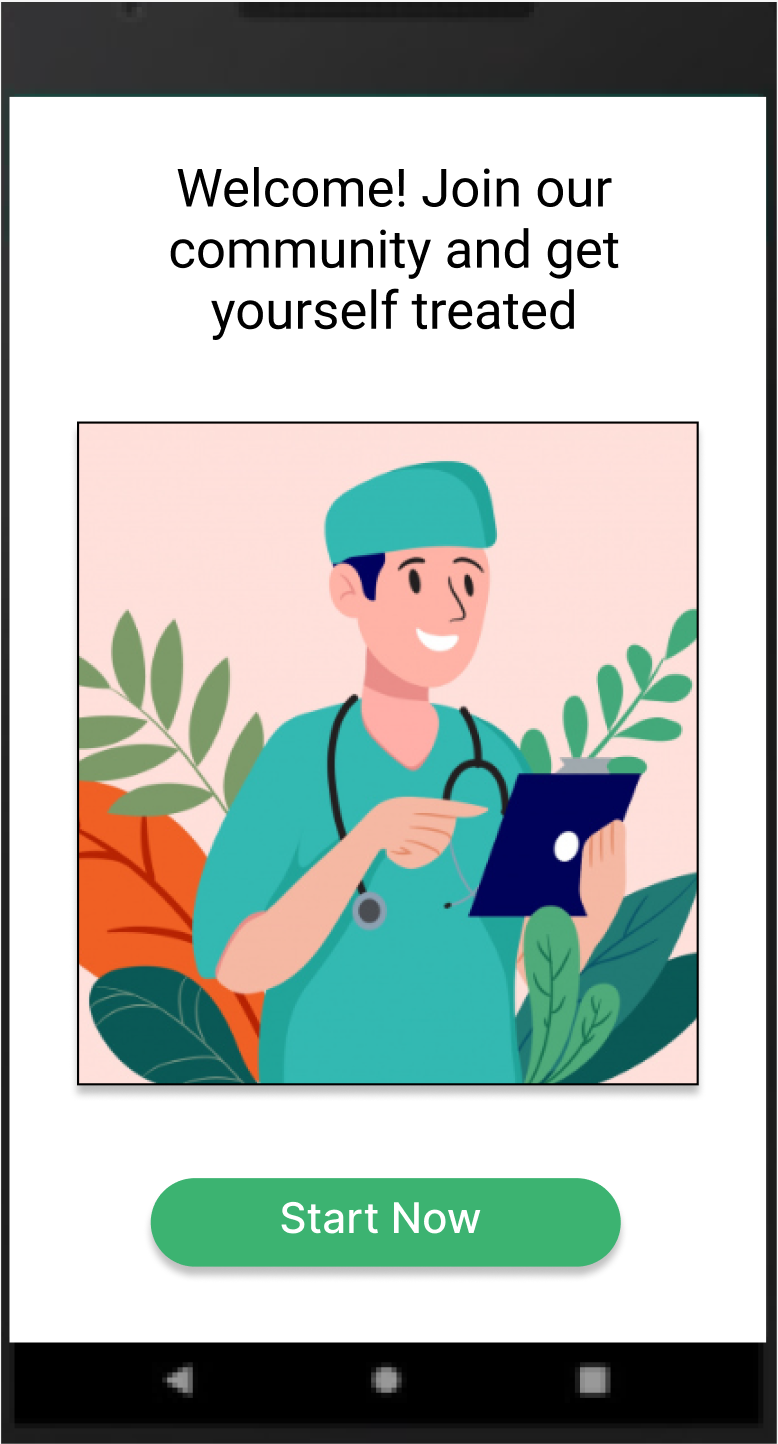
Welcome Page
Inspiration
When we first came here, we were asked for immunization records of some of the tests required before coming. It was difficult as we had our immunizations scattered, taken long back, and could not find some of the certificates of early childhood. Because of this, we had to do lab tests on some of them and then provide that as proof. Our app keeps all the data, immunizations, and medical records in the same place so that doctors can go through them during times of emergencies. A few weeks ago, one of our friends was suffering from ear pain. Despite having all the resources at hand, we found it difficult to connect with the doctor. We had to go through many of the screenings, describing each
What it does
Connect with family members to notify them about the health of their family members. Keep track of personal health records: diagnoses, allergies, vital signs, immunizations, lab tests, medications, etc. Keep a history of medical records of the user. This would help in predicting the type of treatment to be given to the user. List treatments - including recommended medicines or visits to a doctor/specialist. Integration with Lyft or Uber to help user to visit the nearby doctor/medical store. Keep a list of pharmacies so that according to user location, they can find the nearest store to pick up from. Reminder to follow up with the doctor. In case of emergency : Users can get on a call with the available doctor to smooth the process of diagnosis. Users can opt to send a notification to their assigned emergency contacts for picking up the required medicines/resources and get them delivered. Integration with Siri/Google Assistant/Microsoft Cortana/Amazon Alexa to help in case of a very crucial emergency to send a message to all the emergency contacts by implementing a code word (by user) for such emergencies. A quick call to the ambulance: If an ambulance is not available, nearby Lyft/uber drivers get the emergency alert.
How we built it
We took into implementation the water flow model for designing our application The first step was working on finding the right idea which would help the community and is a real-world problem. Then we worked on the problem statement and identified real-world problems and how they can be beneficial to both the users and doctors and the community. Next, we made a list of the features that need to be embedded inside the application. The design of the application including the interface and the color design was then decided. After it was fully designed, it was reviewed again and again for feedback so it can be improved. We kept on enhancing it as the drawbacks and problems were identified
Challenges we ran into
During the initial period, it was difficult to get the proper dataset and data of doctors, pharmacies, hospitals, and ambulances. Hence it was not suitable to examine the patient all to ourselves and therefore we requested the users to get the recommendation checked before applying it. Slowly with more information, the data was trained and it was ready to use. Also, the application addresses a very sensitive issue and therefore the designing of the application to create a positive feeling was of utmost importance.
Accomplishments that we're proud of
Health technology doesn’t only benefit medical staff — it improves communication between individuals and their family members or emergency contacts. Increased patient engagement. Reduce commute time for patients when the issue is not of many emergencies. Provides general medical assistance and will be especially useful in cases of emergencies. Explores various ways to promote health in a virtual world environment by integrating several existing technologies. Improved health outcomes. Trusted relationship between doctors and patients.
What we learned
We learned
- Creating applications in Android Studio using Java, and Android Layout Resource files. How to ensure RTL and LTR language changes.
- Designing app with Figma.
- We explored existing solutions, their benefits, and how they can be improved.
What's next for Dr. On Tap
Currently, symptoms are being manually entered by users and according to the symptoms entered, our app recommends the medications In the future, our app can be designed in a way where instead of asking all of the symptoms, it asks the user the new symptom, and then based on the new symptom and also the previous symptom, it will narrow down to a disease Our app provides the medication delivered to their house Doctors can add their profiles to the application to help people
Built With
- android
- android-studio
- figma
- java
- kotlin
- manifest

Log in or sign up for Devpost to join the conversation.