-
-
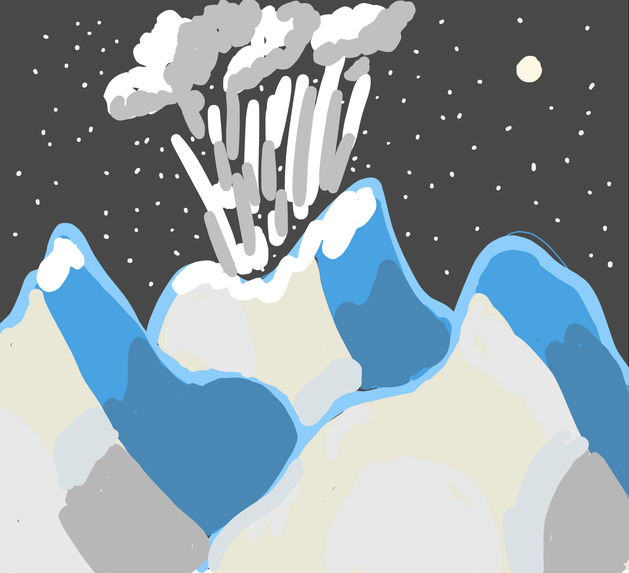
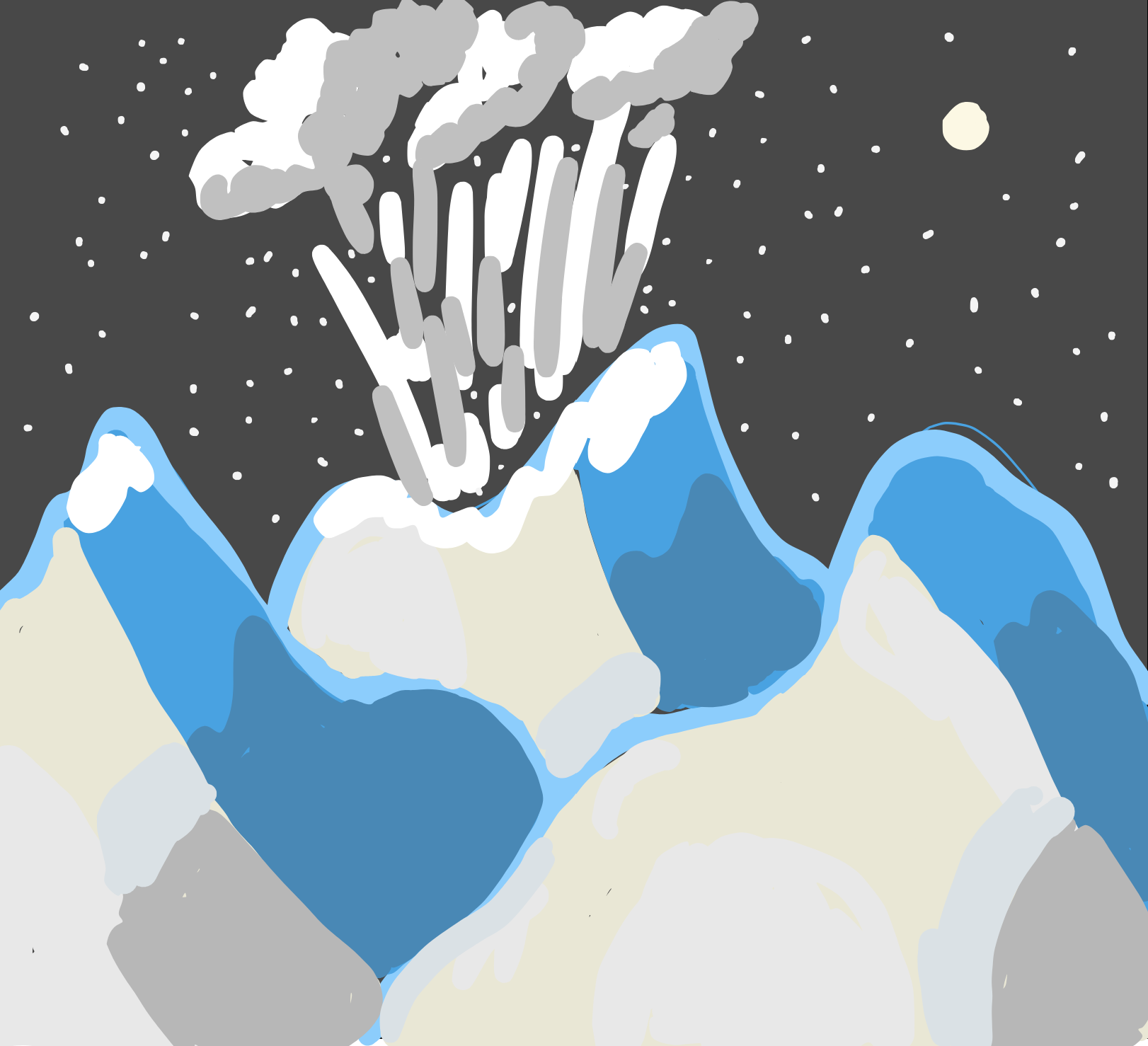
Erupting Ice Volcanoes!!!
-
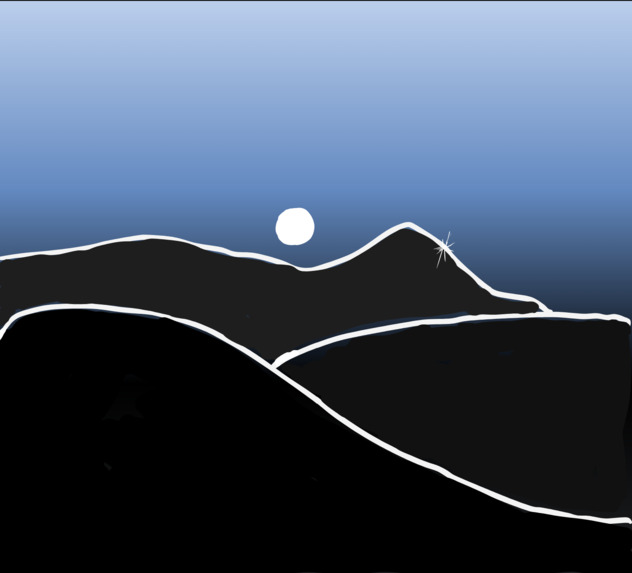
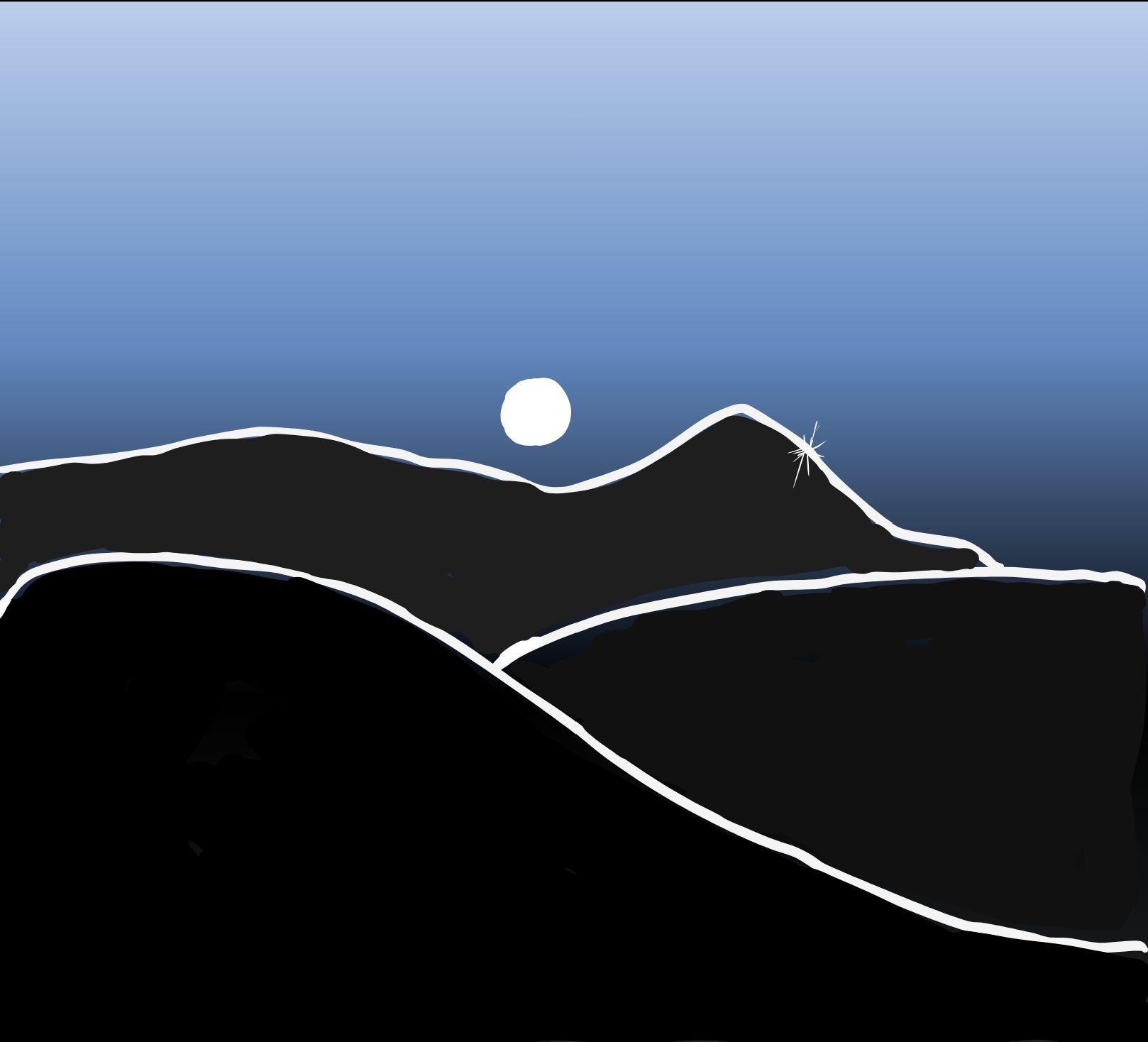
Blue Sunrise!!!
-
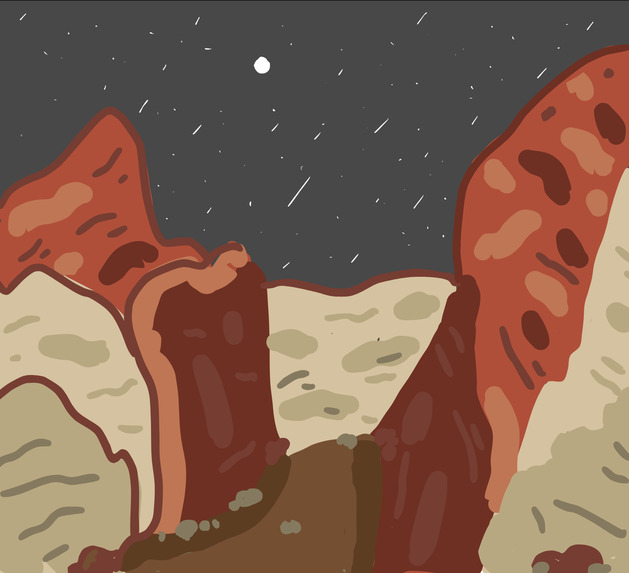
Valleys and Cliffs!!!
-
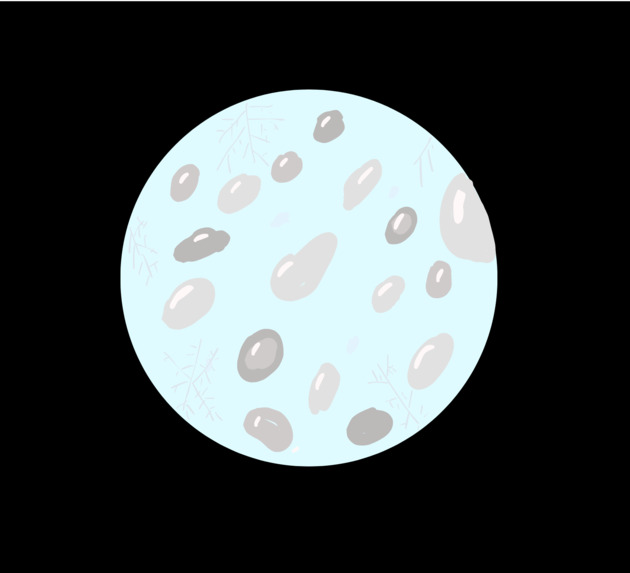
Living Organisms???
-

Dr. Hopper
-
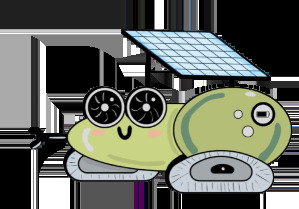
The Rover
-
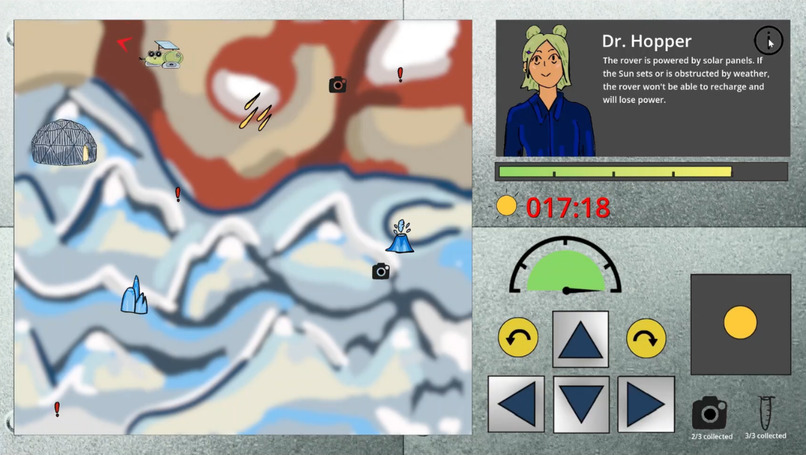
Gameplay

Dr. Hopper's Expedition to Pluto
Eucleides and the Boys - Project for the SASE + GDG Hackathon 2026
Did you know?
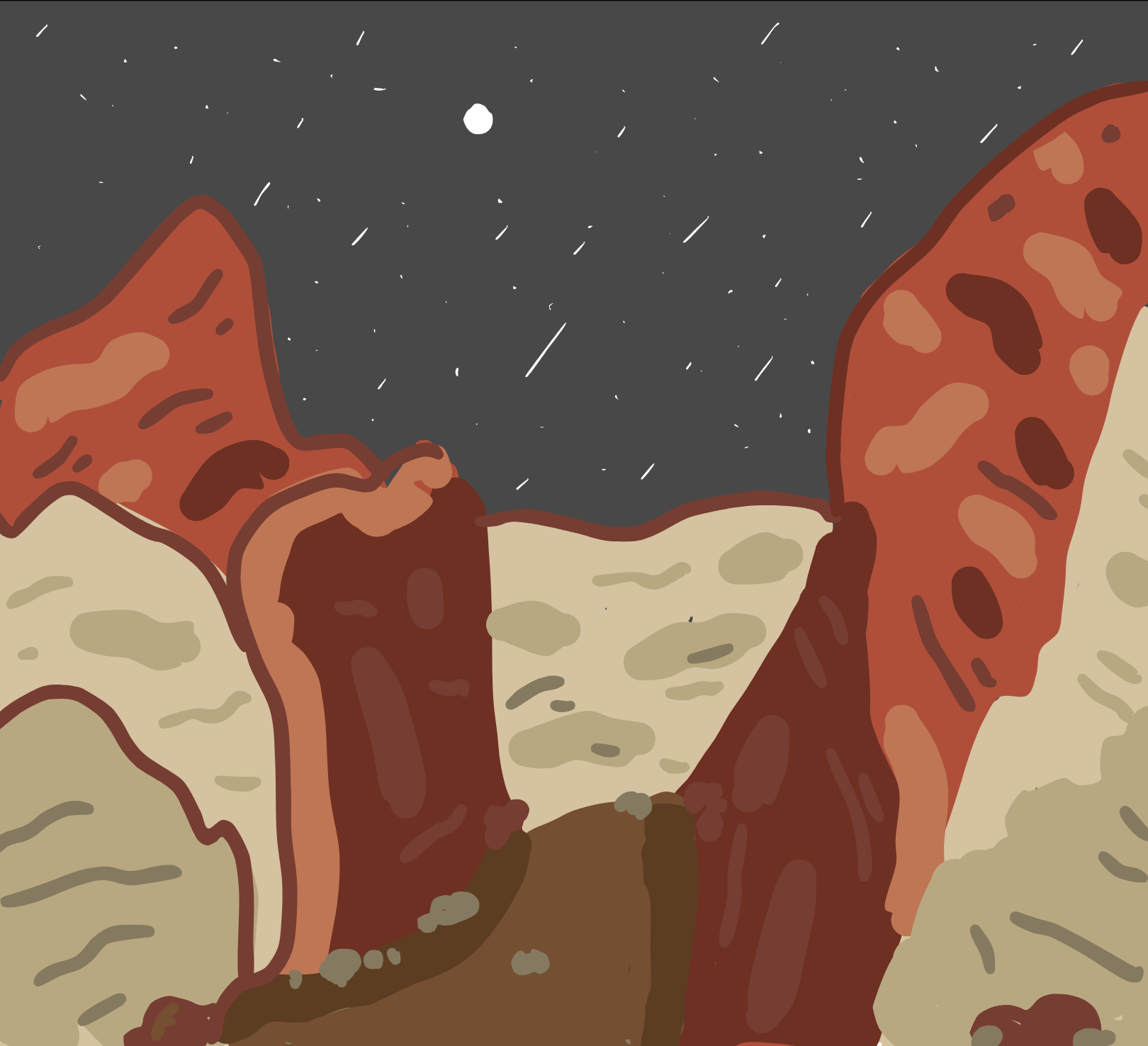
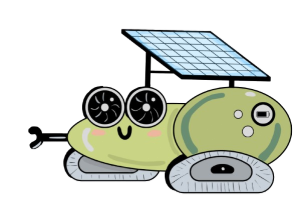
The surface of Pluto is an extreme and hostile environment to potentially all living organisms. Plagued by cryovolcanoes, meteor showers, and glaciers of frozen nitrogen, there's a good reason we don't send people to explore Pluto. Dr. Hopper has built and launched a rover specifically designed to take on harsh living on Pluto. Equipped with solar panels, camera eyes, and a hydraulic grabber-arm, the little fella is ready for inclement weather conditions, terrain hazards, and new discoveries.
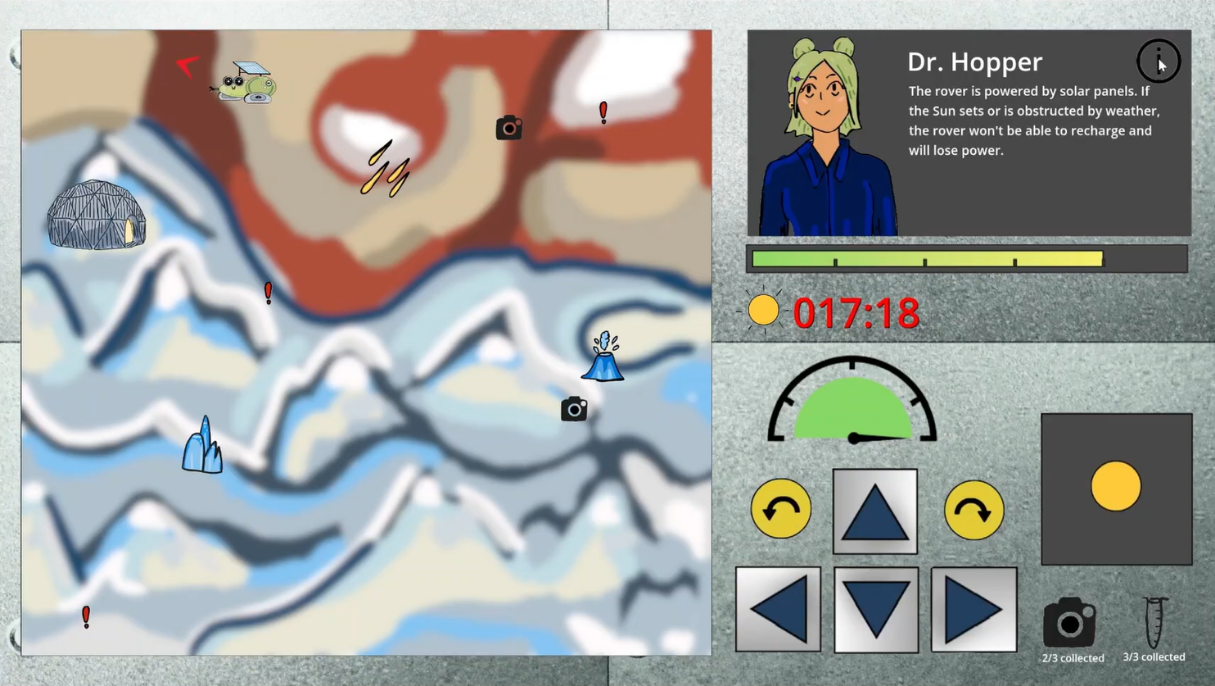
Dr. Hopper's Expedition to Pluto will have players juggling their HP and battery life, while avoiding areas with low visibility and hazardous conditions, to collect the required samples and photos to win the Nobel Prize.
Inspiration
We took information and inspiration from NASA's discoveries of the surface of Pluto, including the 2015 New Horizons Flyby, found here: https://science.nasa.gov/mission/new-horizons/
Did you know that the surface of Pluto can reach -387 degrees Fahrenheit? Also, it takes Pluto about seven Earth days to complete a rotation, making a full day on Pluto last about 156 hours. The Sun as seen from Pluto is only 1/900th as bright as the Sun from Earth. All these facts, as well as our optimism about future research on the surface of Pluto, served as our inspiration for "Dr. Hopper's Expedition to Pluto".
Setup
Download the repository and run the executable "Expedition to Pluto\hackathon-2026\DrHoppersExpeditionToPluto.exe". Only available for Windows x64. Other users will need to install Godot 4.7.2 and run the project through the editor.
How to Play
Use the onscreen arrows to control the position of the rover, or use WASD or arrow keys. Use the yellow rotation arrows to orient the camera and grabber arm, or use QE or <>. Travel the map to locate hidden samples and vista points. When an item appears on screen, use the mouse to collect it. As you travel the map, avoid contacting the hazards (glaciers, cryovolcanos, meteor showers), or the rover will take damage and be caught in inclement weather. The rover's battery can only charge during clear weather during the daylight hours. If the rover's battery runs low, it can return to home base to charge.
How it was Made
We programmed the game entirely using GDScript in Godot 4.7.2. For boilerplate code, we used examples from Godot's documentation site, located here: https://docs.godotengine.org/en/stable/index.html. For art assets, we used Canva to draw sprites by hand, and to paint backgrounds by hand, most of which are based on real photos. The map and vista point photos are hand painted. The background noise was generated by NASA and the Stanford Experimental Physics Lab from doppler velocity data from the sun, located here: https://youtu.be/-I-zdmg_Dno?si=lSK7jqcpMcRUMpBk.
Future State
Although you can orient the position of the camera using the controls, we weren't able to do everything we wanted regarding the camera including positional camera shots. This is a capability we would consider adding as a 3D feature, such that the rover can view a 3D scene and capture a photo from the 2D game. Additionally, we intended to add more sample options, rover animations, and additional map tiles in all four directions to flesh out the world, but we weren't able to create these assets in the time allotted. In the future, we would consider adding different map sections with more samples and vista points. We understand we have room to make "Dr. Hopper's Expedition to Pluto" even better, but we are immensely proud of the work we have completed thus far.
Built With
- canva
- godot

Log in or sign up for Devpost to join the conversation.