-
-
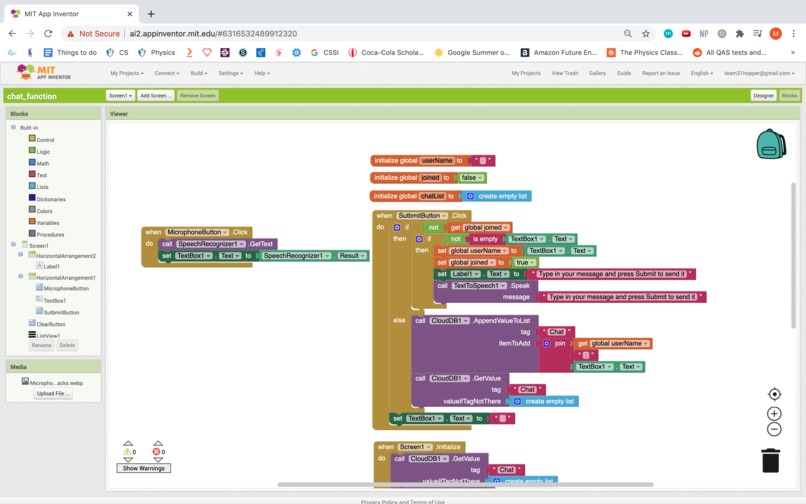
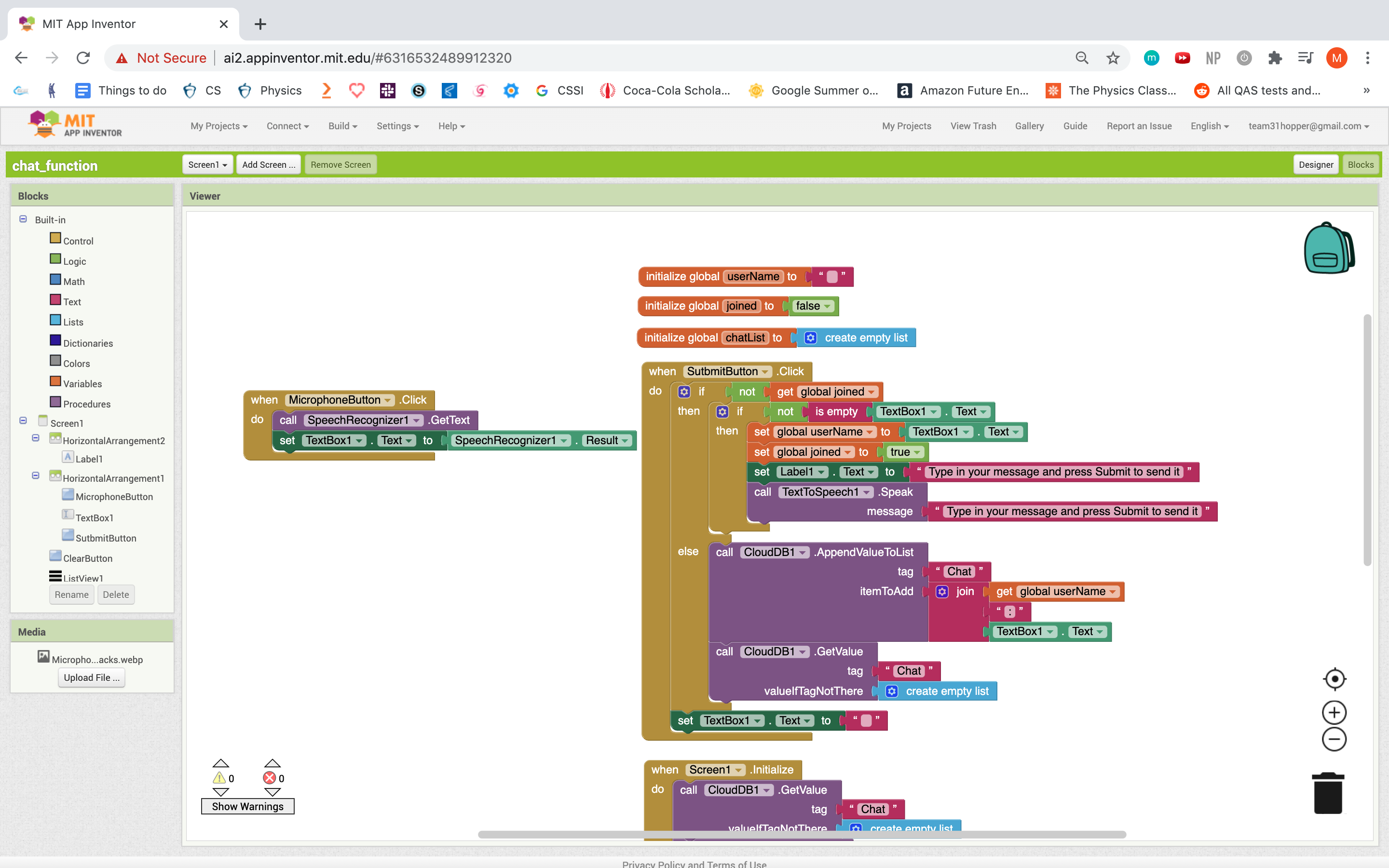
Chat Code Part 1
-
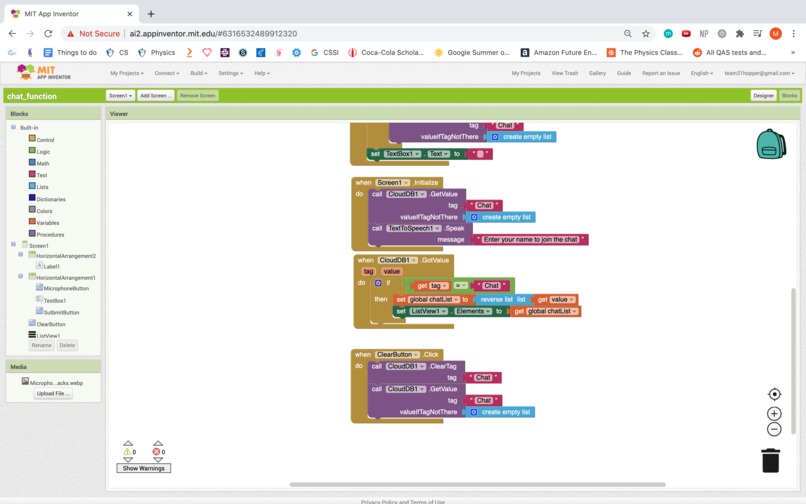
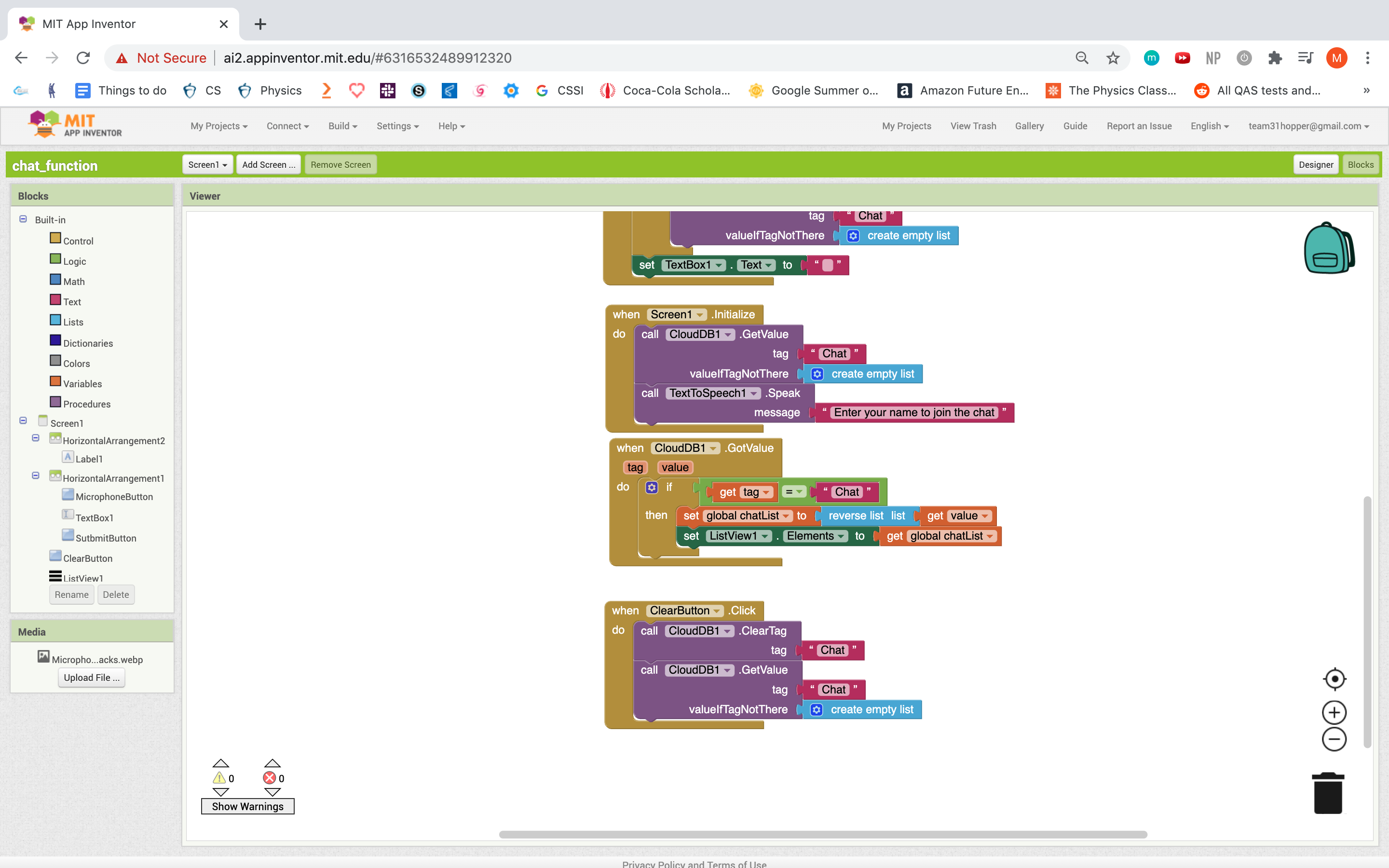
Chat Code Part 2
-
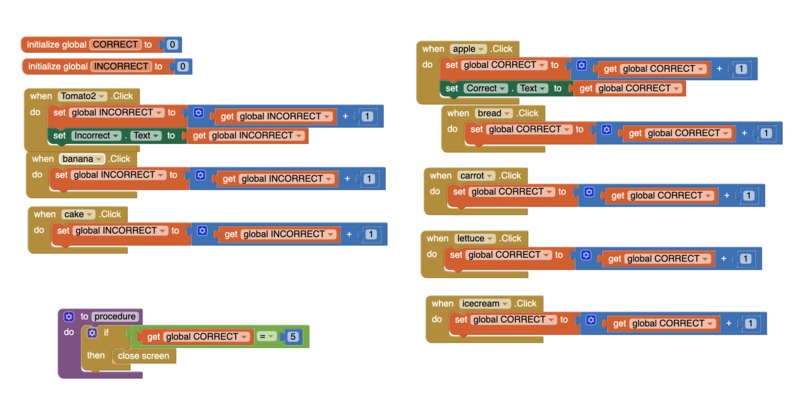
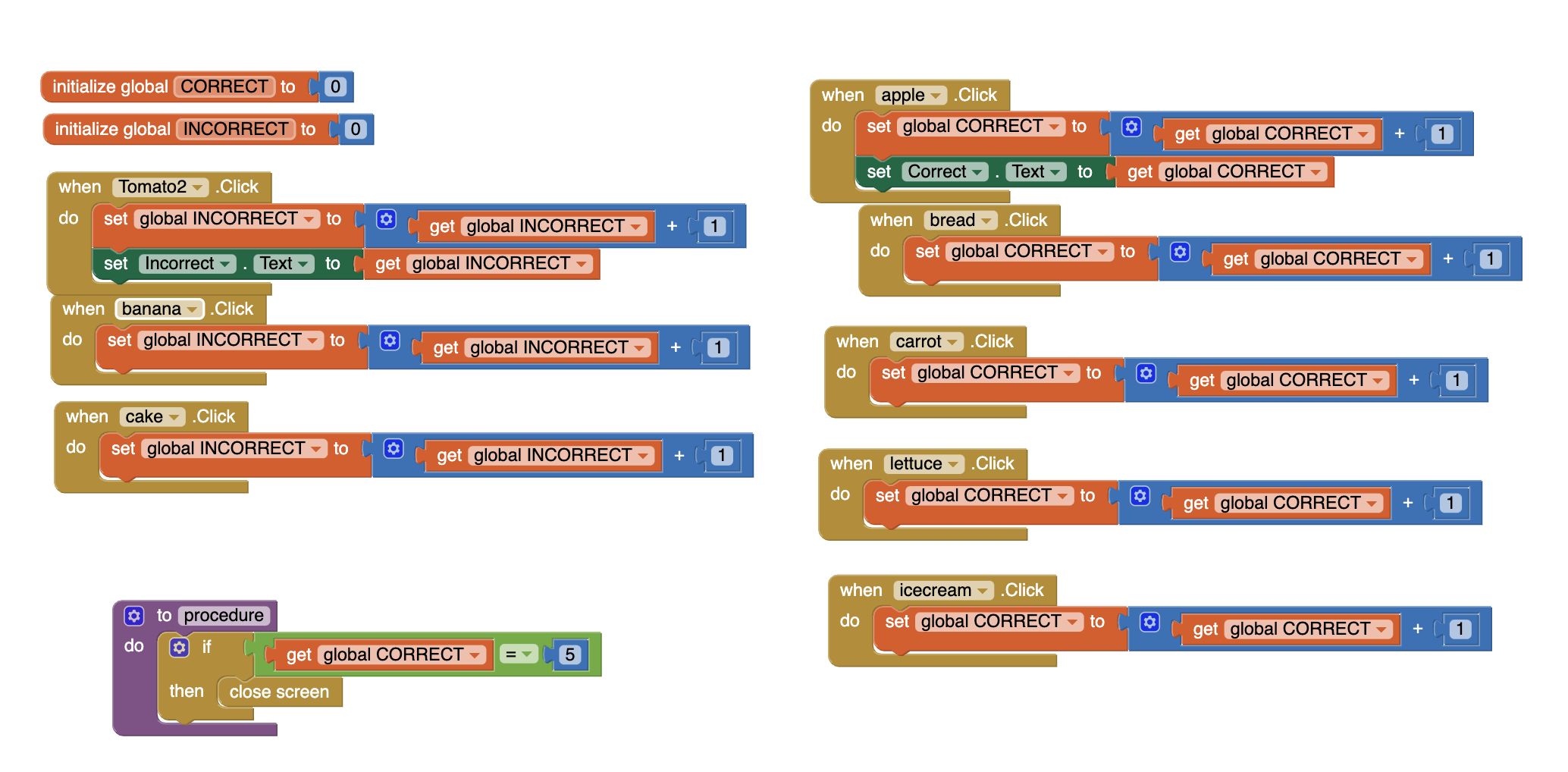
Grocery List Game Code
-
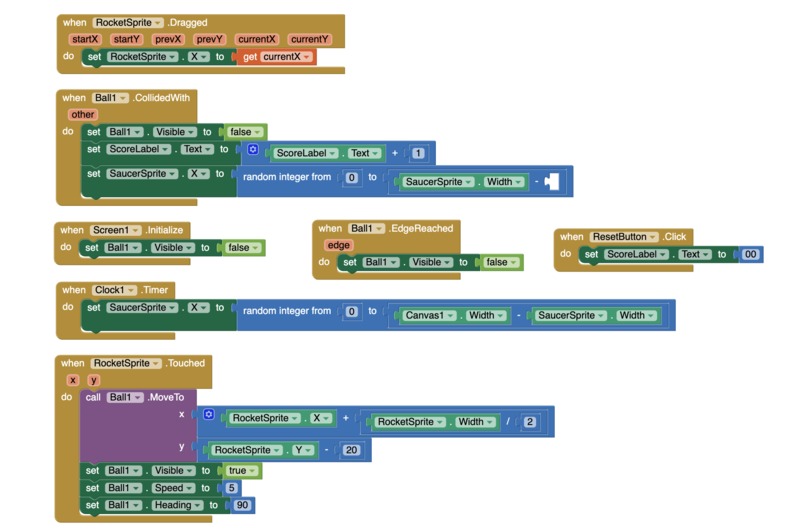
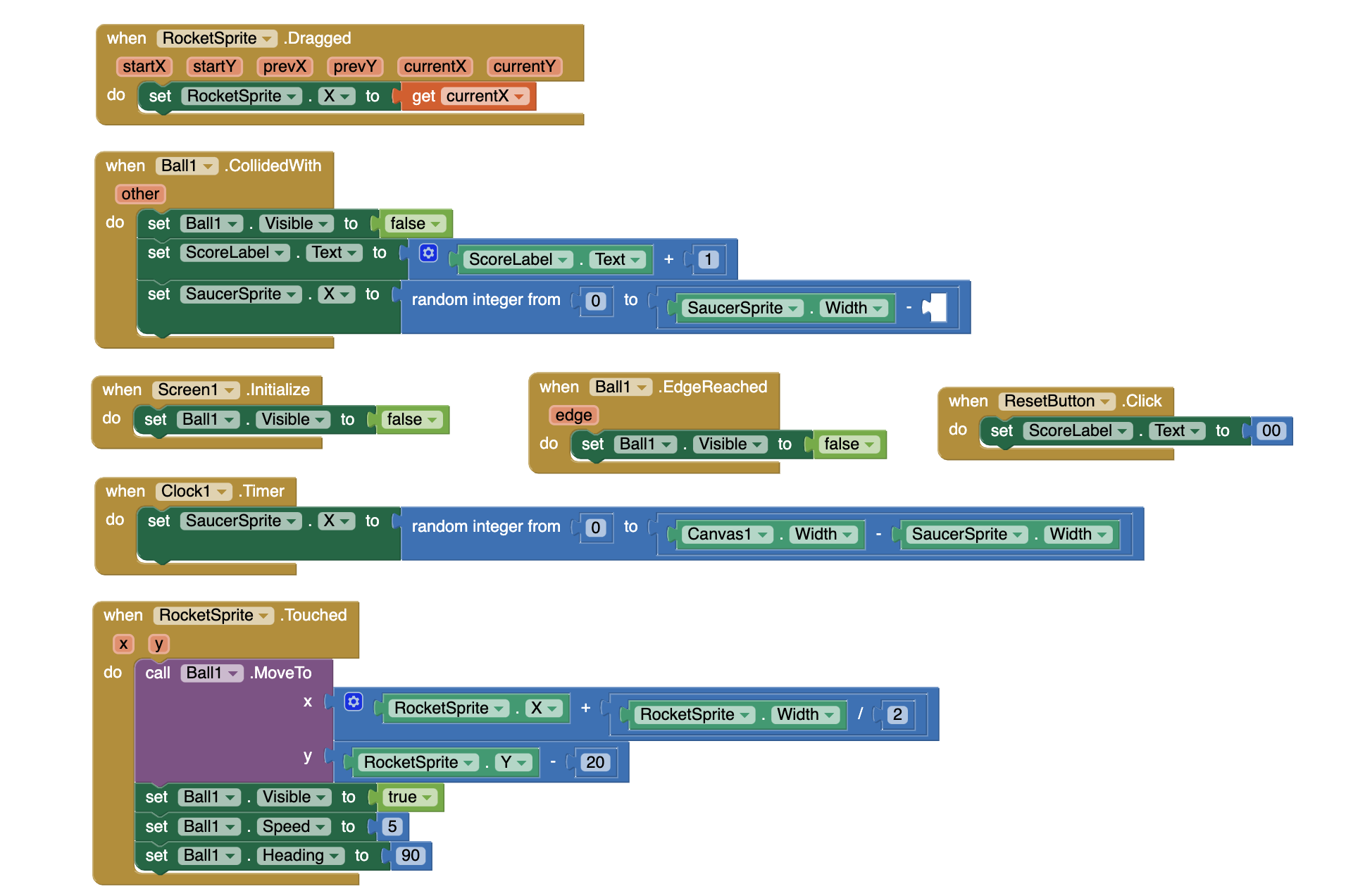
Space Game Code
-
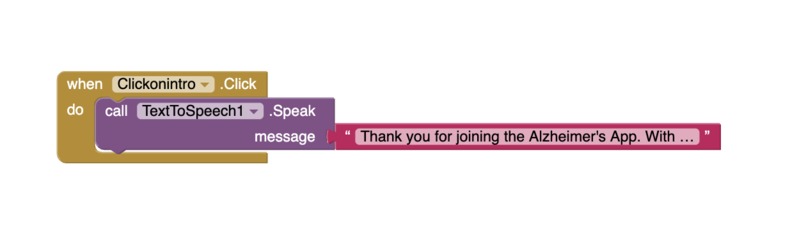
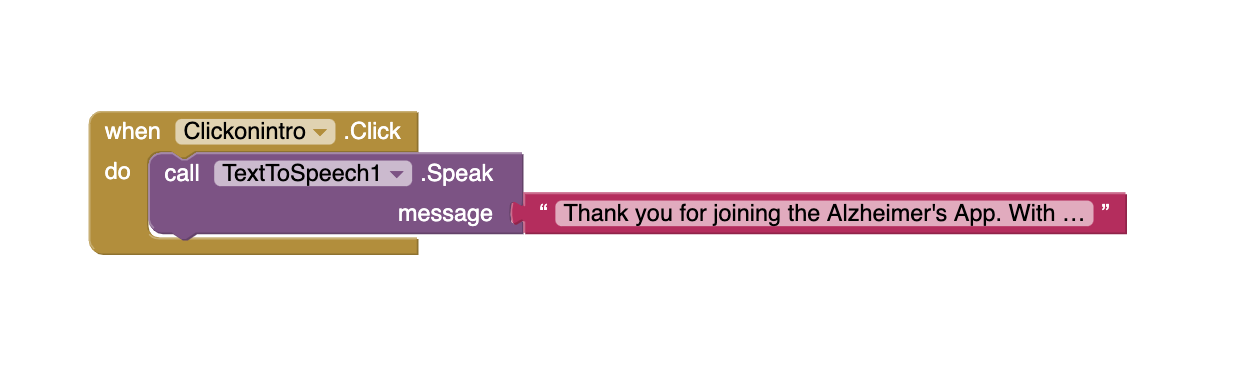
Homepage Code
Inspiration
We wanted to solve a global problem that affected a large population of people. Using our online chat function, we would be able to connect people in poverty or in need of free medical advice with medical students for experience. Through research, we also found that “participation in cognitive activity was associated with delayed onset of accelerated memory decline even though activity was measured only at a single point in time." (https://www.ncbi.nlm.nih.gov/pmc/articles/PMC2725932/). It is common for Alzheimer’s patients to refuse memory care. As a result, our app suggests a solution: to gamify cognitive exercises, encouraging patients to invest their time more willingly.
What it does
Our app has puzzles that train the brain and holds the attention of users through interactive games. It also has a chat that allows people with Alzheimer's to easily chat with medical students without having to create an account. The chat has a built in speech to text function that makes it easier for visually impaired or mobility impaired people to ask questions and reads text off the page.
How we built it
We used the MIT App inventor and built our app using code blocks. We also followed along tutorials and read through documentations to help us gain a better understanding of the fundamentals and workings of the App Inventor.
Challenges we ran into
During the process of trying to work through MIT App Inventor, we faced unclear tutorials and limited documentation, an inability to run the code freely (no console, also it was mainly Android), and having to do parts of the app separately due to the way MIT App Inventor was structured (no sharing). However, we were able to conquer this by creating our own shared Hopper Hacks Gmail account and creating all of our projects under the same platform. We also used Zoom to foster communication and shared our resources through Slack.
Accomplishments that we're proud of
We are very proud of being able to get the text to speech and buttons to work as this will allow us to make the app more accessible for our users. Color coordination was also in tune with our UI/UX designs and was created in order to be more fitting for our audience (after some research, we found that blue was the best color for a calming affect with our elders).
What we learned
We learnt how to create a simple game, stitch multiple pages of an app together, and how to use MIT App Inventor overall. Most of us were primarily web developers so it was interesting to challenge ourselves with an app. In fact, for the majority of us, it's our first hackathon, so that was an interesting experience in itself
What's next for Dr. Alzheimer's Alleviation
We would like to add more games and would also want to take this to a larger platform in the future, preferably going global to reach and help more people. We would also like to add a more personal touch for families as well, hoping that we can soon create a function that will allow family members to create their own personalized memory games for their loved ones.


Log in or sign up for Devpost to join the conversation.