Inspiration
I wanted a clearer answer to a simple question: “How much money do I actually have left to use?”
Looking at a bank balance doesn’t always tell the full story, because regular payments such as rent, food, fuel and subscriptions may still be due. Dosh Pot was inspired by wanting to see the money left after those payments had been accounted for.
What it does
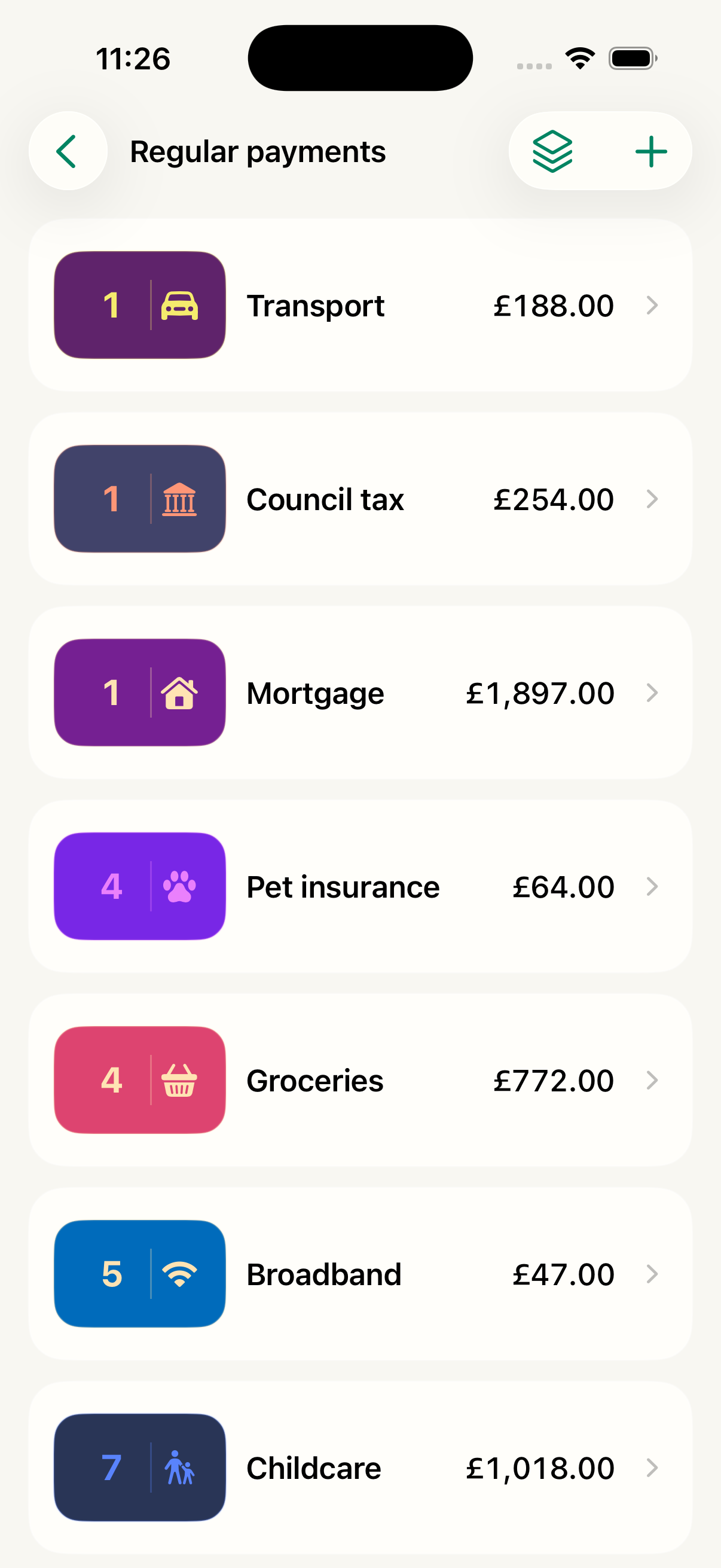
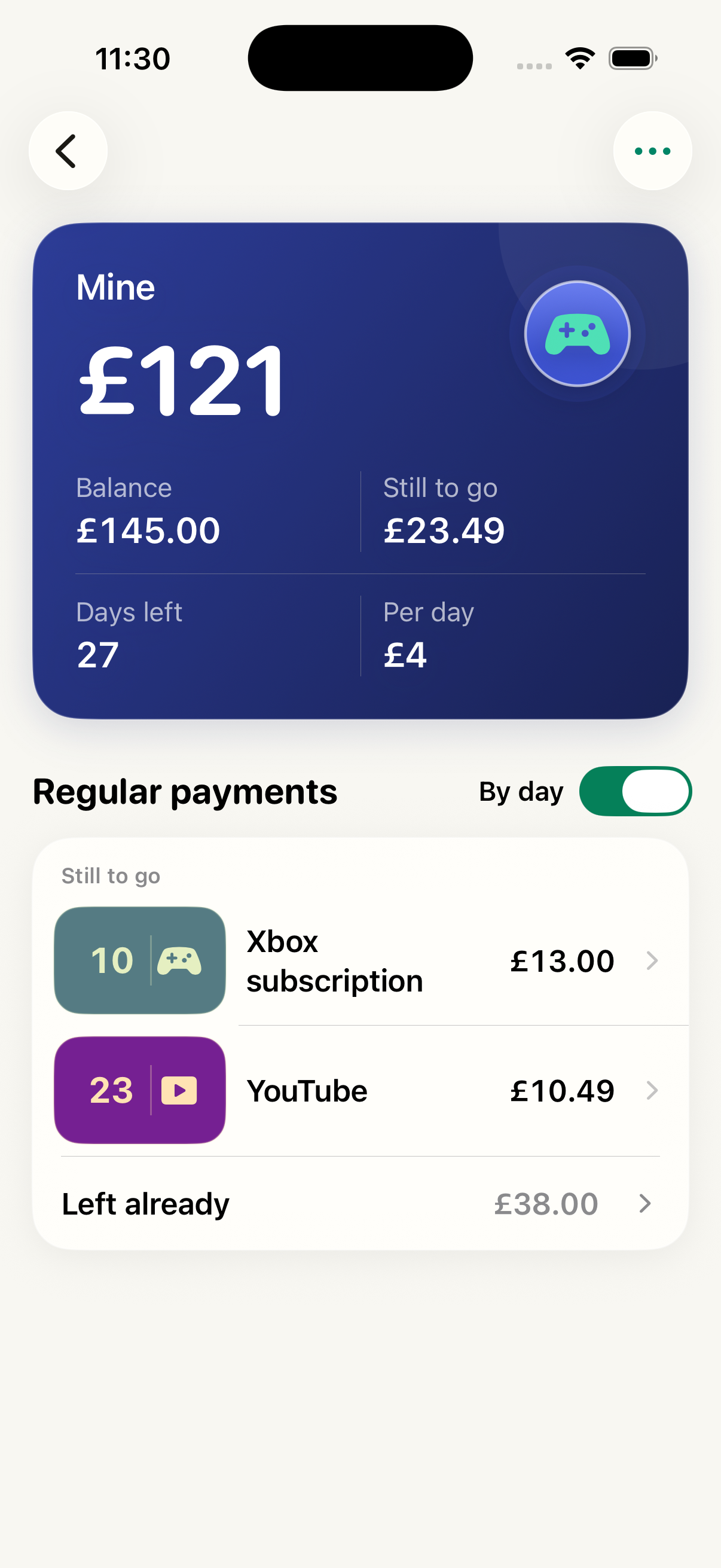
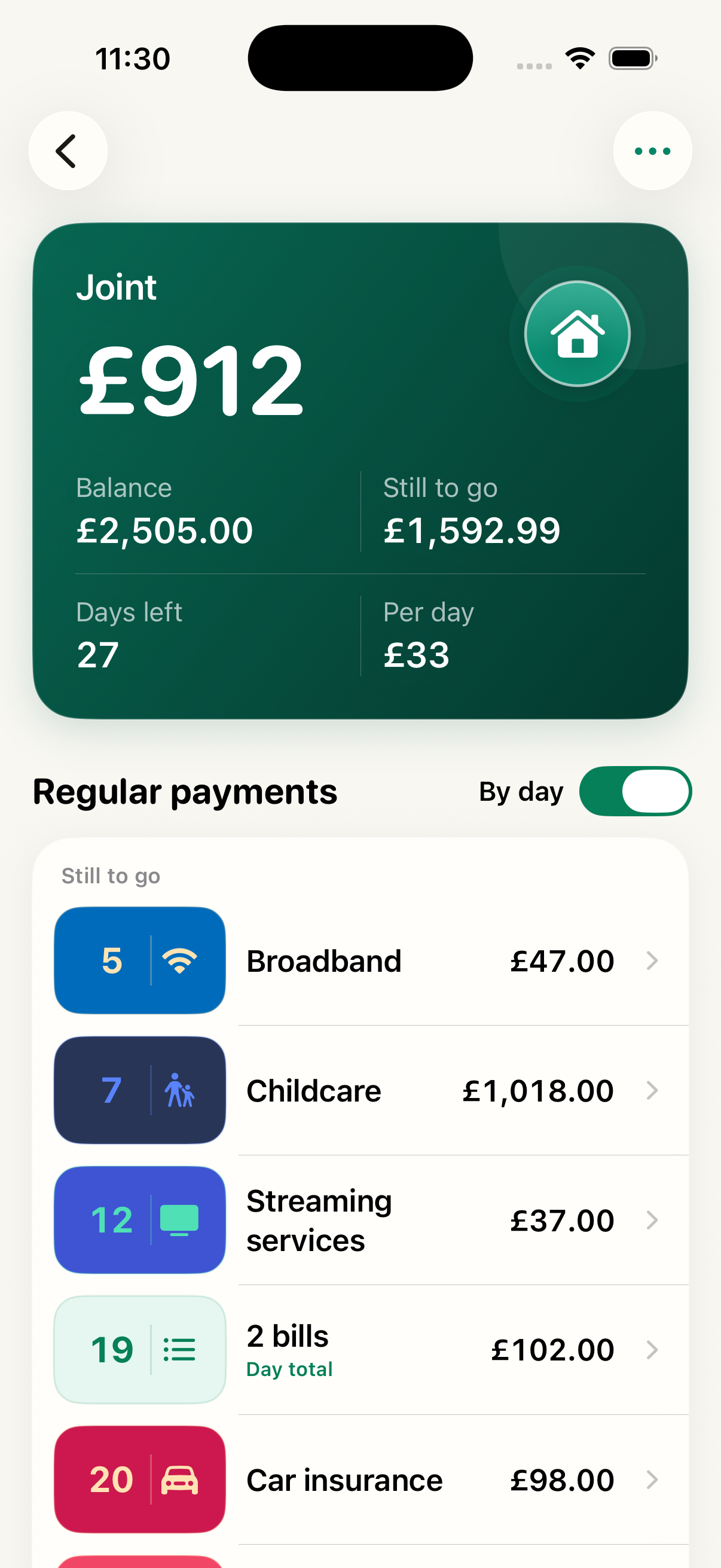
Dosh Pot lets me enter the current balance of an account and add regular monthly payments. It then shows how much will be left after the upcoming payments have been taken.
It also shows the number of days remaining in the month and a suggested daily allowance. Payments can be edited for one month without changing the regular setup, which is useful when an amount or payment date changes temporarily.
Dosh Pot also supports multiple pots, widgets, Apple Watch, Siri Shortcuts and optional household sharing through iCloud.
How I built it
I built Dosh Pot as a native SwiftUI app for iPhone and iPad, with companion support for Apple Watch and WidgetKit.
The calculation logic is kept separate from the interface so it can be tested independently. Data is stored locally and synchronised through CloudKit when household sharing is enabled. I used App Intents for Siri and Shortcuts, and RevenueCat with StoreKit for the Dosh Pot Pro purchase.
Challenges I ran into
One of the biggest challenges was making the calculation feel simple while handling real-world details such as payments already made, payments still to come, month boundaries, temporary changes and grouped payments.
Getting CloudKit sharing, widgets, Apple Watch data and in-app purchases working together also required a lot of testing. The development, sandbox and TestFlight environments all behave slightly differently, which made it important to test each part separately.
Accomplishments that I'm proud of
I’m proud that Dosh Pot turns a potentially complicated calculation into one clear number.
I’m also pleased with the supporting features around that core idea. Multiple pots make it possible to track different accounts or plans, while widgets and Apple Watch make the information available without opening the app. Household sharing means the balance and regular payments can be kept up to date by more than one person.
What I learned
I learned that the most useful financial tools do not necessarily need to connect to a bank or import lots of data. Sometimes the best experience comes from answering one specific question clearly.
I also learned a lot about building a small Apple-platform ecosystem rather than just a single app: shared data, widgets, watchOS, App Intents, StoreKit and CloudKit all need to feel like parts of the same product.
What's next for Dosh Pot
Next, I’d like to improve the first-time setup experience so people can create their first pot and add their regular payments even more quickly.
Add features
- historical usage
- savings accounts with money coming in
- private accounts that are not part of the family sharing
Built With
- cloudkit
- codex
- swift
- swiftui


Log in or sign up for Devpost to join the conversation.