-
-
logo
-
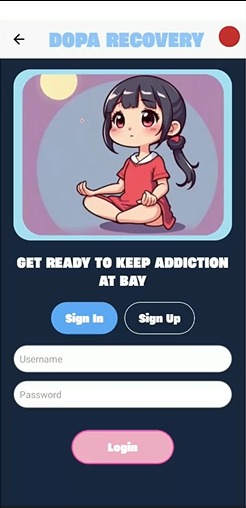
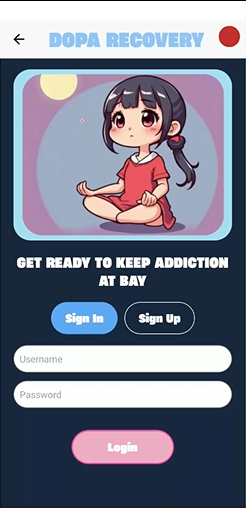
login/signup page
-
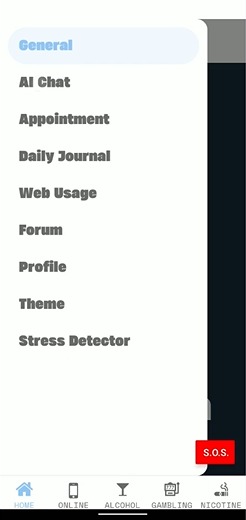
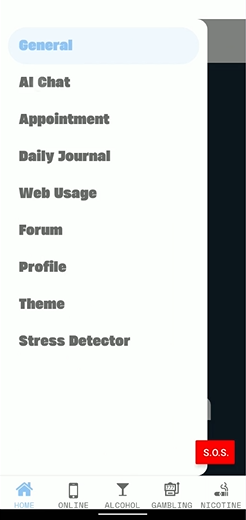
home menu option
-
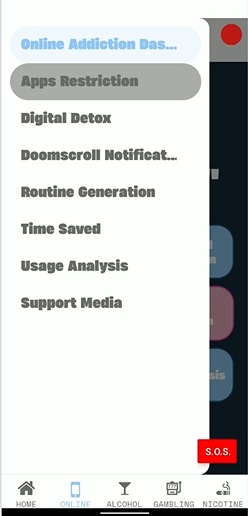
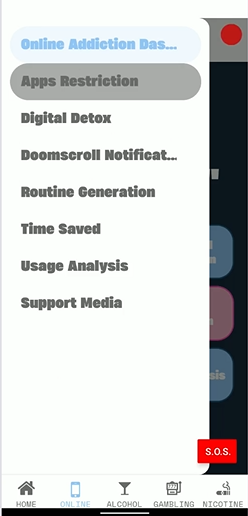
online menu option
-
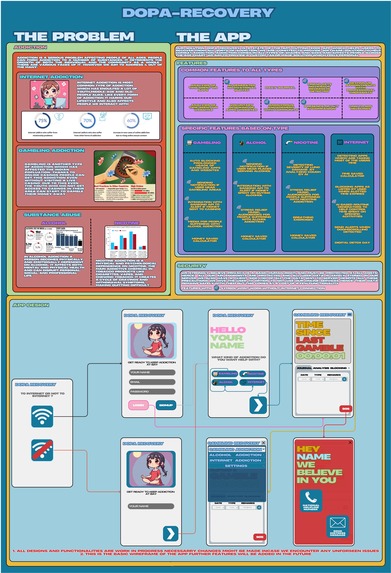
Idea Board
📌 Inspiration
This idea came from a personal experience. A close friend of mine fell into AI chatbot addiction. What started as harmless chats soon consumed his time, wrecked his grades, and affected his mental health. Without the means to afford professional therapy like so many in India he was left to struggle alone.
Alongside him, I also witnessed others battling deeper addictions like substance abuse, nicotine, gambling, and gaming, silently losing their futures because help was either too expensive or unavailable. It was heartbreaking to see how addiction is a silent war, and in our country, most people are fighting it empty-handed.
That’s when I realized, if nothing else, people deserve a small weapon, a fighting chance. DopaRecovery isn’t a replacement for therapists. It’s a companion, a support tool for those who can’t afford costly appointments. A small knife in a battle they’re forced to fight alone. I built this for my friend, and for every person quietly suffering, hoping for something to hold on to.
📌 What it does
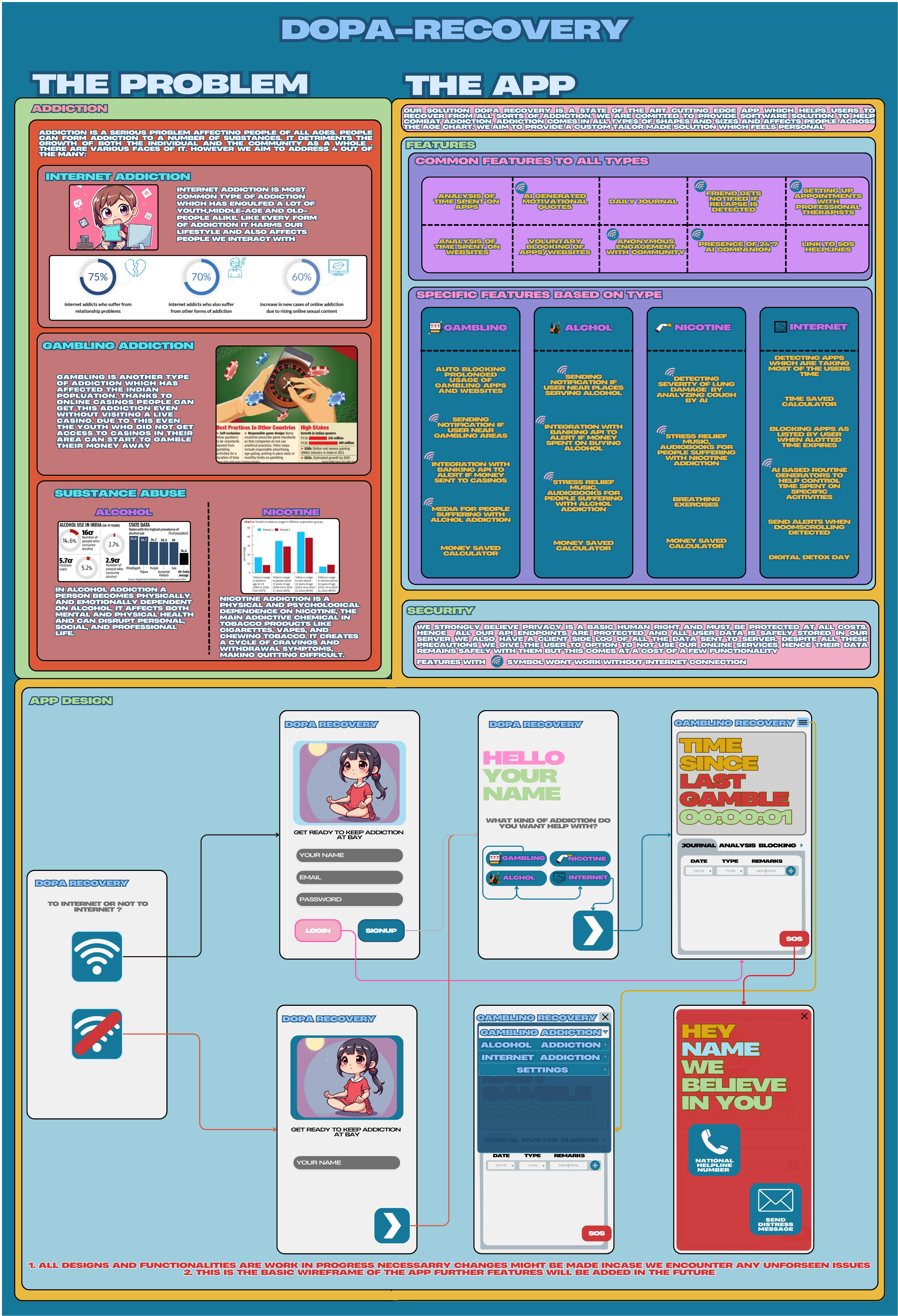
DopaRecovery is a mobile app that manages addictions like internet, gaming, gambling, or nicotine. It offers personalized recovery plans, habit tracking, AI-guided coping tips, stress detection via the phone’s front camera, an SOS button for emergency alerts and helpline calls, a safe anonymous community, app and web usage analyzers, an AI-integrated journal, and a fully customizable UI with AI-generated backgrounds.
📌 How we built it
Built with React Native (Expo), Node.js, and Express. Stress detection runs on-device via computer vision. Data is stored locally by default, with optional cloud backup planned. The UI allows full user personalization, including AI-generated themes.
📌 Challenges we faced
Balancing personalization and privacy, tuning AI to stay empathetic, securing on-device camera processing, and integrating an instant SOS and helpline system within device permissions.
📌 Accomplishments we’re proud of
Built a working cross-platform prototype, stress detection without external devices, customizable UI, AI-powered journaling, and an effective, responsive SOS feature.
📌 What we learned
How to build privacy-conscious, empathetic tech for mental health, balancing data sensitivity with supportive AI, and managing vulnerable community spaces.
📌 What’s next
Enable cloud backups, wearable data integration, enhanced AI-powered analyzers and journaling, dynamic AI-driven themes, and future virtual therapist consultations. Final goal: public release on App Store and Play Store.

Log in or sign up for Devpost to join the conversation.