
Inspiration
With rising screen addiction, overstimulation, and declining focus among students and young professionals, we wanted to build an AI-powered tool that helps people regain control of their digital habits. Most wellness apps track screen time but do not actively coach users or intervene in real time. We were inspired to create an AI-driven digital wellness coach that guides users, predicts craving patterns, and offers intelligent detox routines using behavioural insights.
What it does
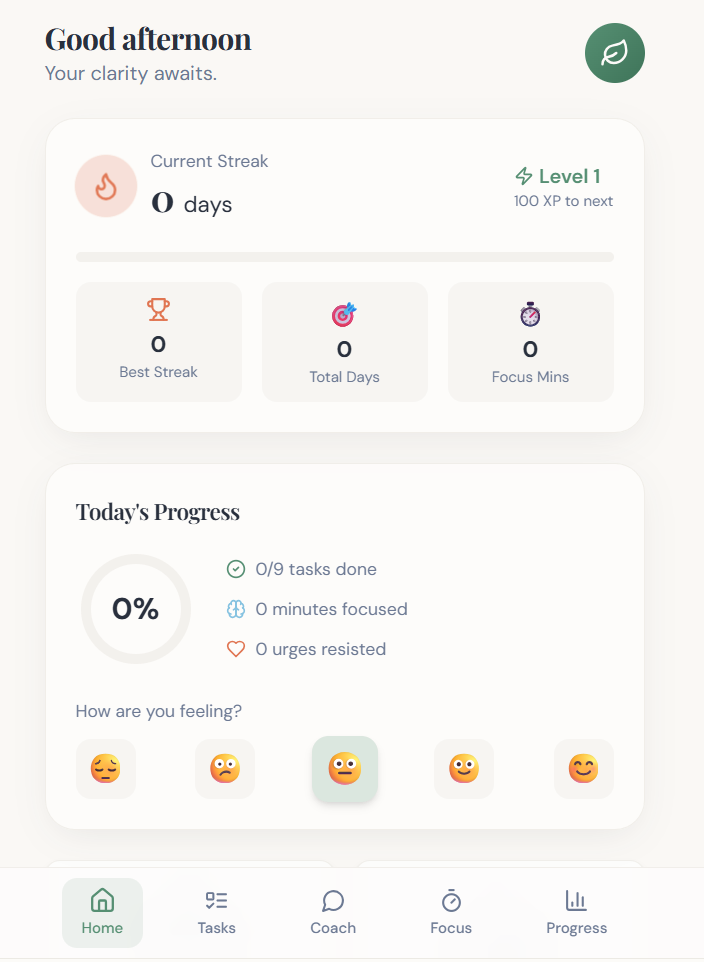
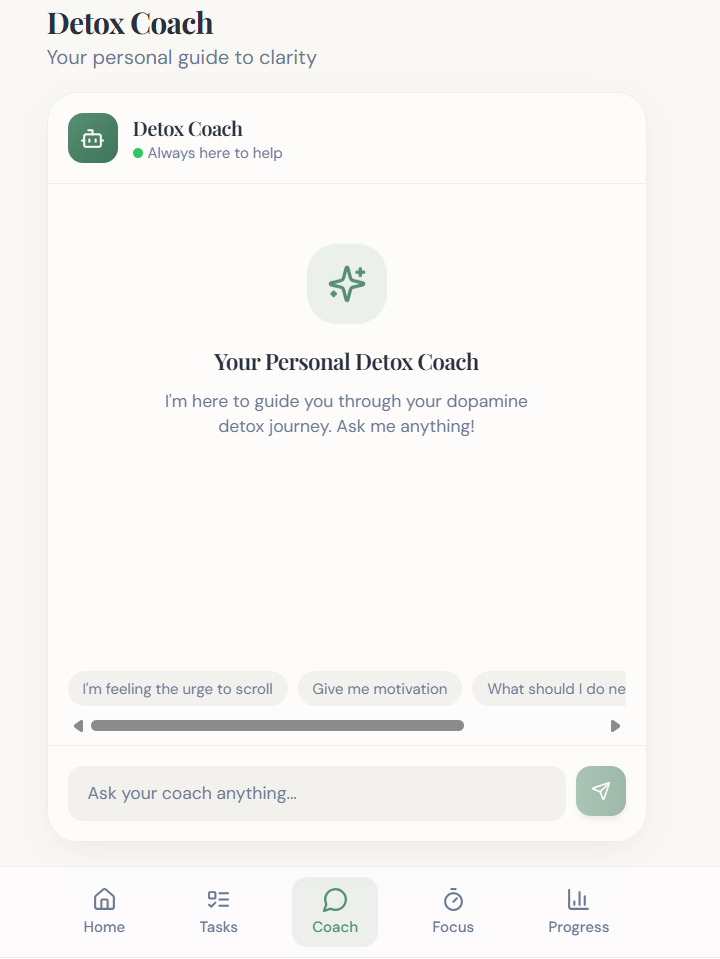
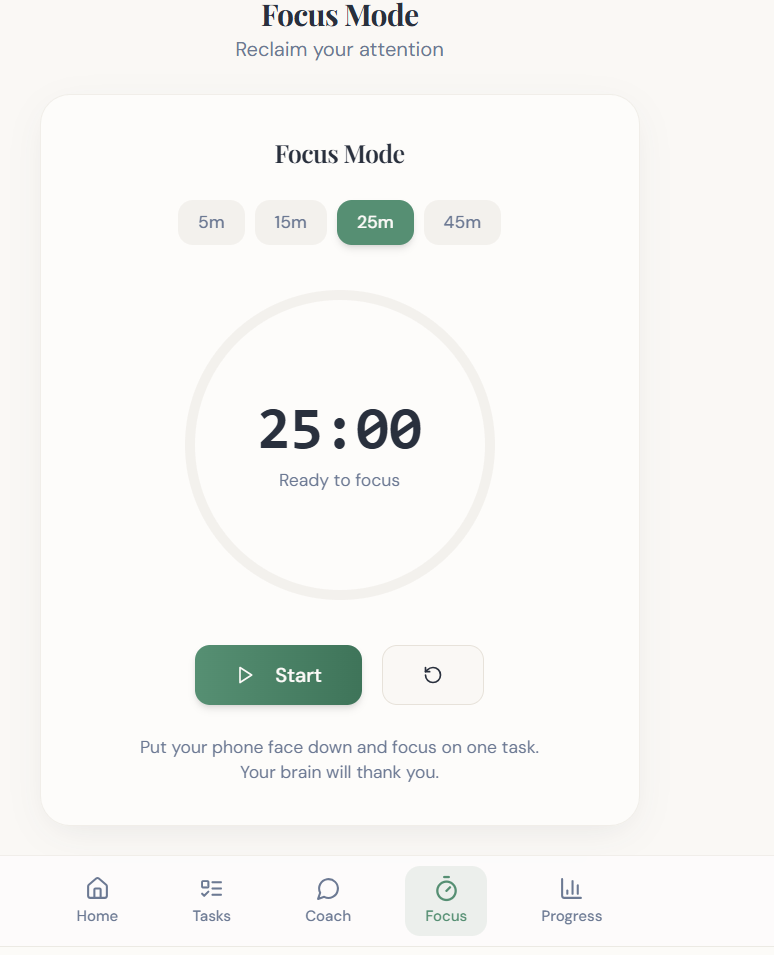
Dopamine Detox Coach is an AI-based behavioural assistant that helps users reduce screen addiction and improve focus.
The app:
Generates personalized detox plans using AI
Predicts screen cravings using user patterns
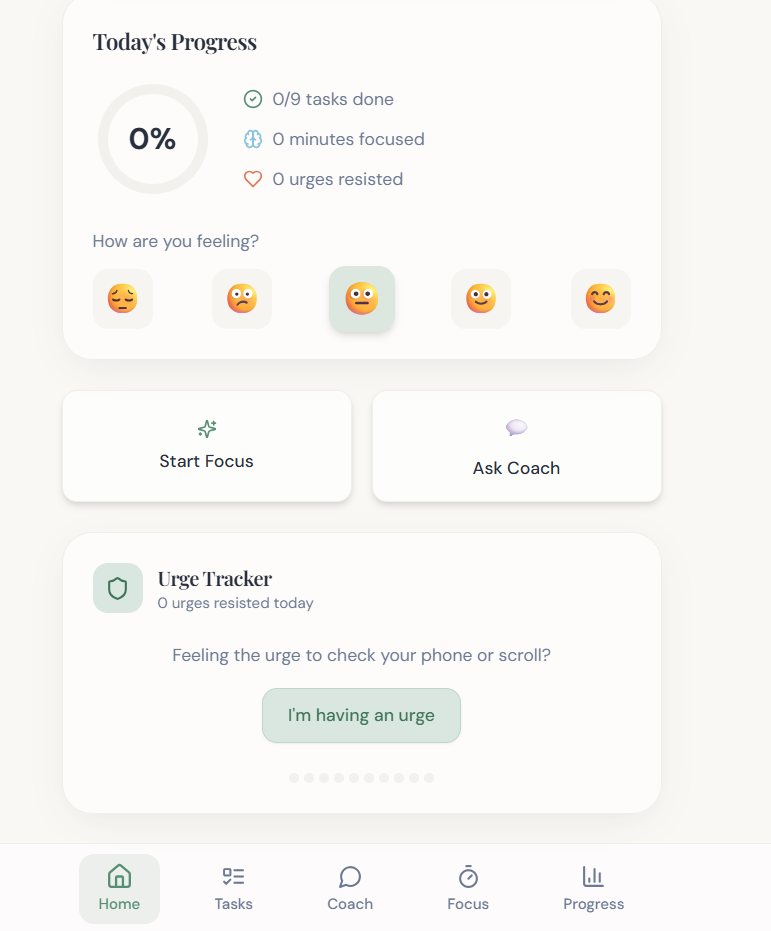
Gives real-time intervention prompts
Tracks mood, focus levels, and urges
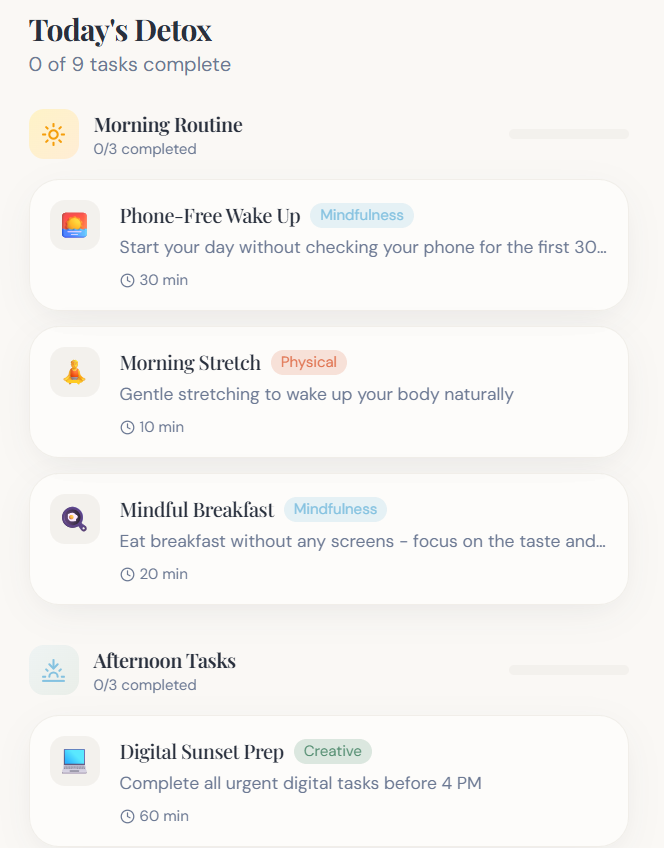
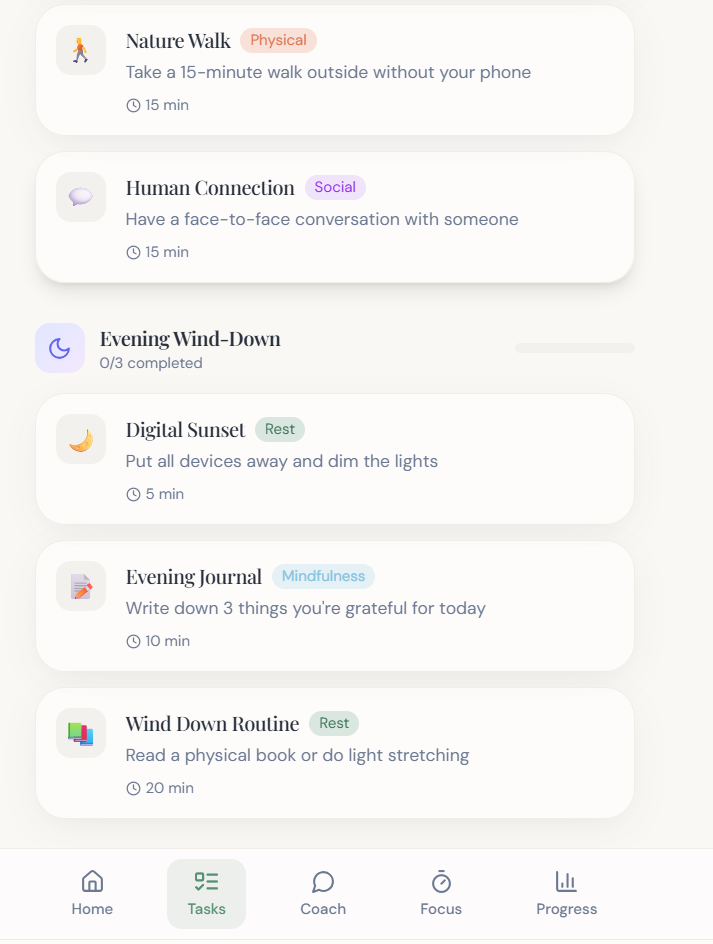
Provides daily low-dopamine routines
Uses natural-language coaching to motivate users
It acts like a smart detox companion, improving mental clarity and discipline through adaptive AI guidance.
How we built it
We built the app around an AI-centric architecture optimized for on-device processing:
Tech Stack
Flutter for UI
Firebase for cloud sync
TensorFlow Lite / Edge AI models for on-device prediction
Rule-based + LLM-like prompting for the AI Coach
Behavioural pattern recognition model to detect screen craving trends
AI Capabilities
Predictive modelling analyzing:
phone usage time
peak distraction hours
user mood logs
consistency patterns
AI Coach trained on:
cognitive behavioural principles
minimalistic detox tasks
positive reinforcement messaging
Optimization
Lightweight model compression for low-latency inference
On-device processing for privacy and offline usage
Challenges we ran into
Training a behavioural model on limited user data
Making AI recommendations feel human without overwhelming the user
Balancing minimal UI with interactive coaching features
Ensuring on-device predictions run fast on low-end hardware
Designing interventions that are helpful without becoming intrusive
Accomplishments that we're proud of
Successfully built a low-latency on-device AI assistant
Created a personalized detox engine based on behavioural insights
Designed a calm, minimal UI perfect for low-dopamine workflows
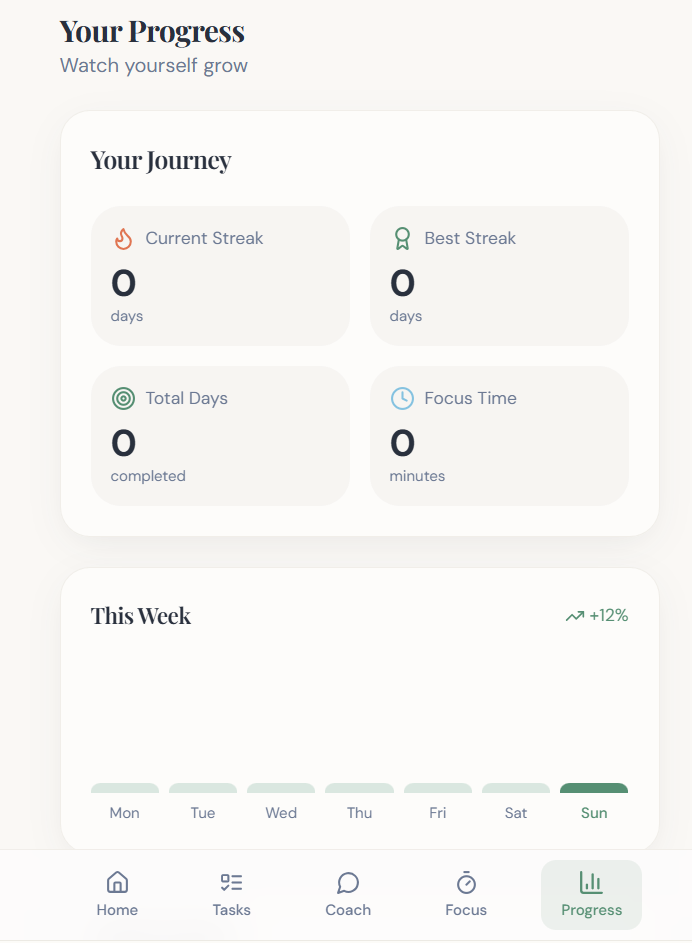
Developed streaks, analytics, and adaptive routines in one seamless flow
Made the app accessible, lightweight, and privacy-friendly
What we learned
AI is most effective in wellness apps when paired with simple, actionable habits
On-device AI improves user trust and privacy
Predictive behavioural modelling requires careful tuning
Minimalistic design drastically boosts user retention
Small “nudges” from AI work better than strict notifications
What's next for Dopamine Detox Coach
Integrate on-device sentiment analysis for emotional guidance
Add voice-based AI coaching
Build community-based detox challenges powered by AI analytics
Improve craving prediction using longer time-series models
Expand into wearable-device integration for smarter routine detection
Built With
- and
- and-adaptive-task-generation-ai-assisted-development-tools-?-used-for-rapid-ui-scaffolding-and-faster-iteration-manual-refinement-of-core-components-?-detox-engine
- behavioral-patterns
- flutter-+-dart-?-core-mobile-app-structure-and-ui-firebase-authentication-&-firestore-?-user-login
- focus-mode-logic
- low-stimulus
- mood-logs
- progress-storage-custom-ai-logic-layer-?-personalized-detox-routines
- streak-system
- ux

Log in or sign up for Devpost to join the conversation.