-
-
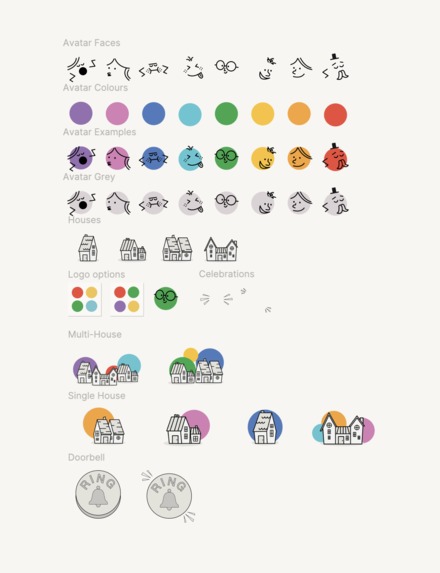
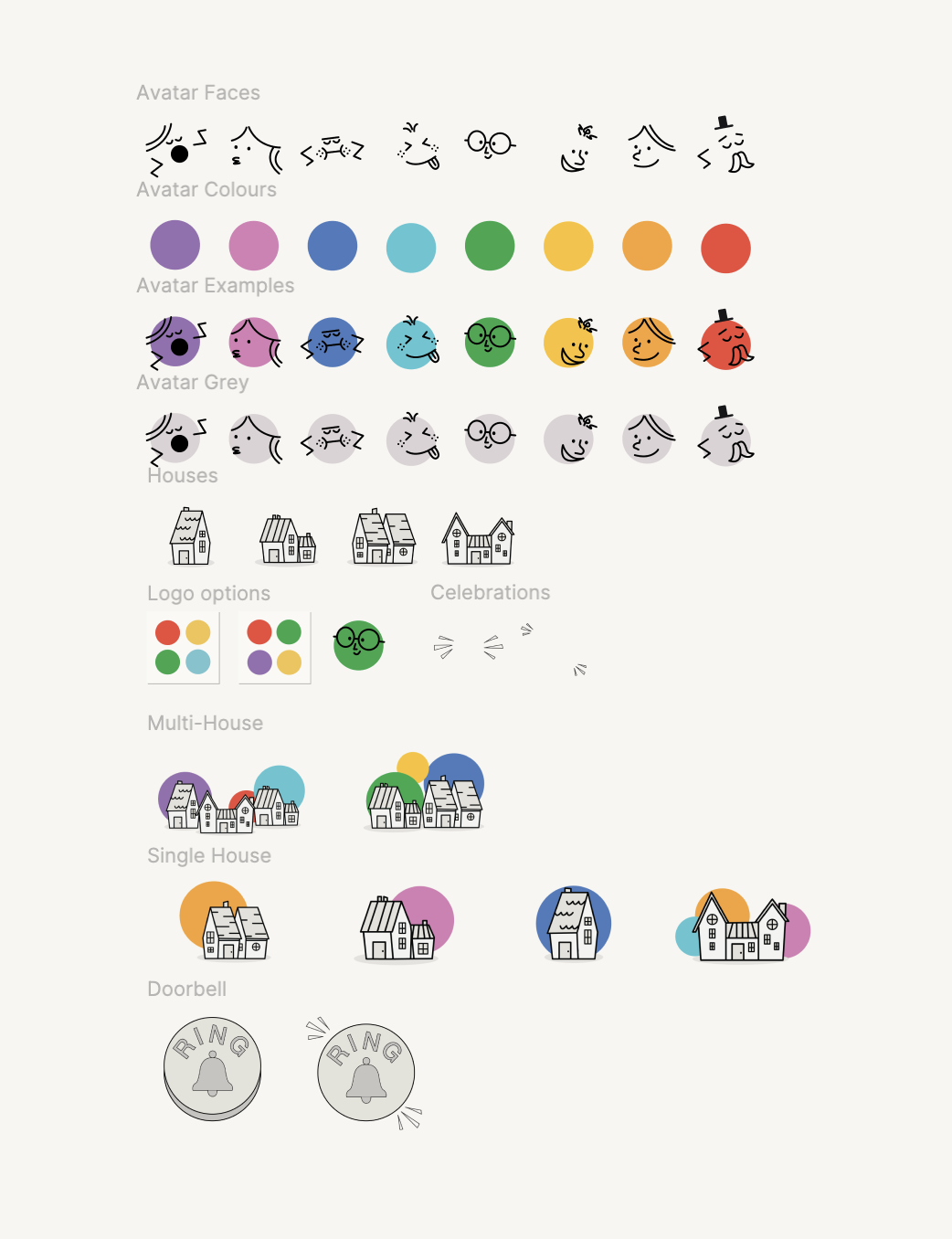
Doorbell Custom Assets
-
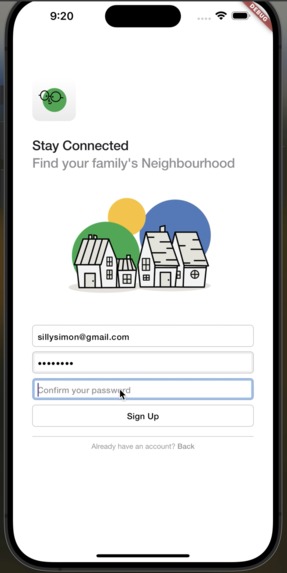
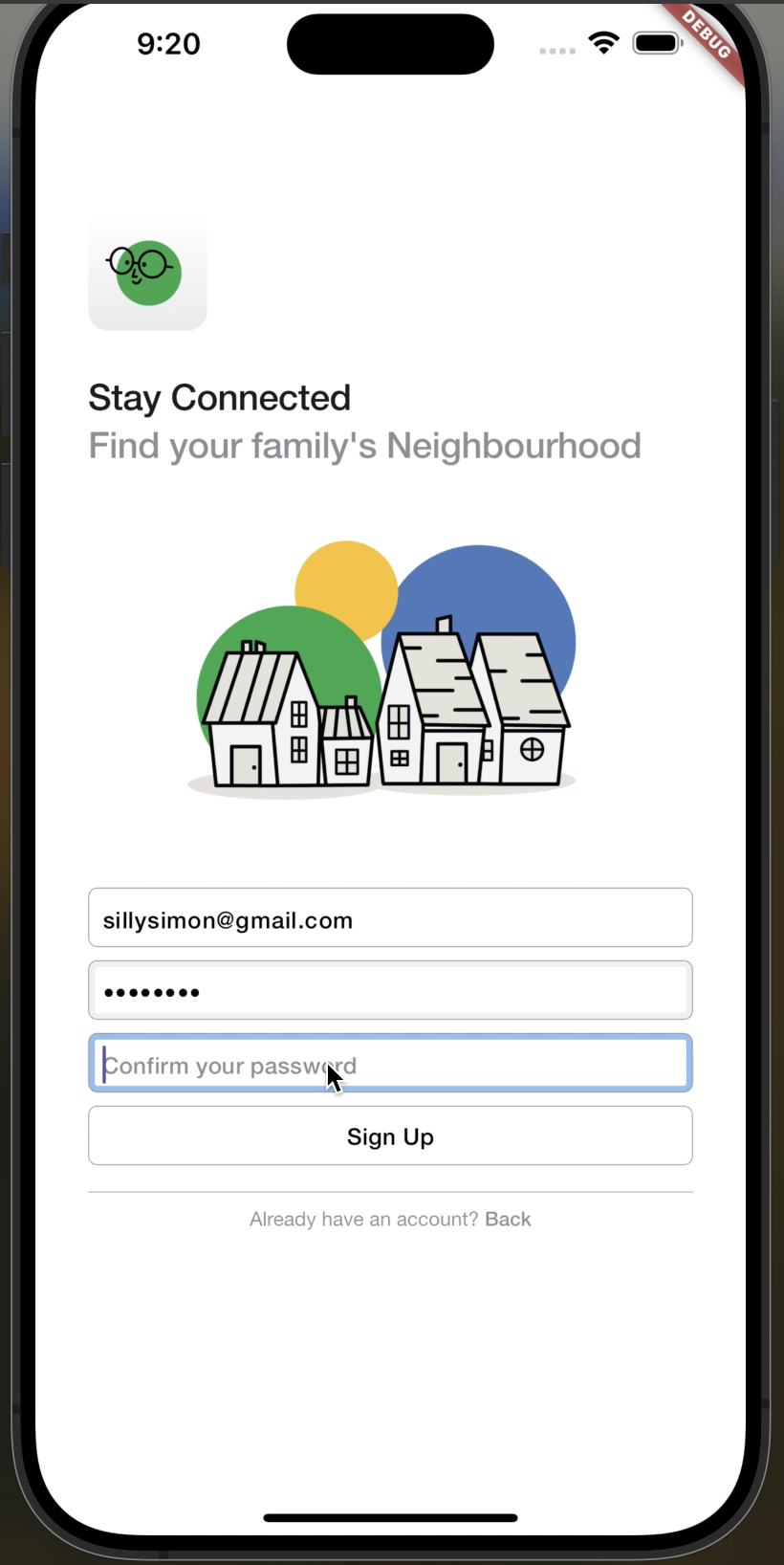
Welcome Page
-
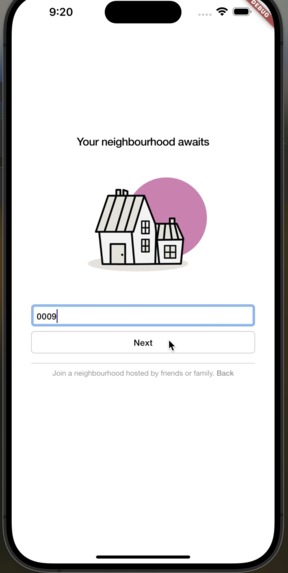
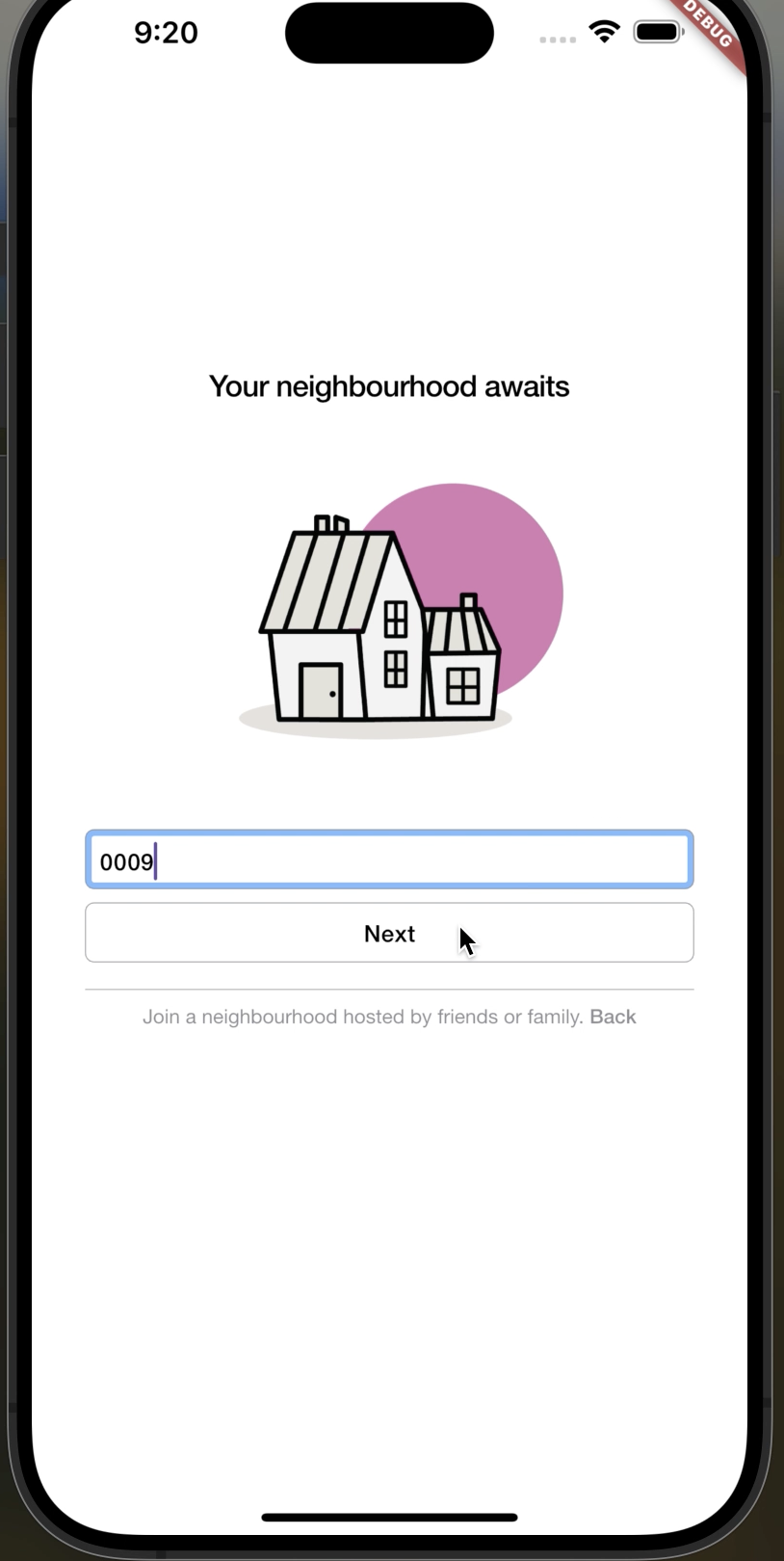
Onboarding
-
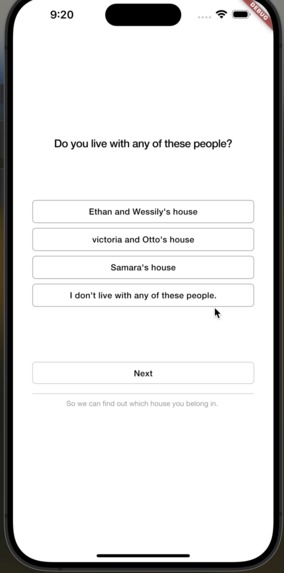
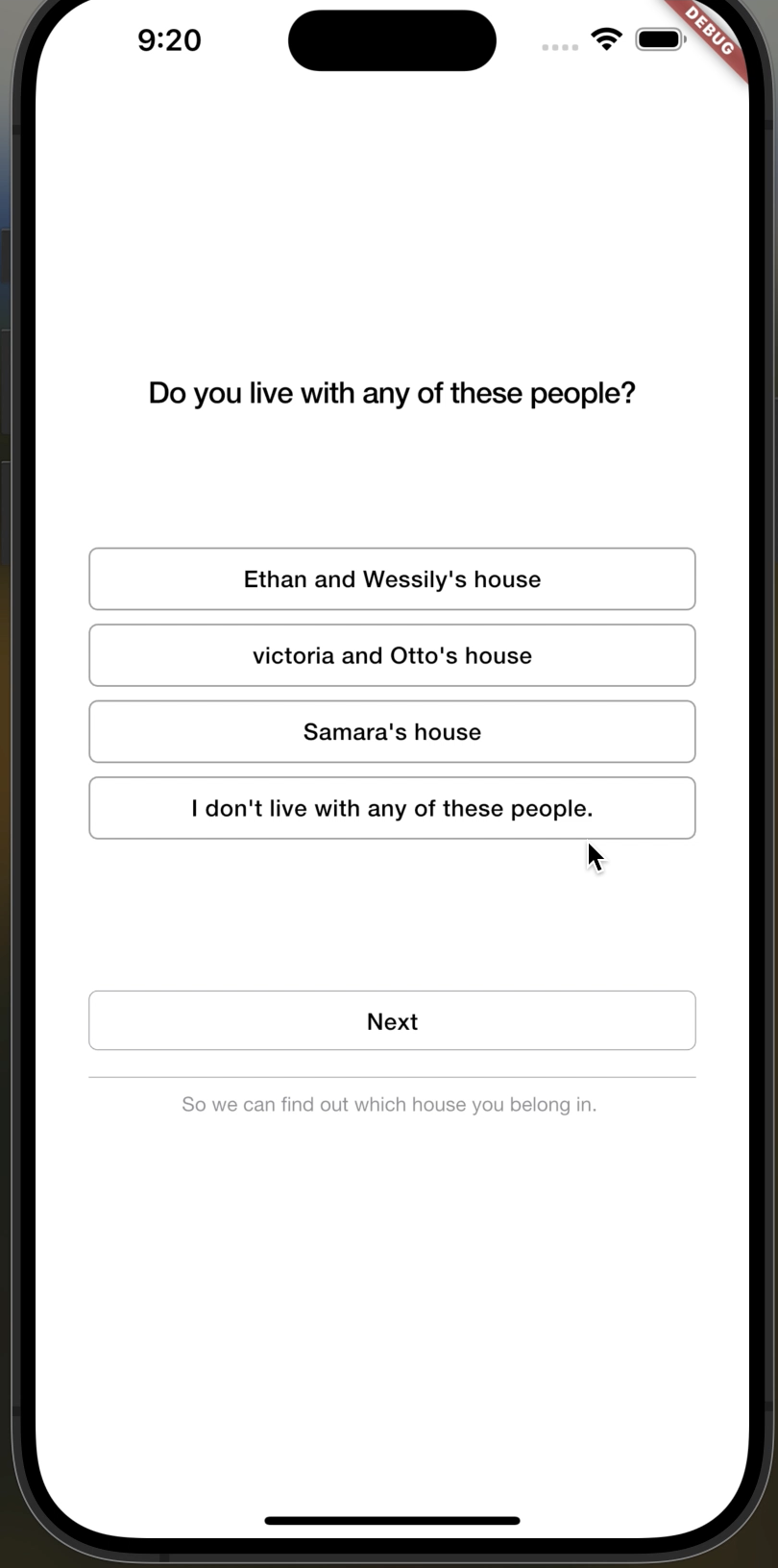
Onboarding
-
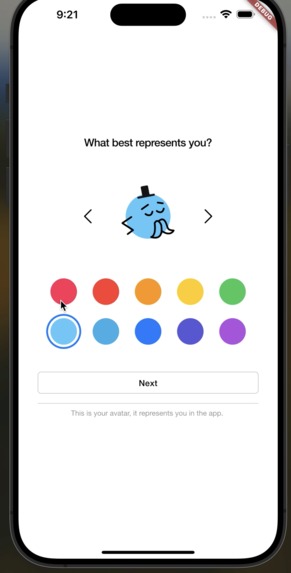
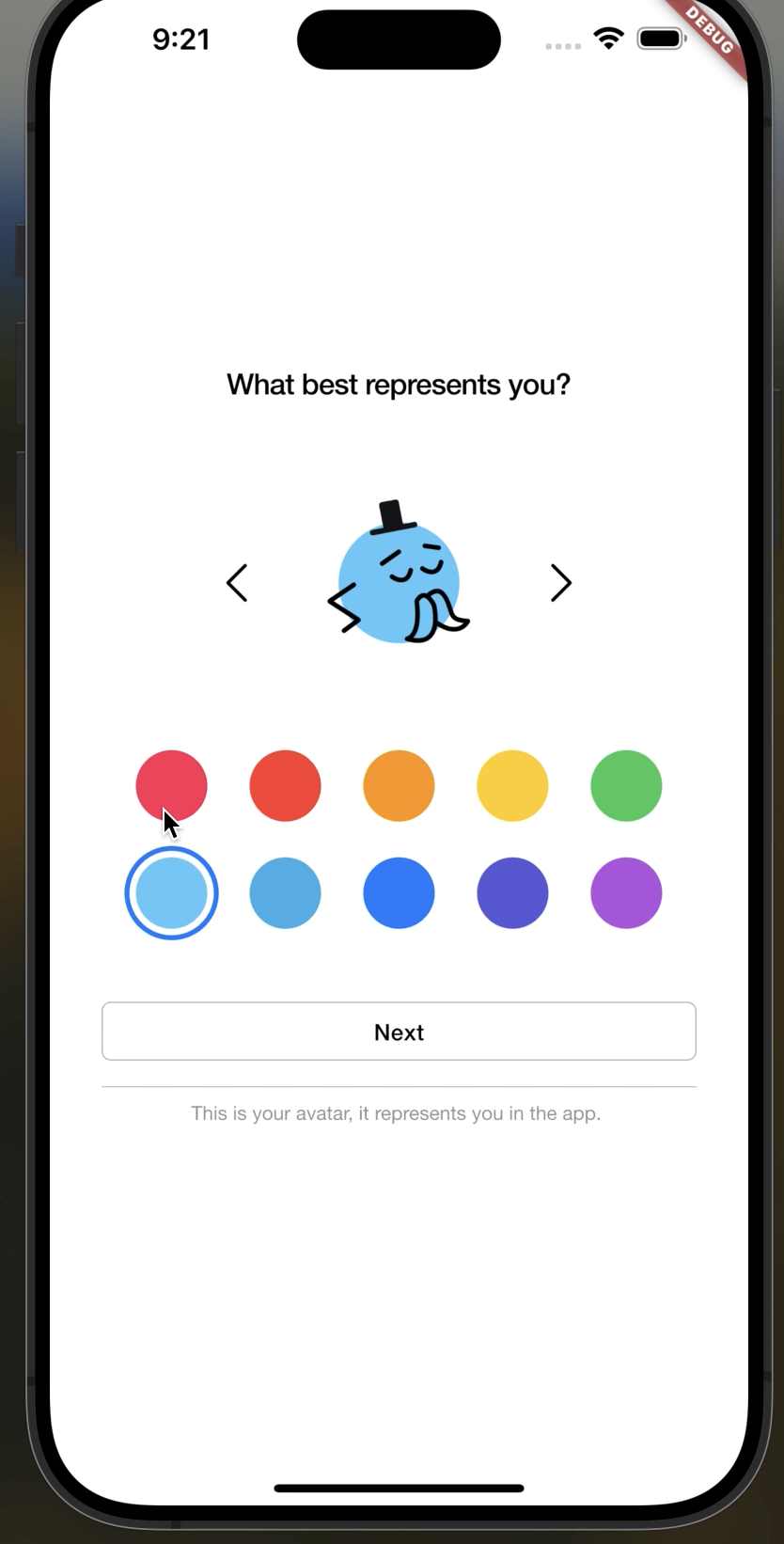
Avatar Select
-
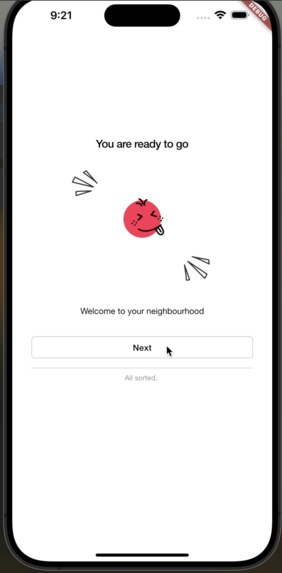
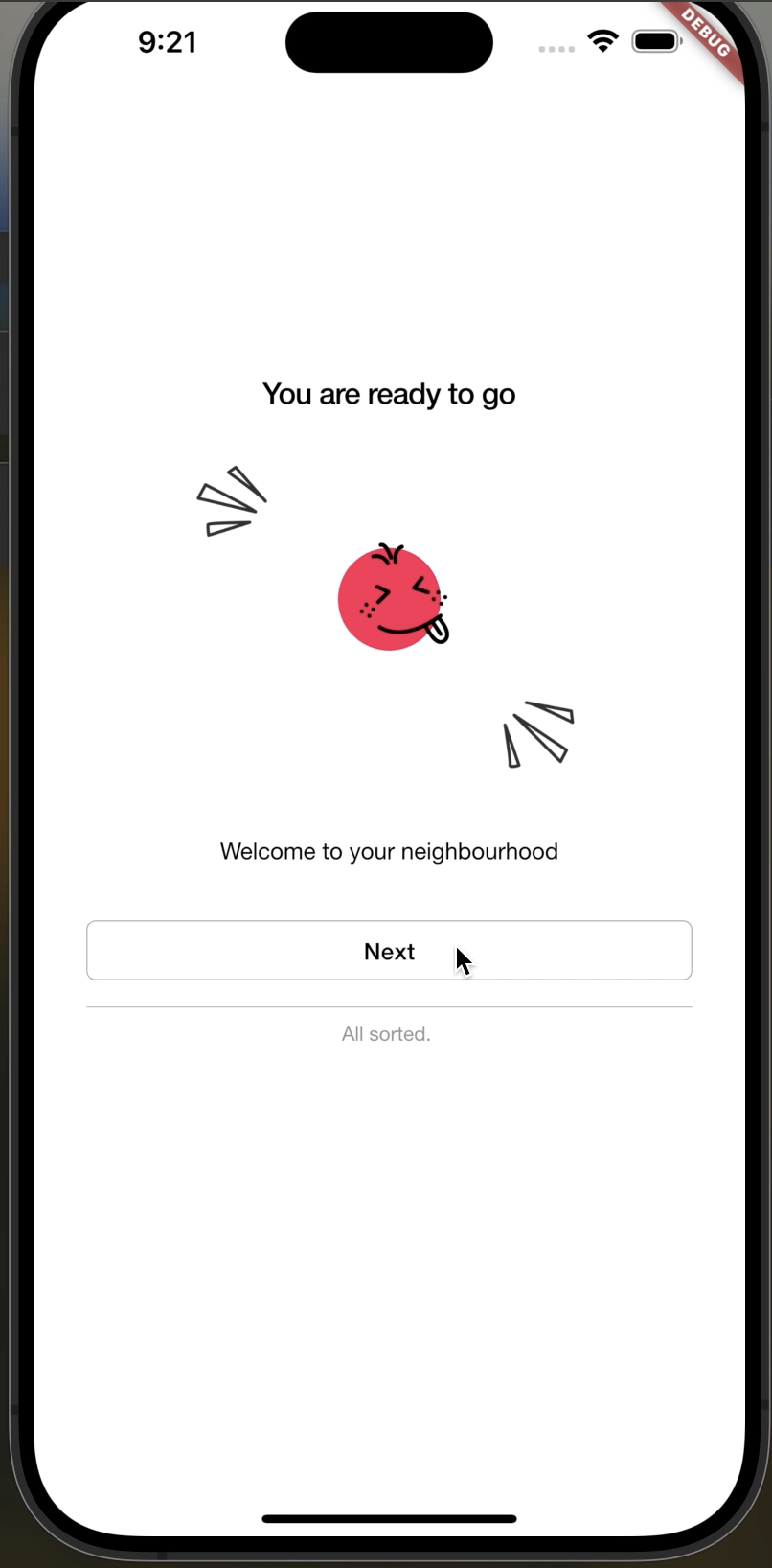
Avatar Complete
-
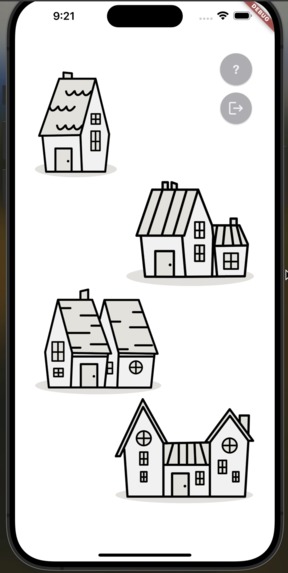
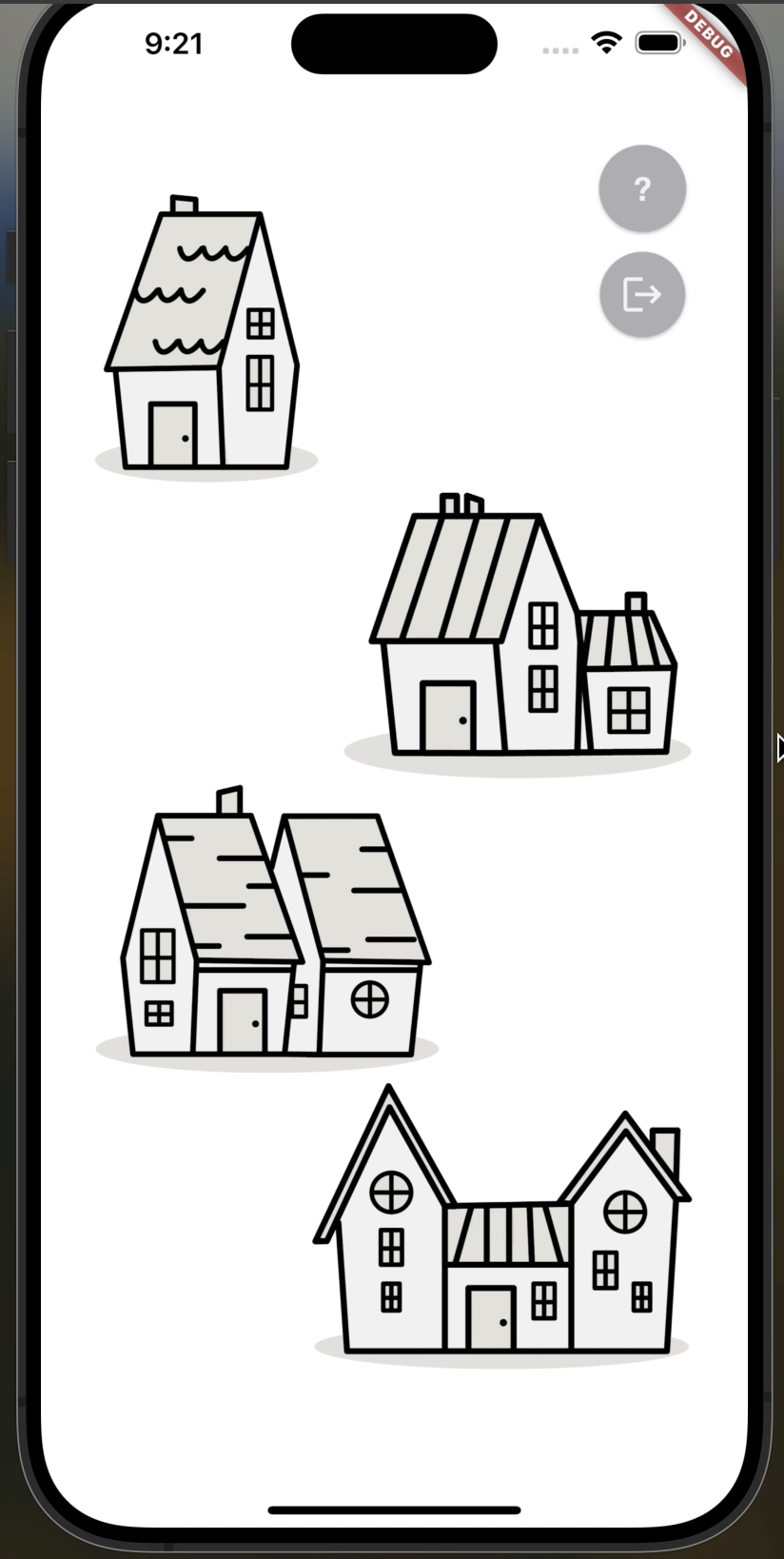
Homepage
-
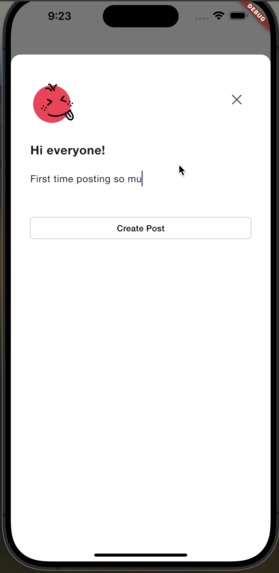
Creating Post
-
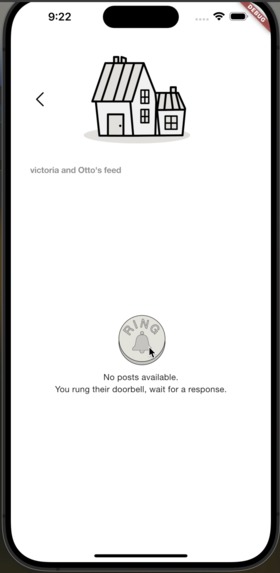
Ring doorbell
-
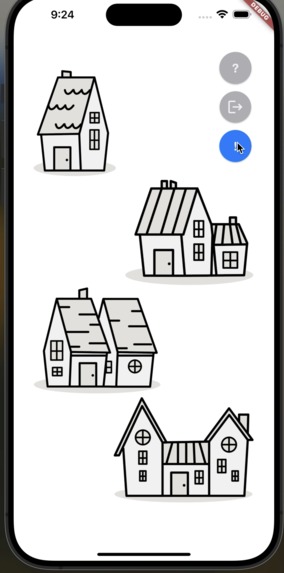
Homepage with Doorbell Alert
-
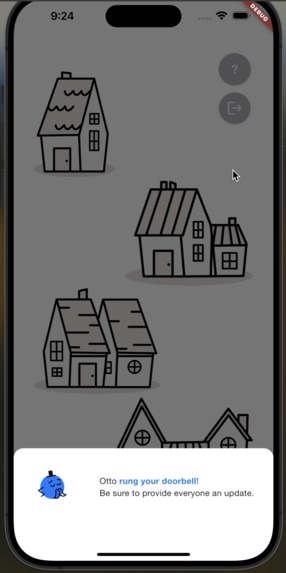
Doorbell Notification
-
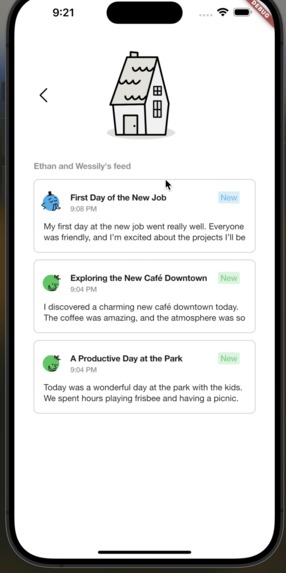
View Household's feed
-
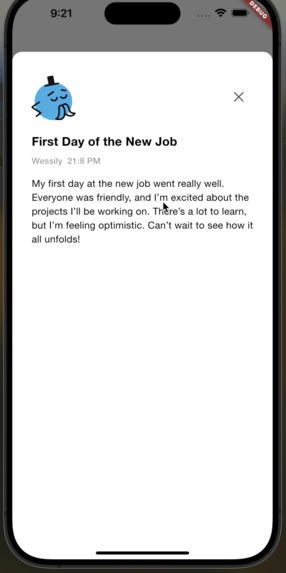
View Post
Inspiration
When moving away from home, university students and their families undergo massive life changes really quickly, having to adapt to separate lives and being far less connected than they’re used to. But one of technologies greatest strengths is connection, and that is what inspired us to create Doorbell. Living apart from family can be difficult, and most of us don’t keep our parents, siblings or grandparents as involved in our life as we want. It can be really difficult to keep all your loved ones updated with your separate, busy lives because of how many different people you need to reach out to tell the same updates, as well as just not remembering during a busy day. Our goal for Doorbell was to address this issue by creating one single centralised space where separate households can connect, and share updates about their lives, as well as remind others to do the same. Very loose inspiration was drawn from Club Penguin as well as Animal Crossing, in the way they create a sense of community and connection, and represent a neighbourhood digitally. Primarily created for families with members living in different households, Doorbell is intended to simplify the process of keeping your family in the loop of your life, and promote care and connection.
What it does
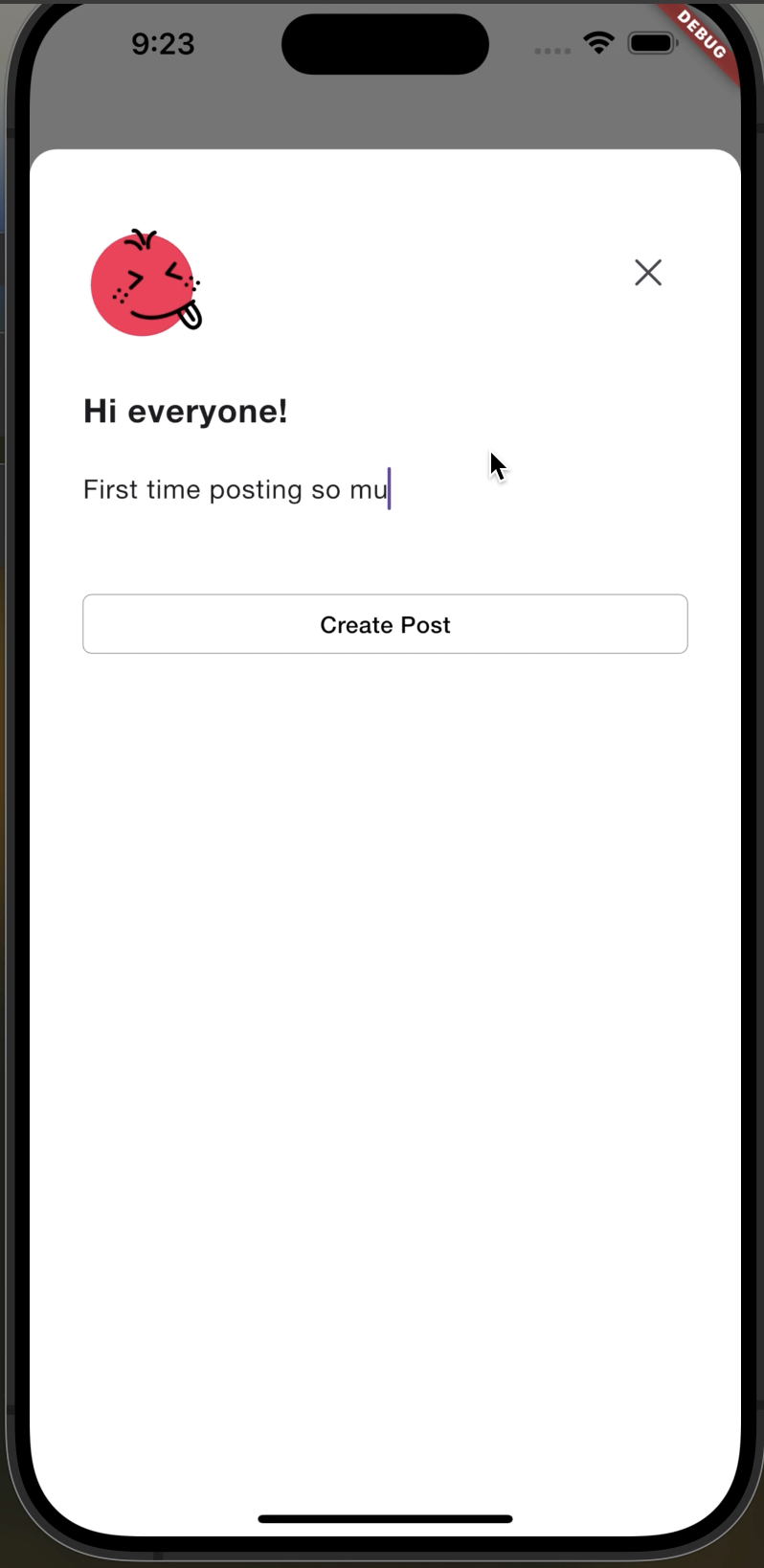
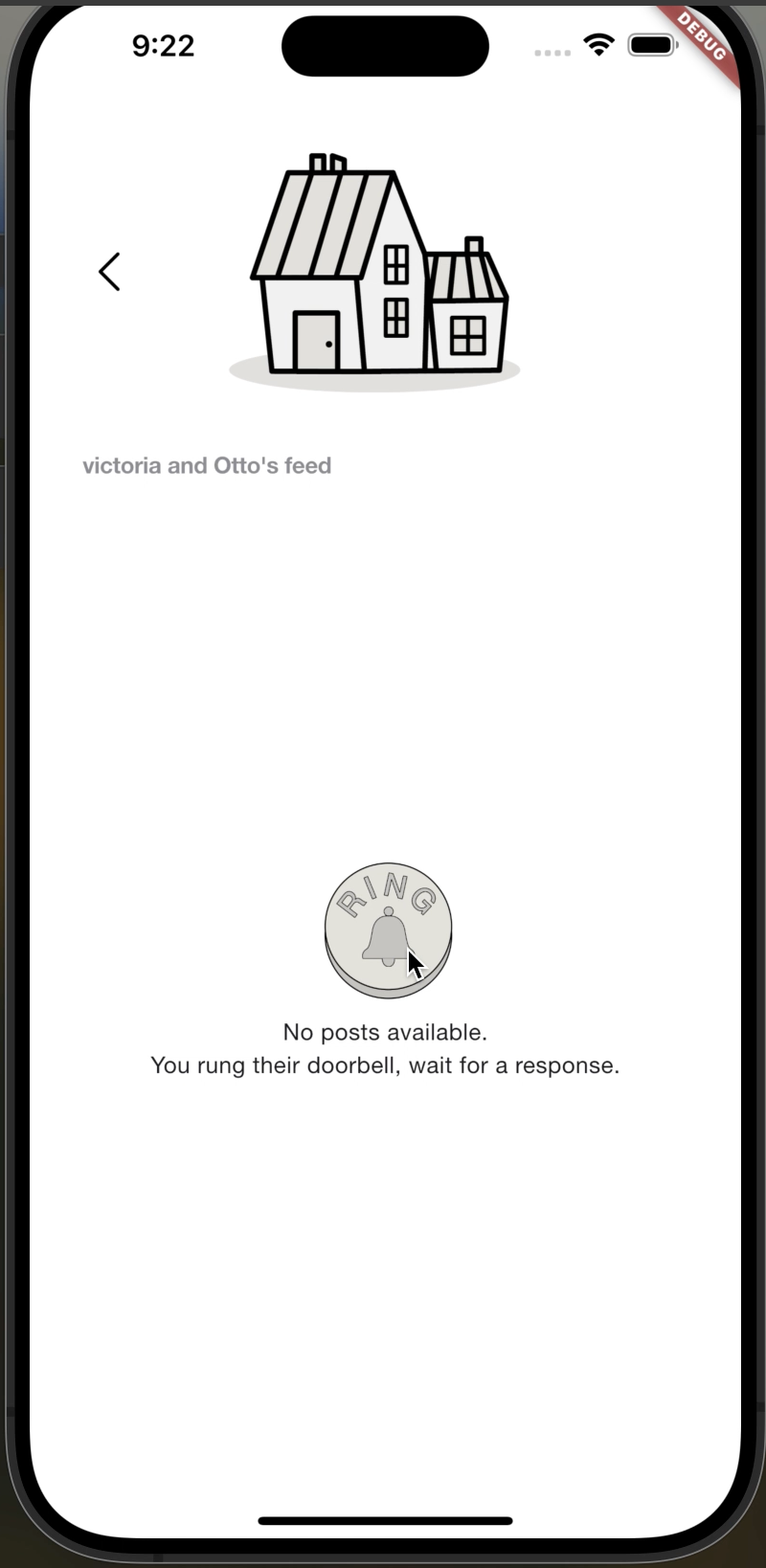
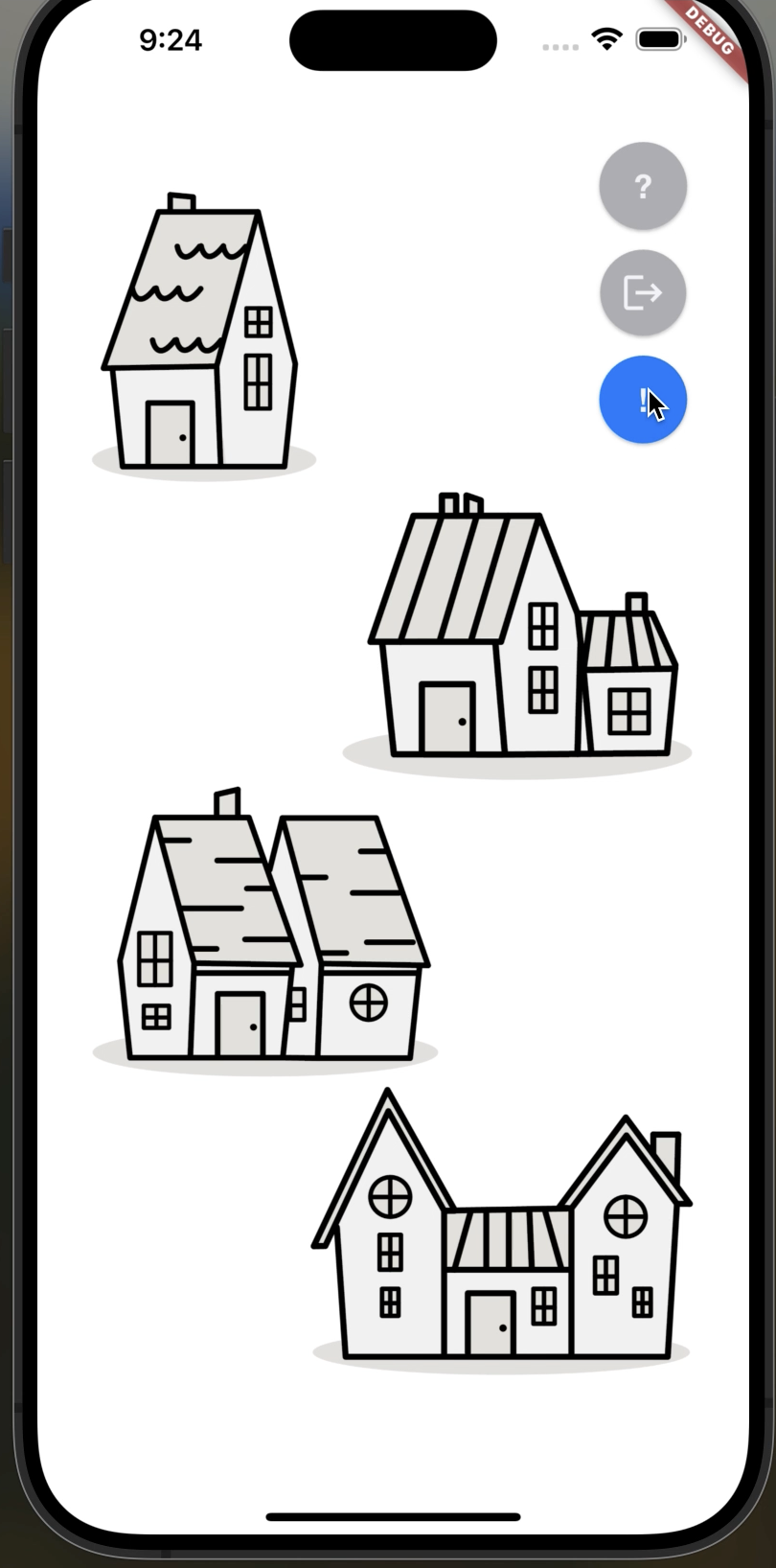
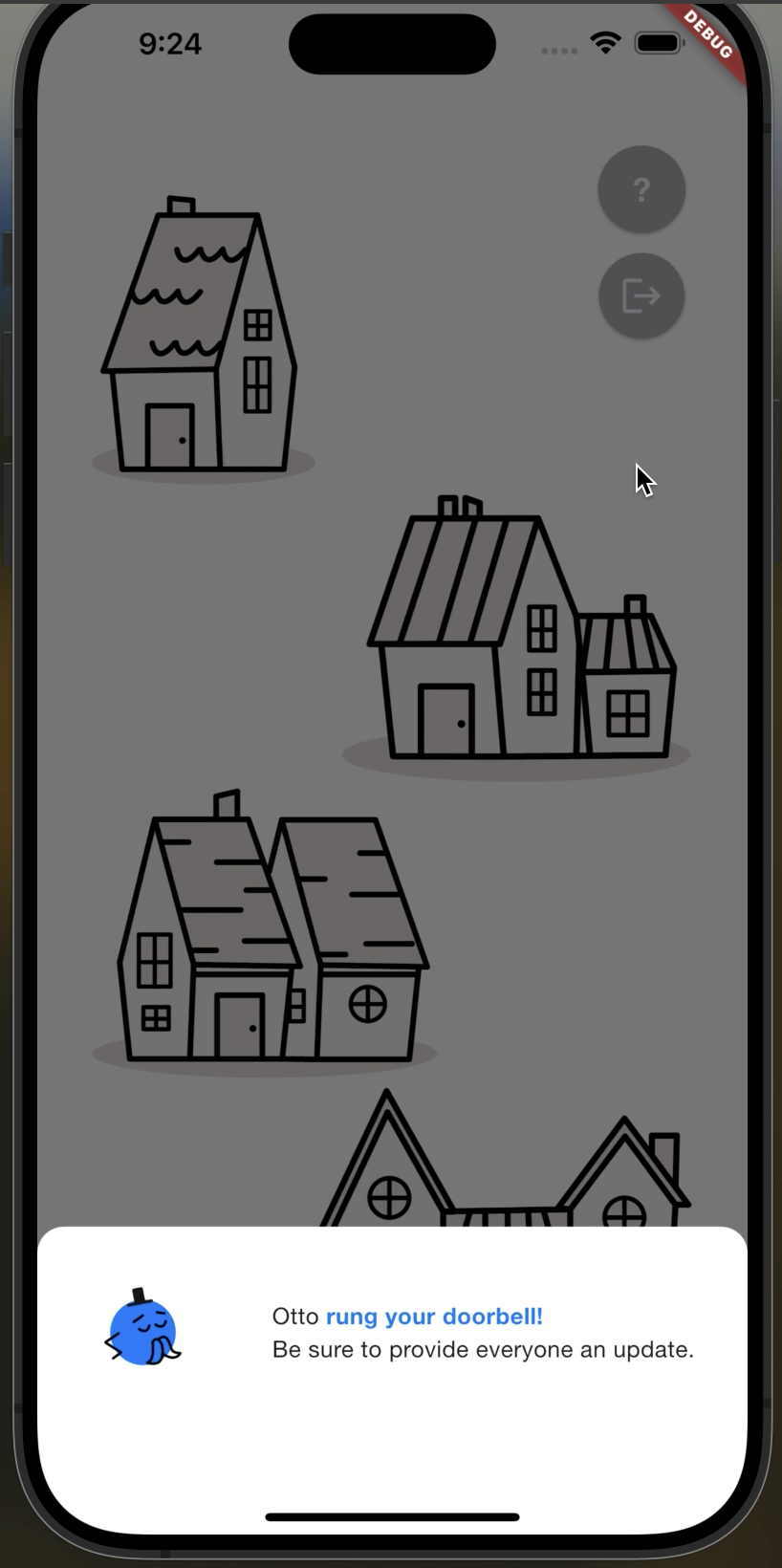
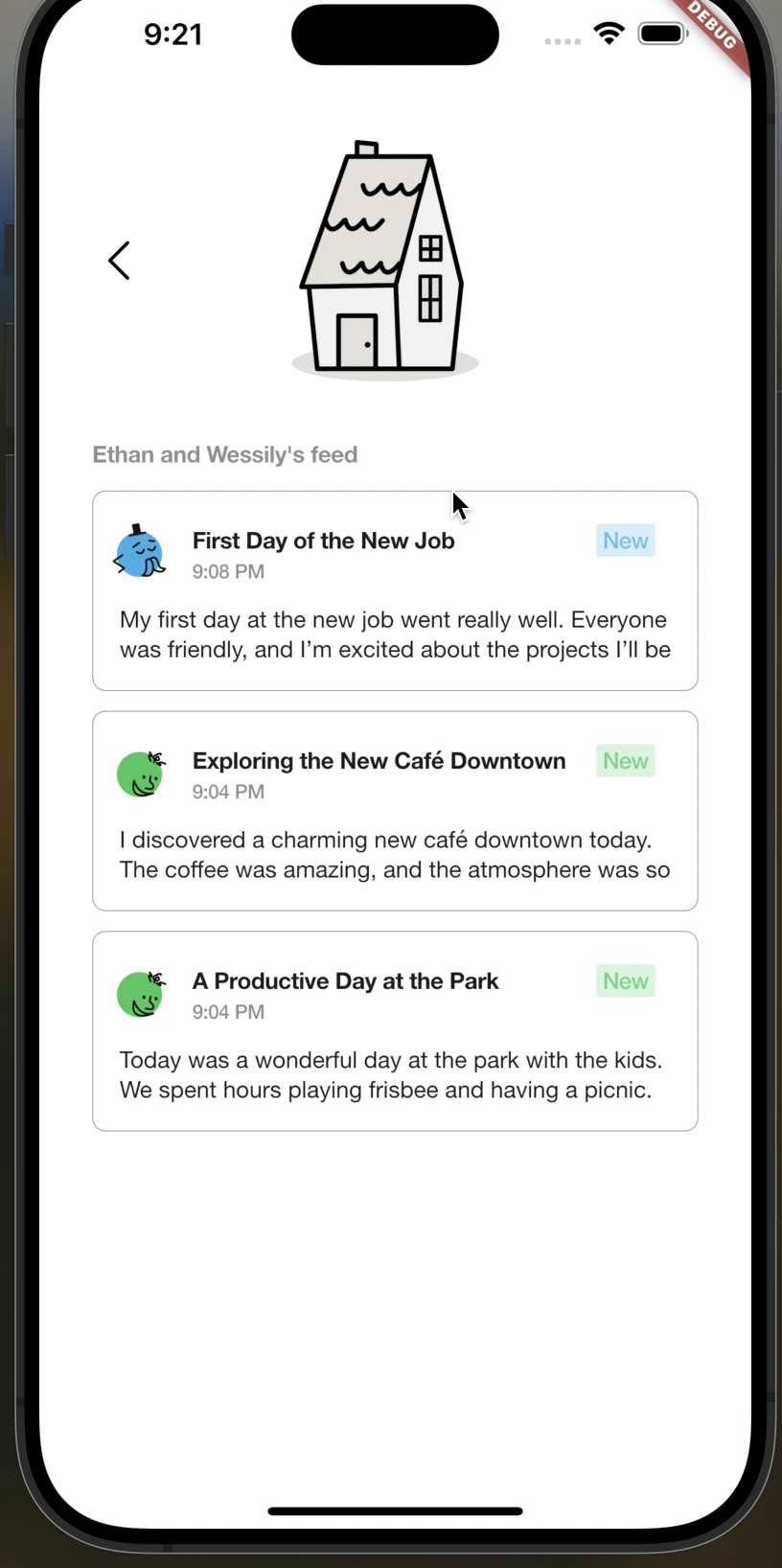
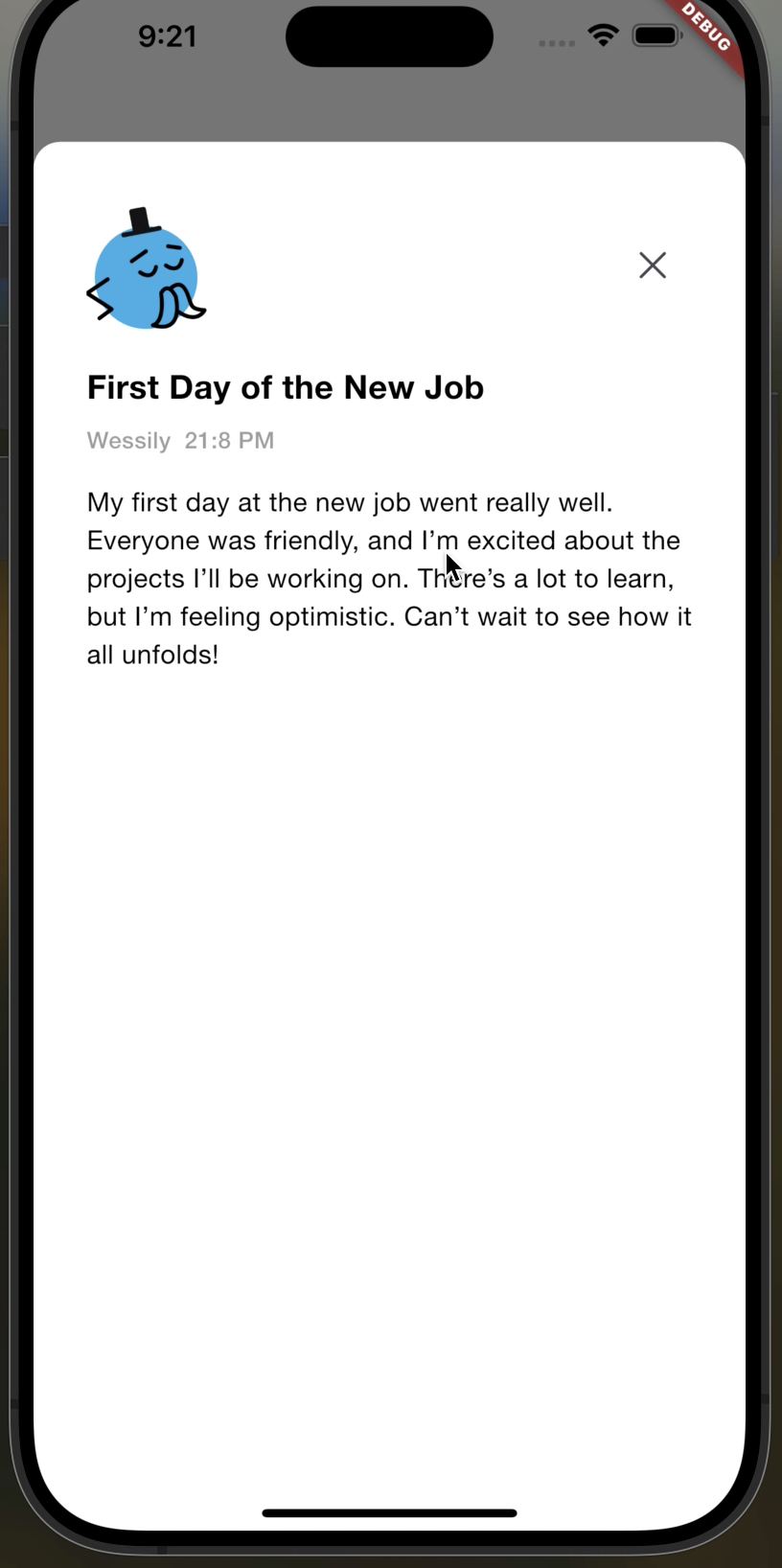
Doorbell is an innovative solution to bring separate households a feeling of connection, by creating a single, central place to share life updates as they happen. The app features a one-time onboarding flow to sign a user up to host a new digital ‘neighbourhood’, or join an existing one with a unique ID. The onboarding process also includes the selection of an avatar, which are made of custom made quirky face graphics and colourful circles. This provides the app with its sense of unique personality, and facilitates more genuine connection as it makes digital profiles more human. The home screen of the app is kept deliberately simple, as is most of the UI, intended to reduce visual clutter and keep it simple for everyone in the family to use, including people less comfortable with technology. The home screen is a central point where users can see the different households that you will be sharing your update to. We all need a little prompting to share our life sometimes, which is why we created the ‘doorbell’ feature, giving the app it’s unique name. “Ringing the doorbell” is a way for family members to send you a notification telling you they want to check in on you – encouraging you to create an update. Users can create posts, like journal entries, to share the most exciting things that happen to them in near real time. Simply tap on the house of people in your neighbourhood to read their updates and see what all the other households of your loved ones are up to!
Doorbell's Team
Doorbell has been created by two third-year university students who love mobile development. I’m Victoria, and I’m about to finish my degree in User Experience from the University of Melbourne. I love all things front-end and consumer focussed. As the less technical half of the team, my main contributions rested in UI creation in Figma, creating graphic assets in Adobe, and mapping out the overall user experience. My partner Ethan is a third year at RMIT studying Computer Science, and rounds out the technical side of our team fantastically. Ethan was responsible for all things back end and majority of the final implementation. Our roles overlapped at times, and the balance between our skill sets led to a well-rounded final product that we’re both extremely proud of.
How we built it
Our development process began the night when the prompt was released, with initial ideation and brainstorming the unique value proposition. Surprisingly enough we had actually already been talking about this app idea, and other app ideas to connect families, prior to the prompt, so when we were gifted the opportunity to create it, we took excitedly took the opportunity. We mapped out what we wanted the app to achieve, and kept the core user experience at the heart of all our conversations. We took our time when creating wireframes on Figma, to ensure the absolute simplest design that was easy to use. Because we want all demographics to be able to use the app (including older family members who might not be as comfortable with technology), it was really important to us to keep visual noise to an absolute minimum. Once our wireframes were created we moved onto the implementation. We began by setting up Firebase and learning how this can enable key functionality of our app like real time updates. We connected Firebase Authentication, which we primarily used in our onboarding, as well as Cloud Firestore to manage live data. We progressed from coding the onboarding screens, and how we could manage that data, to then building the viewing feed functionality, making a post, and ringing someone else’s doorbell.
Challenges we ran into
Time was undoubtably our biggest hurdle within this hackathon. As a team of only two, it was difficult to pick up pace simply due to limited time capacity. Both of us are blue-sky thinkers and love to ideate how initial ideas could be expanded and improved upon, however not all of these ideas were realistic to implement within a week timeframe. Fortunately, these ideas still made us really passionate and excited to work on the app, and definitely opened our thinking to prioritise certain features, and create the best MVP final app for this submission. The other main challenge was setting up flutter on both our devices and being able to test it live. We ran into a lot of challenges getting Flutter, Cocoa Pods and the simulator working through Xcode, as well as our repository on Github. This was frustrating as it sunk a lot of time into getting us set up, that wasn’t actual coding or development, but was necessary to collaborate most effectively.
Accomplishments that we're proud of
We’re incredibly proud of both of our efforts toward this app. Firstly, I think we’re proud of the execution and how passionate we are about the idea. Like I said before, we were already talking about this issue and had an absolute blast making something to solve it. The visual identity of the app was important to us and because of this it took a couple tries to get it right, but we’re extremely proud of where we have ended up. The graphics are all custom made which took time from other things, but it was definitely worth it to have a more personality filled visual style. We’re proud that we always kept the consumers at the centre of our idea, and that we took our time with the wireframes and UX to build a really effective product – rather than just the first solution we could think of and code. As a whole, we’re definitely also proud of the backend implementation and all the tiny problems we had to solve to get it working in real time with the functionality we envisioned. We learnt a lot of things really quickly, and between just two of us to make a functioning app in a short time frame was an enormous feat that we’re both really proud of.
What we learned
This process taught us so much about the mobile development experience. Firstly, neither of us had used Flutter or Dart so that was really cool to add another skill to our technical toolkits. We have also never worked on a project together before, as we go to different universities, so it was a great experience to learn how the other works and approaches these tasks and to see what we could learn from each other. I think our diversity in area of expertise, one from UX/UI and one from Computer Science meant that we both had a lot to add and a lot to teach the other. Sharing our skills and approaches to the project definitely made for a better, more well-rounded final product. In terms of technical learning, working with the Future Wrapper and Future Builder functionality was new and enabled some really cool features from our app. The StreamBuilder, with QuerySnapshots, was an approach to updates we hadn’t seen before, so was also interesting in helping us implement our feed.
What's next for Doorbell
Doorbell has a bright future ahead of it, and there are SO many additional features we got ourselves excited about but couldn’t logistically implement within the week. For example, being able to more dynamically comment and interact with other on their posts, as well as adding images, would be great. We also thought really big picture, and discussed the opportunity to integrate avatars with the persons current activity (either through location tracking or linking it to Google Calendar etc.) to give family members more real time updates of where their loved ones are. Push notifications could also be implemented to more effectively remind users to update each other, and finally, the idea of a history feature, or summary pages, where users can see a page with a summary of what the entire neighbourhood/family did on one day, then store it in a memory bank and be able to look back at the entries later. This would be a really great way to immortalise family memories and create a centralised place for sharing updates and feeling that sense of connection once again. I am confident we will continue to tinker on the Doorbell features, to explore these ideas and continue our learning and practise in developing mobile applications.


Log in or sign up for Devpost to join the conversation.