-
-
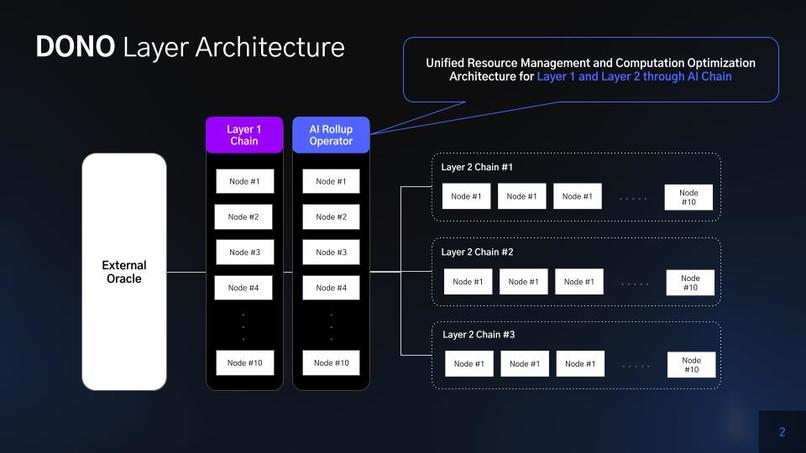
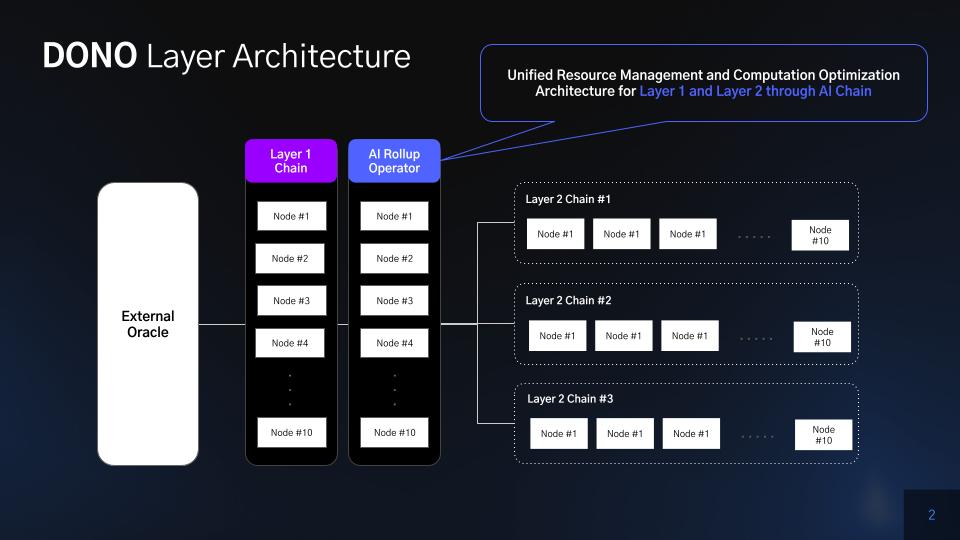
DONO Layer Architecture
-
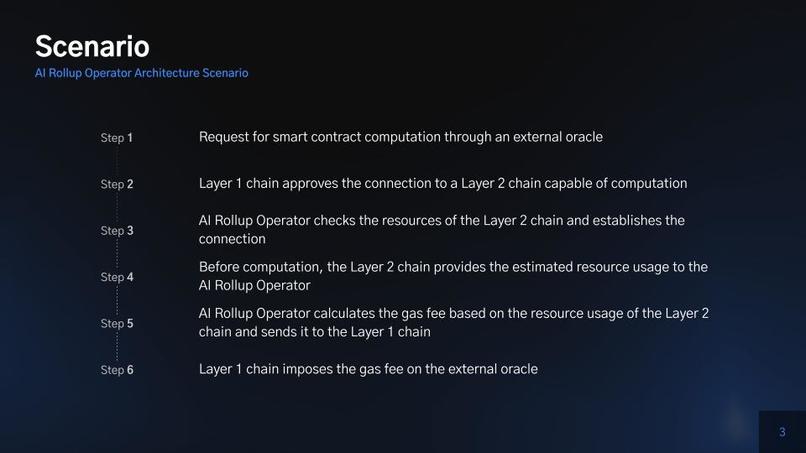
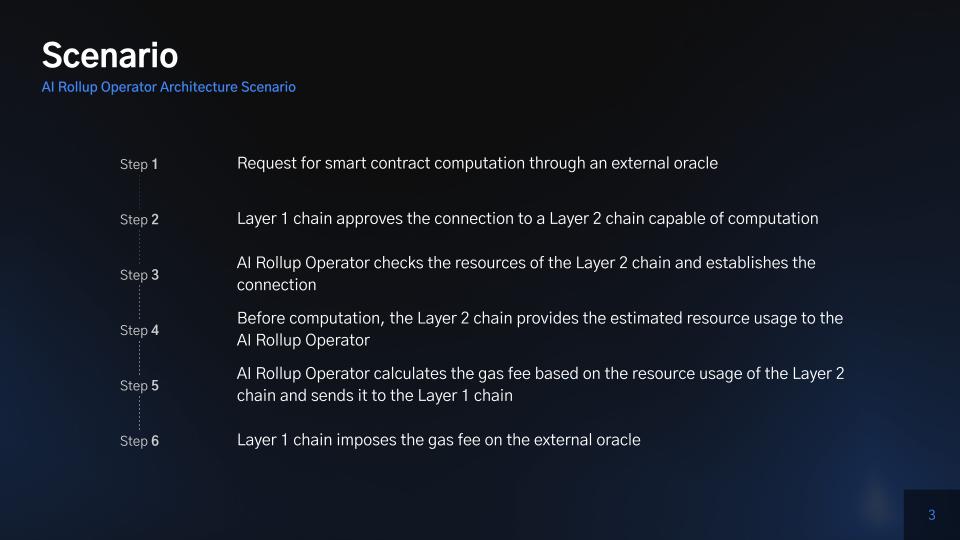
AI Rollup Operator Architecture Scenario
-
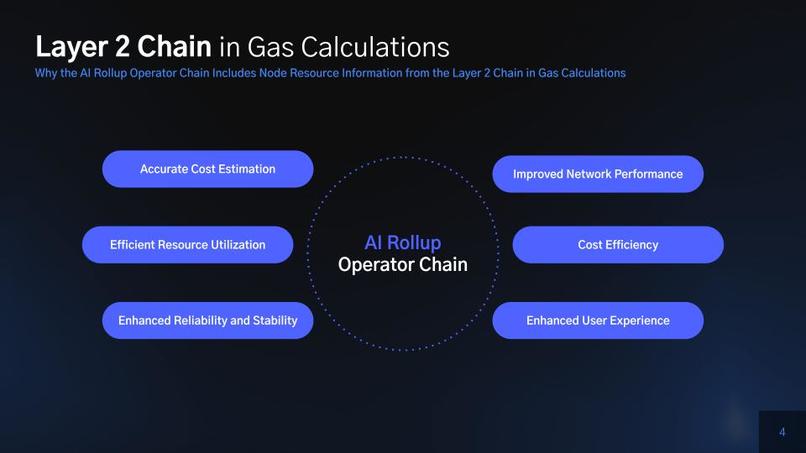
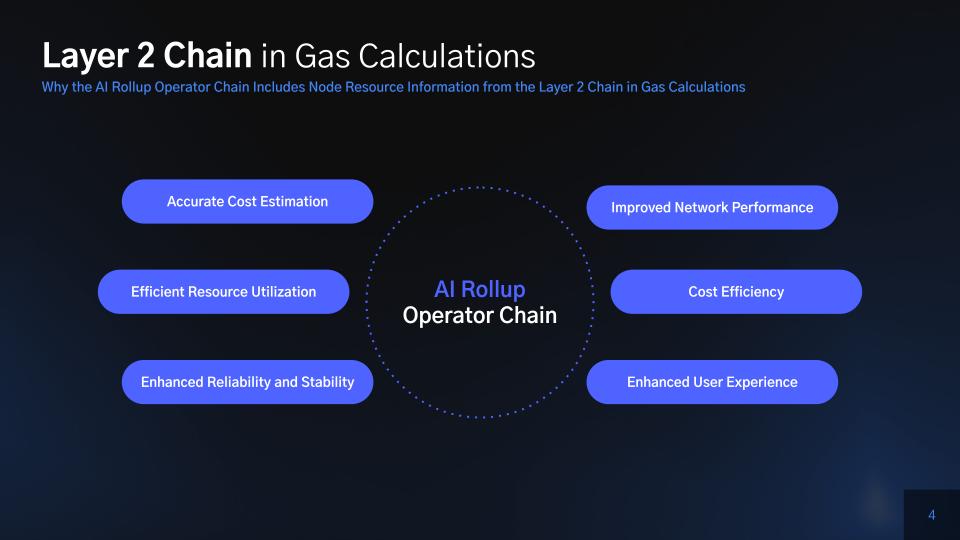
Layer 2 Chain in Gas Calculations
-
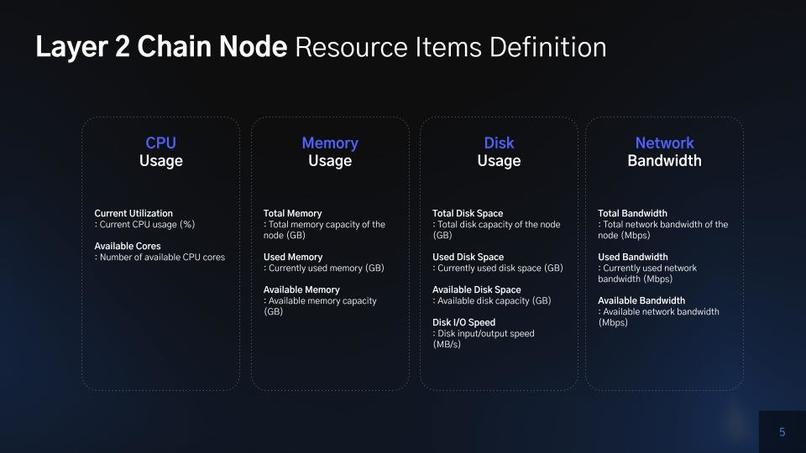
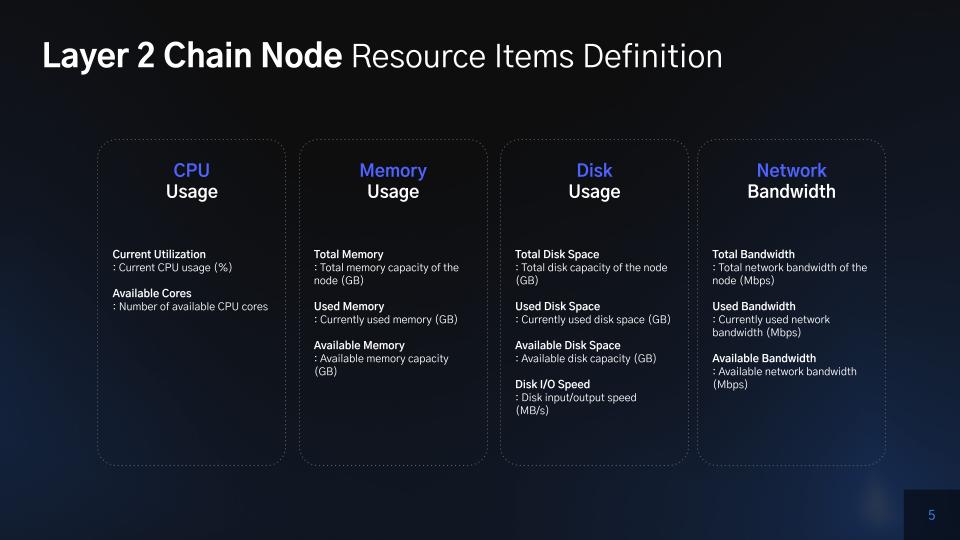
Layer 2 Chain Node Resource Items Definition
-
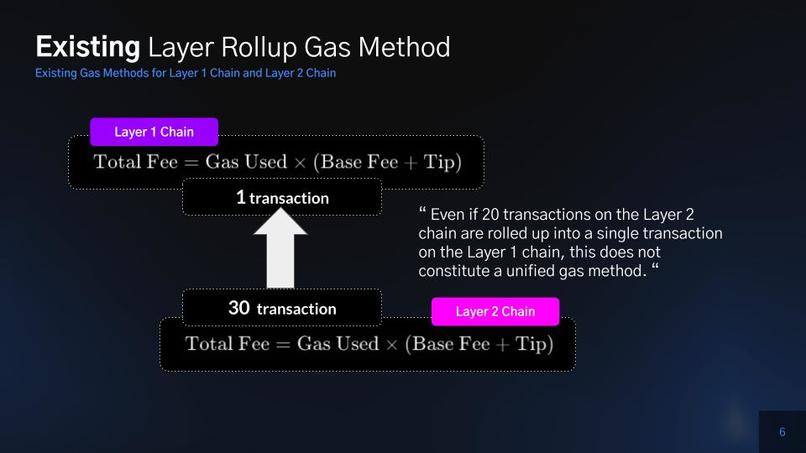
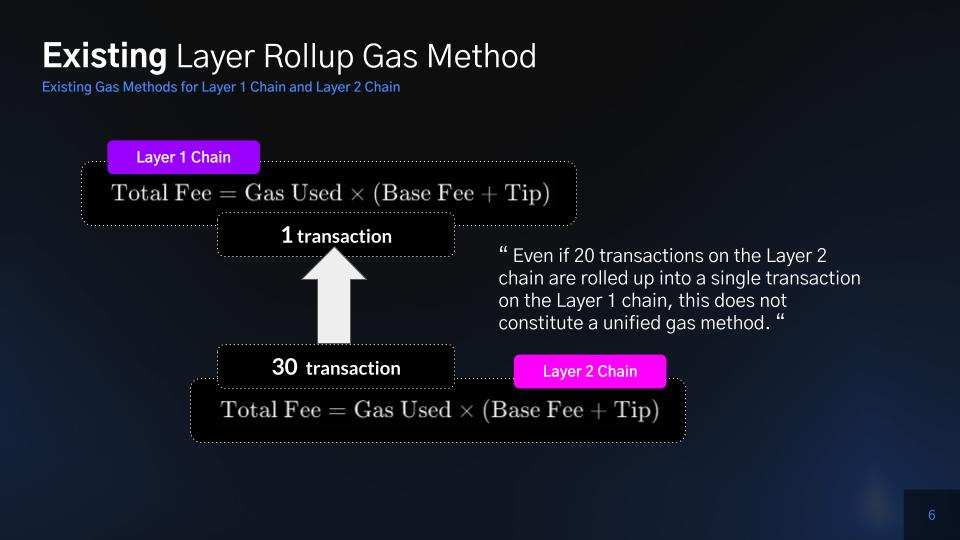
Existing Layer Rollup Gas Method
-
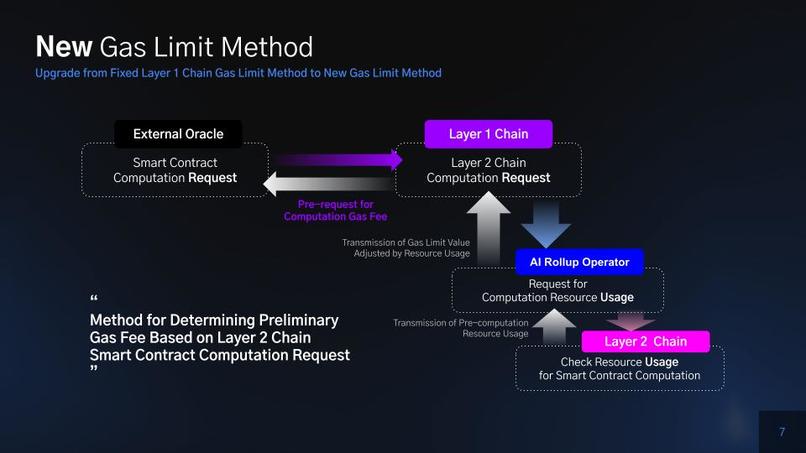
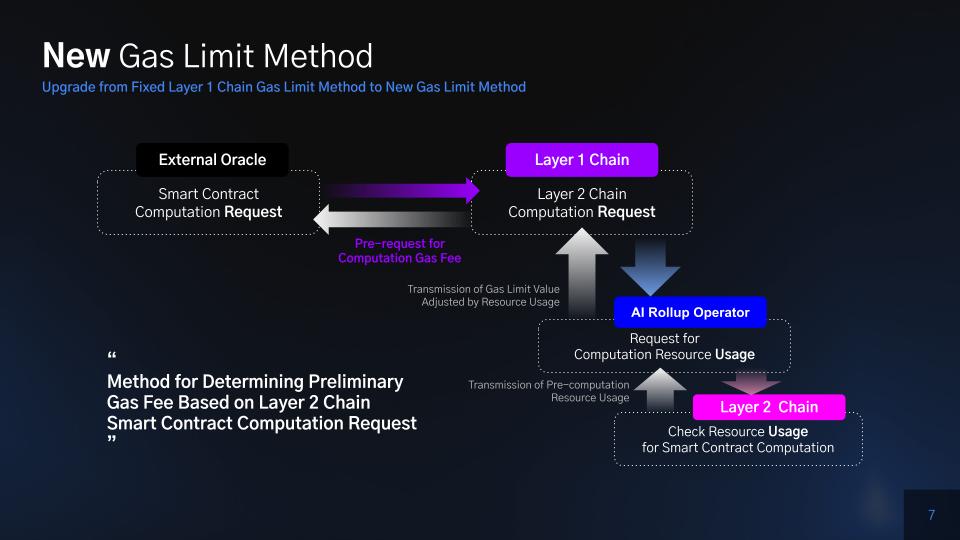
New Gas Limit Method
-
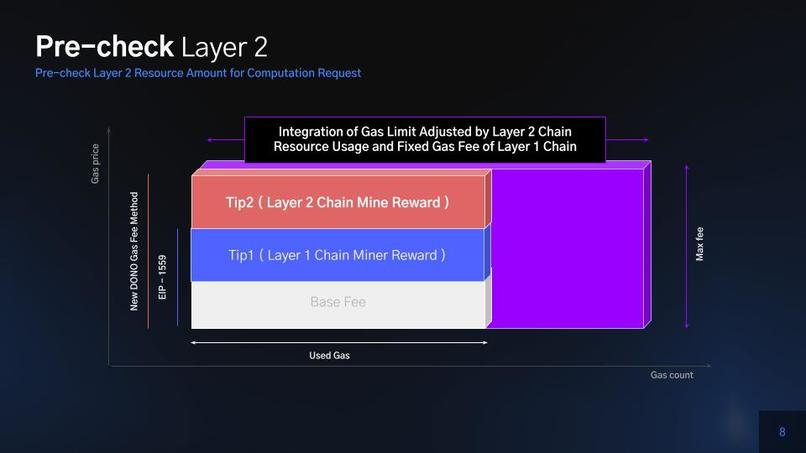
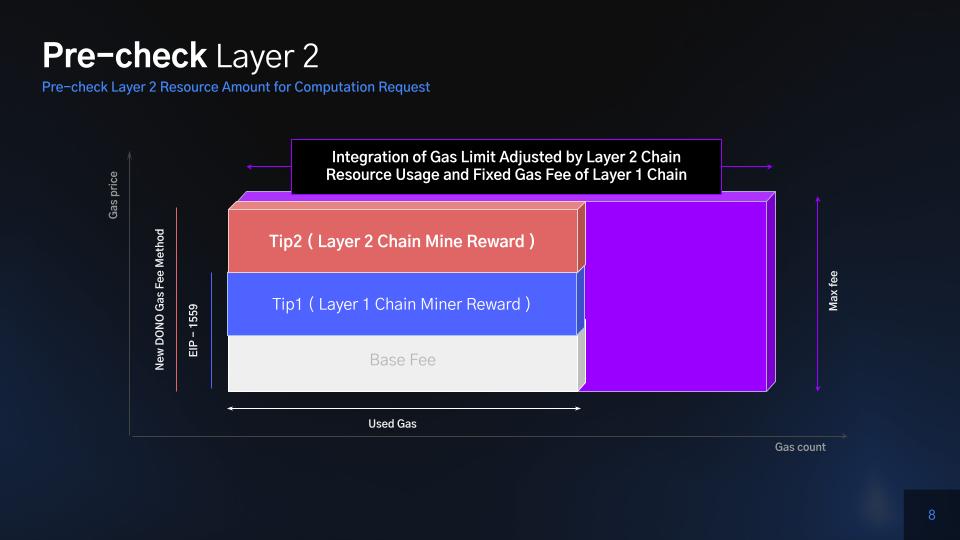
Pre-check Layer 2
-
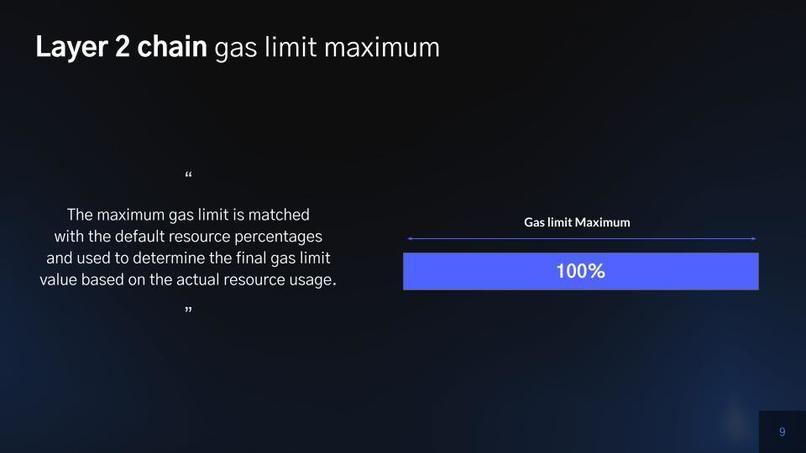
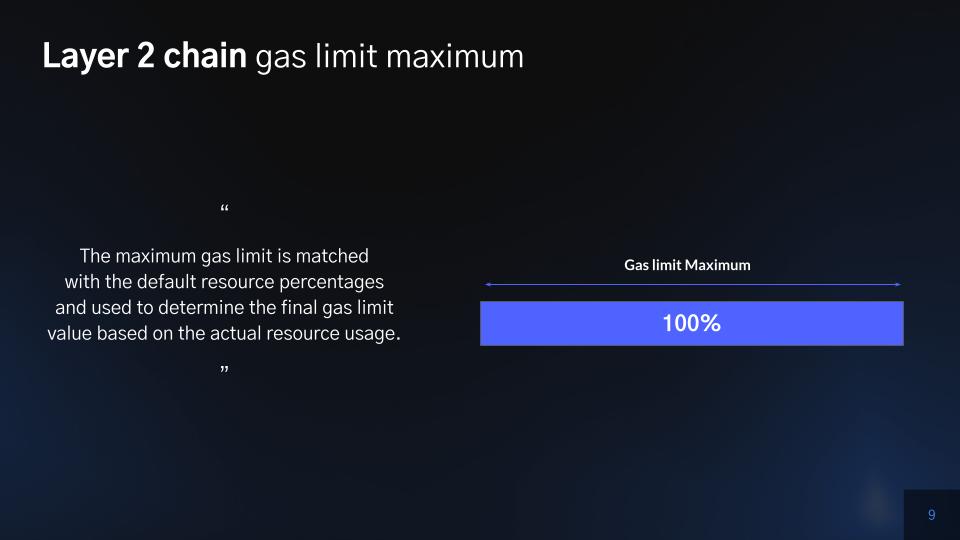
Layer 2 chain gas limit maximum
-
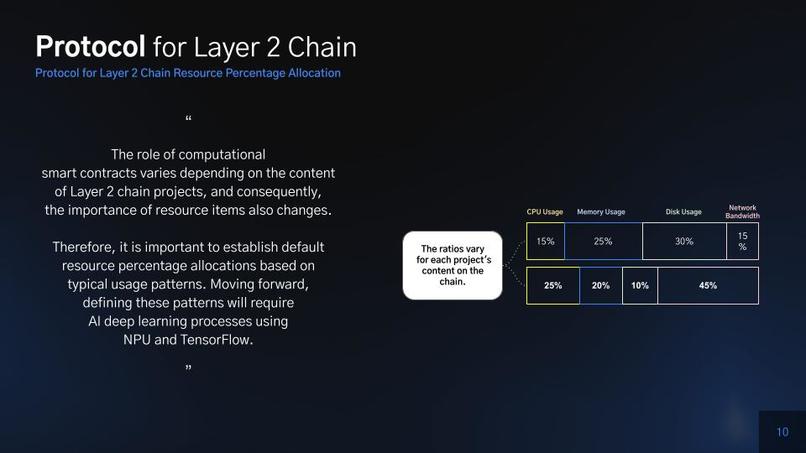
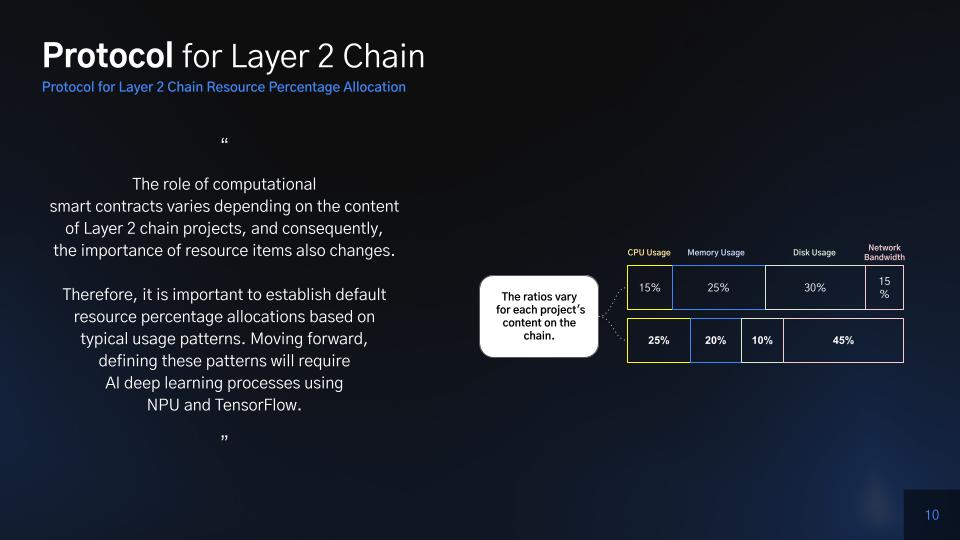
Protocol for Layer 2 Chain Resource Percentage Allocation
-
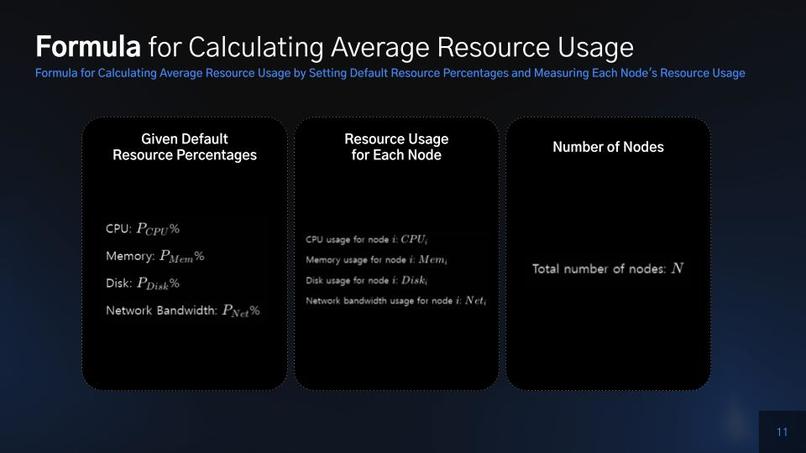
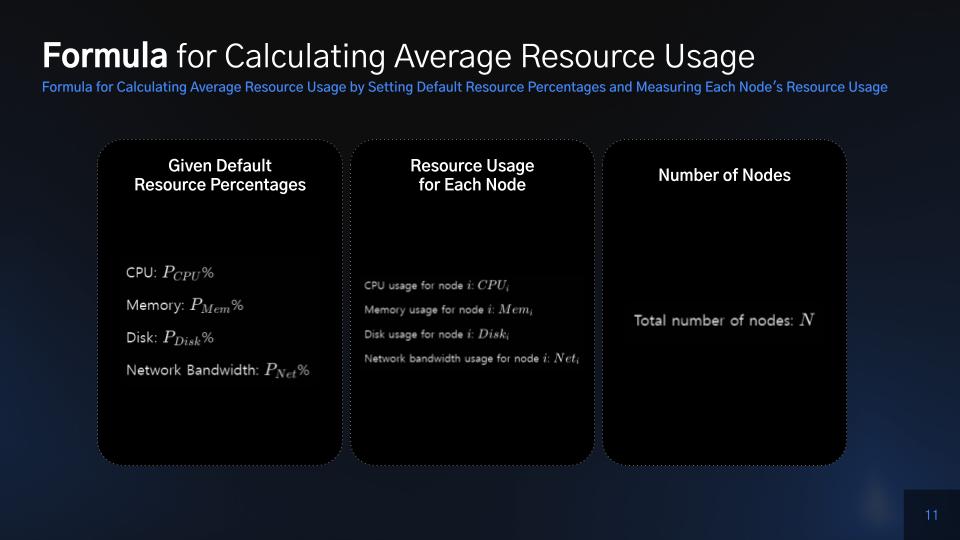
Formula for Calculating Average Resource Usage
-
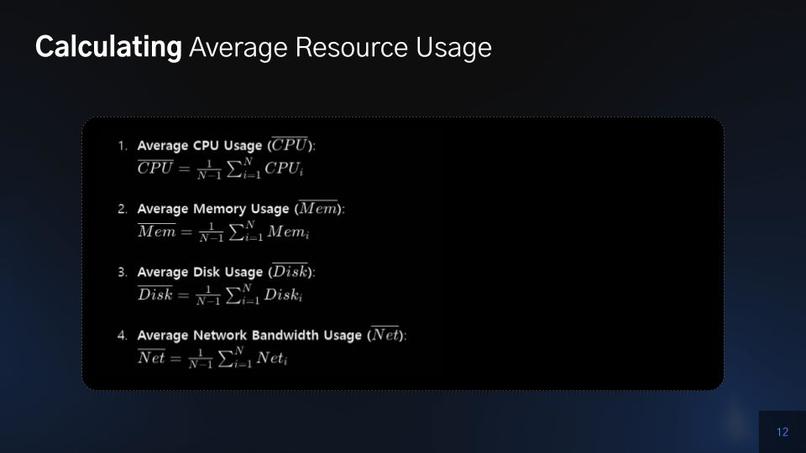
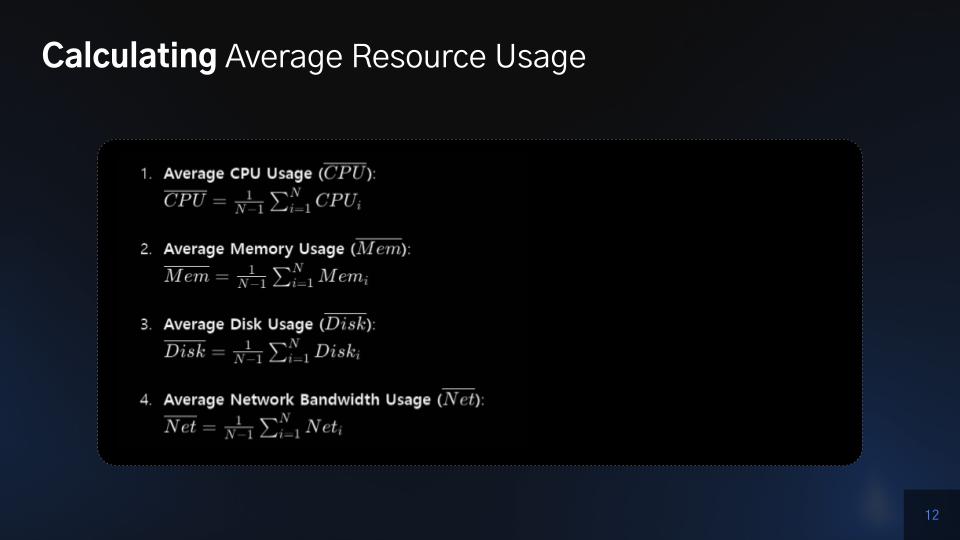
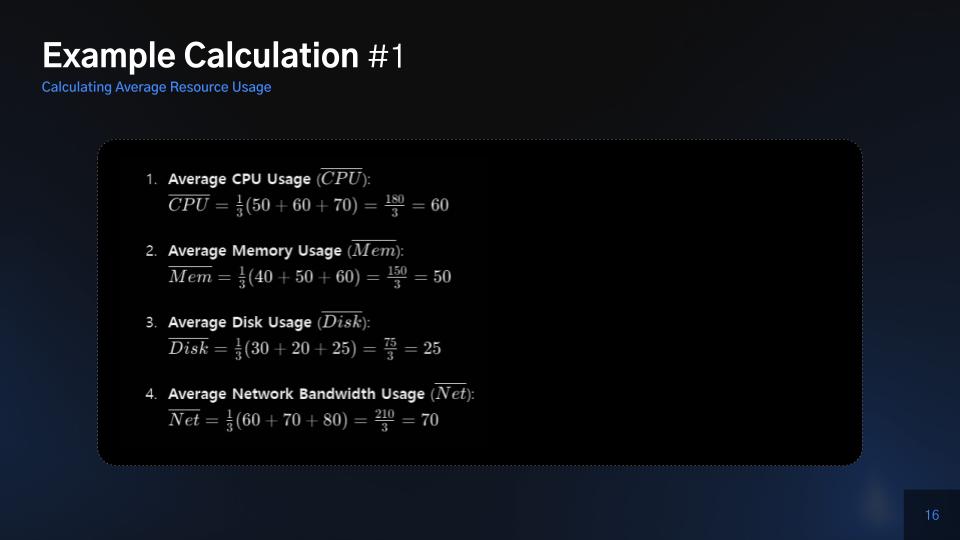
Calculating Average Resource Usage
-
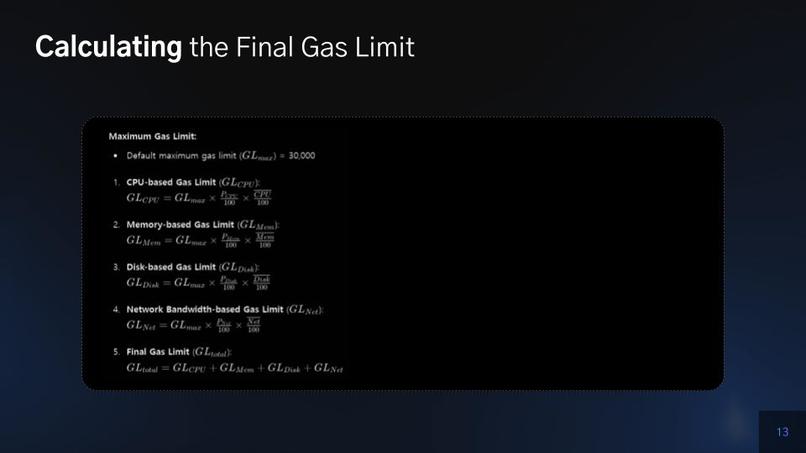
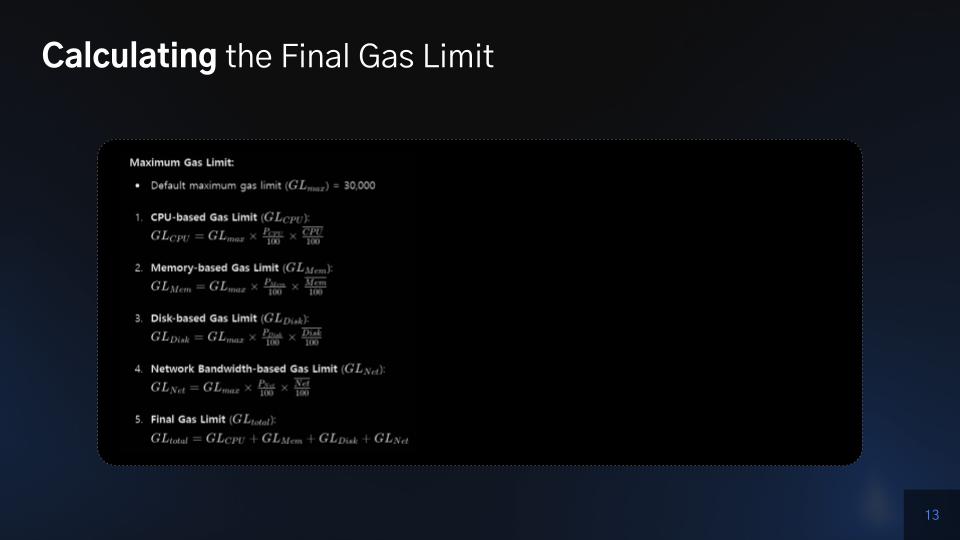
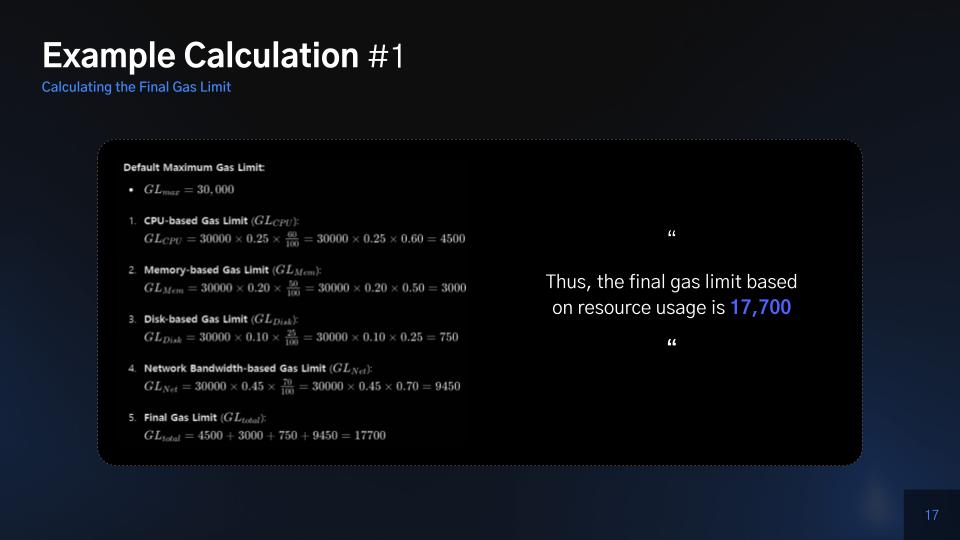
Calculating the Final Gas Limit
-
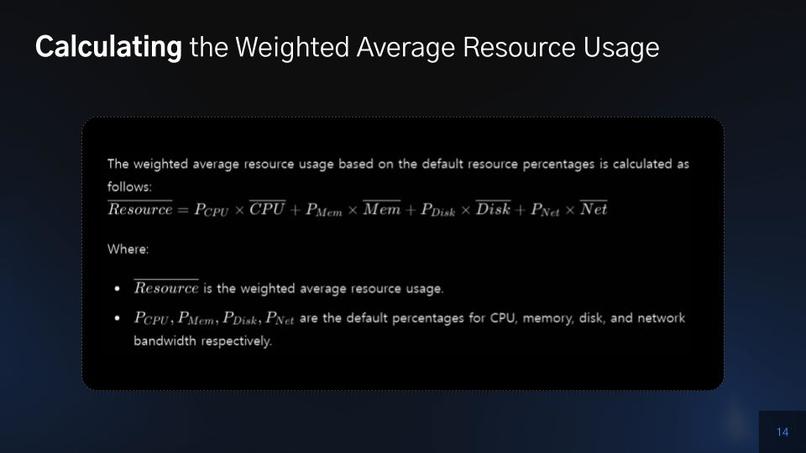
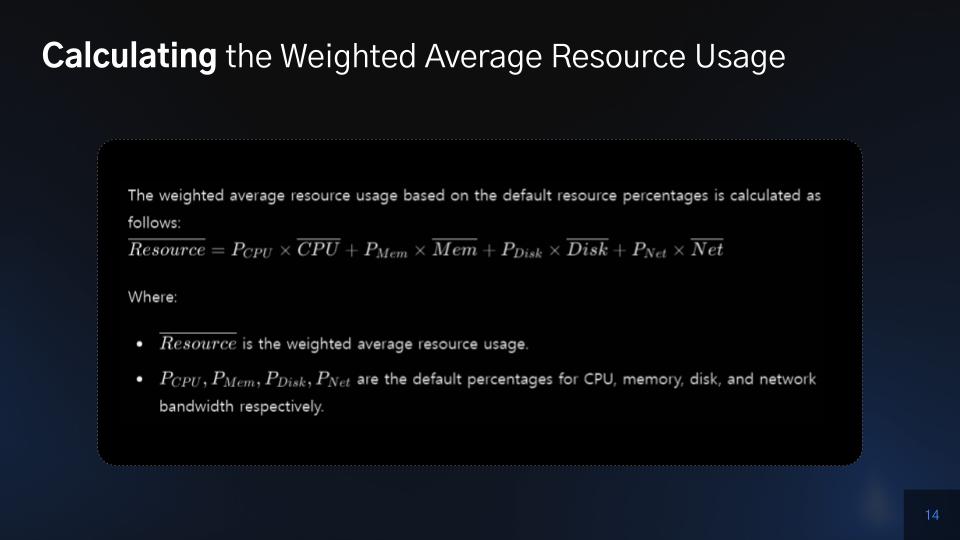
Calculating the Weighted Average Resource Usage
-
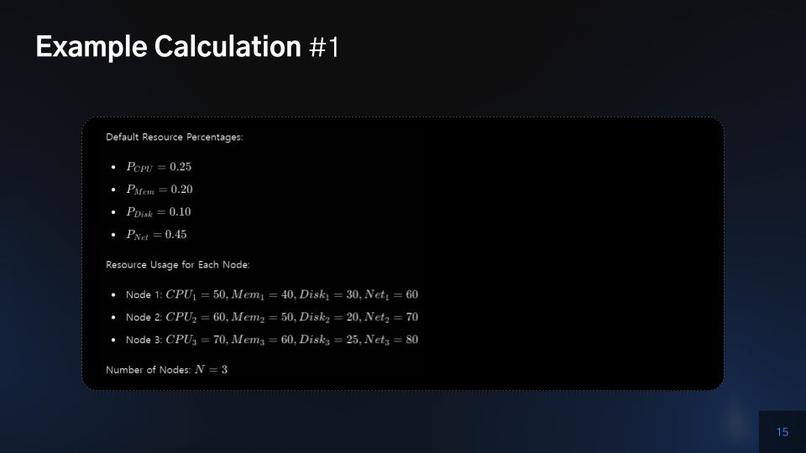
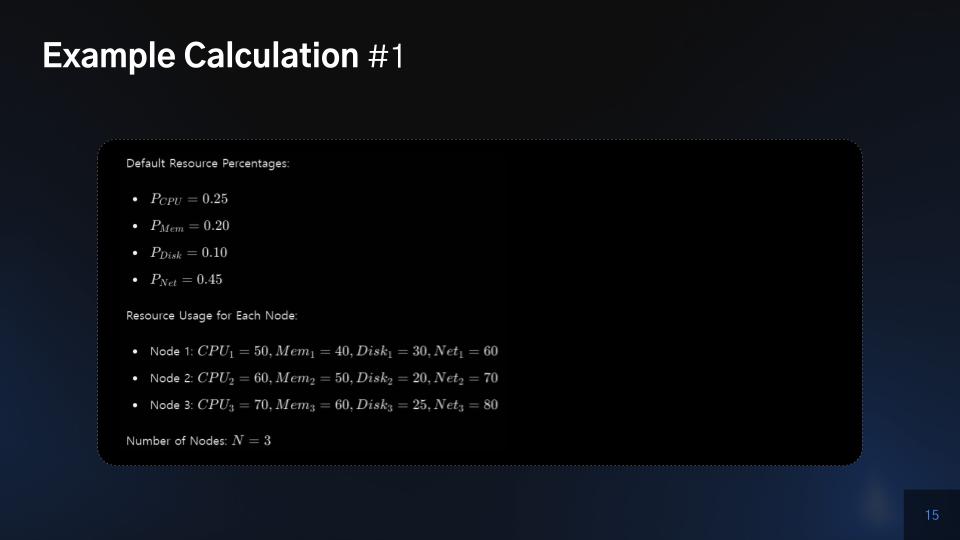
Example Calculation #1-1
-
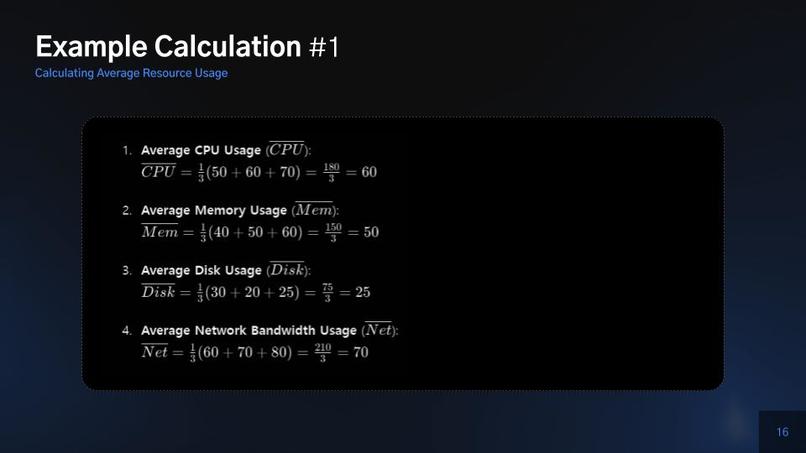
Example Calculation #1-2
-
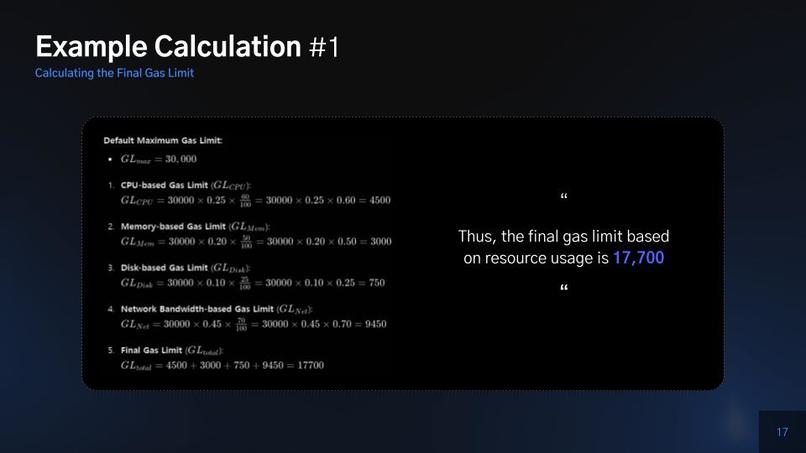
Example Calculation #1-3
Inspiration
Despite the necessity for heterogeneous chains to be practically applied in the IT field, their implementation has not materialized over the years. However, the advancement of generative AI is enabling new breakthroughs in the IT sector and offering opportunities for rapid integration of blockchain and IT fields. When generative AI is incorporated into layer 2 systems, we propose a new DONO layer architecture where AI can be effectively applied.
What it does
The primary focus of the DONO layer architecture is to present an integrated gas policy between layer 1 and layer 2 chains, and to propose a method for gas fee calculation and authorization for calling smart contracts on the layer 2 chain.
Integrated Gas Policy We provide a consistent gas fee structure by integrating the gas policies of layer 1 and layer 2 chains. This allows for efficient management of gas fees when users call smart contracts on the layer 2 chain after obtaining authorization from the layer 1 chain.
Authorization and Smart Contract Invocation After obtaining authorization on the layer 1 chain, users can invoke smart contracts on the layer 2 chain. This process enhances security and reliability by managing user access through authorization, enabling necessary operations on the layer 2 chain.
Gas Fee Calculation Method To calculate the actual gas fees for calling smart contracts on the layer 2 chain, we propose a formula for determining the gas limit based on the hardware resources of the nodes. This ensures that appropriate gas fees are charged according to each node's processing capacity, maximizing system efficiency.
In this hackathon, we will focus on the gas fee calculation method as the primary key point.
Challenges we ran into
How can the resources of layer 2 chain nodes be reflected in the gas limit?
Accomplishments that we're proud of
In this hackathon, we will discuss how generative AI can be integrated into the roll-up process of layer 2 chains and present the results of calculating gas limits based on the hardware resources of layer 2 chain nodes to enable layer 1 chains to request preliminary gas fees from external oracle users.
Integration of Generative AI in Layer 2 Chain Roll-up Process We will explore how to roll up hardware information from layer 2 chain nodes and formulate the average hardware resources into a process that can be integrated into the roll-up. This approach aims to enhance data processing efficiency and resource management.
Gas Limit Calculation Method We propose a method to calculate gas limits based on the hardware resources of layer 2 chain nodes. This method ensures that appropriate gas fees are determined according to each node's processing capacity.
Preliminary Gas Fee Requests by Layer 1 Chain Layer 1 chains can request preliminary gas fees from external oracle users. This request is based on the expected resource consumption for transactions processed by layer 2 chain nodes, with more accurate predictions facilitated by generative AI.
What we learned
We have discovered that calculating gas limits based on the resource usage of layer 2 chain nodes can result in lower gas fees. However, to more accurately calculate the gas fees, it is necessary to implement a process for distributing the incurred gas fees between the layer 1 chain and layer 2 chain after the computational processing is completed.
What's next for DONO Layer Architecture
We have devised the following plan to optimize UI/UX. We aim to integrate the gas fees of layer 1 and layer 2 chains to provide a consistent cost structure and abstract accounts to simplify interactions between the two chains.
By rolling up the hardware information of layer 2 chain nodes, we will calculate gas limits and optimize gas fees through deep learning using NPUs and TensorFlow to evaluate node performance.


Log in or sign up for Devpost to join the conversation.