-
-
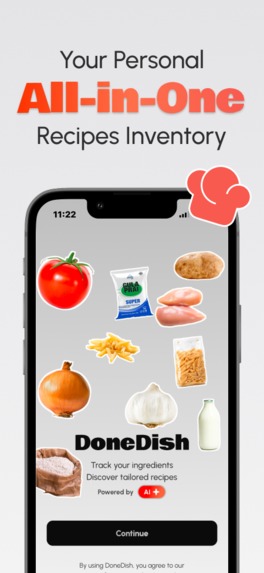
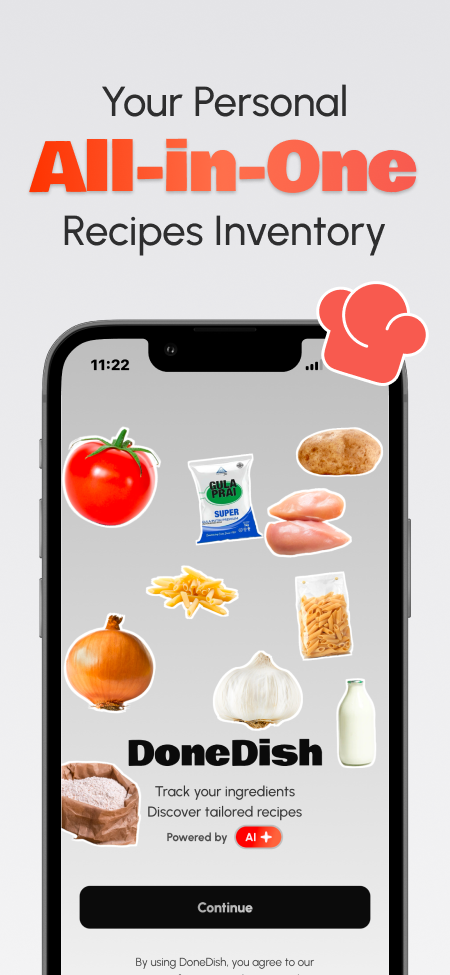
All-in-One Recipes Inventory
-
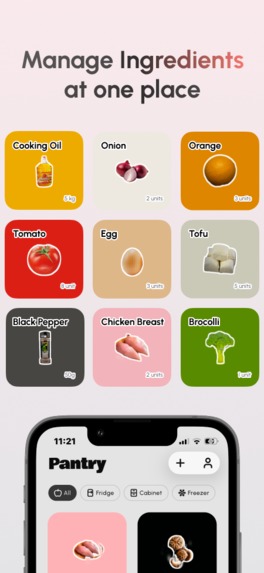
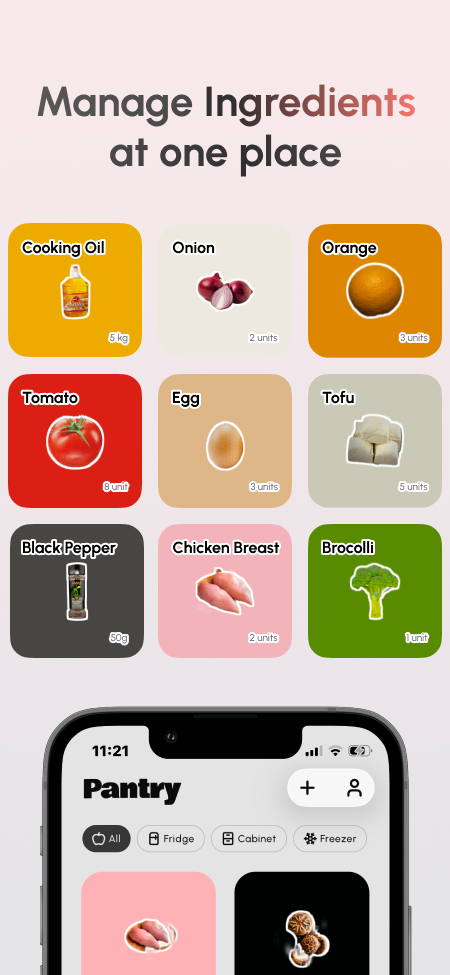
Manage Ingredients at one place
-
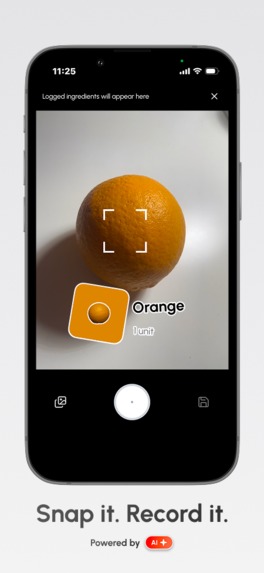
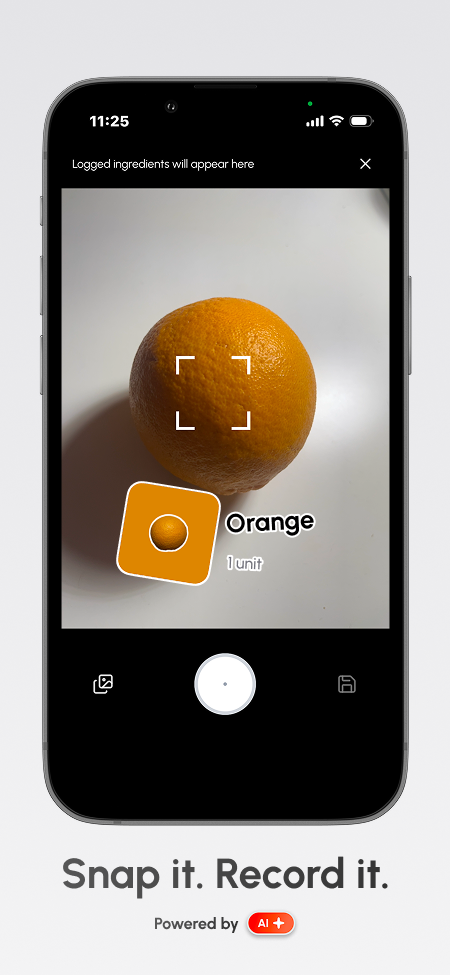
Snap it and record your ingredients
-
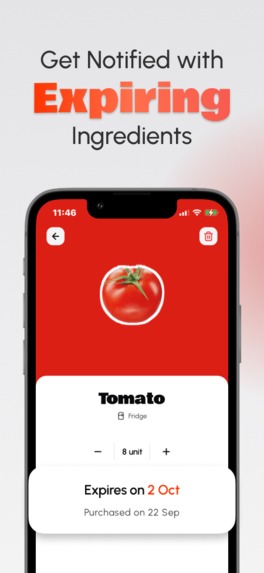
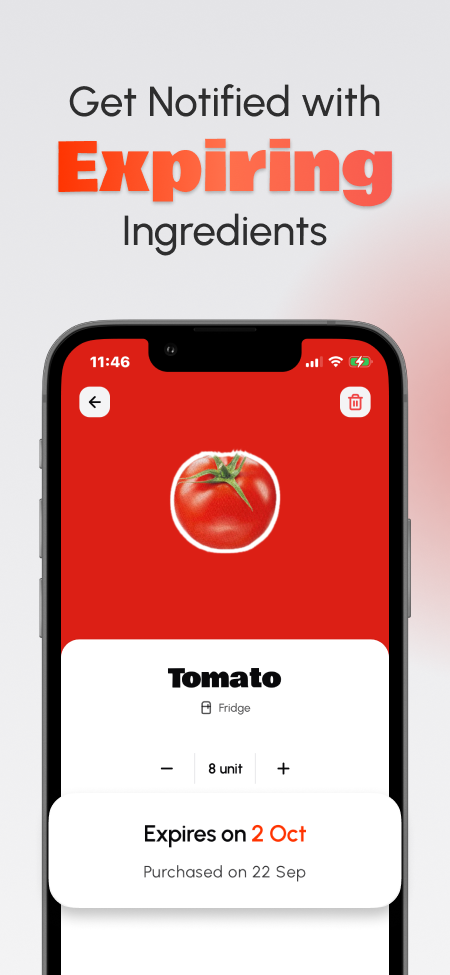
Get notified with Expiring Ingredients
-
-
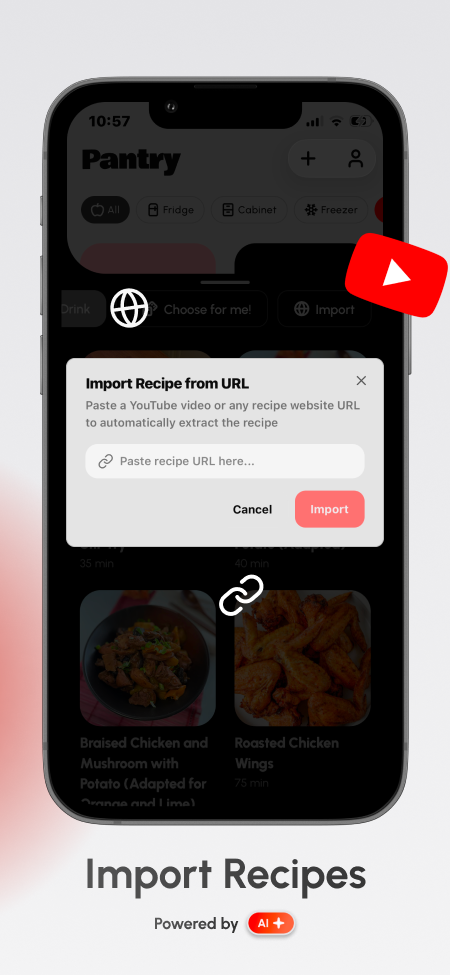
Import Recipes
-
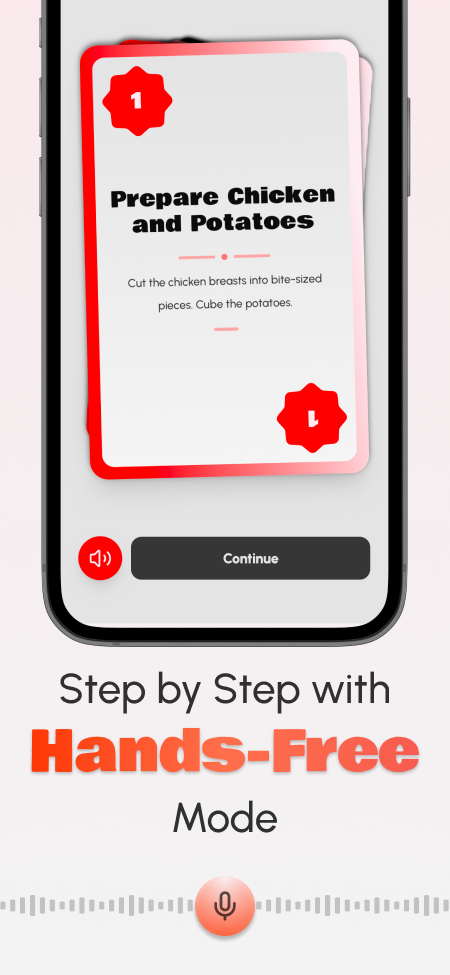
Step by Step with Hands-Free Mode
-
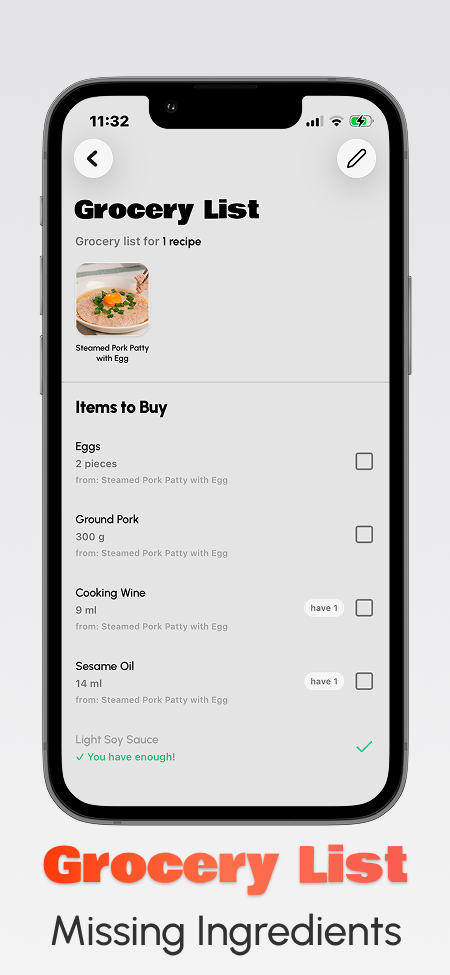
Grocery List
-
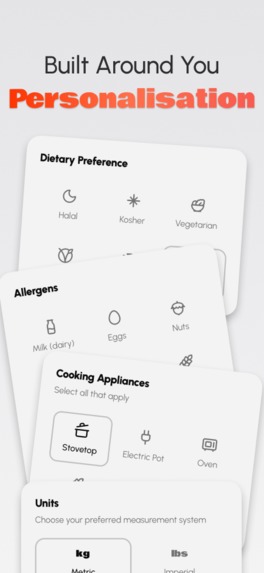
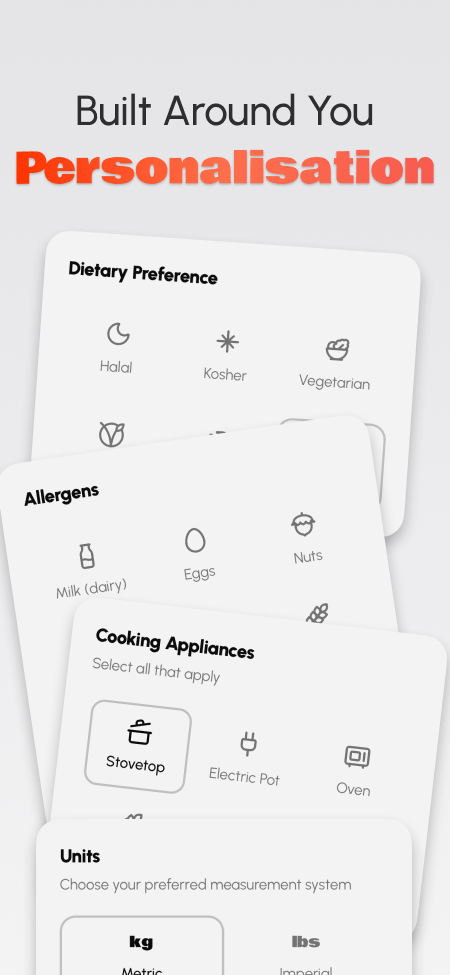
Built Around You. Personalisation
Inspiration
The idea for DoneDish stems from a frustratingly common pattern: we discover amazing recipe videos online, save them, share them, and then... nothing happens.
What stops us isn't a lack of motivation; it's friction.
- Choice Overload: Too many recipes, not enough clarity.
- Mental Load: The exhausting effort of manual planning.
- Inventory Blindness: Uncertainty about what’s already in the fridge.
- Waste: Duplicate purchases and forgotten, expired ingredients.
Inspiration turns into overwhelm, and overwhelm turns into inaction. DoneDish was built to bridge the gap between "This looks good" and "Dinner is served."
What It Does
DoneDish supports the entire cooking journey—from ingredient awareness to final execution.
1. Know What You Have (AI-Powered Tracking)
- The Process: Users take a photo of their fridge or pantry.
- The Tech: On-device computer vision performs image segmentation and classification to identify items.
- The Benefit: Eliminates manual data entry, prevents food waste via expiry notifications, and forms the foundation for recipe suggestions.
2. Decide What You Can Cook (Inventory-Aware Recommendations)
- The Process: The app analyzes your current inventory, available hardware, and dietary preferences.
- The Tech: Recipes are scored based on "Readiness" (percentage of ingredients owned), difficulty, and prep time.
- The Benefit: Reduces choice paralysis and ensures you only see recipes you can actually finish.
3. Adapt Recipes to Reality (AI Substitution)
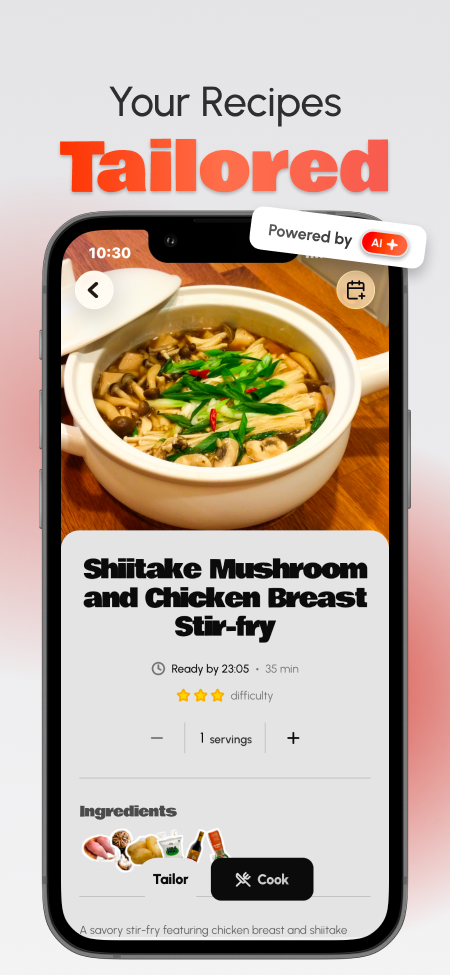
- The Process: If you're missing an ingredient, the AI "chef" layer modifies the recipe.
- The Tech: Uses semantic similarity to suggest substitutions and dynamically rewrites cooking steps to accommodate changes.
- The Benefit: Removes dependency on exact ingredients and saves unnecessary trips to the store.
4. Turn Inspiration into Action (Automated Grocery Lists)
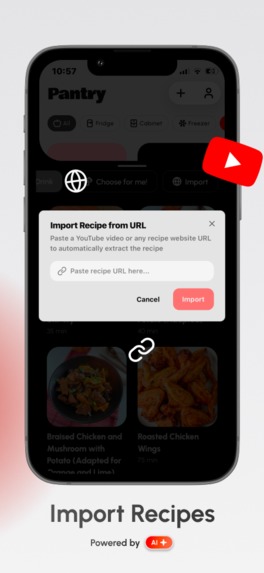
- The Process: Input a YouTube or website link.
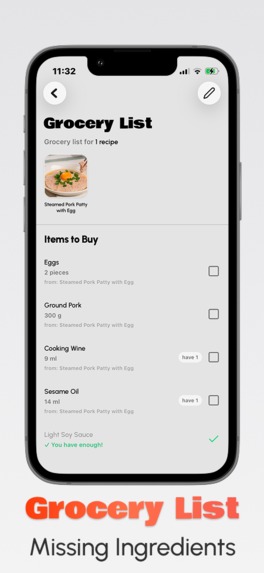
- The Tech: AI parses unstructured content to extract ingredients and quantities, then "diffs" them against your current pantry.
- The Benefit: You only buy exactly what you need.
5. Cook Without Hassle (Hands-Free Voice Guide)
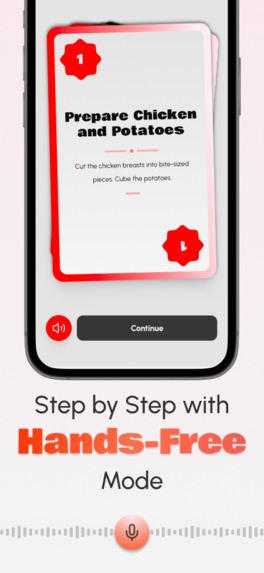
- The Process: Navigate recipes using voice commands.
- The Tech: Uses Text-to-Speech with natural pausing and (planned) voice recognition.
- The Benefit: Keeps screens clean and prevents cross-contamination.
How We Built It
We utilized a Local-First Architecture to ensure reliability in kitchens with spotty Wi-Fi.
| Component | Technology |
|---|---|
| Framework | React Native (Expo SDK 54) |
| Database | WatermelonDB (SQLite) for offline-first speed |
| Sync/Auth | Supabase |
| AI Brain | Google Gemini 2.0 Flash (Vision, Text, Logic) |
Key Feature Implementations
- Smart Inventory: Integrated
react-native-vision-camerawith Gemini 1.5 Flash to return structured JSON arrays of food items. - Hybrid Ranking: A local algorithm calculates "High Viability" meals in real-time.
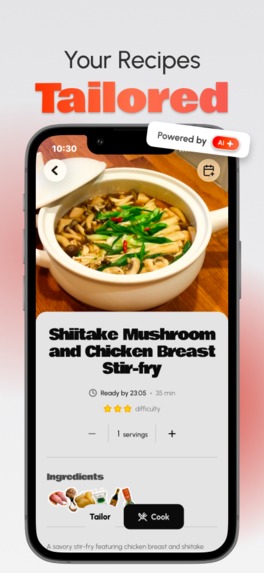
- Recipe Tailoring: We swap static recipe views with dynamic "Tailored Recipes" generated by the LLM based on user-specific constraints.
Challenges We Ran Into
- Cost Management: AI infrastructure and API usage can be prohibitively expensive. We mitigated this by moving toward edge models and local caching.
- Performance Trade-offs: Balancing the speed of image recognition with accuracy while running on-device.
- Market Differentiation: Designing a unique, intuitive UX to stand out from generic recipe apps.
Accomplishments We're Proud Of
- End-to-End Coverage: We support the entire workflow, not just one piece of it.
- Offline AI: Recipes and tailored substitutions are cached locally; you can cook in a basement without a signal.
- Edge Efficiency: Used Gemini 2.0 Flash Lite to keep inference costs low while maintaining high intelligence.
- High Performance: Achieved 60fps scrolling and sub-16ms search times using FlashList and WatermelonDB.
What We Learned
- Beyond Giant Models: One-size-fits-all LLMs are over. Task-specific, smaller models are often more effective.
- Orchestration Over Size: How you connect models matters more than the raw parameter count.
- Prompt Engineering: Thoughtful tuning and domain-specific knowledge bases (RAG) can make small models punch way above their weight class.
What's Next for DoneDish
- Global Scaling: Targeted marketing and strategic partnerships.
- Cultural Personalization: Adapting recommendations based on geography and cultural preferences.
- Grocery Integration: Seamless API connections with Grab, Uber Groceries, and more.
- Shared Inventories: Syncing the fridge across all household members.
- Health Intelligence: Surfacing nutrition scores and advocating for healthier dietary habits.
Built With
- expo.io
- gemini
- react-native
- supabase
- text
- tflite
- watermelondb


Log in or sign up for Devpost to join the conversation.