-
-

thumbnail
-
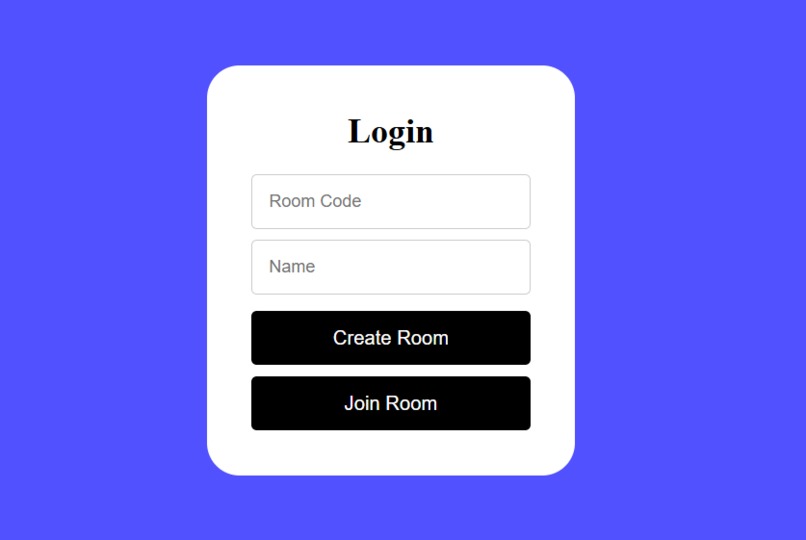
login screen

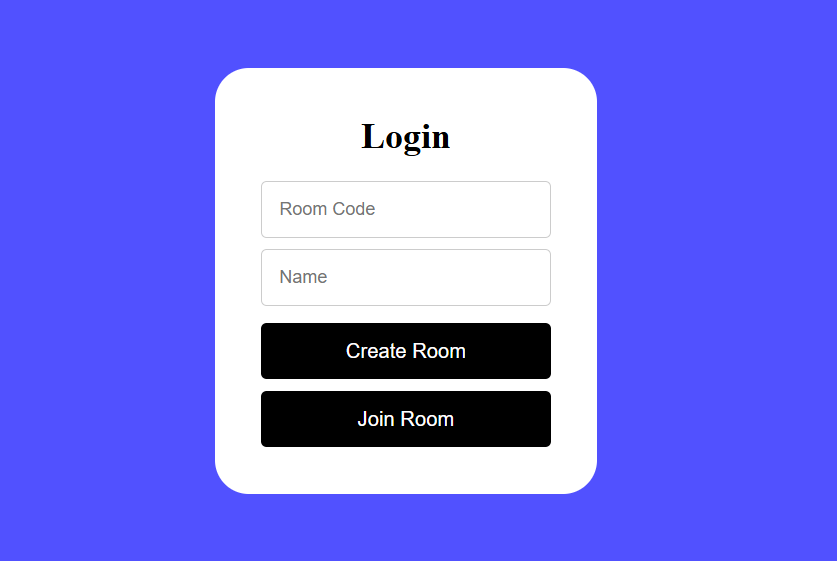
Inspiration
Any time a teacher put Kahoot on the smart board, everyone's days immediately brightened. Every student honed into their screens, quickly processing and choosing the correct answer to gain a single point above the competition. We decided to shake up the competition aspect of Kahoot and introduce a game of social engineering where the players need to collectively ensure that the world is not destroyed by their actions.
Rising concerns over climate change, amidst dangerous weather patterns all across the United States, and an overarching question of "how can I make a difference?" led us to create a project that tackles both concepts through a Kahoot-style web-based classroom game. The individual player becomes the president of an energy investment company where their decisions for the following 3 in-game years will increase profits and pollution level. If the pollution level reaches 100%, all players lose. If, by the end of 3 in-game years, the pollution level is below 100%, the winner of the game has the most profit.
What it does
This project teaches students that every financial decision to invest in various sources of energy will impact the environment through a varying amount of pollution. Although the numbers and situations have been greatly simplified due to time constraints, we have devised 5 yearly events and 5 bills to vote in or out that impacts the potential profit and pollution level of each decision. Through these events, students are incentivized to maximize their individual profits while ensuring the pollution level stays well below 100%.
How we built it -- Jasmine and Monica help
We set up a docker workspace with secure websockets. Then we created a git repository, Devpost project, and Google Doc to keep all of our work on collaborative spaces. After that, we began working on the project itself using VS Code using HTML, CSS, and JavaScript.
Challenges we ran into -- Jasmine and Monica help
At most hackathons, achieving a working prototype by the final hour feels better than winning a million dollars. Because of time constraints, we knew the project had to be relatively simple with options for scalability. Although we created our project with this in mind, our biggest flaw was communication and understanding of the final product. This led to multiple delays in the development stage and mass confusion over the mechanics of the game itself.
Beyond that, learning and implementing JavaScript was difficult, particularly connecting the backend commands to the front end. Implementing a starting screen that displayed after the login screen was also exhausting when the code had typos or files were seemingly missing. Even with an understanding of what to avoid during hackathons, the errors continued to pop up and we hit the time crunch like everyone else.
Accomplishments that we're proud of -- Jasmine and Monica help
An amazing feat that got the entire group cheering was getting the JavaScript to load rooms and login pages when pressing a button. It took far too long to connect and debug the code, but it was worth it.
What we learned
When collaboratively working on a project, all members need to have a clear vision of the same product that is being made. Because the project sounded so simple, we did not agree on the exact mechanics and functions of the game itself which led to many creative decisions done in-the-moment without forethought of future scenarios. Overall, this led to many mistakes that required clarification and, sometimes, retconning the decision in lieu of a more favorable decision.
What's next for Don't Set The World on Fire!!
We would like to create more yearly events and bills to ensure a diverse array of interactions with profits and pollution level. This project could represent a greater collection of consequences such as company reputation, company type, and company location. Company reputation can be used as a form of lobbying where their vote for a bill counts for 2 votes instead of 1; company type can increase the profit of specific energy investment decisions without increasing the pollution level; and company location can introduce tax laws and location-specific laws that further impact the profit and pollution level of each decision. By adding more and more intricate real-world layers into this game will the players gain and experience a deeper understanding of the world around them.

Log in or sign up for Devpost to join the conversation.