-
-

Icon 1024x1024px
-
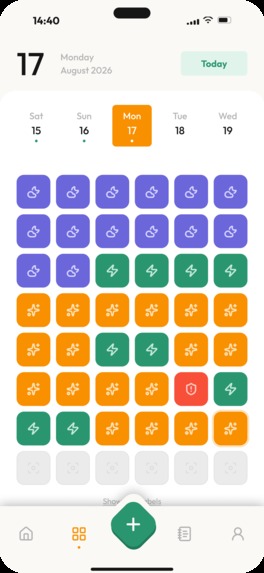
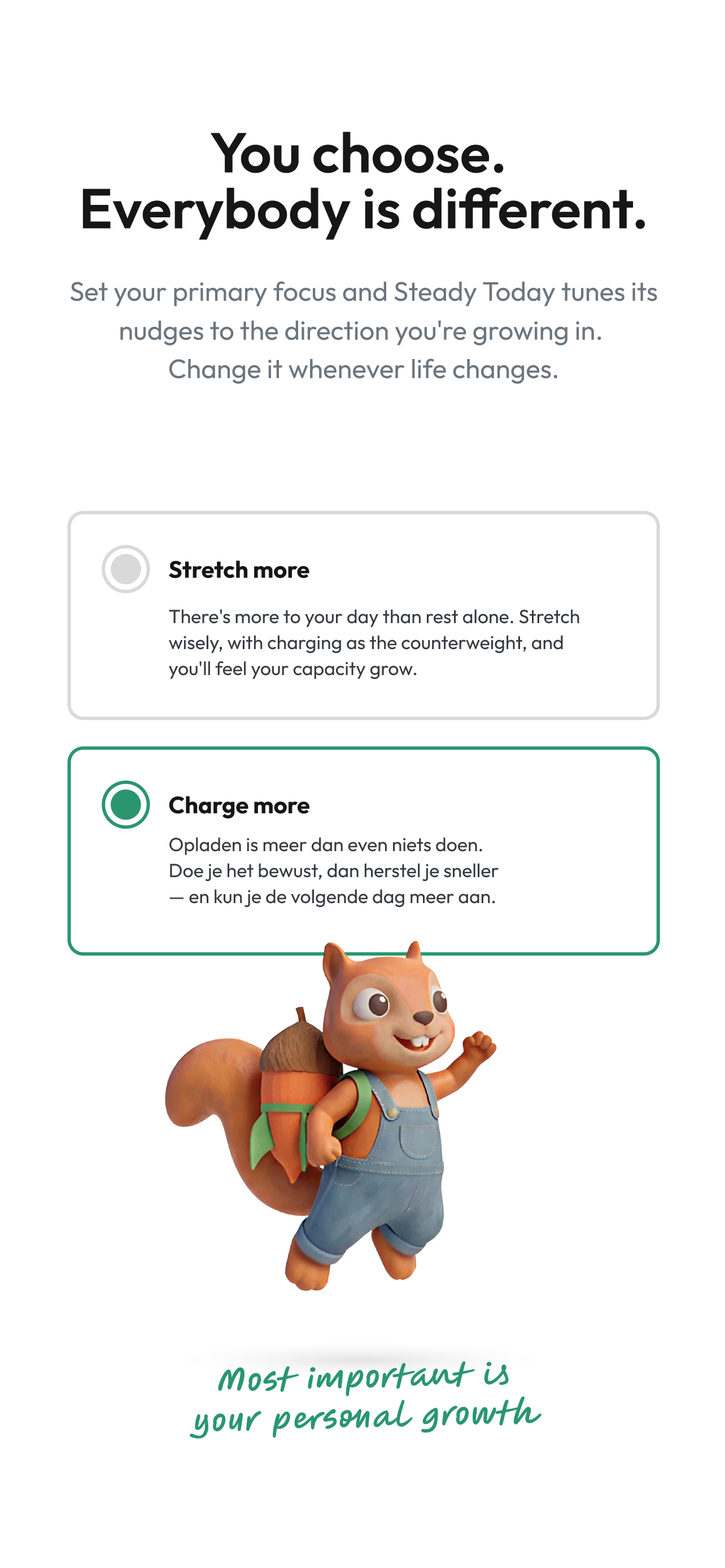
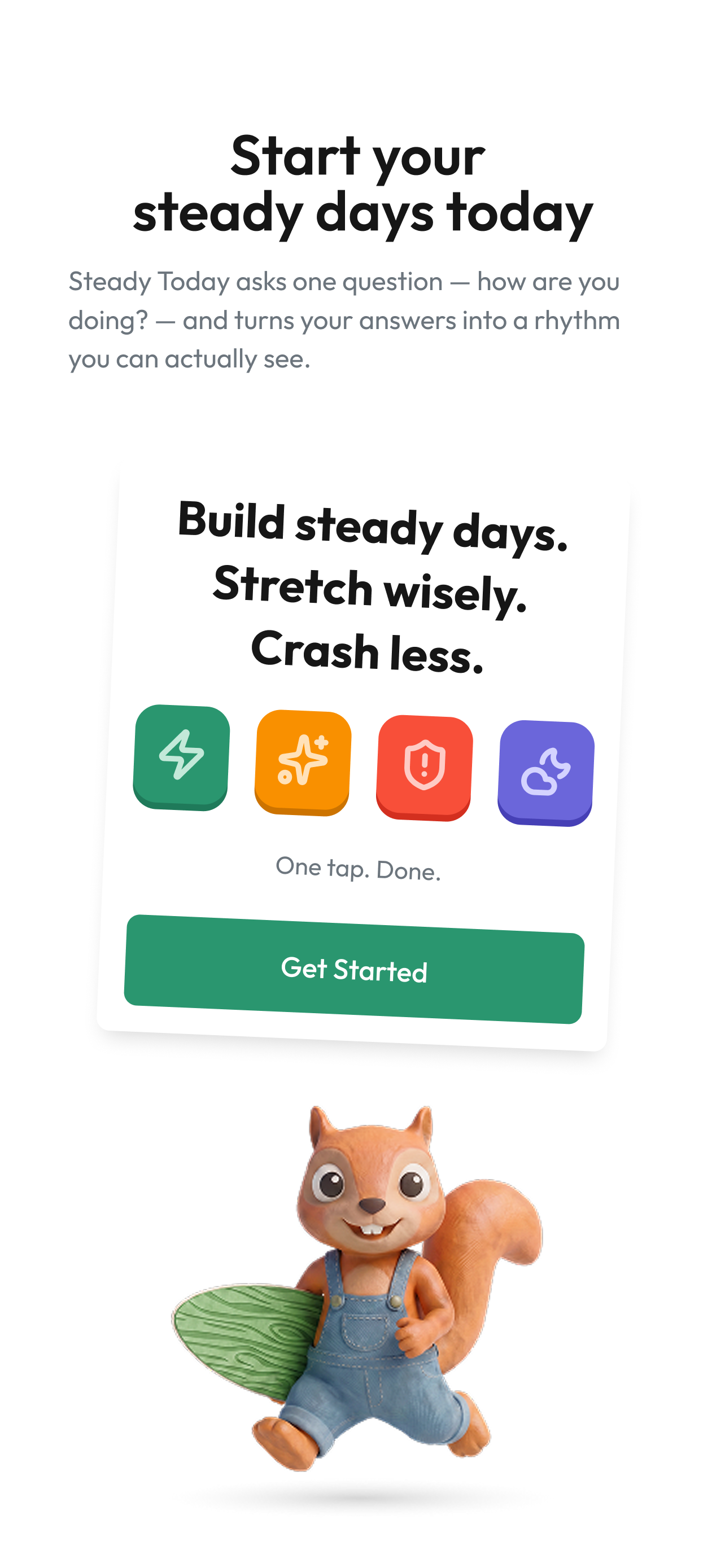
Screenshot app - Steady Today - 1179 x 2556px
-
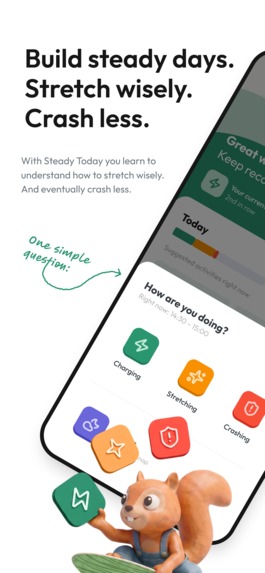
Intro
-
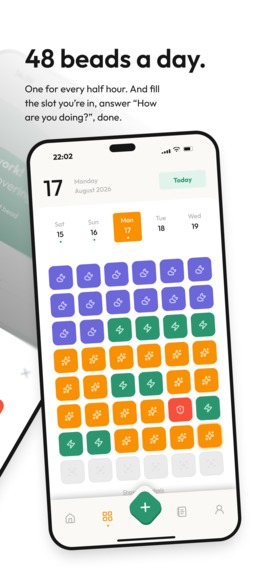
The main mechanic
-
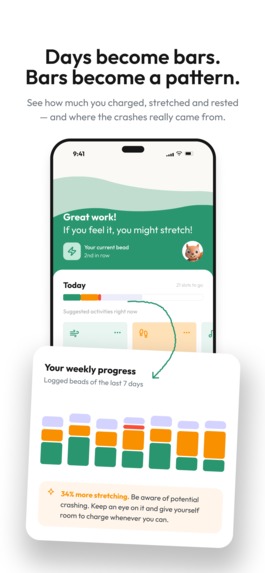
Creating patterns
-
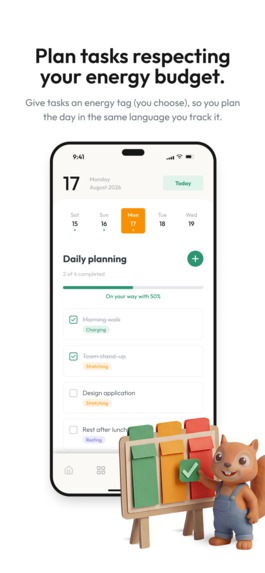
Smart tasks planning
-
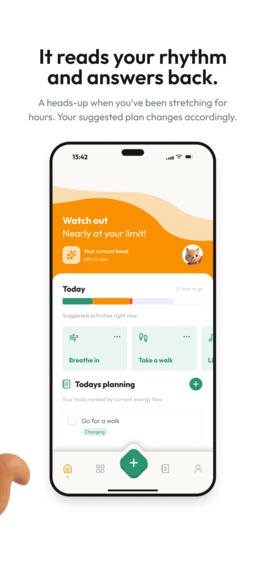
Suggest activities accordingly
-
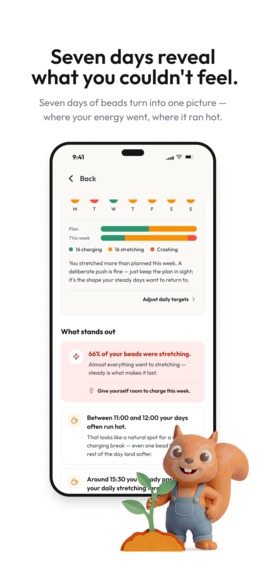
Get insights
-
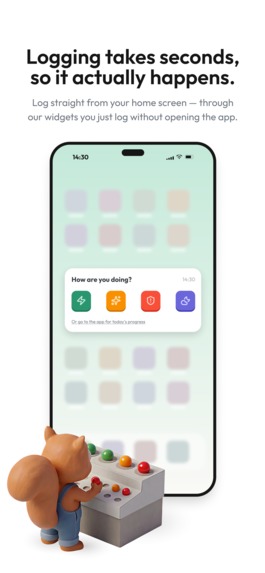
Widgets so you don't have to open the app
-
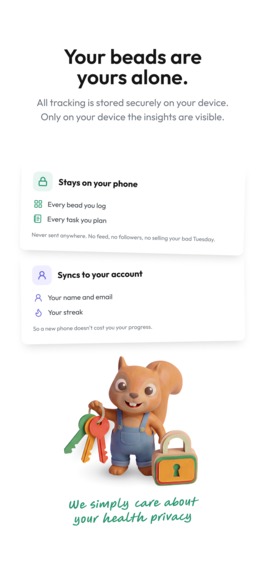
Privacy first
-
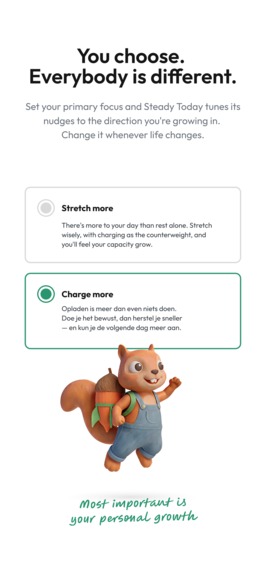
User can choose for themselves
-
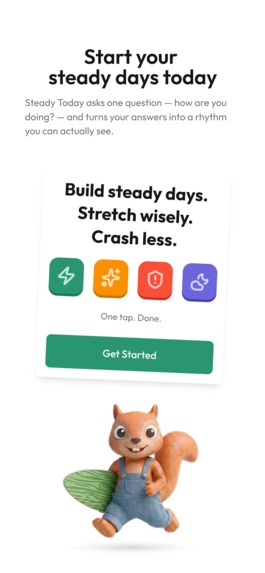
CTA

Inspiration
I graduated as an interaction designer with a thesis called "The abilities of the disabled." Yet it has always been a weird, not-meant-to-be twist that not long after, a severe brain injury made that thesis personal. During rehabilitation I sketched the tool I wished I had: something that shows where my energy goes, and when a crash is coming. Nine years later, that sketch is Steady Today.
Nine years ago I had an accident, and it took a while to rehabilitate. During that period I already set the first sketch for a design to keep track of my day and manage accordingly. The thought behind it was simple: if there would be an application that shows me how I spend my energy through the day, when I'm charging, when I'm stretching and when a crash is coming, that would have helped me a lot. And honestly, it would still help me today.
For the last year I have been building on Steady Today, which on its own already felt like a huge achievement. Then the Shipaton came along, at exactly the right time. It challenged me to test and push the project forward, and it gave me the true spirit to get it done and actually shipped.
So I am really happy to be here. Right at the last minute, but definitely not too late. Especially with my condition, making it in time is never a given.
What it does
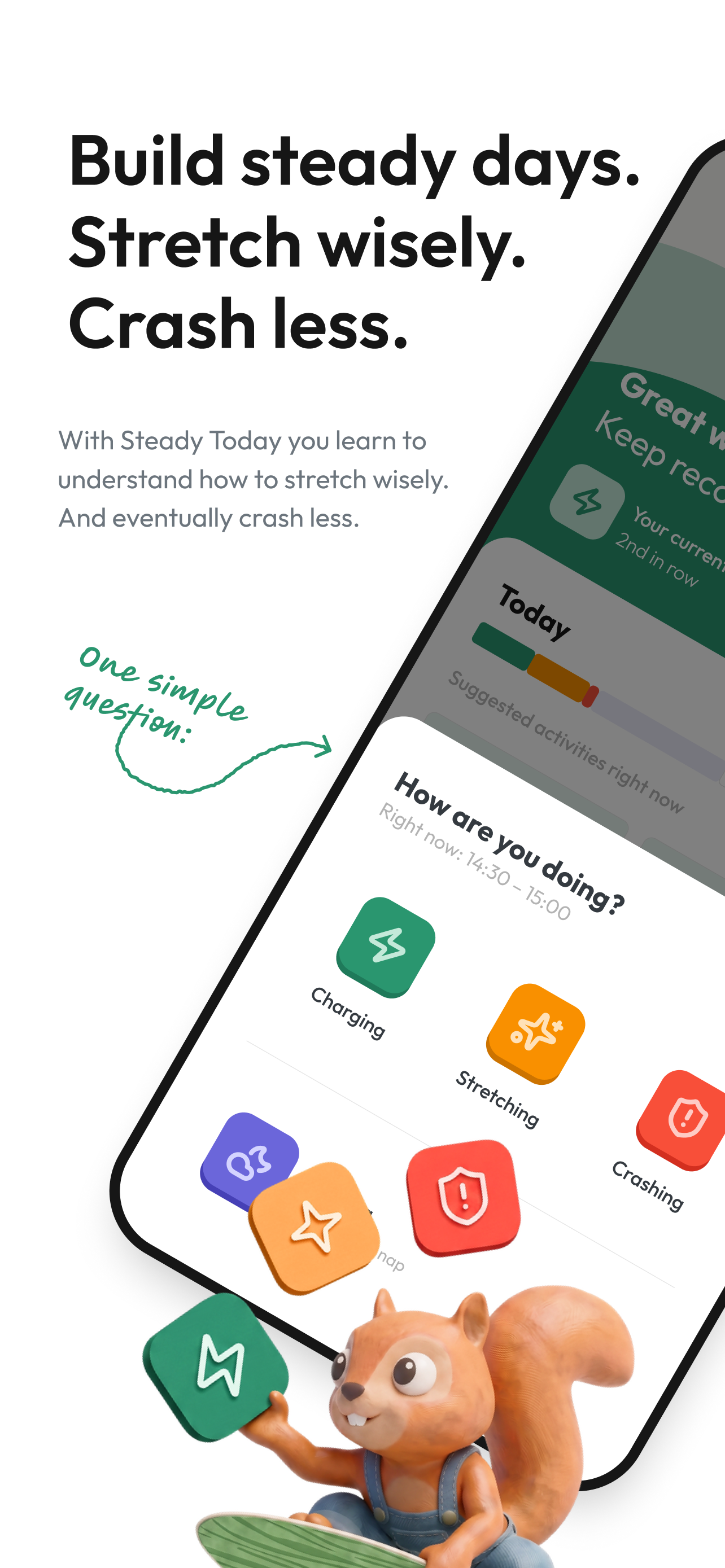
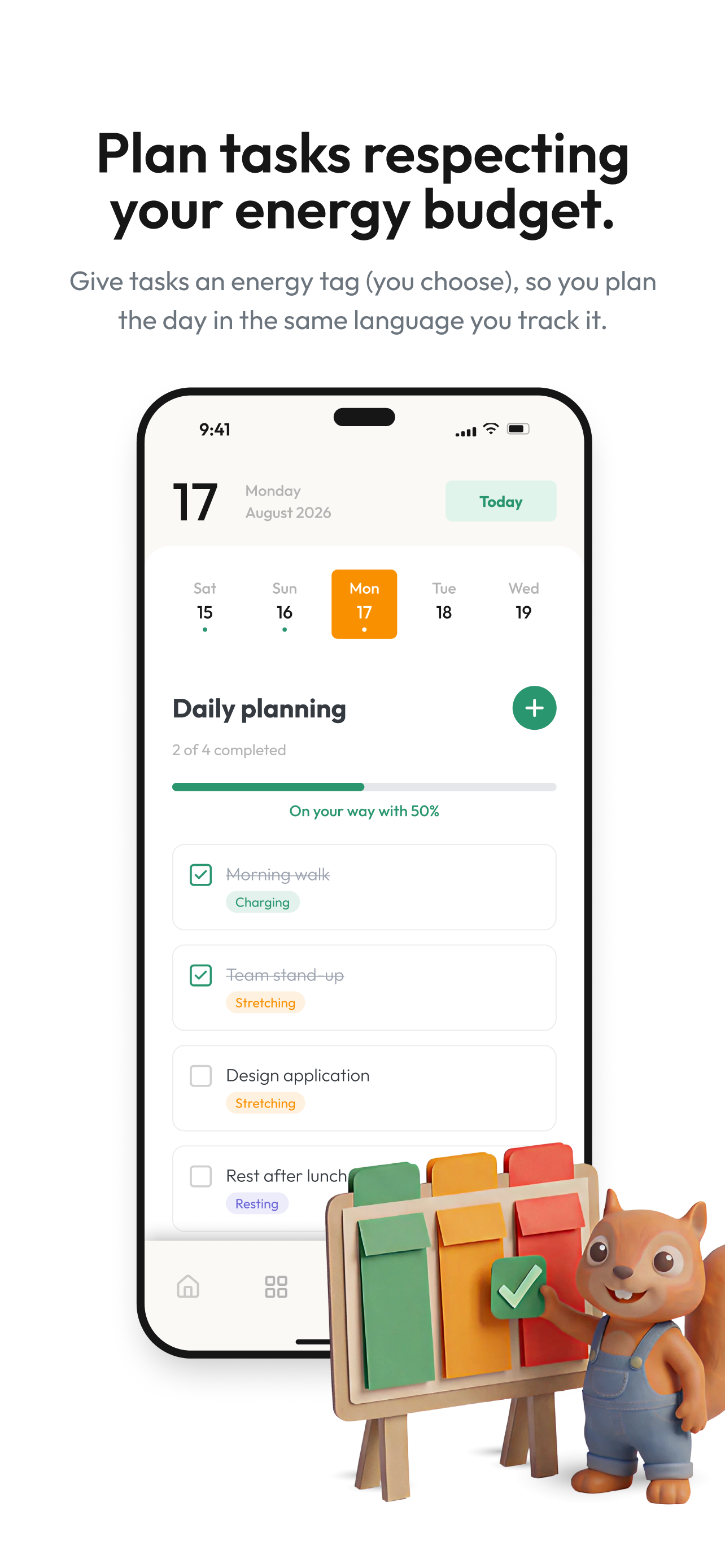
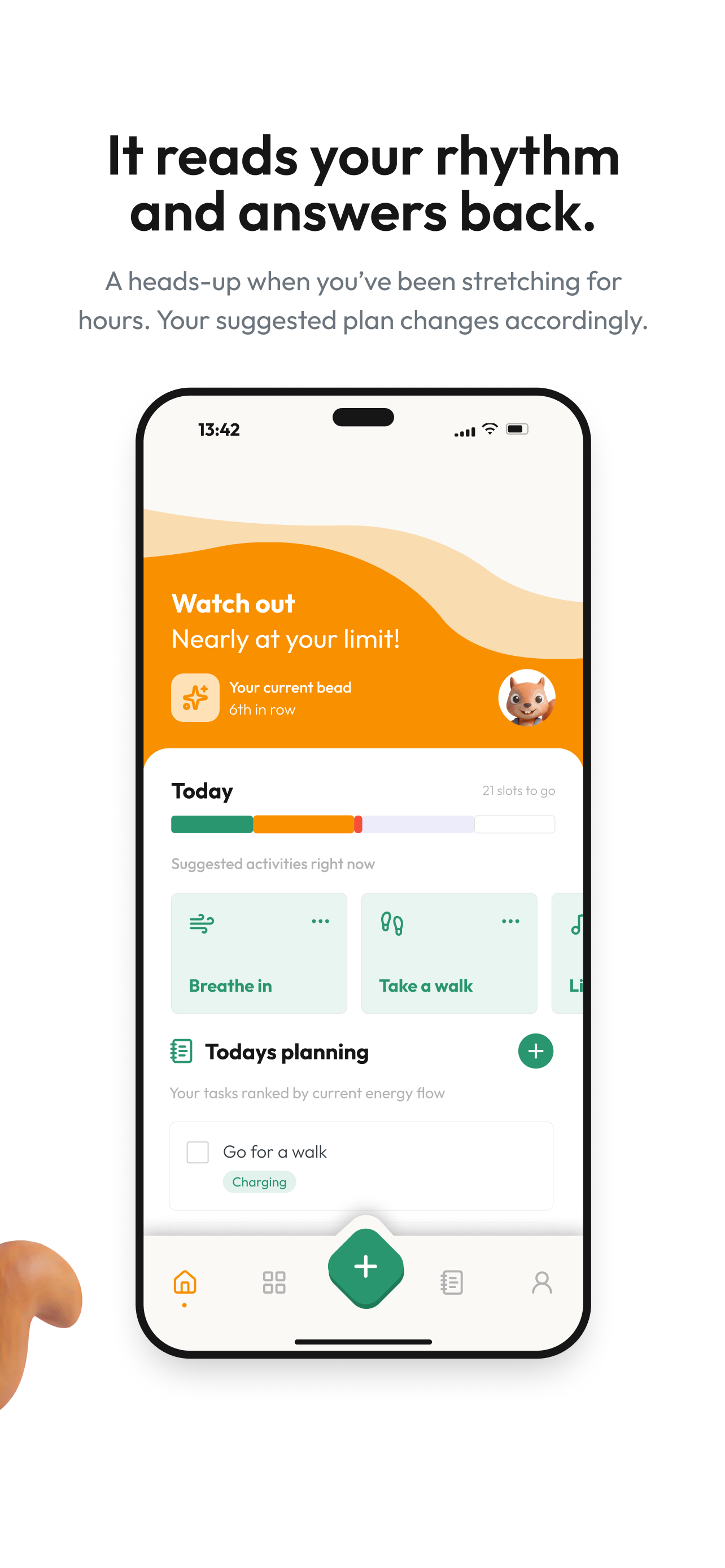
Plan your day around your energy: Steady Today suggests which tasks and activities fit your charging and stretching moments, so you know what to do today without overthinking it.
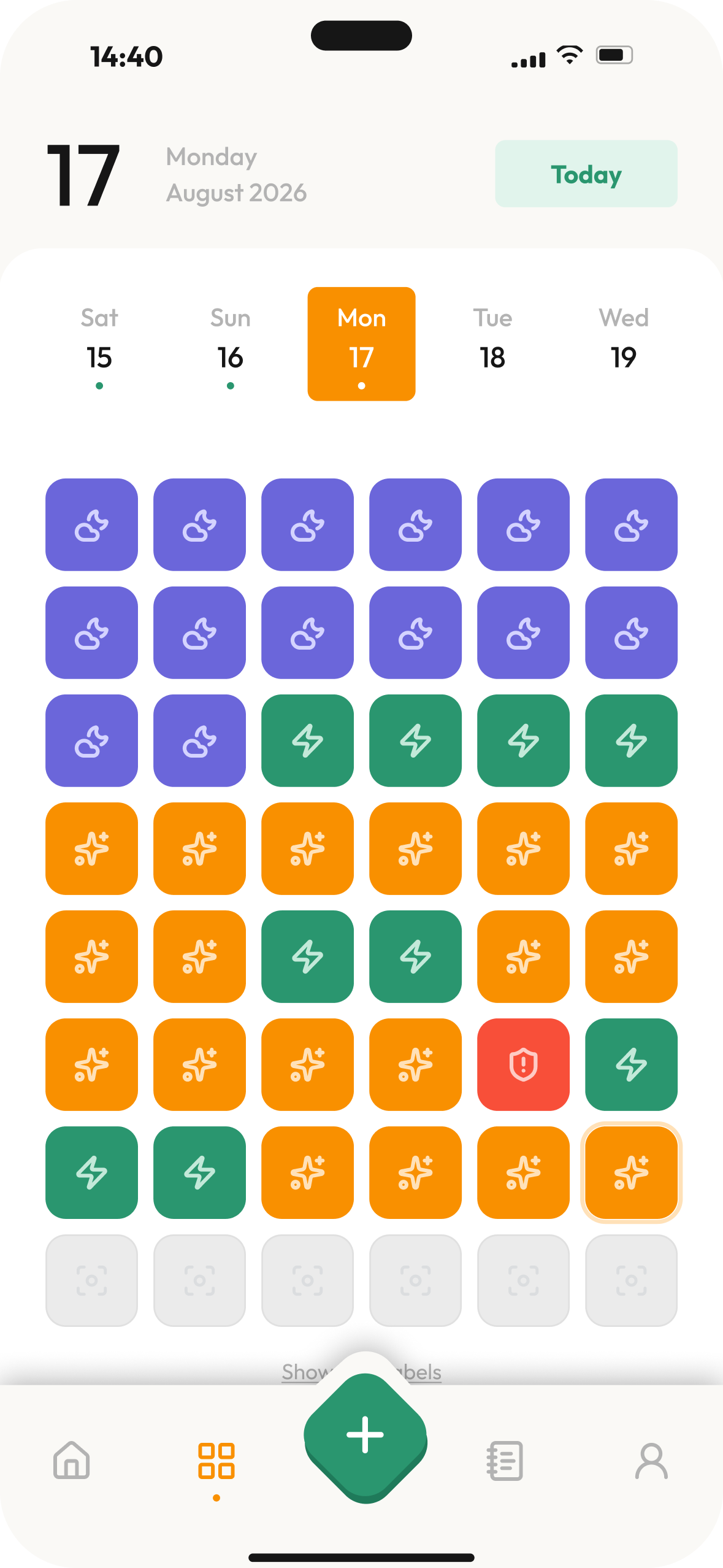
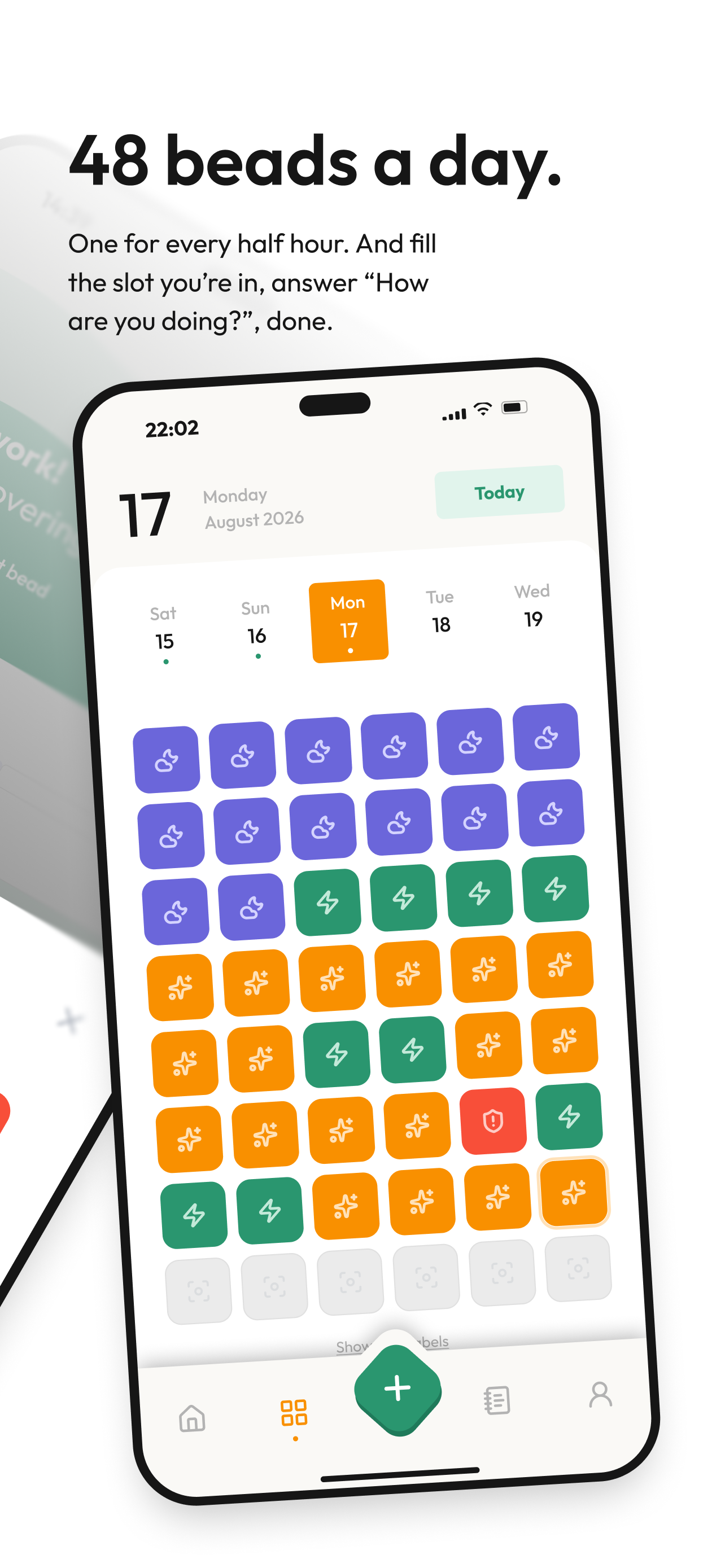
Therefore Steady Today splits your day into 48 beads, one for every half hour:
$$\frac{24 \text{ hours}}{30 \text{ minutes}} = 48 \text{ beads}$$
For each bead you answer one question, "How are you doing?", and pick one of four:
- Charging: recovering, building up energy
- Stretching: a productive push, growth mode
- Crashing: depleted, time to ease off
- Resting: sleep, naps, winding down
That's it. Visually simple to understand, with easy interactions that make you able to plan your days better, find moments to stretch to grow, and eventually crash less. The rhythm you're looking for is
$$\text{Charging} \rightarrow \text{Stretching} \rightarrow \text{Charging}$$
and the one the app helps you see before it happens:
$$\text{Stretching} \rightarrow \text{Stretching} \rightarrow \cdots \rightarrow \text{Crashing}$$
- Deep-press and slide over the beads to fill a whole afternoon in one gesture.
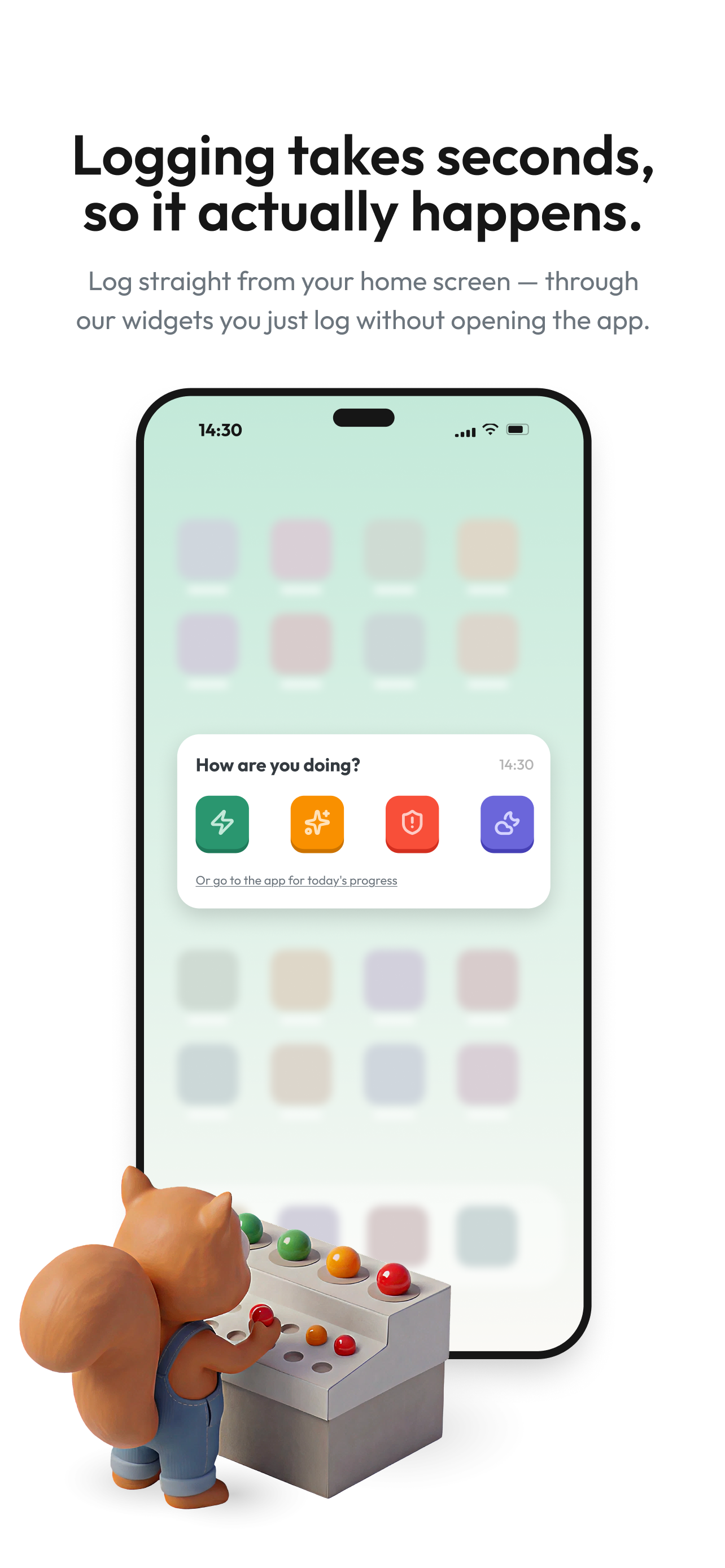
- Home-screen widgets, so logging is one tap without even opening the app.
- Resting fills itself in from your sleep schedule, also when your bedtime is after midnight.
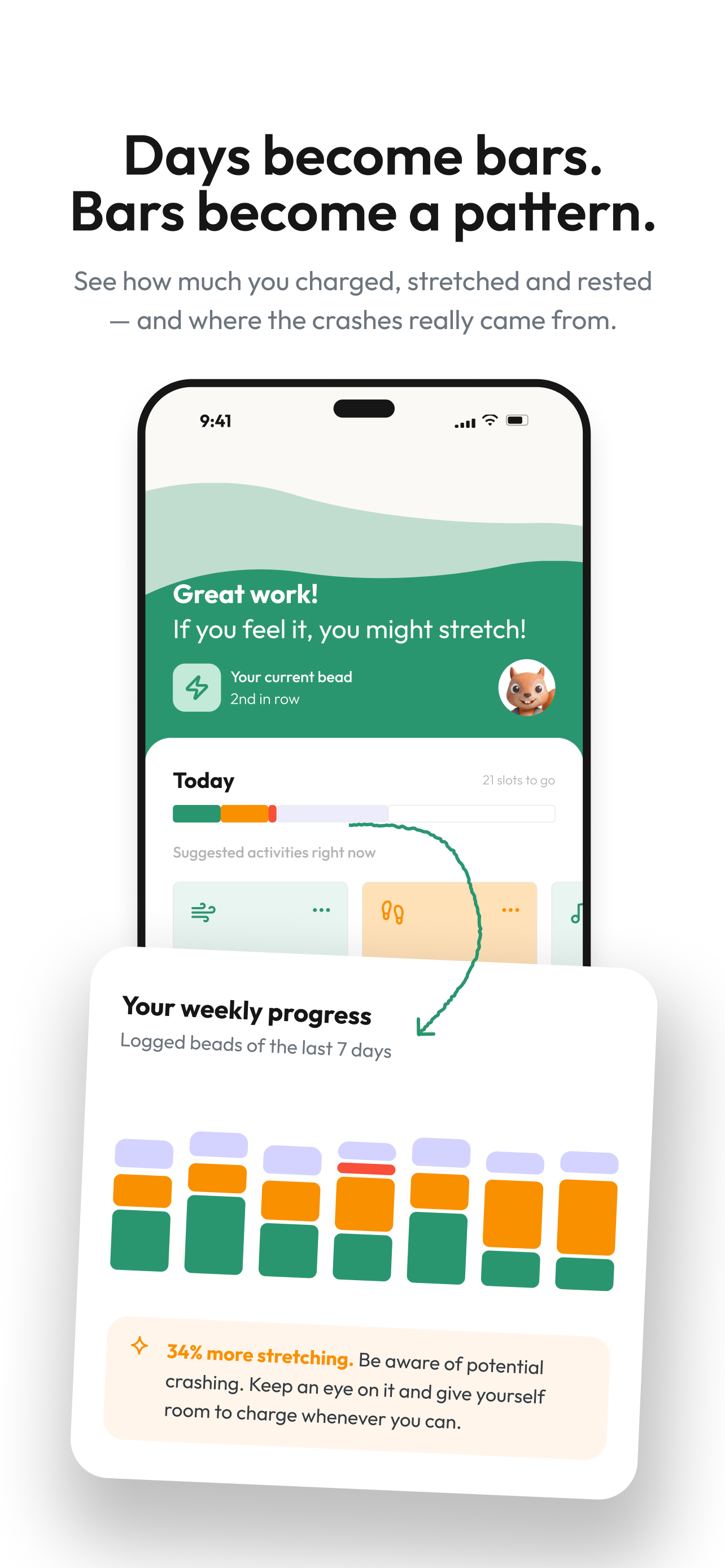
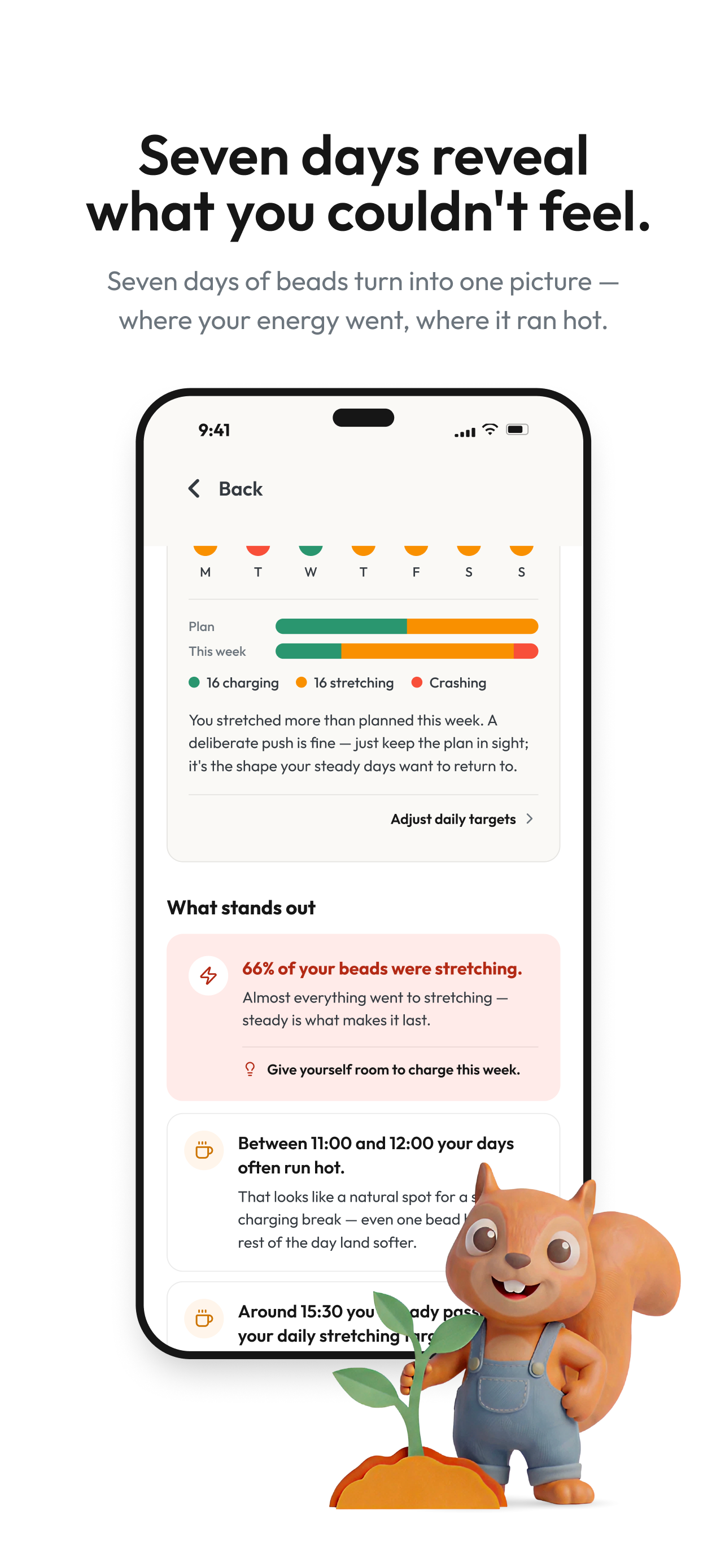
- Insights: after a week you see the shape of your days, where you stretch, where you crash, and whether your rest actually charged you. Measured against your own plan, not somebody else's idea of a good day. (This might be the coolest featured that came along the way)
- A red bead is never a failure. It's information you can act on.
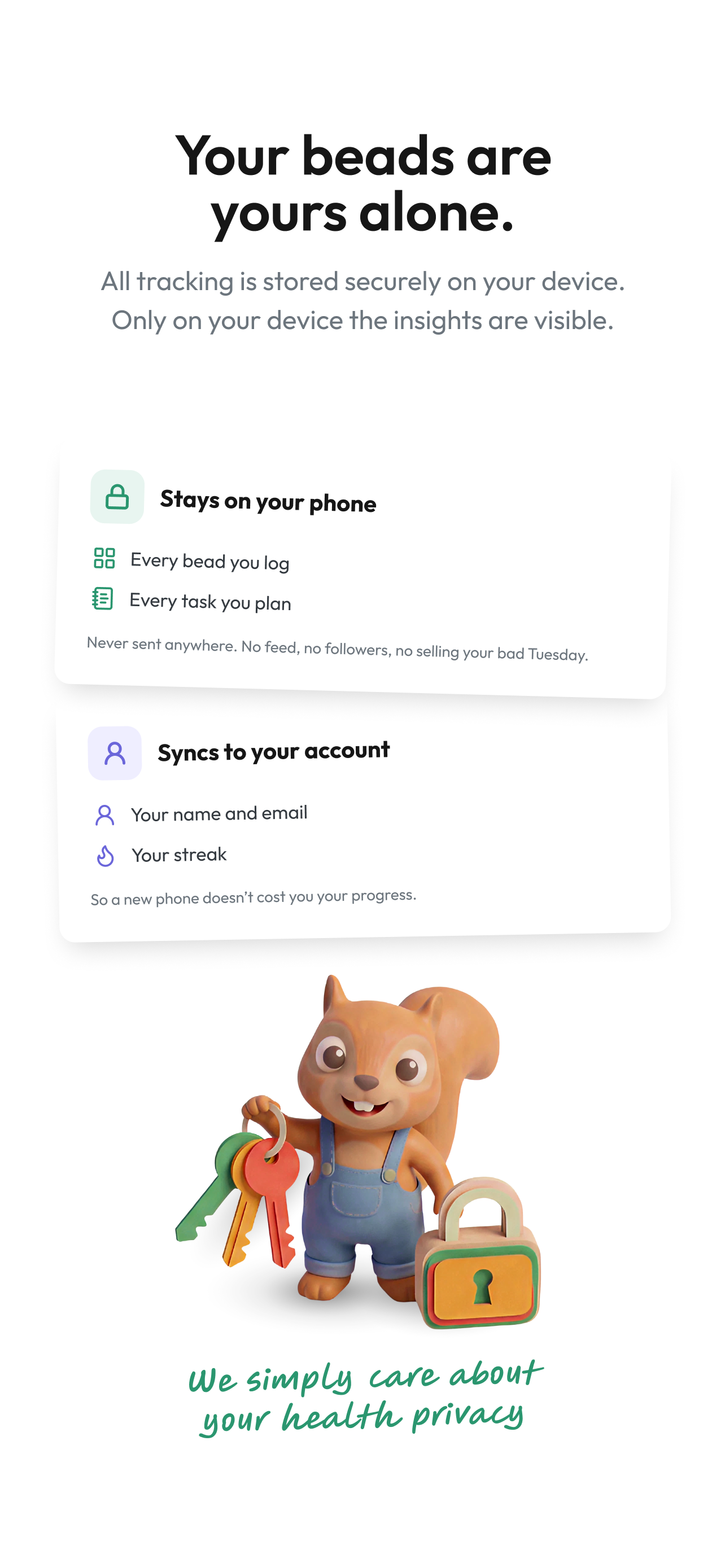
- Your energy log never leaves your phone. Not to us, not to anyone.
- In English and Dutch, with more languages to come.
How we built it
It started on paper years ago, and later in Figma. The app itself is built with:
- Expo / React Native with the ease of Expo Router
- expo-sqlite: all beads and tasks live only on the device
- Appwrite: accounts, a small profile, and serverless functions for the welcome mail, trial reminders, referral codes and a complete account deletion
- RevenueCat: the paywall, the 7-day free trial and the yearly, monthly and lifetime plans, with a webhook that keeps Appwrite in sync
- expo-widgets for the iOS home-screen widgets, and react-native-gesture-handler for the bead gestures
- react-i18next for full English and Dutch (around 750 strings)
- EAS Build & Submit and GitHub Actions to get it to TestFlight and the App Store
I like to build on frameworks. It might be a bit old school, but that is how I have always done it and how I feel comfortable. Coming back after all these years, I was genuinely surprised how much they have developed and how large they have become. Expo now takes care of builds, store submission and even native widgets, things that used to cost weeks. And Appwrite has been a huge game changer for me: accounts, the database, serverless functions, email, push notifications and even hosting the website, all in one place and in Europe. That meant I could spend my energy on the experience instead of on running servers.
Challenges we ran into
- My own energy. Building an app about pacing, while pacing myself. Some weeks had a lot more red than orange. So I used the beads to plan my own working hours, which was probably the best test the app could get.
- The App Store Sign in with Apple failed because a key name was filled in where the Services ID should be. StoreKit returned zero products, without any error, until the Paid Applications Agreement was active. And sandbox subscriptions renewing every hour looked like a bug, but wasn't.
- Not every day ends at midnight. Night owls go to bed at 1 or 2, so the sleep span had to wrap around midnight everywhere in the app. It took a while to understand that some people will fill in the application completely different than I do... Haha.
- Privacy without giving up accounts. We wanted subscriptions, emails and referrals, but no health data on a server. We ended up with exactly two small collections in the backend, and your beads in none of them.
Accomplishments that we're proud of
- Steady Today is live on the App Store, released on 25 September 2026.
- A sketch from my rehabilitation, nine years later, is now a real app anyone can download.
- Fully bilingual, English and Dutch, from day one. And more languages to come.
- Privacy by architecture, not by promise: the energy log stays on the phone.
- Widgets, a dynamic app icon, push notifications and a working trial with RevenueCat, where my family came handy to keep testing until it worked.
- And personally: we are finally working again towards the next chapter in life, and this is one big milestone.
What we learned
- A deadline helps. "Almost done" became "shipped" because the Shipaton was there.
- Test the real thing: TestFlight on a real phone, and check the server, not only the screen.
- Simple is the hardest part.
What's next for Steady Today
- The public launch on 6 October, just before World Mental Health Day on 10 October.
- Version 1.0.1: share your day as a
#48beadsgrid, Reduce Motion support and large-text improvements. - Occupational therapists and burnout coaches, who hand out paper activity diaries every week. Therefore we also created a free printable version at steadytoday.app/print.
- Android, and more languages: German, French, Spanish and Portuguese?! (Let's show the world that it is easy with a .json instead of hardcoded text.)
This application is not just for me. It's made with years of experience, and I hope, and I'm even sure, it will help others to go forward again and set new milestones in their process.
Build steady days. Stretch wisely. Crash less.
You might have noticed that sometimes I write "I" and sometimes "we". That's because I didn't do this alone. I want to thank my wife for her support, for thinking along with this project, and for always pushing me forward! As well my family for testing and delivering helpful feedback.
Me and my wife are slowly developing Mindforest in Portugal, under which we want to ship helpful digital tools for people. As well a physical space for neuro-resilient people to recharge, reflect, and explore their potential by integrating nature-based grounding with digital innovation.
Built With
- apns
- app
- appwrite
- expo-widgets
- expo.io
- native-gesture-handler
- react-native
- revenuecat
- sqlite
- testflight


Log in or sign up for Devpost to join the conversation.