-
-
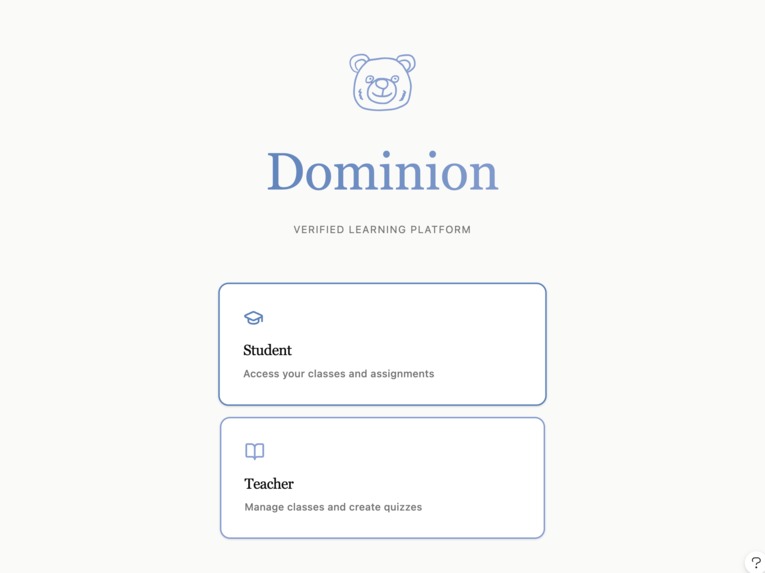
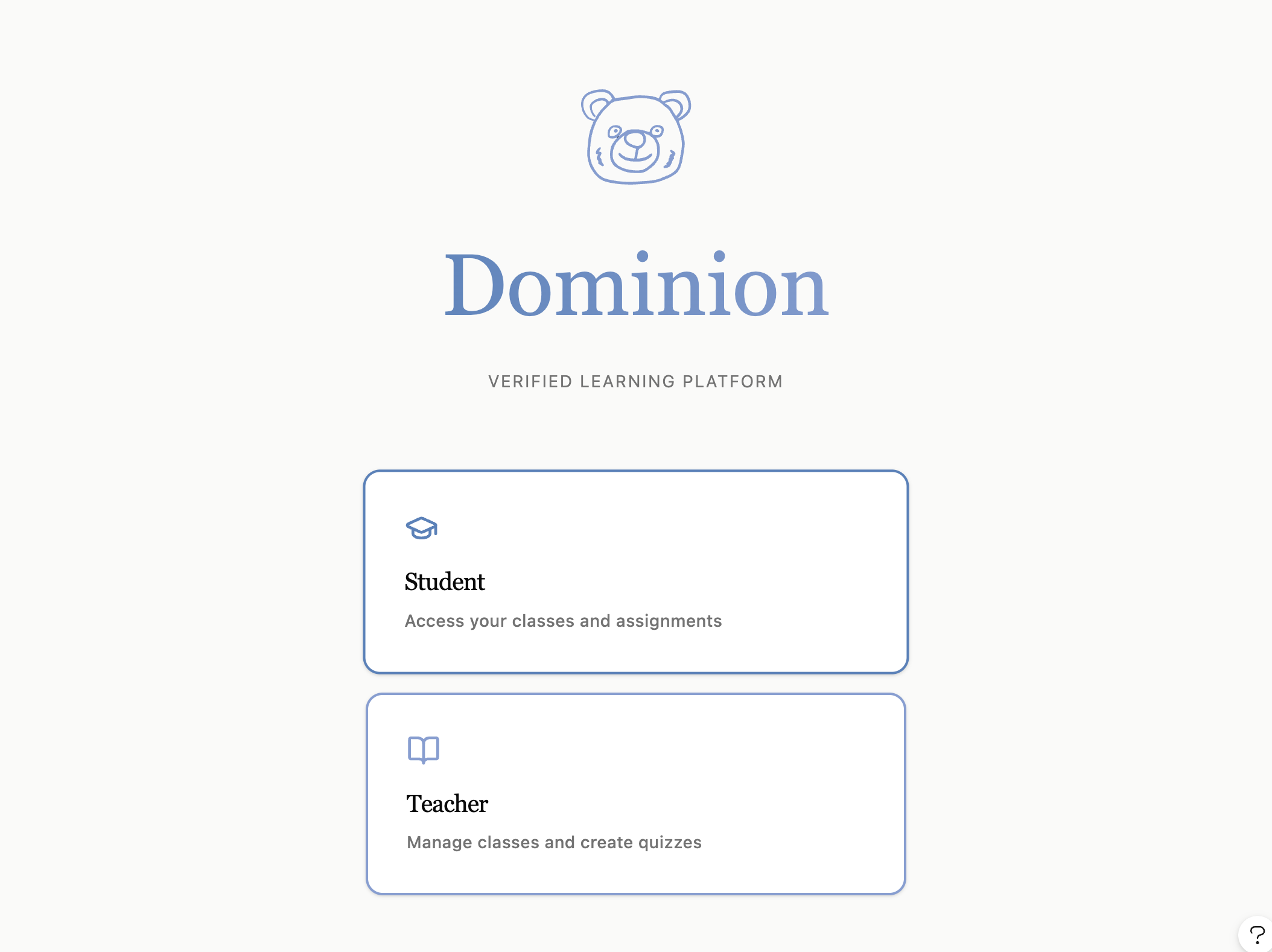
Home page
-
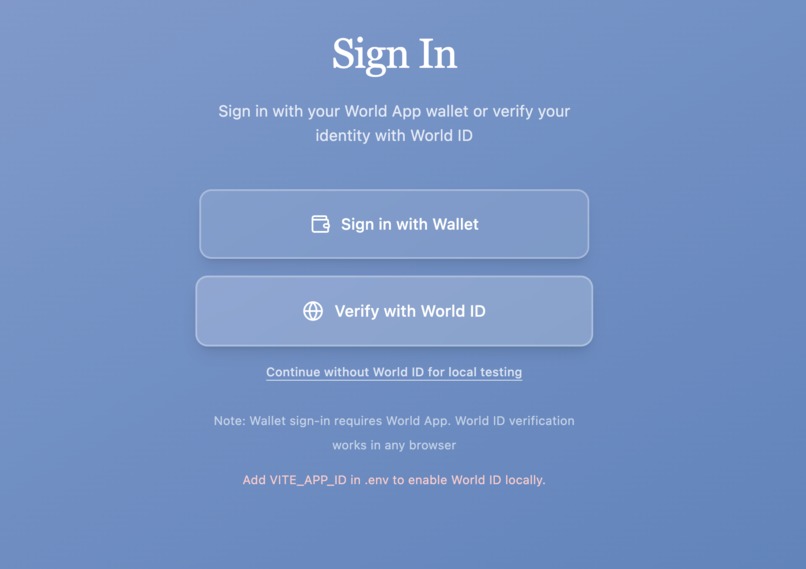
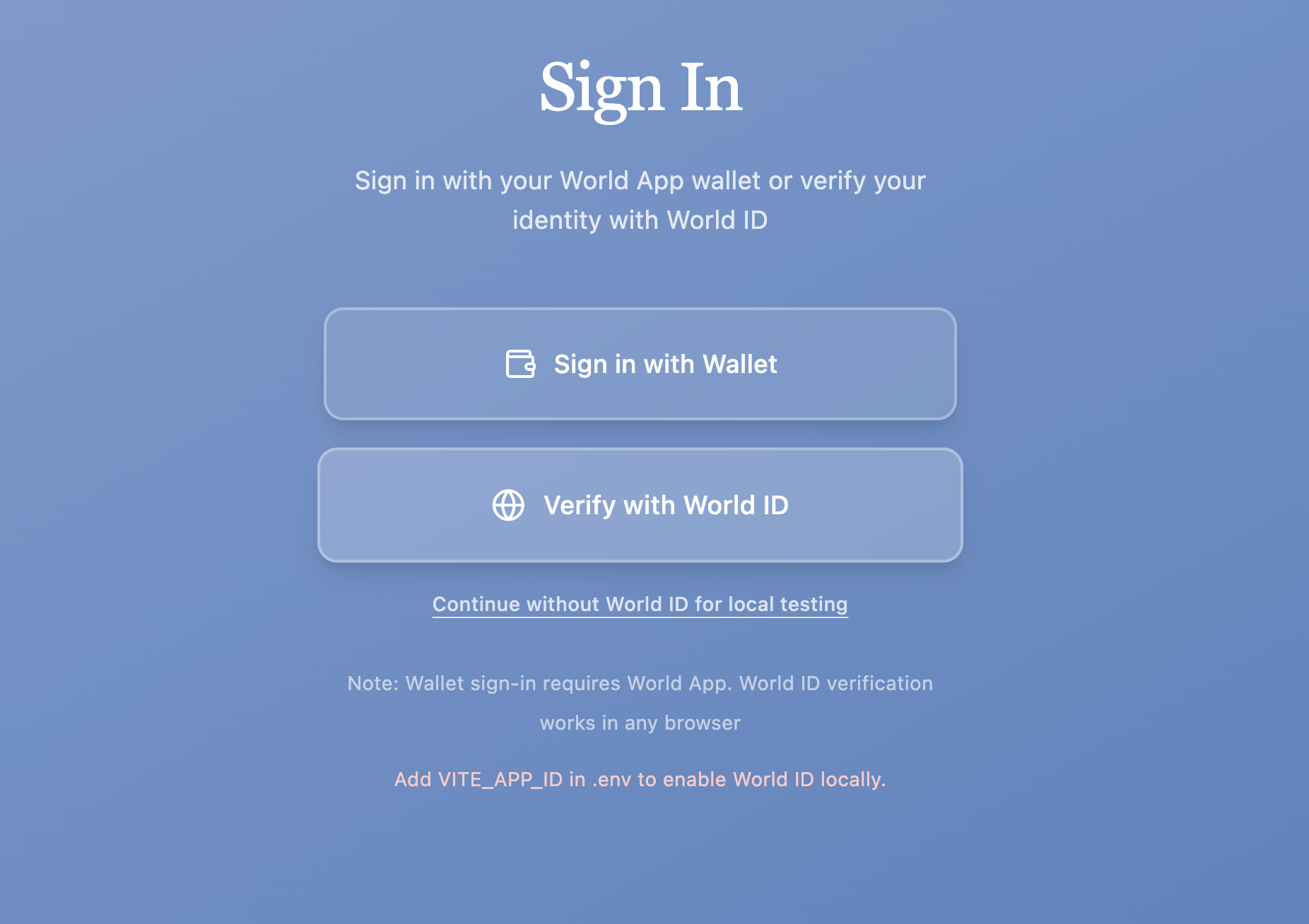
Sign in Page
-
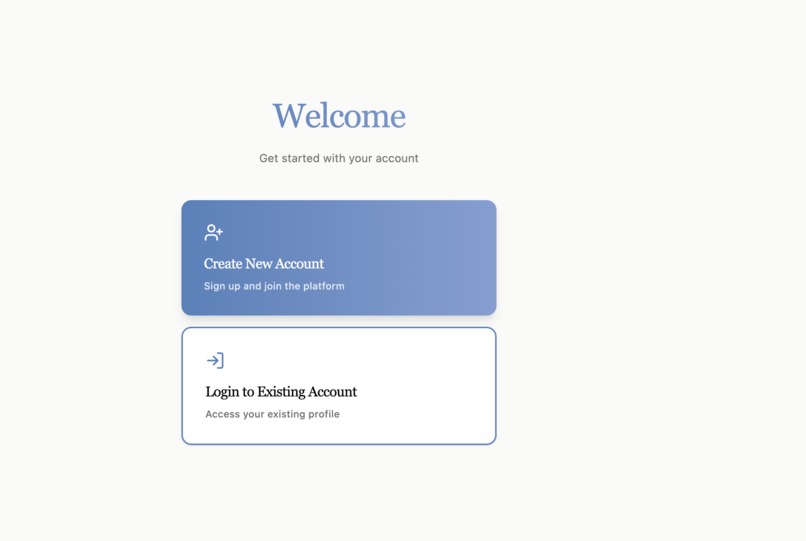
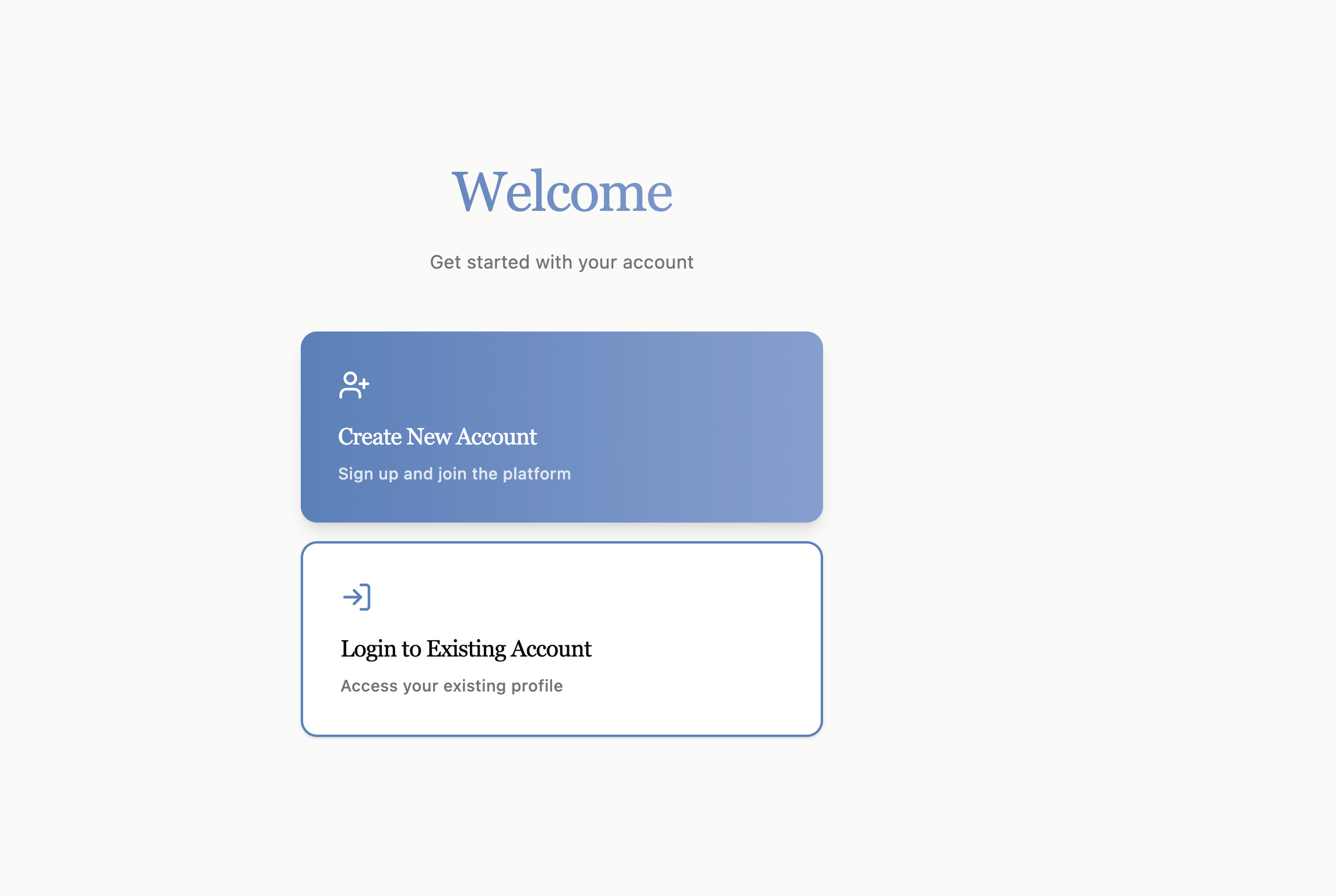
Log In/ Create Account Page
-
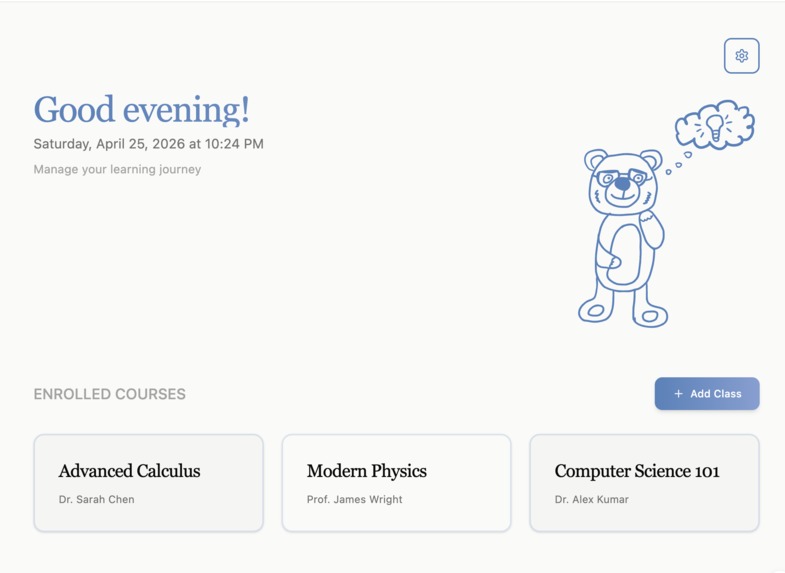
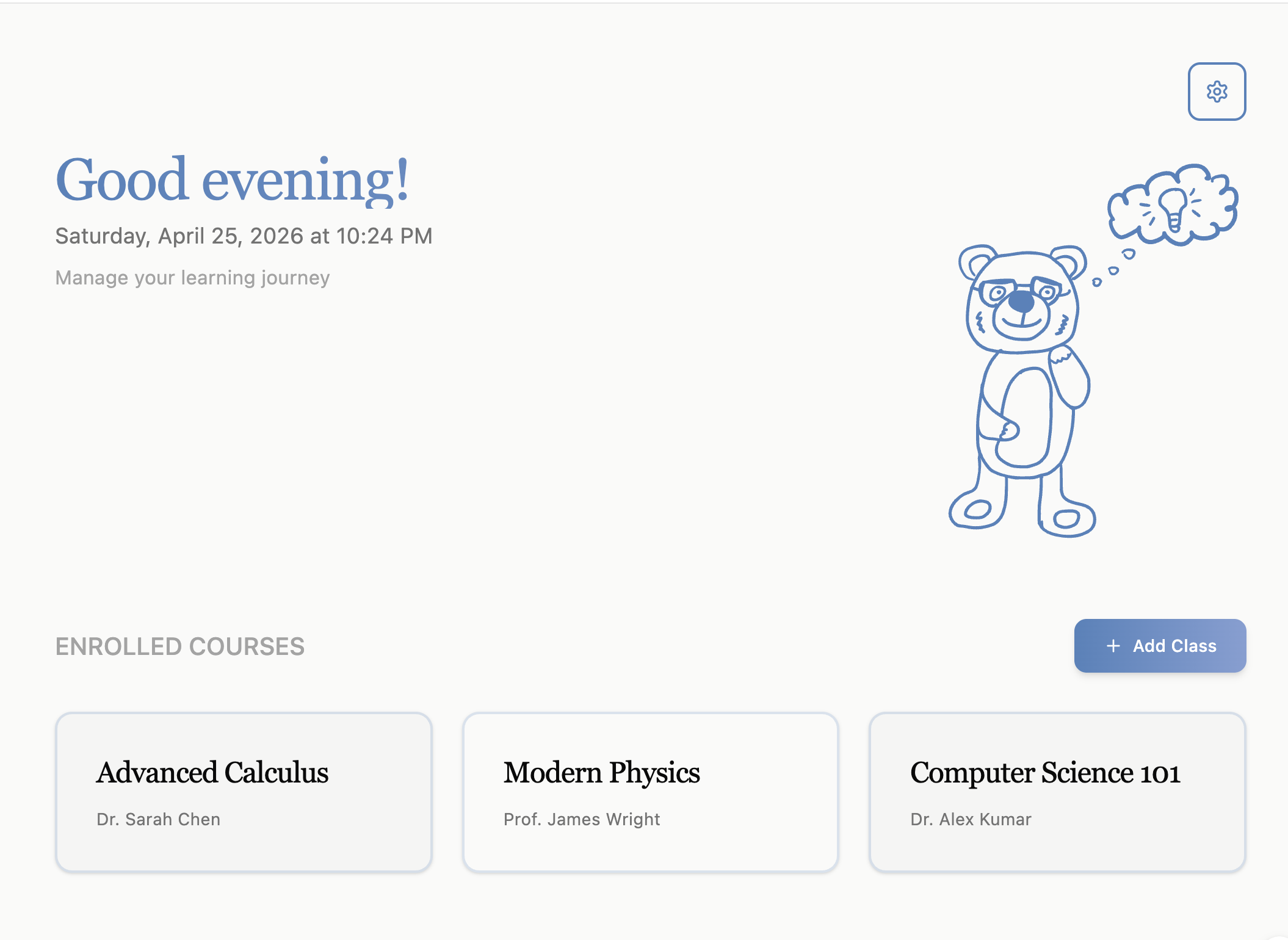
Student Dashboard
-
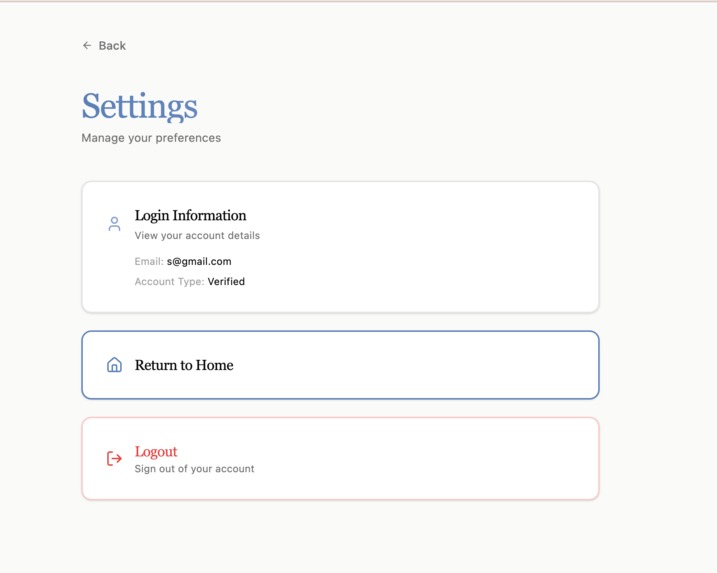
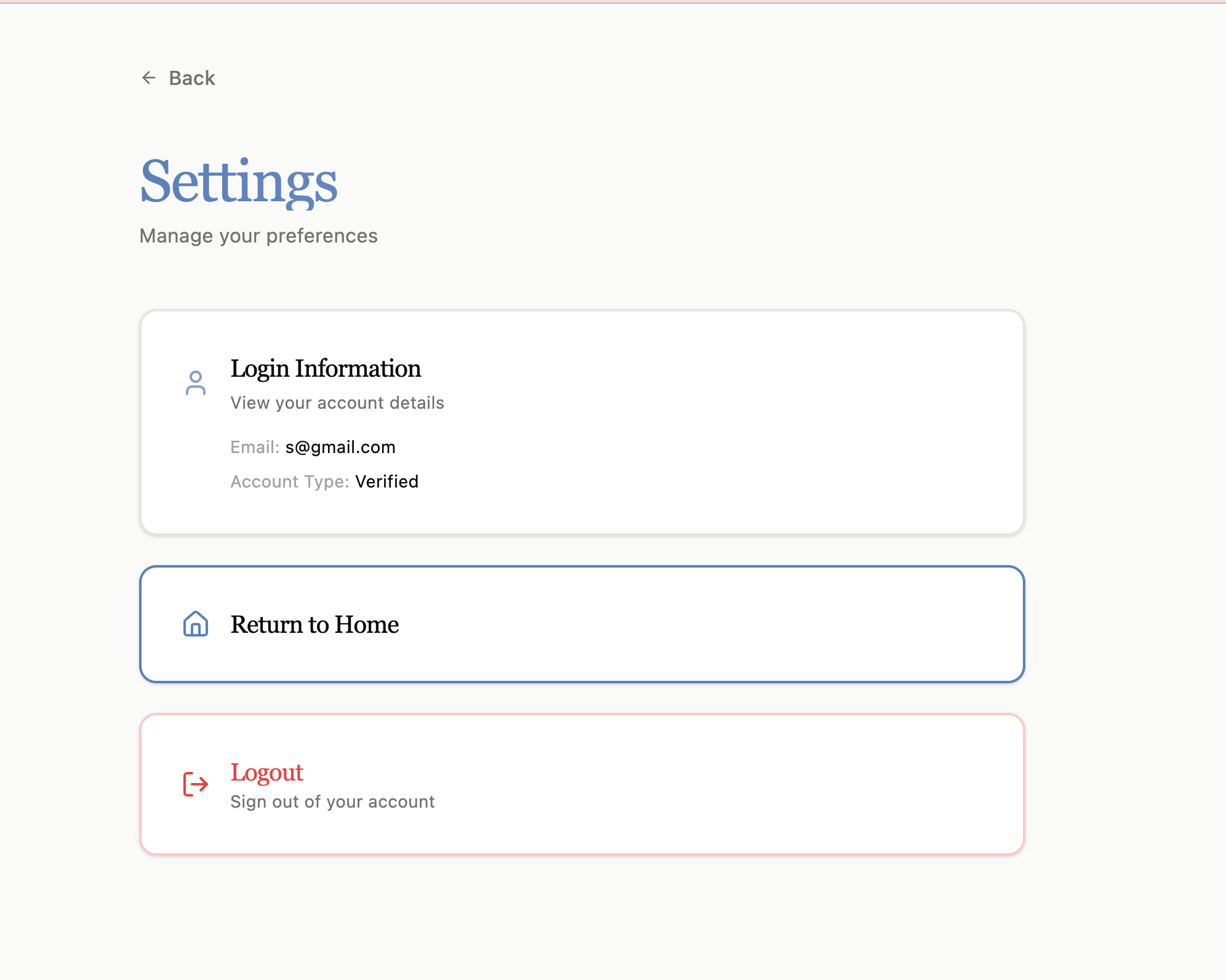
Setting Page
Inspiration
In high school we would get assigned online extra credit via Dr. Frost Math. Whoever answered the most amount of questions in the shortest amount of time would get the most extra credit. This led to people creating everything from AI Agents to AI-generated python scripts that would go online and answer 50 math questions in under a second. There was also be a global leaderboard where it was blatantly obvious everyone was using a bot. Nowadays, you can google Dr. Frost Math bot and find public Githubs (example: link). Using inspiration from the online bots and existing scripts, we wanted to create a program that would exclude AI from these platform using WorldU human verification and several other methods of verifying human behavior.
Educational tools and online learning have changed drastically, and thus a need for a more secure and monitored way of reinforcing concept learning in class.
What it does
Dominion allows teachers to assign Kahoot-style quizzes and assignments for students to complete. Student can view their progress and rank on a leaderboard while teachers monitor scores and completion. Before interacting with the learning platform, Dominion required validating with the World ID, which checks the biometric identifier for real humans. The tools aim to check that a real person is interacting with the platform to get the most learning out of the experience. This means that people can't just post the classroom code online and the app would get innundiated with bots.
During the actual quiz, Dominion's proctoring system (Gemini API that was never fully implemented) runs silently in the background, collecting behavioral telemetry, mouse movement entropy, keystroke dwell time, answer speed per question, and tab-switch events. This data is streamed to a Gemini-powered AI proctor that builds a live behavioral fingerprint of each student. Rather than relying on rigid rule-based flags, Gemini analyzes the full pattern of behavior holistically, a student who answers fast but has natural mouse jitter and realistic keystroke rhythm is treated very differently from one who answers in 200ms with pixel-perfect cursor movement and zero hesitation. At the end of each submission, if you were flagges, teachers receive a suspicion report with a 0–100 confidence score, a plain-English summary, and specific flags, so no student is auto-disqualified, a human always makes the final call
How we built it
The UI design was made with the Figma make AI tool, which utilizes claude, which given a series of prompt helped us build pages, buttons, color schemes, and the whole layout of the front end.
The back-end functionality (verifying World ID) was helped with ai agent like Devin and database tools like Mongo to connect the UI design to the functions we need to perform searches, checks, and updates.
Codex was also used to help us integrate the front end and backend togather. Unfortunately, the files were too large for us to manually sift through. An attempt to integrate Gemini was made but not much progress was made, so no code in github.
Challenges we ran into
The Figma Make AI tool has some limitations because it mainly works on the look and layout, and does not always give intended results. This pushed us to further inspect the pages and find out-of-sync updates where information isn't passed correctly. Furthermore, the backend and front end were mainly split up when being developed, and when it came time for integration, because of many changes and version updates, merging conflicts can arise, challenging us to talk through what dependencies are needed in real time.
Accomplishments that we're proud of
We are proud of learning as many tools as we could during the time to incorporate and support the needs of our project, many of which we had never used before.
What we learned
We learned that it truly does take one spark. There are so many AI tools now that can improve workflow and productivity, and it's a matter of being able to engage with the tools of today to face the challenges of tomorrow.
What's next for Dominion
Dominion needs to be expanded for more customization, in which teachers can share quizzes they have made to expand learning, and possibly new features like human and AI hints to help students with questions they may have. Dominion is striving to be the next educational platform that improves student engagement while maintaining a fair and secure learning environment.
Built With
- css
- devin
- figma
- html
- javascript
- mongodb
- typescript


Log in or sign up for Devpost to join the conversation.