-
Dogrucu
Inspiration
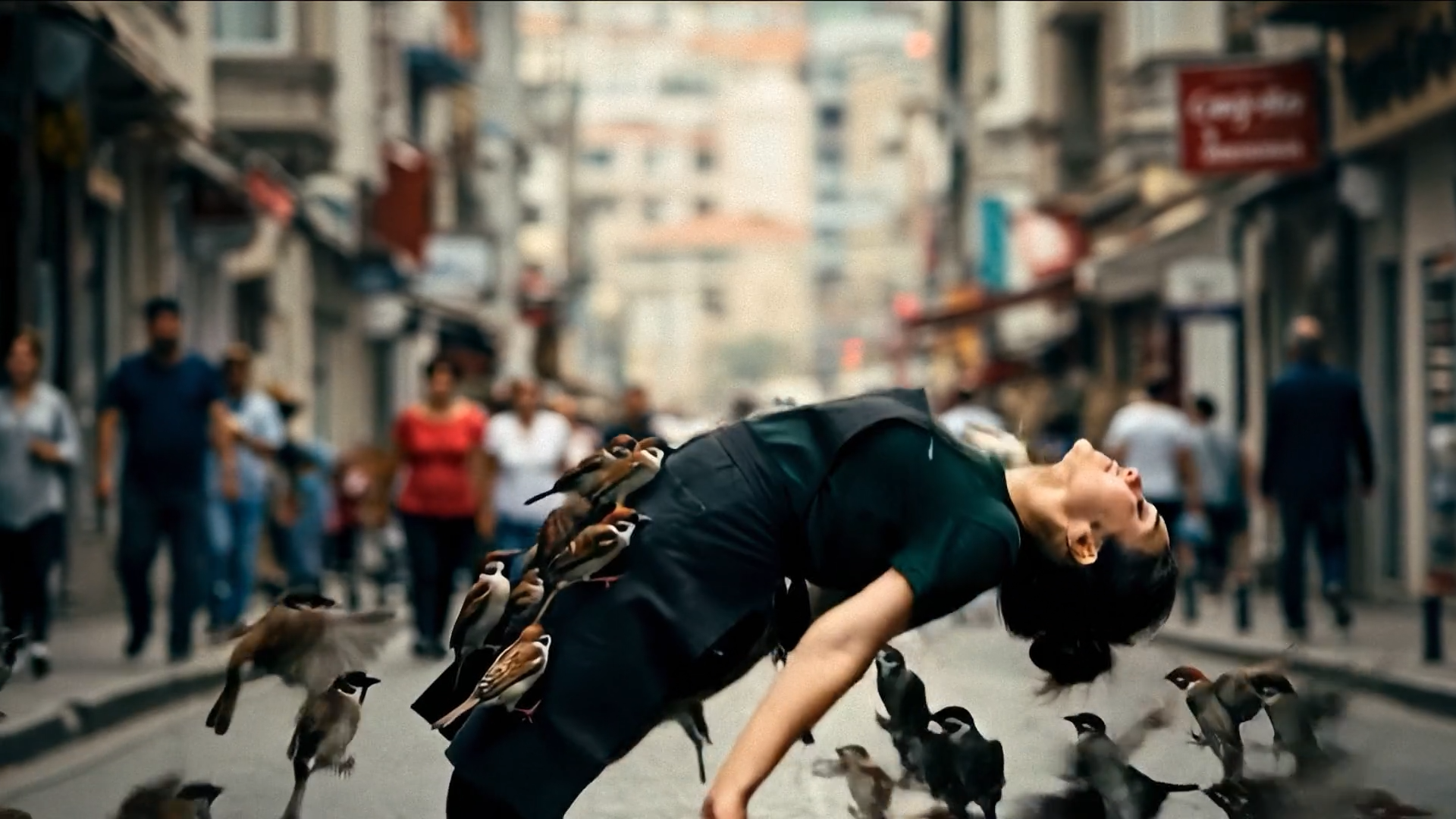
On the 50th anniversary of Sezen Aksu’s extraordinary artistic career, we set out to create something worthy of the “Little Sparrow” - not an AI demo, not a technical showcase, but a true music video. A piece that carries her emotional clarity, her warmth, and the hopeful storytelling that has defined generations. When Google approached us to collaborate on this historic release using Veo 3, we saw an opportunity: to prove that AI, when guided with intention, could honor a legend without replacing the soul of human storytelling. Our inspiration came from a nostalgic tale of three sisters, childhood memories shaped by Sezen Aksu’s songs, and the symbolic sparrow that returns to bring them hope.
What it does
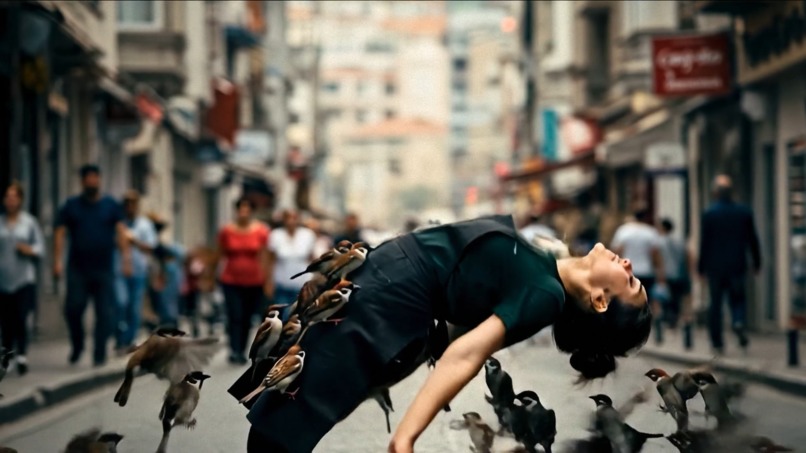
Our music video uses Veo 3 to tell a seamless, emotionally resonant story featuring multiple consistent characters across a complete narrative arc - something previously considered nearly impossible in AI video production. Every shot, every transition, every performance - including the representation of Sezen Aksu as a sparrow - was generated using Google Gemini and Veo 3. The final result is a cinematic, cohesive music video that feels human, nostalgic, and true to the artist’s identity, rather than an experiment displaying technical tricks.
How we built it
We created the entire video using Google Gemini + Veo 3, without any external visual production tools. We designed the narrative of three sisters whose lives drift apart and reconnect in a moment of emotional crisis. We built each scene in Veo 3, crafting consistent environments and character continuities solely through prompt engineering. We solved one of the most significant barriers in AI video that day: placing multiple characters into shared emotional scenes, while keeping their identities consistent from shot to shot. We visualized Sezen Aksu as a symbolic sparrow who guides the characters toward hope - a deeply iconic representation approved through the collaboration with Google. Every shot was generated through Veo 3, and every detail - camera movement, tone, lighting continuity, emotional expression, and narrative coherence - was constructed prompt by prompt.
Challenges we ran into
Character continuity: Before this project, Veo 3 had not been used to maintain multiple characters consistently across an entire music video narrative. Ensuring all three sisters remained visually coherent across dozens of scenes was the project’s most significant technical challenge. Emotional performance: AI models tend to drift or exaggerate. We needed grounded, subtle, human emotion. Avoiding the “AI look”: Our goal was to create a music video, not a tech demo - meaning no uncanny artifacts, no unintended stylization, no distracting transformations. Scene-to-scene coherence: We had to preserve mood, palette, cinematography, and story flow using only Veo 3’s generative controls.
Accomplishments that we're proud of
This became Google’s first official global collaboration using Veo 3 for a full-length music video. We demonstrated that AI can sustain a heartfelt, human story - not just impressive visuals. We solved multi-character continuity entirely inside Veo 3, without external compositing. The video resonated deeply with audiences, generating strong emotional reactions, nostalgia, and excitement across social media. Above all, we honored a living legend with a piece that felt true to her artistic spirit.
What we learned
AI video can move beyond experiments when guided with strong storytelling and emotional intention. Prompt engineering isn’t just technical - it’s cinematic direction. Character continuity can be solved in Veo 3 with the proper methodology. AI tools require constraints, taste, and narrative discipline to produce something that feels real. Collaboration between artists and AI is strongest when the human vision comes first.
Built With
- gemini
- veo-3


Log in or sign up for Devpost to join the conversation.