Inspiration
We wanted to create something feasible and practical. After exploring existing LPG apps on the Play Store, we noticed several areas that could be improved in terms of design and user experience. Tanuri was also an opportunity to experiment with the BNA UI library, which turned out to be an excellent tool. This project helped us sharpen our skills in React Native, monorepo architecture, and Bun.
What it does
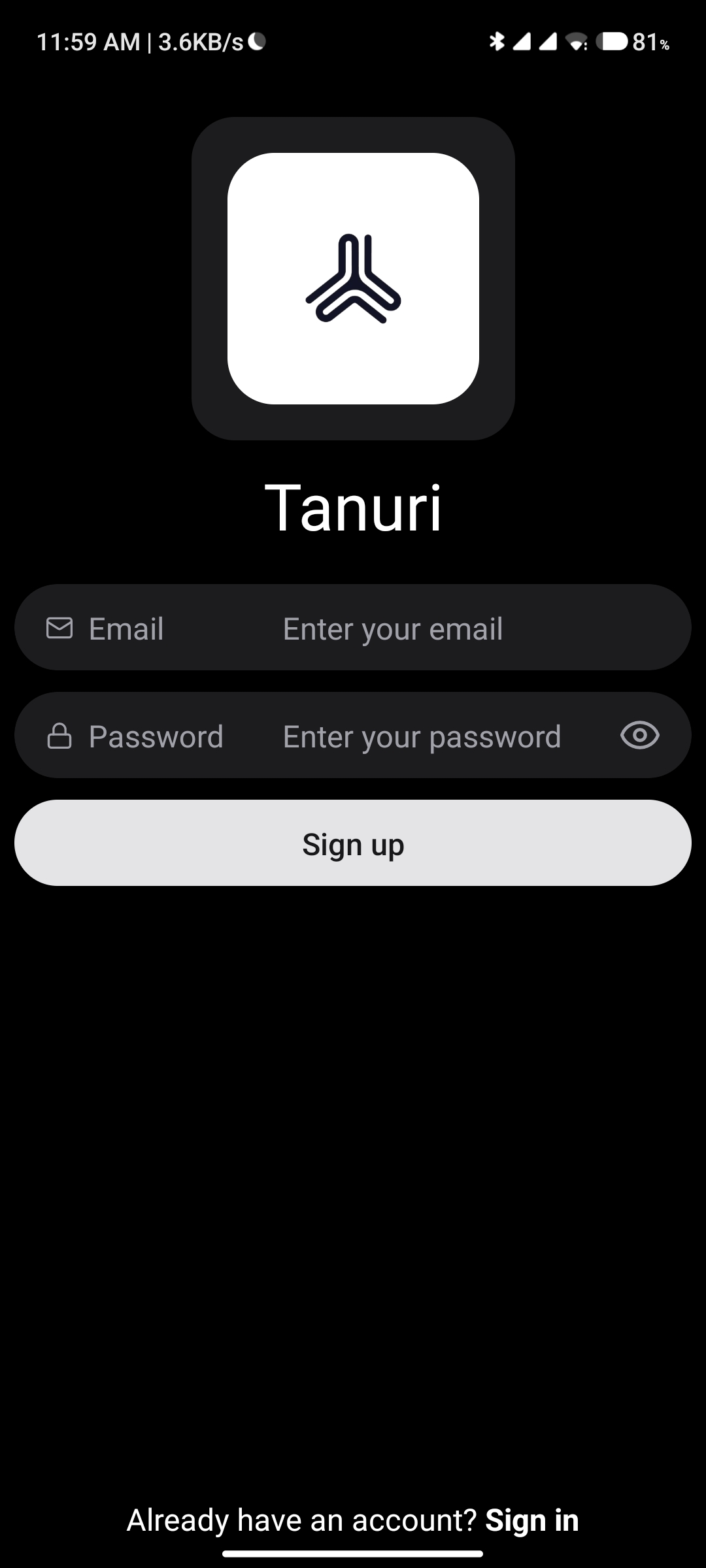
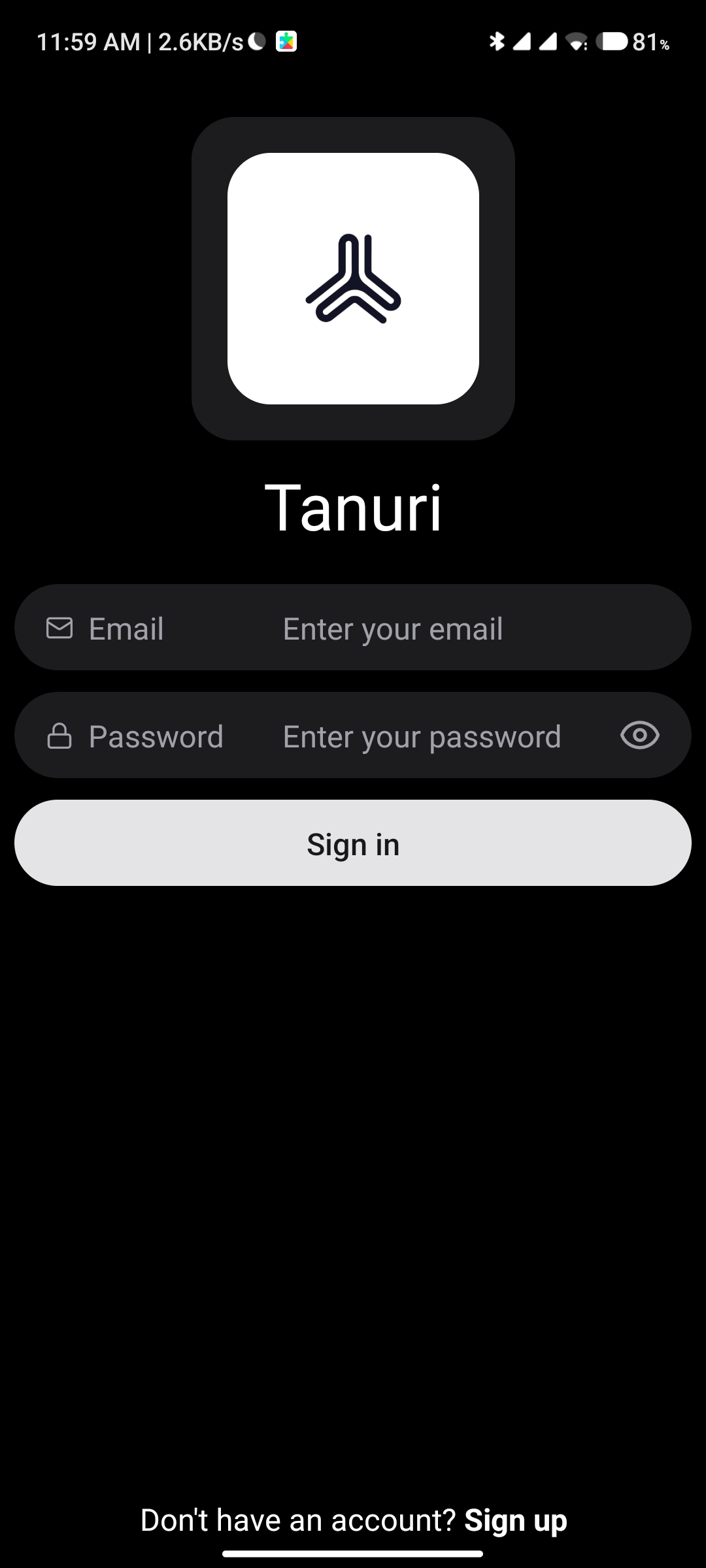
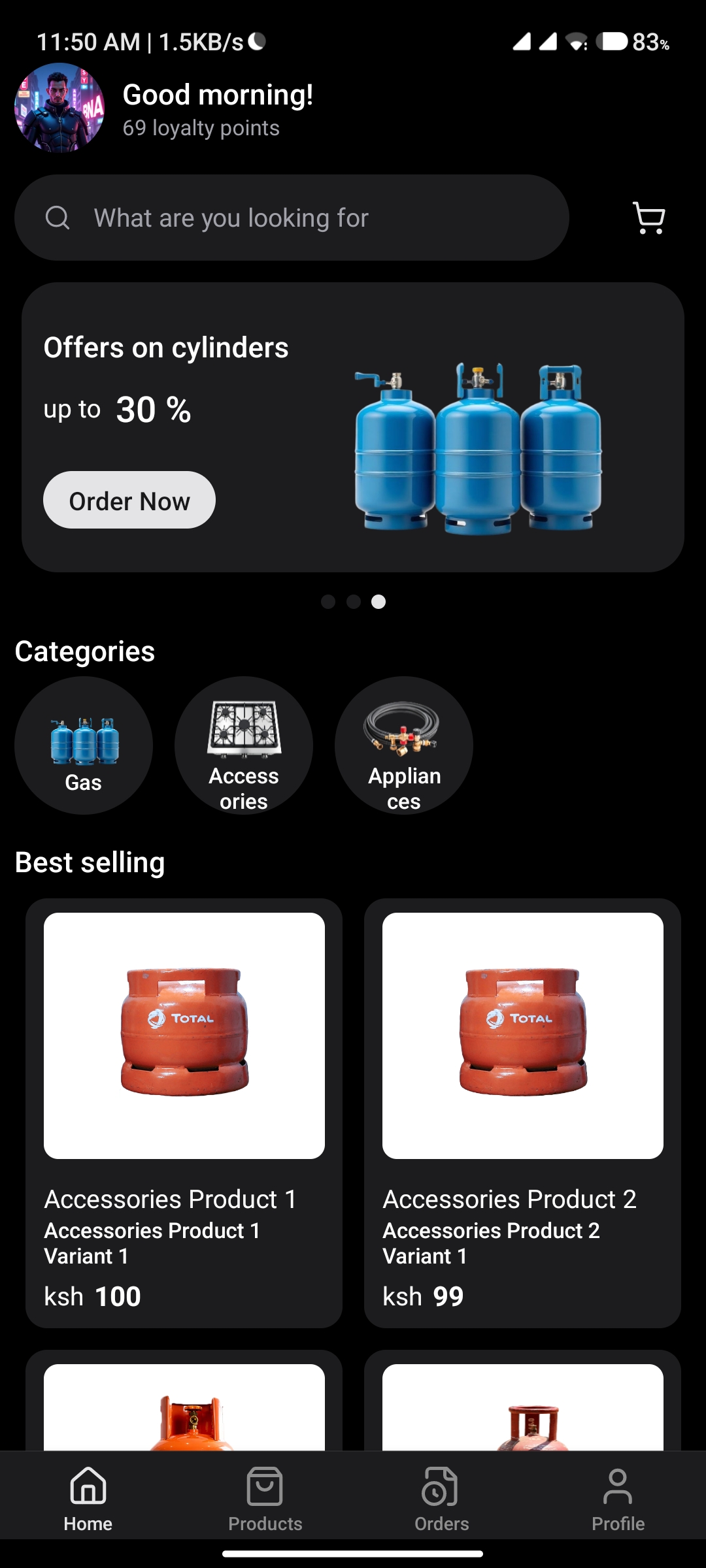
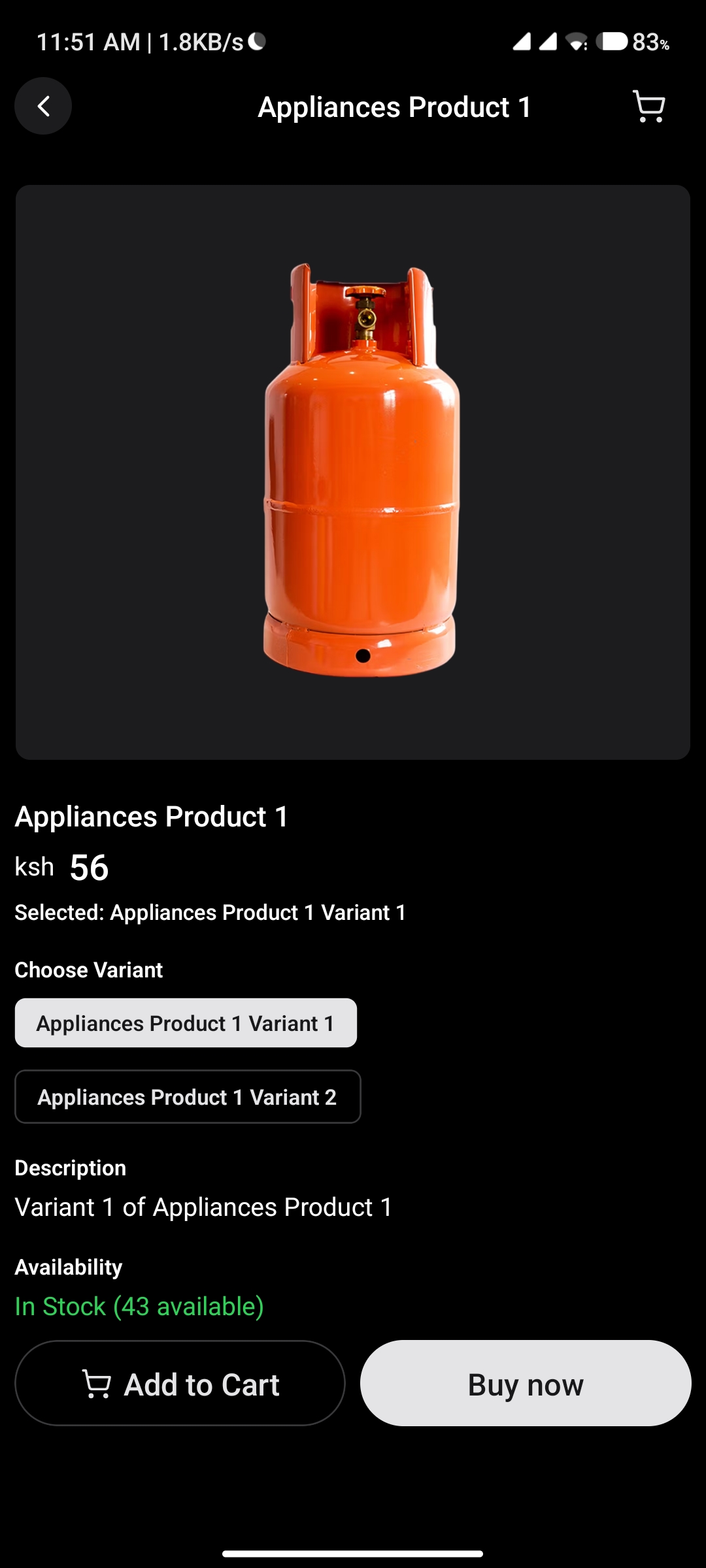
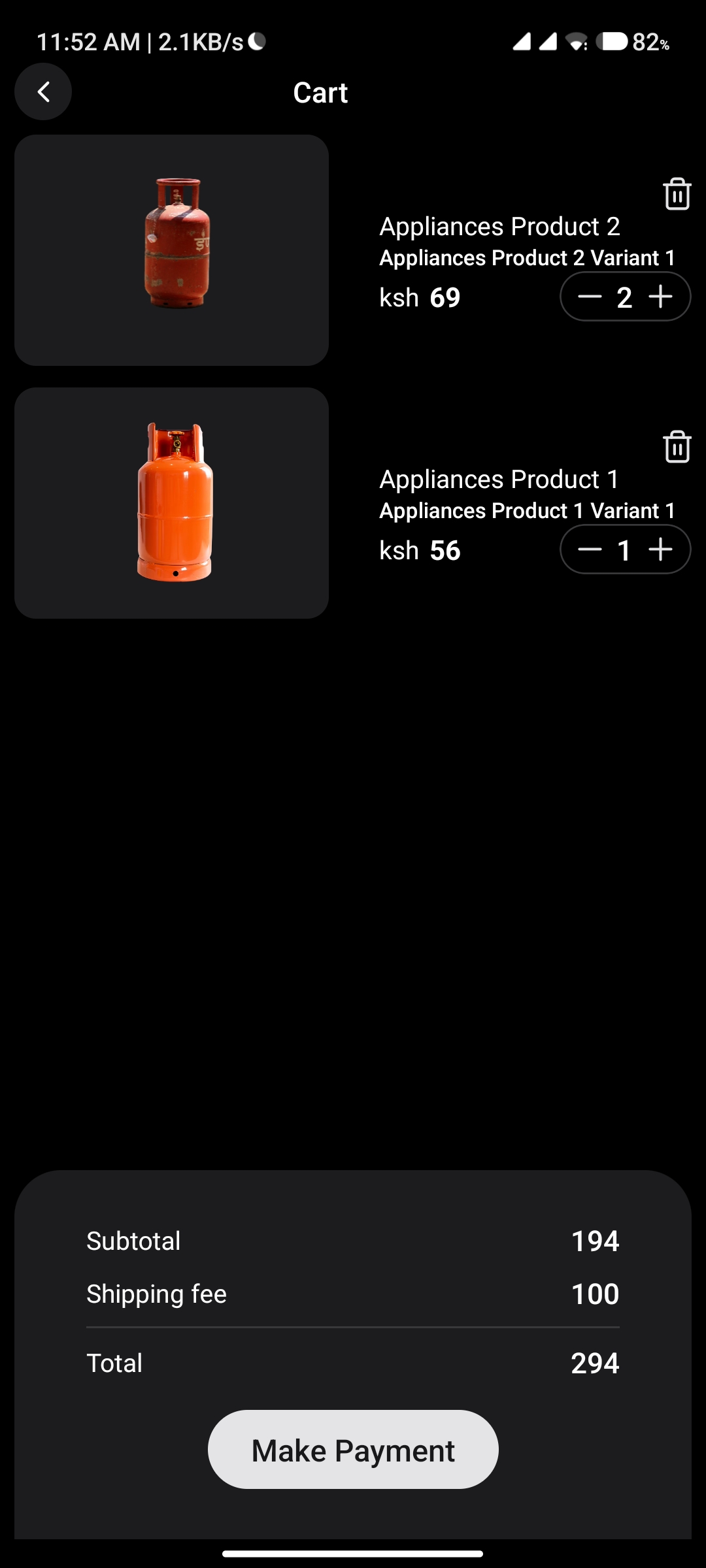
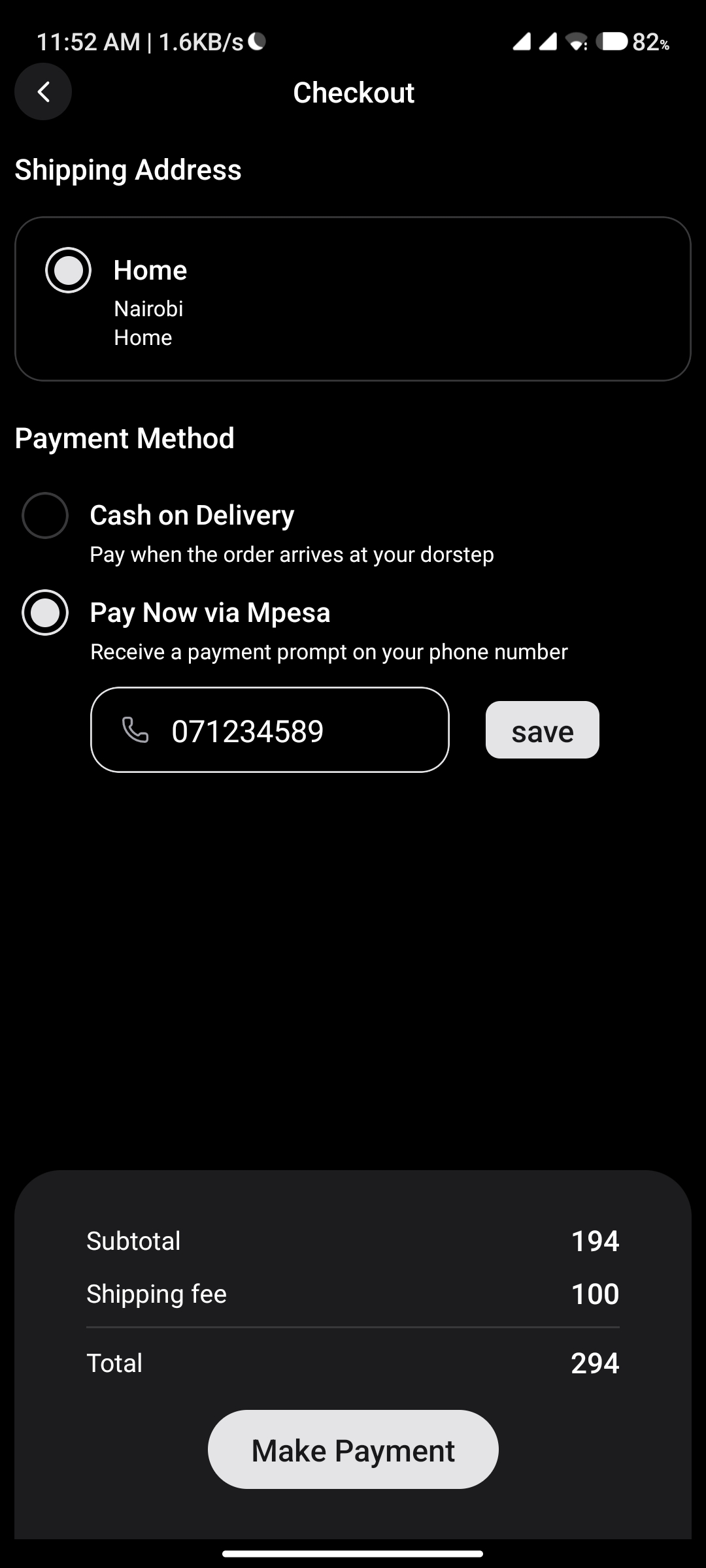
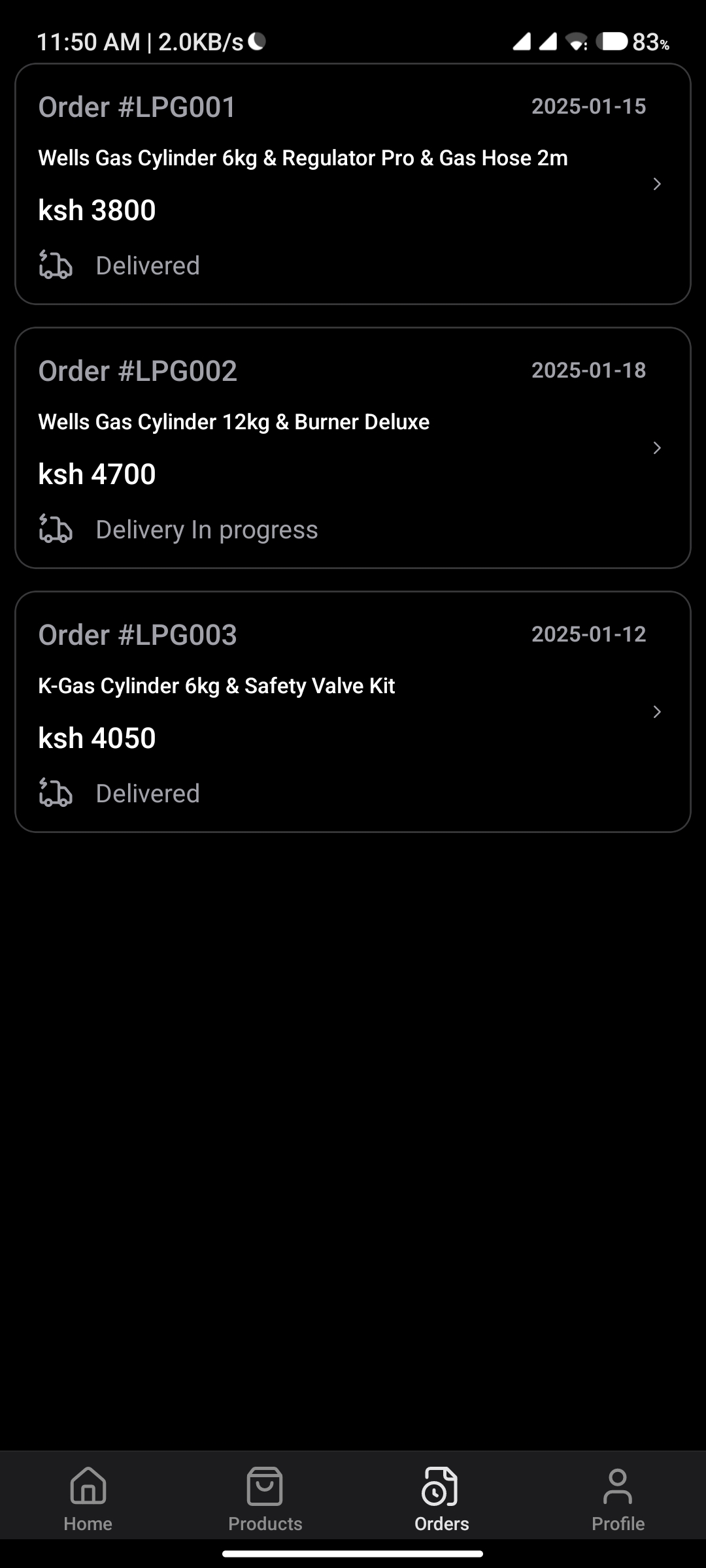
Tanuri allows customers to browse and order LPG gas cylinders directly from the app. While the app is not yet fully complete, the current version supports product browsing and an admin interface for managing core models with create, read, update, and delete functionality.
How we built it
- Started with ideation and documentation through an SRS, ERD, and user journey mapping.
- Took inspiration from modern e-commerce apps to define both customer and admin flows.
- Developed the system using Django for the backend and React Native for the mobile client, structured in a monorepo setup.
Challenges we ran into
- Balancing time and scope to prioritize essential features.
- Implementing the intended web app for admin management within time constraints.
- Managing migrations and consistent data seeding during rapid iterations.
Accomplishments that we're proud of
- The clean and responsive UI achieved with the BNA UI library.
- Successfully deploying both the backend and frontend environments.
- Completing the project from concept to a functional prototype under tight timelines.
What we learned
We learned how to better plan and structure cross-platform projects using monorepos, how to work effectively with new UI libraries, and how to manage full-stack development workflows from backend to deployment. The process also reinforced our ability to collaborate efficiently and deliver results despite technical and time limitations.
What's next for Tanuri
- Rewrite the backend using NestJS for better scalability and performance.
- Complete the remaining features outlined in the SRS, including payments and real-time delivery tracking.
- Prepare the app for real-world testing and eventual deployment to the Play Store for actual users.
Built With
- django
- djangorestframework
- mantineui
- postgresql
- python
- react-native
- render
- typescript

Log in or sign up for Devpost to join the conversation.