Inspiration
Recent wildfires have devastated ecosystems, displacing wildlife and endangering entire habitats. Inspired by real-world events such as the wildfires in LA, California, Jasper, and Australia in recent years, as well as the bravery of firefighters and wildlife rescuers, we wanted to create an engaging and educational game that raises awareness about environmental conservation while providing a fun, cooperative experience.
What it does
It creates an exciting, collaborative experience that not only challenges players to work together but also raises awareness about critical real-world issues, such as wildlife conservation and wildfire prevention.
How we built it
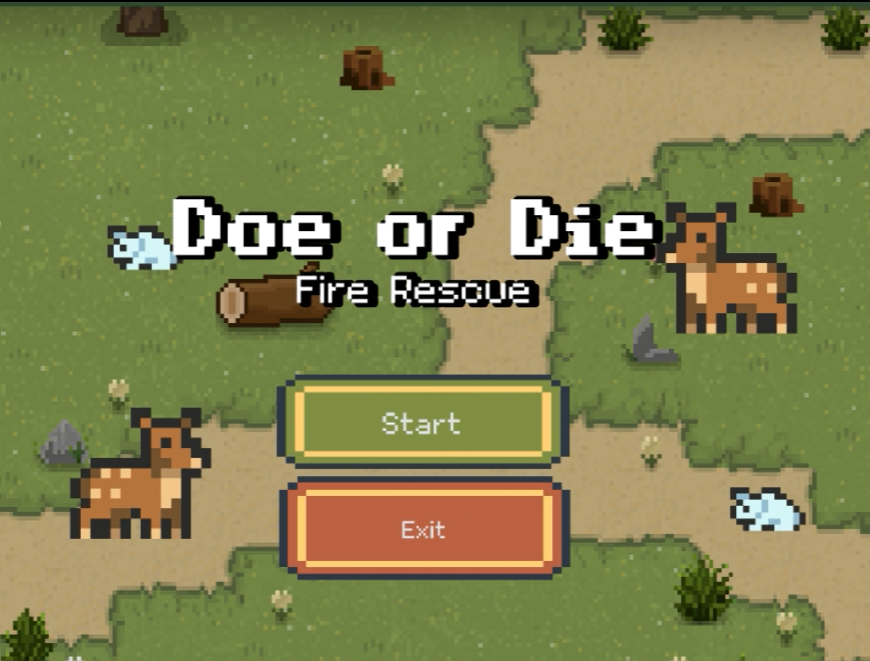
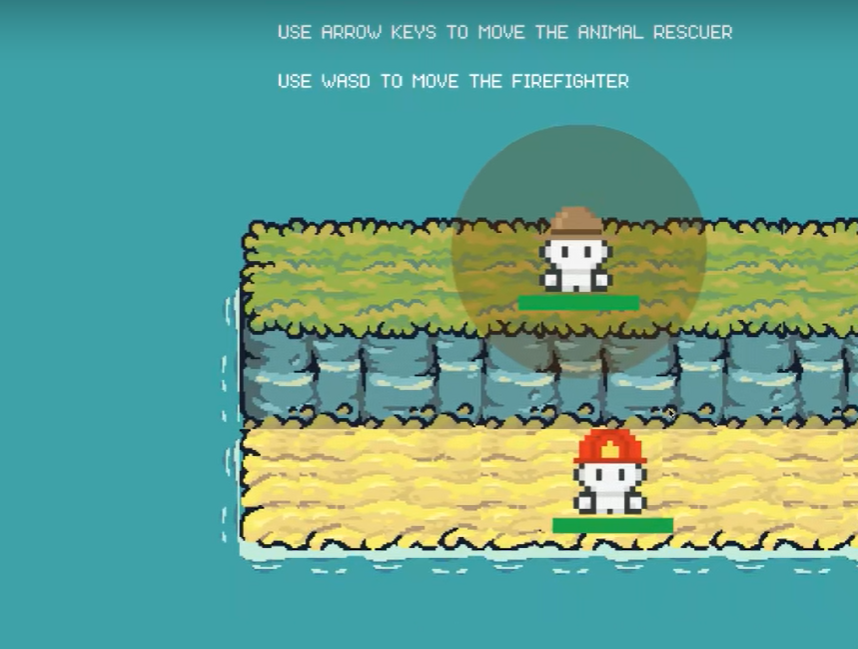
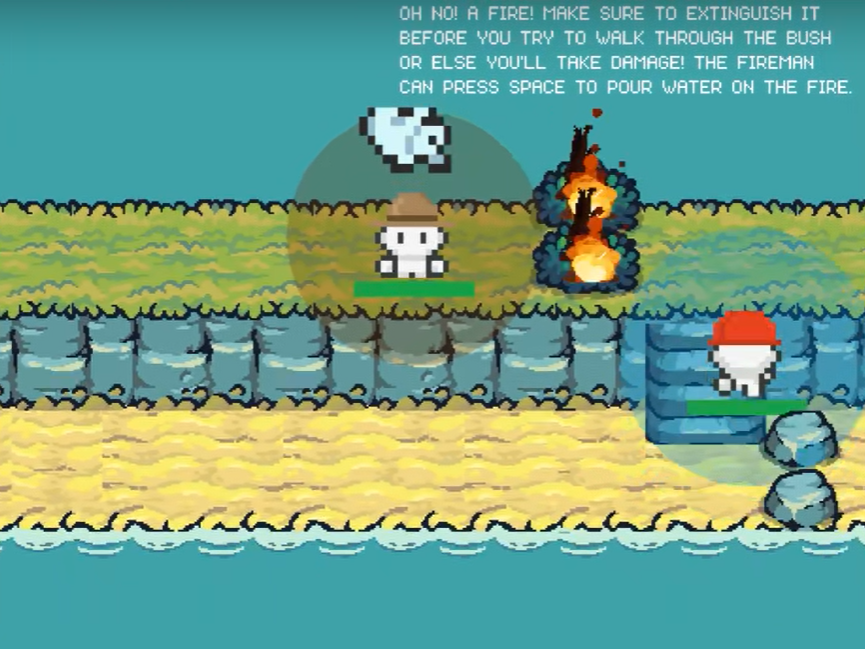
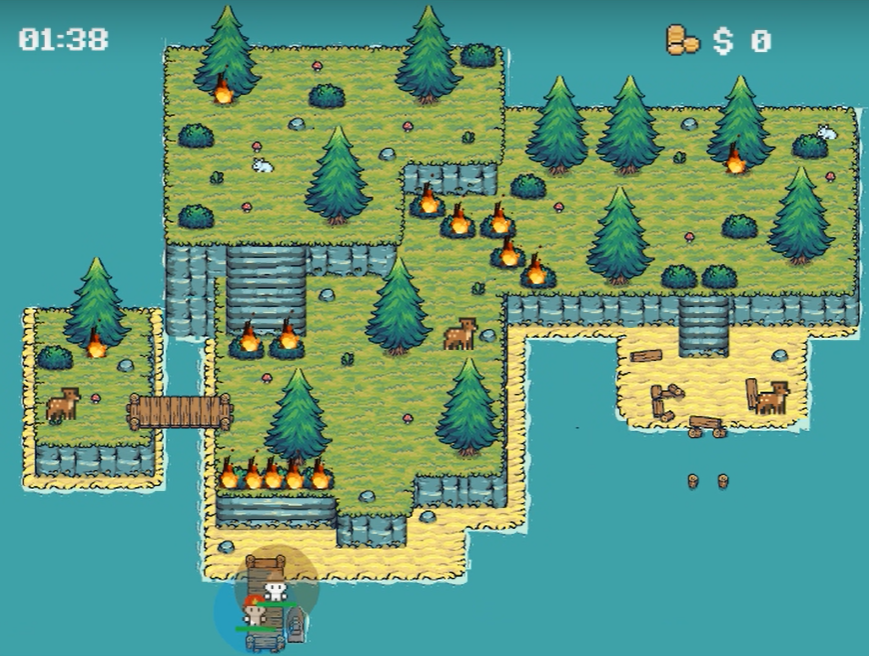
We developed Doe or Die: Fire Rescue using the Godot engine and GDScript. The fire simulation system is driven by a random number generation and check system, allowing fires to spread dynamically and unpredictably. Wildlife movement and behavior are controlled using A*, ensuring realistic navigation as animals react to the environment. The game is designed for local co-op, providing a shared experience. Instead of a structured mission system, the gameplay rewards players for saving animals and extinguishing fires the fastest, motivating them to collaborate to rescue wildlife and contain fires. All assets are hand-drawn or sourced from public domain libraries, giving the game a unique, stylized look.
Challenges we ran into
One of the biggest challenges we ran into was structuring our project in a way that made collaboration smooth. Since multiple team members were working on different parts of the game, we often spent a lot of time merging and editing code on GitHub, which sometimes led to conflicts that had to be manually resolved. Another major hurdle was figuring out certain aspects of Godot and GDScript. While some of us had experience with the engine, there were still features and best practices we had to learn on the fly, which slowed down development at times. We also had to create brand-new animations and assets from scratch, which was time-consuming. Making sure everything fit the visual style we wanted and worked well within the game took a lot of iteration. Finally, one of our most ambitious tasks was developing our own wildlife CPU that could move around the environment and avoid obstacles. Implementing pathfinding and making the CPU behave naturally required a lot of tweaking and testing, but in the end, we were able to get it working in a way that added life to our game.
Accomplishments that we're proud of
We’re proud to have created a game that is polished enough to be expanded into a full release, with the potential to be delivered to actual players. Not only does it provide an engaging gameplay experience, but it also effectively fulfills our mission of raising awareness about wildfire prevention and wildlife conservation. The foundation we've built allows for future improvements, making this more than just a prototype—it’s a meaningful project with real impact.
What we learned
Throughout the hackathon, we learned a lot about project organization and collaboration. One key takeaway was the importance of setting up a clear project structure from the start to avoid long merge conflicts and workflow bottlenecks. Using GitHub more efficiently—like creating smaller, more frequent commits and clearly defining roles—helped improve our workflow over time. We also gained a deeper understanding of Godot and GDScript. Some features weren’t immediately intuitive, but through trial and error, we learned how to properly structure our code, optimize performance, and make better use of the engine’s built-in tools. When creating animations and assets, we realized how important it is to balance quality and efficiency. Instead of aiming for perfection right away, we found that iterating quickly and refining later helped us make better use of our time. Developing our own wildlife CPU taught us a lot about pathfinding, obstacle avoidance, and how to make movement feel natural. We experimented with different approaches and learned how small tweaks in logic and behavior can make CPU feel more dynamic and realistic. Overall, we learned how to tackle challenges under time pressure, adapt when things didn’t go as planned, and work as a team to bring an idea to life.
What's next for Doe or Die : Fire Rescue
Next, we plan to add more levels, new animals, and unique classes with specialized abilities. We’ll introduce power-ups, different climate crisis themes, and new gameplay mechanics to deepen the experience and keep players engaged.
Built With
- github
- godot


Log in or sign up for Devpost to join the conversation.