Inspiration
Important documents often pass through many people and systems, making it hard to know where they came from, what changed, or who handled them. DocTrace was inspired by the need for clearer, more accountable document workflows.
What it does
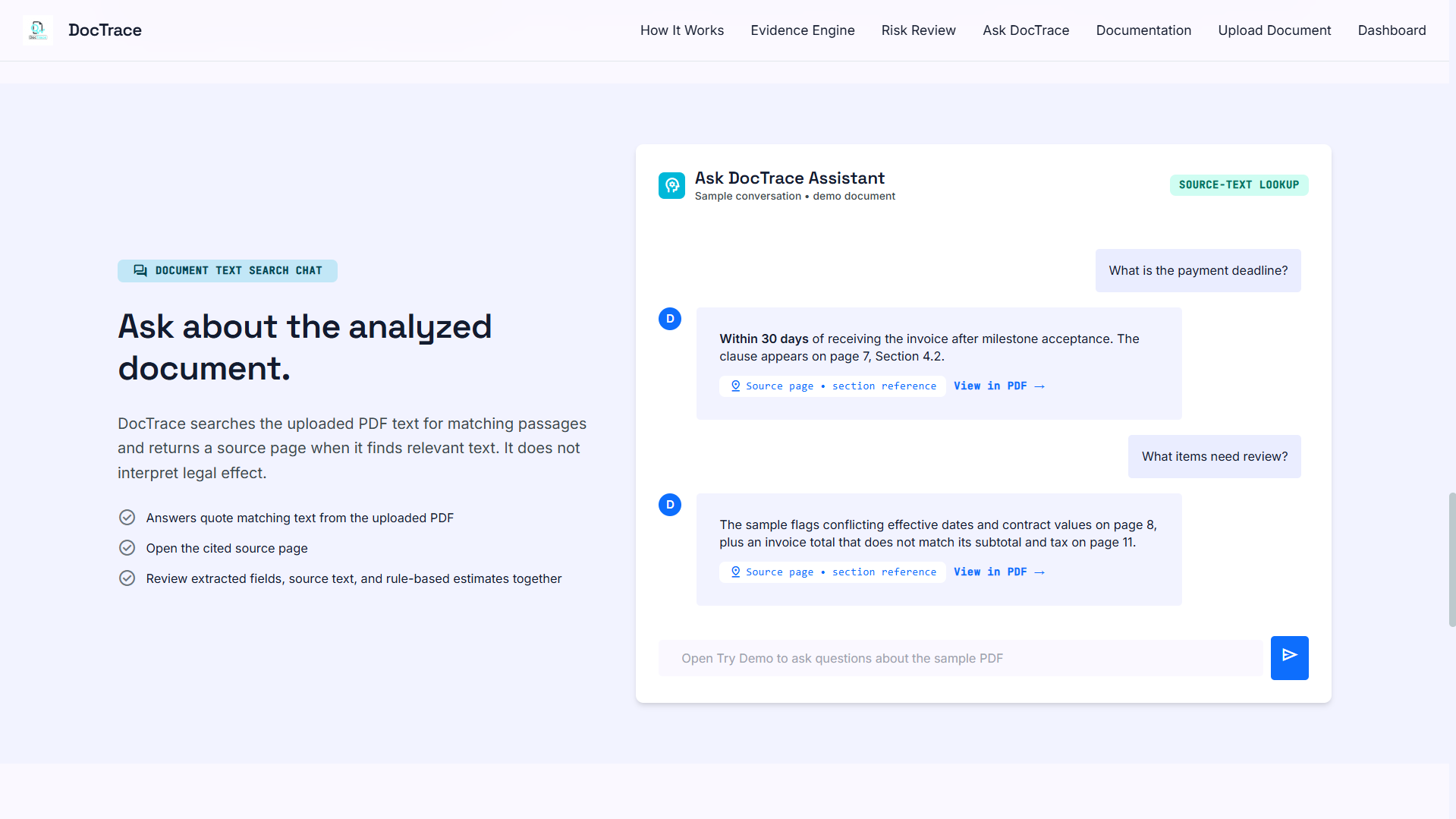
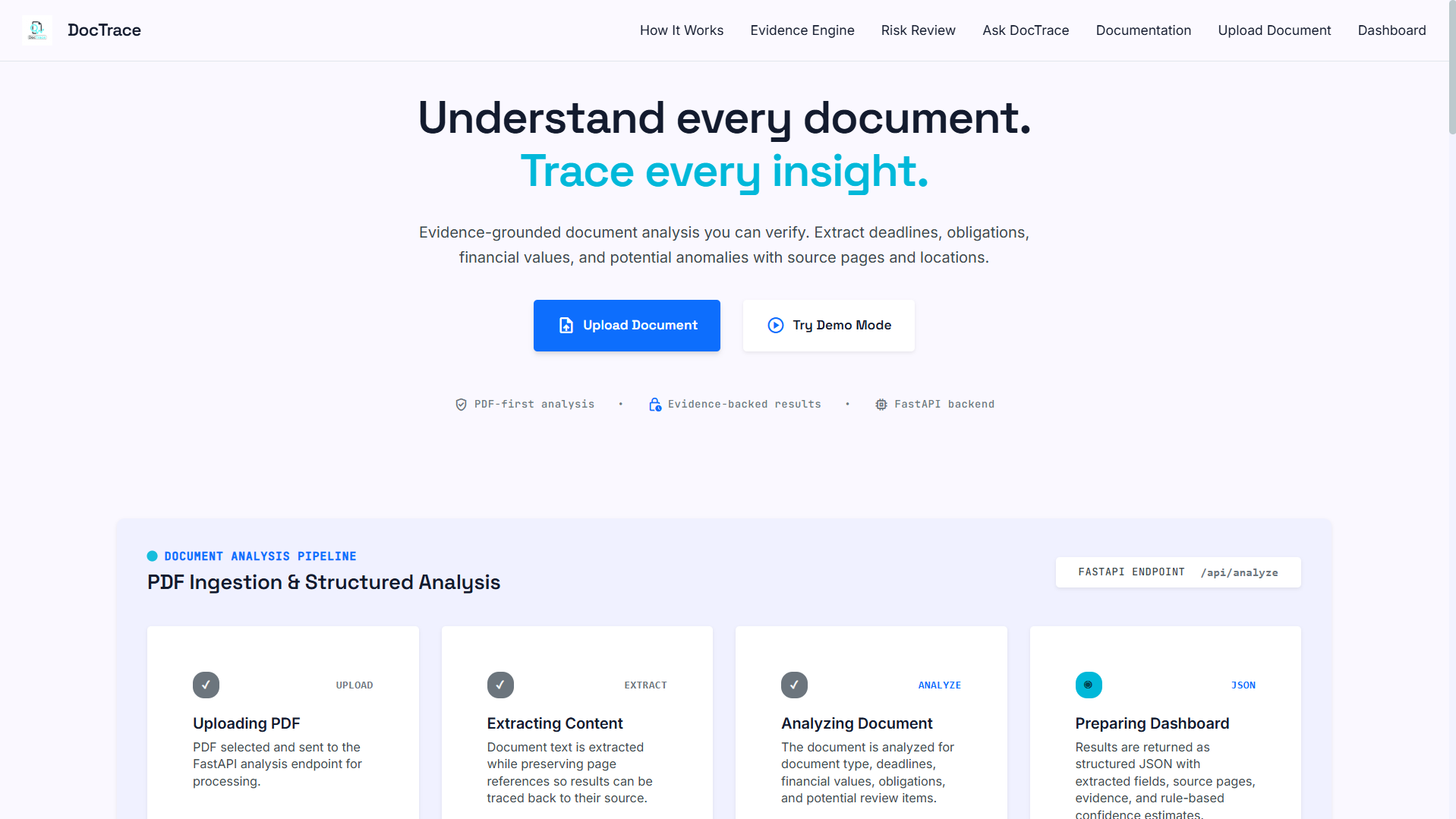
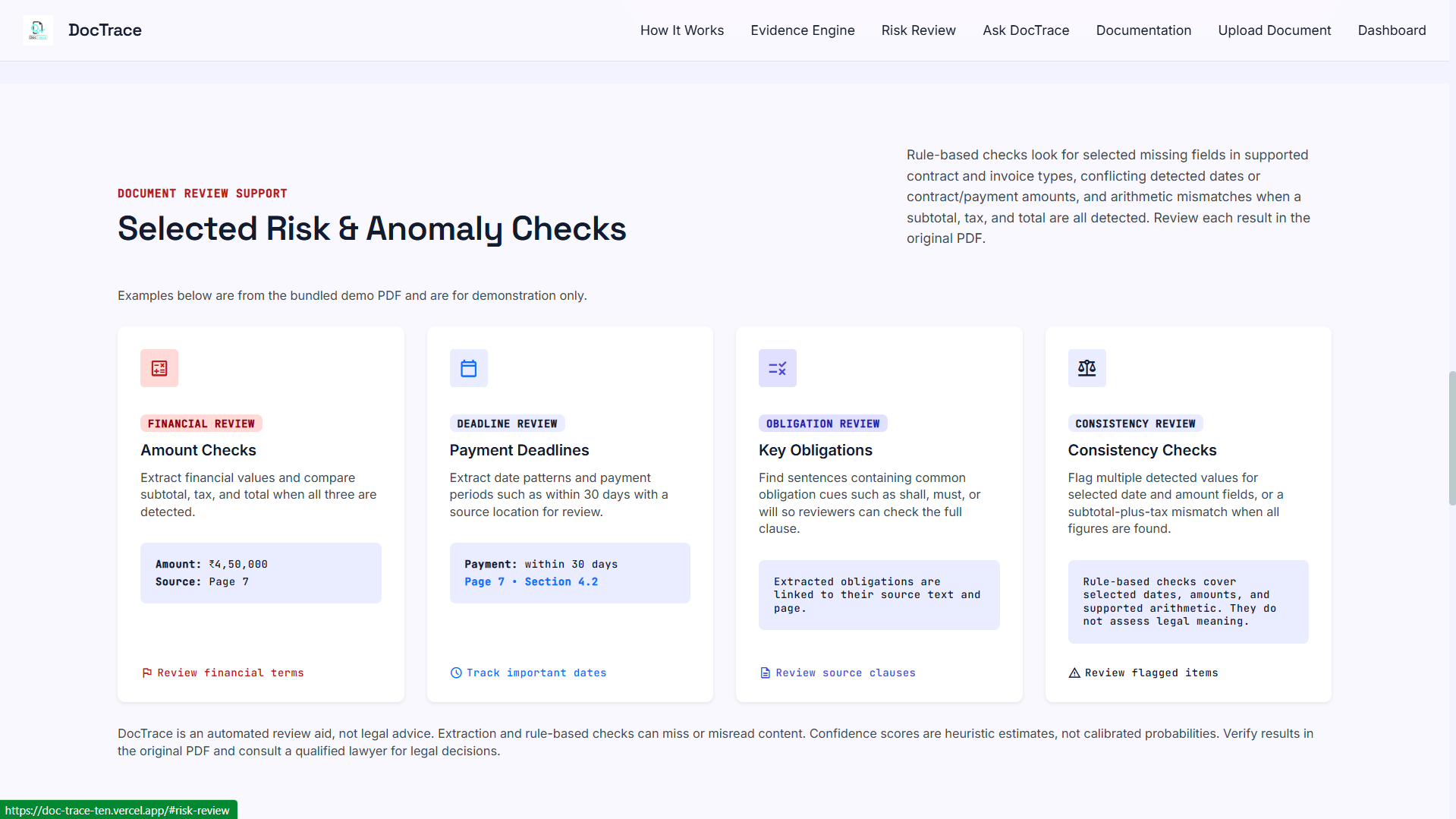
DocTrace proposes a way to track a document’s history, including its origin, changes, and handling. This helps users verify document information, find gaps in the process, and build confidence in the records they rely on.
How we built it
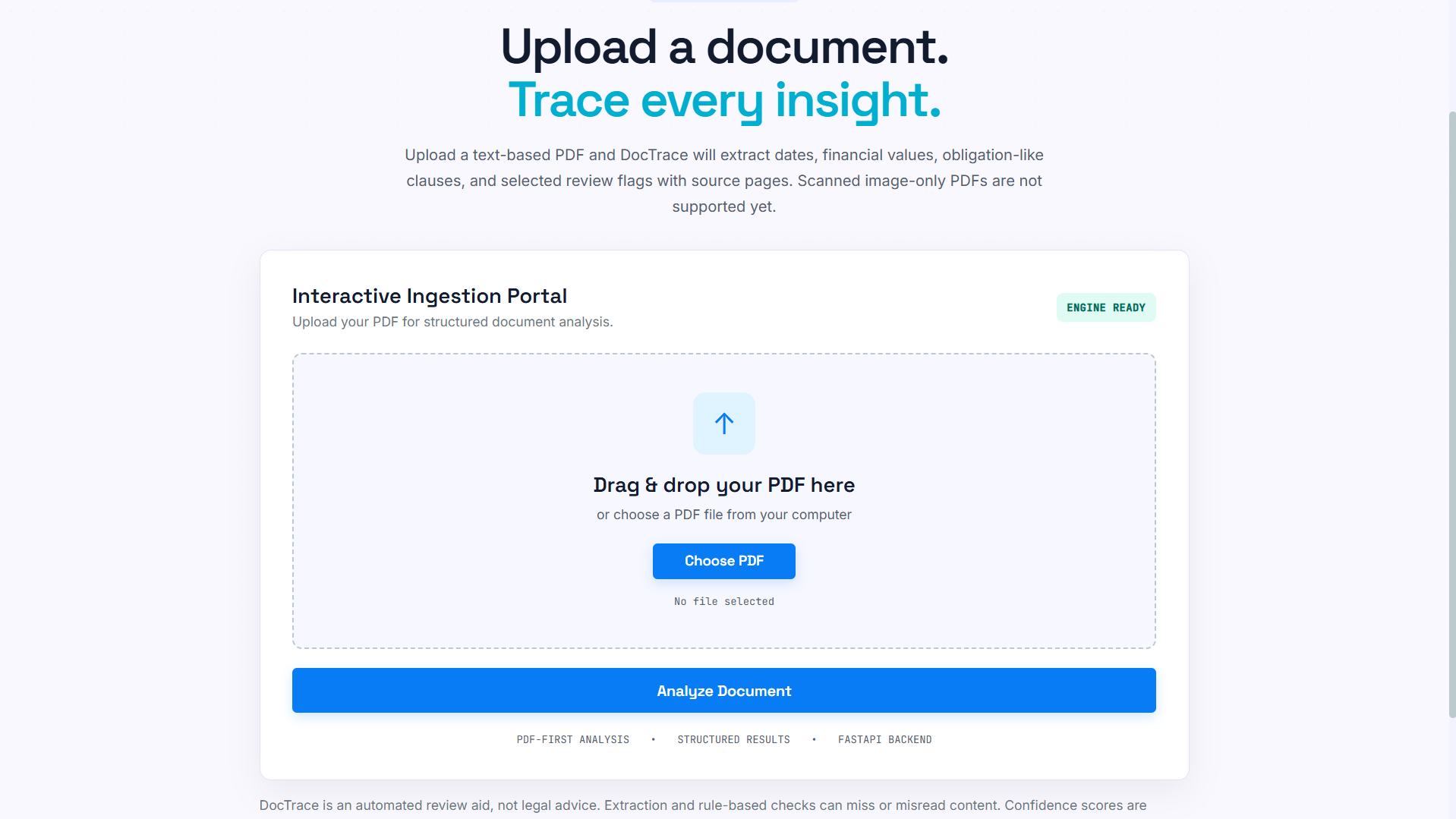
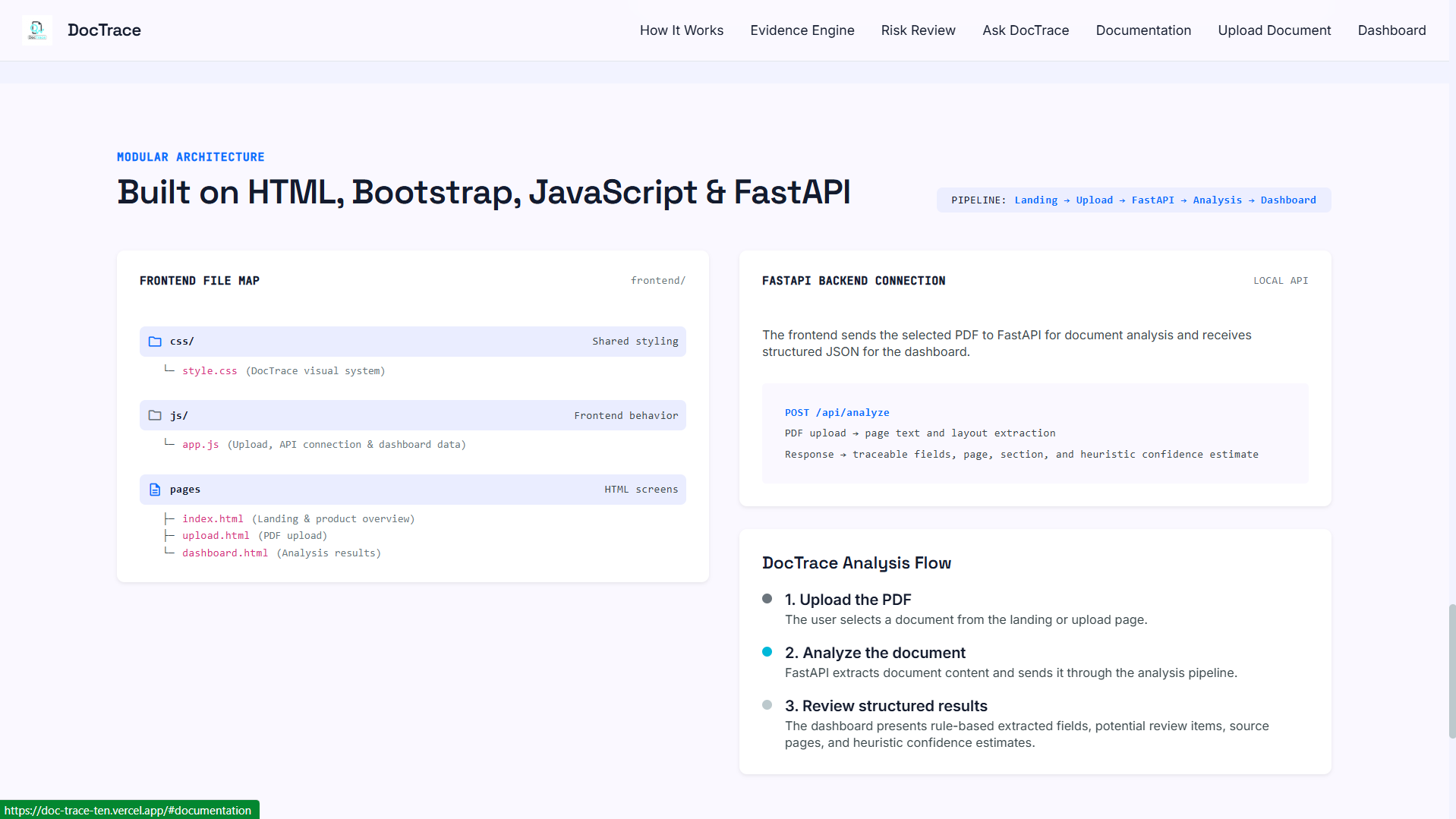
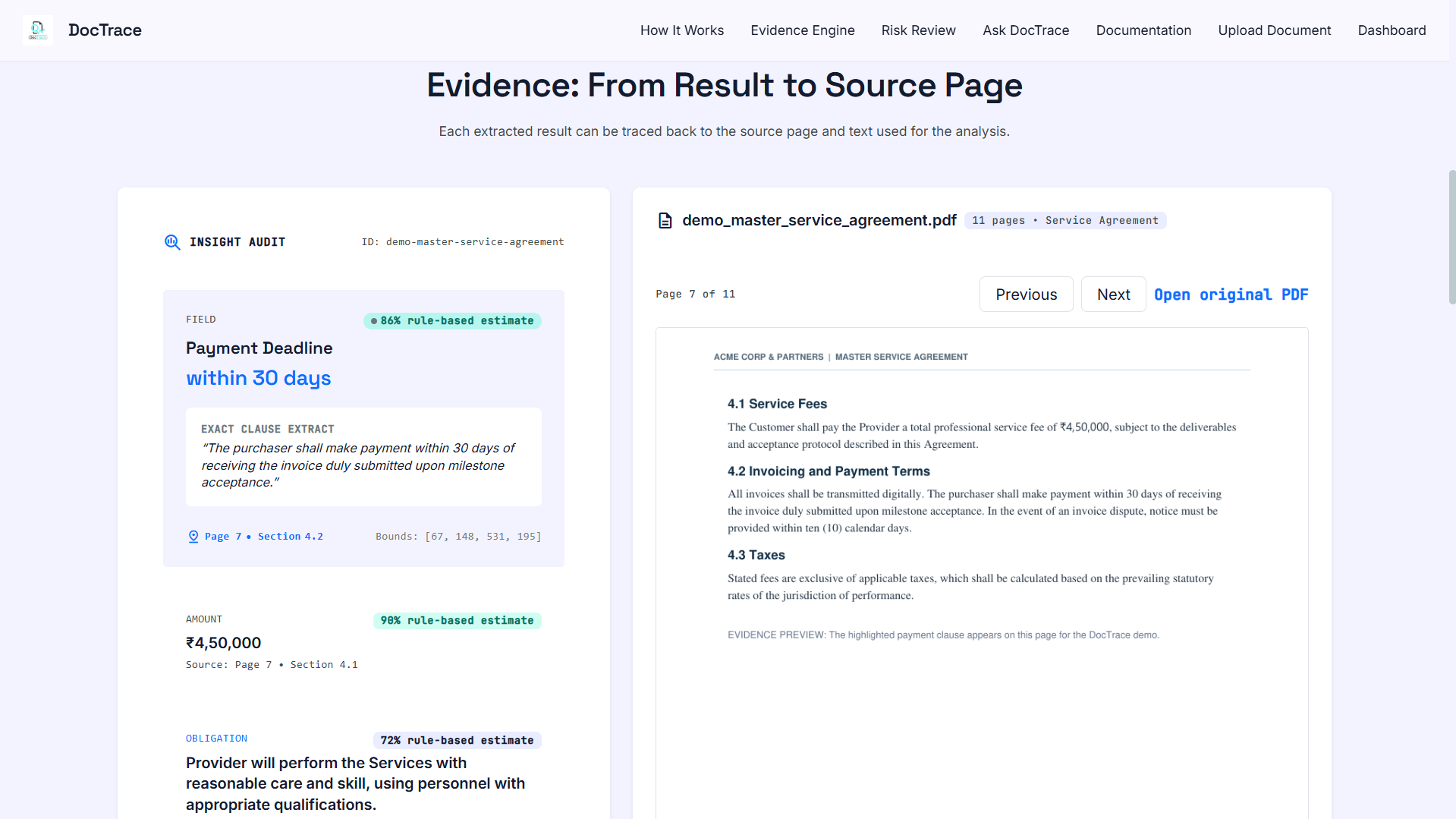
We developed DocTrace as a process innovation concept. We mapped the document journey, identified where confusion and accountability gaps can occur, and designed a workflow for recording and reviewing key events. The concept can be presented through a process diagram and interface mockups.
Challenges we ran into
A key challenge was making the process transparent without making it difficult to use. The solution needs to capture useful history while fitting into existing workflows and protecting sensitive information.
Accomplishments that we're proud of
We shaped a broad problem into a practical concept focused on traceability, accountability, and ease of use. DocTrace can be explained as a clear workflow with potential applications across organizations that manage important documents.
What we learned
Trust depends on more than storing a document. People also need to understand its history and how it was handled. Good process design must balance clear records, usability, privacy, and practical implementation.
What’s next for DocTrace: Clear, Verifiable Document Histories
Next, we would validate the concept with potential users, refine the workflow, and create visual mockups. We would also explore privacy safeguards, integration with existing document processes, and a small pilot to measure whether DocTrace reduces confusion and improves accountability.
Built With
- css
- fastapi
- html
- javascript
- pymupdf
- python
- render
- vercel

Log in or sign up for Devpost to join the conversation.