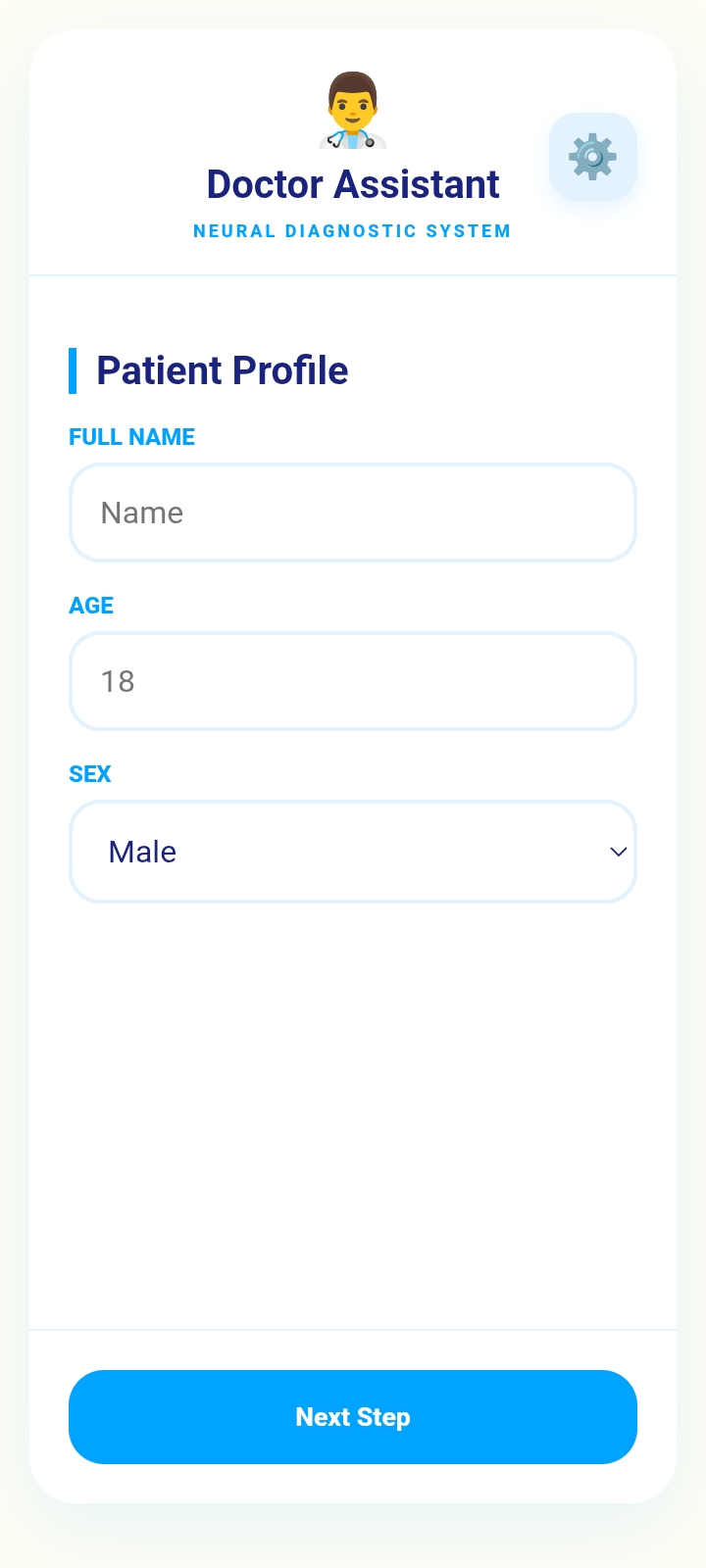
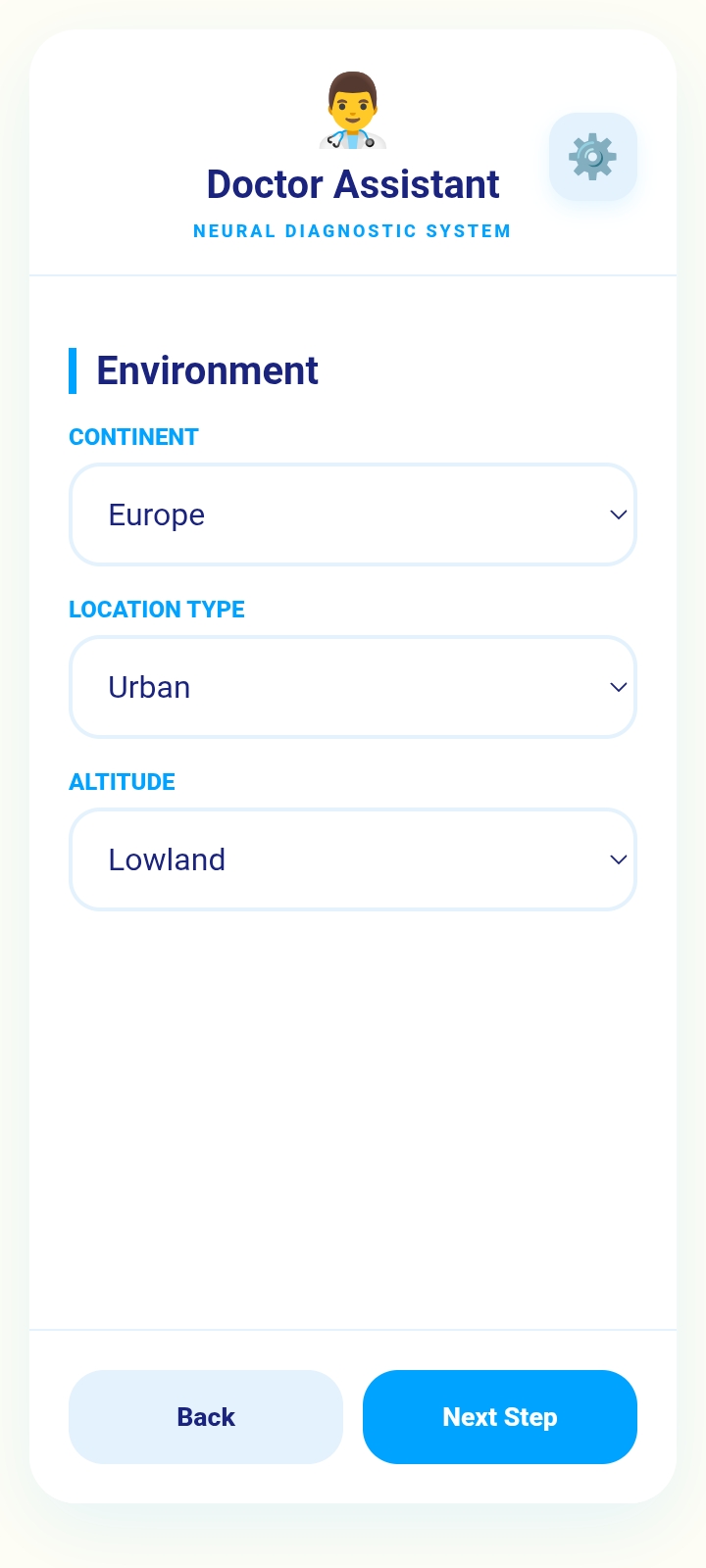
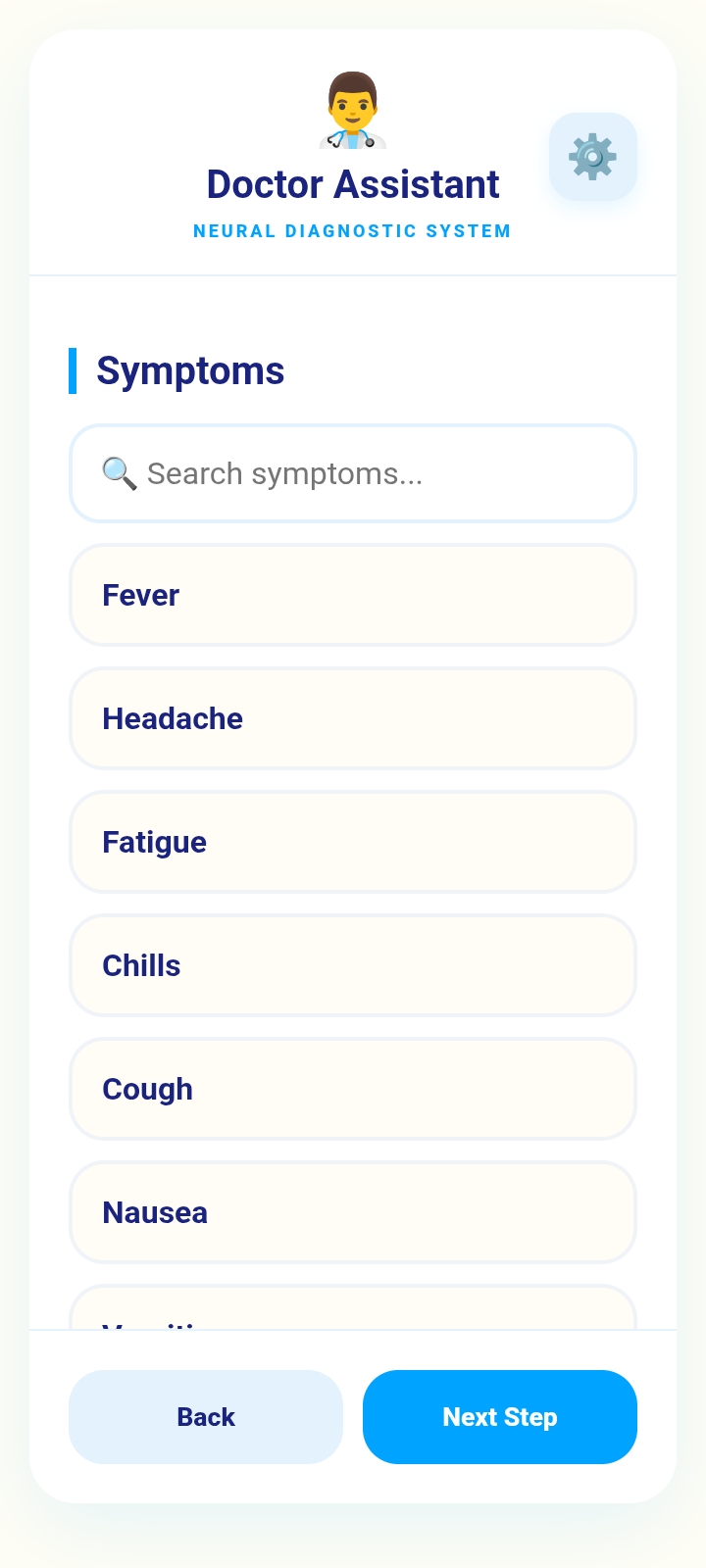
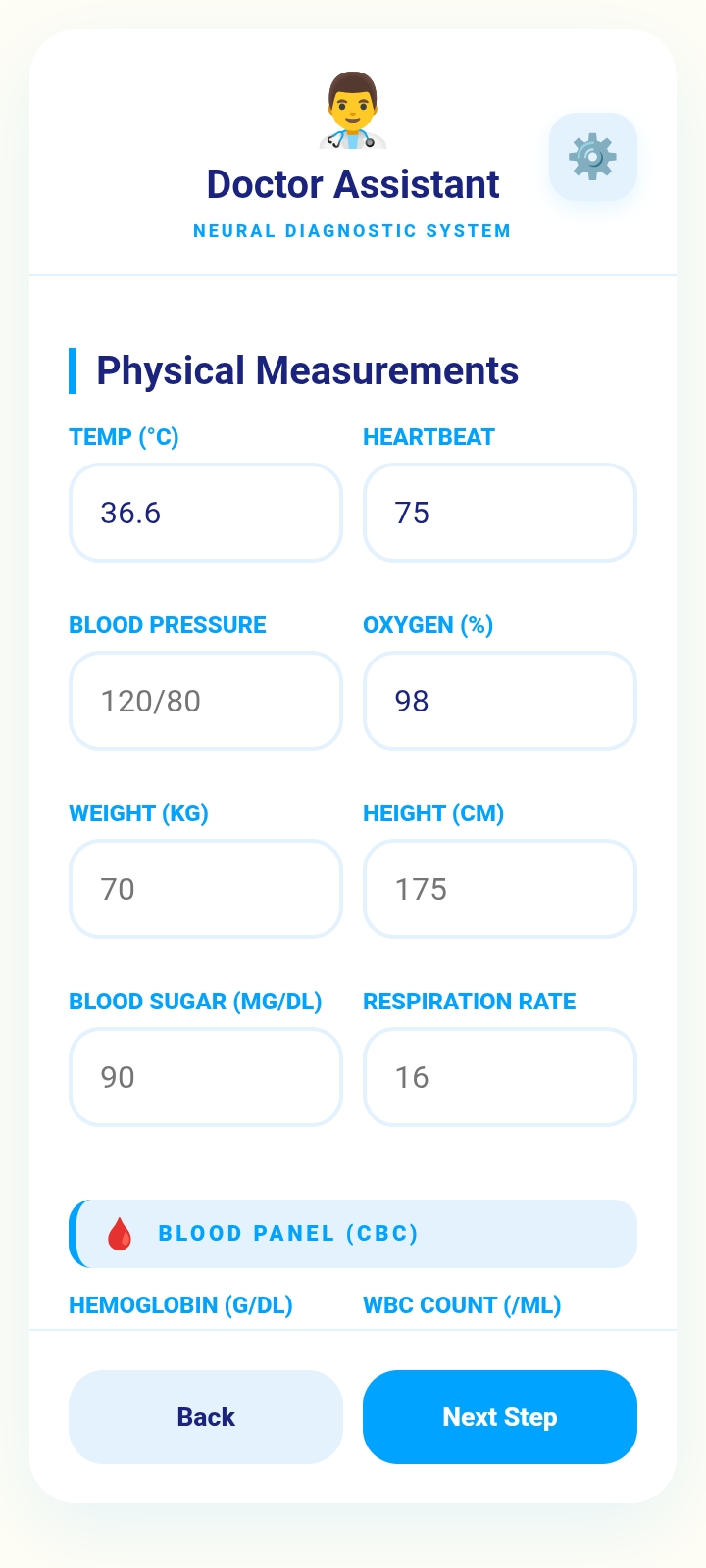
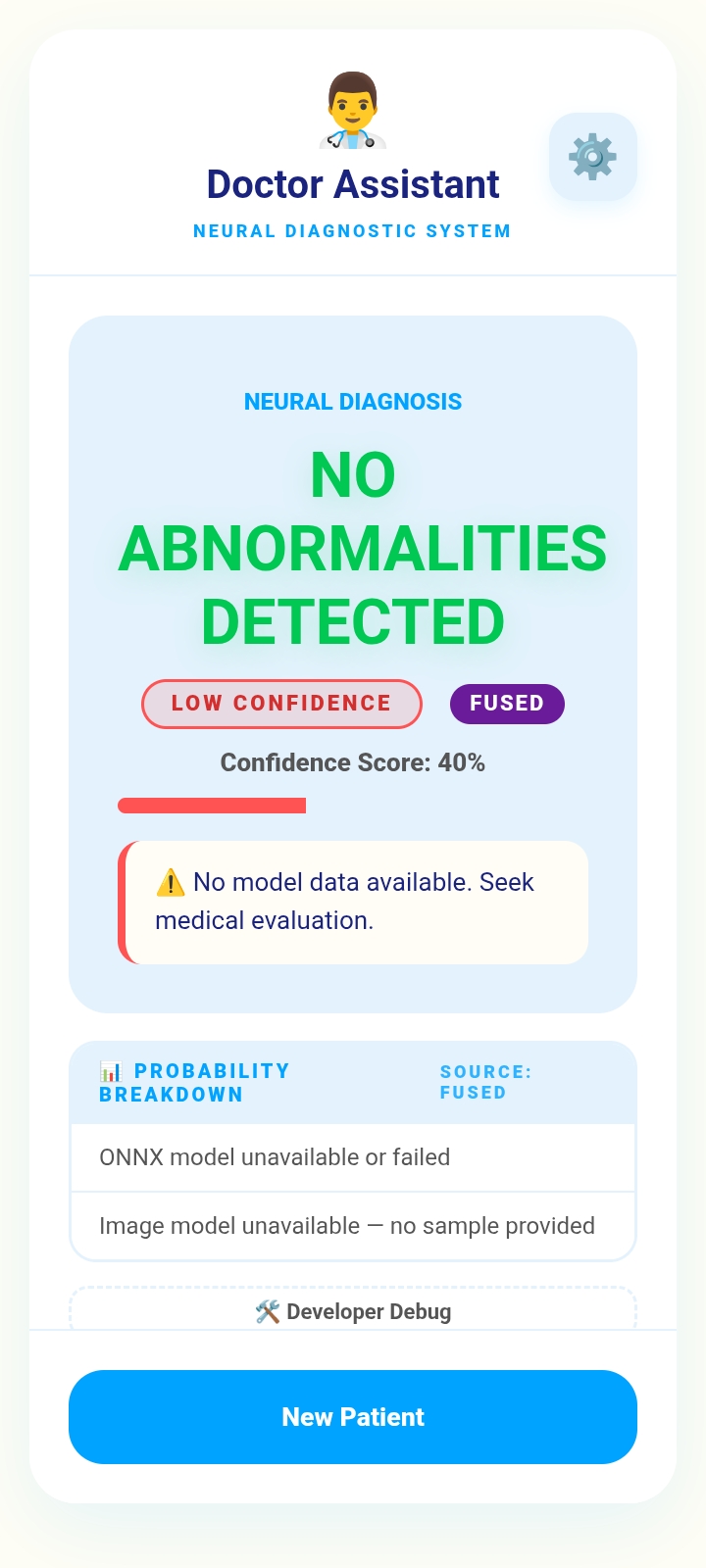
Doctor Assistant — AI Medical Support System
Inspiration
The idea behind Doctor Assistant came from seeing the healthcare challenges faced by people in areas where access to doctors, laboratories, and medical facilities is limited.
Many people experience health problems but cannot quickly receive medical guidance because of distance, cost, or lack of available healthcare resources. This inspired us to explore how artificial intelligence could help provide an accessible first layer of health support.
Our goal was not to replace doctors, but to create a tool that helps people understand possible health conditions, receive basic health information, and make better decisions about seeking professional care.
What It Does
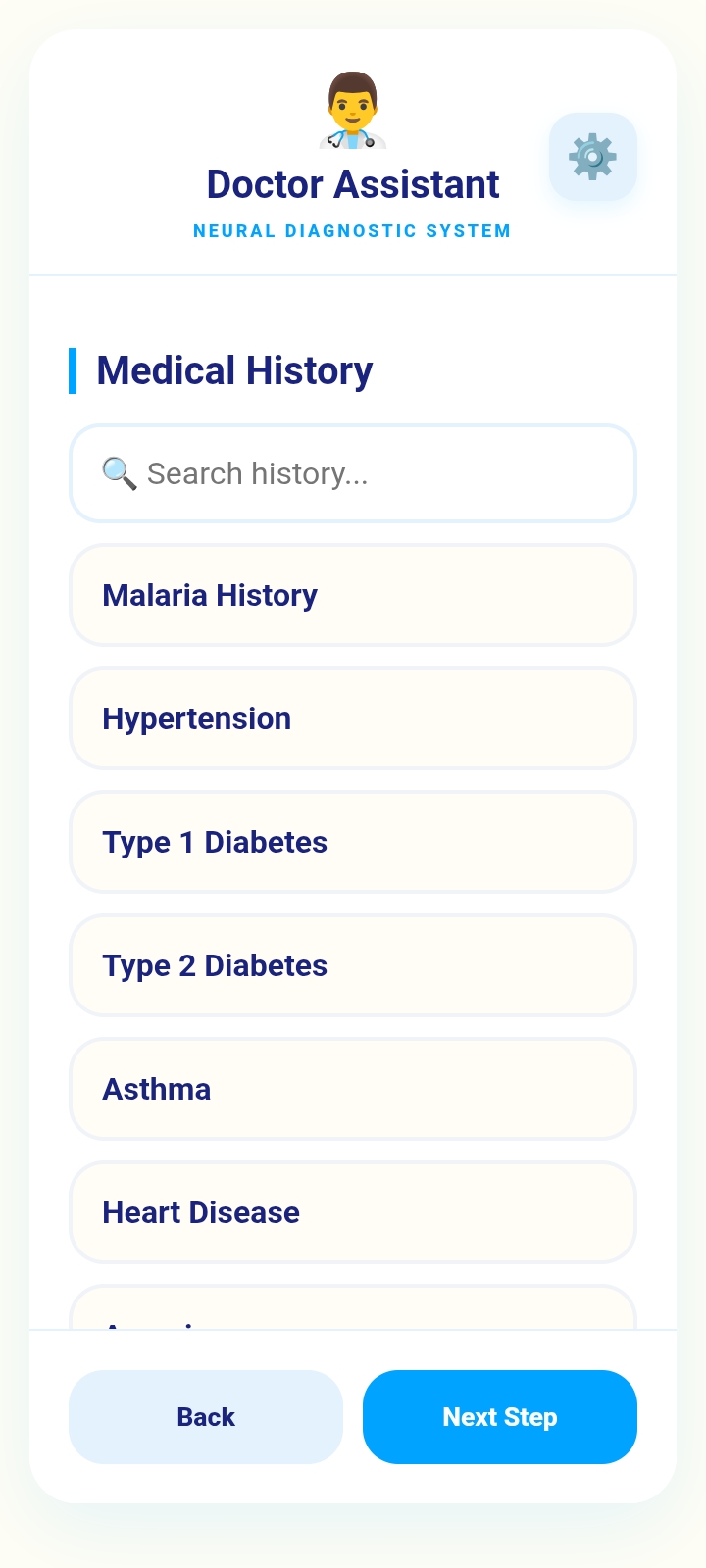
Doctor Assistant is an AI-powered medical support application that analyzes different types of health information to provide possible health insights.
The system combines:
- User-reported symptoms
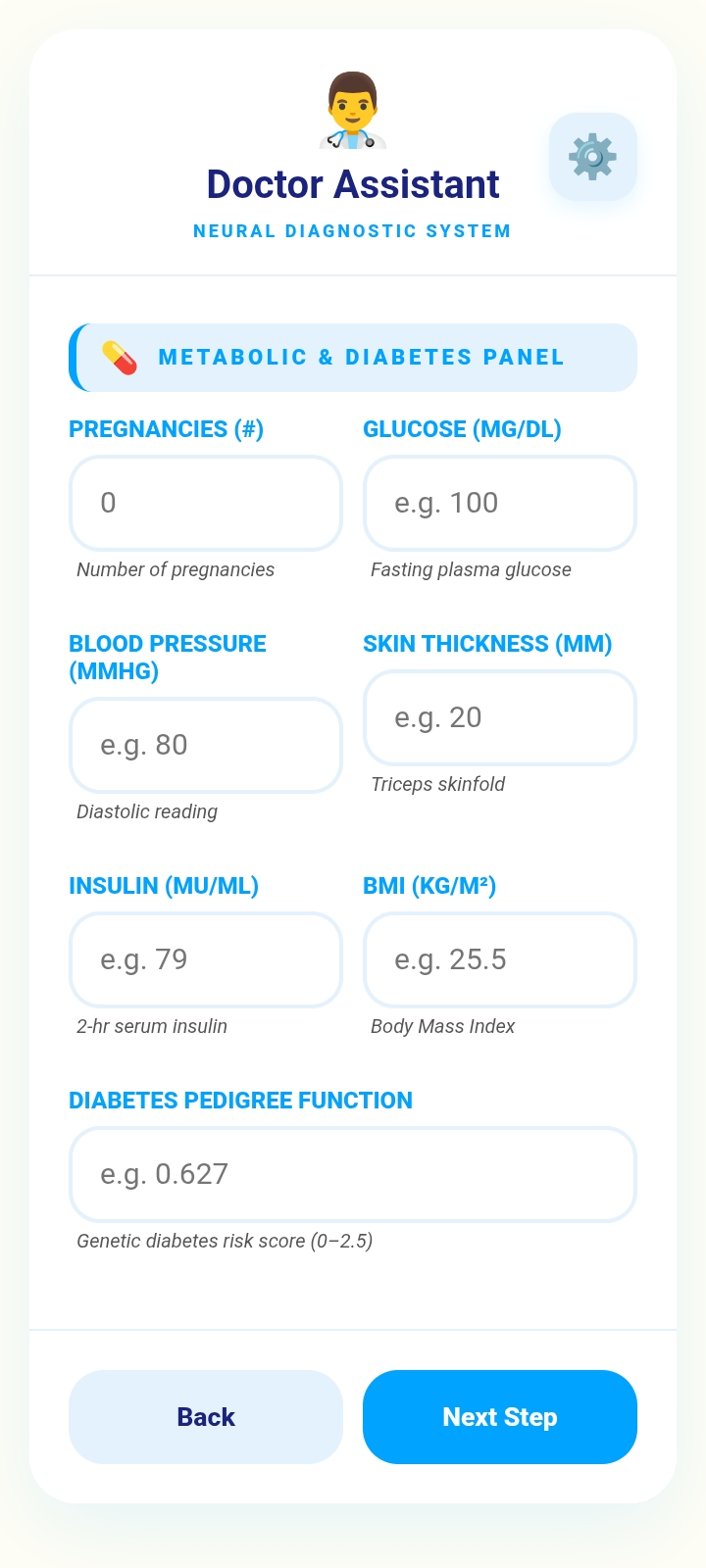
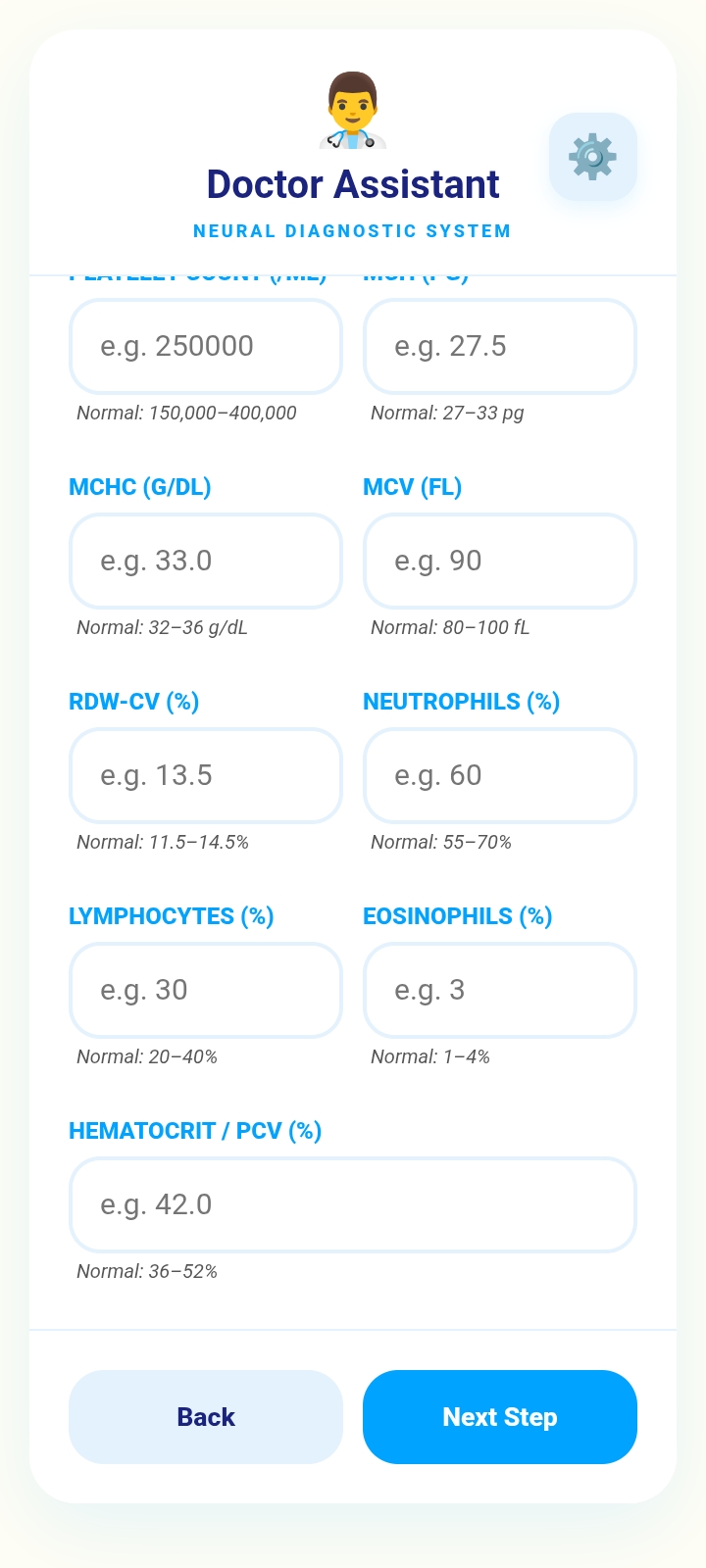
- Patient information
- Environmental factors
- Physical measurements such as temperature, blood pressure, and heart rate
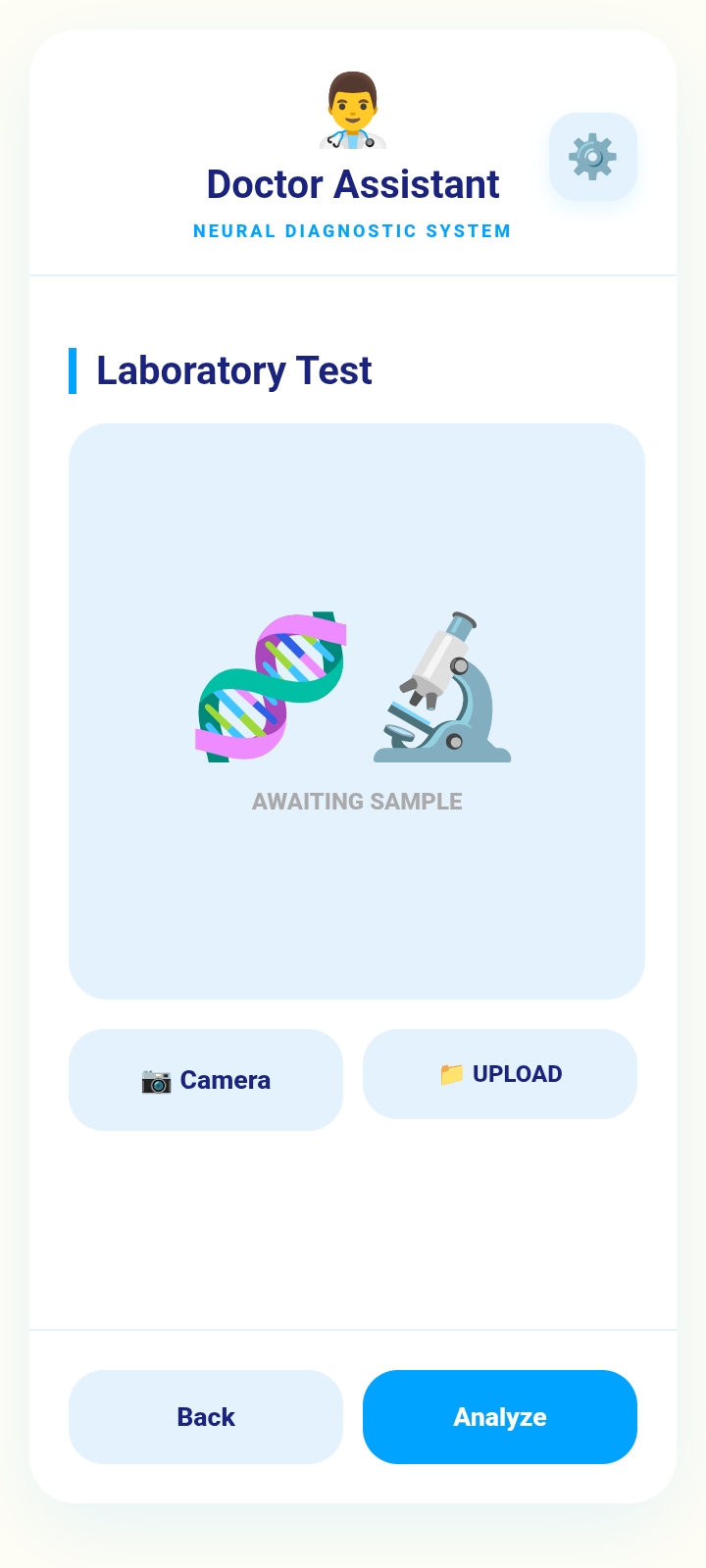
- Medical image analysis using AI
The project focuses on common diseases that affect many communities:
- Malaria
- Tuberculosis
- Typhoid
- Anemia
- Hypotension
The malaria detection feature uses a machine learning model trained on thousands of microscope images to analyze medical images.
The application also provides:
- Offline functionality after initial loading
- English, Amharic, and Tigrigna language support
- Light and dark themes
- Local processing to improve privacy
How We Built It
We built Doctor Assistant as a lightweight web-based AI application designed for mobile devices.
The technologies used include:
- HTML, CSS, and JavaScript for the user interface
- TensorFlow.js for running AI models directly on devices
- Teachable Machine for training and exporting the image classification model
- Offline AI libraries for edge computing
Instead of depending on only one type of information, the system combines multiple inputs:
[ Prediction = f(Image\ Data,\ Symptoms,\ Patient\ Information,\ Physical\ Measurements) ]
This approach allows the system to consider more context when generating health insights.
Challenges We Ran Into
Developing Doctor Assistant had several challenges:
- Finding and preparing suitable medical datasets
- Training AI models with limited computing resources
- Making the application work offline while keeping it lightweight
- Combining image recognition with symptom-based analysis
- Designing an interface that is simple for different users
- Supporting multiple languages
One of the biggest challenges was balancing AI performance, speed, and accessibility while working in environments with limited internet connectivity.
Accomplishments That We're Proud Of
We are proud of creating a complete AI healthcare support system that connects machine learning with a real-world problem.
Some achievements include:
- Developing and integrating an AI medical image analysis model
- Creating an offline-capable healthcare application
- Combining different health data sources into one system
- Building a multilingual and user-friendly interface
- Applying AI to support communities with limited healthcare access
What We Learned
Building Doctor Assistant helped us understand how AI can be used beyond simple predictions and applied to real-world challenges.
We learned about:
- Training and deploying machine learning models
- Running AI models on edge devices
- Working with medical datasets
- Designing healthcare applications
- Combining different sources of information for better results
- The importance of privacy and responsible AI
This project taught us that building useful AI systems requires not only technical skills but also understanding the needs and challenges of real users.
What's Next for Doctor Assistant
In the future, we want to improve Doctor Assistant by:
- Adding more diseases and medical conditions
- Training with larger and more diverse datasets
- Improving AI accuracy and reasoning capabilities
- Making the application available on more affordable devices
- Expanding support for communities with limited healthcare resources
Our long-term vision is to create a reliable AI-powered health support tool that helps people better understand their health while encouraging them to seek professional medical care when needed.
Built With
- ai
- css
- github
- html
- javascript
- ml
- multilingual
- tensorflow.js

Log in or sign up for Devpost to join the conversation.