-
-
-
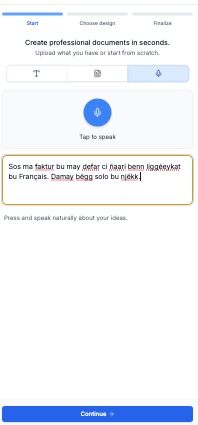
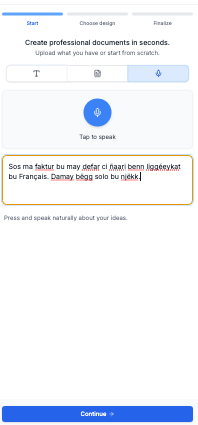
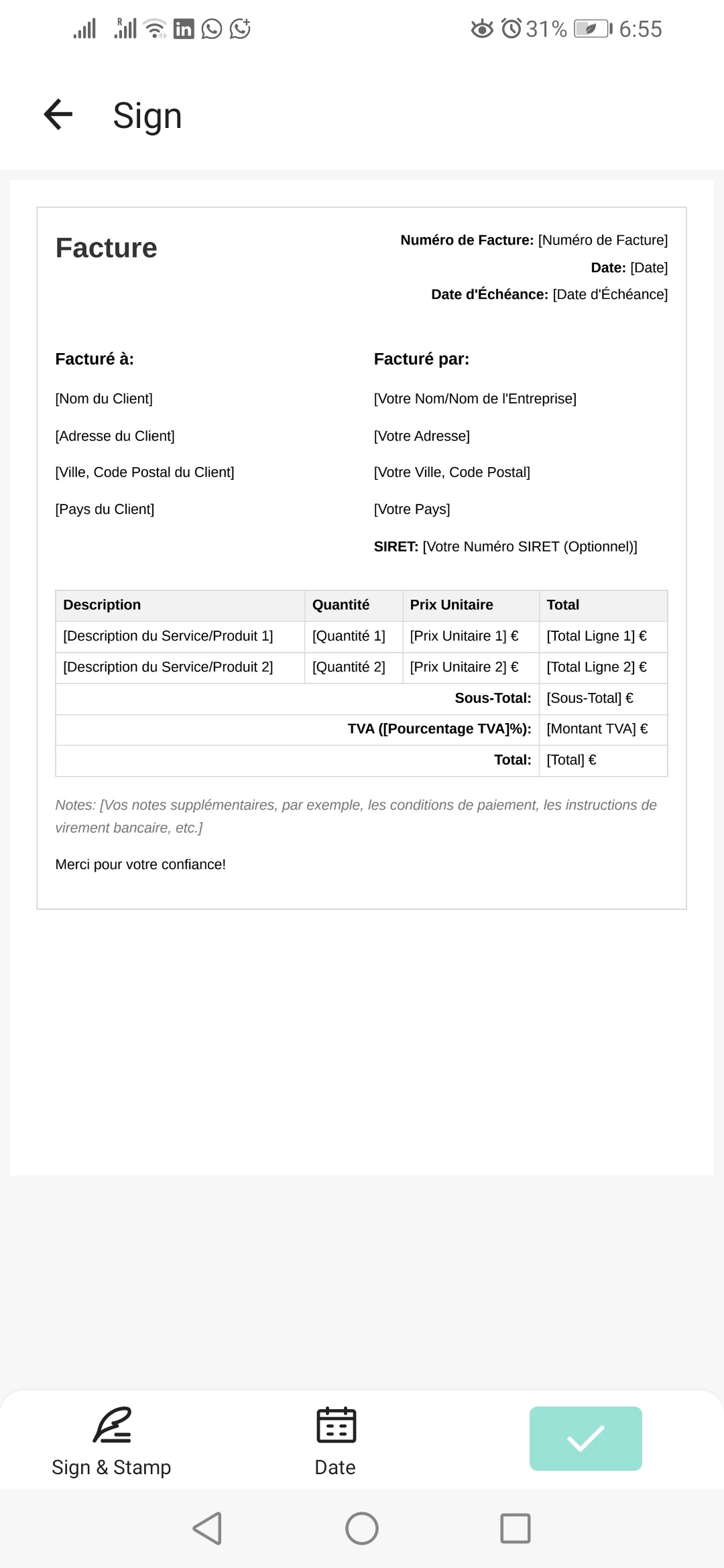
A man is generating an invoice in Wolof using his voice for a French client.
-
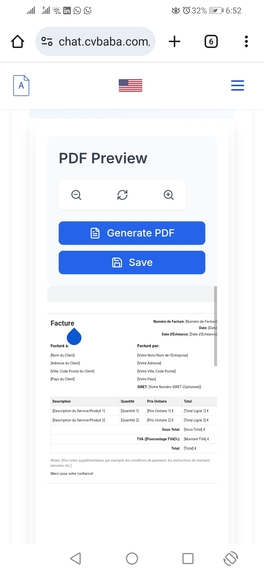
Output Preview and Edit in Canvas
-
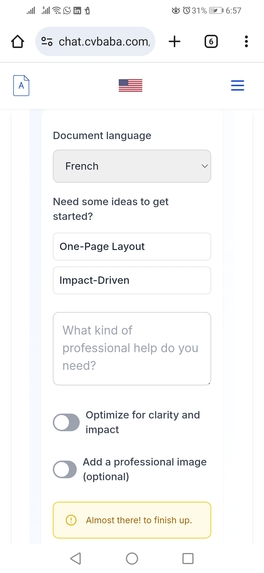
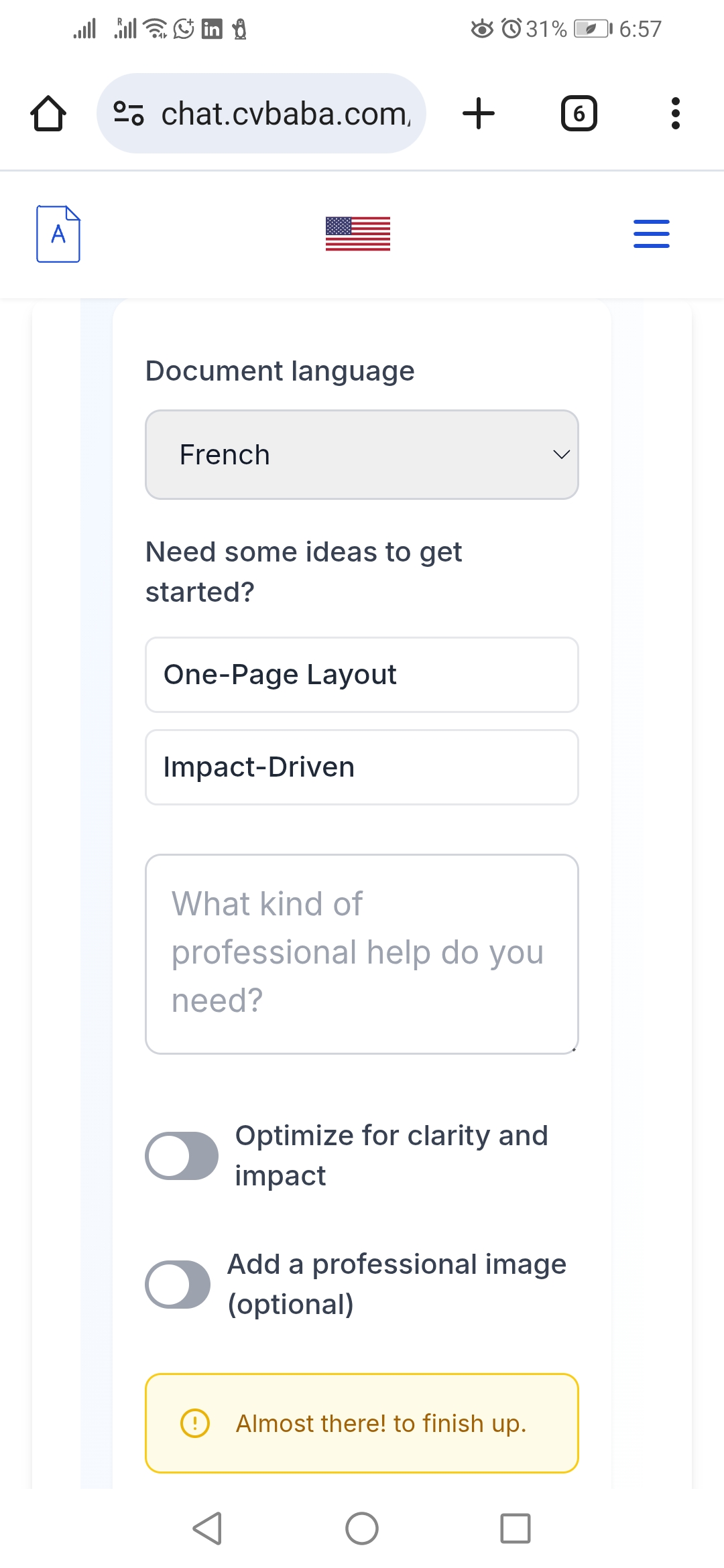
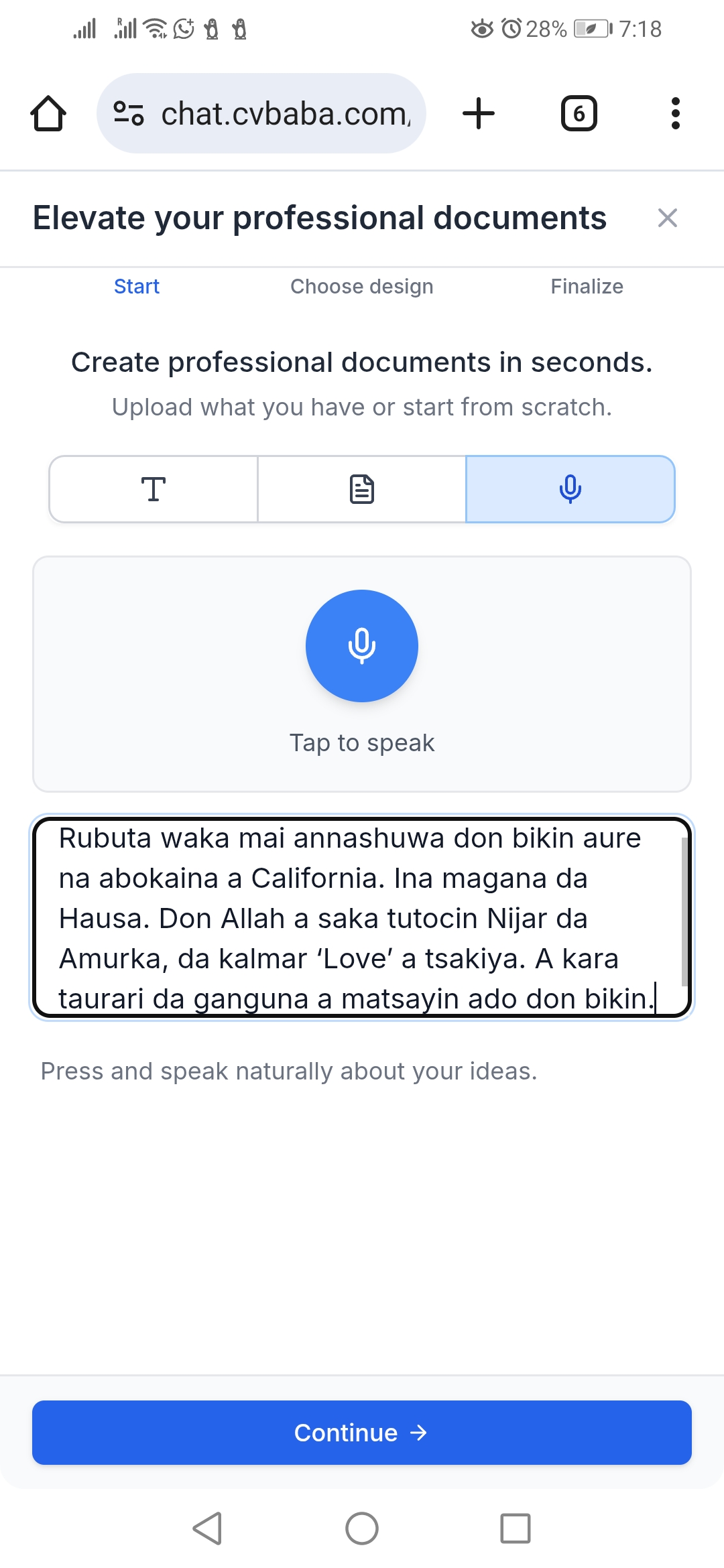
Endless Prompting Possibilities
-
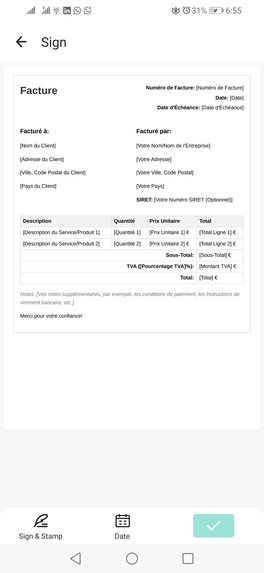
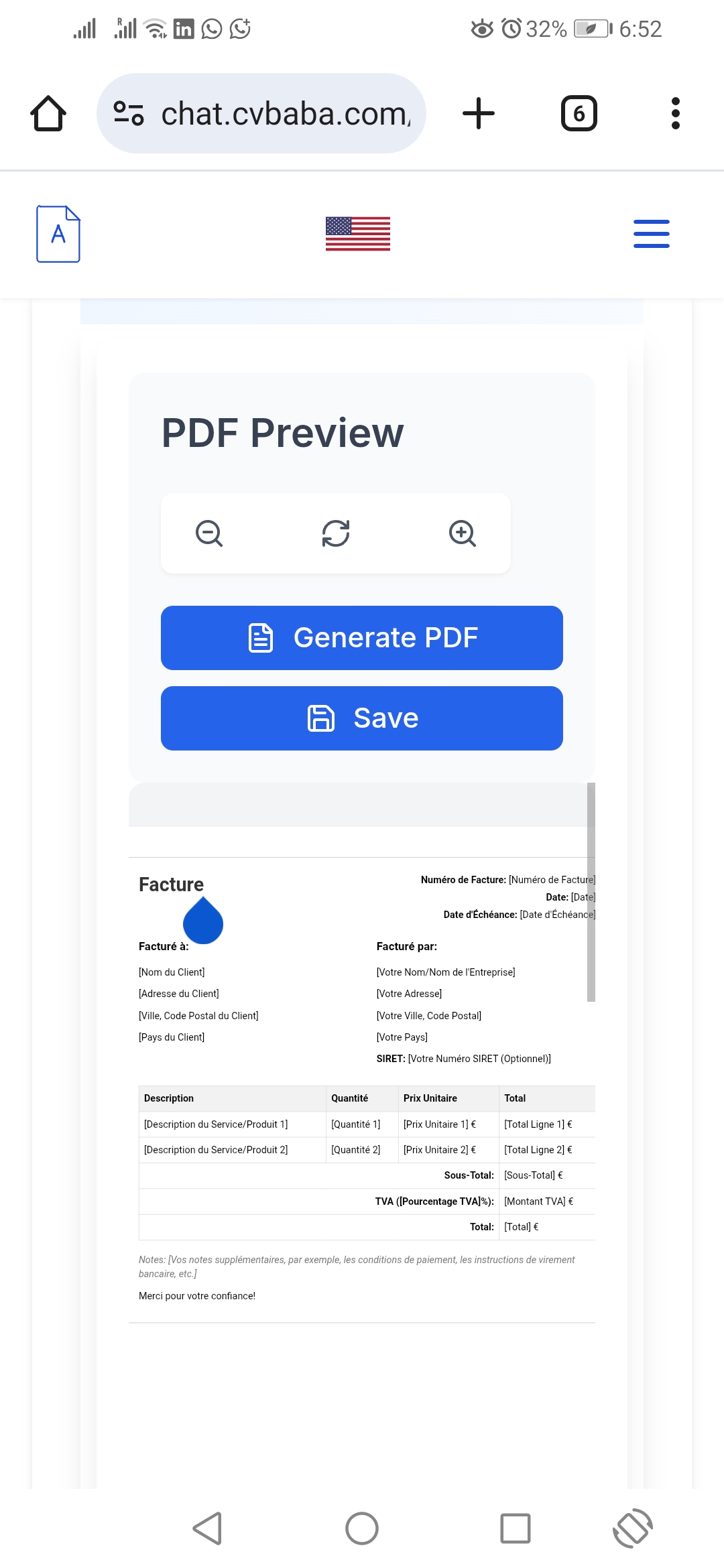
Output Invoice PDF
-
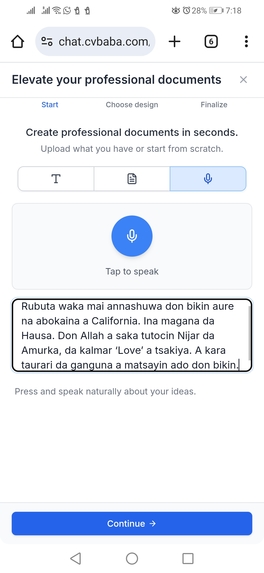
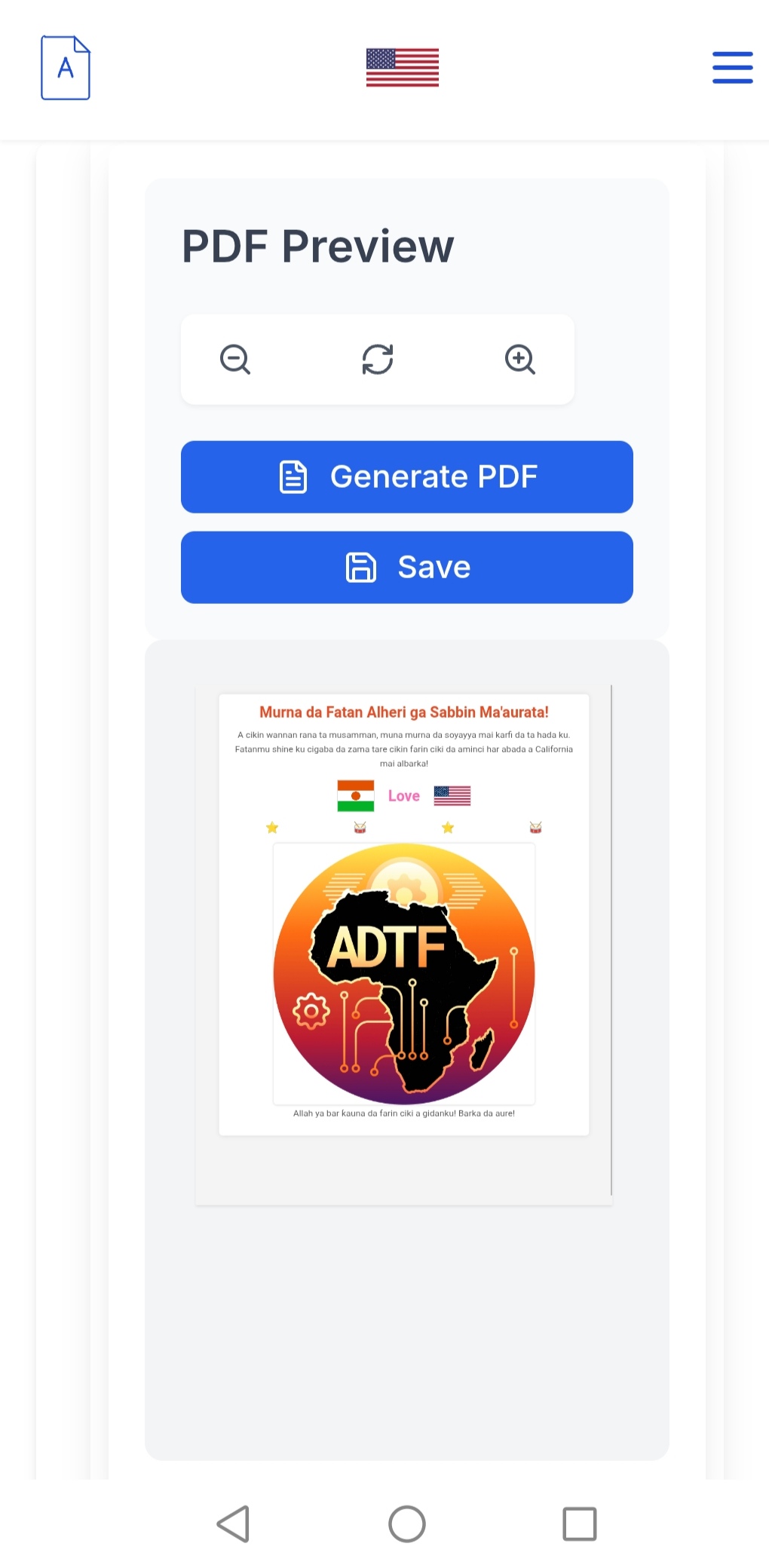
A farmer’s gentle wedding verse for friends in California, generated using a Hausa voice prompt
-
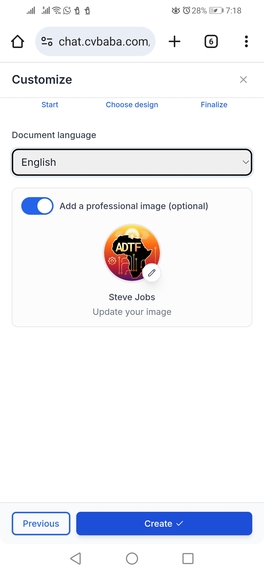
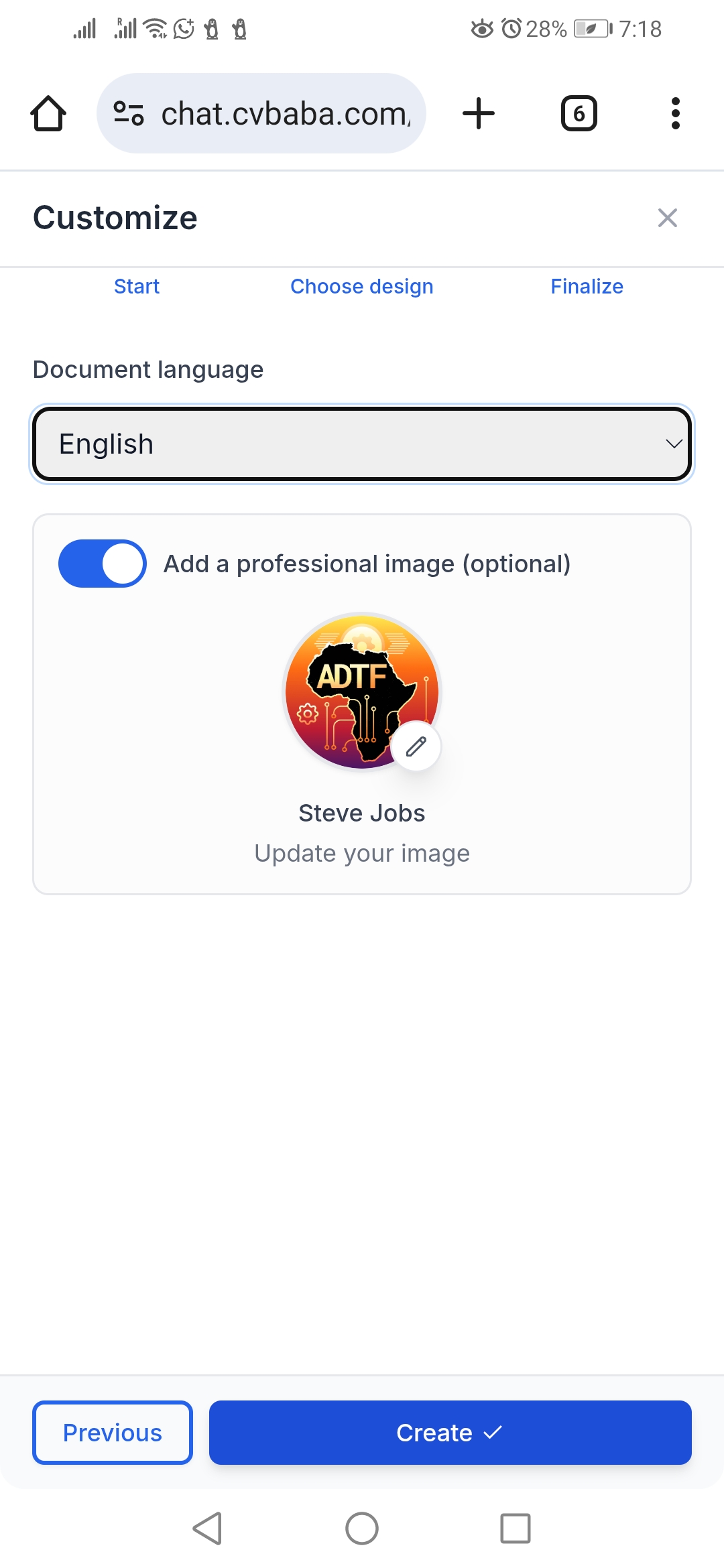
Including an image of ADTF within the poem
-
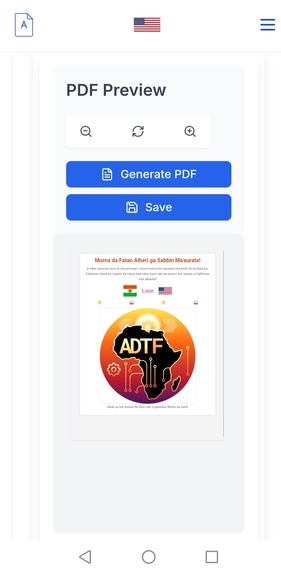
Output Preview
DOCSBABA — Voice & Handwriting to Document Generator for Africa
Inspiration
DOCSBABA was born from a personal story and a systemic problem.
My father, a retired military officer, still hands me handwritten documents — letters, land agreements, even military memos — whenever I visit home. He always says:
“You’re a software engineer. Make this official for me.”
He refuses to use cybercafés (“strangers will steal my ideas”) and avoids Microsoft Word (“too expensive, and it feels foreign”).
At first, it seemed like a family habit. But I quickly realized this reflects the experience of millions across Africa — people who are:
- Educated but digitally excluded
- Literate in local languages but not in French or English
- Writing on paper because digital tools feel hostile or inaccessible
That's when I asked:
What if we could turn voice and handwritten notes into professional documents — in any language, on any device, even offline?
That’s the mission behind DOCSBABA.
What It Does
DOCSBABA is Africa’s first offline, voice-powered, handwriting-friendly document generator designed for people without laptops, internet, or typing skills.
It turns:
- Voice recordings (in Wolof, Hausa, Bambara, etc.)
- Photos of handwritten notes
Into:
- Professional, formatted, multilingual documents
- Ready-to-print PDF/Word files with logos, stamps, and local symbols
Users can create:
- Land agreements
- Business letters
- Resignation & recommendation letters
- Invoices
- Scholarship and job applications
All in under 60 seconds, offline, and in their language.
Why Current Solutions Fail Africa
Modern LLMs (like ChatGPT, Claude, Gemini) fall short for Africa’s document creation needs.
Visual Design Limitations:
- Cannot generate real visual layouts
- No ability to embed images, logos, stamps, or signatures
- No real-time previews
- Output is plain text-only markdown
- Users must copy-paste into other tools to format
Accessibility Gaps:
- Interfaces are text-based — exclude non-literate users
- Limited or no support for African languages
Dangerous Alternatives:
Because tools like Microsoft Word are unaffordable ($69–$149/year), many Africans are forced to:
- Use pirated software from risky sites
- Face malware, ransomware, and data theft
- Operate without security updates
- Risk legal consequences
Even when tools are available, they assume a Western workflow: typing, internet, expensive hardware — which excludes the majority of African users.
How We Built It
DOCSBABA started as an evolution of our earlier prototype: CVBABA.com, a platform we launched in June focused on short-form documents like CVs and cover letters. The idea was to help users—especially in low-resource environments—create professional documents with zero design or formatting skills. Within weeks, we reached users from 15+ countries and even received an email from a UK-based VC about potentially acquiring the domain.
Phase 1: From Prompt to PDF via Code Generation
Instead of using ChatGPT-like models to generate plain text, we focused on generating code—because beautifully designed documents (CVs, letters, statements) are ultimately just structured code in formats like LaTeX, HTML, or Markdown.
- We fine-tuned an LLM to generate LaTeX/HTML from user prompts
- Used server-side rendering pipelines to convert that code into real-time previews
- Ensured layouts were mobile-friendly and design-consistent
- Added support for design features like icons, flags, logos, watermarks, and color palettes
This code-first approach allowed us to offer a true What You See Is What You Get (WYSIWYG) experience—something ChatGPT still can’t do natively.
Phase 2: Unlocking Access—Even for Paper and Voice
While testing with real users, we noticed something important: many people don’t start with digital content. They start with handwritten papers, voice notes, or oral drafts.
My own father—a retired officer in Benin—still writes formal letters by hand and avoids typing them himself due to cost, trust issues, and complexity. He’s not alone.
To make DOCSBABA truly inclusive, we added:
- OCR (Optical Character Recognition) tools to digitize handwritten documents
- Voice-to-text pipelines using open-source offline speech models
- Instant mobile previews—even before full document generation
- Minimal-input workflows: users could talk, snap, or upload and still get quality outputs
All of this was optimized to run on low-resource devices, reducing latency and improving access in areas with weak connectivity.
This hybrid system of code generation + OCR + voice input gave us a powerful and flexible platform for transforming any form of human input—text, paper, or speech—into polished documents in seconds.
Challenges We Ran Into
Building DOCSBABA meant solving real problems for real people—especially in underserved, low-resource regions. Along the way, we encountered challenges that pushed us to innovate beyond typical AI pipelines.
1. African Language Support
There were no plug-and-play models for most African languages. To bridge this gap, we:
- Crowdsourced voice and text samples from local speakers
- Trained language embeddings to enable better zero-shot generalization
- Leveraged unsupervised translation pairing to align low-resource languages with high-resource equivalents
This helped unlock support for voice and text processing in languages like Wolof, Fon, Yoruba, and Hausa.
2. OCR on Messy Handwriting
Many users submitted handwritten resumes, job letters, or exam applications that were:
- Written in non-standard scripts
- Smudged, folded, or stained
- Filled with informal shorthand or local expressions
We built a robust preprocessing pipeline (binarization, tilt correction, noise filtering) and designed post-OCR correction logic to extract structured content into proper fields like Name, Experience, or Certifications.
3. Layout and Visual Expectations
Users didn’t just want documents—they wanted official-looking PDFs that matched institutional or embassy standards. To achieve this:
- We used LaTeX templates with dynamic variables for a print-ready look
- Built HTML fallbacks for mobile rendering
- Embedded regional seals, logos, and flag stamps to improve authenticity
4. Offline + Low-Memory Constraints
Target users often accessed DOCSBABA from devices with:
- Less than 2GB RAM
- Intermittent or no internet access
- Limited storage and no cloud sync
These challenges forced us to build not just a SaaS product—but an inclusive, resilient AI infrastructure for underrepresented communities.
Accomplishments That We're Proud Of
Despite the constraints, we managed to build something impactful—used by real people, in real situations, under real pressure.
1. From Paper to PDF in Under 3 Minutes
DOCSBABA can turn a handwritten note or voice memo into a structured, official-looking PDF in less than 3 minutes. No internet? No problem.
- Handwriting → OCR → Structured data
- Voice → Speech-to-text → Template filling
- Output: Polished, print-ready PDFs in multiple formats
2. First Resume Builder Supporting 15+ Languages
We launched the first multilingual CV builder designed with African users in mind. It supports:
- Voice and text
- Smart translation between local languages and formal business
- Cultural formatting for country-specific CV norms
3. Tiny AI Models, Big Impact
We optimized models for offline-first, low-memory environments.
4. Built With the Community, For the Community
We didn’t just build for users—we built with them.
5. Real-World Use Cases from 15+ Countries
This was not a prototype—it was a tool people relied on.
These wins remind us why we started: to make AI that respects context, language, and constraints, and empowers people who are often left out of the digital future.
What We Learned
- Voice and handwriting are still dominant for many Africans — digital tools must respect that.
- Visual layout = trust — people don’t just want "text"; they want something that “looks official.”
- Offline-first is not a feature — it’s a requirement.
- Language = inclusion — local dialect support turned hesitant elders into confident users.
We also realized: tools like DOCSBABA don’t just solve a technical gap — they restore digital dignity to people who’ve been left behind by Big Tech.
What’s Next for DOCSBABA
- Launch the first open dataset of handwritten African documents and local voice notes
- Expand AI personalization (remember name, tone, formatting style per user)
- Build partnerships with:
- Local governments (civil registry, land ministry)
- NGOs (legal aid, microfinance)
- Language researchers (to improve under-represented dialects)
- Local governments (civil registry, land ministry)
DOCSBABA — From voice or paper, to professional. For every African.

Log in or sign up for Devpost to join the conversation.