-
-
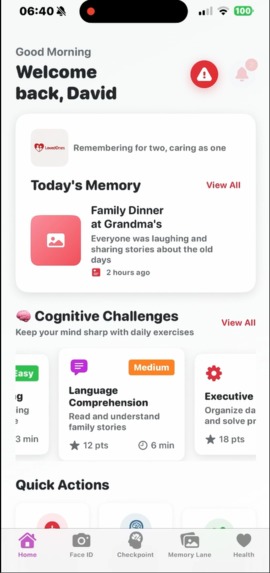
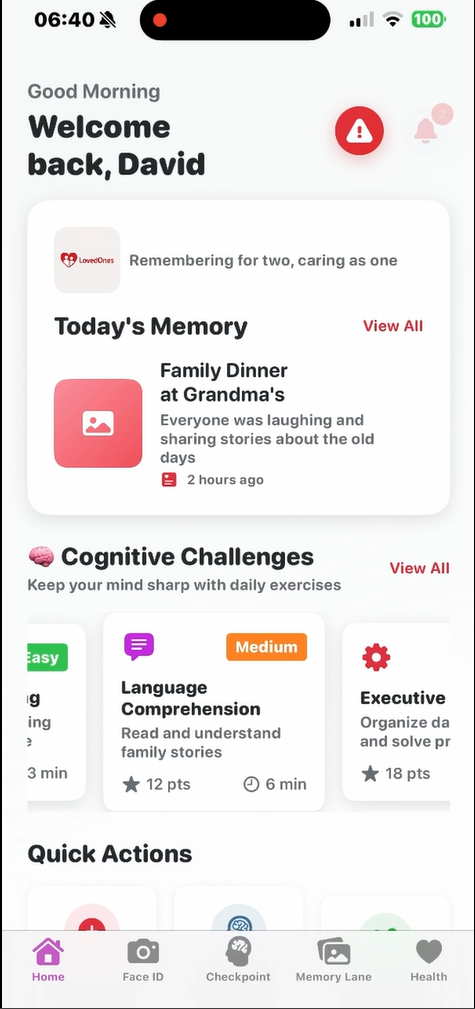
Alzheimer's patient dashboard
-
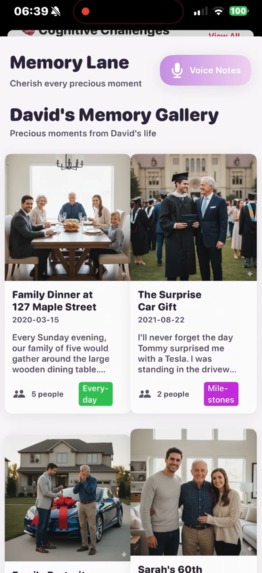
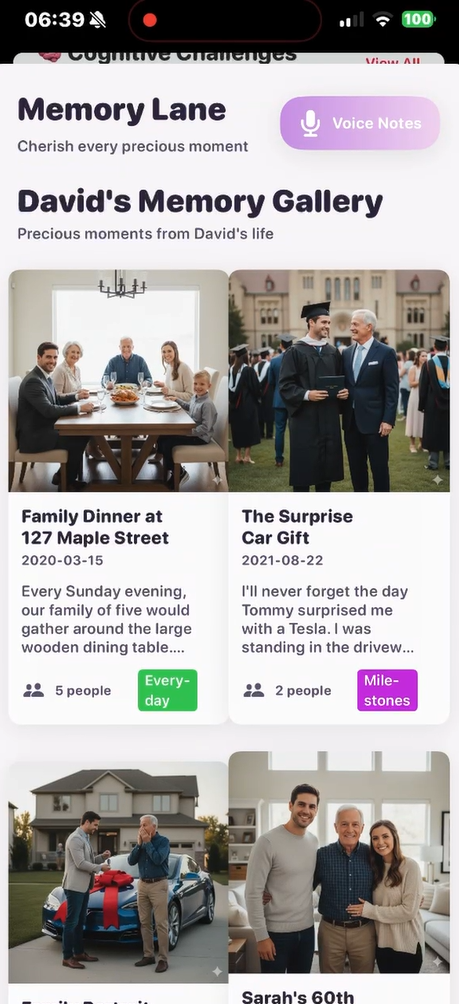
digital collection of memory
-
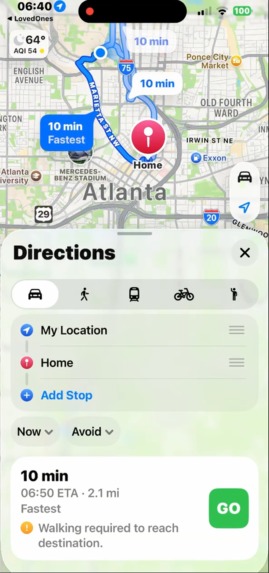
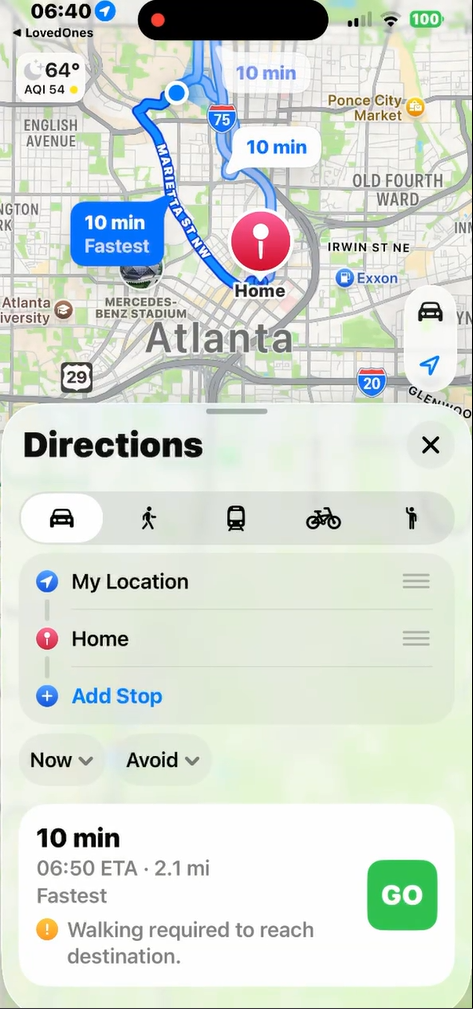
navigation feature with familiar voice integration
-
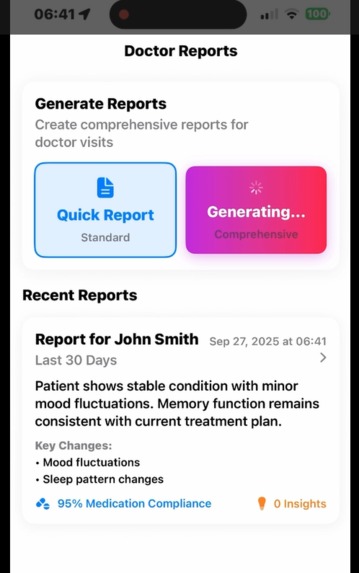
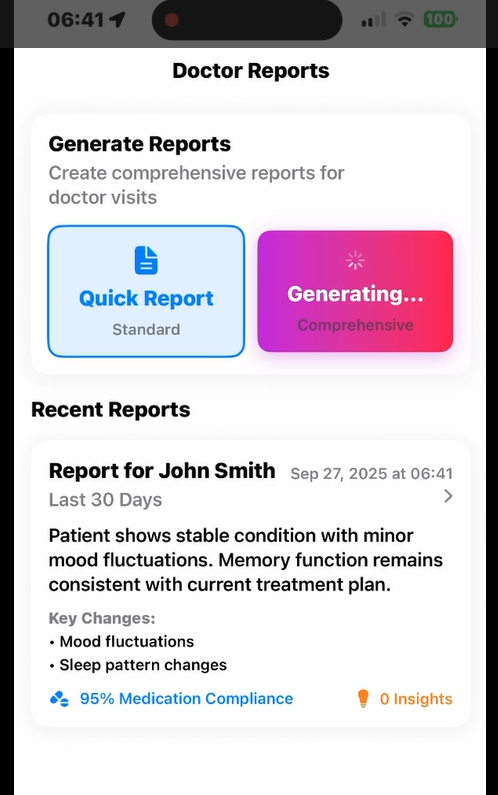
Doctor Brief prior to appointment
Inspiration
When my nana was diagnosed with Alzheimer’s, one afternoon she wandered away from home and went missing. For hours, our family searched — terrified and helpless. That fear never left me.
Sadly, this isn’t just my story — it’s a global crisis:
Over 55 million people worldwide live with dementia, with 10 million new cases each year. (Alzheimer's Disease International) Leading to more than 36.5 million cases of Alzheimer worldwide.
Up to 60% of Alzheimer’s patients will wander at least once, often without realizing it. (BrightFocus Foundation)
Studies show nearly 41% can get lost even in familiar settings, and in many cases the outcome can be tragic. research paper
1 in 3 seniors dies with Alzheimer’s or another dementia.
Beyond wandering, the disease silently erodes identity: forgotten faces, missing names, memory gaps that families only notice after it’s too late.
LovedOnes was born to change that. Our mission — “Loving someone with Alzheimer’s is remembering for two” — combines AI, safety systems, and caregiver collaboration to preserve identity, prevent loss, and ease the burden for families everywhere.
What it does
LovedOnes is an iOS and Apple Watch app designed to preserve dignity, safety, and identity for people living with Alzheimer’s while easing the emotional and logistical burden for caregivers.
Memory Preservation: The app provides a Digital Memory Bank where families can securely store journals, photos, voice notes, and stories. AI automatically tags these memories by face, event, and date for easier retrieval. Patients can interact with a conversational memory assistant by asking questions such as “Who is this?” and receive personalized answers in familiar voices, which helps reinforce recognition and comfort.
Safety & Protection: LovedOnes integrates with Apple Watch to offer real-time safety features. Caregivers receive one-tap SOS alerts, geofencing notifications if the** patient leaves a safe zone**, and predictive wandering detection by analyzing irregular movement patterns. In vulnerable moments, the patient can even be redirected with comforting directions delivered in a familiar voice.
Cognitive Engagement: The app includes mini-games for memory recall, face matching, and storytelling that track cognition over time. Personalized “memory playlists” made up of photos and audio clips are generated daily to provide reminiscence therapy. A cognitive trend dashboard highlights progress or decline, such as “Dad’s recall dropped 10% this month.” If a red flag is detected (e.g., an 18% memory drop), the system alerts caregivers and offers a “Consult Now” button for telehealth. Doctors then receive AI-prepared reports and charts before the consultation, and post-consult tasks such as medication reminders or therapy exercises are automatically integrated into the app.
Caregiver Network: Multiple family members can collaborate on a shared memory timeline, add notes, and receive safety updates. There is also a peer-to-peer caregiver support community, moderated by AI to maintain a safe and supportive environment.
Doctor & Healthcare Integration: Reports from the app can be exported to electronic medical records (EMRs) using FHIR/HL7 standards. Doctors receive concise, actionable insights rather than raw data. The app also integrates sponsor-driven updates such as new drug discoveries or therapy guidelines relevant to the patient’s condition, ensuring providers get the right information at the right time.
How we built it
Frontend (iOS) : SwiftUI - Modern, accessible UI framework HealthKit - Health data integration AVFoundation - Voice and audio processing CoreML - On-device AI processing MapKit - Location services
Backend (Python) : Flask - RESTful API services OpenAI GPT-4 - AI health analysis VAPI - Voice AI integration Heroku - Cloud deployment PostgreSQL - Data persistence
AI & ML : OpenAI GPT-4 - Natural language processing VAPI - Voice AI and calling CoreML - On-device face recognition HealthKit - Health data analytics
Accomplishments that we're proud of
We developed a fully functional prototype that integrates memory preservation, safety alerts, and telehealth into a single seamless flow.
Our familiar-voice playback feature provides emotionally powerful reinforcement for patients, helping them reconnect with loved ones.
We designed a doctor-facing dashboard that surfaces only the most clinically relevant insights, cutting through the clutter of raw data.
We created a dual monetization strategy (B2C and B2B) that makes the project scalable, fundable, and attractive for real-world adoption.
Building impactful healthcare technology requires a balance of technical innovation, empathy-driven design, and regulatory compliance.
What's next for LovedOnes
Pilot Testing: Partner with Alzheimer’s caregiver groups and clinics to test the app in real-world scenarios.
AI Expansion: Build a more advanced memory twin chatbot that can simulate conversations with stored memories and create personalized therapy plans.
Telehealth Scaling: Integrate “Consult Now” into hospital telehealth workflows to enable instant access to specialists.
B2C (Caregivers): Premium subscription ($10–20/month) with access to unlimited AI-powered memory tools, teleconsultation features, and collaborative caregiver support. Transaction-based revenue from teleconsults is shared with providers.
B2B (Hospitals/Clinics): SaaS licensing for HCP dashboards and telehealth suites, generating recurring revenue. Hospitals value solutions that reduce readmissions, improve patient compliance, and save providers time.
Pharma & Sponsors: Revenue from de-identified patient trend data, targeted clinical trial recruitment, and contextual delivery of guidelines and therapies to HCPs.
Built With
- machine-learning
- mapkit
- postgresql
- python
- swift
- swiftui
- vapi


Log in or sign up for Devpost to join the conversation.