-
-
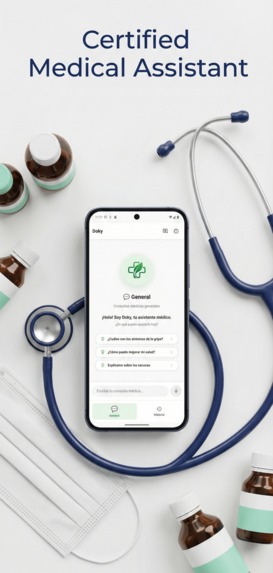
Screenshot 1
-
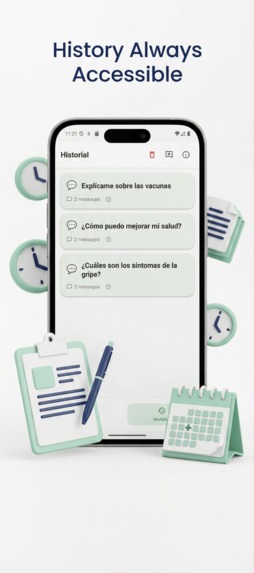
Screenshot 2
-
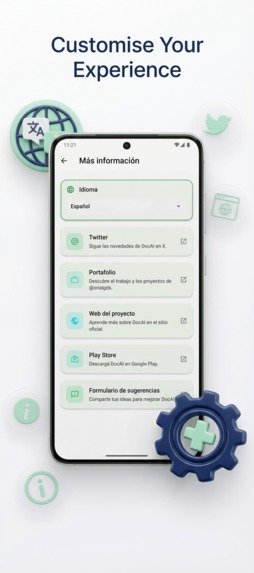
Screenshot 3

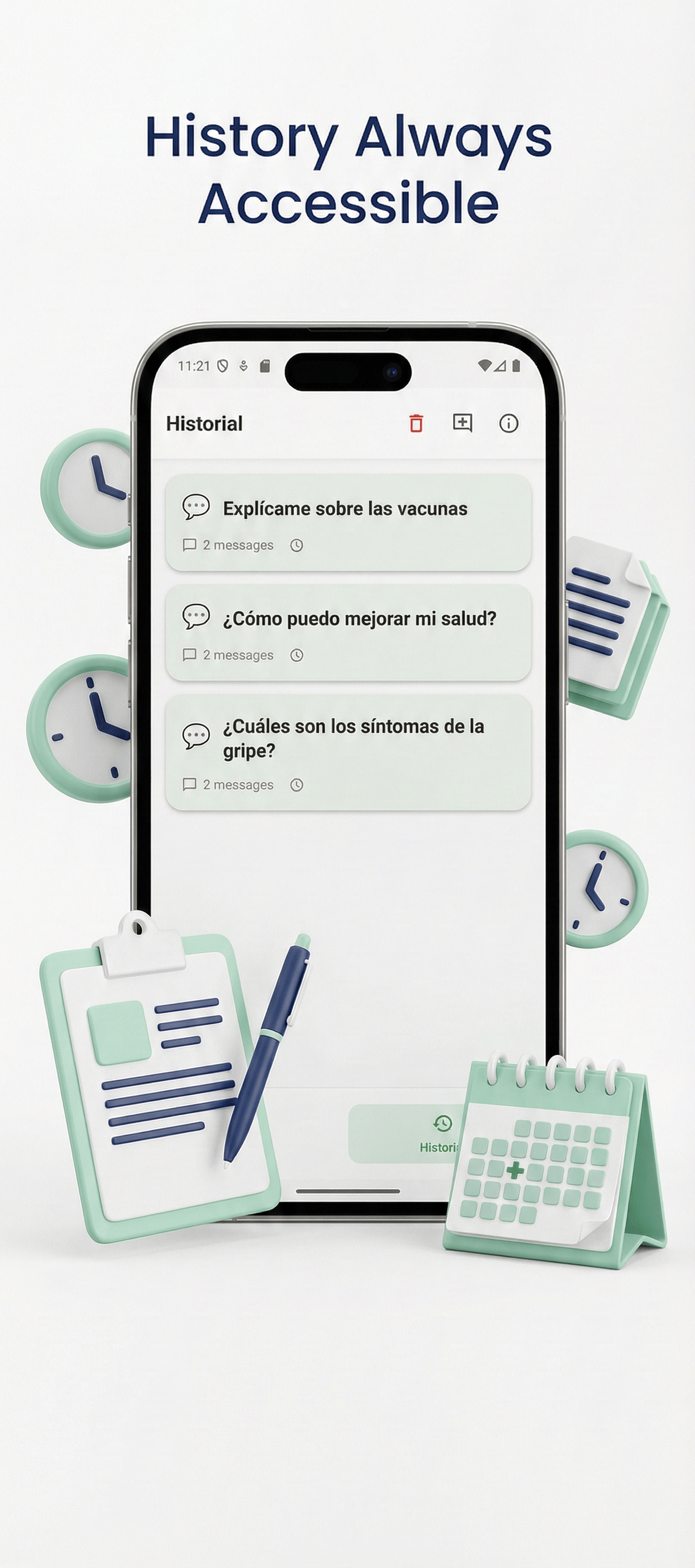

Inspiration 💡
The idea for Docai was born from a common frustration: getting reliable medical information is harder than it should be. When you have a health concern at 2 AM or can't afford an immediate doctor's visit, where do you turn? Generic search engines provide overwhelming and often contradictory information, while general AI assistants like ChatGPT aren't trained specifically for medical contexts and can provide dangerous misinformation.
I witnessed this problem firsthand when family members struggled to understand medical terminology after doctor visits or needed quick guidance about symptoms but couldn't reach their physician. The healthcare system, while excellent, isn't always immediately accessible—and that gap can cause unnecessary anxiety and poor health decisions.
I wanted to create a trusted medical companion that could provide evidence-based information 24/7, understand medical context, and respect the sensitive nature of health data. Docai aims to bridge the gap between generic AI and professional medical care, empowering people with reliable health information when they need it most.
What it does 🩺
Docai is an AI-powered medical assistant that specializes in healthcare consultations. Unlike generic chatbots, it's specifically designed to:
- Provide evidence-based answers about symptoms, medications, and medical conditions
- Understand complex medical terminology and explain it in accessible language
- Maintain conversation context for follow-up questions and ongoing health concerns
- Support multiple languages with accurate medical translation (Spanish, English, French, German, Italian, Portuguese)
- Protect sensitive health data with end-to-end encryption
- Sync conversations securely across devices via cloud integration
- Generate automatic conversation titles for easy reference
- Offer multiple AI profiles tailored to different medical specialties
The app acts as a first line of information—helping users understand their symptoms, prepare questions for their doctor, or learn about prescribed medications—while always emphasizing that it complements, not replaces, professional medical care.
How I built it 🛠️
I developed Docai using Flutter/Dart to ensure cross-platform availability (Android, iOS, Web). The architecture includes several key components:
- AI Integration Layer: Connected to specialized medical language models fine-tuned for healthcare conversations
- Secure Data Management: Implemented end-to-end encryption for all health conversations using industry-standard cryptography
- Cloud Synchronization: Built a backend with Supabase for secure conversation sync across devices
- Multilingual Engine: Integrated translation services while preserving medical terminology accuracy
- Context Management: Developed a conversation tracking system that maintains medical context across multiple sessions
- UI/UX Design: Created an intuitive, calming interface appropriate for health-related discussions
Tech Stack:
- Flutter/Dart for cross-platform development
- Supabase for backend and authentication
- AI/ML models specialized in medical knowledge
- Secure local storage with encryption
- Cloud sync with privacy controls
Challenges I faced 🚧
Medical Accuracy vs. Accessibility: Balancing technical medical accuracy with explanations that non-experts can understand was challenging. I implemented multiple "explanation levels" that adapt to user preferences.
Privacy and Security: Handling sensitive health data required implementing robust encryption and ensuring compliance with health data protection standards. Every design decision had to prioritize user privacy.
AI Reliability: Medical misinformation can be dangerous. I spent significant time testing and validating responses, implementing disclaimers, and fine-tuning prompts to ensure the AI consistently provides safe, evidence-based information.
Context Preservation: Medical conversations often span multiple sessions. Building a system that remembers previous symptoms and conversations without compromising privacy required careful architecture design.
Multilingual Medical Terminology: Translating complex medical terms accurately across six languages while maintaining clinical precision was technically demanding. Medical jargon doesn't always translate directly.
Ethical Considerations: Determining appropriate boundaries for the AI—when to suggest seeking immediate medical attention versus providing information—required extensive research and careful implementation.
What I learned 🎓
- Deep understanding of healthcare data privacy regulations and ethical considerations in medical AI
- Practical experience with specialized language models and prompt engineering for domain-specific applications
- Importance of responsible AI design, especially in sensitive domains like healthcare
- User research skills: conducting interviews with potential users to understand their health information needs
- Building trust through transparency: being clear about AI limitations and when professional care is needed
- Cross-platform state management with Flutter for complex, data-sensitive applications
Most importantly, I learned that technology should serve people in their most vulnerable moments. Docai isn't about replacing doctors—it's about empowering individuals with reliable information so they can make better health decisions and communicate more effectively with their healthcare providers.
This project showed me how AI can democratize access to quality health information, potentially helping millions who face barriers to immediate medical consultation due to cost, location, or time constraints.

Log in or sign up for Devpost to join the conversation.