Inspiration
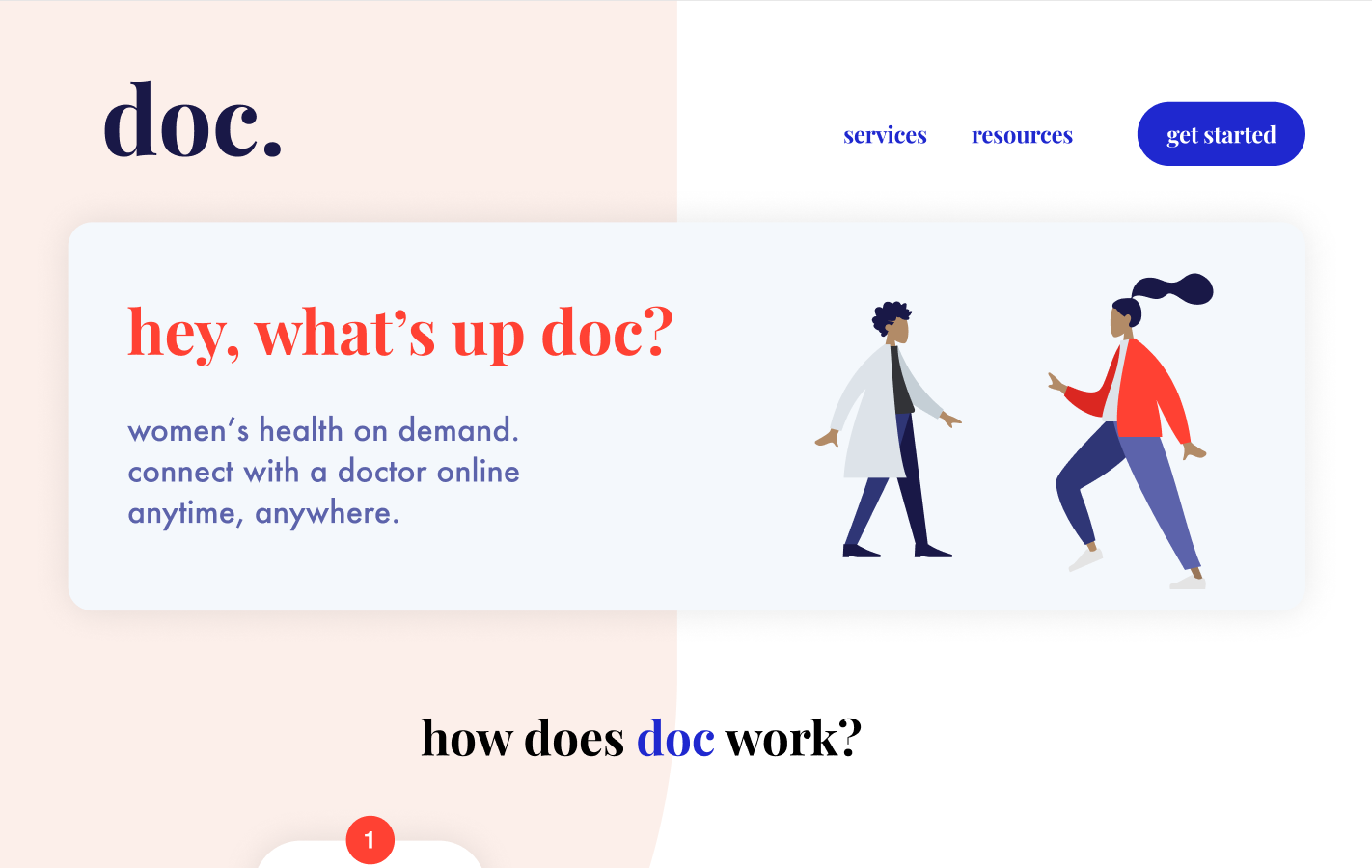
Our team was inspired to created a more accessible platform for female-identifying individuals to access contraceptives and other female healthcare products. In 2019 alone, 12 states enacted some type of abortion ban and additional states cracked down on abortion-relation counseling in the United States. Attacks on abortion, contraceptives and other critical female-health resources fundamentally disenfranchise women and we sought to create a product that could help to make women's healthcare more accessible and intuitive. That's why we came up with doc, a platform for women to connect directly with care providers through fully-integrated real-time video conversations and relevant on-demand resources that can be browsed at any time.
What it does
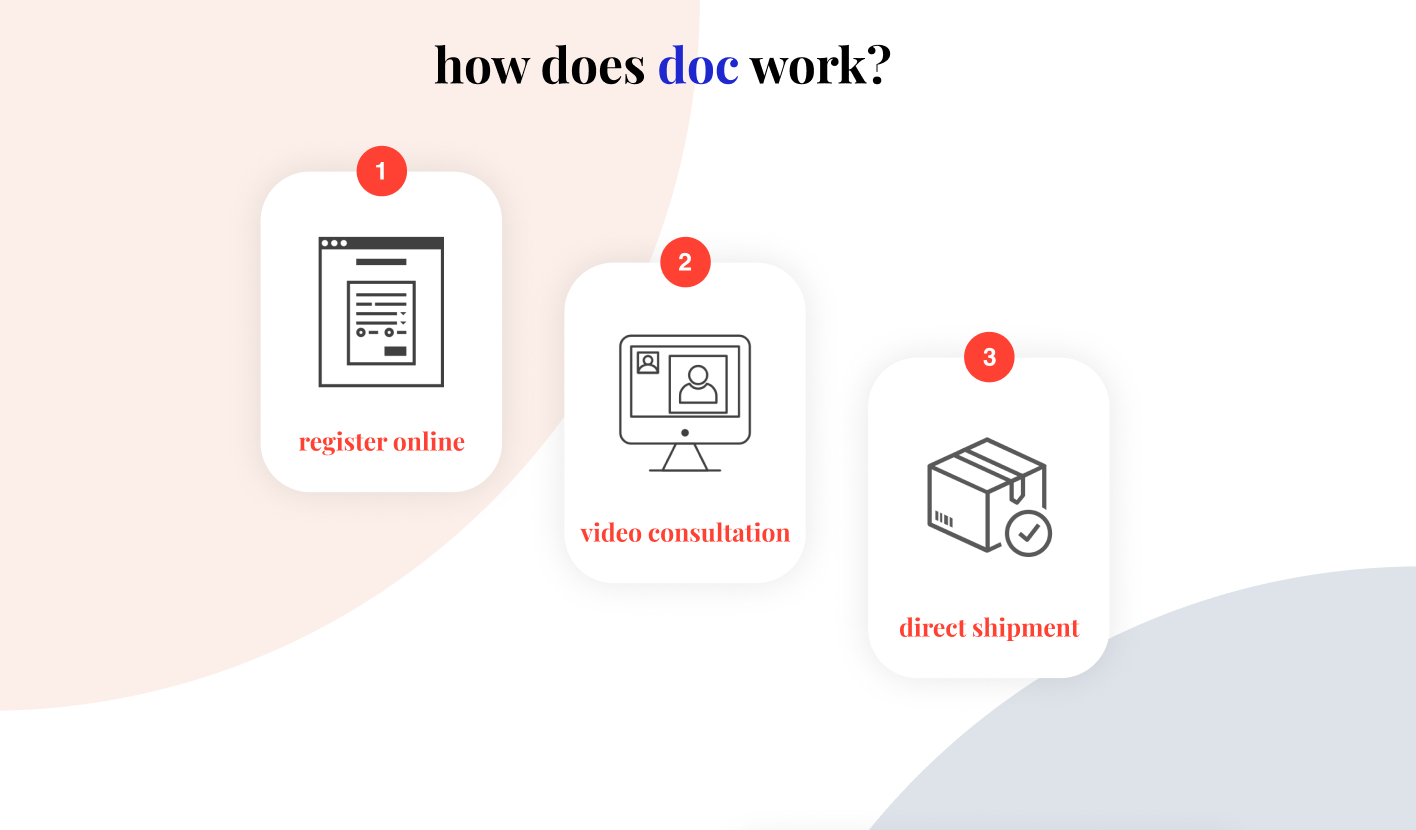
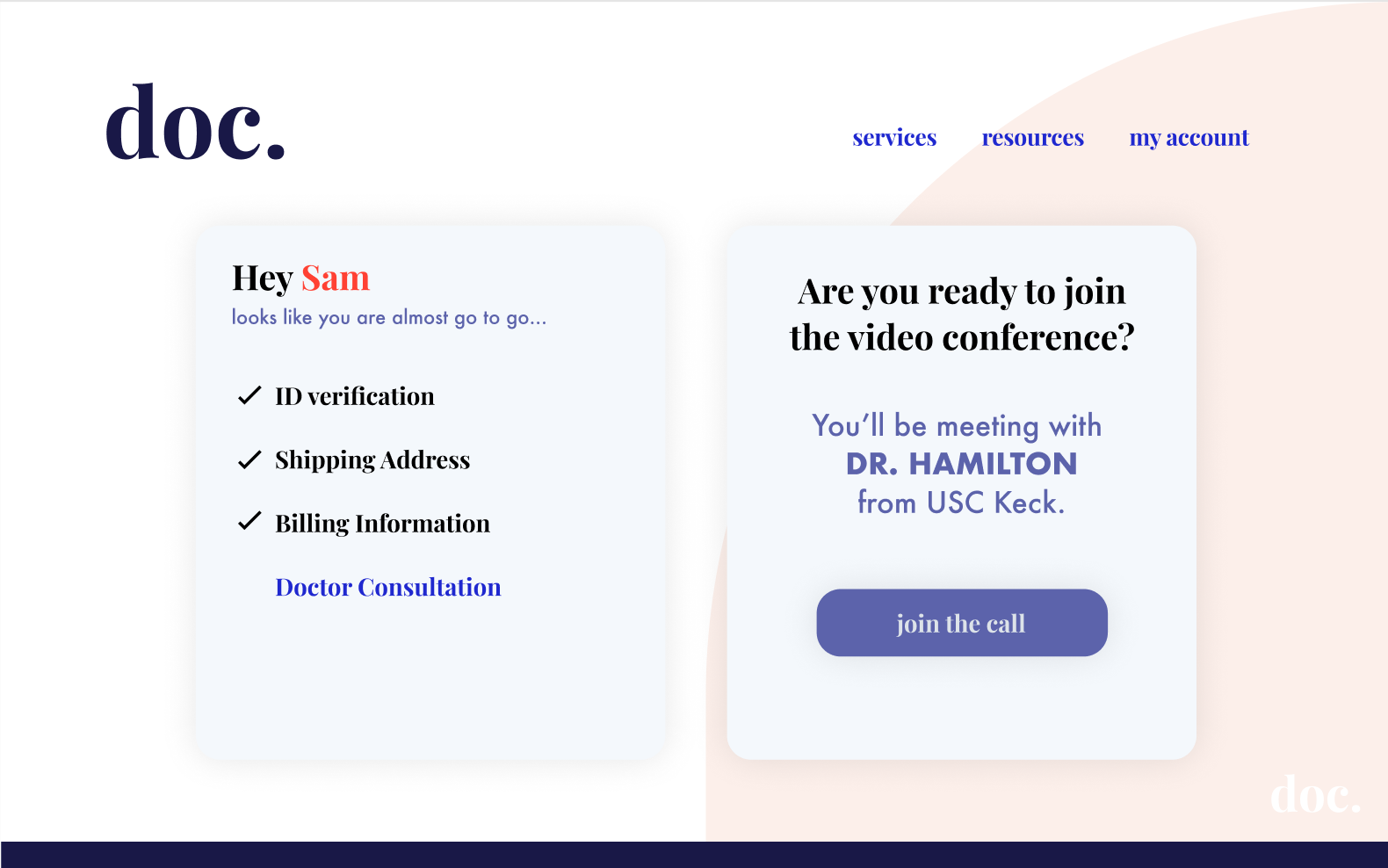
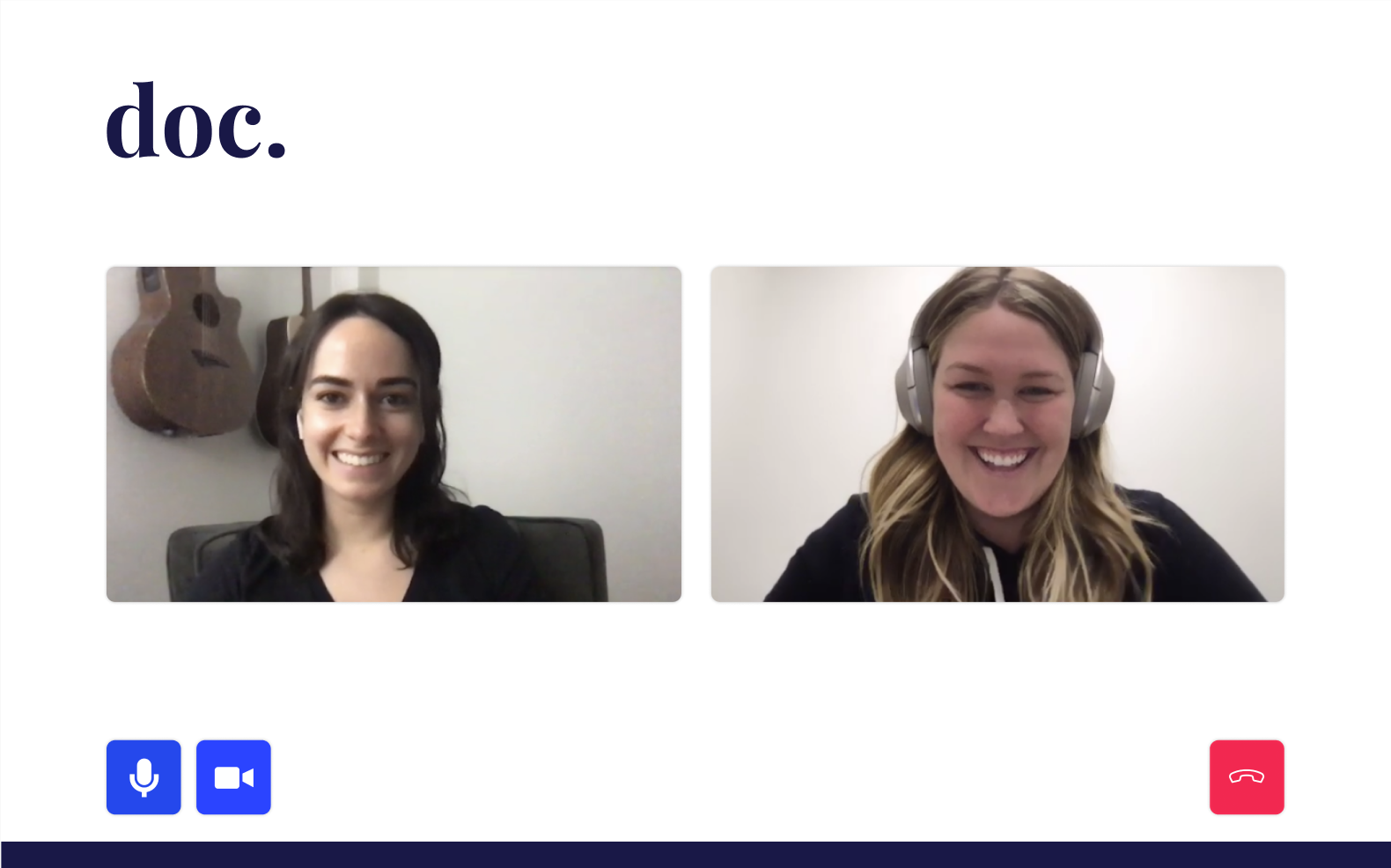
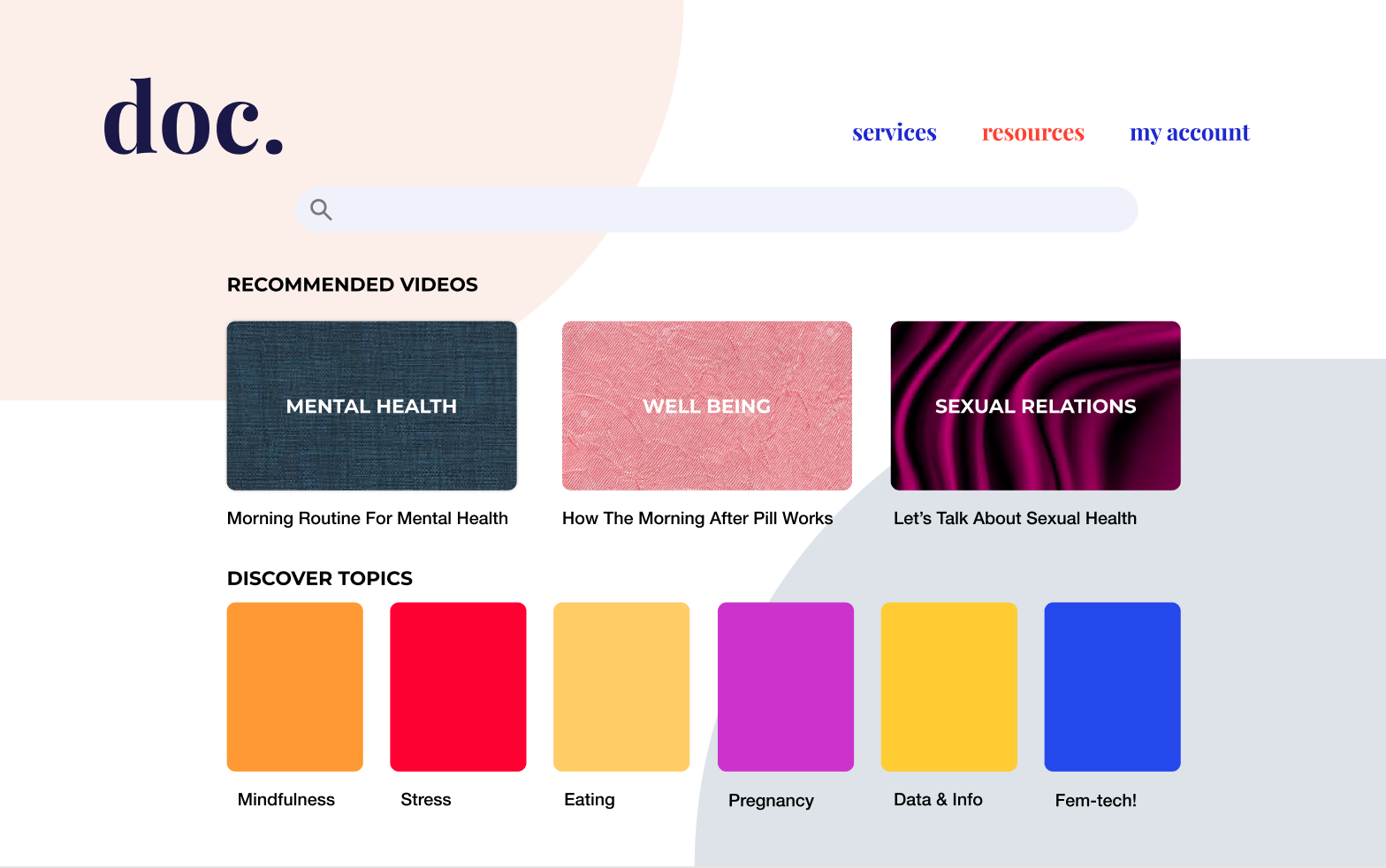
The core feature of our application is our real-time video chat interface that allows female-identifying users to talk with doctors about specific health needs, and prescriptions for women's-health related needs. The other core-component of our platform is an interface that allows for concerned individuals to access interesting and information about health and learn how to best take care of themselves.
How we built it
For our video interaction feature: We used Google cloud to instantiate a virtual machine that would host a server for us, used an express app for hosting the application and cloud-flare to secure any anonymize our client's connection to the server. We used the Twilio video API to host our native real-time video experience and edited the interface of the video display with React.js. We also connected our Twilio video service to our backend server using Node.js. For our video content feature: We used the Mux video API to host our videos for playback and used python to call this service and host the server that would run this particular service.
Challenges we ran into
Half of our team encountered our first hack-a-thon this weekend, so there was a lot of learning and definitely a ton of growth for all members on our squad. We struggled initially to pin down our approach to solving what we thought was a really impactful problem. Some of the technology we used required new languages and frameworks that we had never seen before, so it took a whole to get a hang of Node for example to build out the interface for the video chat.
Accomplishments that we're proud of
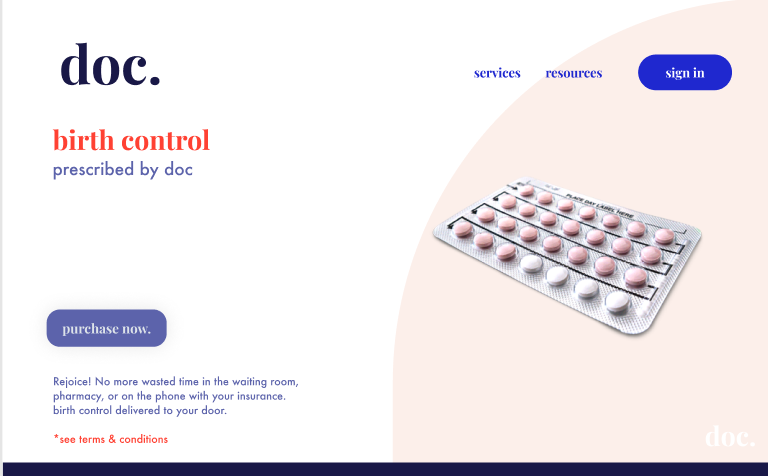
We are proud of our intuitive and clear design, our aesthetic is approachable and friendly, welcoming people to engage with their health and wellness. We are extremely proud of syncing our product to a working backend and domain. No one in our group had ever set up a domain in this fashion before, so actually getting our website and feature up and running in a production-like setting was exciting to say the least.
What we learned
We learned to utilize the human capital that was around us at the hack-a-thon. One particularly generous sponsor was able to walk one of our devs through a troubling react.js package that opened up a great deal of functionality for our product. We also learned how to ideate and pivot towards the most promising ideas, if we had gotten frustrated early-on by our initial challenges we might not have found our final idea that we ended up building out.
What's next for Doc
We think doc has a great deal to expand and grow from its current state. Currently a licensed care provider takes calls with patients to remotely prescribe the medication. We would like to expand to a point where we could handle the entire prescription process end-to-end, with shipping and payments all vertically integrated into our platform.
Built With
- cloudflare
- express-server
- google-cloud
- node.js
- python
- react.js


Log in or sign up for Devpost to join the conversation.