Inspiration
As New Yorkers who have lived across different boroughs, we’ve seen firsthand how deeply housing conditions shape everyday life. We’ve watched neighbors struggle with leaks, mold, illegal construction, broken heat, and unsafe living environments.
What it does
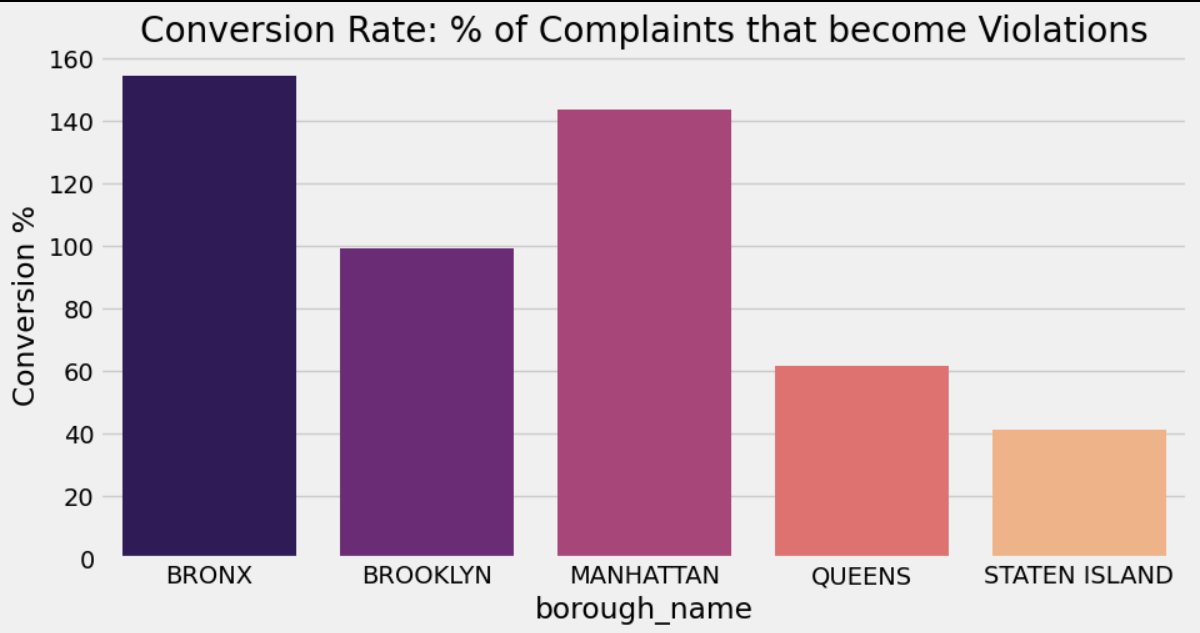
We are trying to see how often 311 Department of Building complaints lead to violations. If more complaints are made about the same building will it lead to a violation.
How we built it
We used Claude, Chatgpt, Co-pilot, Github, NYC Open Data, Kaggle, Google docs for planning.
Challenges we ran into
We initially planned to build our project using the API directly, but once we started digging into it, we realized the system was far more complex than we expected. The data structure, the volume of records, and the way different datasets connected required a level of expertise we simply didn’t have at the start of the hackathon. Due to tight time constraints and a steep learning curve, we had to pivot. Instead of building a full API‑driven pipeline, we shifted toward refining/simplifying our objective our problem to address.
Accomplishments that we're proud of
We are proud that we were able to put together a clear and compelling pitch for our project. We outlined the core logic, organized our ideas, and set up a GitHub repository to keep everything structured. Even though we couldn’t build the full system, we created a strong foundation that communicates our vision and the problem we set out to solve.
What we learned
The biggest takeaways was the value of laying out the project structure first. Defining the problem, outlining execution steps, and deciding what was realistic within the hackathon timeframe. Having a clear roadmap makes the process easier. We also learned how important research is, especially when dealing with complex public datasets like NYC’s 311 and DOB records. Understanding how the data was structured, what each field meant, and how different datasets connected helped us refine our questions and avoid dead ends. Lastly, working effectively as a team. We had to divide tasks, communicate constantly, and adapt quickly when something didn’t go as planned. Since we pivoted away from the API, collaboration made it possible to keep moving forward.
What's next for DOB: City Compliance Collective
Moving forward, we would want to utilize a ticket system that can be followed up on. What this solves: The current 311 does not take into account multiple calls sent by a single caller for the same issue. By having a ticket system, we can easily access the number of times a single user is calling. With this system, we can monitor the status of filed complaints, such as whether a DOB agent dismissed the case without a field visit, or if it has been investigated and is pending follow-up.
Built With
- python
- vscode

Log in or sign up for Devpost to join the conversation.