Inspiration
The inspiration behind the song itself was actually pretty simple: I wanted to create an electronic / EDM track with very sparse lyrics and a final line that echoes and repeats. That meant I really had to sit with the words for a while and find something that felt worth repeating.
One of the themes that’s very close to me these days is disillusionment – that feeling of choosing a path, thinking you know where you’re going, and then the world shifts underneath your feet halfway through. I think most of us know that moment: professionally or privately, when you realise you’ve lost your north star, the “spark”, and you’re “once again in the dark”, searching. It’s symbolic, and it’s also how I ended up in the AI art and music space in the first place.
I took those few lines and brought them into Suno to build the EDM track: something powerful, emotional, but lyrically minimal – the feeling doing most of the work. Once I was happy with the song, the video almost grew around it on its own. It felt natural to keep expanding Saera’s world. In Blue Light, she’s dealing with late-night anxiety and insomnia in a surreal vintage apartment bathed in TV-blue – not quite real, but emotionally very real. She might have ended up there after leaving the club from Edge of Being, which was my attempt at a lost MTV tape: 90s/00s mood, tactile, imperfect, intimate.
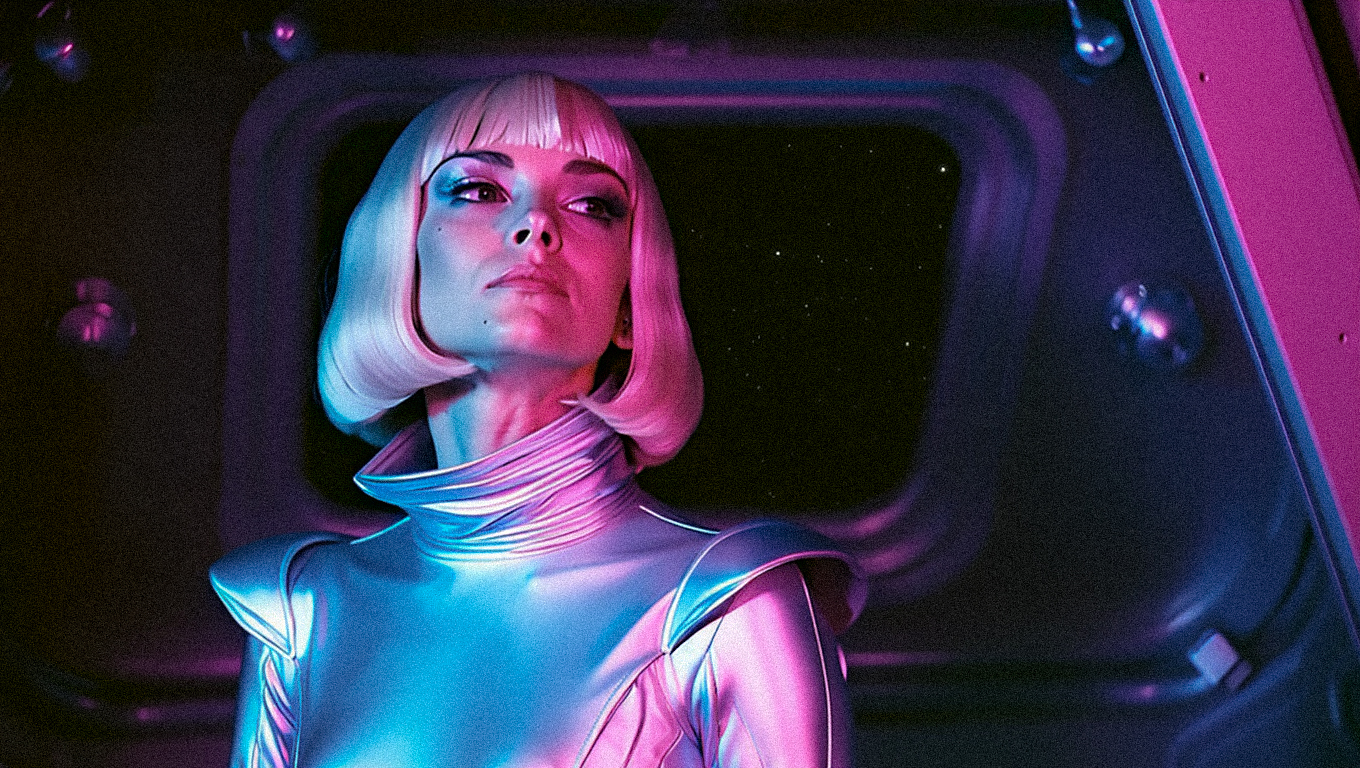
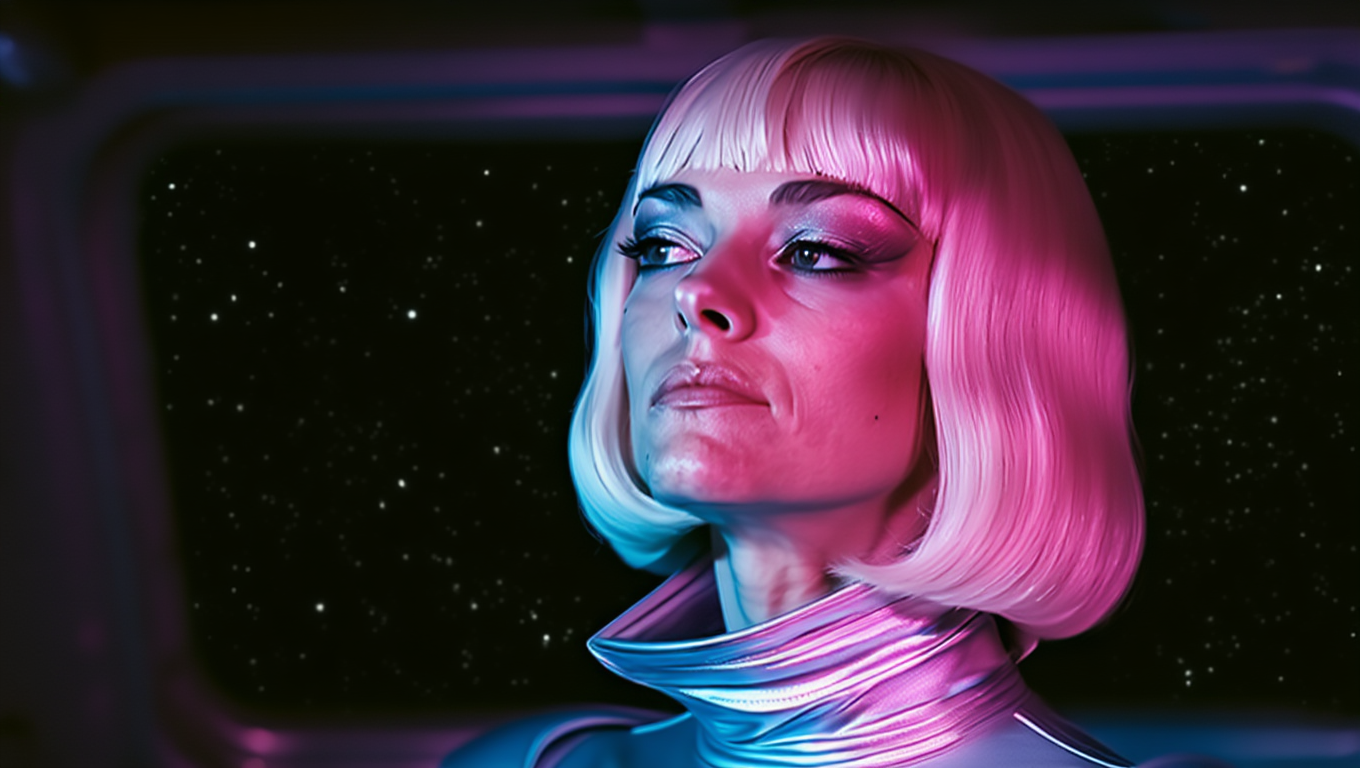
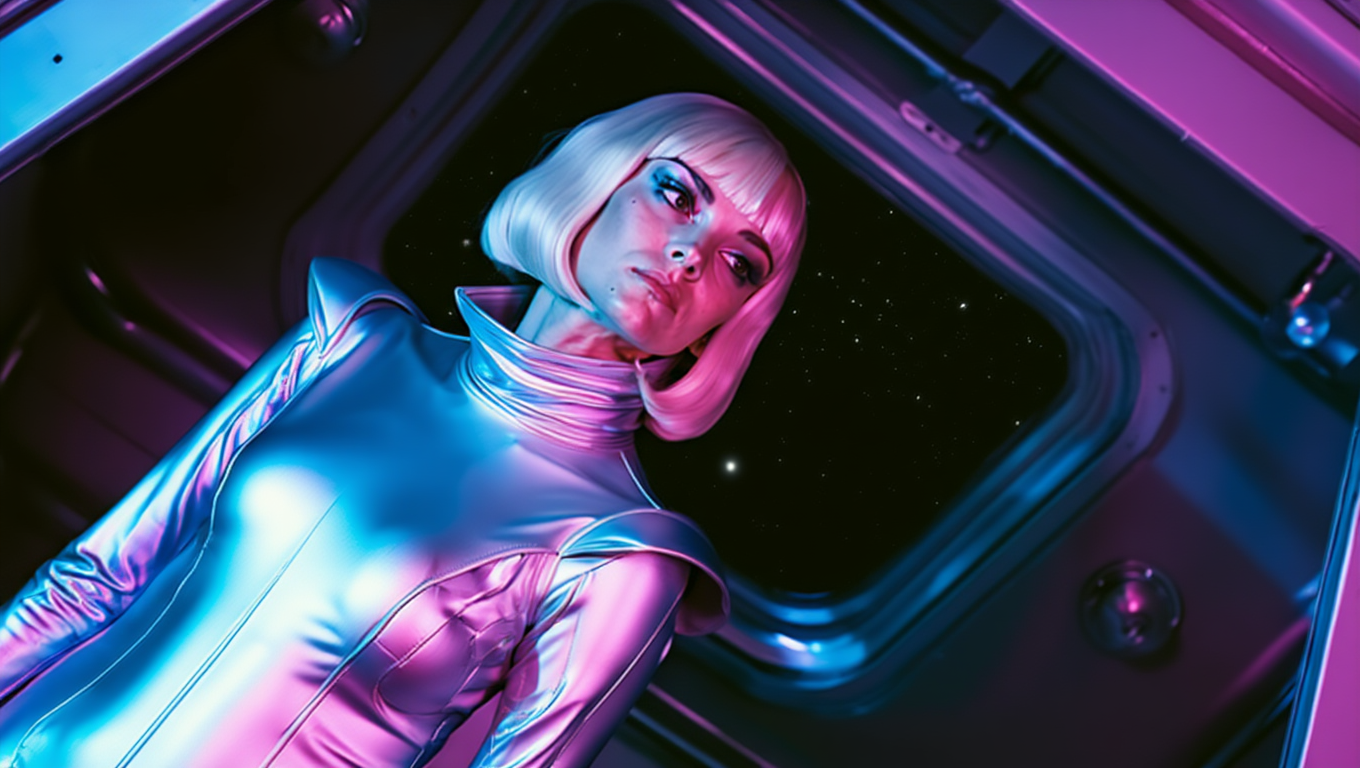
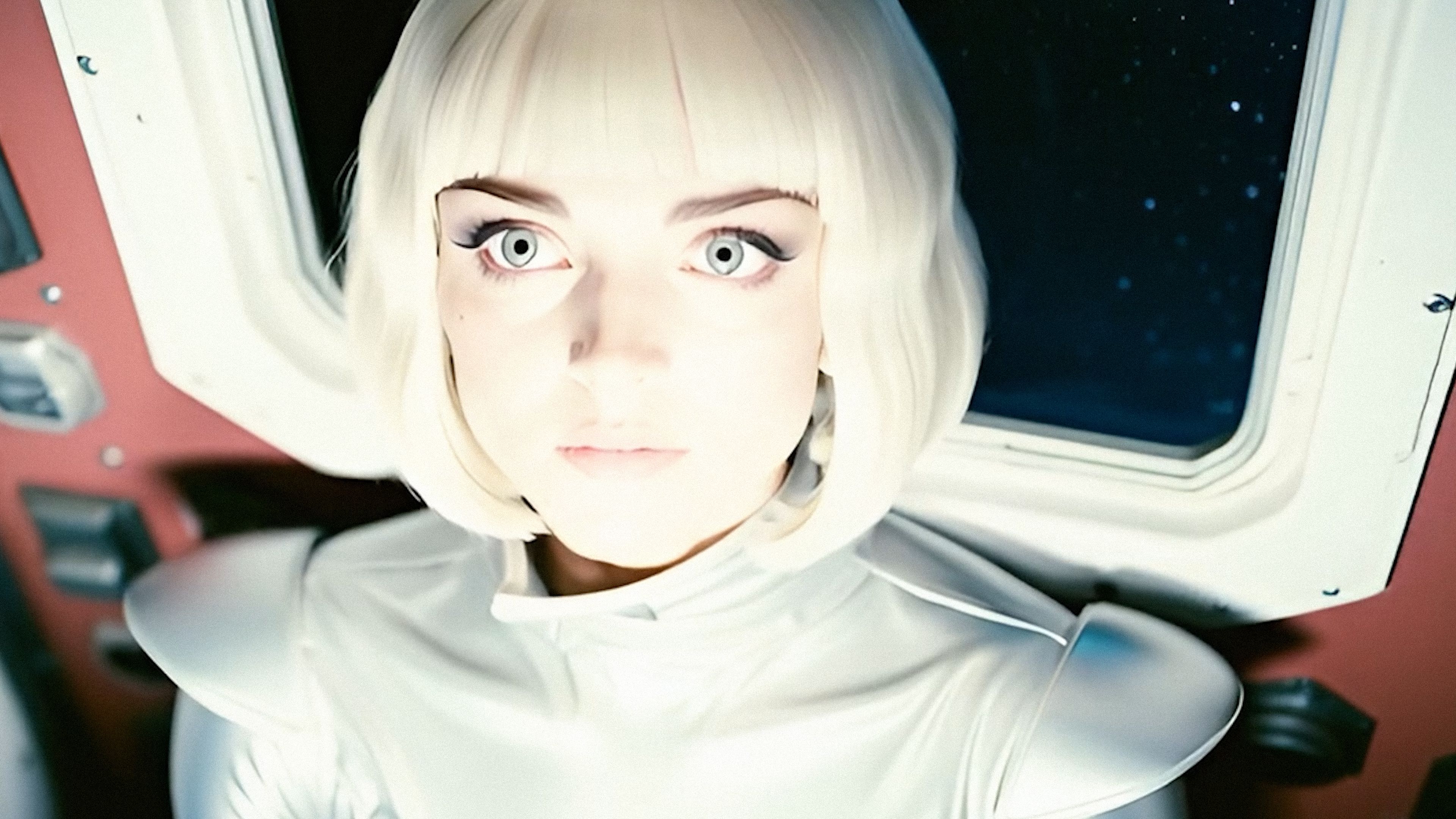
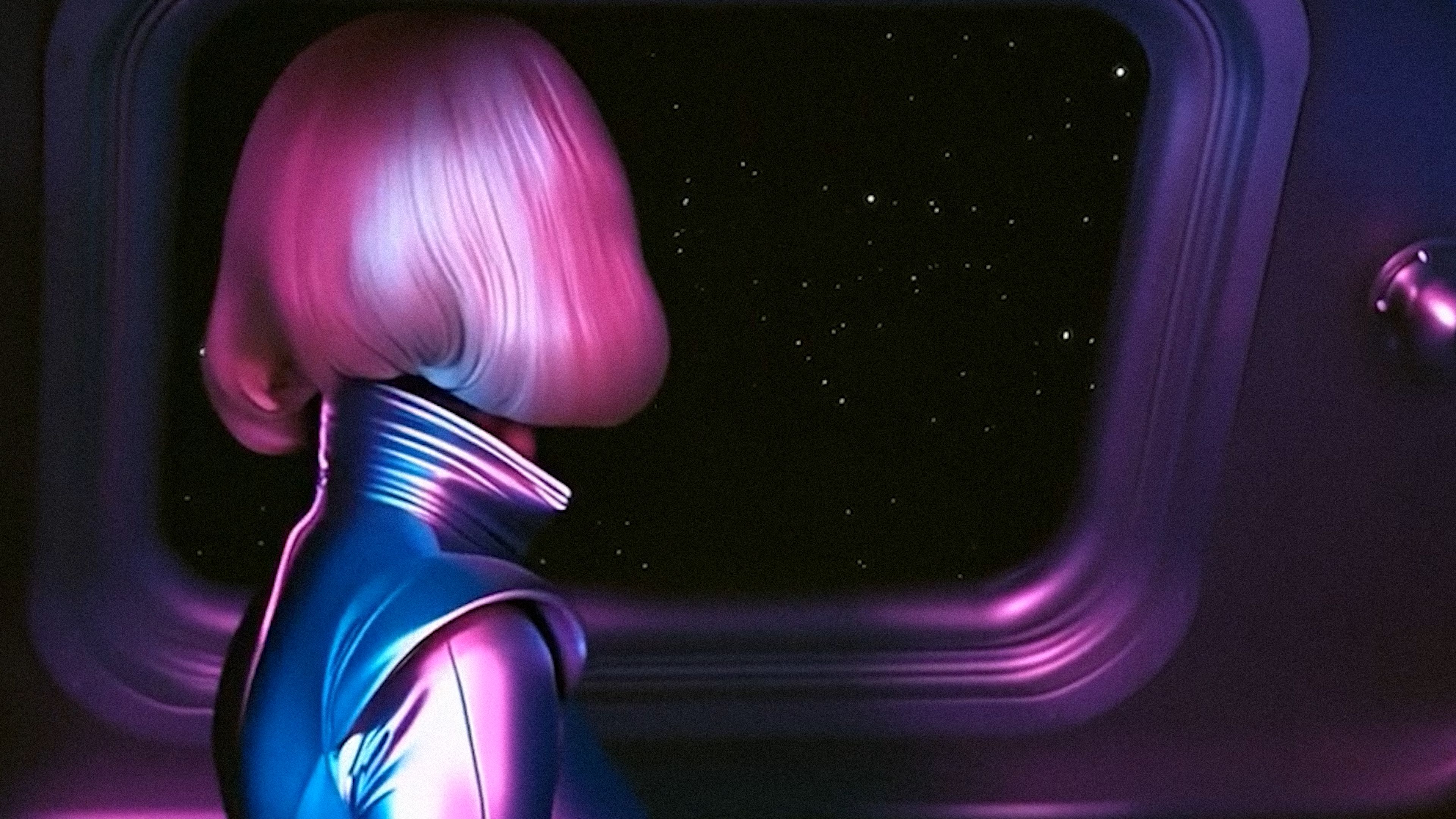
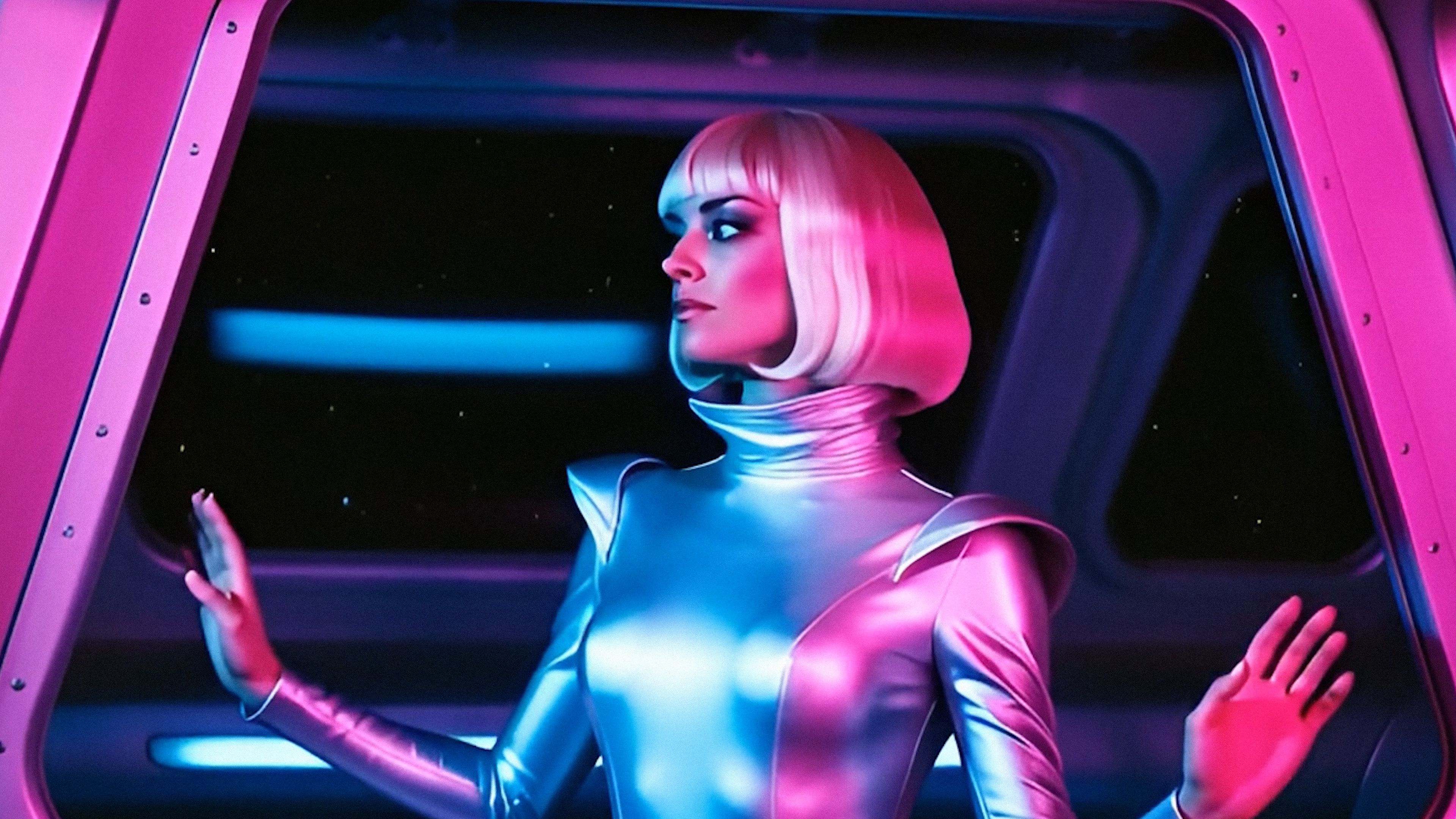
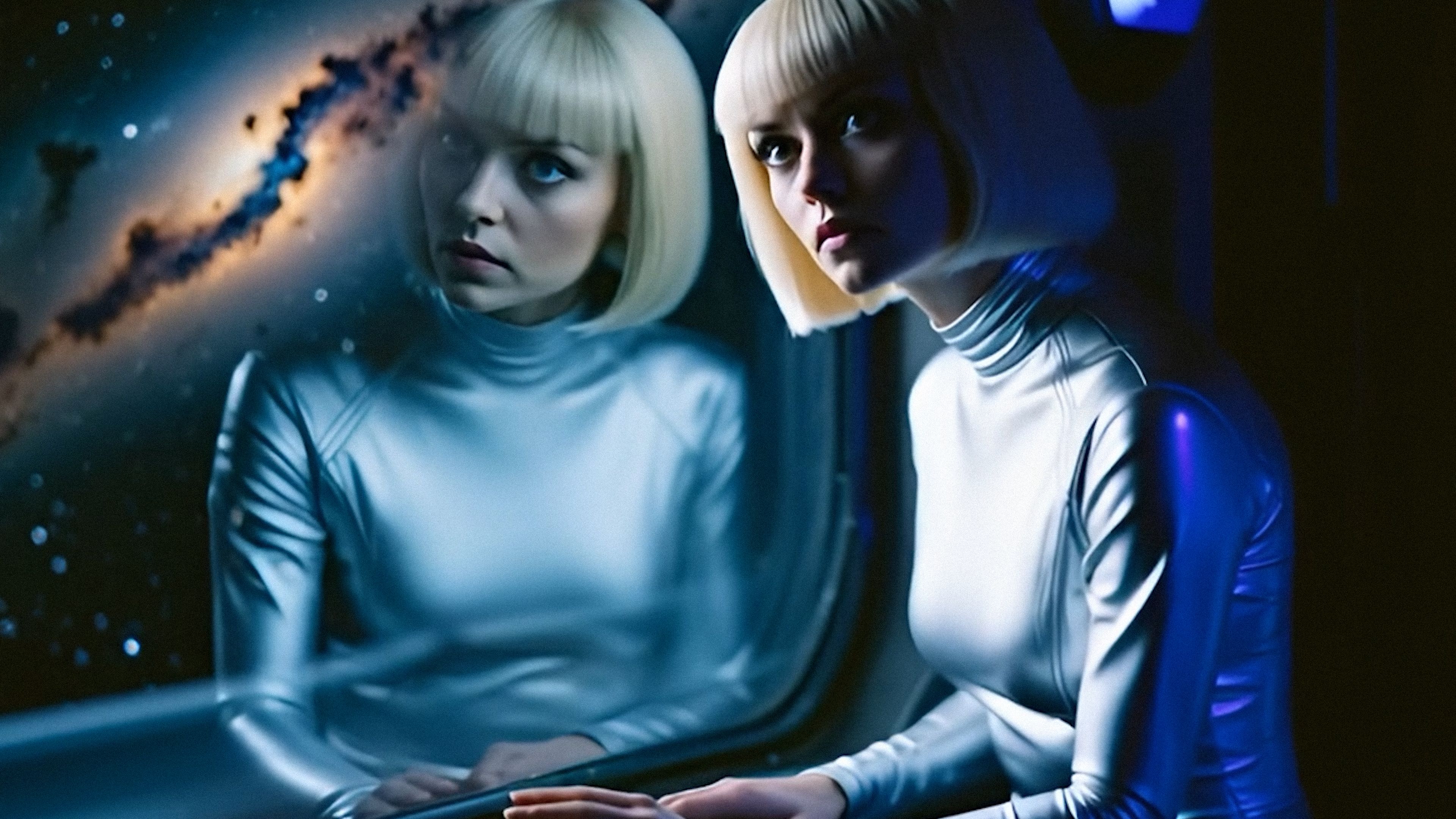
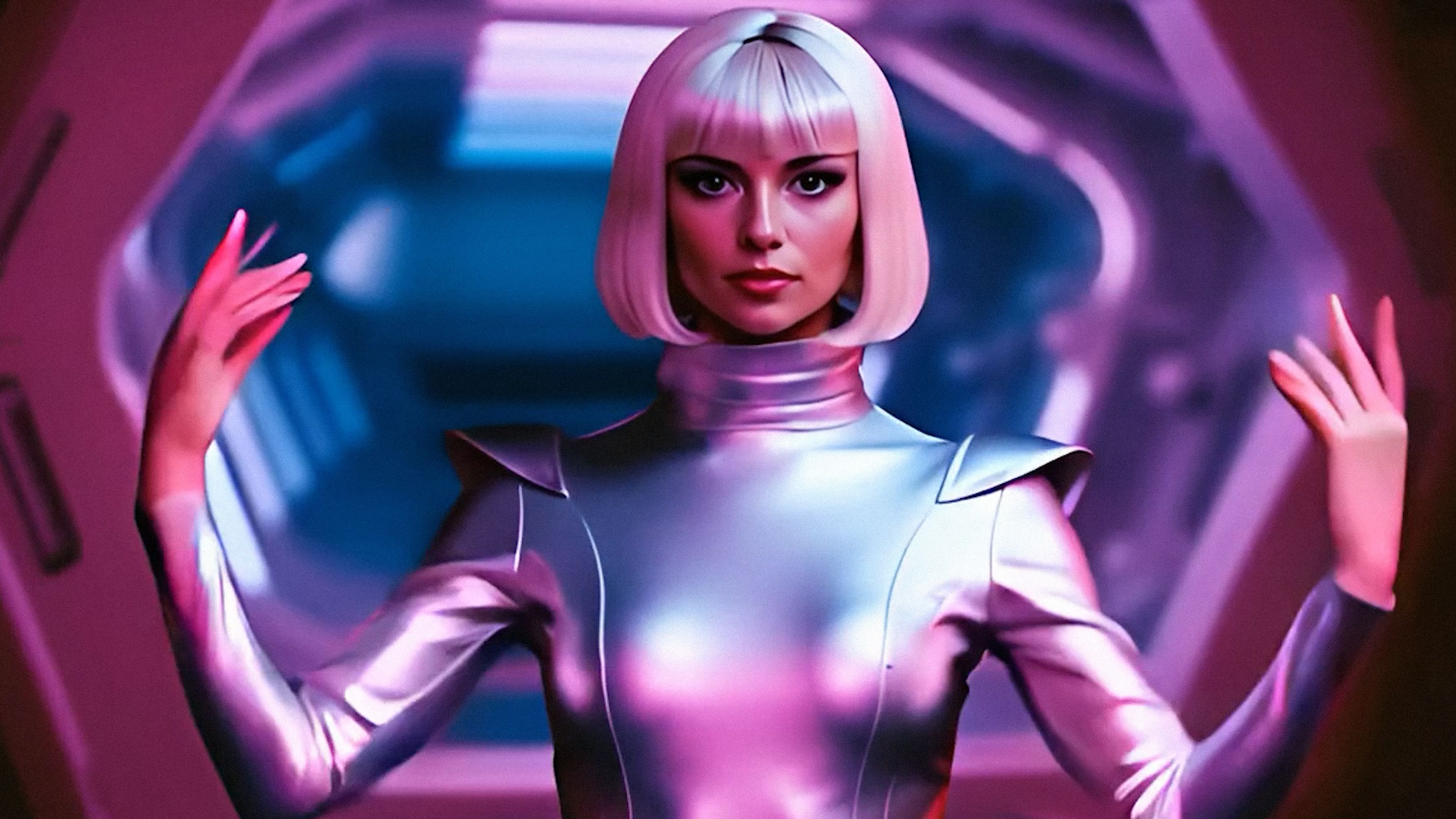
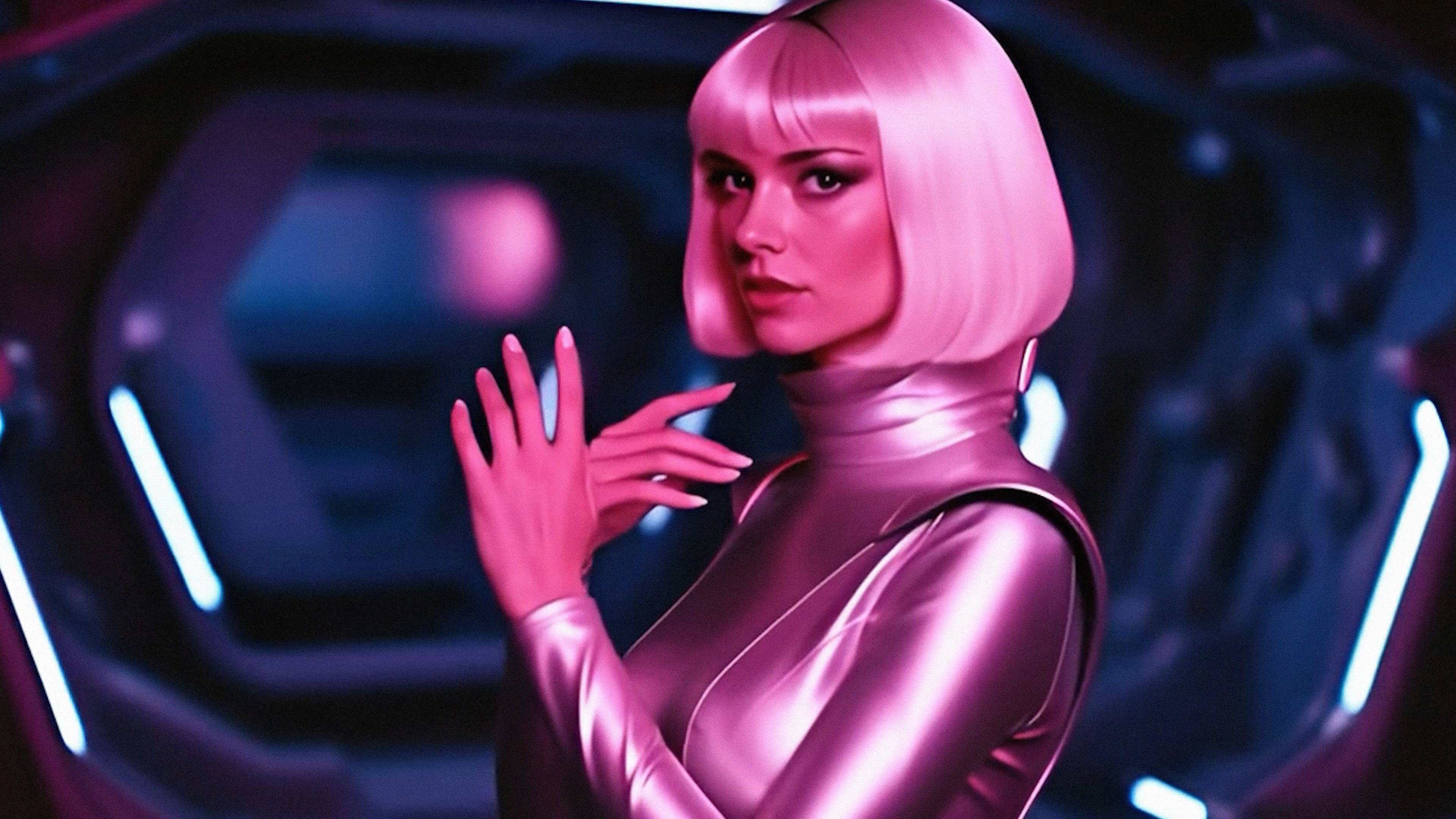
With Do You Know How I Feel, I wanted to keep building on that universe but push it into space – literally. The video is a love letter to the retro sci-fi TV shows and films I grew up with, and the old sci-fi books I’ve read: the future we imagined. And then there’s the extra layer I find really poetic: using AI – a tool nobody quite predicted in this form – to dream up these forgotten future fantasies of the past.
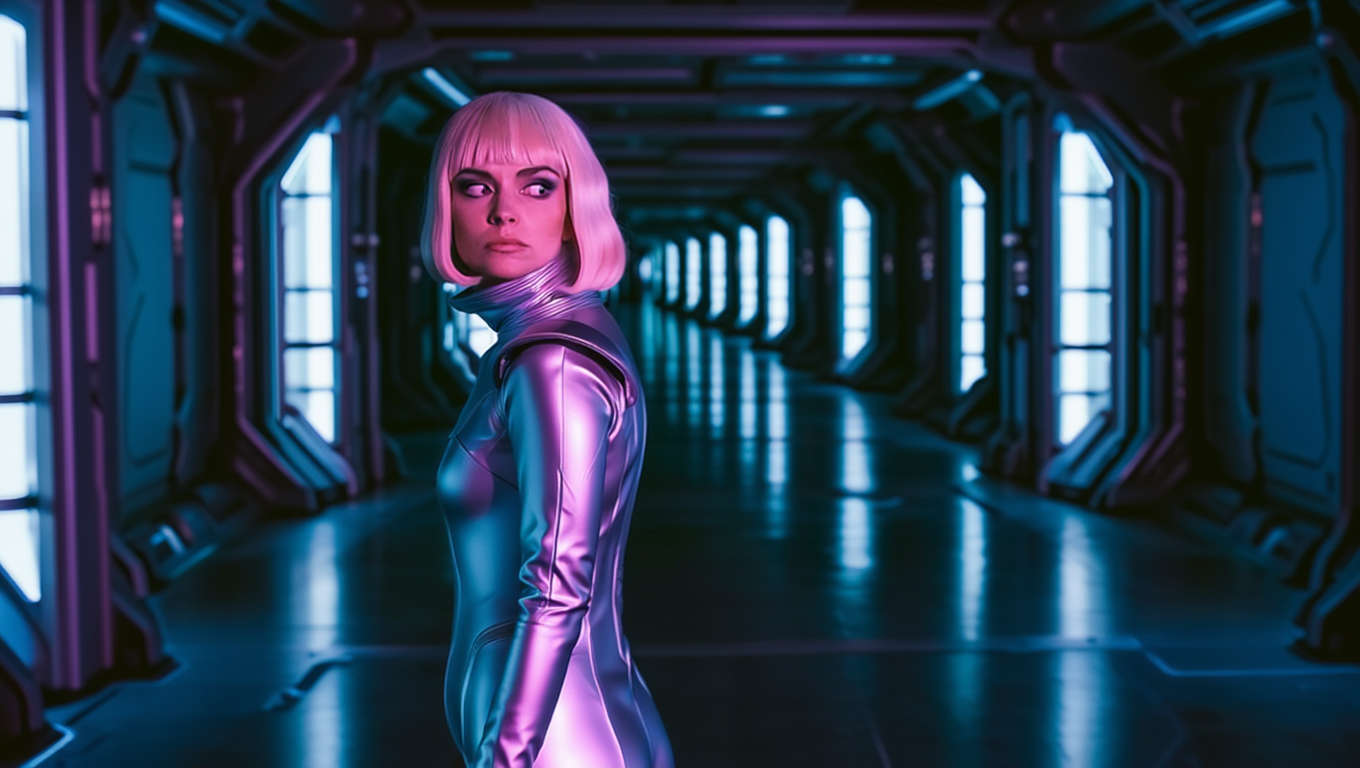
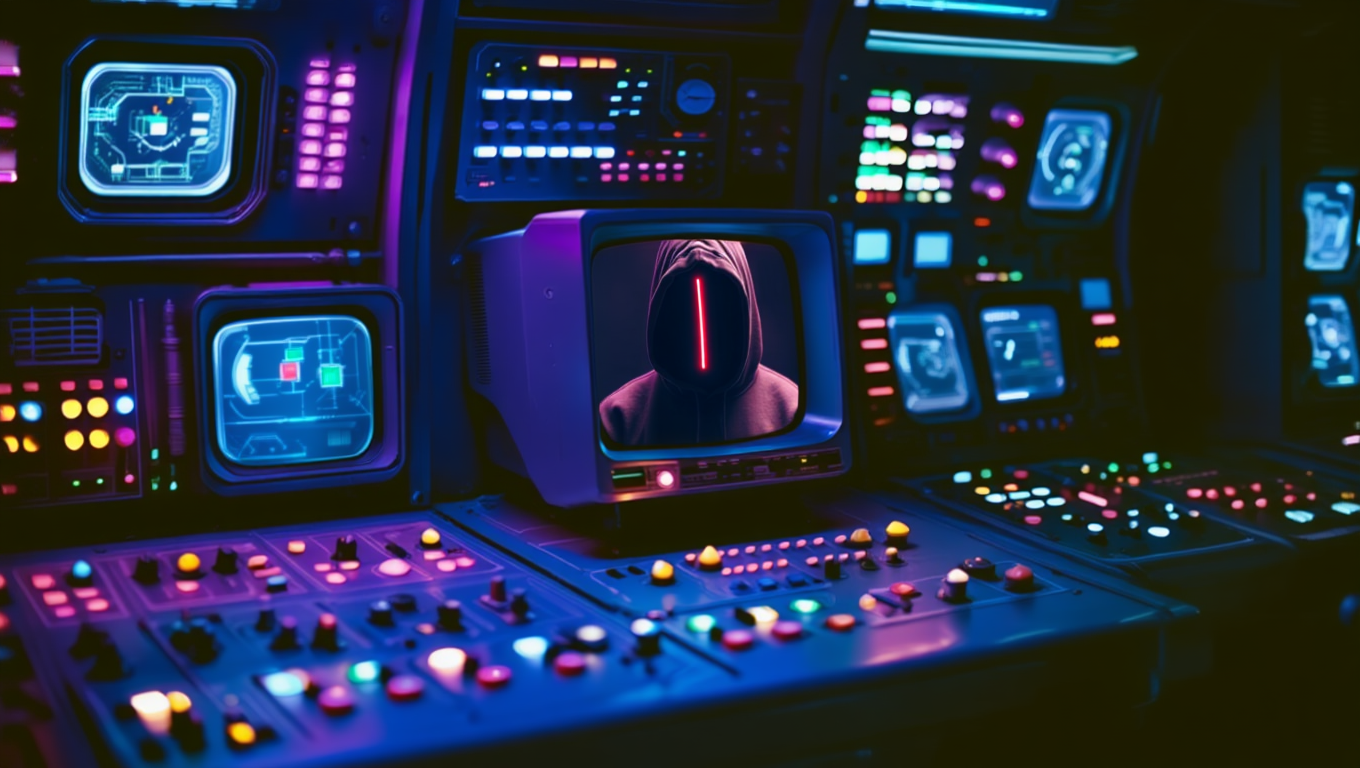
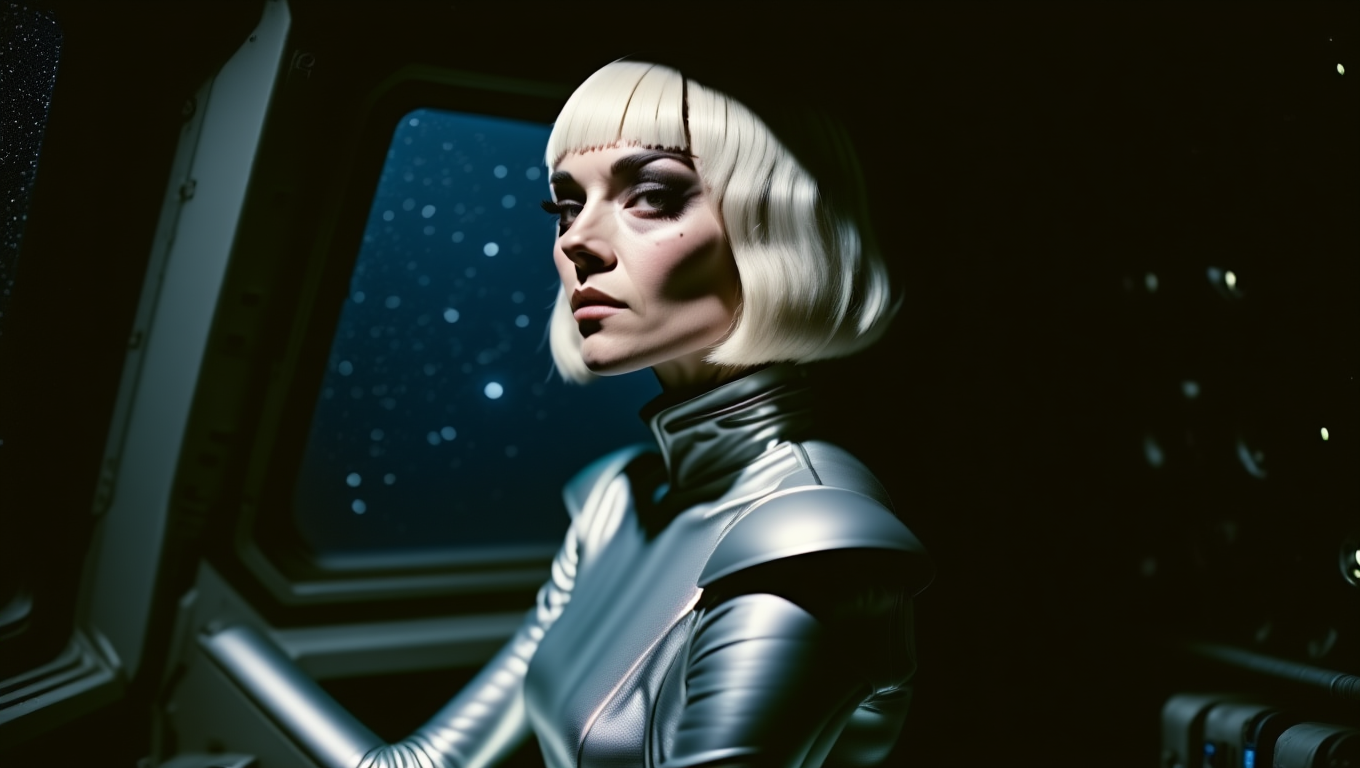
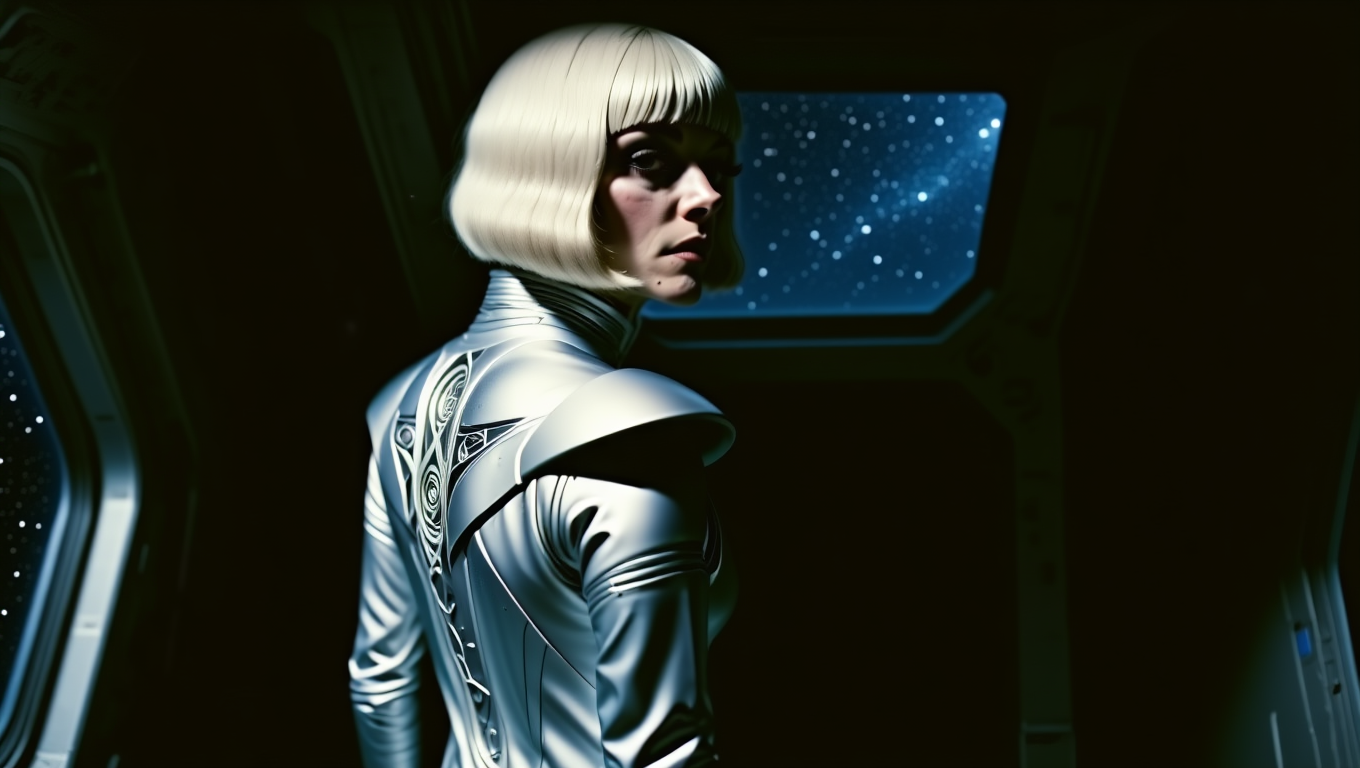
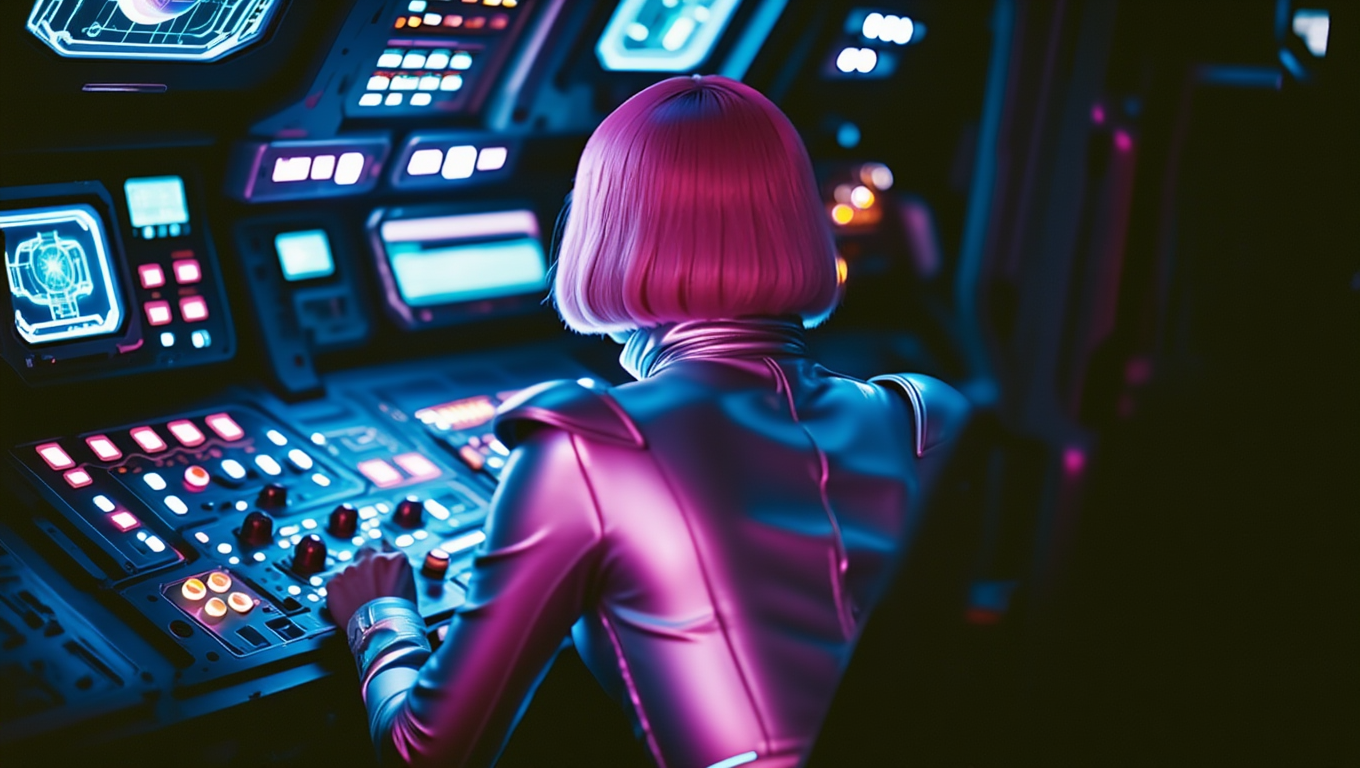
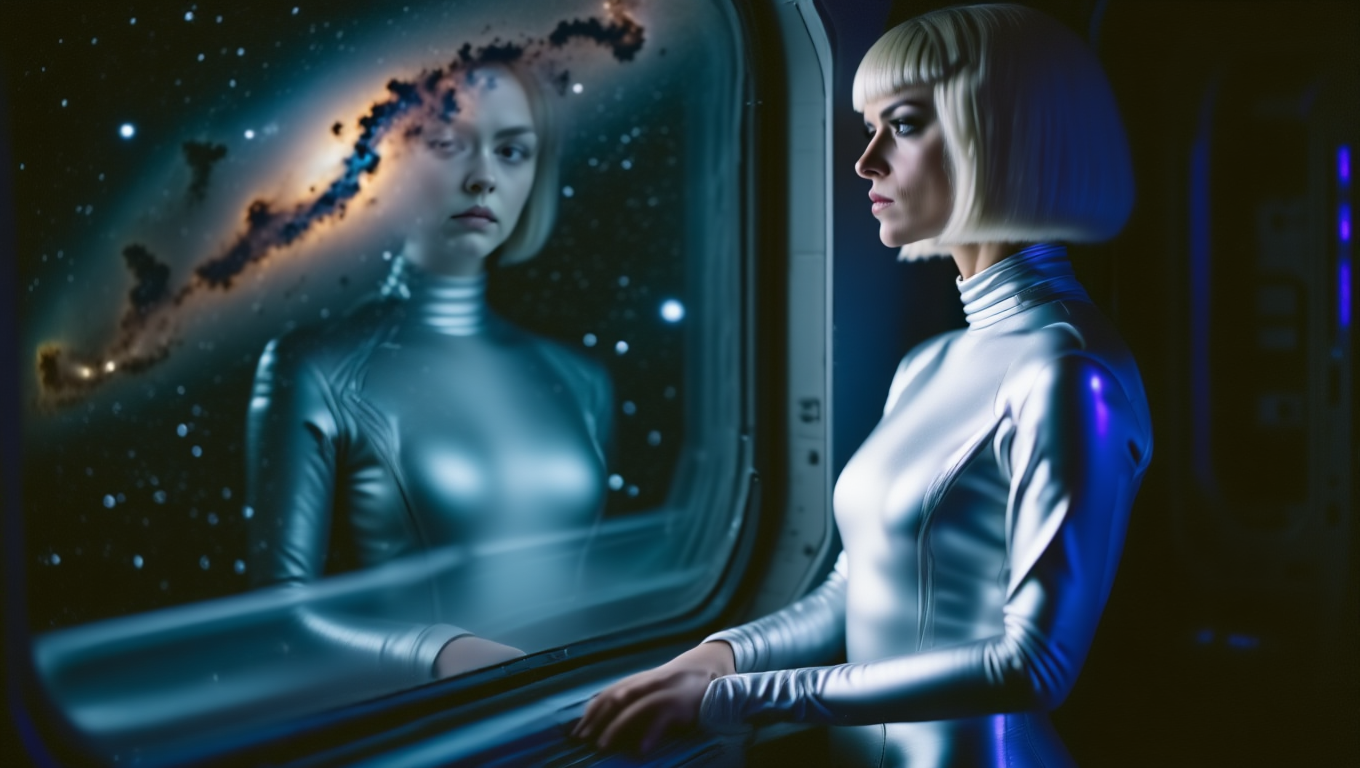
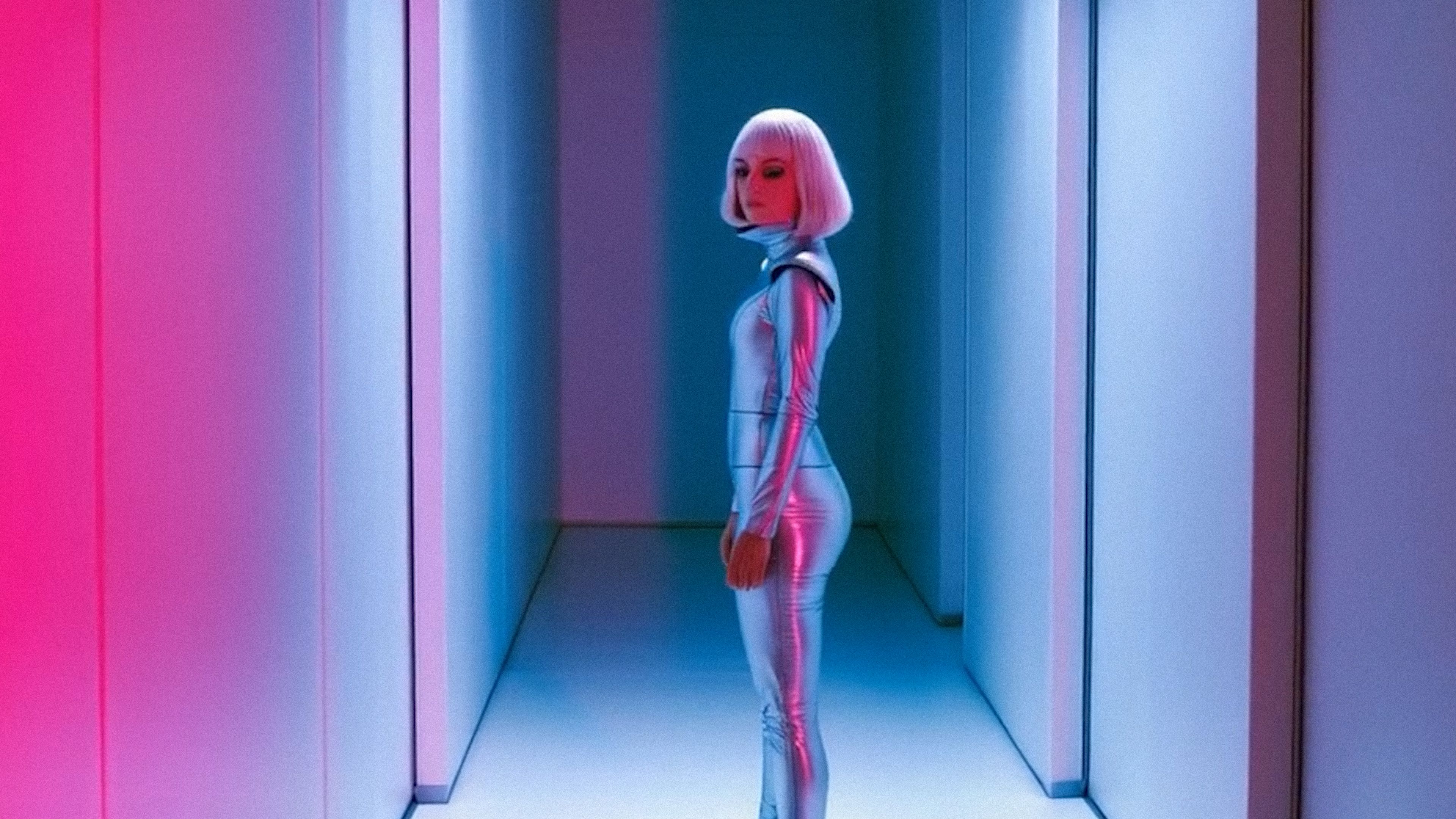
Visually, I wanted a sense of isolation and unreliability: empty starship corridors, flickering lights, electronics you’re not sure you can trust, and space itself constantly there in the background. Sometimes it feels eerie and uncomfortable, sometimes strangely comforting. Saera doesn’t really know how she got there or where “there” even is – but she’s very clearly alone, physically and in her thoughts, still searching for that spark.
You might also notice a small Easter egg: a brief nod to my previous collaborative project. The moment where the male voice cuts through feels like a transmission breaking into Saera’s closed loop – a single line from the “outside world” echoing her current reality back at her. And then it’s gone again. It’s there just long enough to tilt the floor under your feet a little, one of those tiny glitches that keep you slightly off balance without ever fully explaining themselves.
What it does
Do You Know How I Feel is meant to feel like tuning into a late-night sci-fi broadcast from the 60s. Visually, it leans into that retro space-show aesthetic: grainy textures, slightly wobbly “future tech,” lonely corridors and unreliable lights. It’s the future we imagined decades ago, but the emotion running through it is very current – disillusionment, repetition, that feeling of drifting and not quite knowing where “home” is anymore.
The EDM track underneath doesn’t break that spell – it amplifies it. The beat keeps pulling you forward while the world on screen feels suspended, almost static, like you’re stuck on a ship that won’t quite move. There’s unease and tension there, but it’s mostly internal. The lyrics are intentionally sparse and repetitive, circling around that one central question – Do you know how I feel? – until the final “feel, feel, feel” starts to sound less like a line and more like an echo in an empty hull. It’s meant to be a little haunting, a little unsettling, but also strangely compelling – the kind of thing you want to replay because it feels like you didn’t quite catch all the layers the first time.
More than anything, the video is designed to sit in that in-between space: not full horror, not comfort, but that liminal zone where isolation can feel both threatening and weirdly soothing. You don’t know exactly how she ended up on that ship, or even what there is – you just know she’s alone with her thoughts, with the track, with this nagging sense that something’s missing. The goal isn’t to answer the question in the title, but to make you recognise the feeling in yourself.
How we built it
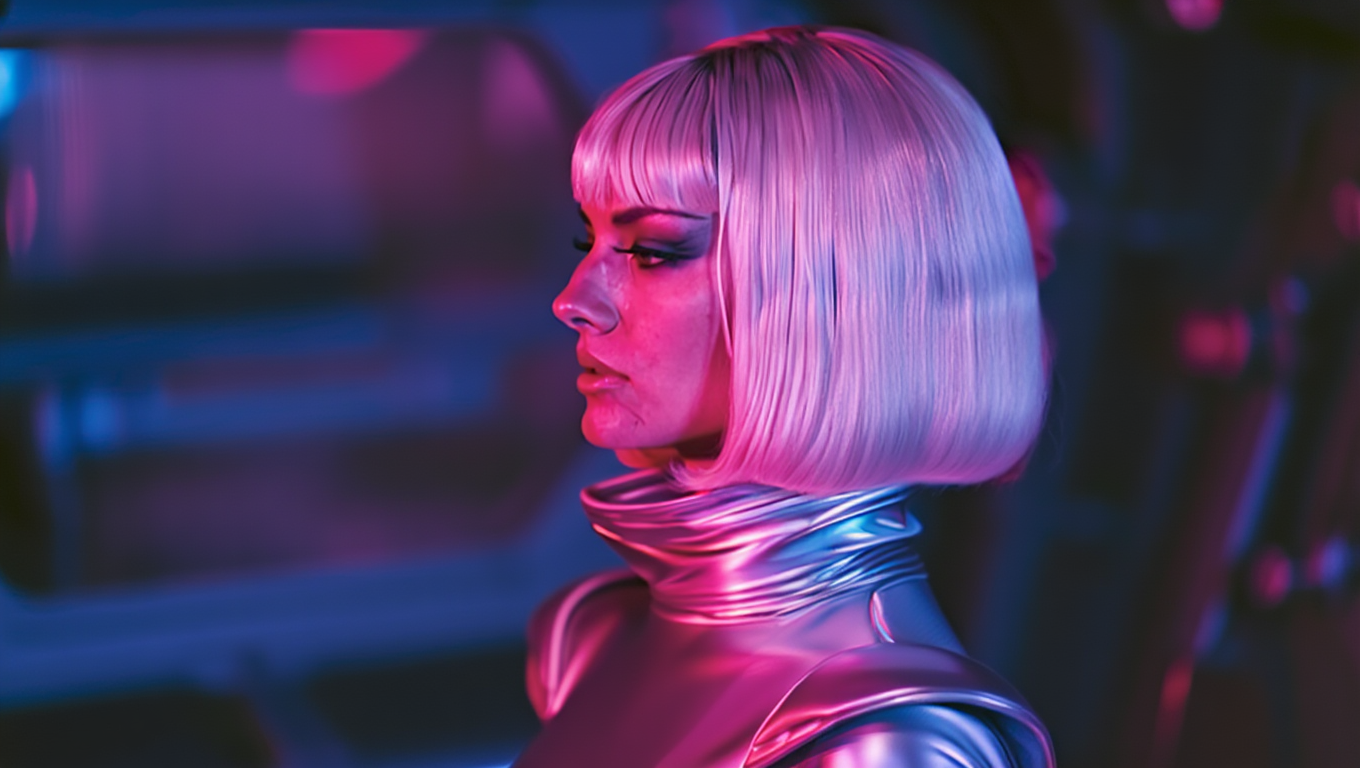
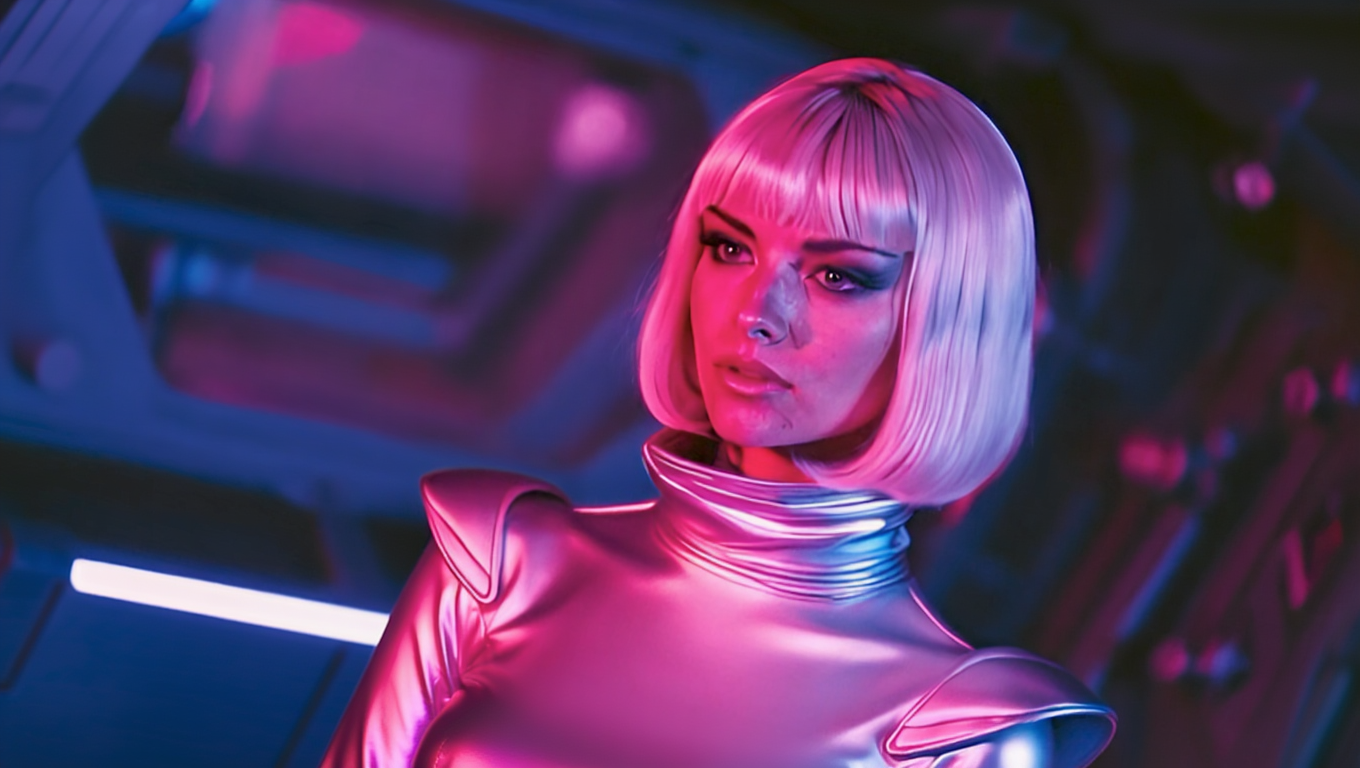
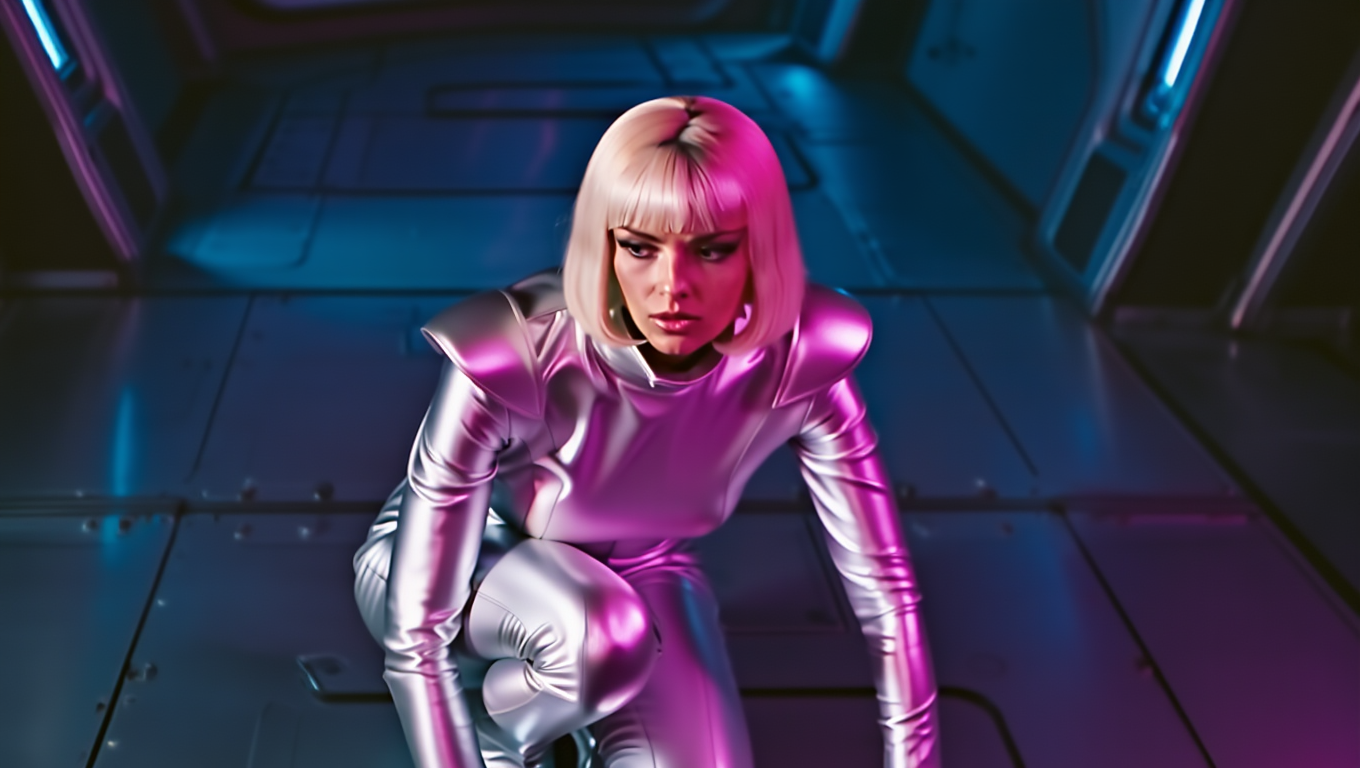
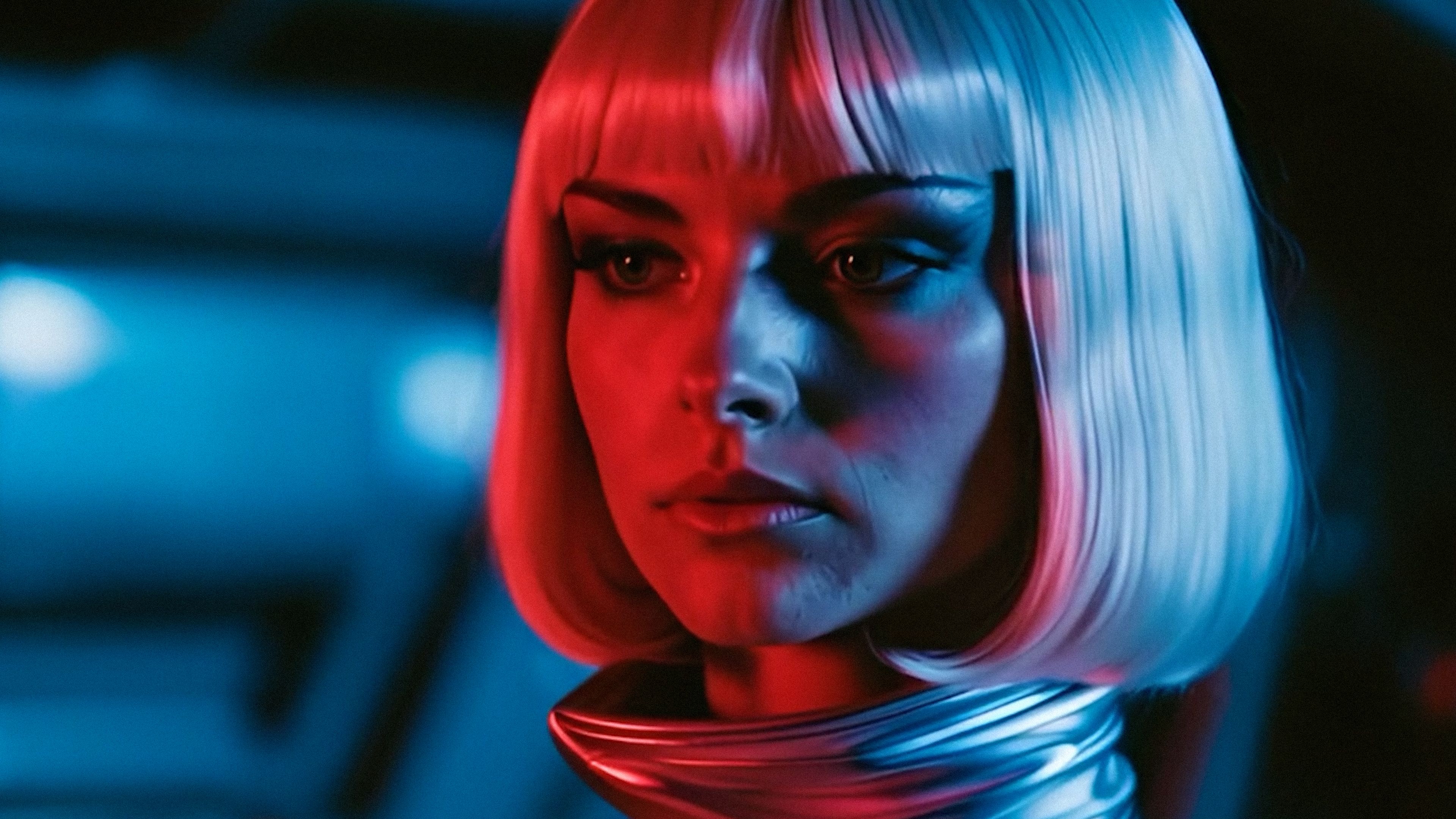
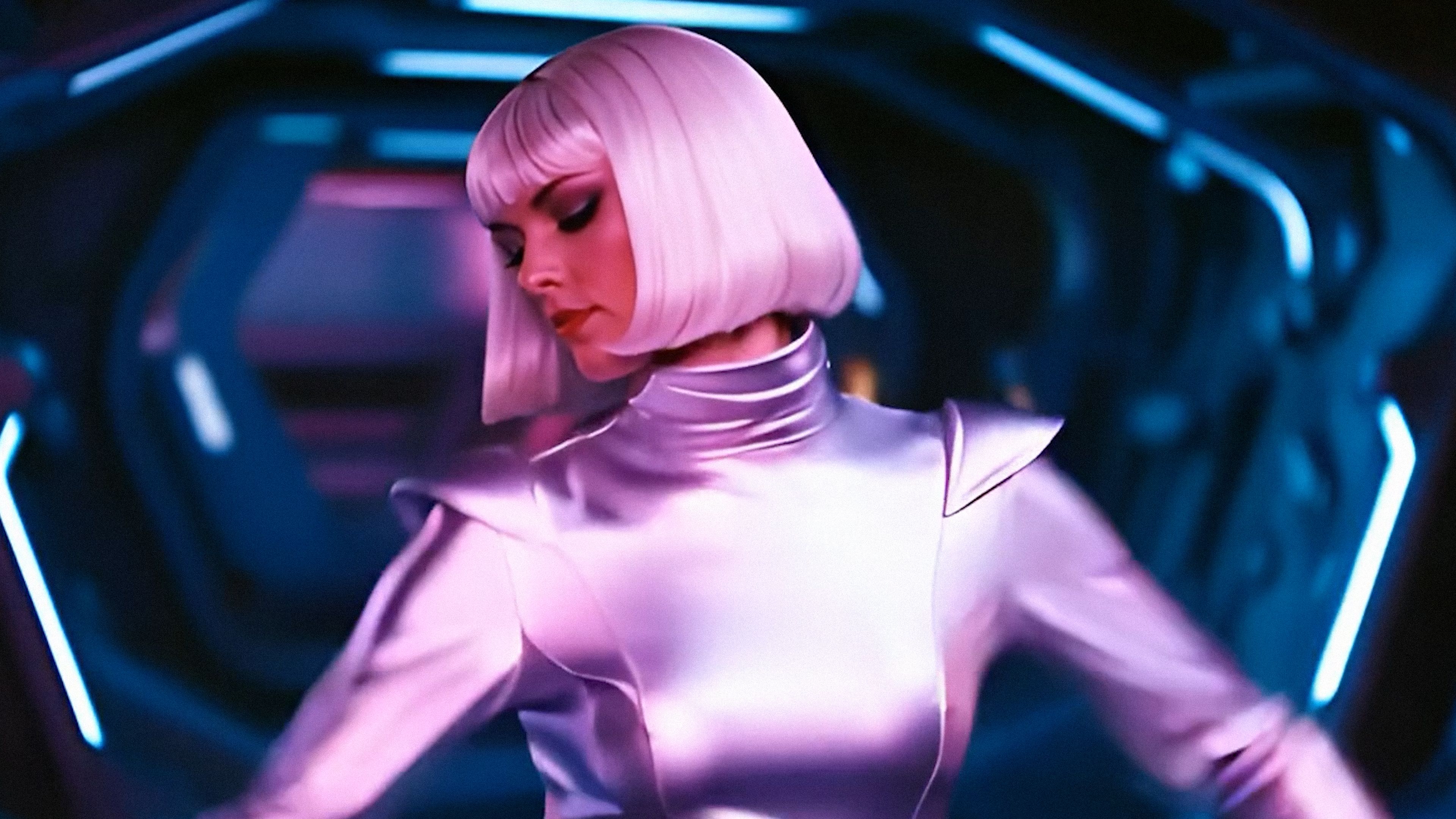
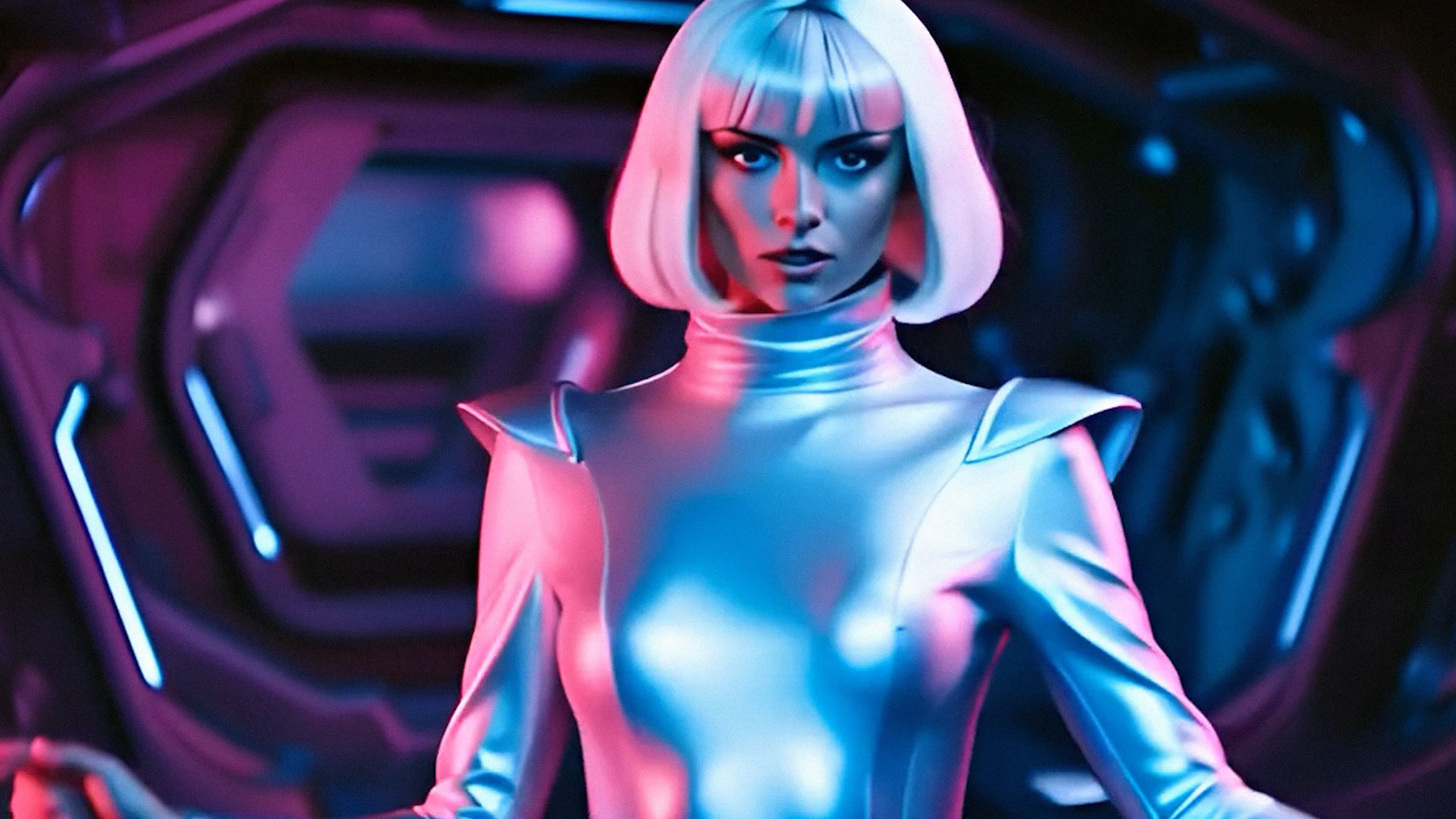
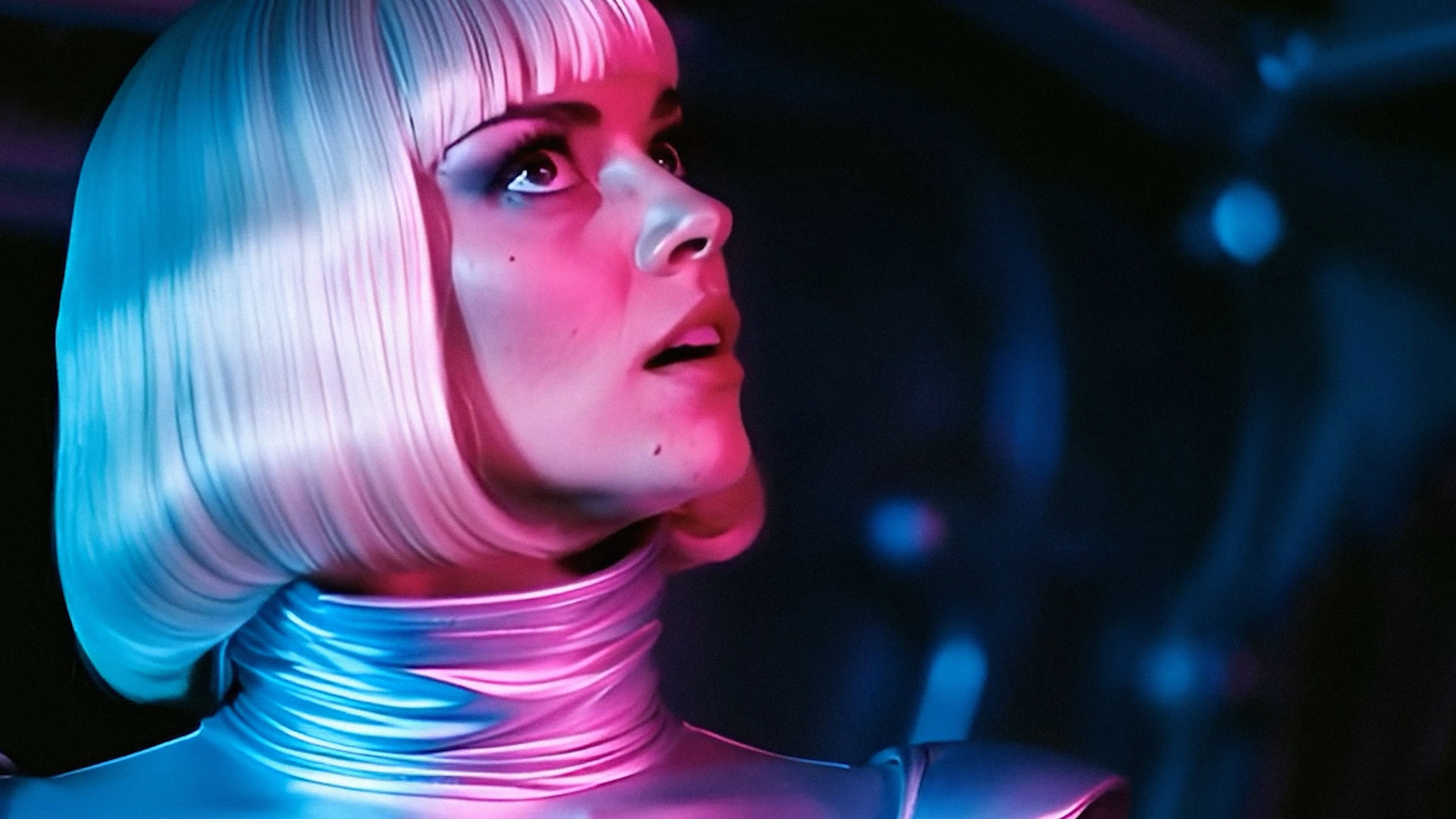
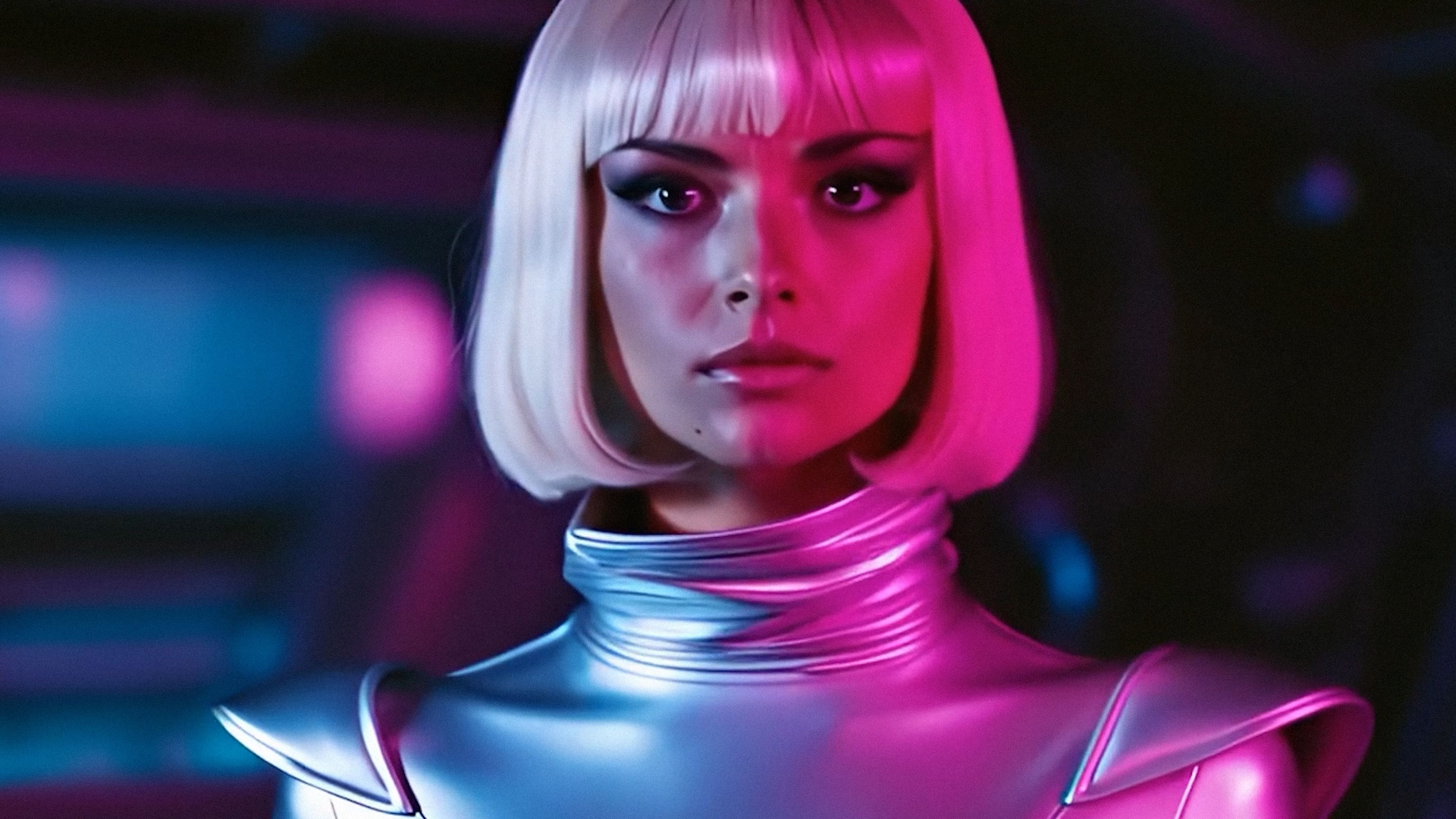
I started by creating the track itself in Suno. Once I had the version I was happy with, the video almost snapped into focus on its own. I knew I wanted to keep expanding Saera’s universe – this time focusing on the “parallel-world” Saeras – so I went back to the visual DNA we’d already built. I pulled stills we had generated with Aidan Yagu for Edge of Being (some original REVE generations, some actual video frames) and returned to REVE to create new material for this project: Saera in a retro space suit that, just like in the old movies, is more fashionable than practical, wandering around an old starship. The blue, neon and red glow that run through Edge of Being and Blue Light are here too, so the colour palette ties this “room” of her universe back to the others.
Since I still had a HailuoAI subscription for the month, I tested generating some stills there as well – but for this project, REVE simply did a better job of keeping both the character and the retro spaceship environment consistent, so it became my main stills generator. Once I had enough images, I started creating video material in HailuoAI and Grok Imagine. Grok_Imagine handled most of the dancing shots, because I could regenerate many similar clips for free using the same prompt – just nudging the movement while keeping everything else stable. HailuoAI came in for selected dancing moments and, more importantly, for longer narrative clips where I needed smoother motion and continuity, but I had to be more mindful of credits usage there.
When there was finally enough footage to work with, I brought everything into Adobe Premiere Pro. I rough-cut the basic timeline first, then kept iterating: generating more stills in REVE and more motion clips in HailuoAI and Grok:Imagine to fill gaps, refine transitions and emphasise key beats. The final video is essentially that loop: music first, then Saera’s world built on top of it with a mix of old material, new generations and a lot of careful stitching until it felt like one continuous, lonely starship dream.
Challenges we ran into
I’m actually quite excited to talk about this part, because one of the “challenges” ended up becoming the biggest asset.
While generating the dancing clips (and I’d already seen this in previous collaborative projects with Aidan Yagu), it became clear again that dancing “well” is still hard for many current AI models. I’ve heard others say the same. Slow, sensual movement is easier – but high-energy dancing often turns a bit strange.
So when I generated the first dancing clips in Grok:Imagine and dropped them into the Adobe Premiere Pro timeline, I knew immediately: this isn’t a flaw, this is an asset. It had this wonderful “alien trying really hard to pass for human” energy. Space Saera can’t really dance, but she’s trying anyway. She’s alone, nobody’s judging her, and she’s having fun.
I decided to lean into that. “Embrace your weird” is the takeaway here. The result is clumsy in places, but in exactly the way that makes it feel oddly charming and very, very human. And since this is an EDM track, there is a lot of dancing – which makes that off-kilter energy part of the character, not a flaw.
Beyond that, the challenges were the more familiar ones:
Character consistency – keeping Saera’s facial features, hair, clothing and even body type reasonably stable from shot to shot. Tiny things tend to drift: beauty marks, wrinkles, cheekbone shape, the exact texture of her bob (sometimes a bit wavier), and so on. The same goes for environment details. The goal wasn’t perfection, but preserving the illusion: as long as it still feels like the same Saera in the same story, the spell holds.
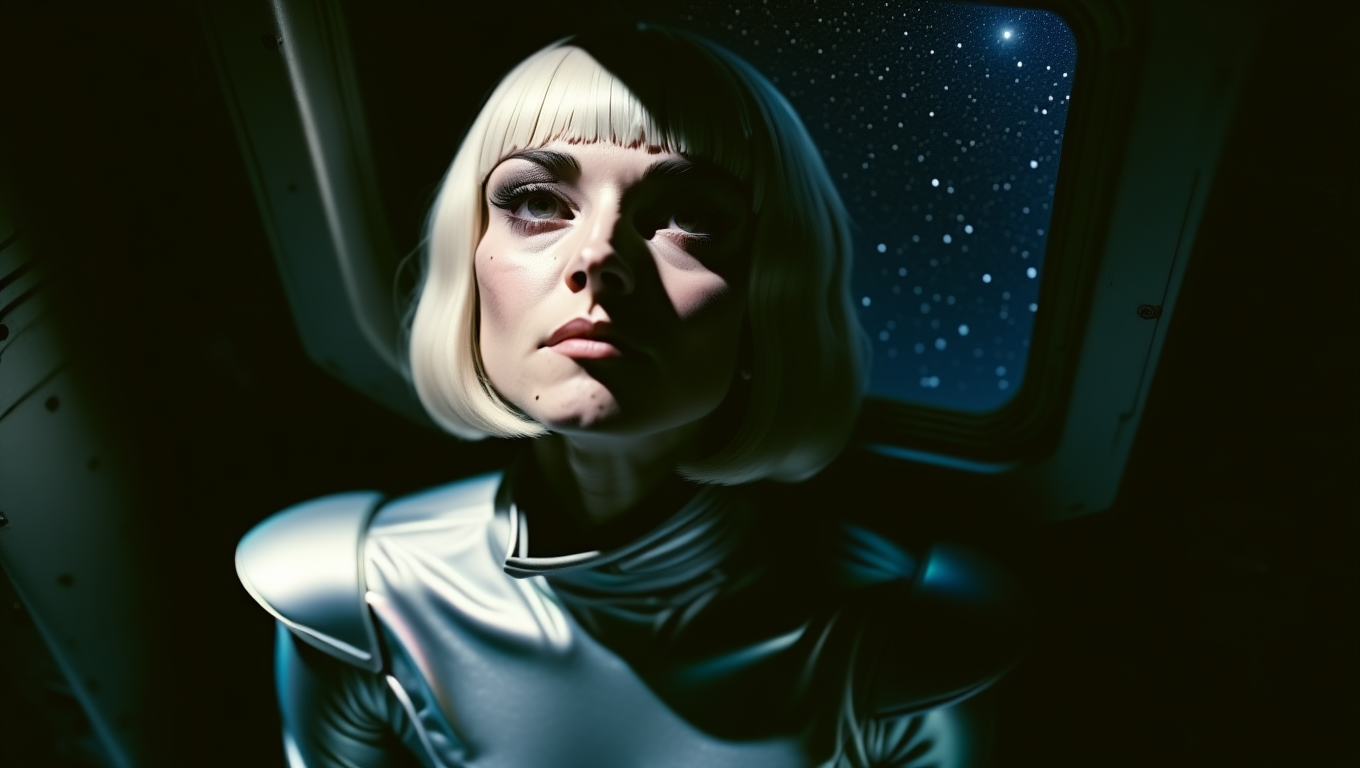
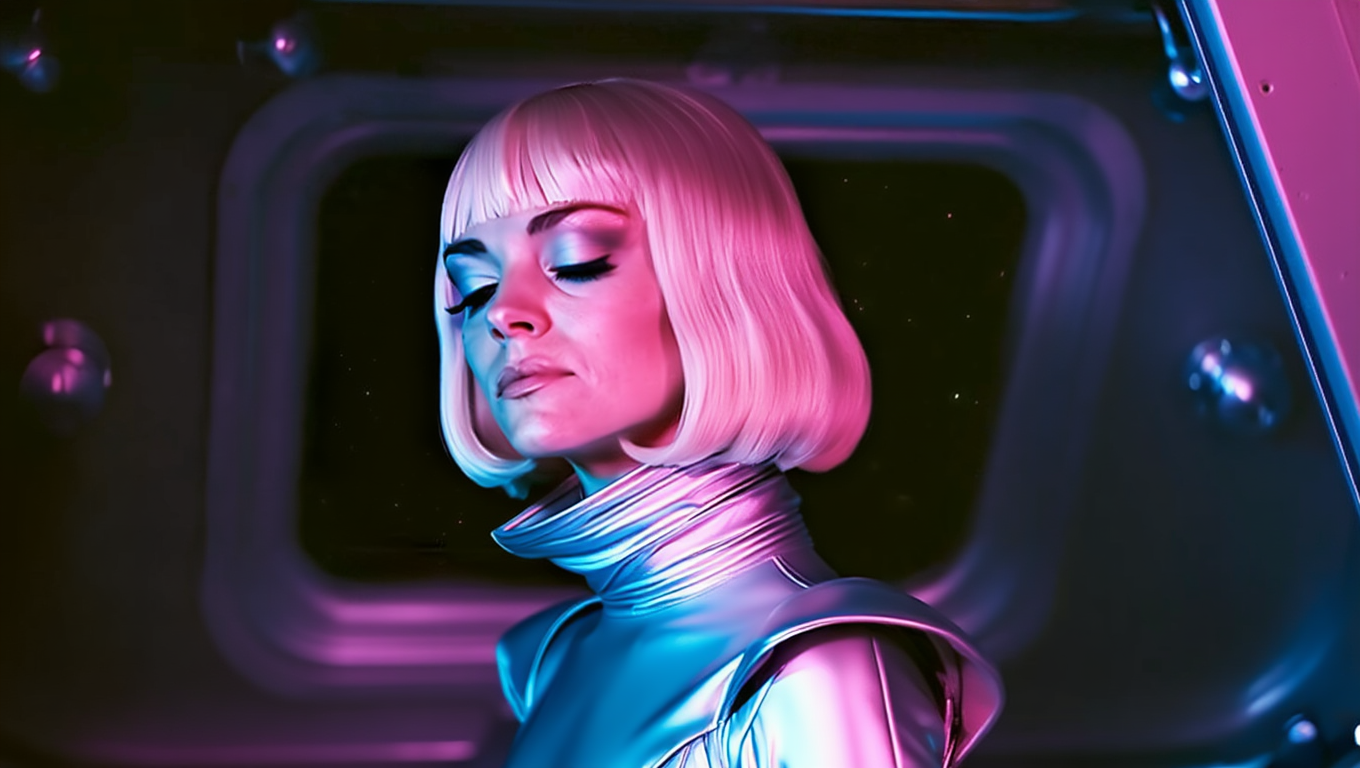
Model consistency – balancing visual differences between REVE, HailuoAI and Grok:Imagine. Each model has its own “fingerprint,” so there were cases where I had to decide whether a shot stayed or went. There’s a space-window shot, for example, where her face is noticeably different – but I simply couldn’t let go of it, because the shot itself was too strong. So you constantly negotiate with yourself: does this add to the project, or does it break it? You have to make a call and not chase “perfect” after ten attempts. I’ve come to feel that these current limitations aren’t really obstacles if you lean into them. As you can see here, they can actually add something creatively.
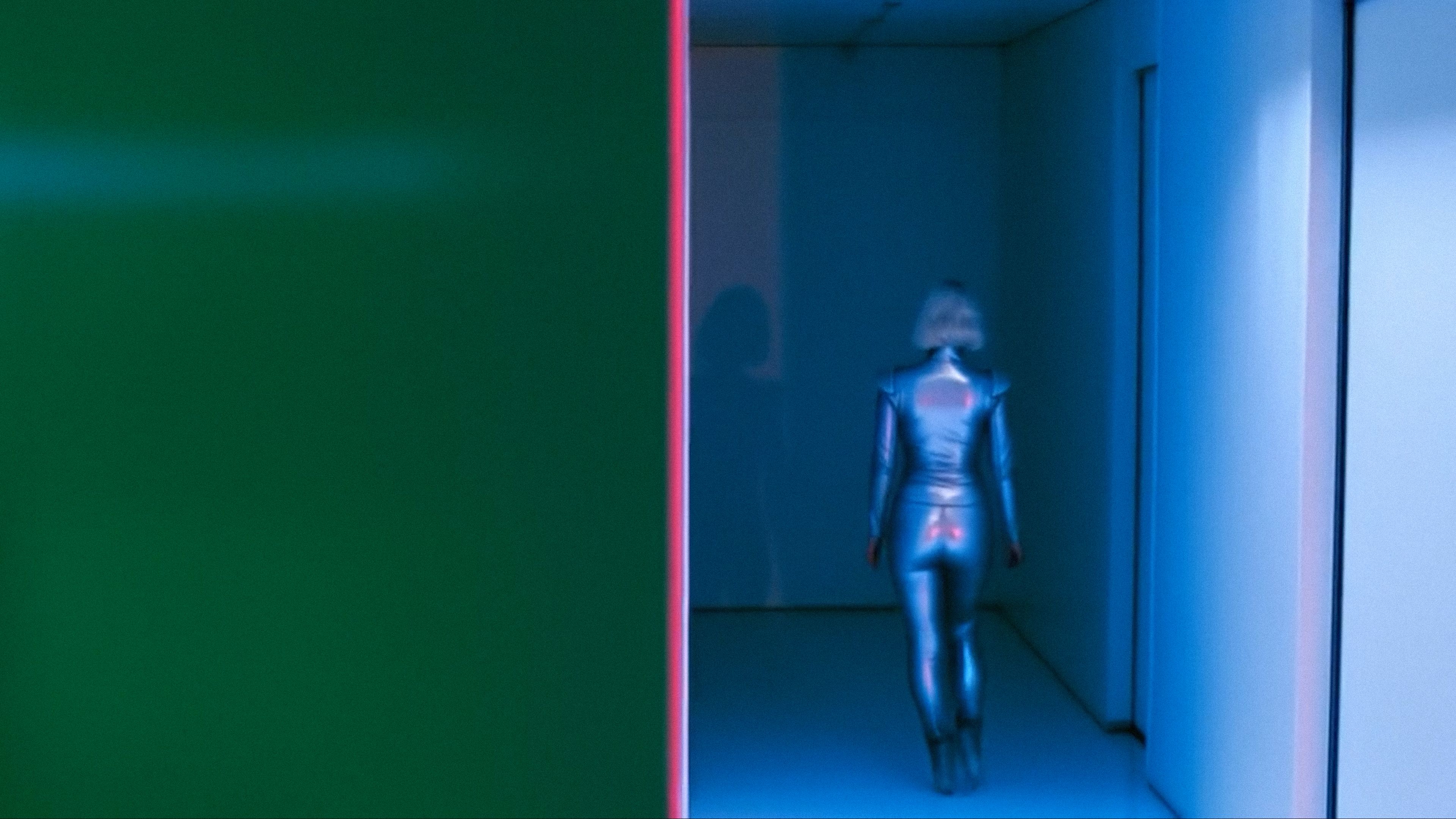
One last, stubborn challenge was the final scene, where the camera glides left and reveals the wall. After I’d burned through all my HailuoAI credits, I had to settle on a version where the camera movement was great, but Saera walks off in a slightly odd way and sort of disappears into the corner / wall. In a perfect world I’d have regenerated that shot a dozen more times – but this wasn’t a perfect world, it was a very real budget. So I made myself let it go. I liked everything else about the shot, and honestly – it’s a strange spaceship. Weird things happen there.
Accomplishments that we're proud of
What I’m most proud of with Do You Know How I Feel is that it actually does the thing I wanted it to do: it feels like you’ve switched on a slightly battered sci-fi TV show from the late 60s… and instead of a camp parody, you get something strangely emotional, modern and a bit haunting. It’s a homage, not a museum replica – it’s not meant to accurately imitate a 60s film, it’s meant to feel like one. And I think it does.
A full little world from almost nothing: The song and lyrics themselves are incredibly sparse – four short lines, a repeating last word, and a lot of space. It could’ve easily felt flimsy or empty. Instead, paired with this retro-space setting and an edit that leans into repetition and echo, it turns into a mood you can actually sit in: disillusionment, searching, drifting, but somehow still moving.
For a track this minimal lyrically, I’m genuinely proud of how much emotional weight it carries once audio and visuals lock in. For me, audio and visuals are symbiotic – they complete and complement each other. Once you’ve seen the visuals, you carry that story, that mood, even if you’re later just listening to the track on Spotify. The visuals set the emotional frame the song lives in.
Expanding Saera’s universe in a way that makes sense: To me this video doesn’t feel like a random aesthetic experiment tacked onto a random EDM track – it feels like the next “room” in Saera’s parallel universe. Edge of Being was the club, Blue Light was the sleepless apartment, and now this one is the retro starship in the future-we-imagined.
It’s not a linear narrative, but it is cohesive. The colour language, the isolation, the analogue-feeling textures – all of it ties back. I’m proud that you can watch all three and feel like you’re following the same character through different timelines, not three unrelated AI reels.
Turning AI imperfections into character instead of flaw: The dancing is the best example, and honestly one of my favourite things about this project. Instead of fighting the fact that high-energy movement still looks slightly “off” in many models, I leaned into it and let Space Saera be a bit awkward – like an alien trying very hard to dance like a human and almost getting it.
That choice turns a technical limitation into personality. She becomes more endearing because she’s not very good at it, but she’s trying anyway. And what is more human than that? For me, that’s a big creative win: using the imperfection as story, not something to be hidden.
Making AI feel tactile, not sterile: A lot of AI – especially sci-fi – ends up too glossy, too clean, too plastic. It’s that “modern TV effect” where everything is so sharp and smooth you suddenly feel like you’re standing on a set, seeing every pore and every hair. For me, that does the opposite of feeling real.
I need a bit of distance between viewer and image. It should feel intimate and close, but not clinical. Without a little softening and a few imperfections, it’s just not as immersive. Here, the grain, the lighting, the slightly soft edges and imperfect continuity give it that “recorded on tape, archived, found again” feeling I love. It’s nostalgic without slipping into kitsch. I’m proud that the final result doesn’t scream “tech demo”; it reads more like a small, strange, analogue-feeling movie that just happens to have been shot with models instead of cameras.
Using the tools like a camera crew, not a slot machine: Behind the scenes, this project quietly proves (mostly to myself) that I’m not just rolling prompts and hoping for the best. REVE, Grok:Imagine and HailuoAI are all doing specific jobs; Adobe Premiere Pro is where it actually becomes a piece.
The spacesuit, the ship, the window shot, the dance loops – they’re not just “cool gens”, they’re chosen and used with intent. For someone still relatively new to this space, I’m genuinely proud of how coherent and deliberate the pipeline feels now.
That tiny, deliberate Easter egg: And then there’s the little male-voice moment – the nod back to my previous collaboration. It’s small, but it matters: one line that feels like the outside world bleeding into Saera’s sealed-off space, and then it’s gone again. I love that it keeps you slightly off balance, especially if you’ve seen the other videos. It makes the universe feel connected in a way that’s subtle but significant.
Do You Know How I Feel is one of those rare projects where the gap between what I saw in my head and what ended up on screen is actually pretty small – and that, for me, is the biggest accomplishment of all. I think I managed to do exactly what I set out to do: “convey a vibe,” for lack of a better word. And it’s a pretty cool vibe.
I’m also really proud of what I managed to do with the tools I had and a very small budget. If I can build something this cohesive – a full little audio-visual experience that feels like a film – with almost no budget, it does make me wonder what I could do with more resources and support. I honestly hope I get the chance to find out.
What we learned
Do You Know How I Feel proved to me once again: minimalism is only simple on paper. Four lines of lyrics and a repeating final word sounds easy – in reality it means everything else has to carry more weight. The pacing, the mix, the edit, the colour, the way shots linger – all of that suddenly becomes “the story.” I learned that if you strip the text back, you have to be very intentional everywhere else, or it just collapses into “nice wallpaper.”
This project also reinforced how important it is to treat AI material as raw stock, not as finished scenes. The more I tried to accept generations “as is,” the flatter everything felt. The moment I started treating REVE, Grok:Imagine and HailuoAI like a weird, twitchy camera crew – pick this take, discard that one, re-shoot this angle, replace that shot – the world actually started to feel cohesive. It continuously reinforced that the tools are just a part – an integral part, yes – but still just a part of the creative process. The human has the responsibility to steer them. Which is exactly where I want them.
The dancing was its own little lesson in letting go of perfection and, frankly, a charming surprise. Technically, the movement is ever so slightly off – sometimes balance slips, physics gets confused, limbs (especially fingers) go a bit floaty. But creatively, it turned into exactly the right kind of wrong: slightly alien, endearing, almost childlike discovery of movement and dance. Instead of fighting for flawless motion, I learned to ask: is it emotionally true? If the answer is yes, then the imperfect motion is a feature, not a bug.
I was genuinely surprised by how much AI can become a creative partner with strange ideas that turn out to be great assets. It forces you to think off-script, take the side path. We humans can, especially over time, become a bit rigid – even in creativity we still live in a box, even if it’s a big box. We have our inner constraints until an outside factor pings something else. I learned that AI helps you step outside that box continuously, as you learn to work around and use its gifts and weaknesses. It is your partner; you just need to learn to negotiate well.
And then there’s the consistency fight – faces, suits, ship details changing from model to model. That’s still a limitation, and it’s not going away overnight. But this project taught me that I don’t need pixel-perfect continuity for the world to hold; I need just enough for your brain to accept: “this is still her, this is still that ship.” Past that, the slight drift actually adds to the dreamlike, “found tape” feeling. It’s less about beating the tools into submission and more about deciding where to draw the line between “good different” and “breaks the spell.”
Another big thing I learned on this project was restraint – not losing my own vision and voice in all the tools and possibilities. After working with Aidan Yagu on our previous collaboration Run // Gone and seeing his very different editing style – scenes pulsing on every beat, flashy, fast-paced cuts, a layered visual assault in the best way – some of that definitely rubbed off on me. It looks cool, and it was absolutely perfect for the track we built together there.
So of course I was tempted to bring more of that energy into Do You Know How I Feel: faster cuts, more effects, more visual “wow.” But pretty quickly I realised I was breaking the spell of the world I’d just built. Retro sci-fi didn’t have hyperactive editing or wild camera moves. It was often very simple and quite static – long takes, one room, characters and dialogue carrying the tension while the set just… existed around them. Once that clicked, I pulled myself back. There’s one slightly shakier transition in there, and then I stopped. Instead, I leaned into what actually fits this universe: slower pacing, held shots, and just a touch of “single handheld camera” feeling in a few moments to add realism without snapping you out of the 60s-TV illusion.
For me, that was a good reminder: just because I can throw everything I’ve learned and every trick I’ve picked up at a project doesn’t mean I should. The style has to serve the world, not the other way round.
Mostly, though, I learned that my instinct about this whole Saera universe was right: audio and visuals really are symbiotic for me. Once the song exists, the video isn’t optional decoration – it’s the missing half of the feeling. And once that video exists, it feeds back into how you hear the track forever. That circular loop between sound and image is where I’m clearly supposed to live.
What's next for Do You Know How I Feel
As a project, Do You Know How I Feel is done – the track is mastered, the little retro starship is built and drifting through space. The next step is making sure it doesn’t just sit there.
In the short term, that means giving it a proper life across platforms: lots of small, intentional fragments – short clips for reels, looping dance moments, those slightly uncanny hallway shots, the space-window scene living their own little lives as standalone visuals. Because the lyrics are so minimal, this project is perfect for reuse in tiny doses. I want people to bump into it sideways: a loop on their feed first, the full video second, the track on a playlist third. Not everything has to be consumed in one sitting to make sense; this one is built to haunt a little.
Racing to the Chroma Awards deadline meant I didn’t really have time to seed it properly across socials yet – that’s definitely the next practical focus.
Artistically, Do You Know How I Feel opens up another branch of Saera’s universe that I want to come back to: the “future we imagined” aesthetic. I adore this slightly awkward, analogue-flavoured sci-fi – the kind of future our grandparents thought we’d have – and there’s a lot more to explore there. But not only there. No matter the setting – apartment, club, starship or somewhere else – I know I don’t want to lose that tactile feeling: a bit of grit, a bit of texture, something that keeps it from becoming sterile.
Behind this is the bigger arc: Do You Know How I Feel is another puzzle piece in a longer Saera story – Edge of Being, Blue Light, Run // Gone, and now this. I’m not done with Saera – or either of the Saeras and their respective universes. This video, like the others, proves I can get pretty close to what I see in my head, and that it’s incredibly rewarding to build these little worlds and soundscapes.
The next step is to see how far I can push that: bigger – or simply different – worlds and “rooms,” more stories, more exploration of what it means to be human. I’m also curious to branch out into parallel projects. A short story, perhaps? Something else? I’ve just discovered a giant sandbox and I’ve barely scratched the surface. Either way, I’m very excited about whatever comes next.


Log in or sign up for Devpost to join the conversation.