Inspiration
I started by questioning how websites defend themselves today. Most systems are static. They wait for an attack, block it, and stop there.
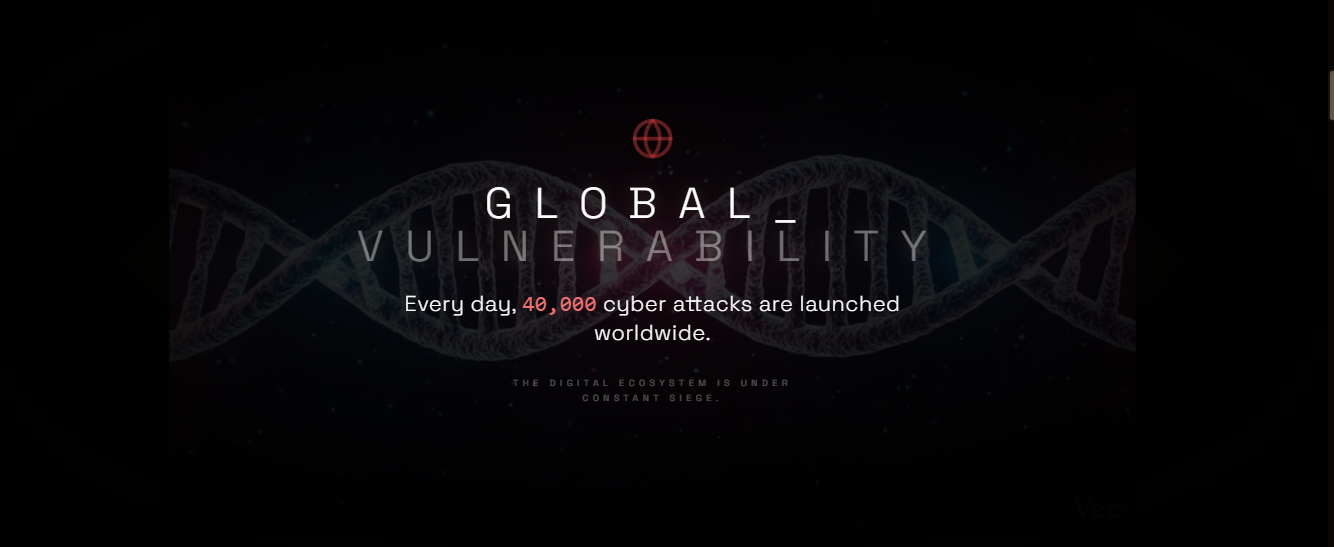
But attackers evolve constantly. Which creates a gap: defense stays fixed while threats keep changing.
That led me to a simple idea:
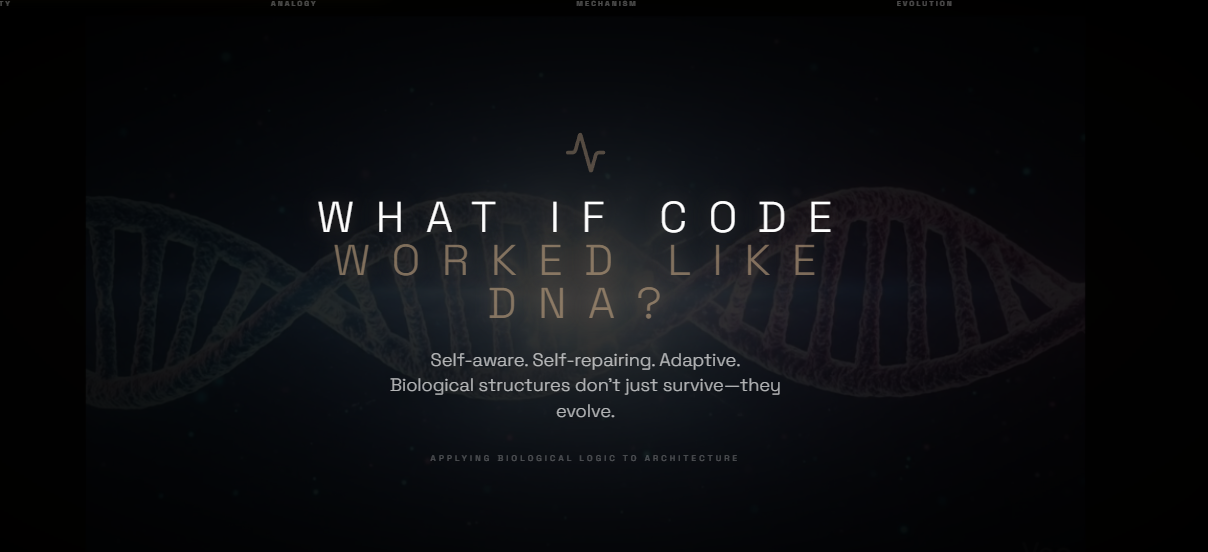
What if websites behaved more like living organisms?
#Concept
In biology, DNA adapts. When something harmful happens, the system responds, repairs, and becomes stronger over time.
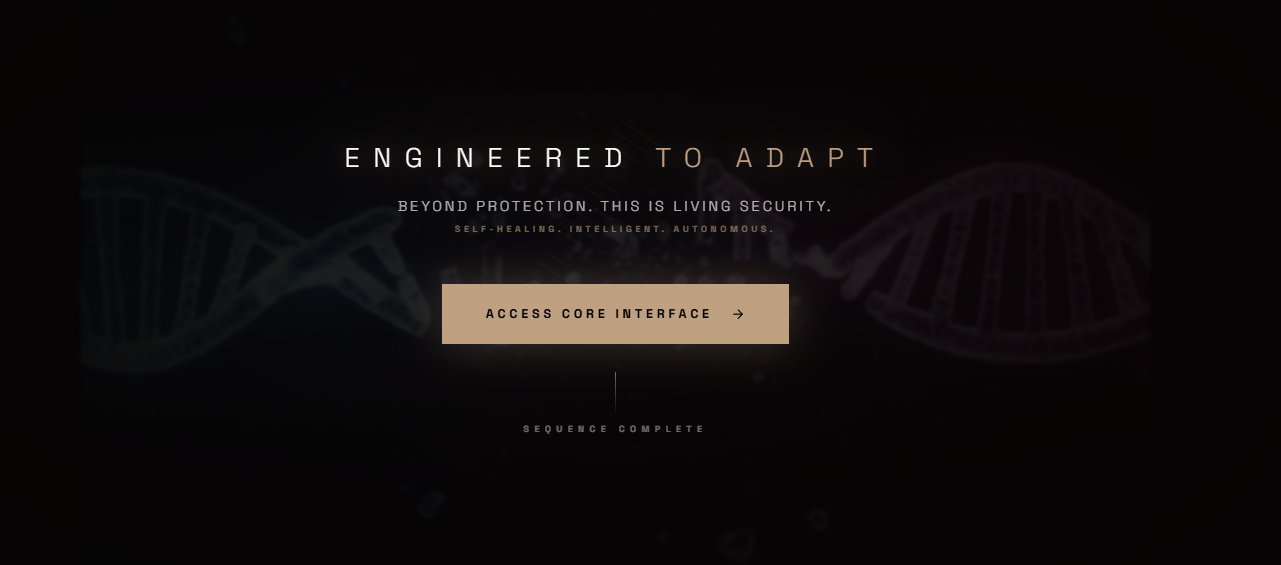
Web DNA brings this idea into cybersecurity.
It is a simulator where:
Attacks act as mutations The system detects the threat It repairs the vulnerability And then evolves its future defenses #AI
AI is not just an add-on here, it is the core driver.
It:
Analyzes the attack Decides the repair strategy Explains what happened Improves future responses
This makes the system not just reactive, but intelligent and adaptive.
HowItWorks
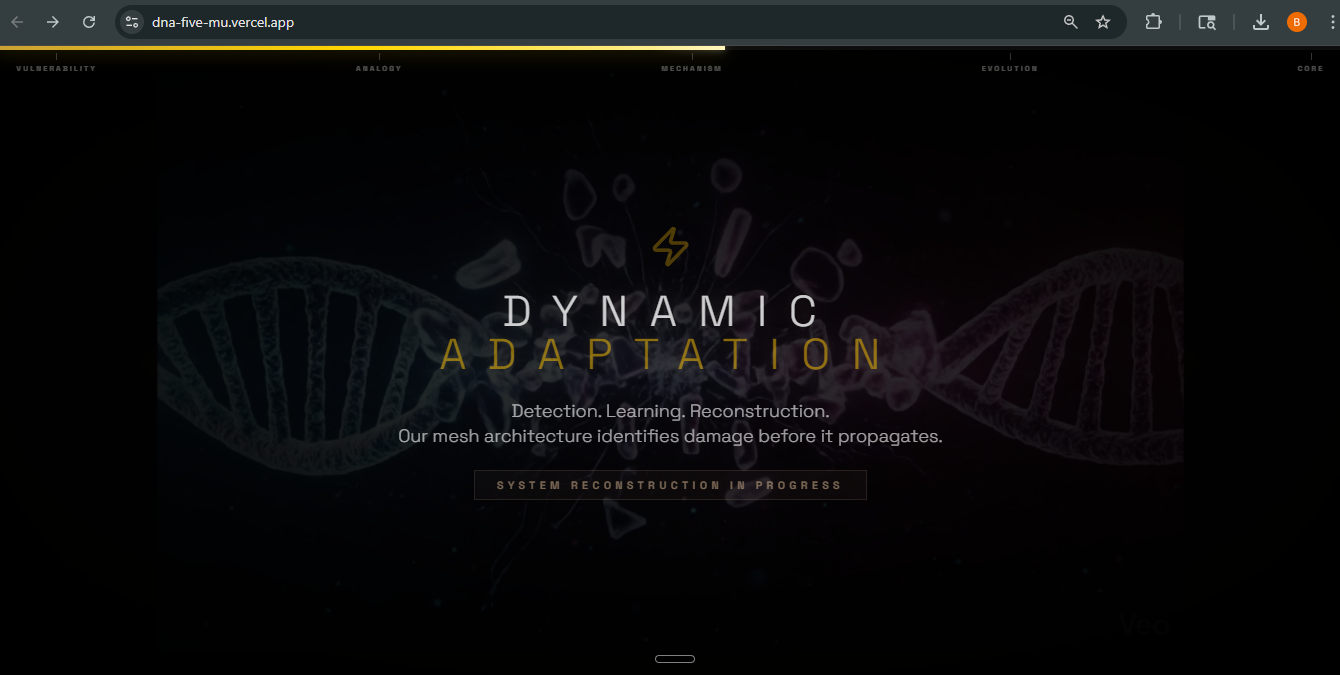
Attack → Detection → Repair → Evolution → Stronger System
Each cycle makes the system more resilient than before.
#Impact Cyberattacks are increasing in complexity Traditional systems are reactive Security needs to become adaptive and self-improving
Web DNA explores a shift from:
Defense → Evolution
#WhatMakesItDifferent Treats cybersecurity like a biological system Focuses on learning from attacks, not just blocking them Uses AI for both action and explanation Demonstrates a future-ready model, not just a tool #Vision
This is currently a simulator designed to prove the concept.
The long-term vision is to bring this adaptive model into real-world systems, where websites can learn, evolve, and defend themselves automatically.
#Tagline
“Turning security from defense into evolution.”


Log in or sign up for Devpost to join the conversation.