Inspiration
I have always loved cooking. For four years, I lived alone, and cooking was the ritual that grounded my days. It brought structure, creativity, and a sense of comfort to otherwise quiet evenings.
After getting married, cooking became something we shared. My wife is a true foodie and constantly sends me recipes from TikTok, YouTube, and random corners of the internet, sometimes while I’m working, sometimes weeks or months before we actually plan to cook them.
Eventually, a familiar moment would happen:
“Do you remember that recipe I sent you three months ago? I want you to cook it.”
That is when the friction began. Endless scrolling through messages, lost links, forgotten videos. Even after finding the recipe, new problems appeared: missing ingredients, improvised grocery lists, forgotten pantry items, and disruptions right in the middle of cooking.
Dlishe was born from this very ordinary, very human frustration, the gap between discovering a recipe and actually turning it into a meal.
What it does
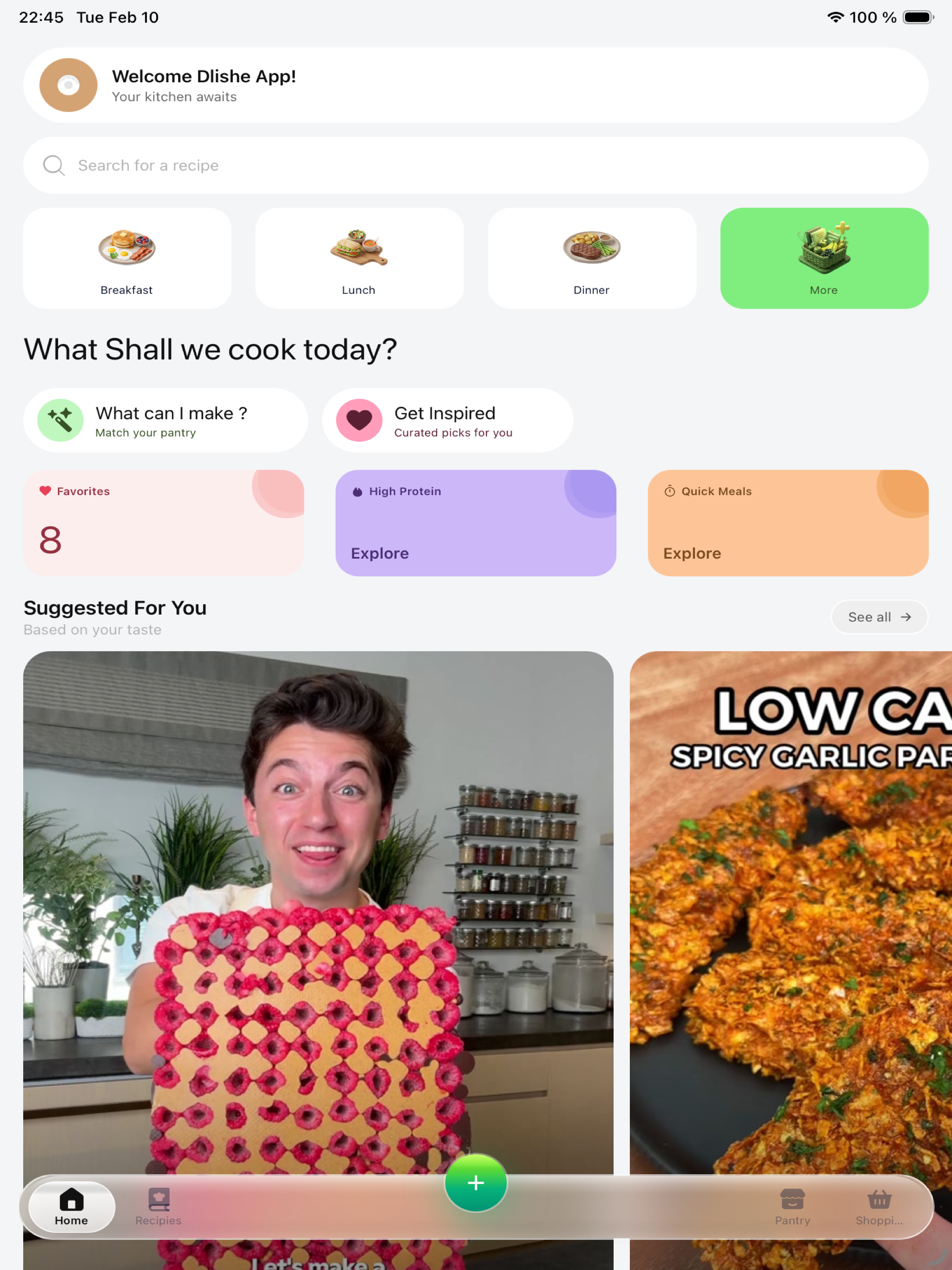
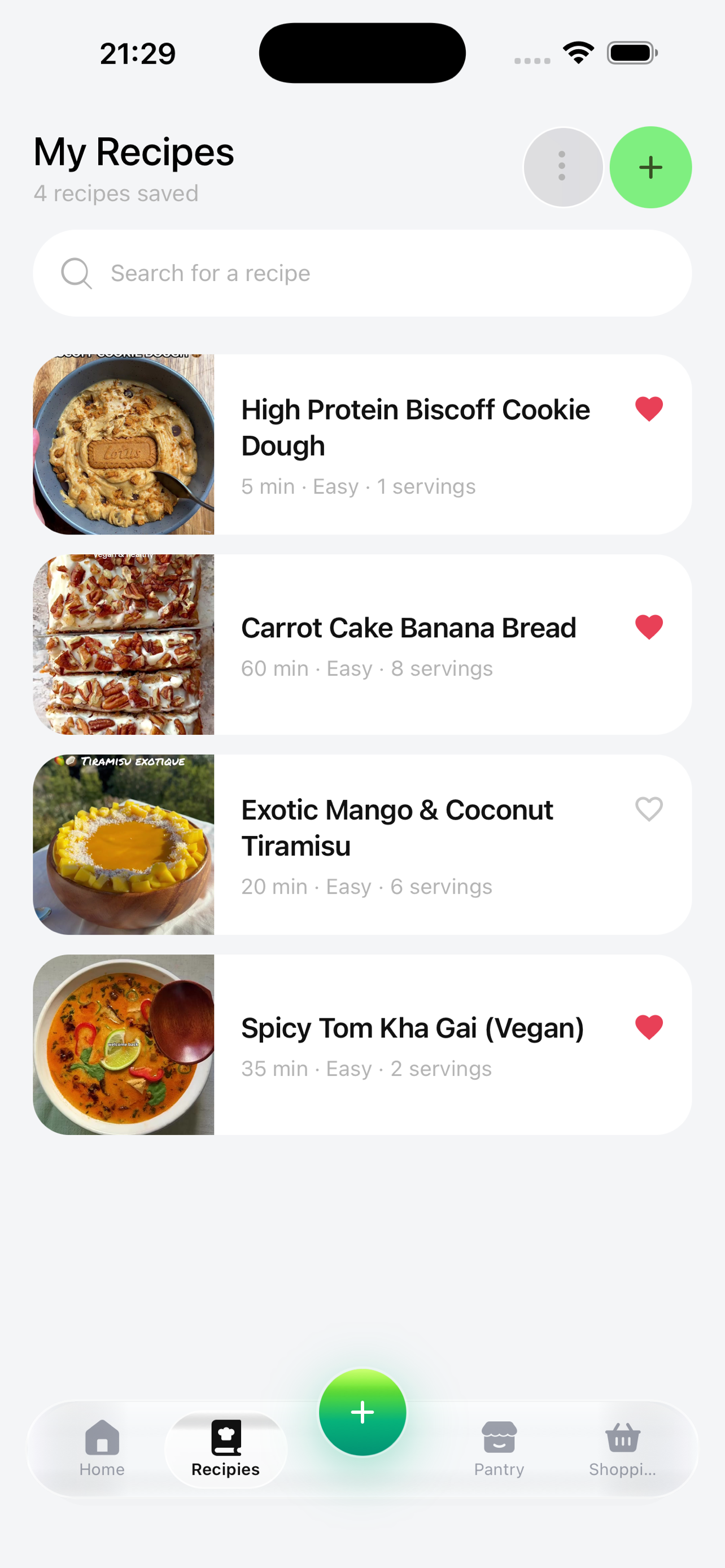
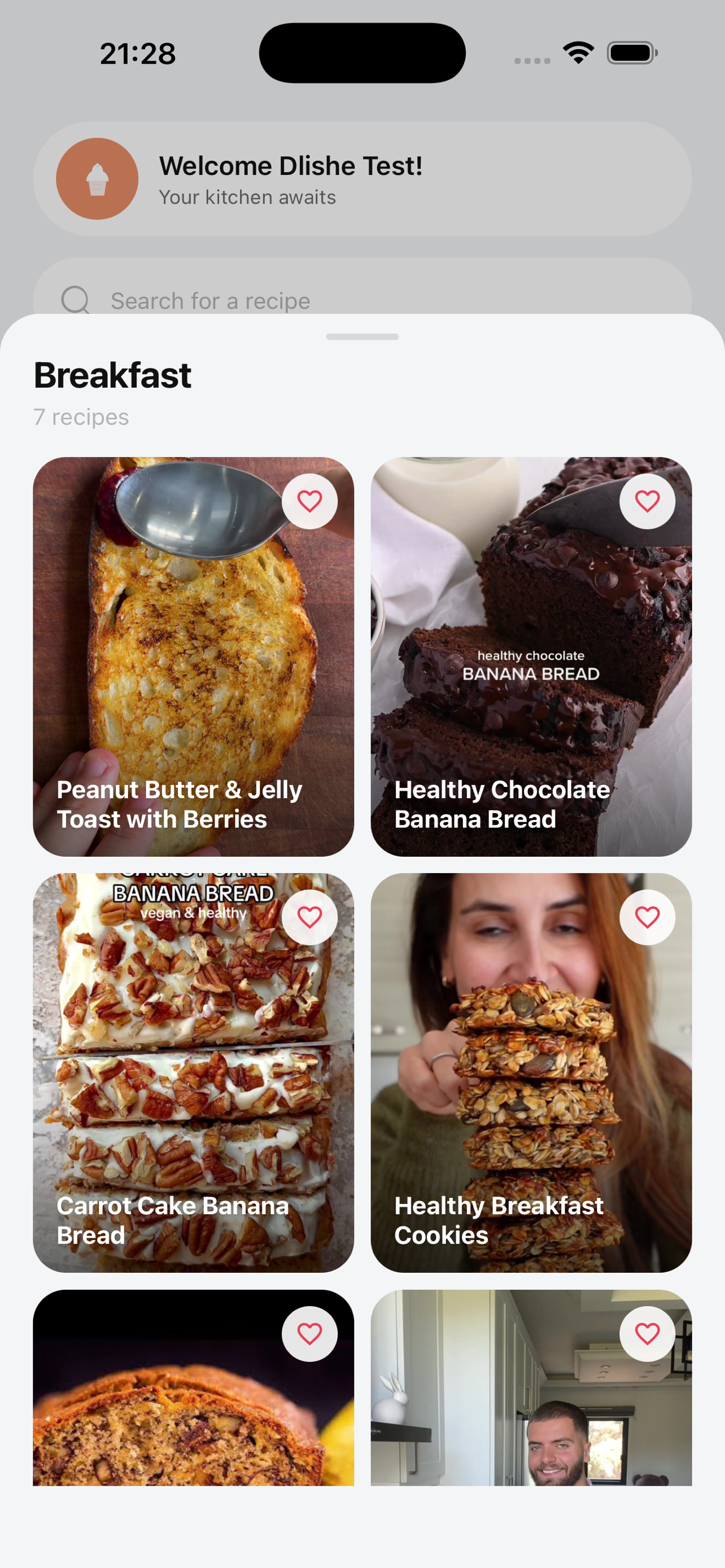
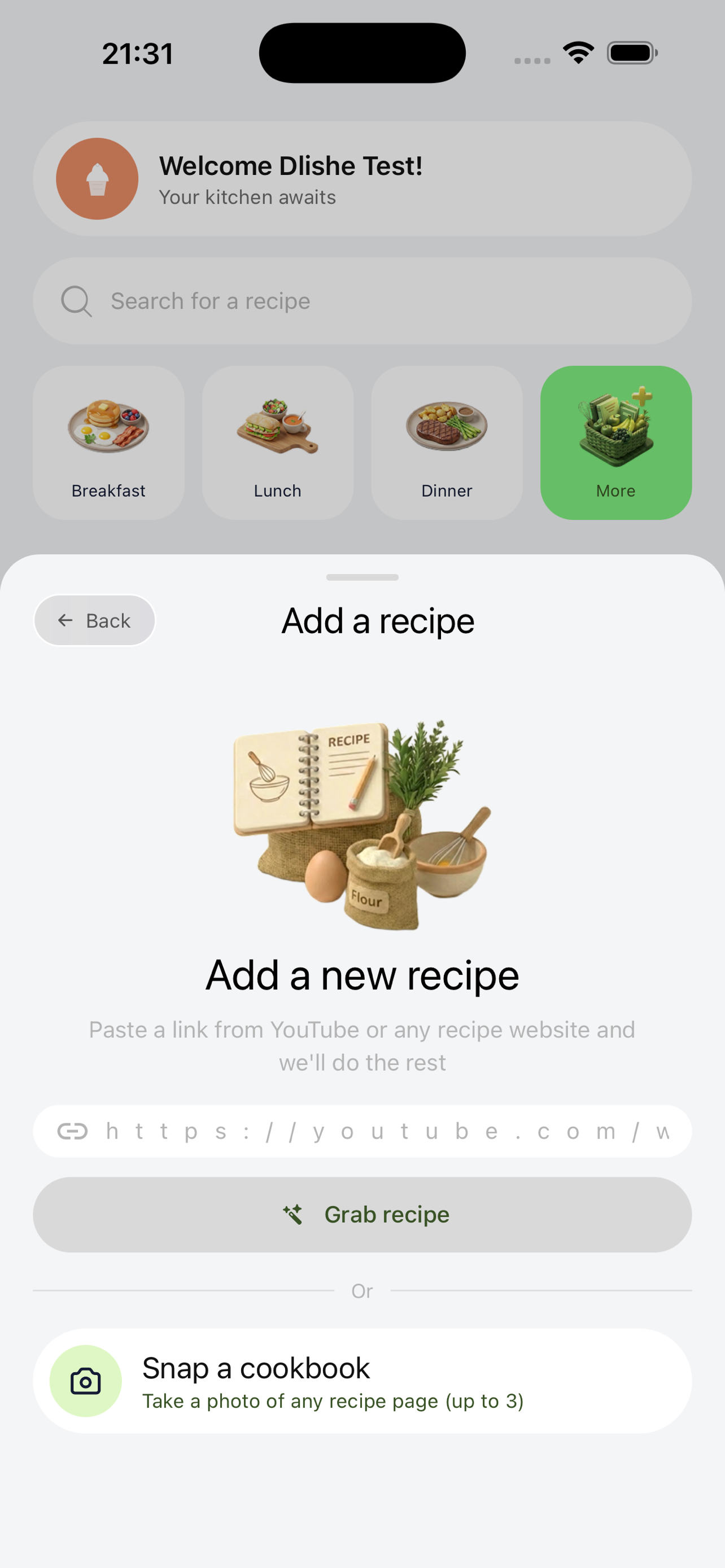
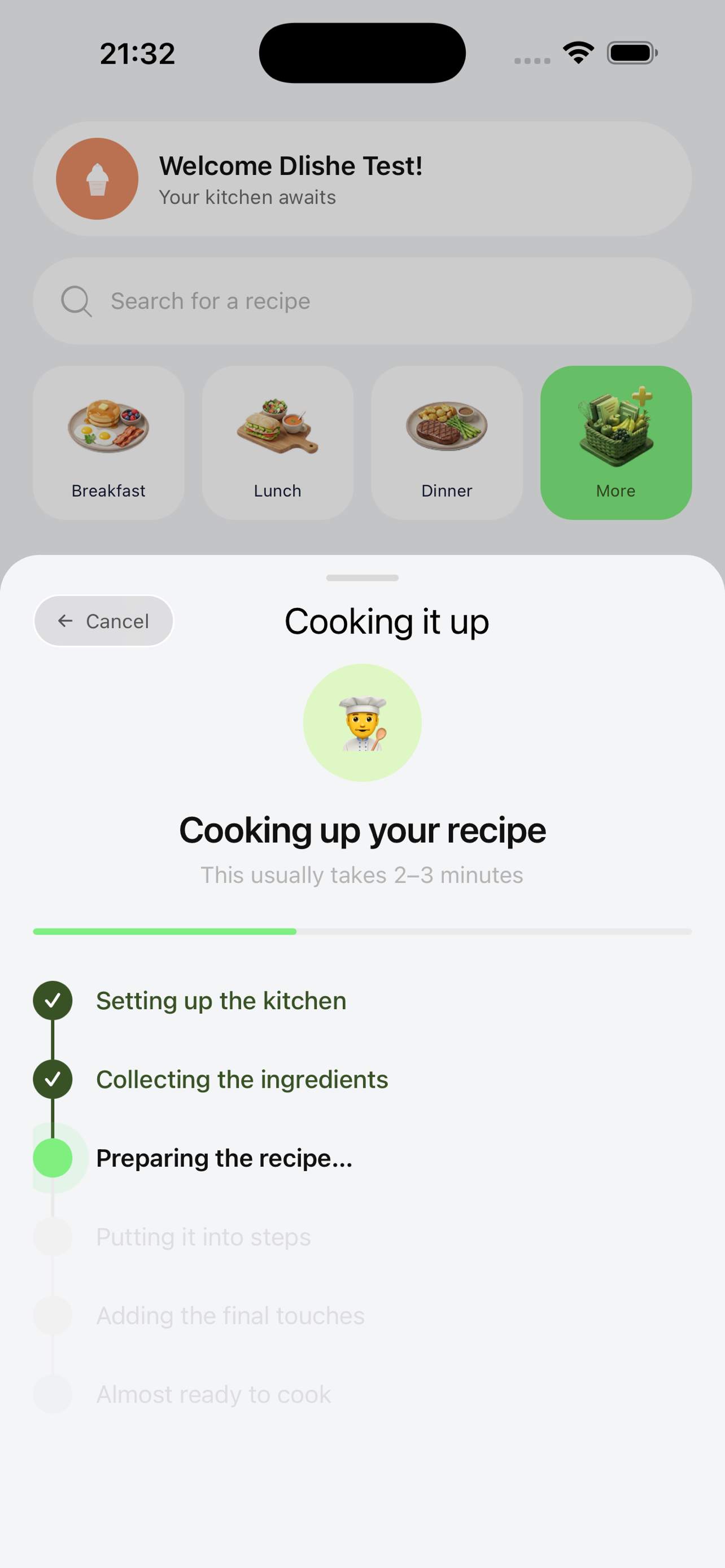
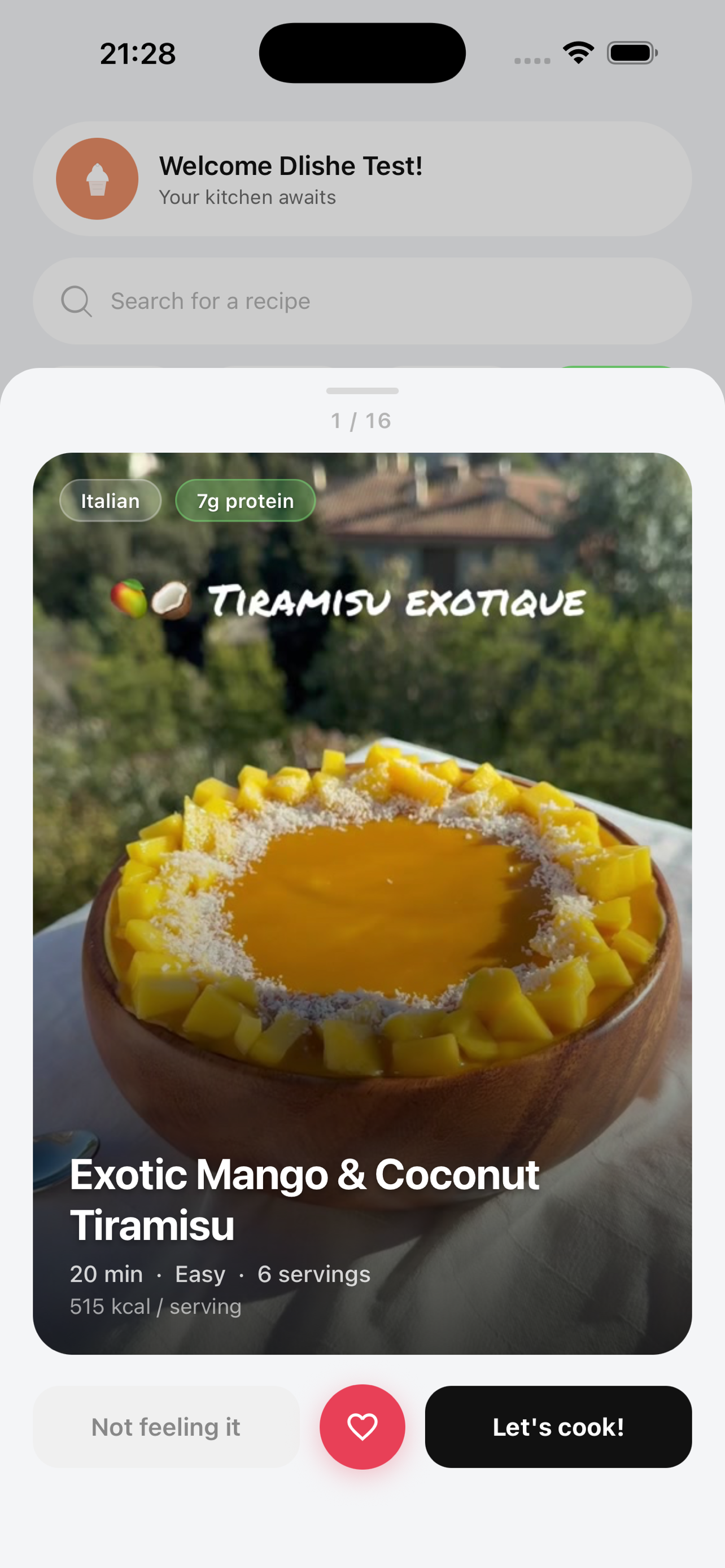
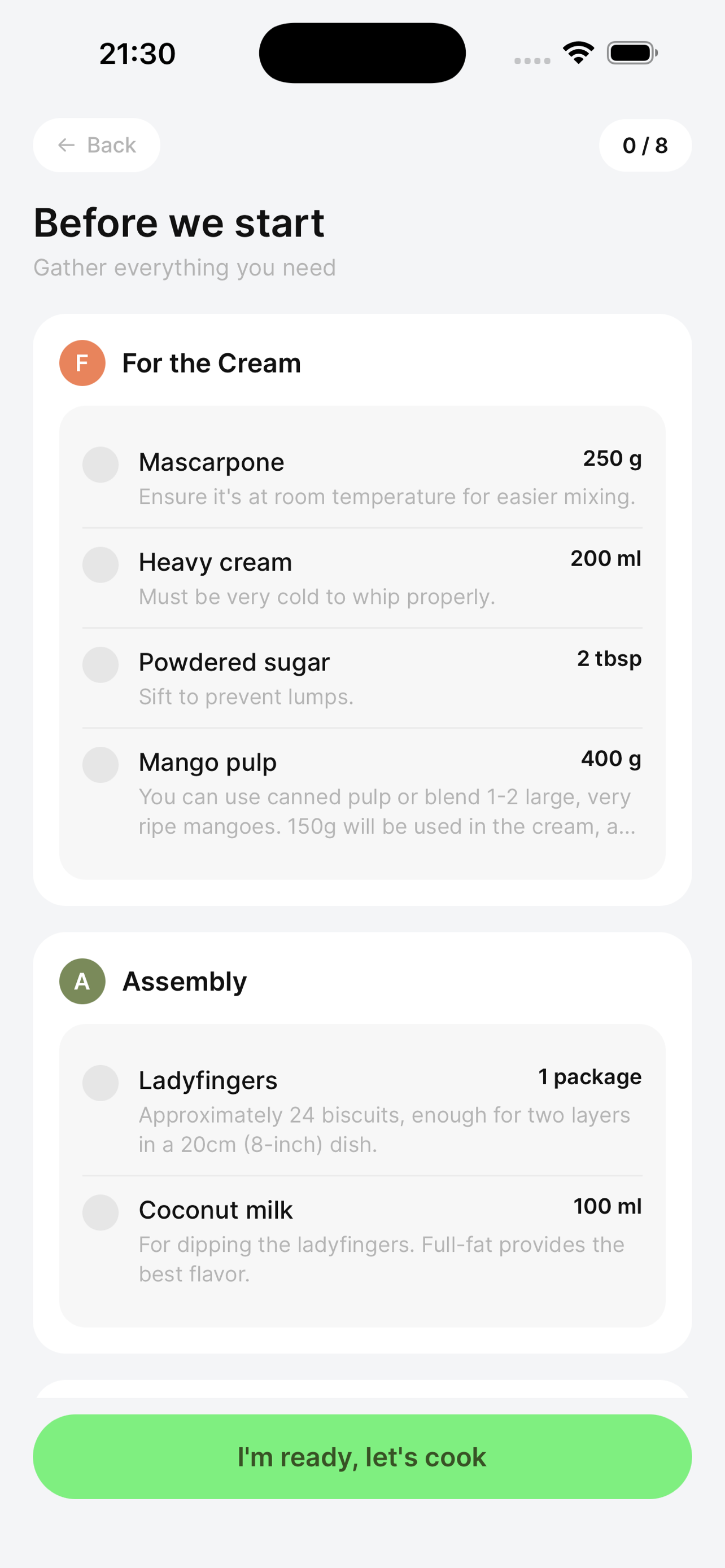
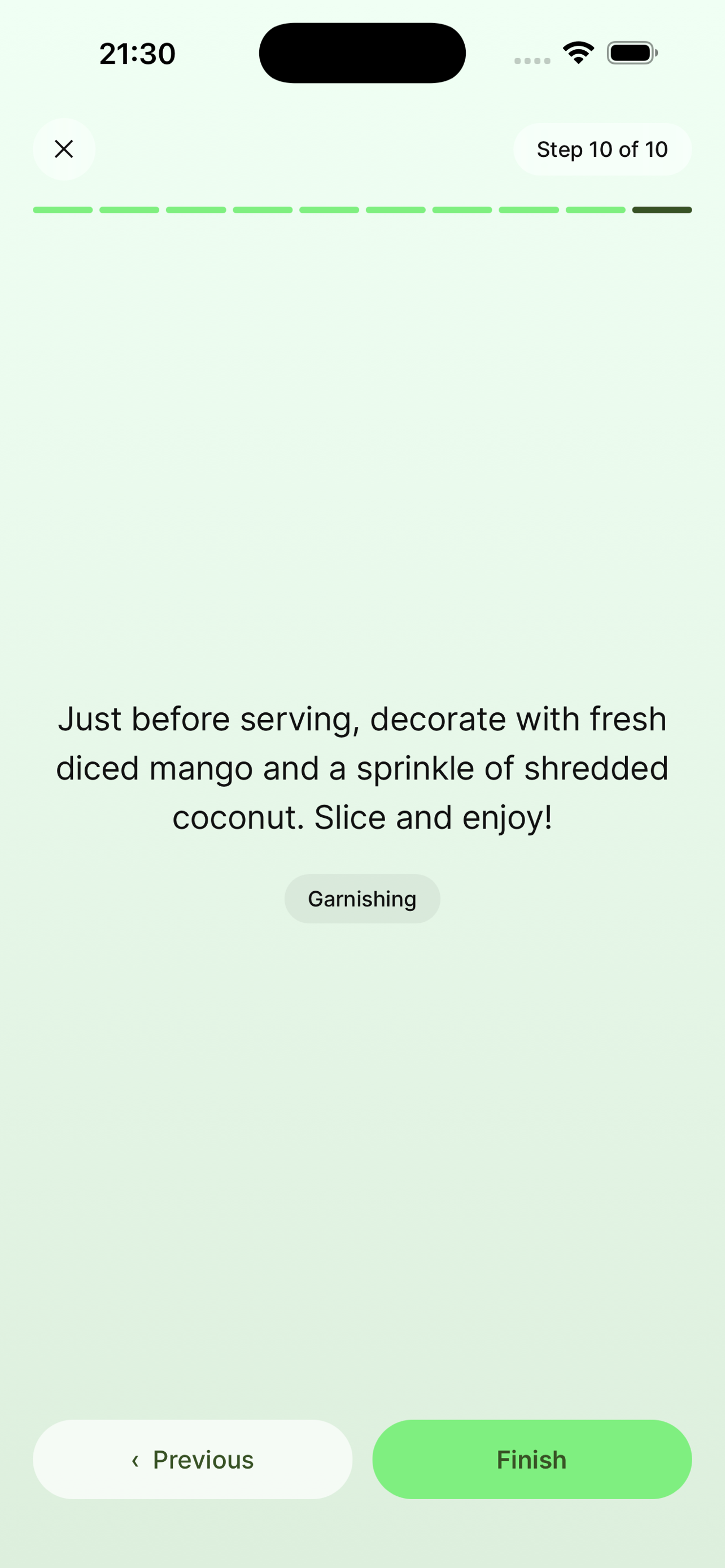
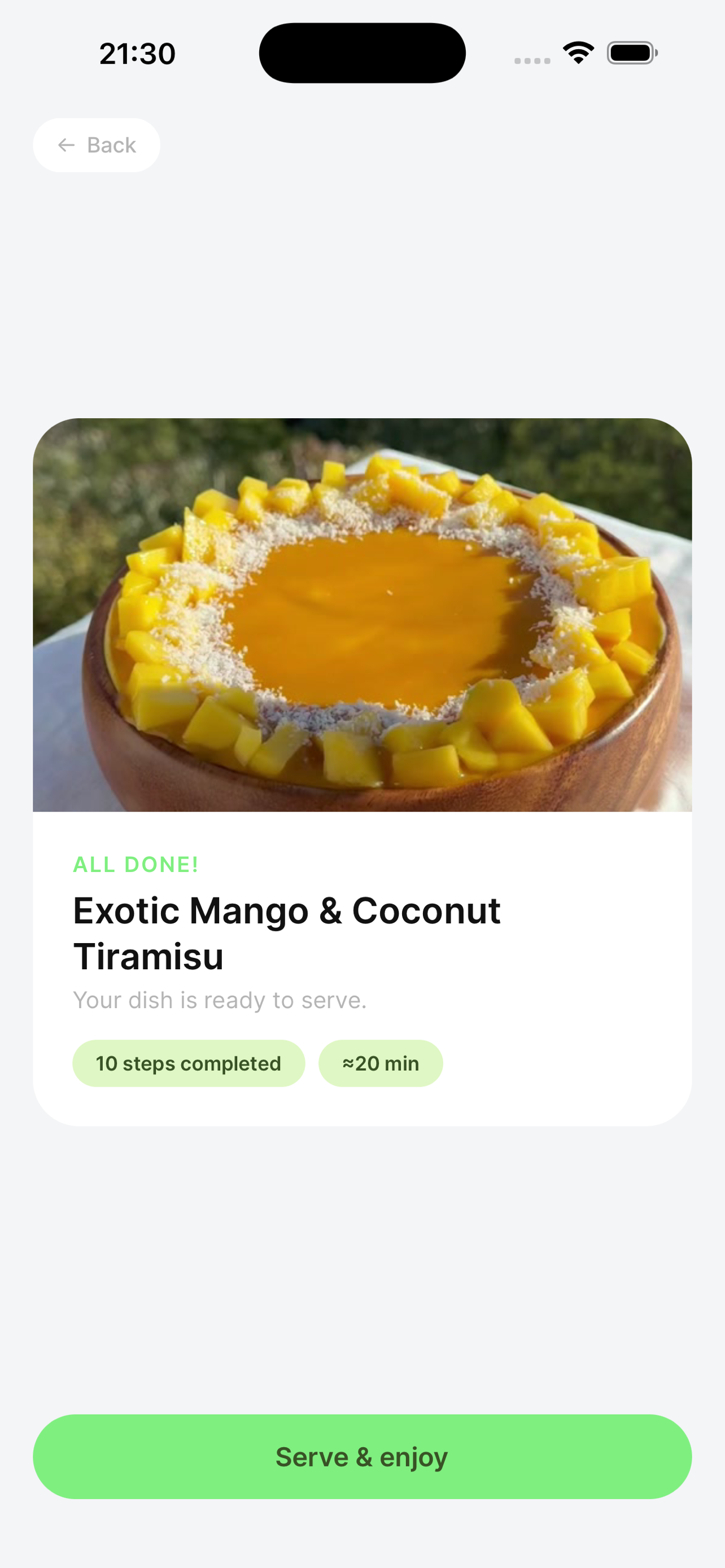
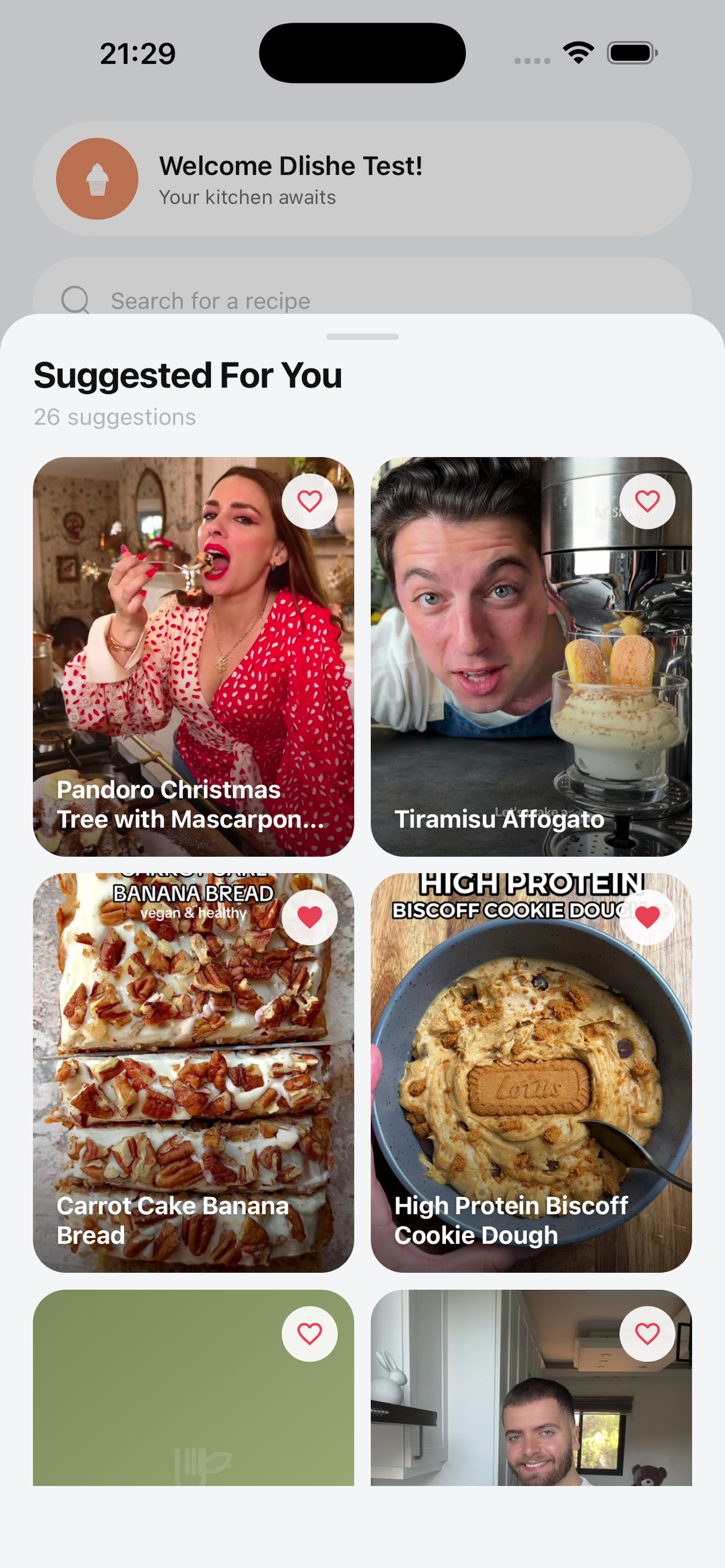
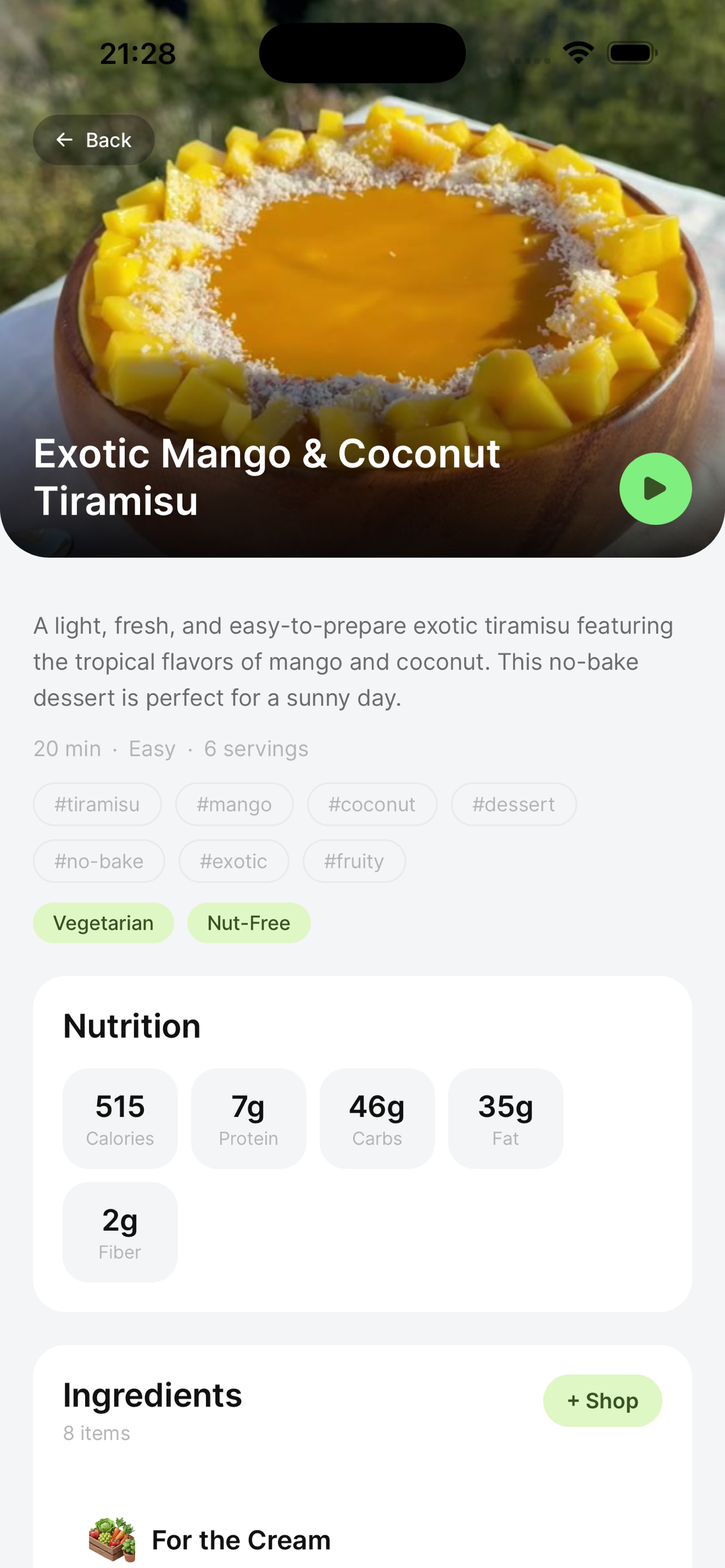
Dlishe transforms recipes from anywhere videos, links, or photos into a personal cookbook designed for real usage, not passive storage.
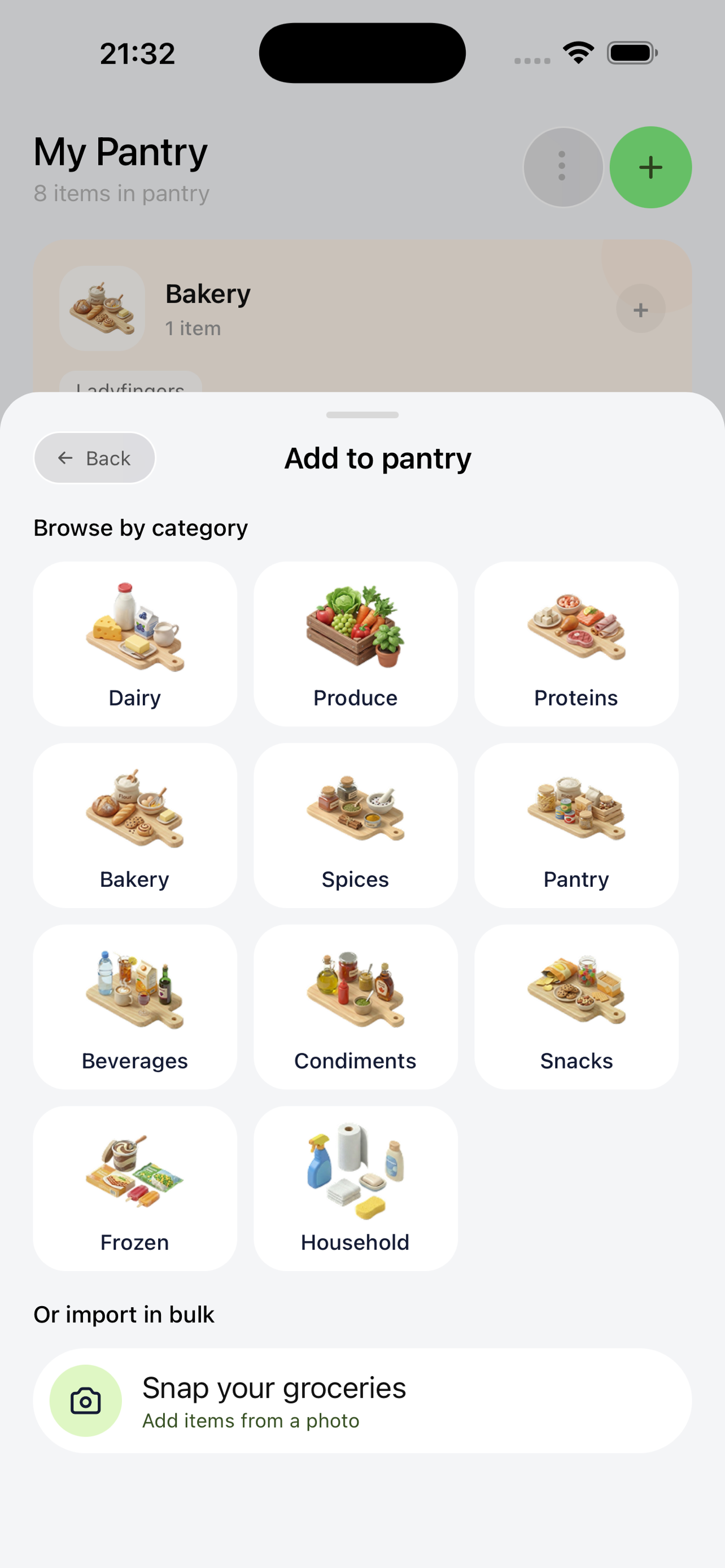
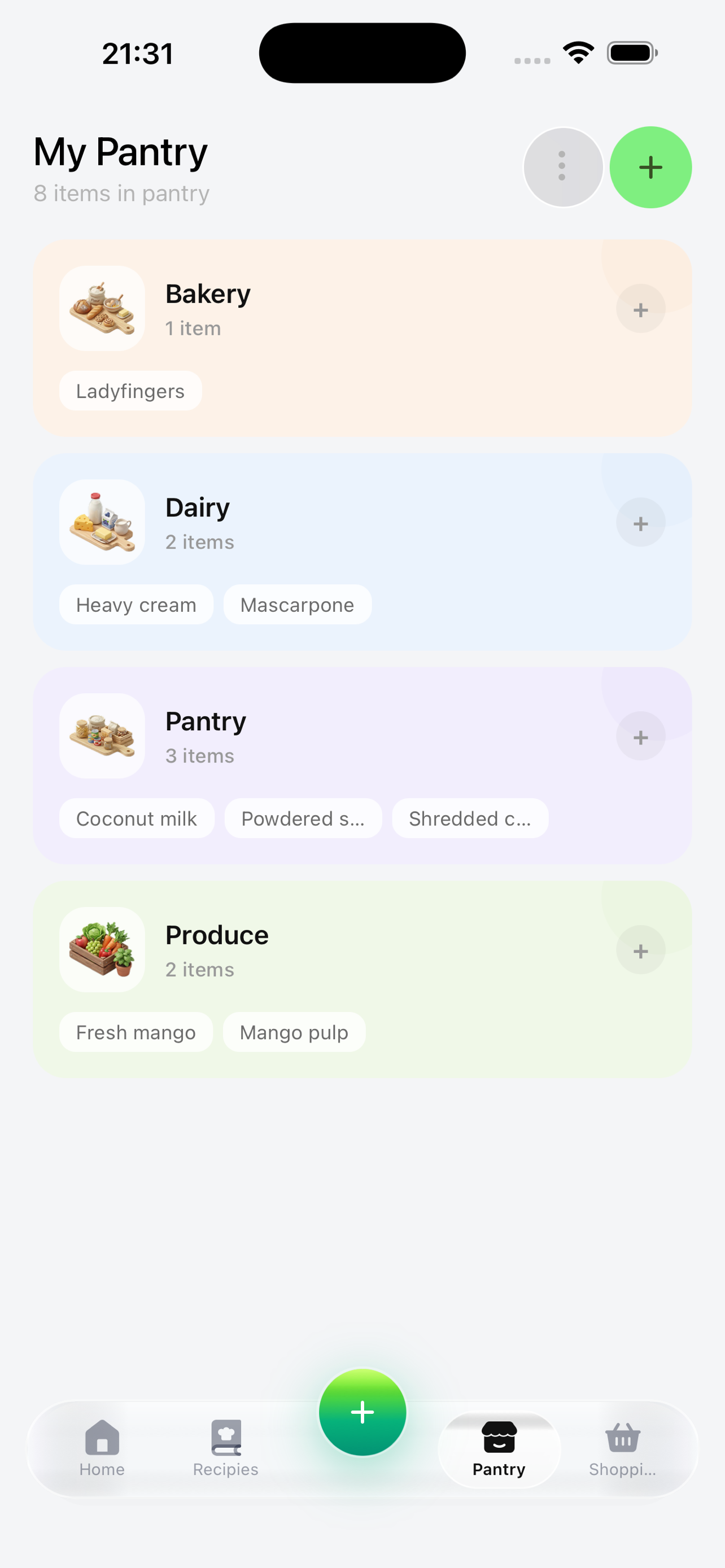
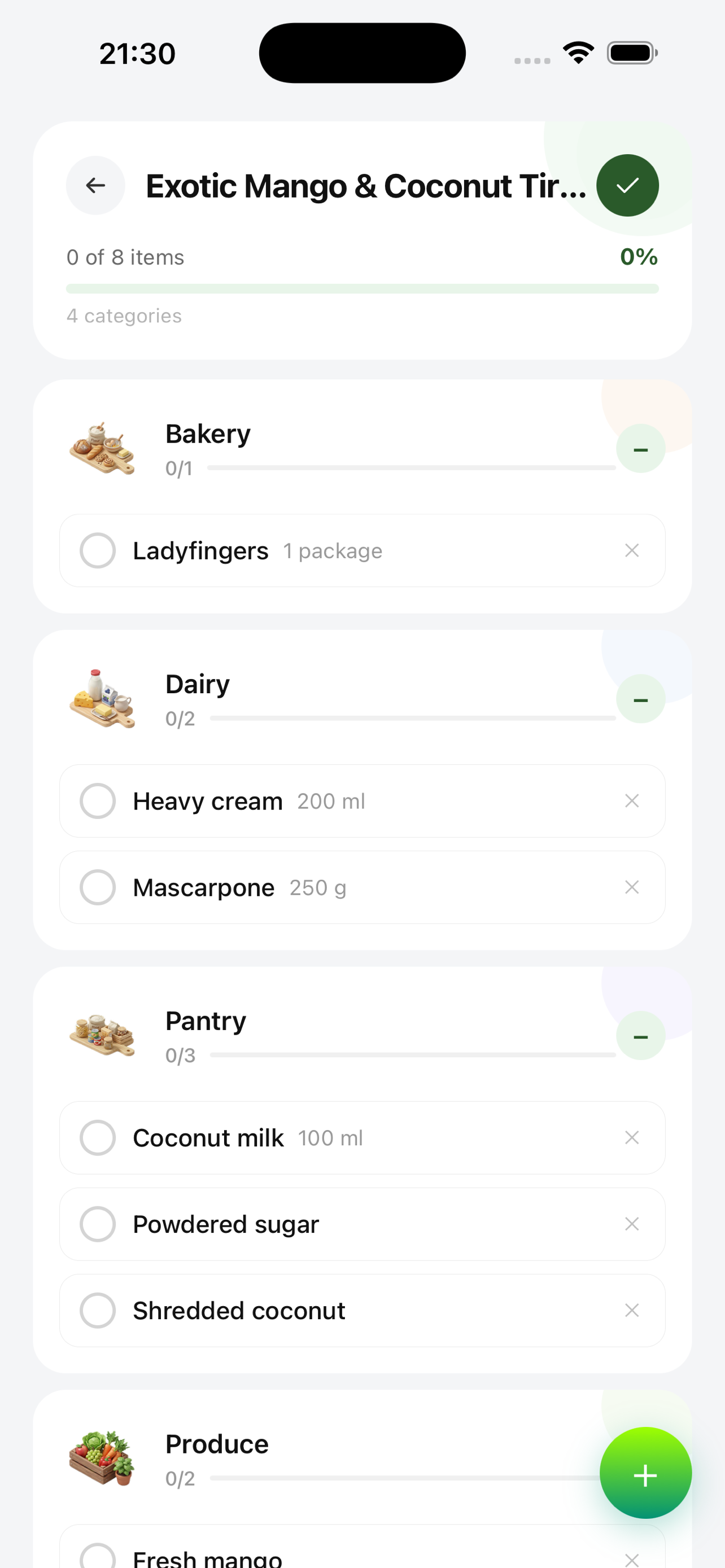
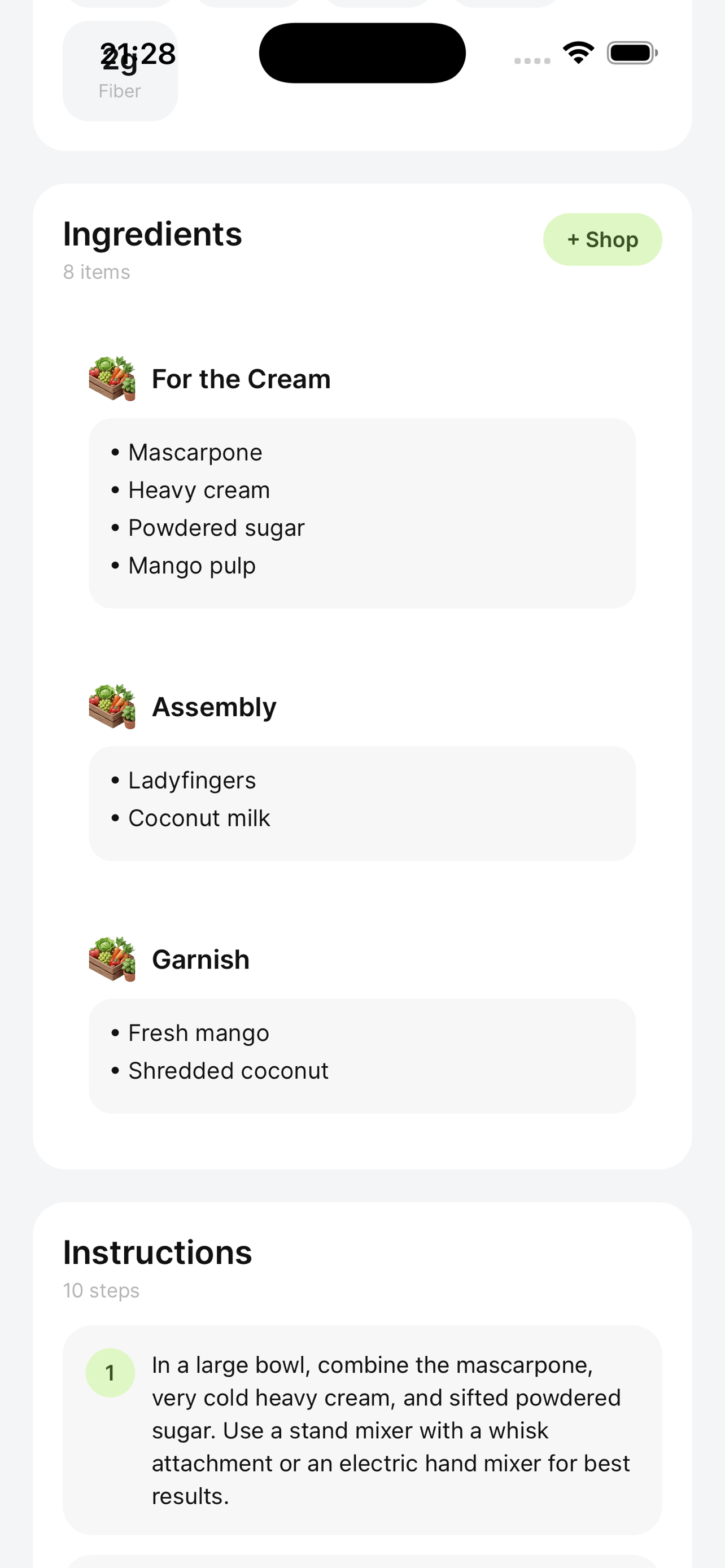
Instead of simply saving content, Dlishe converts food inspiration into structured recipes with clear steps, organized ingredients, and practical cooking details. The system automatically generates shopping lists, keeps track of pantry items, and helps users decide what they can cook based on what they already have.
Users can even scan their kitchen environment, allowing recipes to adapt dynamically to their pantry rather than forcing rigid ingredient requirements.
Dlishe is designed around one idea: recipes should move effortlessly from inspiration to execution.
How we built it
Dlishe was built as an AI first product, where understanding recipes and keeping the experience simple were equally important.
Gemini powers the core intelligence of the system. It interprets recipes from videos, images, and web pages, then converts them into structured, usable cooking instructions. Beyond extraction, the model reasons about ingredients, quantities, substitutions, and pantry context because cooking in real life is never as clean as a recipe card.
The backend is written in Go, chosen for its efficiency and natural handling of concurrent workloads like video processing and AI tasks. PostgreSQL serves as the datastore, reflecting the highly relational nature of recipes, ingredients, shopping lists, and user data.
For the mobile app, we used Expo and React Native to maintain a single codebase for both iOS and Android, allowing rapid iteration without sacrificing native behavior.
Throughout the build, one principle guided every decision: no matter how complex the technology becomes, cooking should always feel calm, intuitive, and human.
Challenges we ran into
The primary challenge was balancing sophistication with simplicity.
Behind the scenes, Dlishe processes multimodal inputs, performs ingredient reasoning, and adapts recipes dynamically. However, the user experience needed to remain calm, intuitive, and aligned with how people naturally think about cooking.
Cooking is an emotional and sensory activity, not a technical one. Designing an interface that felt peaceful and human while driven by advanced AI capabilities required extensive iteration and restraint.
Another challenge involved handling real world inconsistencies in recipe sources, where ingredient descriptions, quantities, and instructions are often ambiguous or incomplete.
Accomplishments that we're proud of
We are proud of building a system that genuinely reduces friction in everyday cooking. Dlishe successfully converts chaotic, unstructured recipe sources into clean, actionable workflows. The integration between recipe understanding, shopping lists, and pantry awareness creates a continuous cooking loop rather than isolated features. Most importantly, the product feels practical and natural to use designed for real kitchens rather than idealized demos.
What we learned
Building Dlishe within the constraints of a shipping focused challenge fundamentally changed how we approached product development. Instead of optimizing for features alone, we had to think in terms of delivery, usability, and real world monetization from day one.
Integrating RevenueCat was a particularly valuable learning experience. It reframed subscriptions from being merely a payment mechanism into a core product design decision. We learned that successful monetization is not just about enabling purchases, but about crafting a natural, low friction experience that users intuitively understand and trust. RevenueCat allowed us to focus on product logic and user value rather than complex store infrastructure, significantly accelerating development and iteration.
We also learned how deeply monetization influences user flows. Decisions around paywalls, subscription timing, and value communication required careful balancing to avoid disrupting the primary cooking experience. The challenge was to design revenue mechanics that feel aligned with user goals rather than imposed on them.
Ultimately, we learned that building something users can both use and pay for is a very different discipline from building a prototype, and finally that this discipline leads to stronger, more thoughtful products.
What's next for Dlishe
Dlishe is currently in an active refinement and stabilization phase. Beyond stabilization, the next evolution of Dlishe centers on enabling user creativity.
Cooking is inherently personal. As users prepare meals, they adapt recipes, refine steps, discover substitutions, and develop techniques that work in real kitchens. Dlishe is designed to capture and amplify this natural evolution, allowing personal variations to become valuable, shareable knowledge.
Over time, this transforms the platform into more than a cooking assistant. Everyday cooks, food enthusiasts, and skilled creators can contribute improved versions, practical optimizations, and unique twists that others can benefit from. Contributions that resonate with the community can be recognized and supported through simple, optional tipping mechanisms, creating a lightweight and authentic creator economy.
Rather than emphasizing traditional influencer dynamics, Dlishe aims to build a space where credibility emerges from usefulness. Users will know where to discover trusted recipes, whether from talented home cooks, respected creators, or collaborations with well-known chefs and culinary personalities.
The long term vision is to shape Dlishe into a living ecosystem where recipes do not merely accumulate, but continuously evolve, driven by real experiences, real constraints, and real creativity, while enabling creators to generate value from the knowledge they share.


Log in or sign up for Devpost to join the conversation.