Inspiration
I'm working with refugees in Greece since 2018. My work approach is due to my studies a product design one. The power of products to make the life and survival of many easier and more comfortable seems obvious. I want to provide this power to those, who have no or limited access to adequate products all around the world.
With the upcoming of crisis around the Coronavirus, it was early visible that people inside the greek refugee camps aren't in a good position to cope with the virus. Their surrounding sometimes doesn't even facilitate water to clean their hands or provides any space for social distancing. Even a distribution of masks isn't possible for many organisation, because of funding or no availability. Even if organisations have the funding and masks are available it is a huge amount of disposable masks that have to be constantly distributed.
This is how I became inspired to make the usage of masks possible not just for these people, also everyone who has issues getting a mask at the right time. Additionally the aim was to make this more sustainable.
What it does
Using local capacities and engaging the user in the design process was the way, which seemed to be just right. The will to build what is lacking in their daily lives is already inside the greek camps, but this crisis showed also all of us how much we are lacking in self sustainability. Many people started to craft their own solutions to cope with the pandemic, which resulted in a rise of the maker scene. But not everyone has the right skills or machines to craft objects, and especially protective gear.
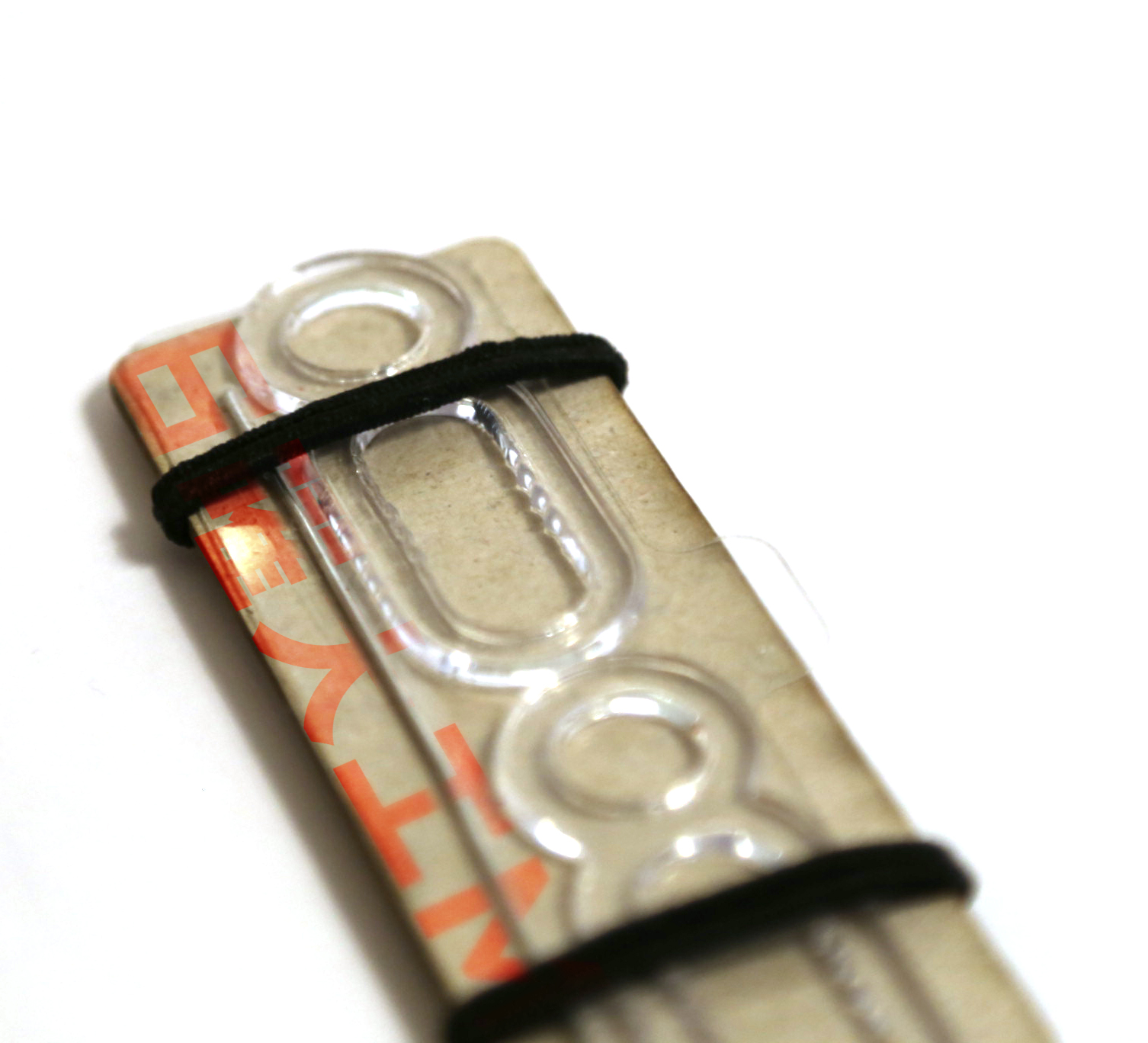
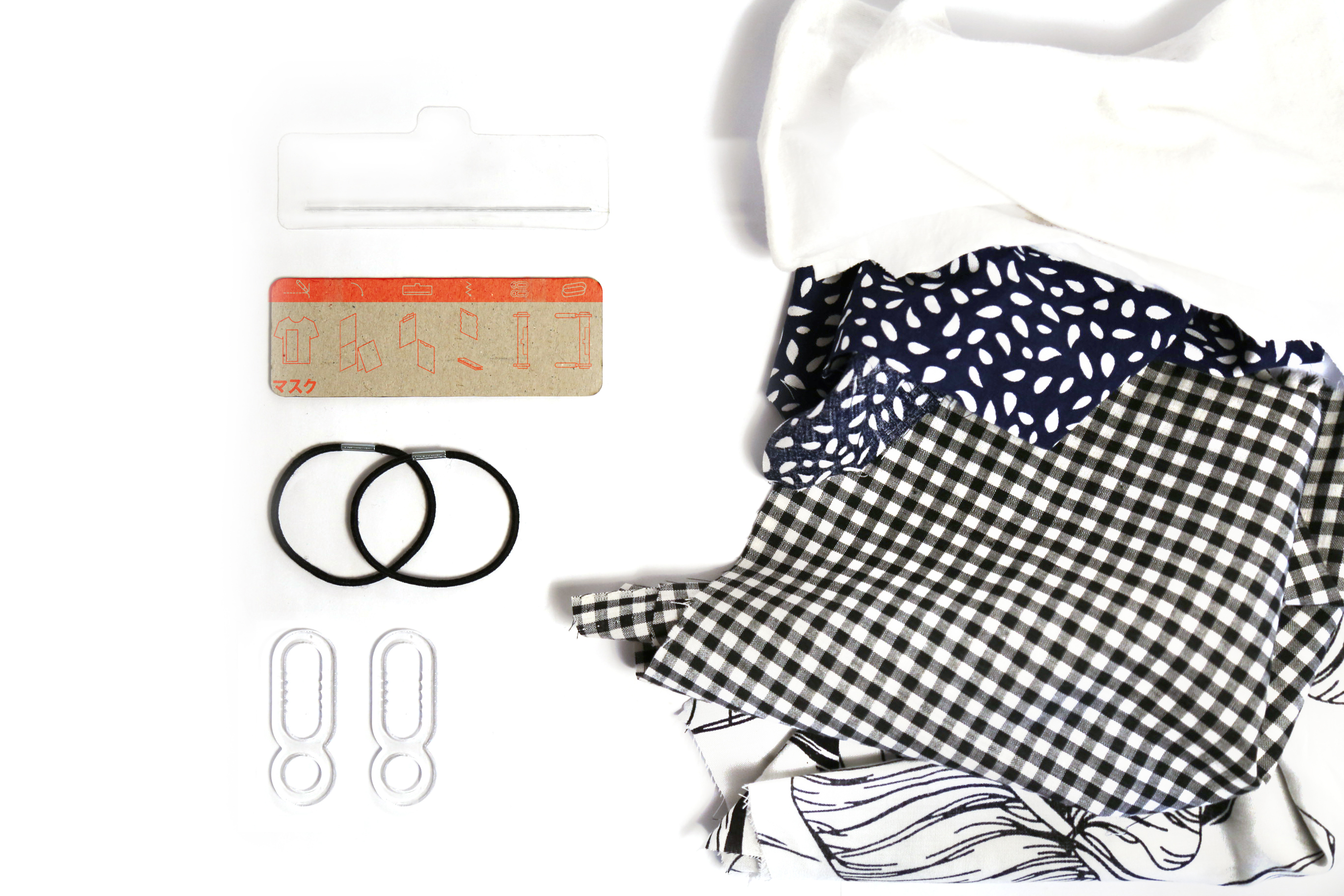
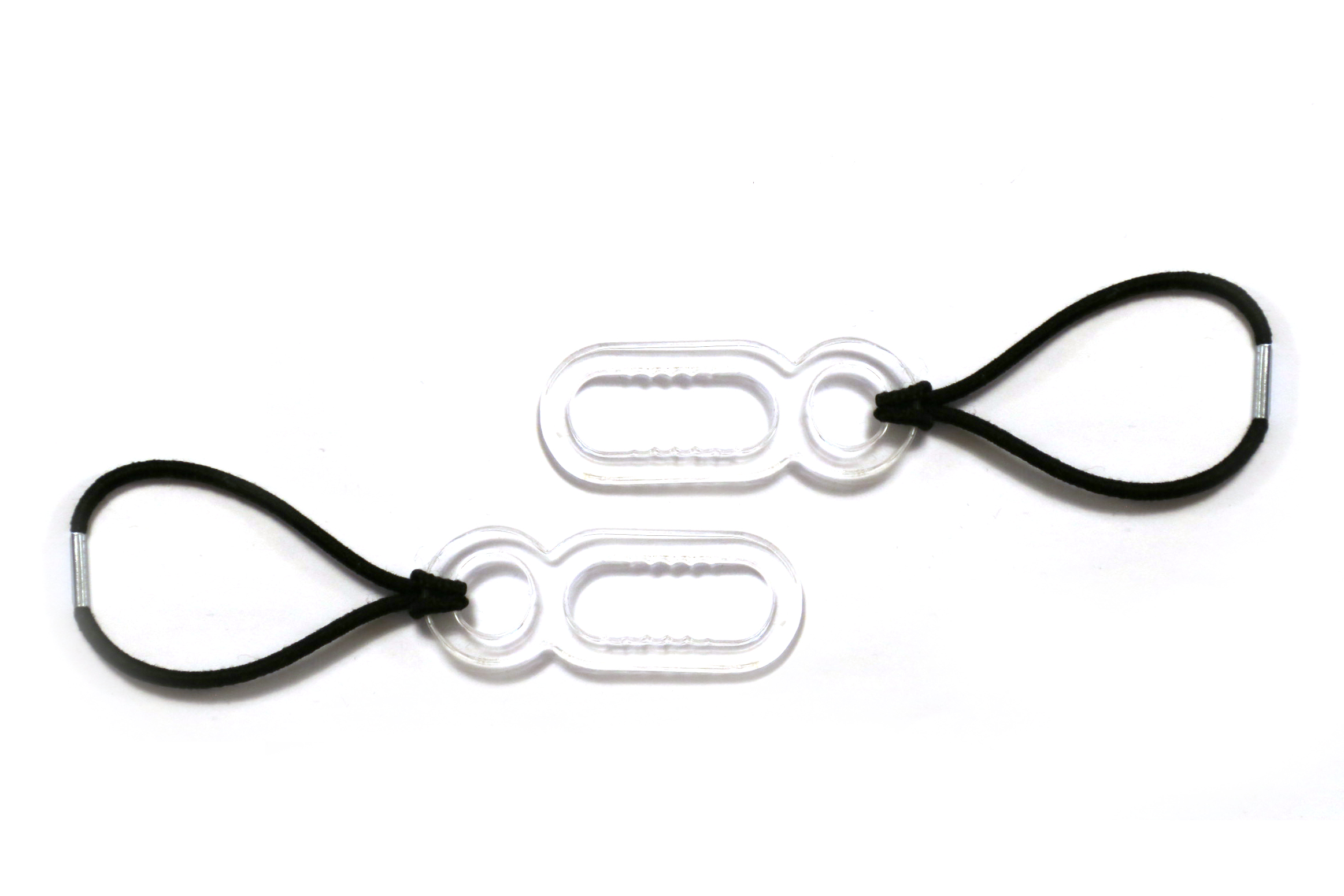
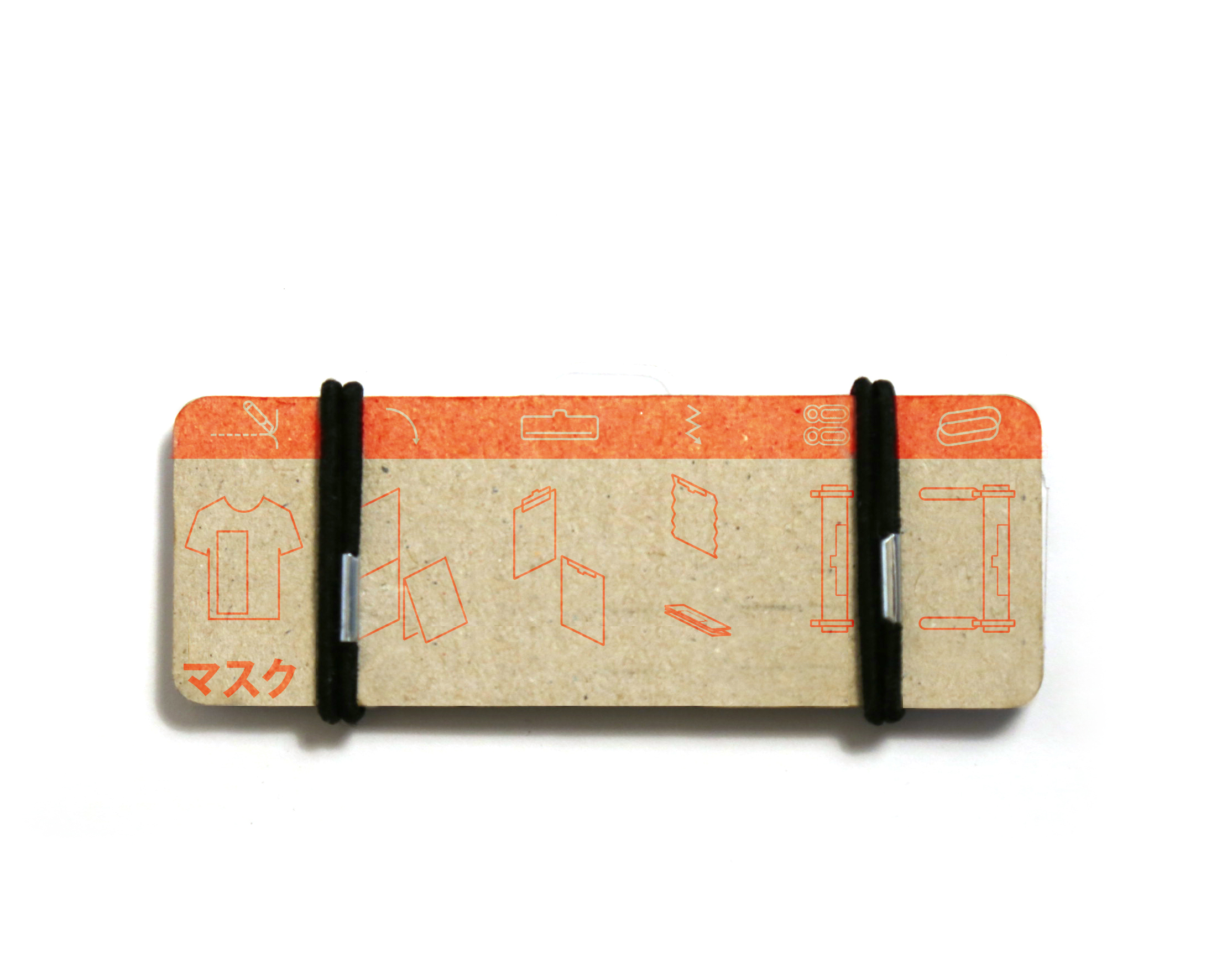
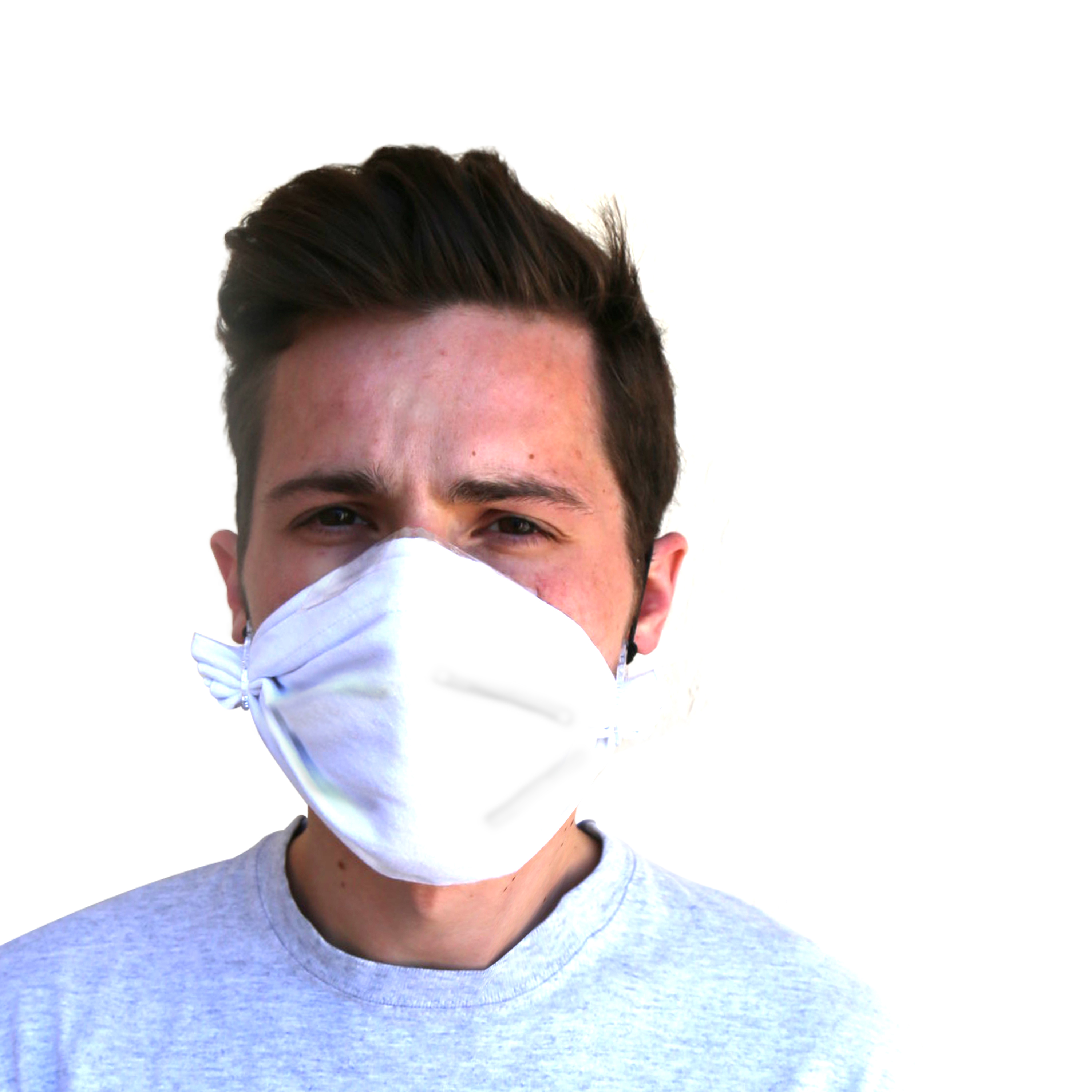
This gap I was trying to fill threw pre produced, reusable parts, which are then assembled by the user by supplementing it with an old t-shirt. Assembled the user has a mask more protective than surgical masks, which can be reused, in case cleaned properly in between usages. The process of building, also keeps the user busy and active in times of total isolation, as well as the aspect of individualisation erases the negative tristesse in the field of masks.
How I built it
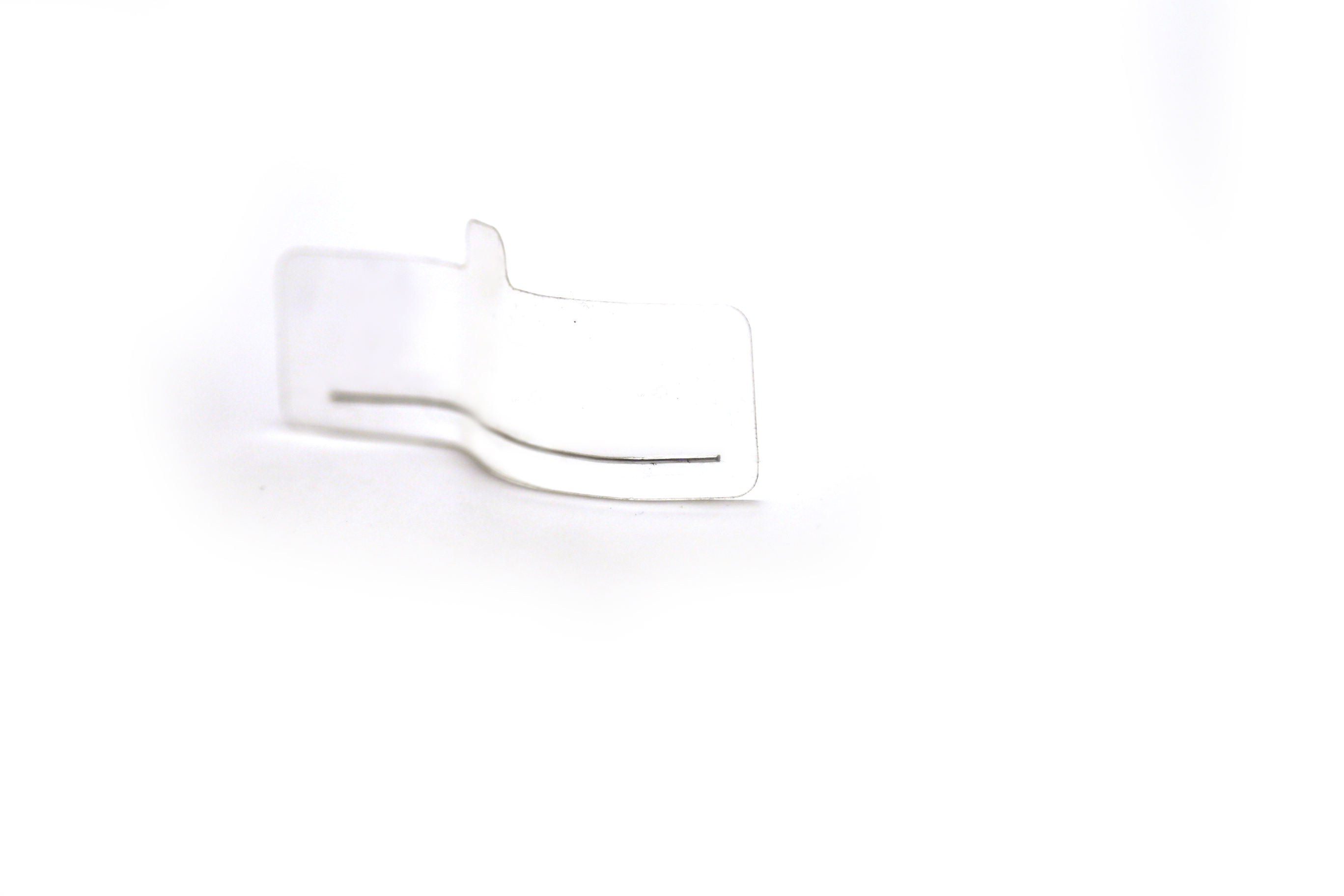
The aim is a final product, which can be produced as easy as possible, without an investment in new machines. Every Makerspace has a laser cutter. Using these, due to their accuracy, availability and production speed was the aim. In the actual version all parts are cut on a laser cutter. The wire strip is simply a sandwich material of foil, with a wire in between. The rubberband are hair ties, due to their comfort factor and also availability.
Challenges I ran into
The biggest challenge was to make sure that the most novel maker, is able to assemble the mask correctly, to make sure it is protective. This is solved threw an easy and quick assembly process, which doesn't require much more than the user cutting a piece of fabric in the right measurements.
Accomplishments that I'm proud of
I think this project is a realistic, holistic approach to the shortage of masks. It can be deployed everywhere. Having this asset combined with the sustainability through reusable parts makes me proud of the incisive, but still simple contextual thaught behind the kit.
What I learned
This was the first time in my young career, after working with communities which are not really part of our consumerist society, that I felt like people who are part of it have the same issue getting adequate protective gear. Which showed me again we are all one and have to fight the virus together.
I also learned a lot about the filtration factor of textile and the construction of protective masks.
What's next for DIYM
I would like DIYM to be a solution for some people in times of this or future shortages.


Log in or sign up for Devpost to join the conversation.