-
Green Bricks Prototype
Inspiration
Growing up in a family tied to the construction industry, I saw its flaws up close. Traditional bricks stood out as a problem: produced in harsh conditions that exploit workers, heavy and costly to transport, and prone to breaking down too soon. These issues sparked our mission to create Green Bricks—a sustainable fix that rethinks how bricks are made and used.
Solution
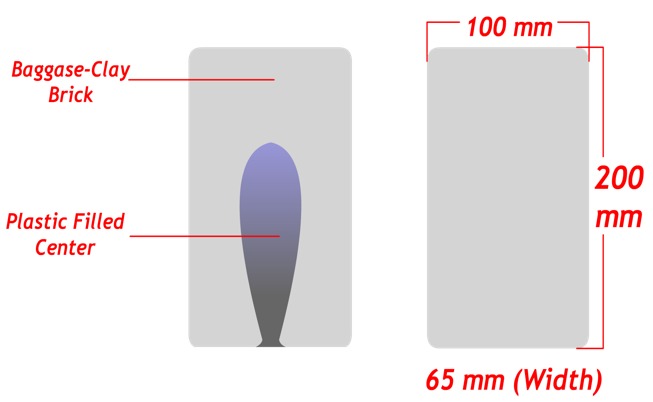
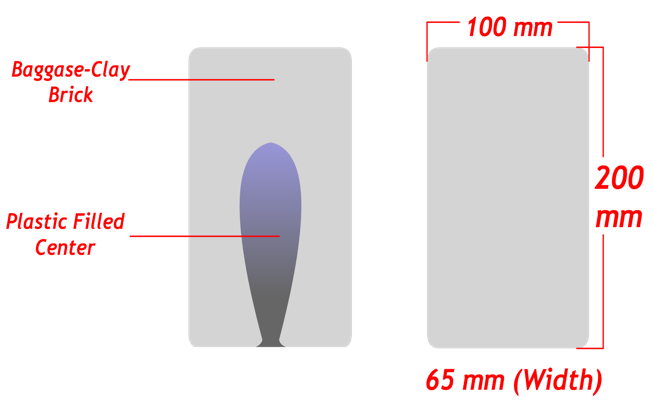
Green Bricks—an eco-friendly alternative made from clay, bagasse, and recycled plastic granules—produced with Raspberry Pi-powered automation and advanced computer science research. These bricks are 20–30% lighter, cutting transportation costs; 2–3 times more durable, ensuring buildings last 50–75 years; and cheaper, making sustainable construction affordable. In underserved areas, Raspberry Pi systems detect temperature, humidity, and other key conditions (e.g., maintaining 20–30°C and 5–10% moisture) for brick production, using open-source software to ensure consistent quality with minimal resources. Computer science fuels our research: machine learning optimizes the clay-bagasse-plastic ratio for maximum strength (targeting 25 MPa) and minimal weight, reducing lab costs by 30–50%; simulations predict long-term durability and thermal performance, saving design time; and data analytics streamline waste sourcing, cutting logistics costs by 20%. This empowers workers in exploitative conditions with fair jobs and training, equips cities with lasting infrastructure, and transforms waste into value—uplifting communities and building a greener future.
How We Built It
We mixed locally sourced clay with waste materials—bagasse and plastic granules—to create a lightweight, sturdy formula. For production, we’re integrating Raspberry Pi-powered systems to automate mixing and molding in underserved areas. Open-source software monitors material ratios and curing conditions, ensuring quality with minimal resources. Our prototypes were tested for strength and weight, refining the process through trial and error.
Possible Challenges
Sourcing consistent waste materials could be difficult—bagasse and plastic availability may fluctuate across regions, complicating supply chains. Achieving the right balance between durability and weight reduction might require extensive testing, as initial mixes could end up too weak or too heavy. Deploying Raspberry Pi technology in low-resource areas may face obstacles like unreliable power and limited technical skills, pushing us to streamline our software and hardware for accessibility.
What’s Next for Green Bricks
Investments will fuel R&D to refine our machine learning models, optimizing the clay-bagasse-plastic mix for a consistent 25 MPa strength, and enhance our software for remote monitoring of temperature, humidity, and curing conditions. Our goal: perfect a brick that lasts 50–75 years, driving sustainable construction forward with every dollar and data point.

Log in or sign up for Devpost to join the conversation.