-
-
Axle AI Intro
-
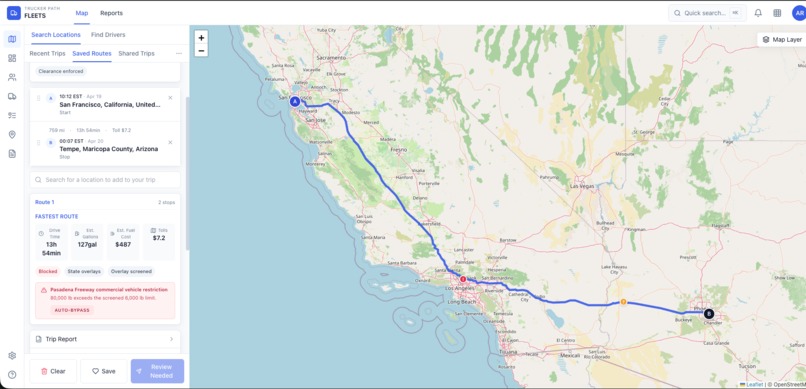
Location Blocker
-
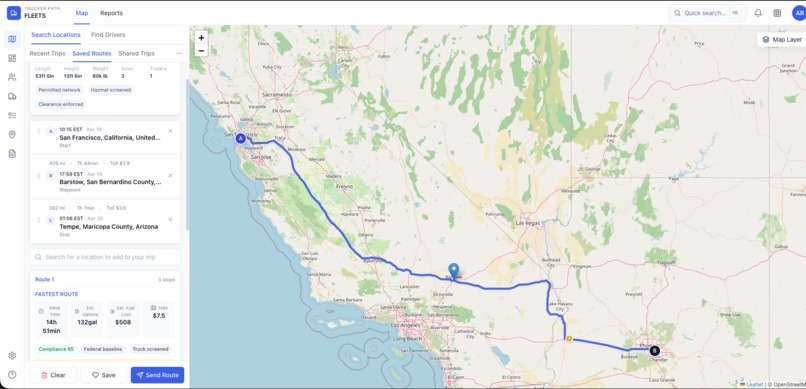
Location Solution
-
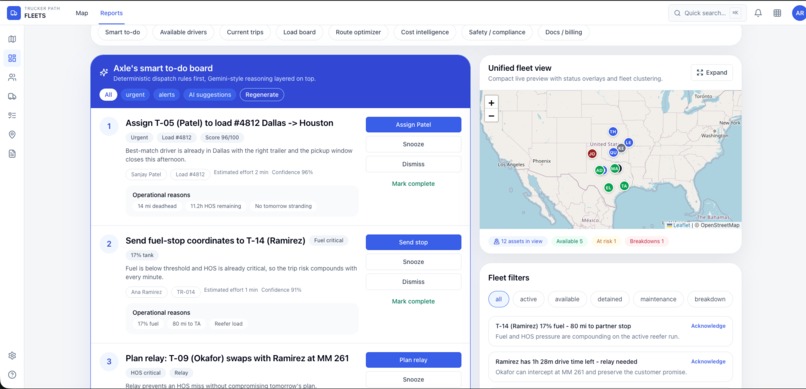
Dashboard
-
Fancy UI
Axle AI | Routing Made Simple
Inspiration
Small and mid-size trucking fleets still run a huge part of the freight economy, but many dispatchers are forced to manage operations across spreadsheets, phone calls, and fragmented tools. The Trucker Path challenge stood out because it focused on a very real operational gap: dispatchers need faster, smarter decisions without losing trust in the workflow.
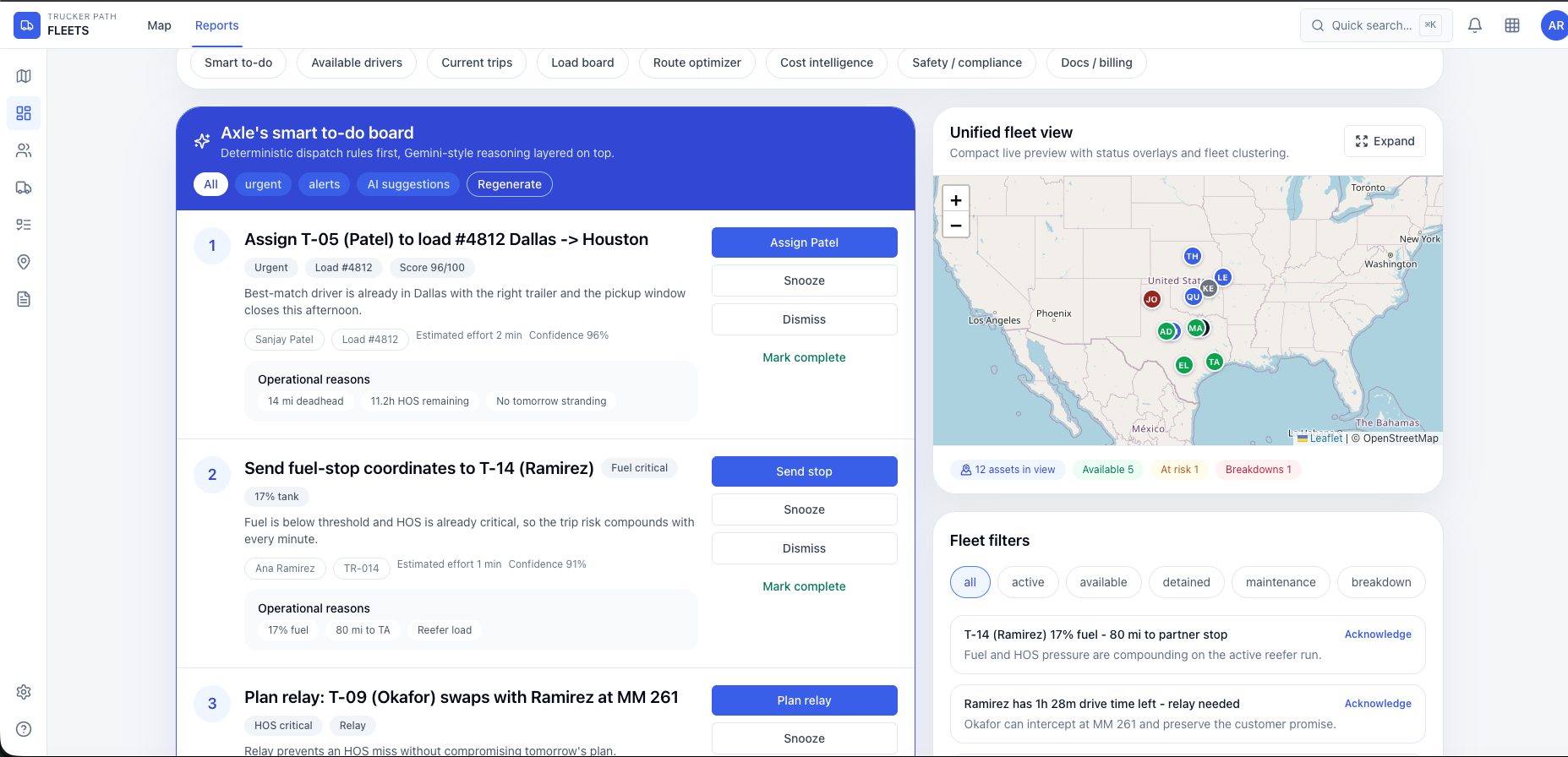
We built Axle AI as an AI-native dispatcher operating system for small fleets. Our goal was to give dispatchers one place to understand what is happening across the fleet, what needs action right now, and what decision will save the most time and money.
What it does
Axle AI combines the most important operational views into a single workflow:
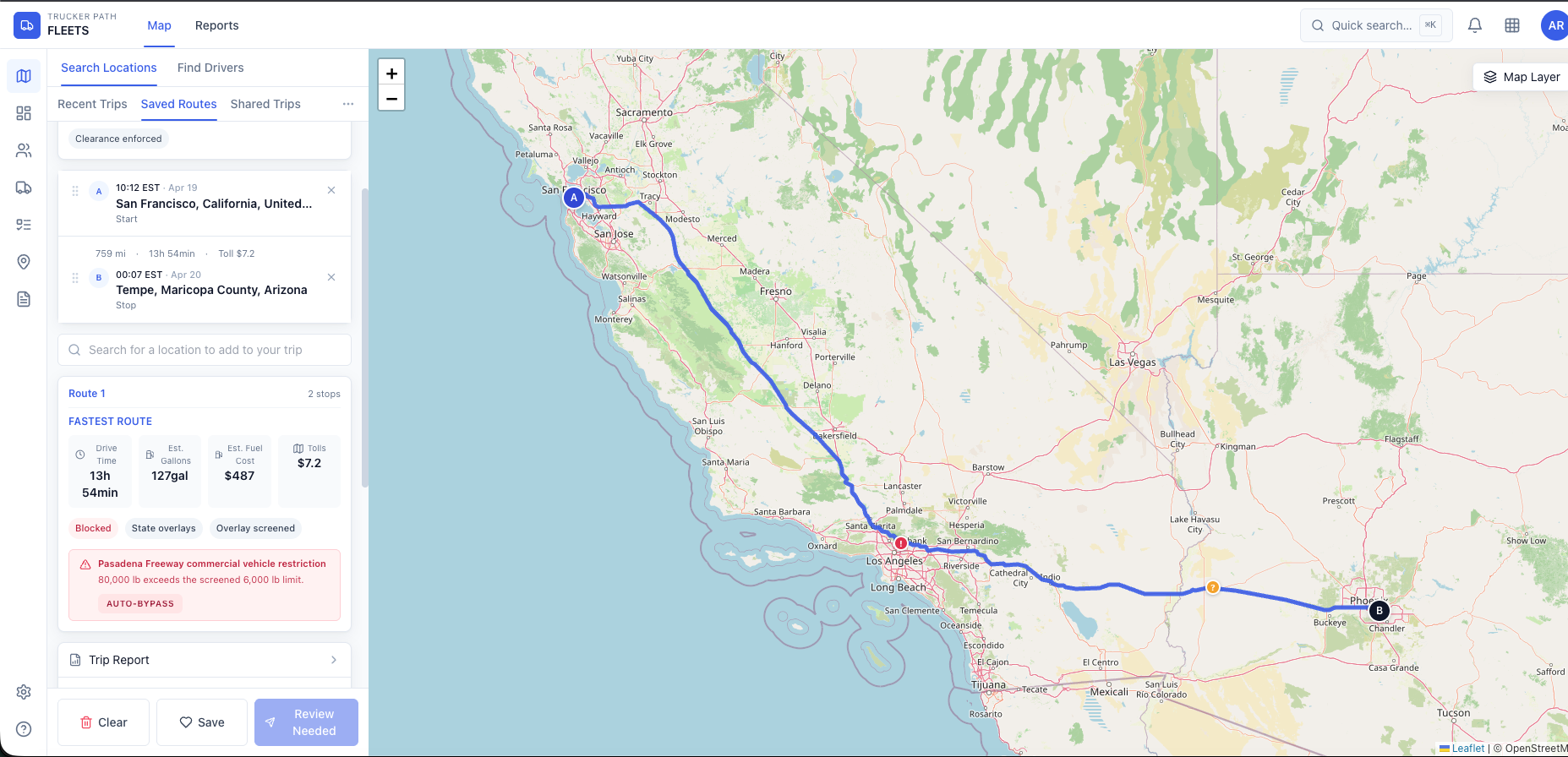
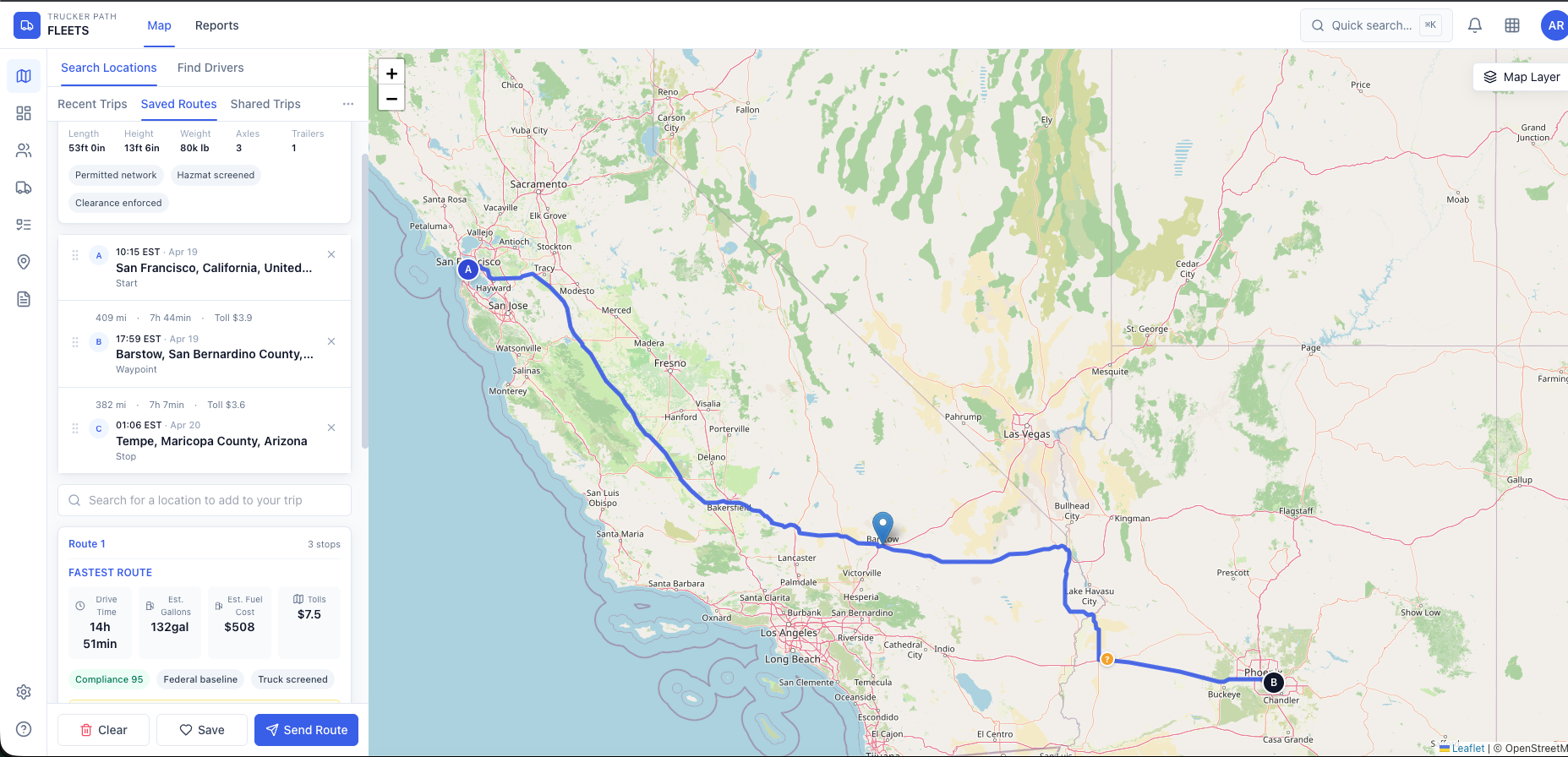
- 48-state routing awareness with restrictions and blockers
- A unified fleet view with filters for drivers, loads, and trips
- A smart to-do board for urgent operational actions
- Driver availability and readiness tracking
- Live trip monitoring and proactive alerts
- Load board management and dispatch support
- Route optimization with route-health and cost considerations
- Cost intelligence and quick-view KPI stats
Instead of making a dispatcher jump between systems, Axle AI surfaces the next-best action directly in the dashboard and connects it to route planning and driver assignment.
How we built it
We built the product as a Next.js 14 application with React and Tailwind CSS, using a map-based planning workflow alongside a dispatcher HQ dashboard. We used Leaflet for fleet and route visualization, InsForge for the backend/data layer, and Gemini via the AI SDK for explainability and assistive decision support. The app also includes a demo-first operational dataset so the full experience stays interactive even when live backend data is incomplete.
A key product decision was to keep route planning and dispatch tightly connected. The dashboard identifies a problem, the user drills into the load, moves into route planning, reviews route options, and then assigns the best-fit driver using readiness and route context.
Challenges we ran into
One of the biggest challenges was balancing AI assistance with deterministic operations logic. Dispatchers need recommendations, but they also need to trust why a route or driver is being suggested. We handled that by keeping routing, readiness, and gating logic structured and explainable, while using AI to summarize, prioritize, and assist.
Another challenge was combining many high-value features into a single cohesive experience instead of a collection of disconnected widgets. We had to make sure urgent actions, alerts, drivers, trips, costs, and documents all felt like part of one operating system.
What we learned
We learned that the highest-value AI experience in logistics is not just "chat," it is operational decision support embedded directly into workflow. Dispatchers benefit most when AI is paired with live fleet context, clear priorities, and actionability.
We also learned how important it is to design for trust: smart recommendations matter more when the user can immediately connect them to route constraints, driver readiness, and cost impact.
Built With
- ai-sdk
- google-gemini
- insforge
- leaflet.js
- next.js
- playwright
- react
- tailwind-css
- typescript
- vitest

Log in or sign up for Devpost to join the conversation.