-
-

Logo
-
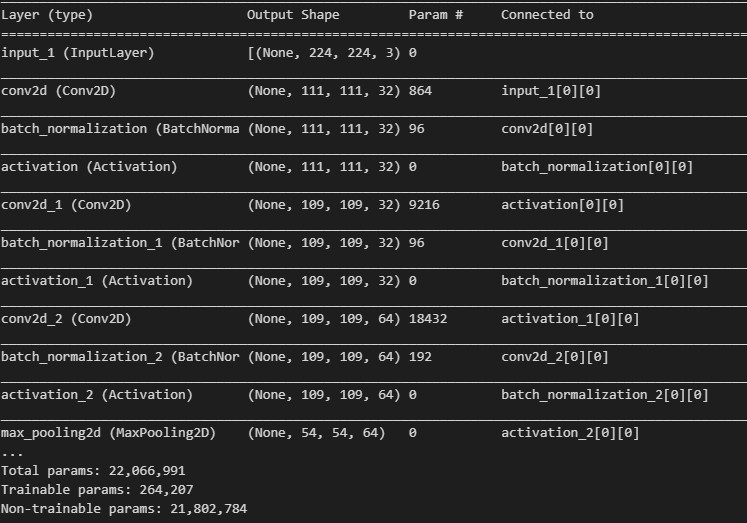
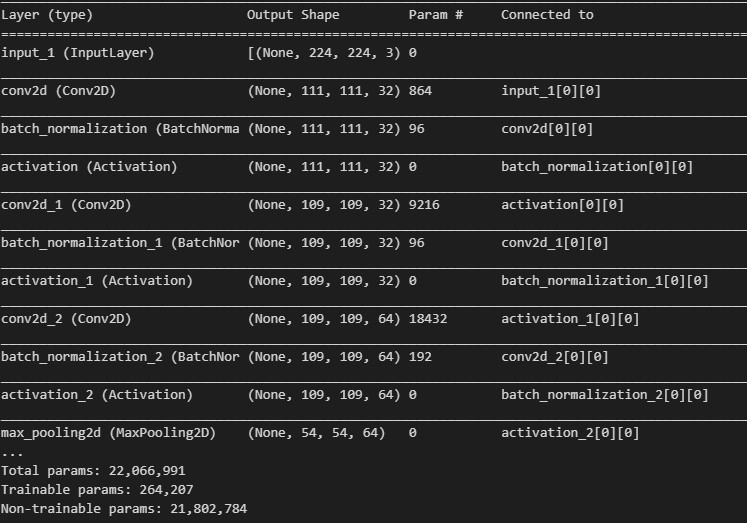
A summary of the model, we combined benchmark efficient net v5 with our own CNN layers for increased accuracy.
-
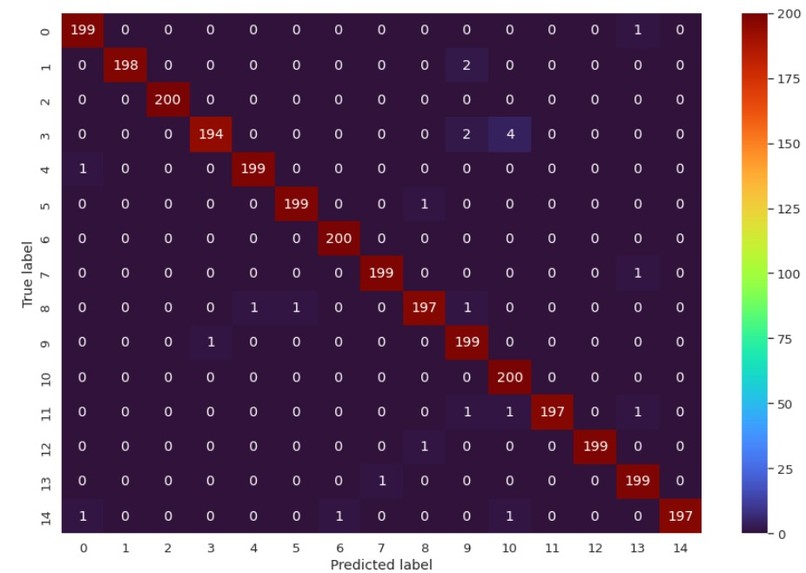
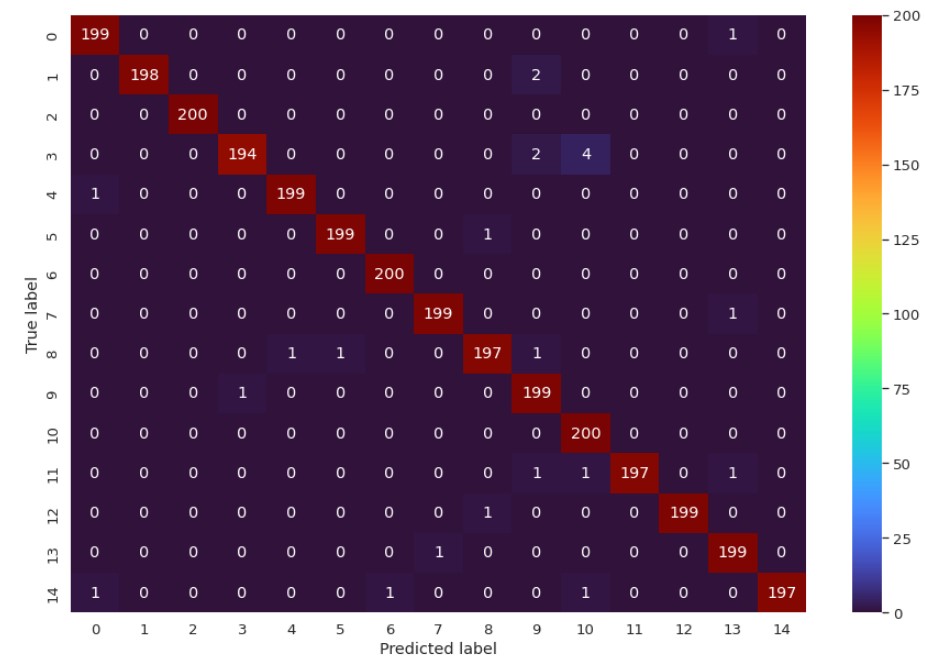
Confusion matrix of results

Inspiration
Food deserts are areas where residents have limited access to affordable and nutritious food. Unfortunately, many people in these areas end up relying on fast food and other unhealthy options, leading to a higher risk of chronic diseases and other health problems. In the United States, an estimated 17.3 million people live in food deserts, according to a report by the USDA.
This problem inspired my team to create diversiFood, an app that provides personal, nutritious food to accommodate the needs of many people. The app aims to provide healthy food options to those who may not have easy access to them and to help individuals make healthier choices, even if they don't have much experience with cooking or nutrition. By offering nutritious food options, diversiFood can reduce the risk of people developing generational disorders, such as obesity, diabetes, and heart disease. These conditions are often linked to poor nutrition and unhealthy eating habits, which are too common in food deserts.
In addition to addressing the needs of those living in food deserts, diversiFood can also be useful for people who are trying new diets or recipes. The app offers a wide variety of healthy meal options, making it easy to explore new cuisines and ingredients, while still maintaining a balanced and nutritious diet. Overall, diversiFood is a powerful tool for addressing the needs of people living in food deserts and promoting healthier eating habits. With its personalized meal planning, nutritious food options, and user-friendly interface, it has the potential to make a real difference in the lives of millions of people across the United States and beyond.
What it does
One of the key features of diversiFood is its personalized meal planning. Users can enter their dietary preferences and restrictions, such as vegan, gluten-free, or low-carb, and the app will suggest meal options that fit their needs. This can be especially helpful for people who are just starting to make changes to their diet, or who have specific health concerns that require careful planning.
By offering a wide variety of recipes that match the user's preferences, the app can help people discover new cuisines and ingredients that they may not have tried before. This can make healthy eating more interesting and enjoyable. The recipe feature of the app is also very practical. By providing all the necessary information for each recipe, including preparation time, ingredients, and directions, users can easily plan and prepare their meals. This can be especially helpful for people who are busy or who may not have a lot of experience with cooking, as it takes the guesswork out of meal planning and makes it easier to create nutritious and satisfying meals.
By allowing users to take pictures of the food items they have in their homes, diversified can provide customized and nutritious recommendations for meals and snacks, preventing food waste and promoting healthy eating habits. By providing customized meal recommendations based on what the user has on hand, the app can help users make the most of the food they have available and encourage them to try new and healthy meal ideas.
How we built it
Our elegant, user-friendly interface was built using React Native, and the backend was mainly developed using JavaScript and Python. To store user preferences and user-related data, we utilized Google Cloud’s Firebase Firestore, and for securely authenticating users, we used Google Cloud’s Firebase Authentication Platform. To provide users with ease when using this app, we used Roboflow and Flask to create a REST API where users can take images of what they have around the house and get nutritious recipes that match their needs. In order to classify images with accuracy, we trained utilized transfer learning with Keras and Tensorflow. Not only did we create our own layers and tune our own parameters, but we also combined our model with the InceptionV3 model to achieve a much higher accuracy (99.2%).
Challenges we ran into
We had difficulties with implementing Firebase since it kept showing different errors on each render. However, we fixed it by looking through previous documentation of these errors. When implementing Tasty’s API, it gave archaic responses that were hard to parse through using built-in functions of JavaScript. We had to use an amalgamation of different parsing methods to make it work. The Roboflow models were not accurately detecting ingredients; even though, we tried multiple models. However, we preserved through it and got the model to work after reconfiguring and increasing the number of images the model had to train with. Additionally, Roboflow models were not giving suitable results on their own. As a result, we were forced to heavily alter and modify them. Finally, we encountered many issues when integrating the python flask backend with the react native frontend.
Accomplishments that we’re proud of
We wanted to create an application that can be scaled to help many people living in food deserts, and diversiFood accomplishes this task. The app is a testament to the power of technology to create positive social change. By providing personalized, nutritious food recommendations to users, diversiFood can help to combat the negative health effects of living in a food desert and promote healthy eating habits. We are proud that we could create such a powerful, user-friendly app within 36 hours.
We created a beautiful, user-friendly interface for people to use, encouraging people to use the app and strive for better nutrition.
What we learned
We learned how to combine Roboflow and Python to create a powerful API that helps provide recipes. We didn’t know a single thing about Roboflow, but while creating the project, we increased our knowledge of different use cases and how to implement it in the future.
We also learned how to query Tasty’s API to provide pertinent recipes for individuals, providing a more comprehensive and personalized user experience. This would increase the app’s effectiveness and reduce the effect of food deserts on people around the world.
We learned how to utilize concatenate pre-existing models with our own layers, resulting in more efficient and accurate predictions. Additionally, transfer learning was a completely new subject that we were able to understand!
What's next for diversiFood
Allowing users to create a shopping list for the ingredients they need to make a recipe, and providing information on where to find those ingredients, can make it easier and more convenient for users to access healthy food options. This feature can also help users save time and money by allowing them to plan their shopping trips more efficiently and avoid buying unnecessary items.
The addition of a "like" feature can also be a useful tool for users who want to keep track of their favorite recipes and ingredients. This feature can help users easily find and save recipes that they enjoy, and can also provide valuable feedback for the diversiFood team on which recipes and ingredients are most popular among users.
Finally, publishing diversiFood to the Google Play and App Store can help to expand its reach and make an even greater impact on promoting healthy eating habits and reducing food deserts. By making the app widely available to users, the diversiFood team can help to address the problem of food deserts and provide valuable resources and tools to people who may not have access to healthy and nutritious food options.



Log in or sign up for Devpost to join the conversation.