-
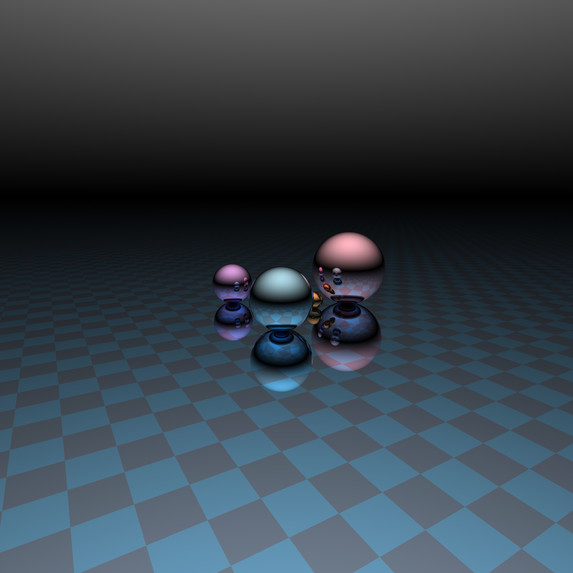
First rendered image
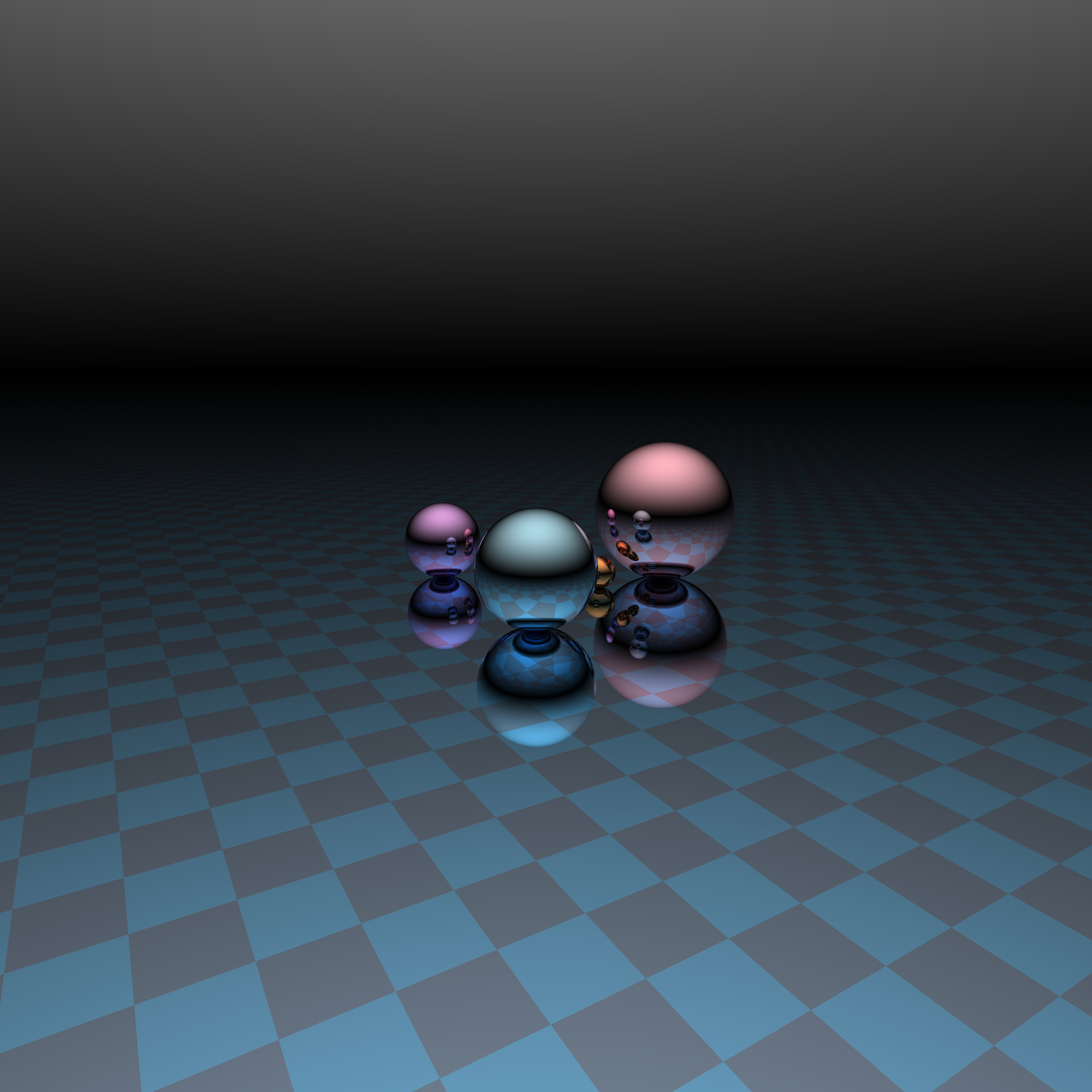
Inspiration
Cloud Rendering with image processing suites like Autodesk, Maya, 3DS Max and others. Earlier work in VR caputured interest in producing very large photorealistic renderings for that environment.
What it does
Distributed Renderer (8K Ray Tracing) is an integration of DCP and Ray Tracing, an essential image processing algorithm that requires intensive rendering power. The images you see are based on a much smaller version of RT from ShaderToy.
How I built it
Integrated KDS DCP and ShaderToy by translating a Ray Tracing shader into DCP. The 8K image is built with a grid of DCP workers (4x4 grid = 16 slices). Each cell in the grid is a slice that can be indepedendently rendered by any worker on the DCP network.
Challenges I ran into
Distributed workers on arbitrary devices do not all have the same rendering capacity (mobile, etc). Some workers would fail due to lack of capacity, but DCP just distributed the work to others.
Accomplishments that I'm proud of
The Distributed Renderer creates stunning super high resolution 8K Ray Traced images very quickly. Also it is interesting to be able to watch the DCP workers collaborate in realtime to produce a stunning visual.
What I learned
Should be a way to profile workers by their rendering capacity to improve overall performance. Ray Tracing is just a single example of the many image processing algorithms that Cloud Render farms offer to accelerate graphic productions.
What's next for Distributed Renderer (8K Ray Tracing)
Using native DCP WebGP workers in a Cloud Render environment (cloud burst image processing).
Built With
- dcp
- kds
- typescript


Log in or sign up for Devpost to join the conversation.