-
-
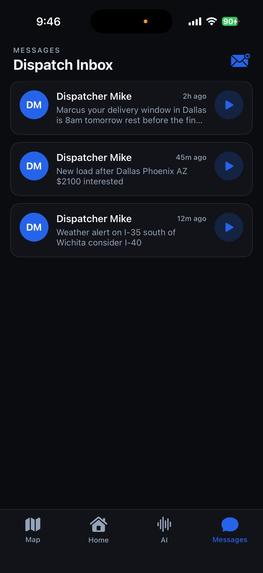
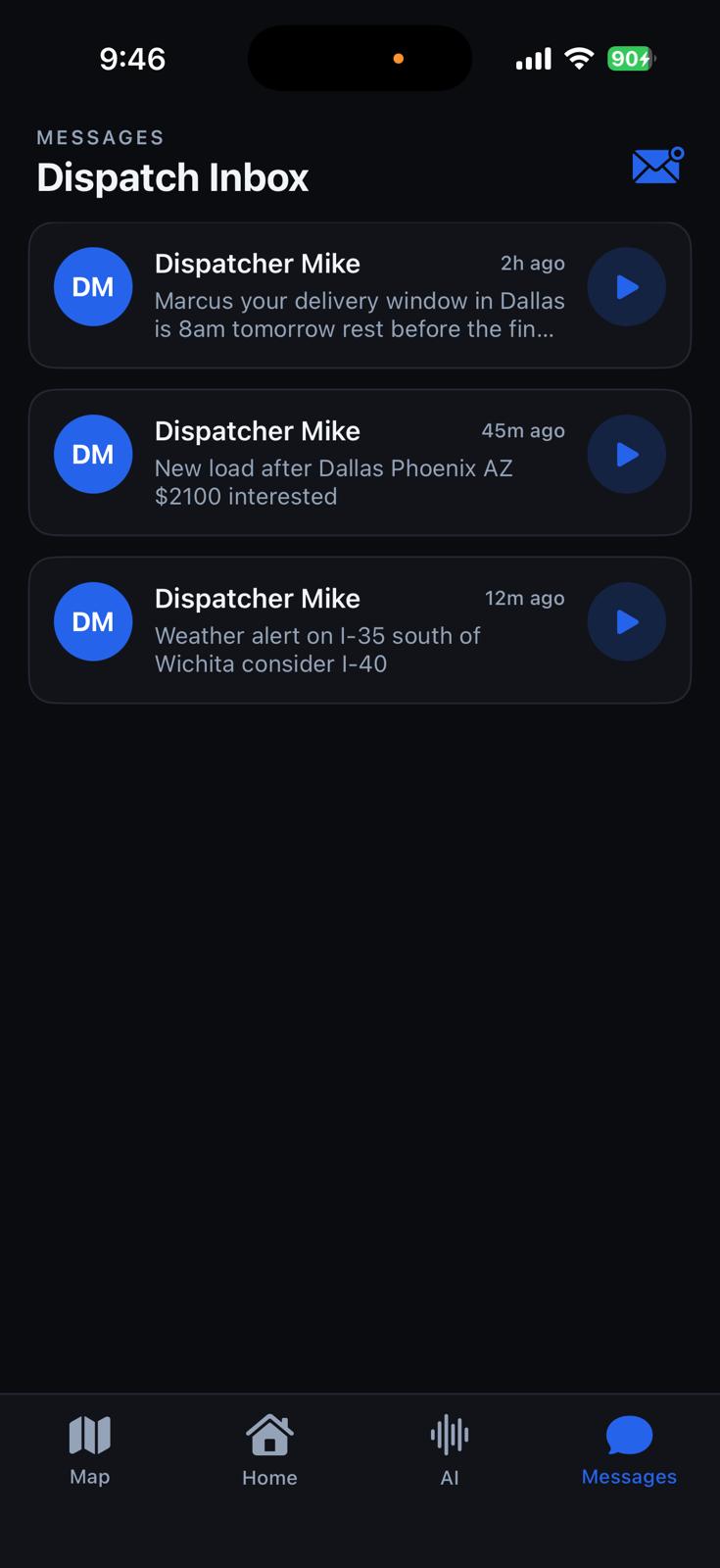
SS of Dispatcher messages
-
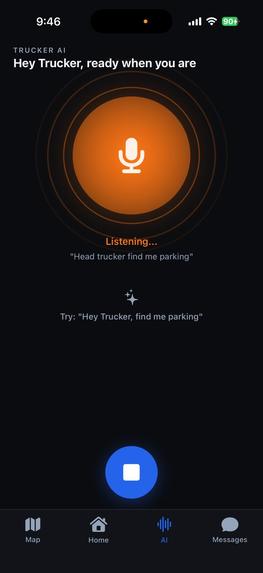
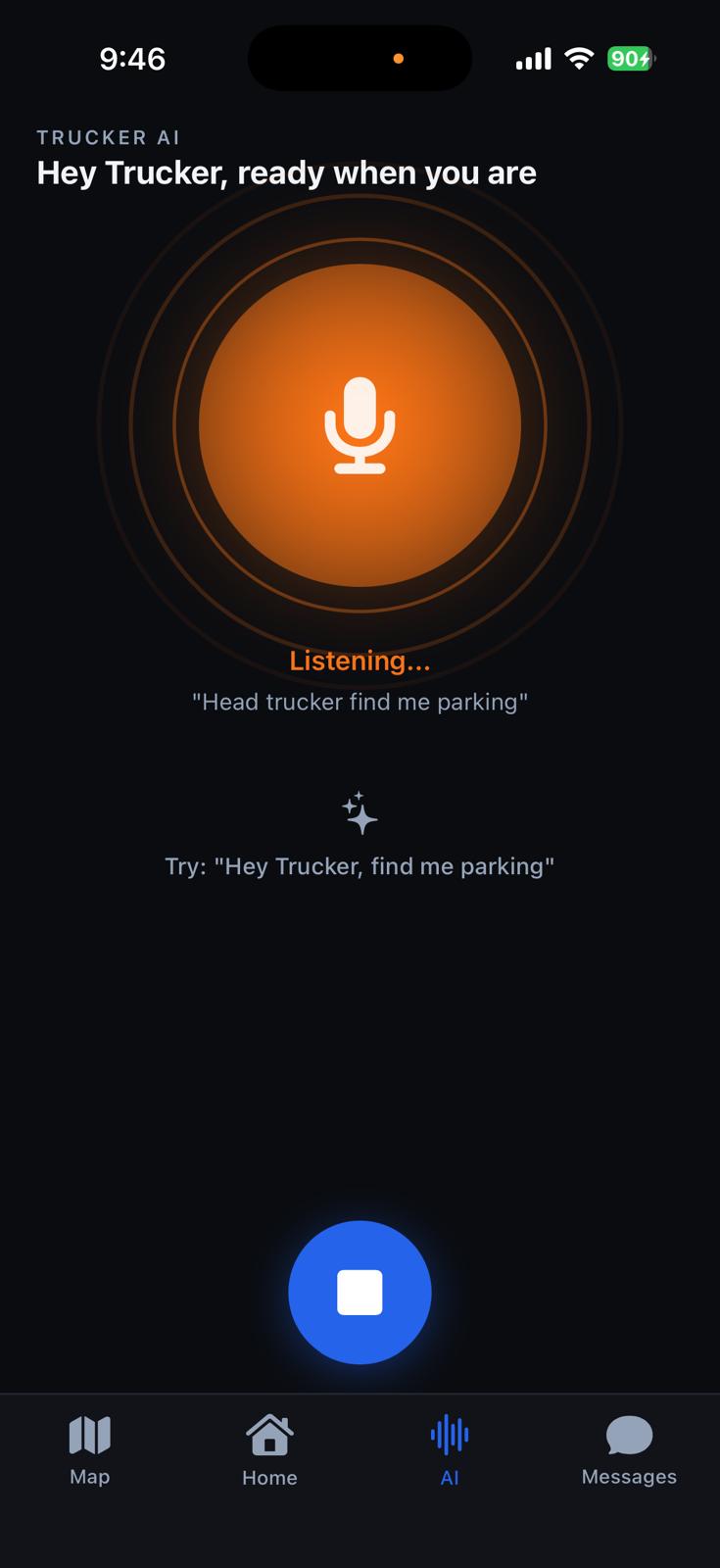
SS of Voice assistent
-
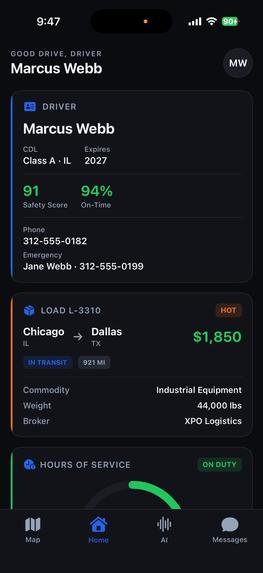
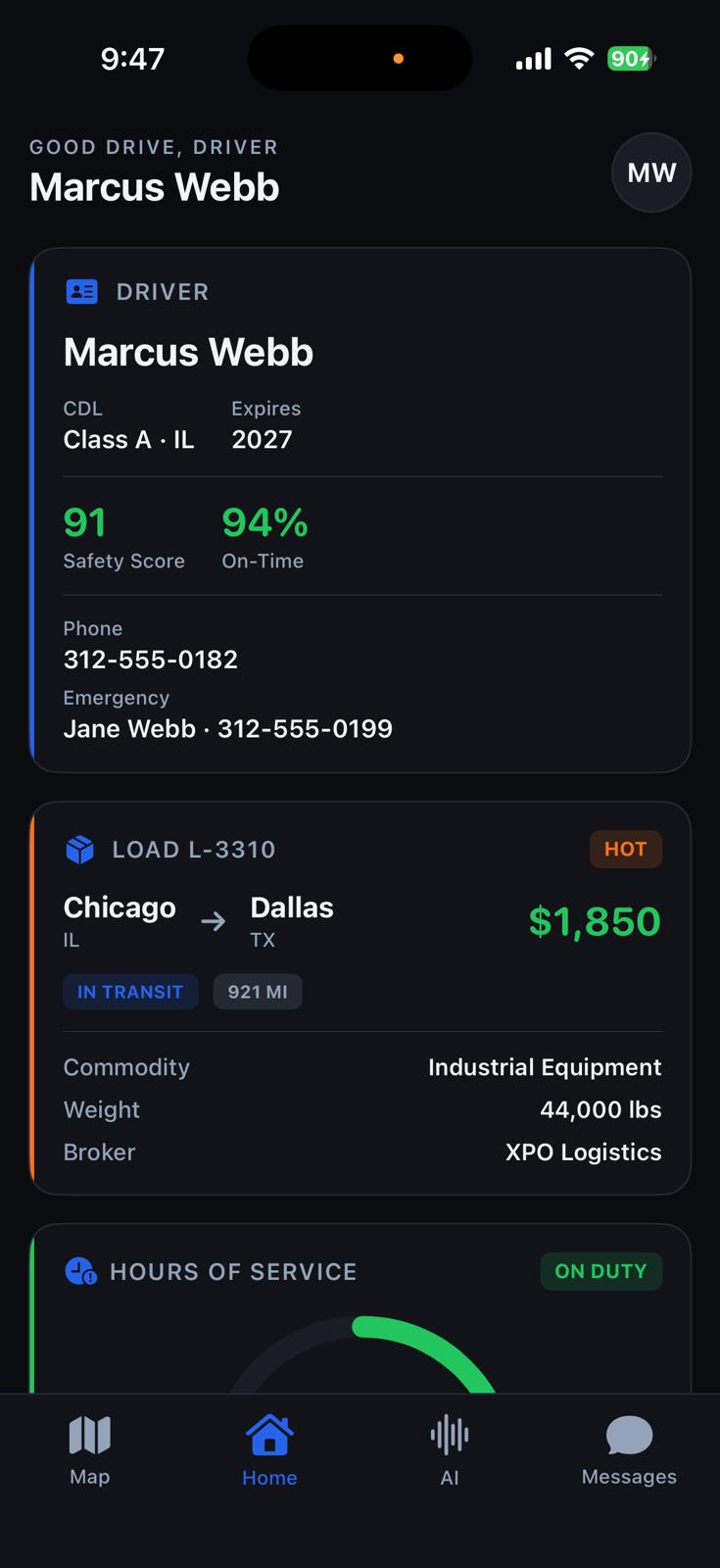
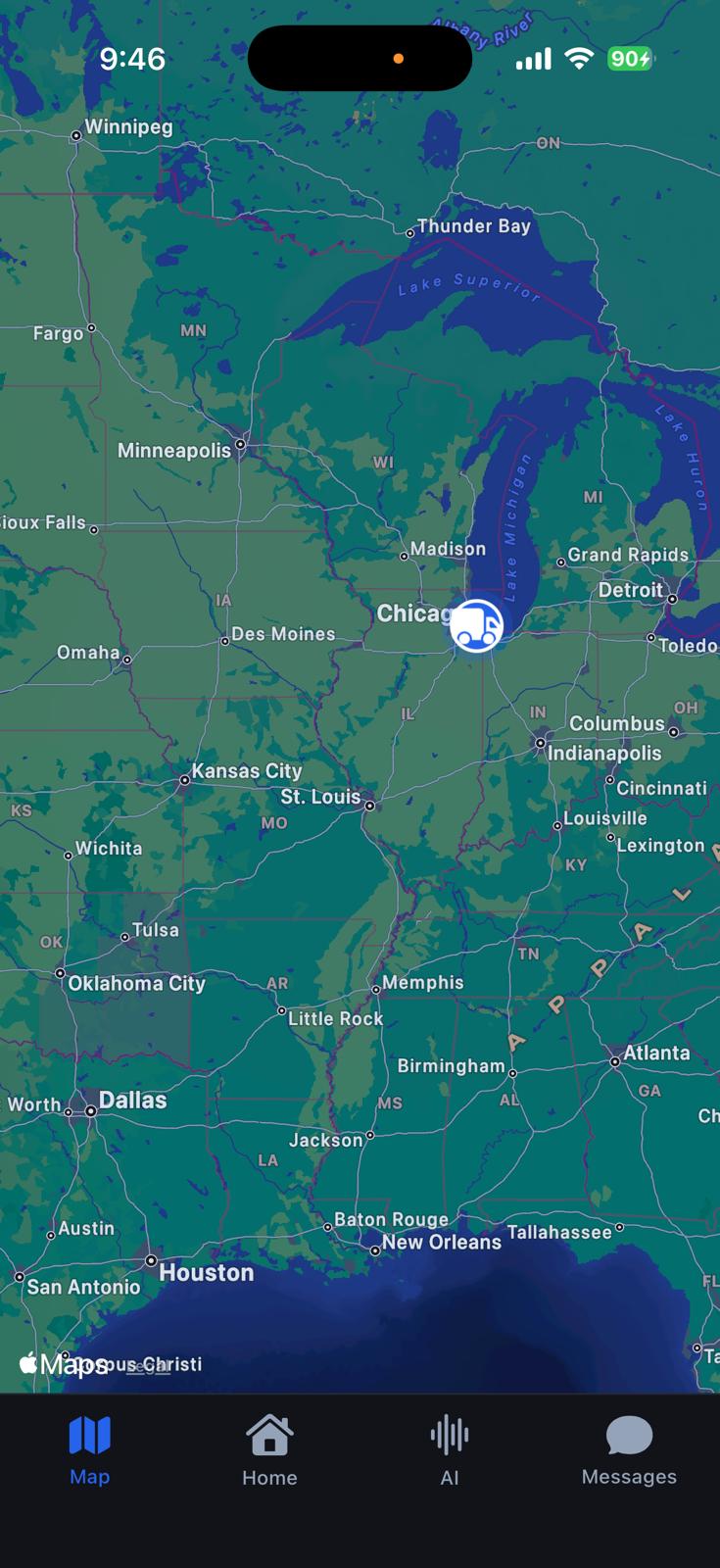
SS of IOS dashboard
-
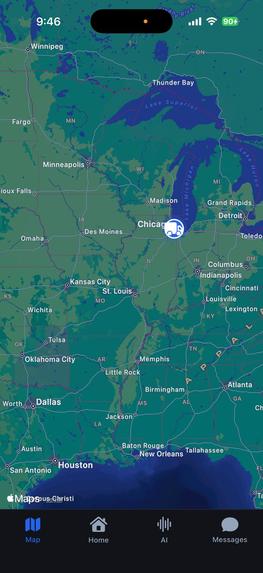
-
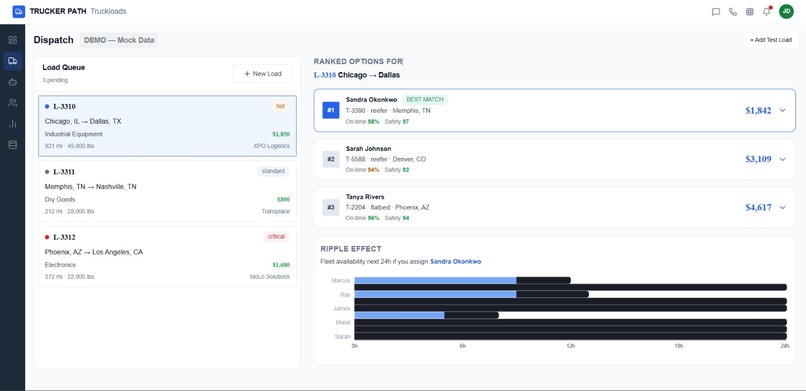
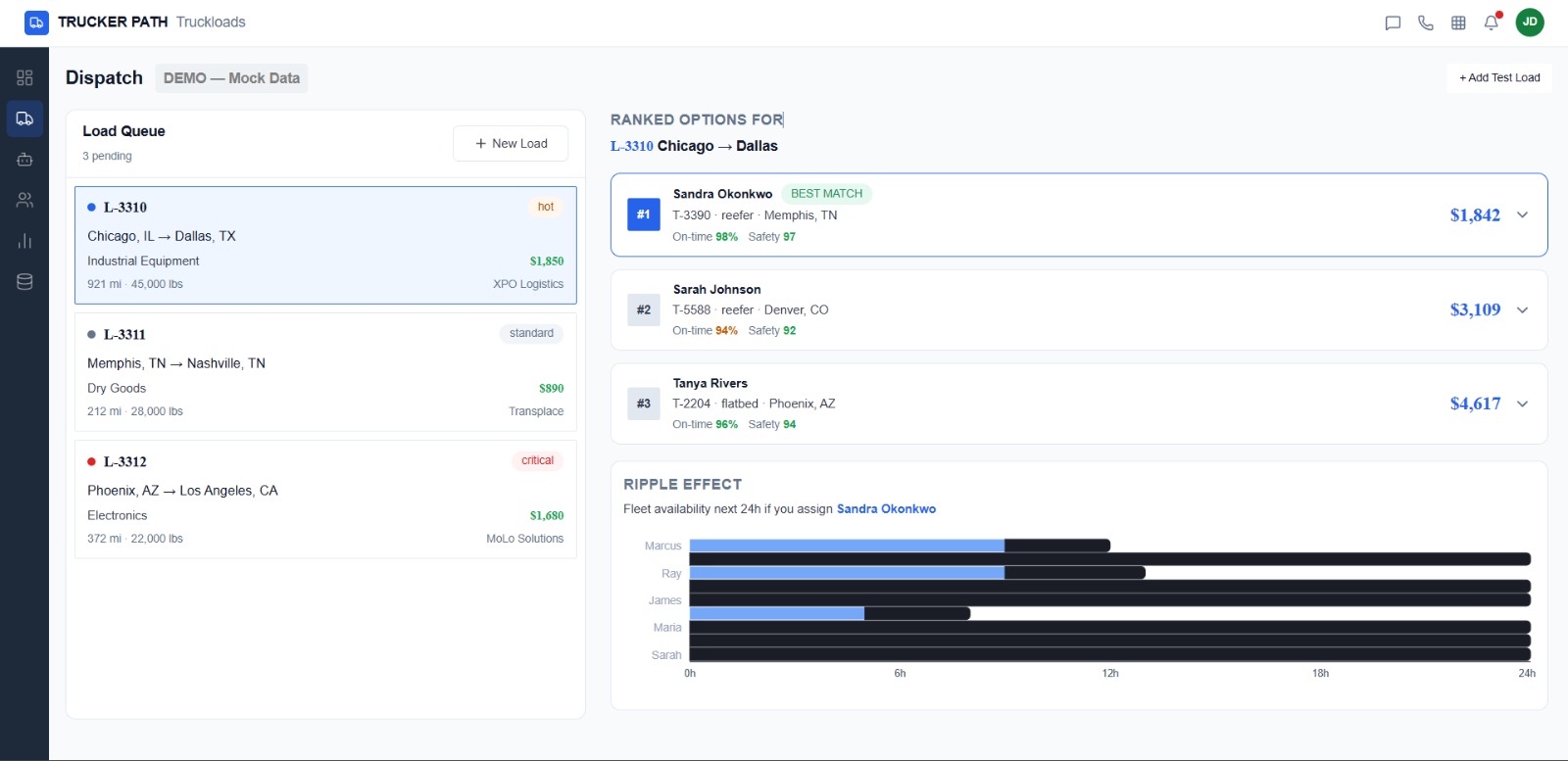
SS of the dashboard top 3 ranked.
-
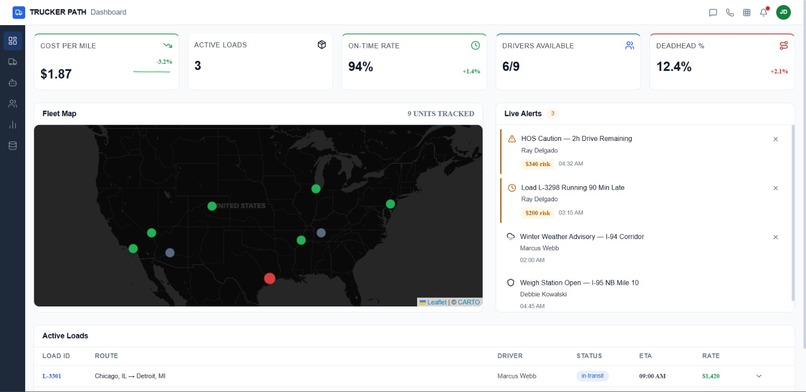
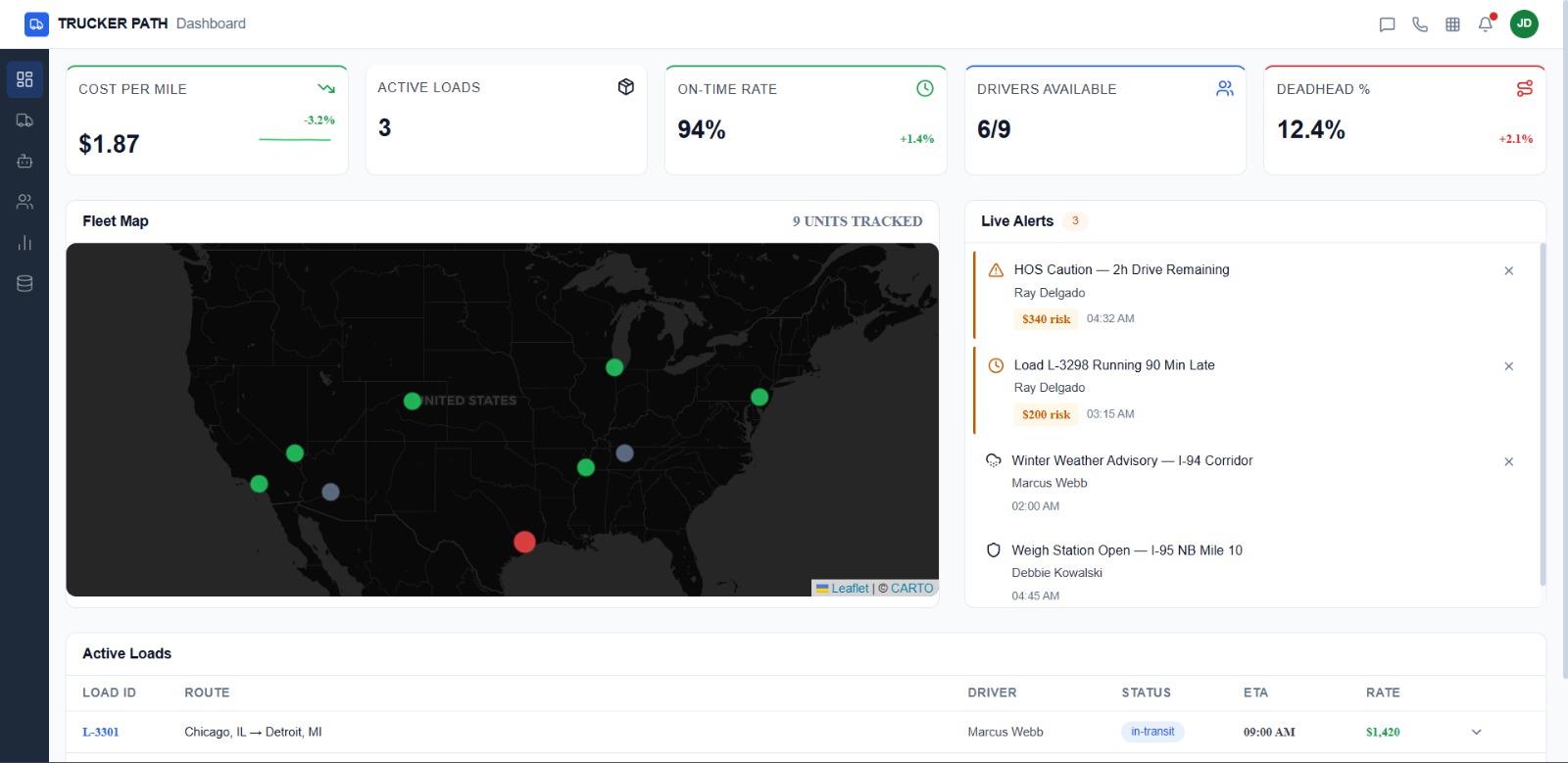
Main dashboard
-
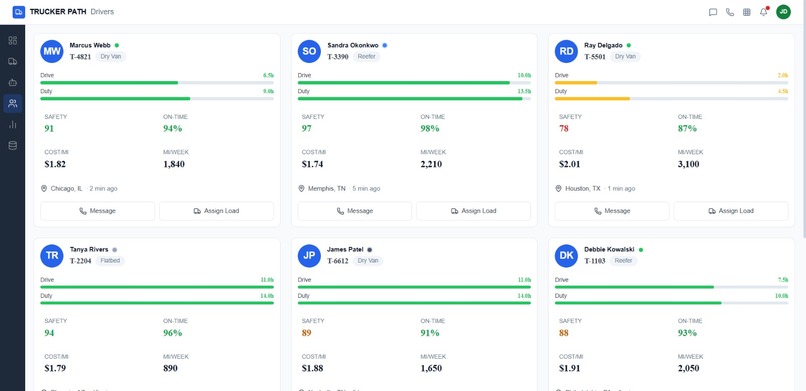
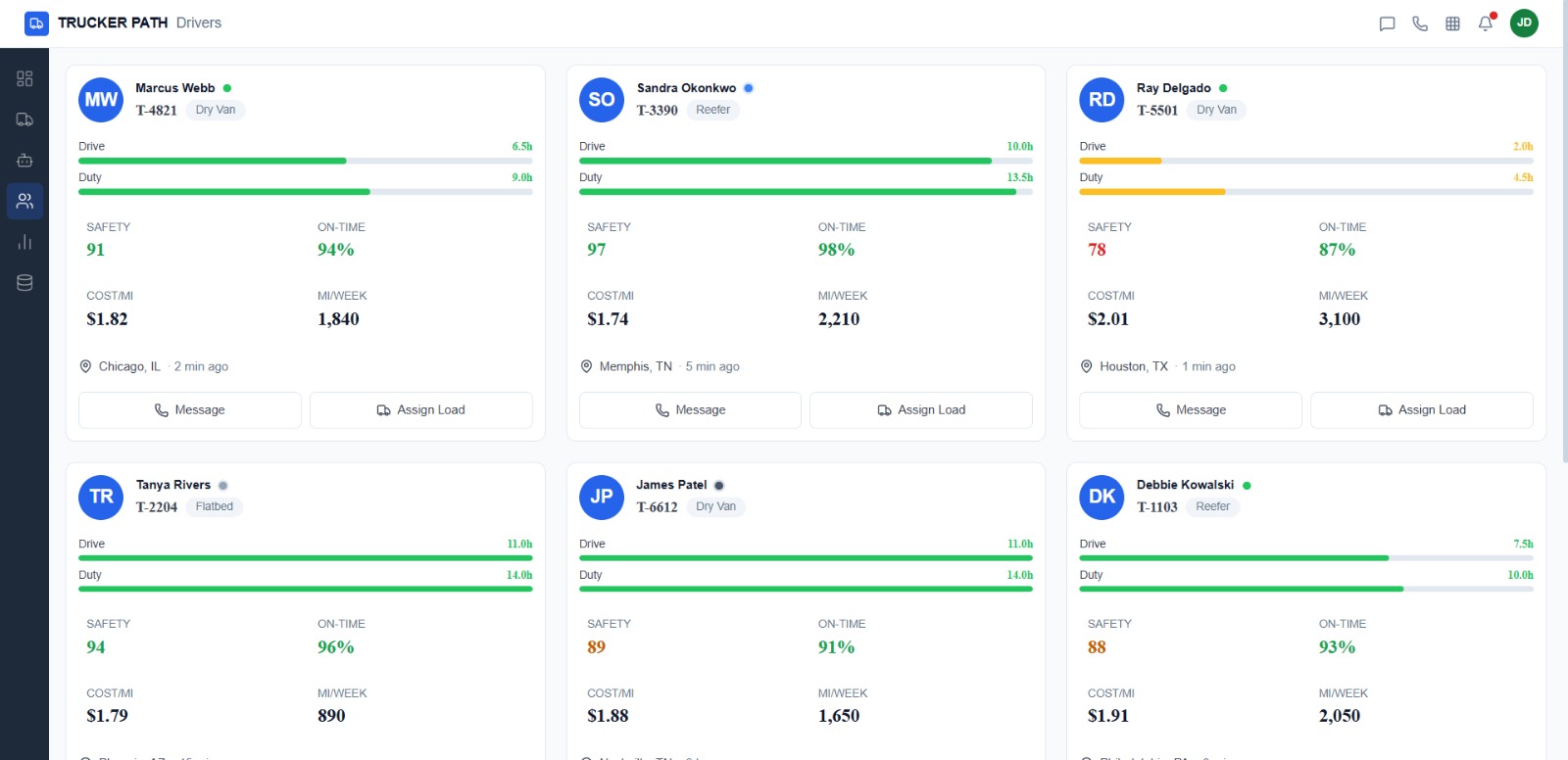
All drivers
-
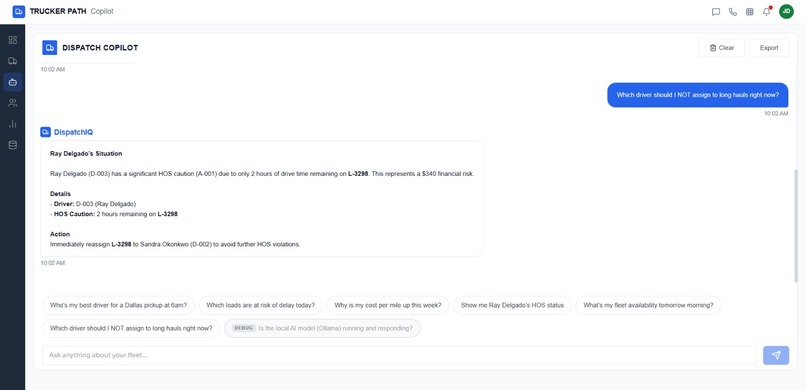
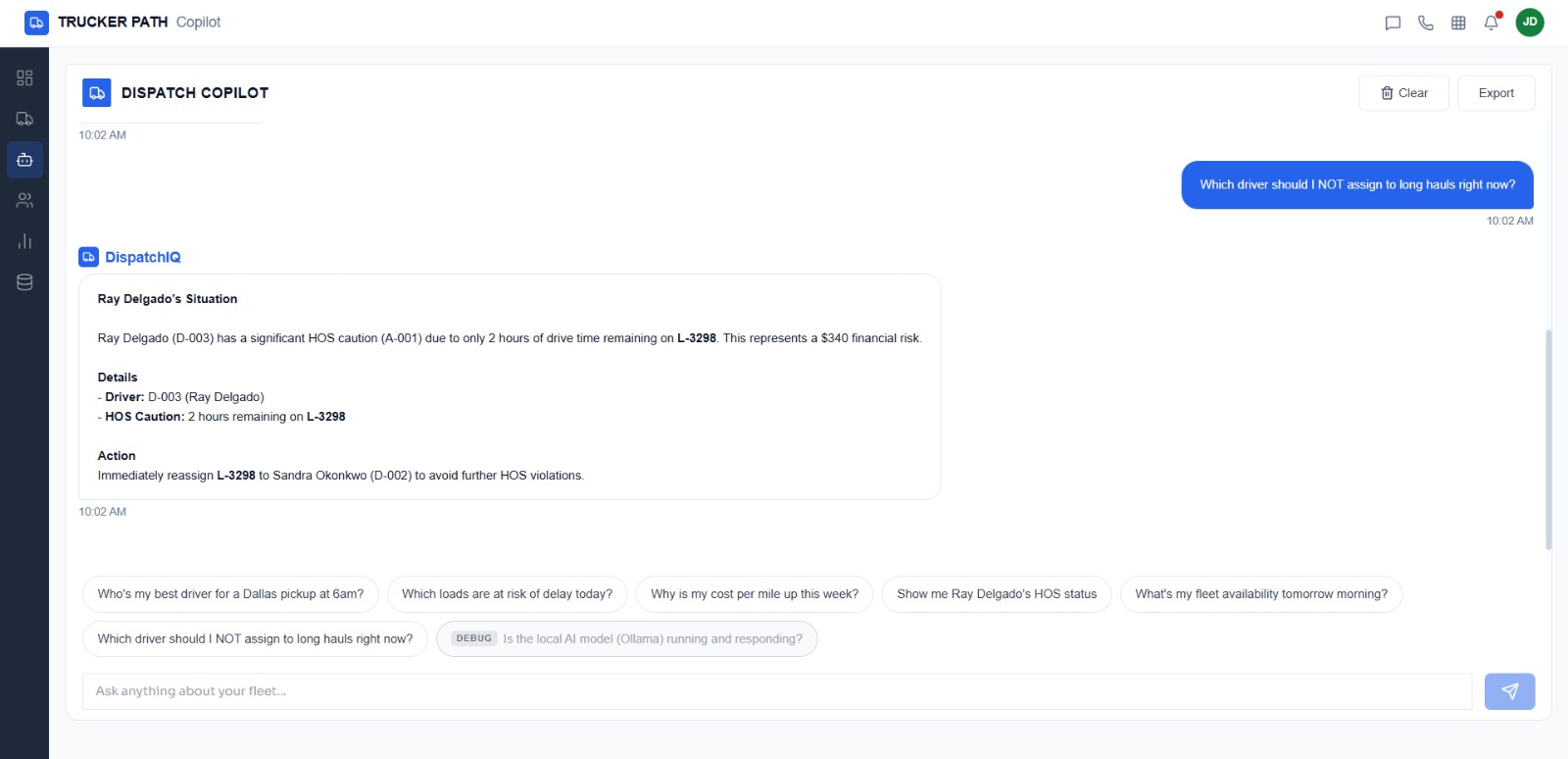
the AI copilot
The Problem
Fleet dispatchers manage dozens of trucks simultaneously, relying entirely on memory and intuition to make assignment decisions. Over long shifts, this mental load compounds. A single misjudged assignment — wrong driver, wrong HOS, too much deadhead — quietly erodes margins and strains the fleet. Fatigue does not announce itself, but its consequences show up in late deliveries, compliance violations, and missed loads.
Our Approach
We are not replacing the dispatcher. We are giving them a calculator.
The tool surfaces the top 3 ranked drivers for any selected load using deterministic, rule-based scoring. No API calls, no AI inference costs, no black-box reasoning. Just well-written code that does the math instantly. The final decision always stays with a qualified human dispatcher.
How Drivers Are Ranked
Each available driver is scored across the following metrics:
- Deadhead miles — distance from the driver's current location to the pickup point
- Deadhead cost — deadhead miles billed at $2.50/mile
- Fuel cost — total trip miles (deadhead + load) at $0.34/mile
- Estimated toll cost — base $15 plus $0.02 per load mile
- HOS drive time remaining — hours left before the driver hits federal limits
- HOS risk level — flagged as none, caution, or high based on whether drive time covers the full trip with buffer
- Estimated detention cost — $75/hour applied when HOS risk is high, anticipating delays at delivery
- On-time rate — historical delivery punctuality as a percentage
- Safety score — driver safety record out of 100
- 70-hour cycle proximity — flags drivers approaching their weekly hour limit
The composite rank weights cost efficiency at 60%, on-time rate at 25%, and safety score at 15%. Dispatchers also see ripple effects, such as how long a driver will be unavailable after completing the trip.
Voice Assistant for Drivers (Proposed)
Truck drivers checking their phone for load info while driving is a real safety hazard. A lightweight voice assistant integrated with TruckerPath data would let drivers ask questions hands-free:
- "Where is the nearest truck stop with parking availability?"
- "How many hours of drive time do I have left?"
- "What is my next pickup address?"
- "Is there a weigh station on my route?"
No complex AI model needed — simple voice-to-query against existing fleet and map data. It keeps drivers informed without taking their eyes off the road.
The Business Case
Faster dispatch decisions mean more loads assigned per shift. When a dispatcher can evaluate three ranked options in seconds instead of manually cross-referencing logs, driver availability, and routes, the throughput of the entire fleet increases. More trucks moving, less idle time, fewer costly misjudgments. That compounds into meaningfully better margins across a fleet of any size.
Built With
- framer-motion
- leaflet.js
- lucide-react
- navpro-api
- ollama-(gemma)
- react
- react-leaflet
- react-router
- recharts
- tailwind-css
- typescript
- vanpro
- vite
- zustand

Log in or sign up for Devpost to join the conversation.