-
-

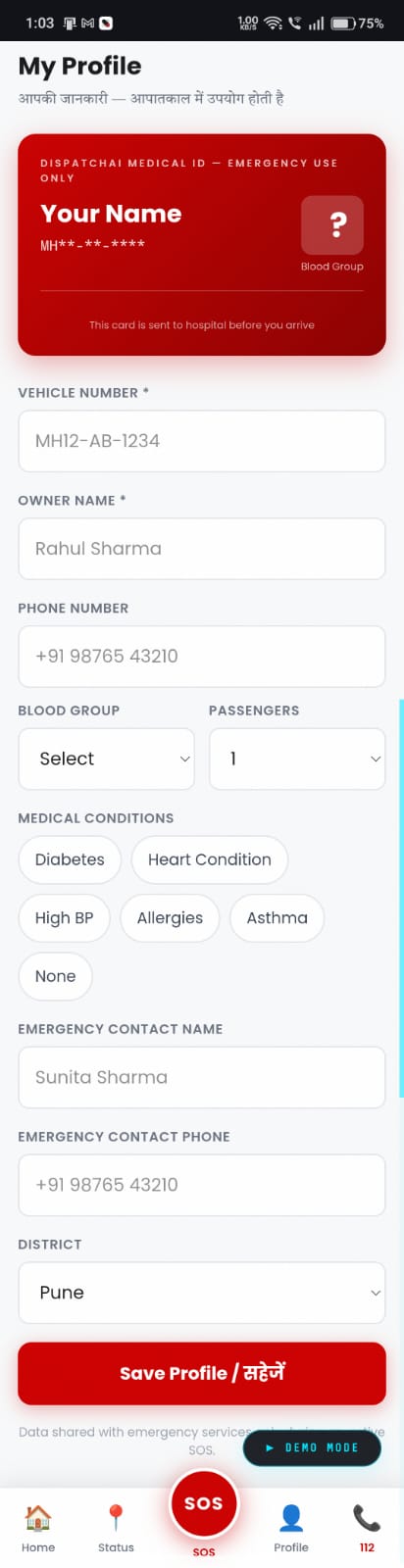
Profile Page
-
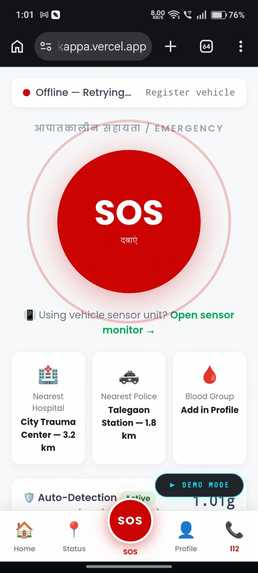
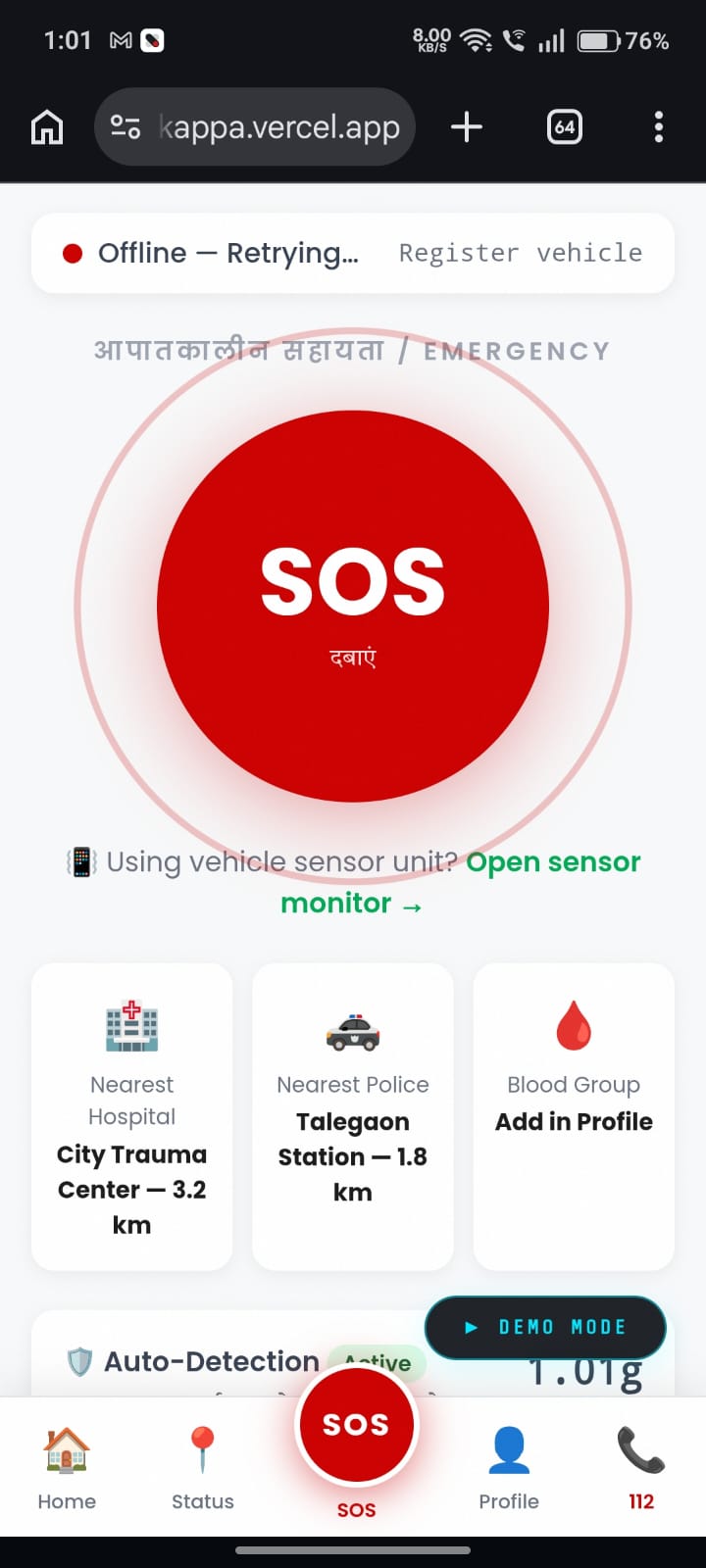
SOS Emergency Page
-
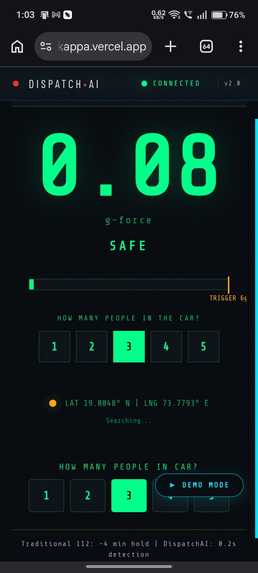
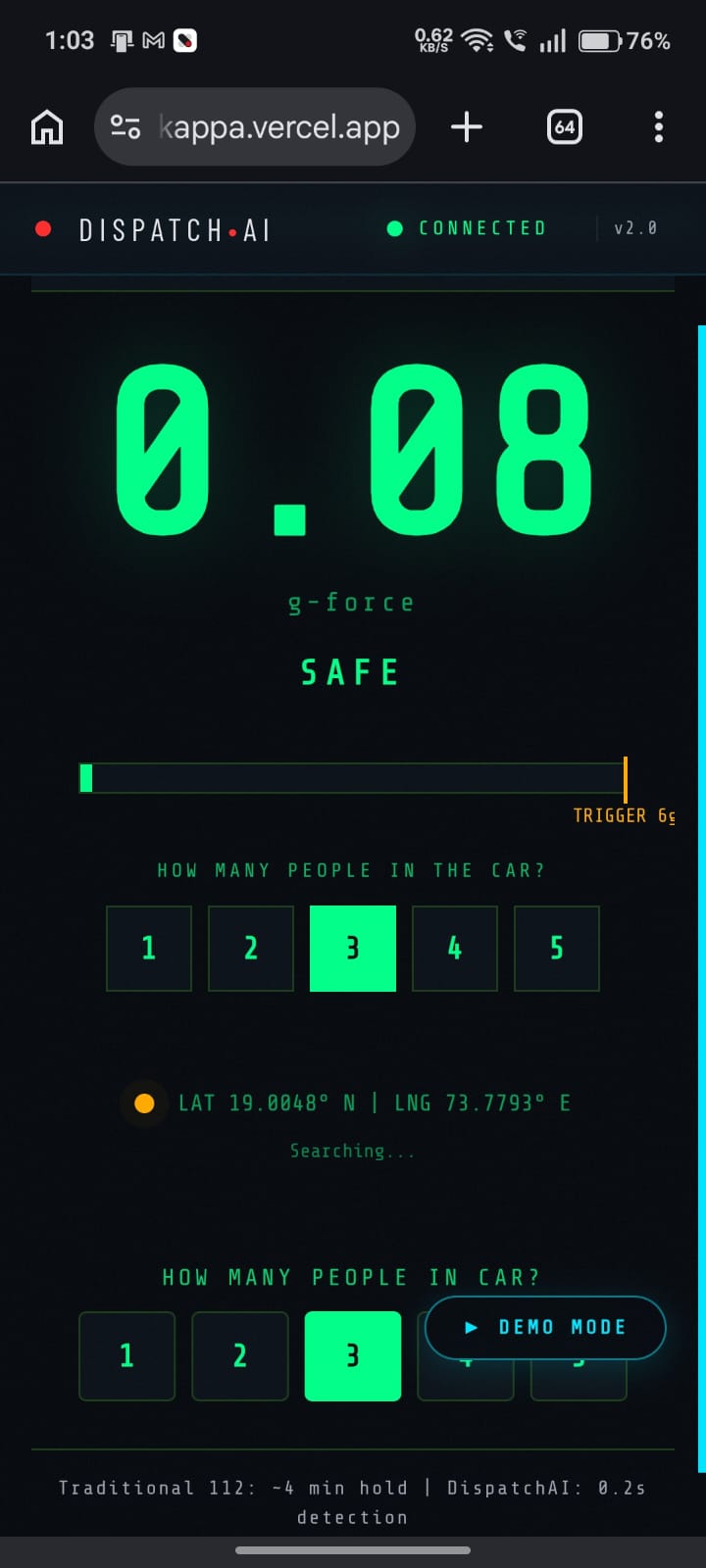
G-Force Visualizer
-
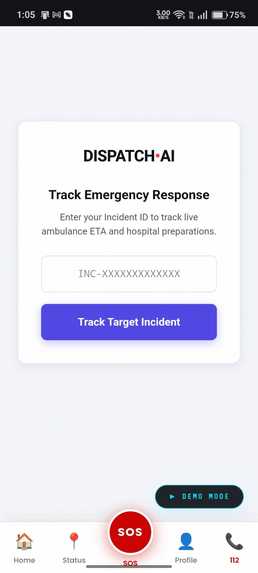
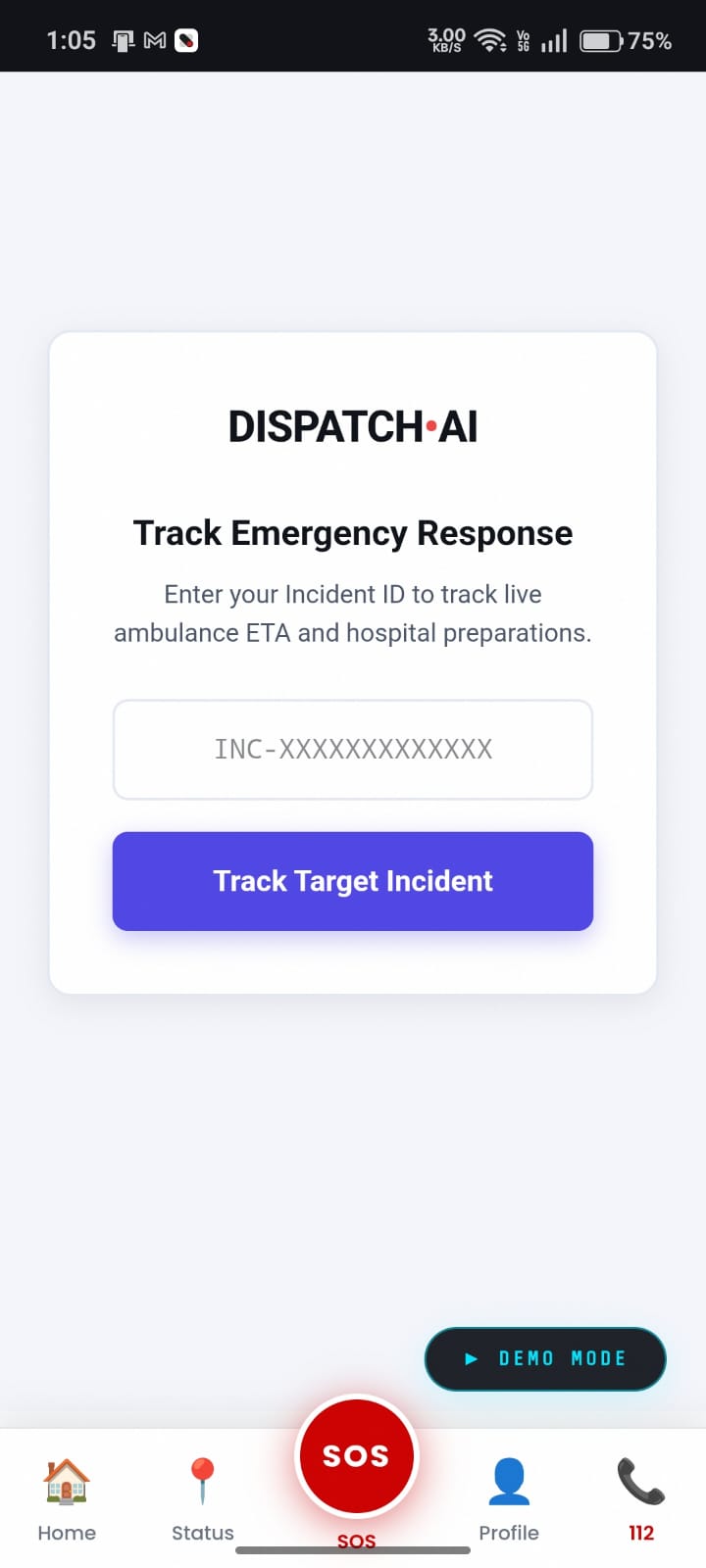
Application Tracker
-
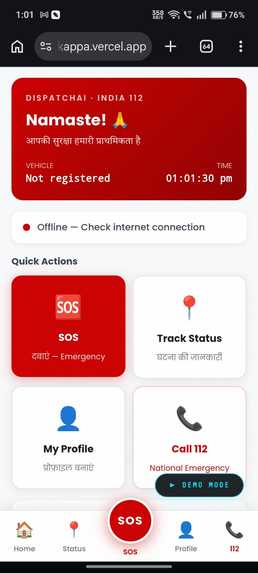
Dashboard Section
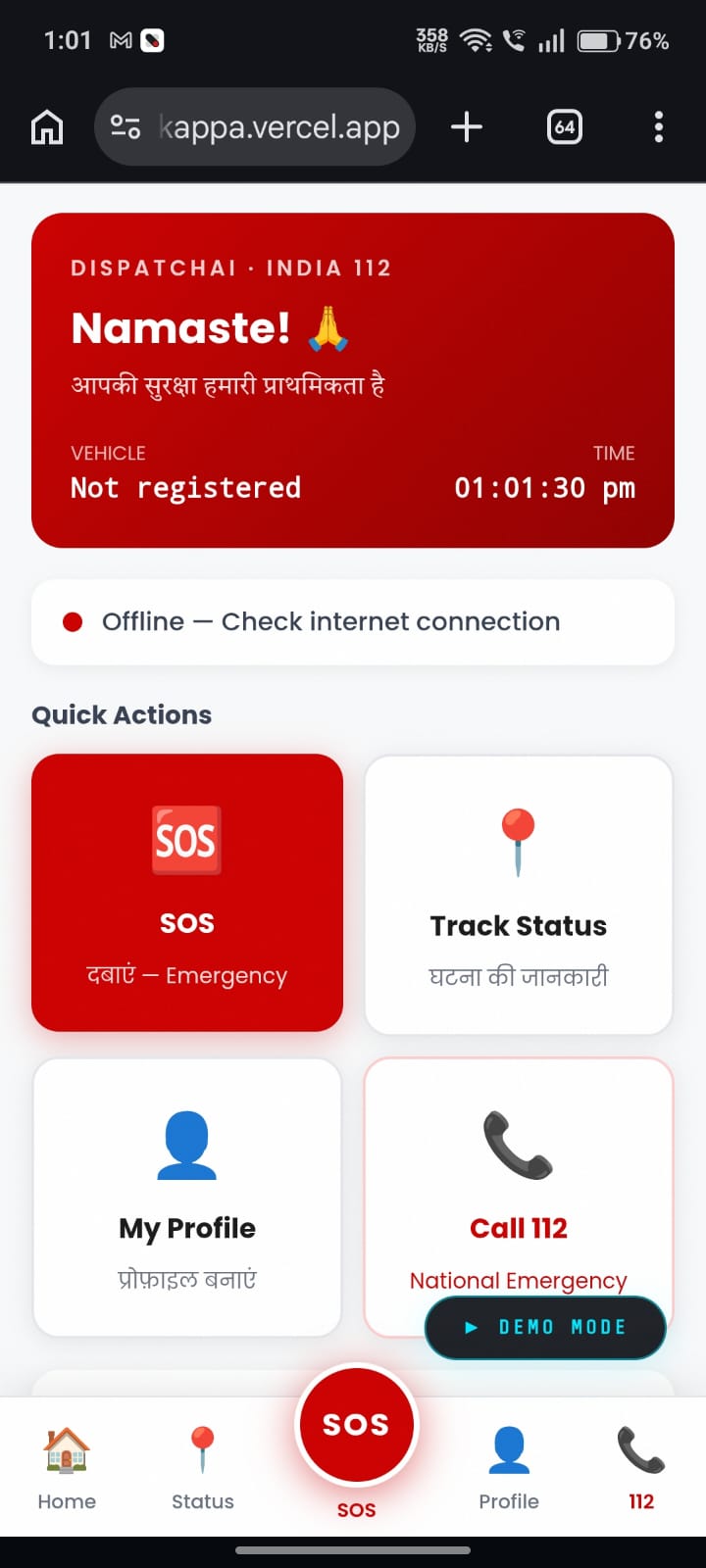
Inspiration In high-speed logistics, the bottleneck is rarely the physical transport — it's the information lag. Witnessing how manual dispatching relies on fragmented communication inspired me to build a bridge between intent and execution. I wanted to see if "Vibe Coding" could move beyond simple UI and handle high-stakes, automated infrastructure. What it does DispatchAI takes natural language dispatching requests and converts them into automated, executable workflows. It parses intent, triggers the right API hooks, and routes notifications — replacing fragmented manual coordination with a single conversational interface. How we built it Built on an agentic architecture where natural language is the primary logic driver.
The Brain — Integrated LLMs to parse complex dispatching requests. The Workflow — Automated notification triggers via API hooks. The Stack — Developed using AI-assisted tools to rapidly iterate on backend logic and autonomous routing.
Challenges we ran into The biggest hurdle was context window management during long-running tasks. Maintaining the "state" of a dispatch mission while the AI generated new code or logic on the fly required strict architectural guardrails. Optimizing the system for low latency on local hardware while keeping real-time updates intact was a constant balancing act. Accomplishments that we're proud of Successfully demonstrating that agentic systems can handle real-world, high-stakes workflows — not just toy demos. Getting reliable end-to-end dispatch execution from a single natural language prompt, with error recovery loops intact, felt like a genuine breakthrough. What we learned Deep insights into agentic reliability. Unlike standard software where Output=f(Input)Output = f(Input) Output=f(Input), an agentic system follows a probabilistic path: P(Success∣Prompt)=∏i=1nP(Stepi∣Context)P(\text{Success} \mid \text{Prompt}) = \prod_{i=1}^{n} P(\text{Step}_i \mid \text{Context})P(Success∣Prompt)=i=1∏nP(Stepi∣Context) Ensuring success across nn n steps taught me the importance of robust prompt engineering and disciplined error-handling loops. What's next for DispatchAi
Multi-agent coordination for parallel dispatch streams Live map tracking integrated into the natural language interface Fleet-scale deployment with role-based access control Fine-tuned dispatch model trained on real logistics data
Built With
- agentic-architecture
- ai-assisted-development
- engineering
- llm-apis
- natural-language-processing
- node.js
- prompt
- python
- real-time-notifications
- rest-apis
- webhook-automation



Log in or sign up for Devpost to join the conversation.